

















features
Talkback: Everyone's talking about ... inspiration
Some of the most inspirational entrepreneurs are those who’ve experienced a personal trauma that led them to make a change for the good. Vicky Kiernander speaks to four industry founders about their journey


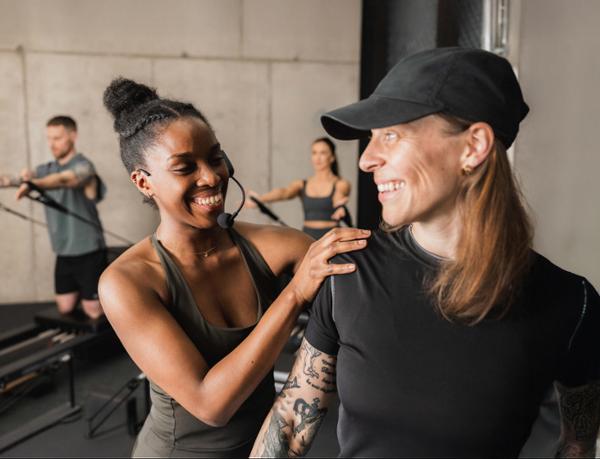
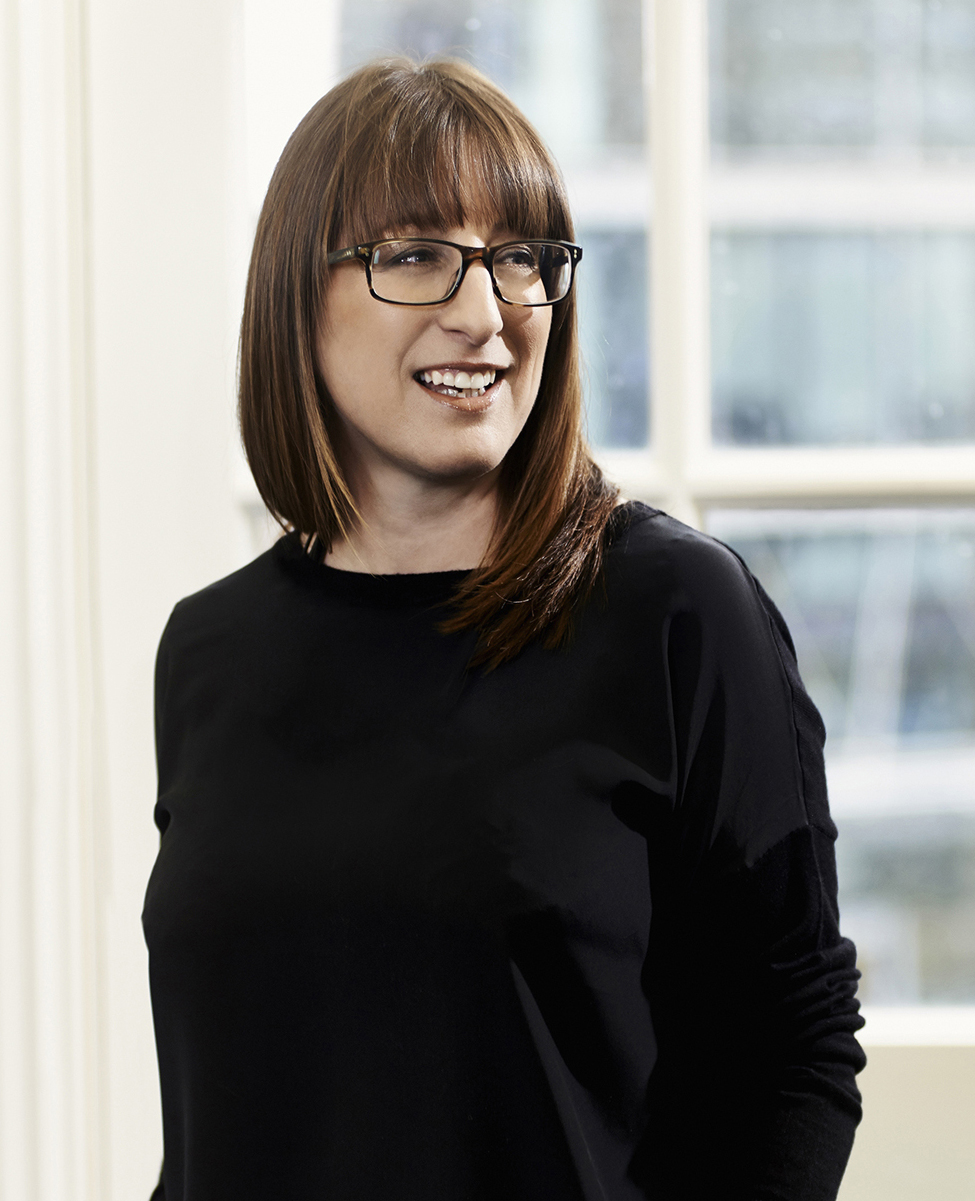
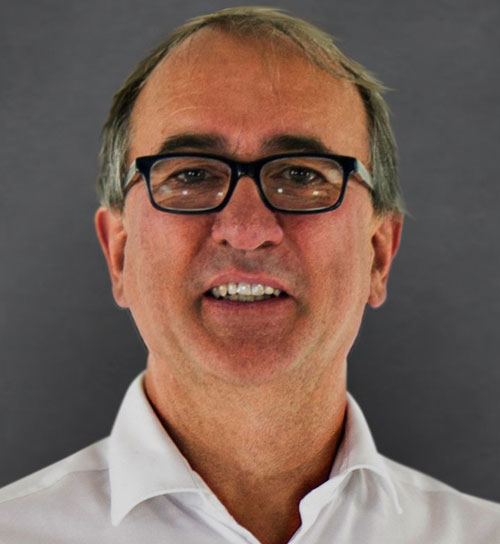
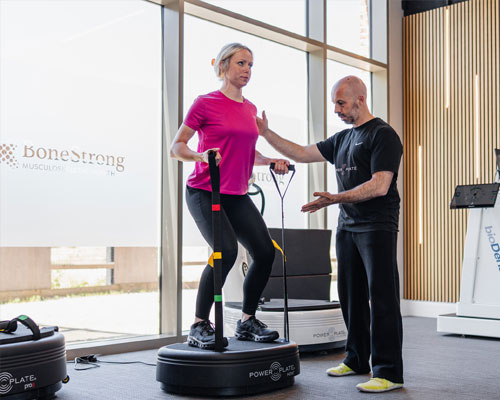
In 2006, I was in a serious car accident and sustained multiple injuries, including whiplash, a fractured coccyx and soft tissue damage. The result was intense, ongoing pain and significantly reduced mobility. My recovery journey was long and difficult and ultimately proved life changing.
What struck me most wasn’t just the physical toll of my injuries, but the fragmented and disconnected nature of the healthcare and rehabilitation services I encountered.
I was forced to coordinate my own care and recovery while feeling physically and emotionally vulnerable, and lacking the expertise to do so.
Discovering reformer Pilates was a breakthrough, providing a safe, supported way to continue exercising and significantly improving my recovery.
I realised I couldn’t be the only one facing these challenges. This insight, coupled with a belief in the need for a more integrated, consumer-centric solution, inspired the creation of Ten Health and Fitness.
Ten had a clear vision from the outset: to bridge the gap between the medical world and fitness industry with a joined-up, holistic approach to health, fitness and rehabilitation.
The company has an integrated and client-centred approach, particularly for individuals recovering from injury, managing chronic conditions or seeking preventative care.
Our specialists, who include physiotherapists, clinical exercise professionals and PTs, deliver tailored, goal-oriented programmes that prioritise recovery, effectiveness and long-term results.
We’ve tackled the lack of coordination with our Circle of Care approach. Rather than having clients bouncing between specialists with little communication between them, we’ve created an integrated model where everything happens under one roof in real time.
This level of integration means every stage of a client’s journey, from injury management to prehab, treatment and performance is connected, allowing us to be more agile and effective. This isn’t just more efficient – it’s transformational in terms of outcomes.
We’re committed to evidence-based exercise. Whether through personal training, clinical exercise sessions or Pilates, services are grounded in science and focus on helping clients build strength, resilience and sustainable wellbeing.
Growth has allowed us to introduce complementary services such as women’s health physiotherapy.
This year, we launched Ten Reformer, a franchise business. While the offering is distinct from Ten’s studio model, it reflects our brand DNA and is delivered by instructors trained via Ten Academy, our education platform.
Recovery is never a straight line, and for me, managing past injuries is an ongoing process. While physio, rehab and reformer Pilates have helped rebuild my health, I’ve had to shift my mindset and take a more proactive ‘maintenance and prevention’ approach, focusing on consistency rather than intensity.
There have been moments of frustration when I’ve pushed too hard and found myself back in rehab mode, but I’ve learned the importance of listening to my body and staying mobile. Doing nothing is never the answer.
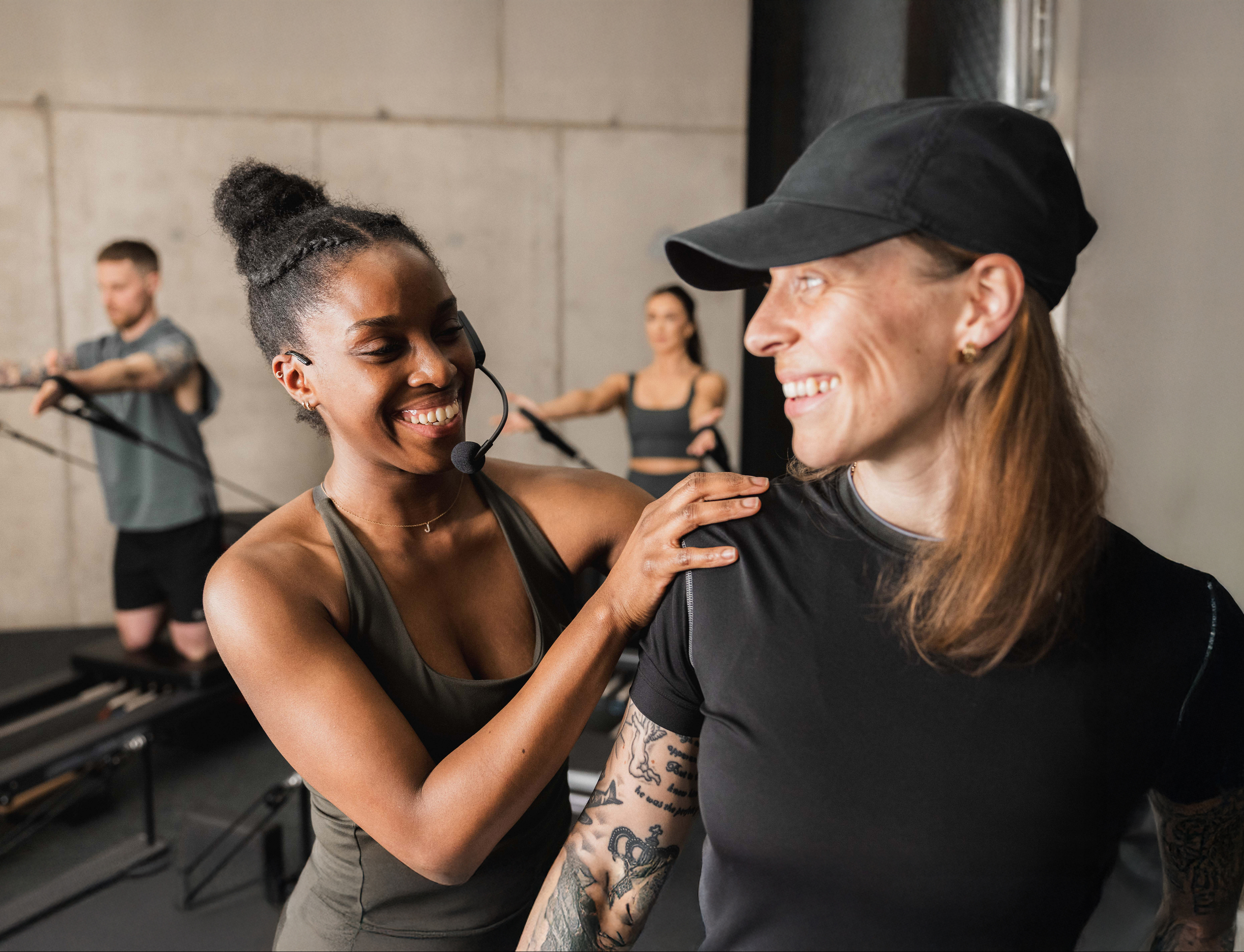
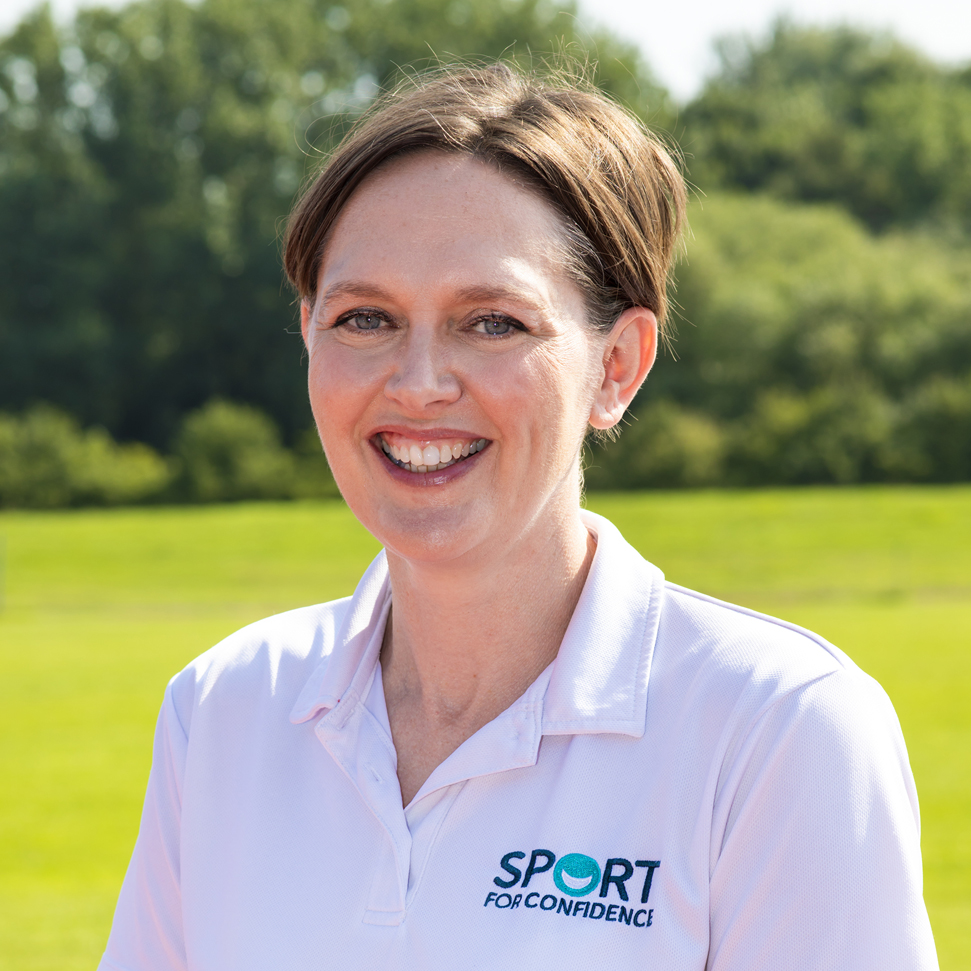
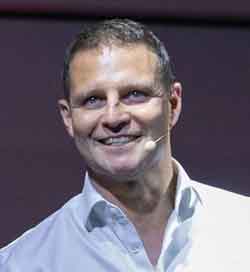
In 1998, during my final year studying Occupational Therapy at Canterbury Christ Church University, I became seriously unwell with what was later diagnosed as an autoimmune disease. At the time, I was also playing netball at national level as part of the England U21s squad. My future had looked incredibly bright but then everything changed, almost overnight.
The illness had a profound impact on my life. I lost the use of one of my hands and developed foot drop, I couldn’t walk without support, and my cognitive ability was significantly impaired. I developed epilepsy, struggled with memory loss, and spent the best part of 10 months in hospital, mostly confined to a bed.
What had once been simple, everyday tasks became incredibly difficult. Plus, the sport I loved became something I was no longer able to access and enjoy.
As I began to recover, I entered a long period of rehabilitation with a fantastic multi-disciplinary team. I eventually returned to complete my degree and went on to work as an occupational therapist in the NHS, a job I loved, but my experience as a patient had profoundly changed how I viewed the health system and my role within it and I started to question whether there might be a different, potentially more effective, way to deliver occupational therapy, outside a clinical setting and with a greater focus on the use of physical activity.
Trying to return to sport myself, I quickly became aware that my new ‘medical’ label made those in the system view me more as a risk than an athlete. My opportunities to participate had become practically non-existent. I no longer felt welcome or included. That feeling stayed with me and fuelled an idea: what if physical activity had played a greater part in my rehabilitation and beyond that, how could occupational therapists directly work in leisure settings alongside sports coaches to create inclusive, supportive environments?
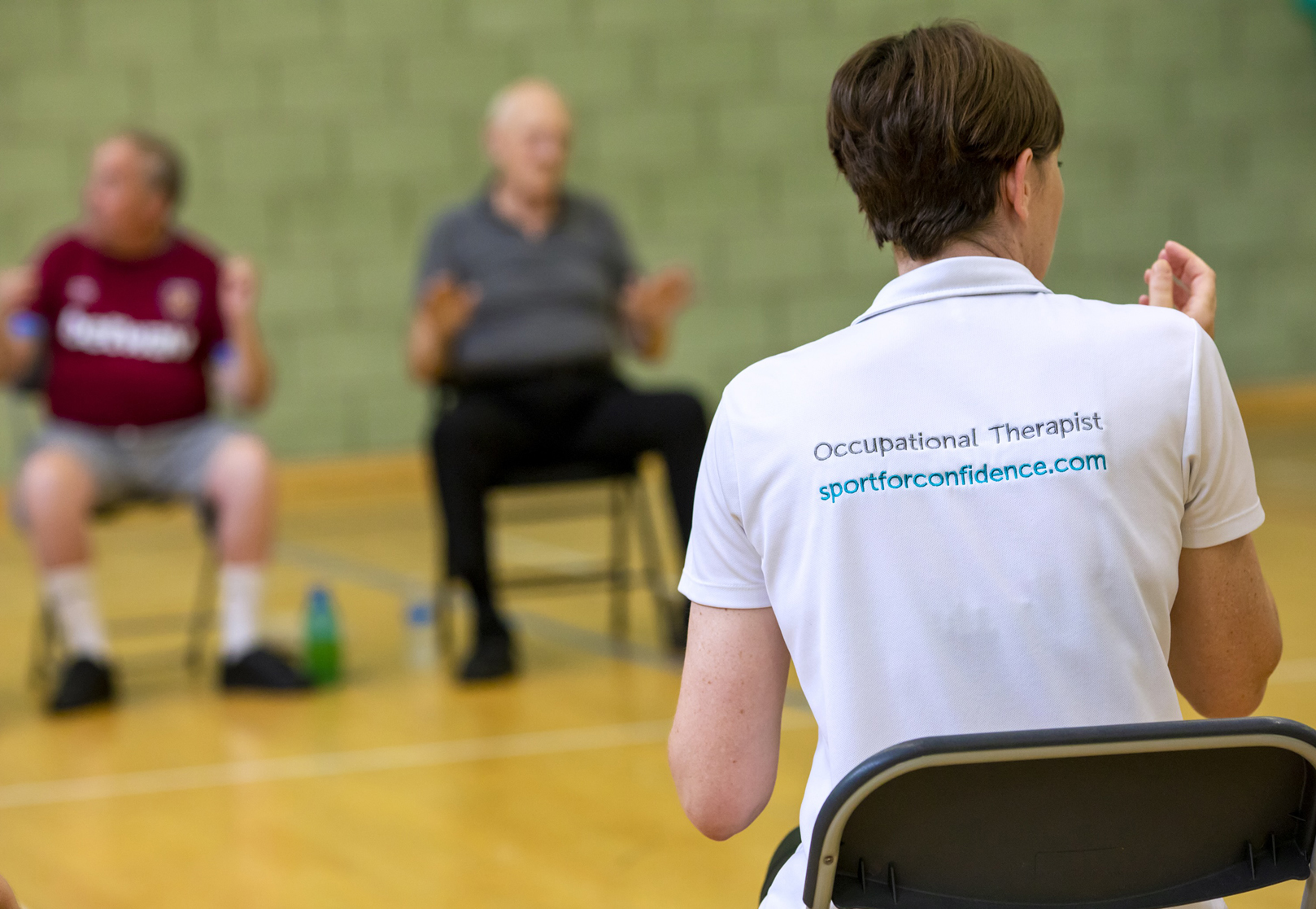
In 2015, I left the NHS and launched Sport for Confidence CIC. Working as an occupational therapist alongside a sports coach we began by supporting just one individual at Basildon Sporting Village, UK. Since then, we’ve grown to a workforce of more than 50 people, supported by a team of volunteers and apprentices, operating across Essex, parts of London and Suffolk. We support thousands of people every week, many referred by health professionals, but also through self-referral.
Sport for Confidence is built on a person-first, occupation-focused and systems-driven approach. We’re here to tackle inequalities and open up access, especially those furthest away from sport and physical activity, in a way that’s relevant and meaningful to their lives. Without my own lived experience, Sport for Confidence simply wouldn’t exist.
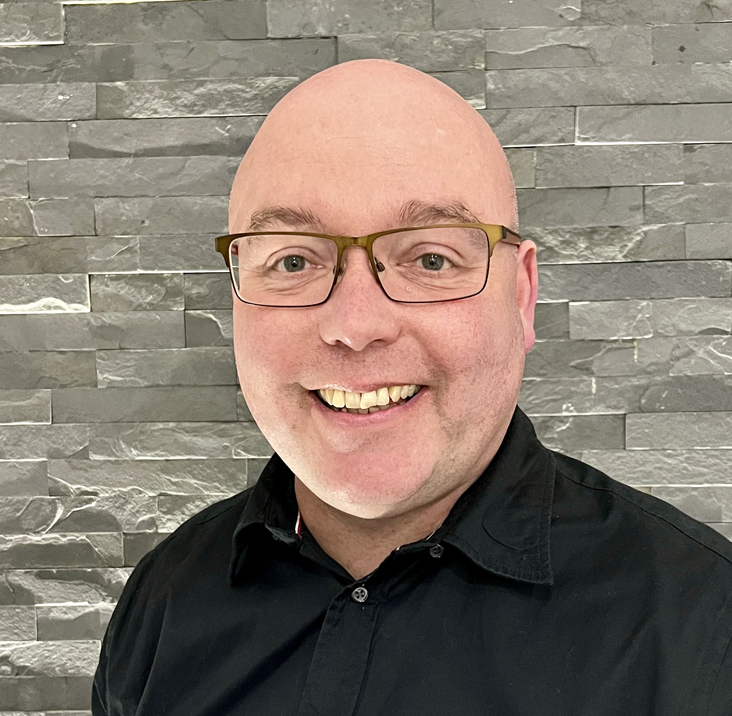
My mum lived alone in a rural town with limited services. She was a smoker and didn’t look after herself, nor did she engage with her GP, for fear of being viewed as a burden.
One day, she was rushed to hospital. She had ignored worsening foot pain for too long and was diagnosed with gangrene. She wasn’t diabetic, so the condition was rare. She had part of her foot removed and was in hospital for three months.
She stopped smoking, which was a small win, but back at home she just accepted her situation. It was only when she was later diagnosed with endometrial cancer that something shifted. She travelled for radiotherapy every day on patient transport and it was being around others like her that boosted her confidence. She started asking about my work and reflected that her own life could have been different if she’d had access to the health and wellbeing services we were running.
That stuck with me and ReferAll was created to bridge this gap by connecting people to health services. I can’t say for certain it would have changed mum’s fate – she died following a stroke at the age of 71 – but I believe it could have made a difference.
Growing up in a small town with limited opportunities, I saw many friends turn to drugs and alcohol as teens. It was a running joke in our gang that you wouldn’t live past 40. In fact, only a few of us made it to our 50s. Again, if access to support had been easier, their fates may have been different. I thought by improving the system, with services that were easy to find, better funded and built around real evidence, we could genuinely change lives.
From humble beginnings and a small start-up grant, we’ve grown into a SaaS platform that supports 171 locations and over 1.1 million referrals. We work with services ranging from exercise referral and weight management to social prescribing and Prehab4Cancer. Our goal is not just to facilitate referrals, but to provide meaningful data to prove the value of these services, helping commissioners invest in what works.
ReferAll is now active in my hometown, delivered from the very building where I started as a gym instructor in 1992. It feels like coming full circle and closing a loop.
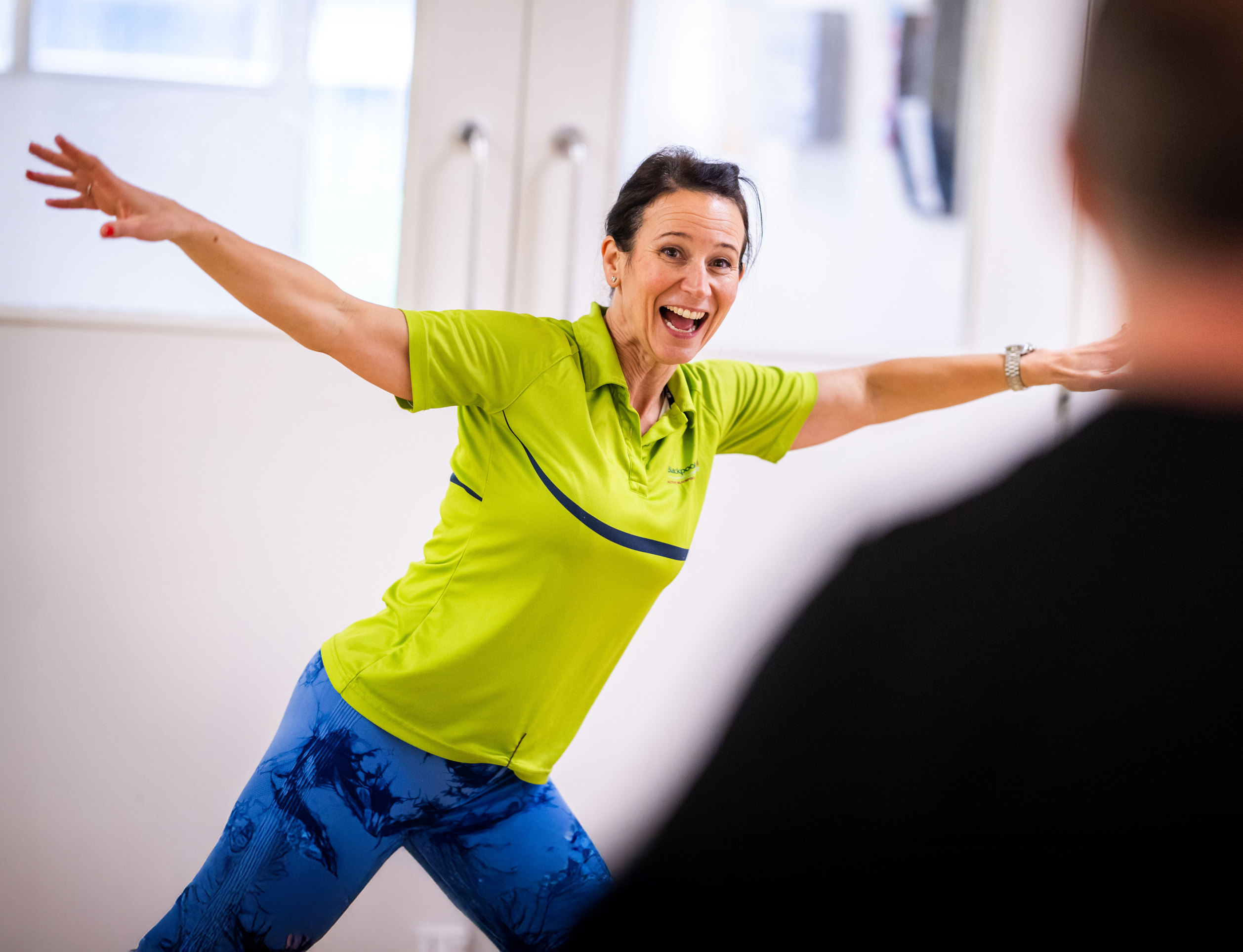
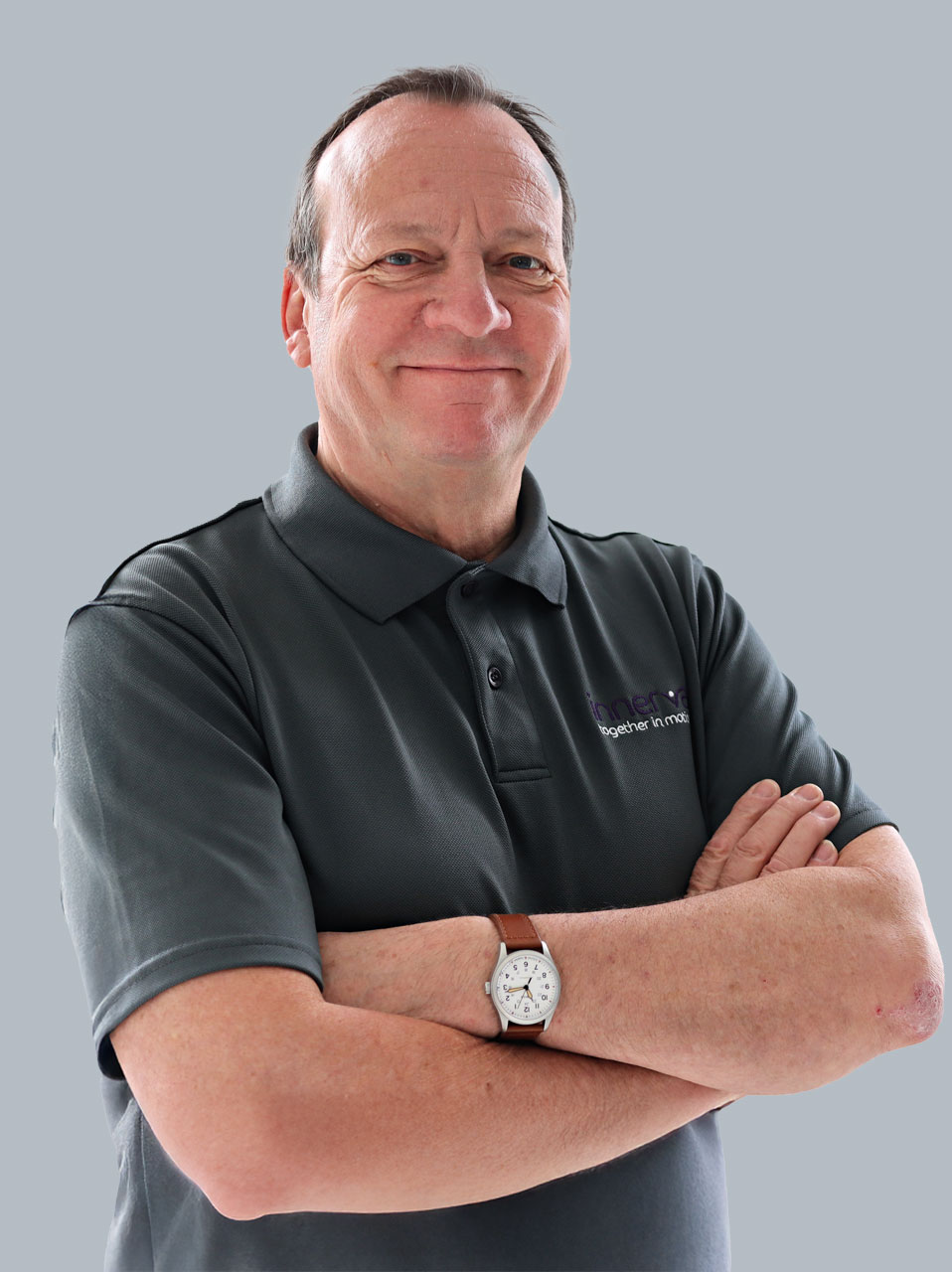
My grandad’s experience in a care home changed my life. He’d always been independent, but everything changed when he moved into long-term care. With the best of intentions, the staff did everything for him. They believed that keeping him safe and comfortable meant keeping him still, and he started to lose his mobility.
At the time, I was chief engineer for Shapemaster, a manufacturer of power-assisted toning tables in Europe and I started looking into how I could help him stay active.
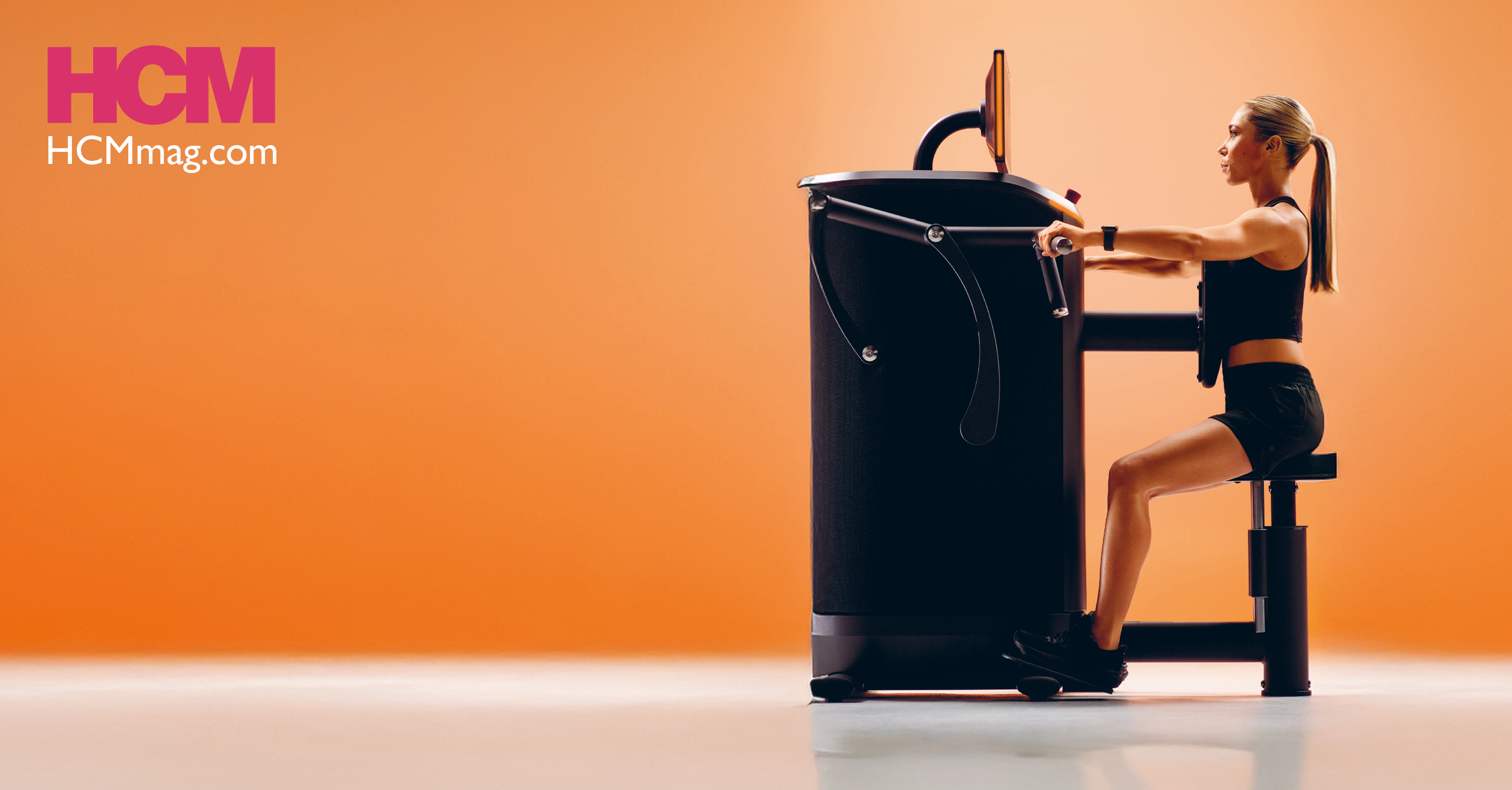
I worked with researchers and physiologists to develop a new power-assisted machine to help people regain the muscle strength needed for everyday mobility, such as getting in and out of a chair.
Sadly, it wasn’t ready in time to help my grandad and he lost his independence, his dignity and his will to live. I genuinely believe that if I’d found a way to keep him moving, he would have lived for longer.
That feeling of letting him down is what’s driven me ever since. In time, I bought Shapemaster (now called Innerva) and refocused the business on making exercise accessible for older adults.
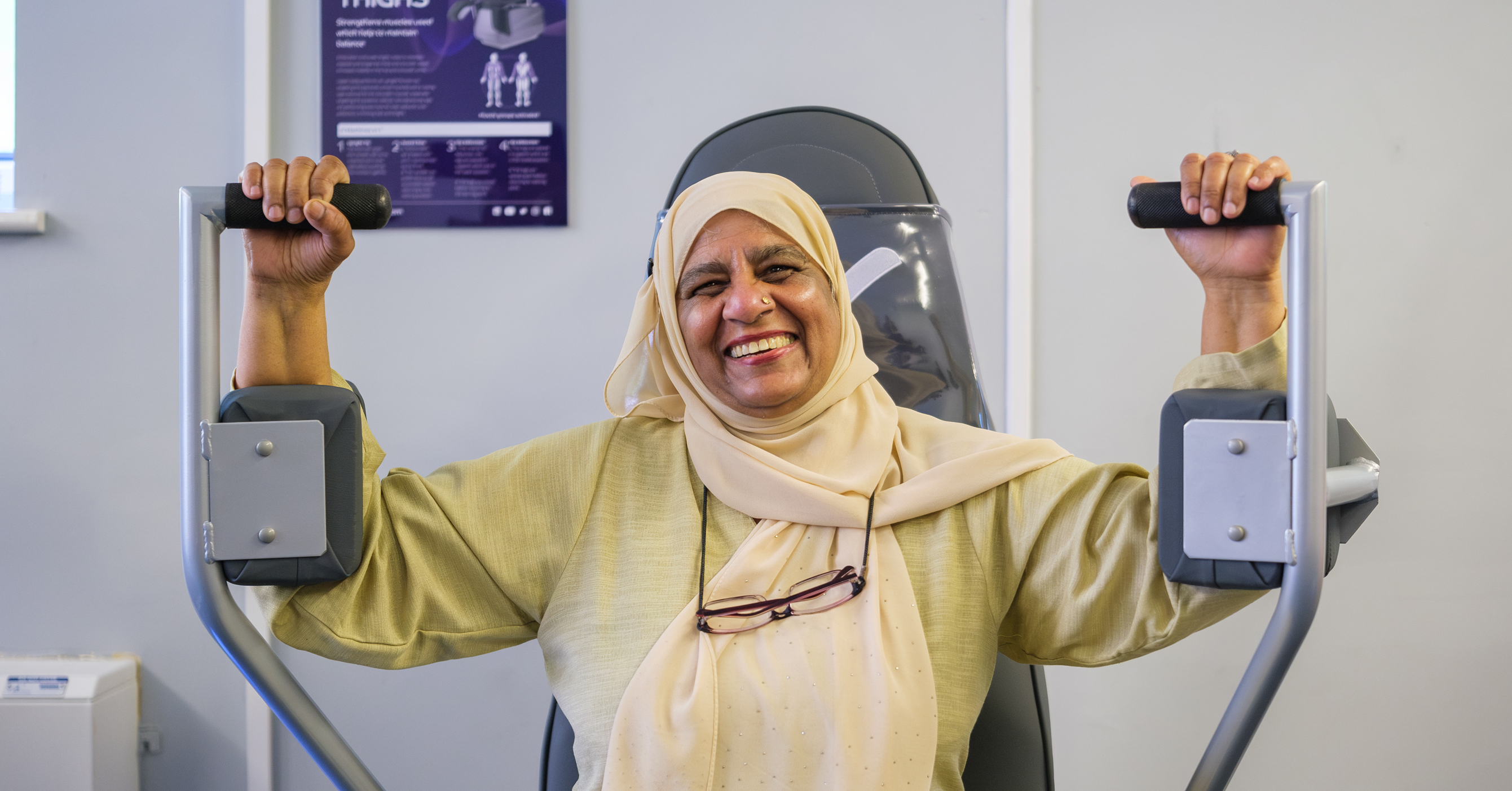
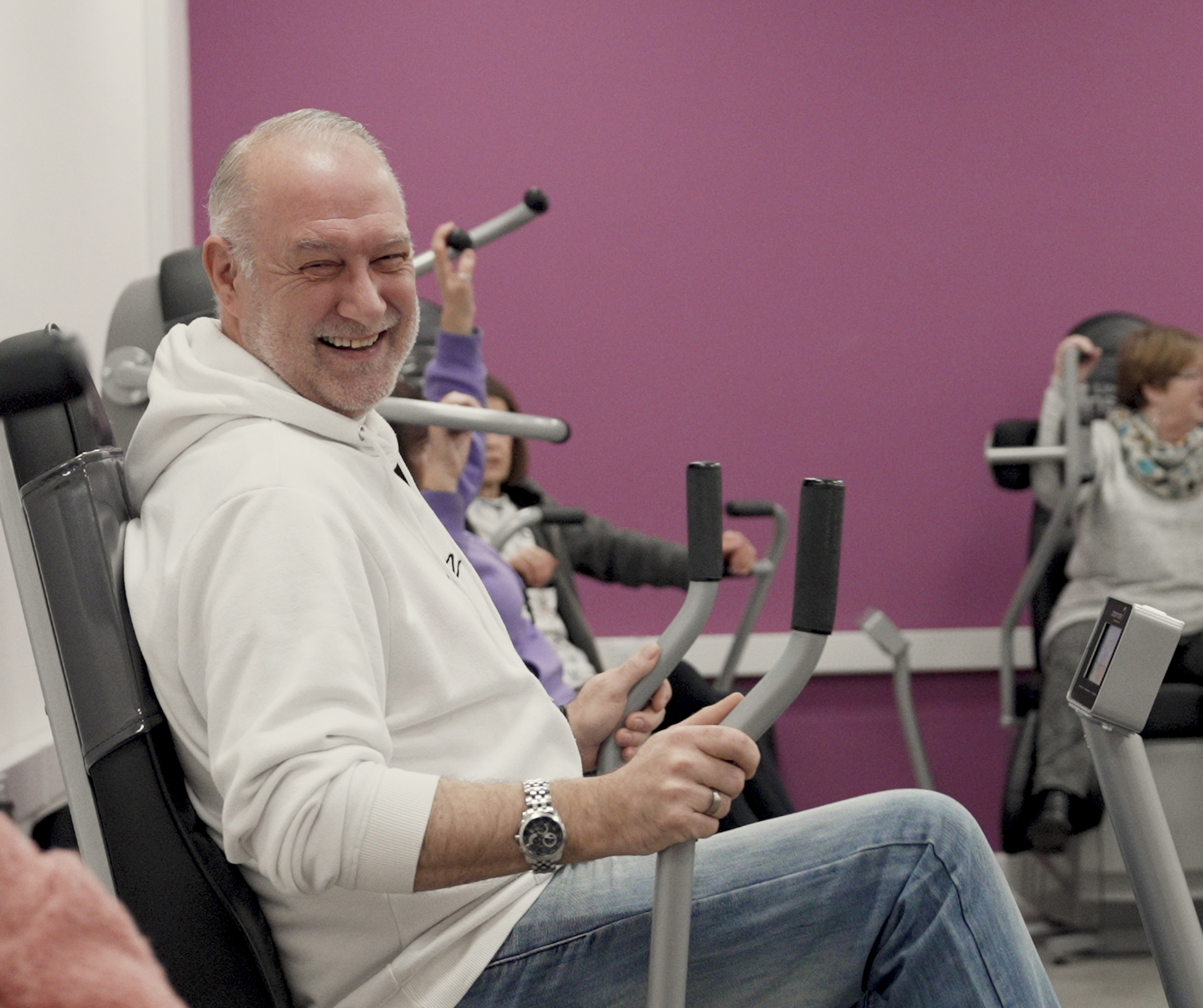
Only 16 per cent of the UK population go to the gym. We ask what turns the other 84 per cent off? Many older adults don’t go because they feel intimidated, uncomfortable and don’t want to go through the humiliating changing room experience.
There’s magic in power-assisted exercise; it’s supportive, safe and effective. People don’t need to wear gym clothes, they can control their own effort while exercising and there’s no embarrassment.
It wasn’t easy. When you’re the first to do something, it’s tough. You’ve got nothing to copy, it’s like stepping into a void.
We spent a long time experimenting and measuring performance, growing the business organically and never borrowing a penny.
We now have 12 machines that between them support every muscle group and our equipment is used across the UK and Europe. Our research shows they help improve the five elements of healthy ageing – aerobic fitness, muscular strength, balance, flexibility and social wellbeing. The average user is 69. What would many of these people be doing for exercise otherwise?
The user feedback keeps me going. I visited a care home where a woman who was blind and deaf smiled for the first time in years while using our machines. The staff were in tears. Moments like that tell me we’re on the right path.
As an engineer, I see a problem and I want to fix it. We have a pandemic of ill health in older adults and we need to change how we think about ageing, exercise and independence.
I truly believe that power-assisted exercise is a necessity. We’re not getting fit people fitter, we’re helping people maintain their independence and dignity. That’s what really matters.



Work is underway in Madrid on one of Europe’s most significant multi-functional complexes, ...