





















GET HCM
magazine
Sign up for the FREE digital edition of HCM magazine and also get the HCM ezine and breaking news email alerts.
Not right now, thanksclose this window I've already subscribed!
Follow Health Club Management on Twitter Like Health Club Management on Facebook Join the discussion with Health Club Management on LinkedIn
FITNESS, HEALTH, WELLNESS

features

Everyone's talking about...: Obesity as a disease

One in three Americans are obese, meaning they’re now classified as having a disease. Was the American Medical Association right with this decision – and where will it lead?

By Kath Hudson | Published in Health Club Management 2013 issue 11

In June, the American Medical Association (AMA) voted to classify obesity as a disease in its own right, rather than simply the precursor to other diseases such as cardiovascular disease and type 2 diabetes. This means nearly one in three Americans have a medical condition that requires treatment.

This new ‘disease’ classification means that people can seek help for obesity itself, and also means that medical professionals will be remunerated for their time spent treating obesity.

According to a recent study by Duke University, treatment of obesity-related diseases already costs US$150bn a year in the States – a figure that’s expected to rise to US$550bn in the next 20 years. Although the financial impact of these lifestyle diseases has long been acknowledged, recognition of obesity as a disease could result in greater investment by government and the private sector to both develop and reimburse obesity treatments.

But could it also lead to a rush of drugs to market, over-prescribing, more surgical procedures and people handing over responsibility for their lifestyles to the medical profession?

Will this new classification mean a rise in status for the fitness industry, with healthcare providers seeking to work more closely with them to prescribe exercise? Or will it take it further away, confining treatment to the medical sector? Might people increasingly expect the solution to come from a pill from the doctor rather than having to get active?

Obesity is certainly a complicated subject and significantly more research is needed to help with its treatment. A study by Memorial University in Newfoundland, for example, found that 5 per cent of the population could be addicted to food.

The UK’s NICE declined to comment, but will other countries follow the AMA’s lead? We ask our panel...

Ardis d. Hoven,

President,

AMA

Ardis d. Hoven
Ardis d. Hoven

“Recognising obesity as a disease will help change the way the medical community tackles this issue. It also elevates the importance of developing new approaches to prevent and manage obesity.

Ultimately, the AMA’s House of Delegates voted for this classification because we believe it will encourage parents and physicians to have candid conversations about their weight, and other key health indicators like blood pressure and blood sugar.

Physicians previously had conversations with patients about treating obesity’s health complications, but this designation helps physicians to talk about obesity itself, as well as decide an appropriate course of action. While healthy eating and physical activity are important for preventing obesity, for some people this is not enough and medication or surgery is needed.

The excess body fat indicative of obesity doesn’t just take up space in the body – it’s metabolically active, producing hormones and other substances that may impair a number of normal body functions, including fertility and the regulation of appetite and metabolism. We’re hopeful this policy will emphasise the seriousness of obesity and its health implications. This classification may also encourage more investment to study and limit this disease.”

Dr Arya Sharma,

Chair in obesity research & management,

University of Alberta

DR Arya Sharma
DR Arya Sharma

“Obesity needs to be medicalised in order to help the millions of people who live with excess weight and the illnesses and disabilities related to it.

Obesity is viewed by governments, healthcare professionals, media and individuals as being largely caused by laziness and over-consumption: a stigmatising over-simplification of a complex health problem. If obesity is viewed as a disease, we can perhaps create a world where health professionals are remunerated for providing treatment services, where people with obesity can seek medical assistance with confidence, and where public and private funders will prioritise the provision of obesity prevention, treatment resources and related research.

In terms of involving fitness professionals, however, in many countries they are still not licensed or members of self-regulated organisations that ensure service standards and competencies. Medical training and residency or medical internship programmes within the health system are generally not part of their training. So, while I support the importance of exercise in weight management, the current training, licensing, regulation and professional standards of fitness professionals is a long way off from that of other regulated health professionals.”

Dr Chris Beedie,

Senior lecturer,

Aberystwyth University

Dr Chris Beedie
Dr Chris Beedie

“Classifying obesity as a disease could lead to more resources and push it further up the agenda for policy makers.

However, the cons far outweigh the pros. This decision arguably reflects a trend towards the medicalisation of life. It’s not a disease: many people diagnosed as obese are actually healthy.

Worryingly, this reclassification throws the weight of responsibility onto the medical sector, potentially taking it away from individuals, parents, educators – including physical educators – and social policy makers. It puts the emphasis on treatment, not prevention, inevitably leading to expensive medical interventions to tackle what is a societal problem.

Humans are programmed to eat as much as we can and to move as little as possible. With technology and highly calorific food, current lifestyles are the perfect storm for obesity. This is what needs addressing, not the results of it.

I doubt this reclassification will mean a boost for the health and fitness sector. It could mean the opposite, with treatment, not prevention, becoming the emphasis, and medicine taking de facto responsibility for that treatment. The sector has to better evidence its effectiveness in obesity prevention and management to compete with medicine in this context.”

Tam Fry,

Honorary chair,

Child Growth Foundation

Tam Fry
Tam Fry

“I believe obesity should be classified as a disease – a condition to be treated and not simply dismissed by the medical profession as a problem for parents, or individuals, to overcome. Unrecognised obesity may quickly trigger more serious conditions which are more costly to treat.

Should the UK follow the lead of the US and classify obesity as a disease, I would hope that more funds would be triggered for preventive measures, especially in primary care, which is currently woefully underfunded.

In my opinion, any further funding should not be directed into the health club industry, which is a sophisticated business and should look after itself. The industry suggests to people that it will provide a quick fix to lose weight. Actually, all people need in order to exercise is a good pair of shoes to go walking.

Kids just need space to run around.

The first 1,000 days of a child’s life are crucial in preventing obesity later on. Ealing Council has recognised this by investing in the recruitment of more health visitors, providing one-on-one contact for families, coaching them in maintaining a healthy lifestyle through eating healthily and taking exercise, and also supporting mothers to breastfeed, which is essential.”

DO YOU AGREE WITH THE AMA, AND SHOULD THE UK FOLLOW SUIT? Email us: [email protected]

Sign up here to get HCM's weekly ezine and every issue of HCM magazine free on digital.
IAN KEARNEY
IAN KEARNEY
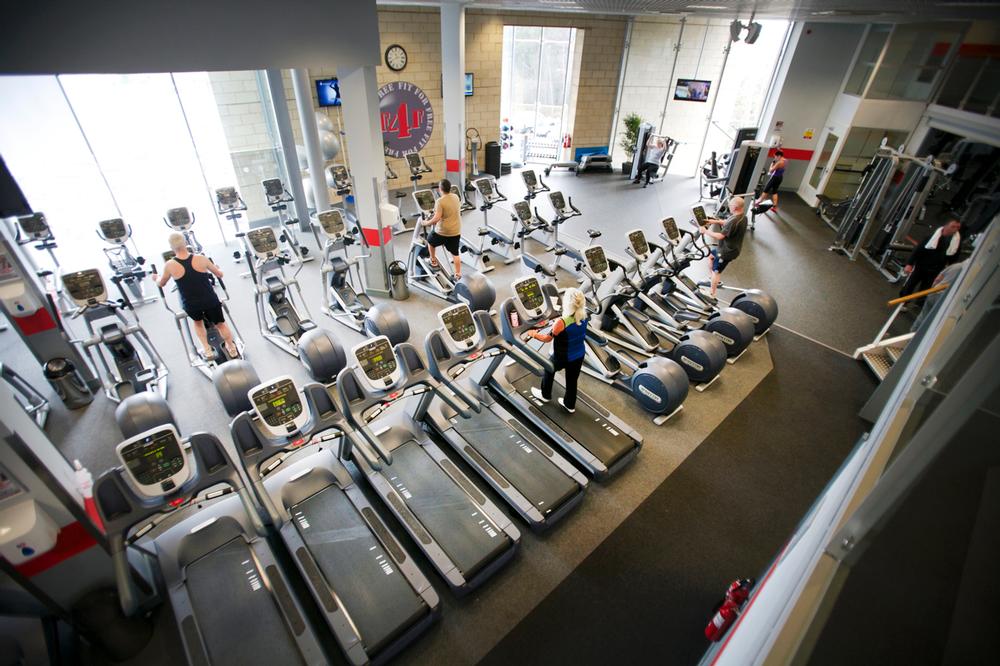
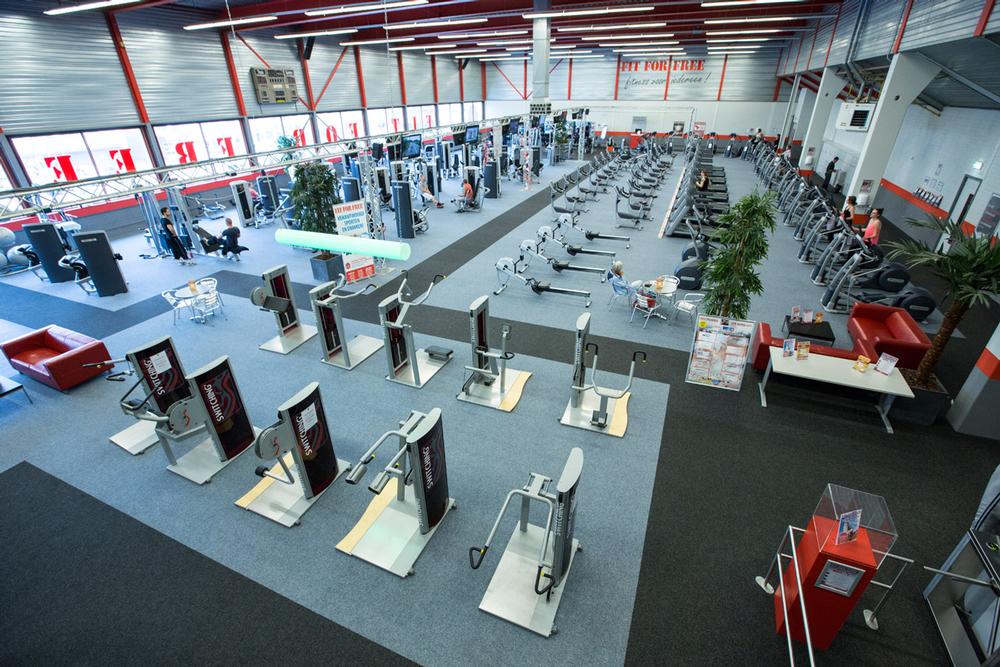
Fit for Free, which has 51 sites in the Netherlands, was acquired in 2009 by SportCity
SportCity, which operates 18 all-inclusive health clubs in the Netherlands
There are currently four Fit for Free clubs in the UK, in Bury (pictured here), Liverpool, Birmingham and Worcester
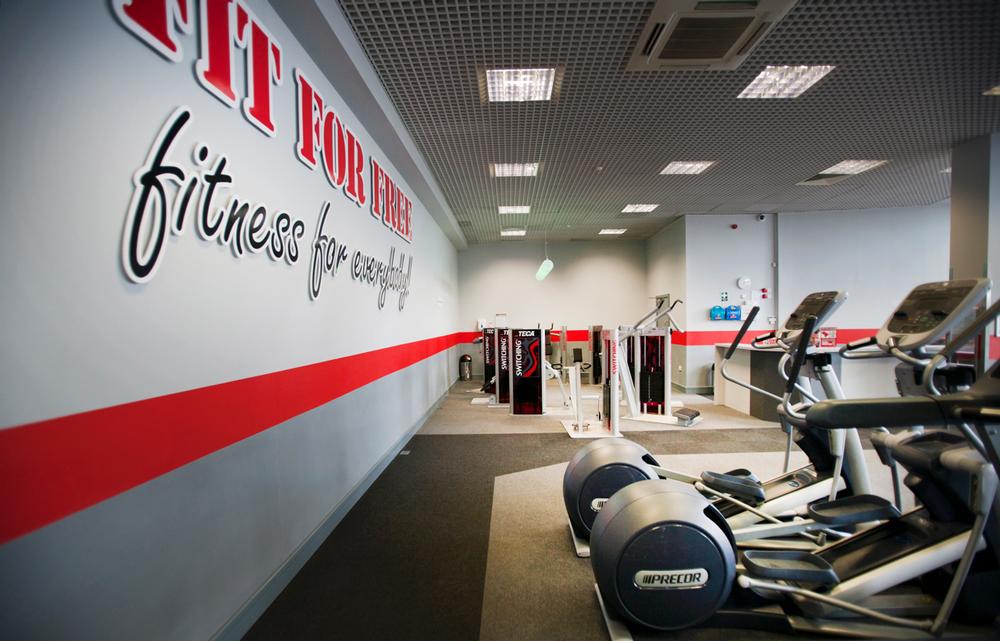
Fit for Free clubs in the UK (pictured here: Birmingham) have a slightly different equipment mix from the Netherlands, with less focus on cycling
https://www.leisureopportunities.co.uk/images/HCM2013_11talk.gif
Will the classification of obesity as a disease in the US bring better treatment, or will it take the onus to lose weight away from the individual?
American Medical Association, ardis d. Hoven, AMA, President, DR ARYA SHARMA, Chair in obesity research & management, University of Alberta, DR CHRIS BEEDIE, Aberystwyth University, Senior lecturer, TAM FRY, Child Growth Foundation, Honorary chair,Obesity, disease
HCM magazine
Small improvements to sleep, diet and physical activity have major benefits for the heart, according to new research from the University of Sydney
HCM magazine
For every member with a tripod and a big following, there are others irritated at the way equipment is being hogged or wary they’ll be in the background on someone’s Insta feed. Do influencers offer valuable, free marketing or are they just a nuisance? Kath Hudson finds out how operators are responding
HCM magazine
I experienced a blissful feeling of joy I hadn’t felt since I was a kid
HCM magazine
As the entrepreneur who started Wexer, Fresh Fitness, Fitness DK and Repeat, as well as being a former elite athlete, Rasmus Ingerslev’s life looked perfect from the outside, but onthe inside it was a different story. He talks to Kath Hudson about healing old wounds
HCM magazine
Strength training is evolving, driven by changing consumer preferences. Julie Cramer talks to innovators about how their products are meeting this demand
HCM promotional features
Sponsored
Starpool supports Olympic champion Marcell Jacobs, says Riccardo Turri
HCM promotional features
Sponsored
SnowDome Fitness has added 50 per cent more space with cutting-edge Technogym solutions
HCM promotional features
Sponsored
Greg Bradley looks at the shift towards strength training in gyms and advises on how operators can create the ultimate training environment
HCM promotional features
Sponsored
Third Space partnered with IndigoFitness to deliver a bespoke training space for its new club at The Whiteley
HCM promotional features
Sponsored
David Lloyd is stepping up its commitment to women’s health as it continues to explore what fit-for-purpose looks like for the female population
HCM promotional features
Sponsored
Find out how your gym can tap into the corporate wellness boom
HCM promotional features
Sponsored
EGYM has opened a new HQ in Paternoster Square, London and revealed a range of new launches
HCM promotional features
Promotion
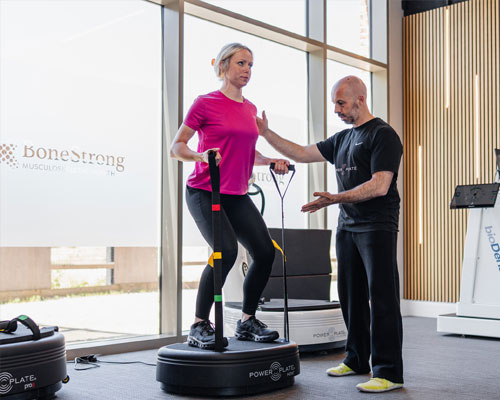
Performance Health Systems, manufacturer of Power Plate, has a new CEO, with an ambitious vision for the company
HCM promotional features
Sponsored
The industry is embracing consumer-facing tech. Now it’s time to streamline back-of-house systems with Orbit4, says Daniel Jones
HCM promotional features
Latest News
Longevity is the most important motivator for today’s exercisers and social connection is key, according ...
Latest News
Until has opened its fourth club at Canary Wharf, in the iconic YY London building. ...
Latest News
Ben Allen has been appointed managing director at Common Bond. Having set the company up ...
Latest News
Les Mills, whose name became synonymous with one of the world's leading fitness brands, has ...
Latest News
People taking GLP-1 weight loss medications such as Ozempic, Wegovy, Mounjaro and Zepbound may be ...
Latest News
Low-cost gym operator, PureGym, is trialling recovery zones at two of its UK sites, democratising ...
Latest News
In a milestone moment, mental health has become a core part of CIMSPA’s occupational professional ...
Latest News
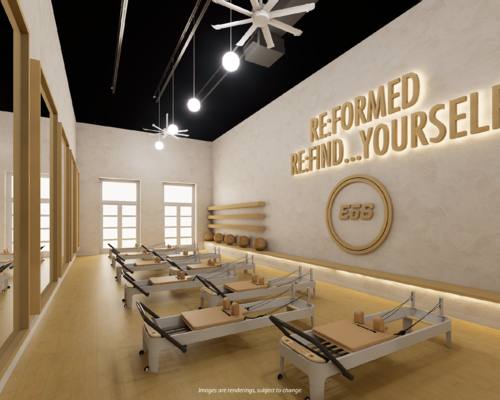
US high-value, low-price chain, Eos Fitness, has announced plans to pilot reformer Pilates in three ...
Opinion
promotion
Strength training has moved from the margins to the mainstream.
Opinion: Building smarter strength spaces for today’s operators
Featured supplier news
Featured supplier news: Cornerstone Connect helps Active Blackpool tackle health inequalities
Active Blackpool is deploying Cornerstone Connect, a new digital interface allowing disparate information from multiple systems to be aggregated into one dataset, to support its focus on reducing health inequalities and improving healthy life expectancy.
Featured supplier news
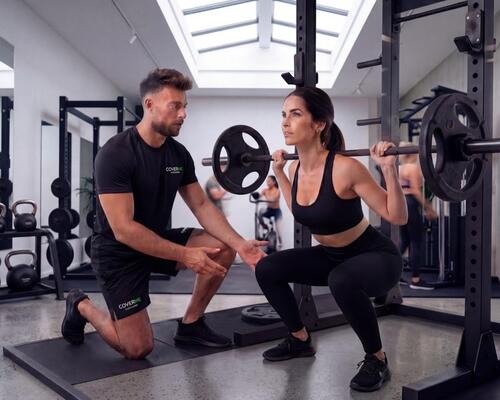
Featured supplier news: CoverMe extends matching service to personal training, rewriting how members and personal trainers connect
CoverMe, the global leader in fitness workforce management, today launches CoverMe PT, an on-demand personal training platform that connects the right personal trainer to the right client in under 10 seconds.
Company profiles
Company profile: TechnoAlpin Indoor
TechnoAlpin Indoor offers expert consultation for indoor snow concepts, assisting customers with the integration of ...
Company profiles
Company profile: Core Health & Fitness
Driven by innovation, Core Health & Fitness delivers top-quality products, exceptional service, and ongoing support. ...
Supplier Showcases
Supplier Showcase - Future-proofing
Catalogue Gallery
Click on a catalogue to view it online
Featured press releases
Swimming Teachers' Association (STA) press release: STA Safeguarding programme for aquatic professionals awarded CIMSPA endorsement and CPD points
STA is pleased to announce that its Safeguarding Children and Adults at Risk CPD has been endorsed by the Chartered Institute for the Management of Sport and Physical Activity (CIMSPA) against both the Safeguarding and Protecting Children and Safeguarding Adults technical specialism professional standards.
Featured press releases
CoverMe Ltd press release: CoverMe and Jobs In. Fitness partner to create end-to-end talent solution
CoverMe, the UK’s leading fitness workforce management and recruitment platform, has partnered with Jobs In. Fitness, the specialist executive search and advisory firm for the fitness and wellbeing sector, to give operators a single route to talent at every level – from frontline staffing to C-suite.
Directory
Fitness tracking platform
SpiviTech: Fitness tracking platform
Industrial washing machines
Miele Company Limited: Industrial washing machines
Hot tubs
MSpa International Ltd: Hot tubs
Water experiences and hydrotherapy solutions
Aquaform s.r.l.: Water experiences and hydrotherapy solutions
Lockers
Crown Sports Lockers: Lockers
Spa and beauty equipment
Living Earth Crafts: Spa and beauty equipment
Property & Tenders
Stratford, East London.
Lee Valley Regional Park Authority
Property & Tenders
Y Felinheli, LL56 4QN
Newmark
Property & Tenders
Diary dates
21-24 Sep 2026
The Langham Huntington Pasadena , Pasadena, United States
Diary dates
06-08 Oct 2026
Messe Stuttgart, Stuttgart, Germany
Diary dates
22-22 Oct 2026
QEII Conference Centre, London,
Diary dates
26-29 Oct 2027
Koelnmesse Exhibition Centre, Cologne, Germany
Diary dates

features

Everyone's talking about...: Obesity as a disease

One in three Americans are obese, meaning they’re now classified as having a disease. Was the American Medical Association right with this decision – and where will it lead?

By Kath Hudson | Published in Health Club Management 2013 issue 11

In June, the American Medical Association (AMA) voted to classify obesity as a disease in its own right, rather than simply the precursor to other diseases such as cardiovascular disease and type 2 diabetes. This means nearly one in three Americans have a medical condition that requires treatment.

This new ‘disease’ classification means that people can seek help for obesity itself, and also means that medical professionals will be remunerated for their time spent treating obesity.

According to a recent study by Duke University, treatment of obesity-related diseases already costs US$150bn a year in the States – a figure that’s expected to rise to US$550bn in the next 20 years. Although the financial impact of these lifestyle diseases has long been acknowledged, recognition of obesity as a disease could result in greater investment by government and the private sector to both develop and reimburse obesity treatments.

But could it also lead to a rush of drugs to market, over-prescribing, more surgical procedures and people handing over responsibility for their lifestyles to the medical profession?

Will this new classification mean a rise in status for the fitness industry, with healthcare providers seeking to work more closely with them to prescribe exercise? Or will it take it further away, confining treatment to the medical sector? Might people increasingly expect the solution to come from a pill from the doctor rather than having to get active?

Obesity is certainly a complicated subject and significantly more research is needed to help with its treatment. A study by Memorial University in Newfoundland, for example, found that 5 per cent of the population could be addicted to food.

The UK’s NICE declined to comment, but will other countries follow the AMA’s lead? We ask our panel...

Ardis d. Hoven,

President,

AMA

Ardis d. Hoven
Ardis d. Hoven

“Recognising obesity as a disease will help change the way the medical community tackles this issue. It also elevates the importance of developing new approaches to prevent and manage obesity.

Ultimately, the AMA’s House of Delegates voted for this classification because we believe it will encourage parents and physicians to have candid conversations about their weight, and other key health indicators like blood pressure and blood sugar.

Physicians previously had conversations with patients about treating obesity’s health complications, but this designation helps physicians to talk about obesity itself, as well as decide an appropriate course of action. While healthy eating and physical activity are important for preventing obesity, for some people this is not enough and medication or surgery is needed.

The excess body fat indicative of obesity doesn’t just take up space in the body – it’s metabolically active, producing hormones and other substances that may impair a number of normal body functions, including fertility and the regulation of appetite and metabolism. We’re hopeful this policy will emphasise the seriousness of obesity and its health implications. This classification may also encourage more investment to study and limit this disease.”

Dr Arya Sharma,

Chair in obesity research & management,

University of Alberta

DR Arya Sharma
DR Arya Sharma

“Obesity needs to be medicalised in order to help the millions of people who live with excess weight and the illnesses and disabilities related to it.

Obesity is viewed by governments, healthcare professionals, media and individuals as being largely caused by laziness and over-consumption: a stigmatising over-simplification of a complex health problem. If obesity is viewed as a disease, we can perhaps create a world where health professionals are remunerated for providing treatment services, where people with obesity can seek medical assistance with confidence, and where public and private funders will prioritise the provision of obesity prevention, treatment resources and related research.

In terms of involving fitness professionals, however, in many countries they are still not licensed or members of self-regulated organisations that ensure service standards and competencies. Medical training and residency or medical internship programmes within the health system are generally not part of their training. So, while I support the importance of exercise in weight management, the current training, licensing, regulation and professional standards of fitness professionals is a long way off from that of other regulated health professionals.”

Dr Chris Beedie,

Senior lecturer,

Aberystwyth University

Dr Chris Beedie
Dr Chris Beedie

“Classifying obesity as a disease could lead to more resources and push it further up the agenda for policy makers.

However, the cons far outweigh the pros. This decision arguably reflects a trend towards the medicalisation of life. It’s not a disease: many people diagnosed as obese are actually healthy.

Worryingly, this reclassification throws the weight of responsibility onto the medical sector, potentially taking it away from individuals, parents, educators – including physical educators – and social policy makers. It puts the emphasis on treatment, not prevention, inevitably leading to expensive medical interventions to tackle what is a societal problem.

Humans are programmed to eat as much as we can and to move as little as possible. With technology and highly calorific food, current lifestyles are the perfect storm for obesity. This is what needs addressing, not the results of it.

I doubt this reclassification will mean a boost for the health and fitness sector. It could mean the opposite, with treatment, not prevention, becoming the emphasis, and medicine taking de facto responsibility for that treatment. The sector has to better evidence its effectiveness in obesity prevention and management to compete with medicine in this context.”

Tam Fry,

Honorary chair,

Child Growth Foundation

Tam Fry
Tam Fry

“I believe obesity should be classified as a disease – a condition to be treated and not simply dismissed by the medical profession as a problem for parents, or individuals, to overcome. Unrecognised obesity may quickly trigger more serious conditions which are more costly to treat.

Should the UK follow the lead of the US and classify obesity as a disease, I would hope that more funds would be triggered for preventive measures, especially in primary care, which is currently woefully underfunded.

In my opinion, any further funding should not be directed into the health club industry, which is a sophisticated business and should look after itself. The industry suggests to people that it will provide a quick fix to lose weight. Actually, all people need in order to exercise is a good pair of shoes to go walking.

Kids just need space to run around.

The first 1,000 days of a child’s life are crucial in preventing obesity later on. Ealing Council has recognised this by investing in the recruitment of more health visitors, providing one-on-one contact for families, coaching them in maintaining a healthy lifestyle through eating healthily and taking exercise, and also supporting mothers to breastfeed, which is essential.”

DO YOU AGREE WITH THE AMA, AND SHOULD THE UK FOLLOW SUIT? Email us: [email protected]
Sign up here to get HCM's weekly ezine and every issue of HCM magazine free on digital.
IAN KEARNEY
IAN KEARNEY
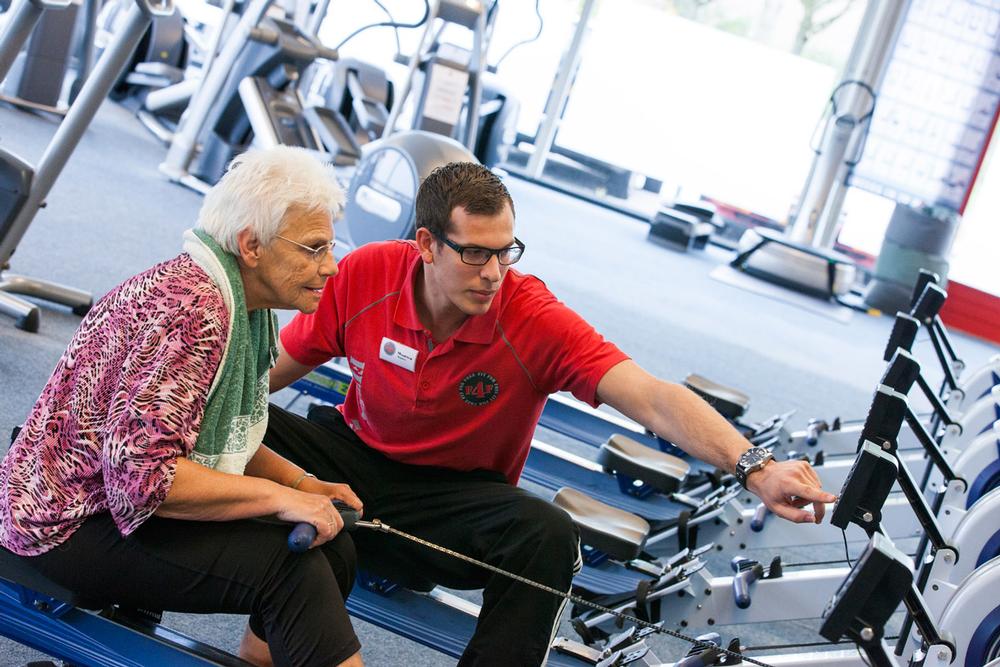
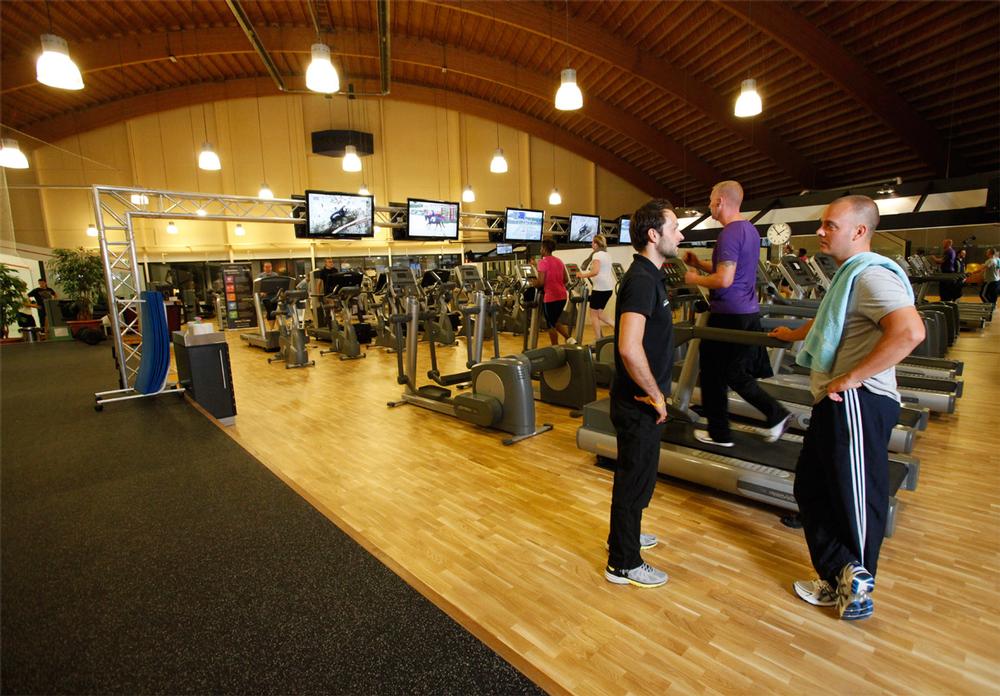
Fit for Free, which has 51 sites in the Netherlands, was acquired in 2009 by SportCity
SportCity, which operates 18 all-inclusive health clubs in the Netherlands
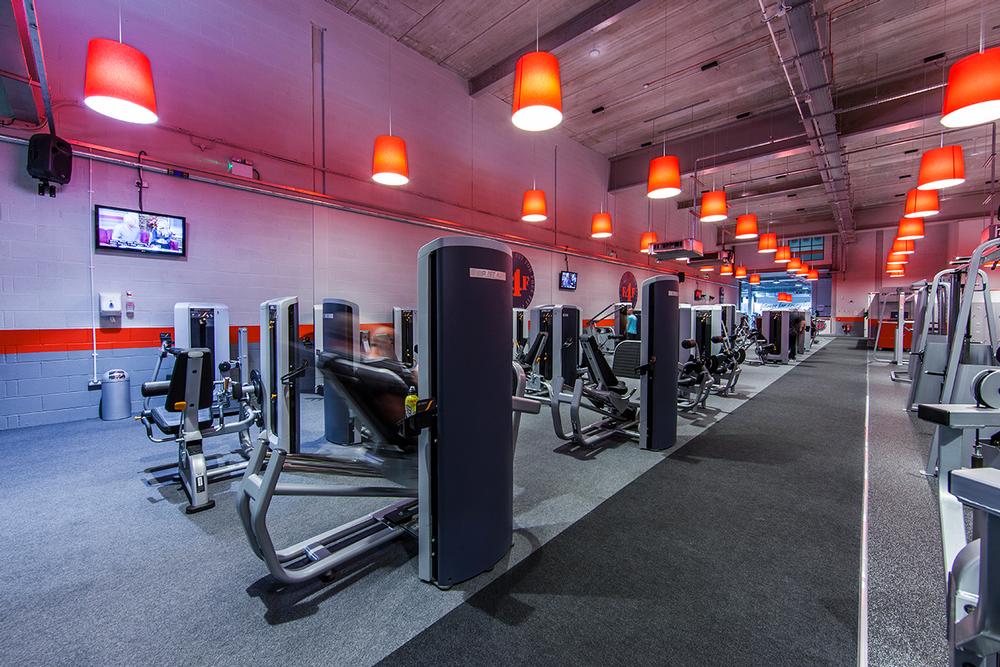
There are currently four Fit for Free clubs in the UK, in Bury (pictured here), Liverpool, Birmingham and Worcester
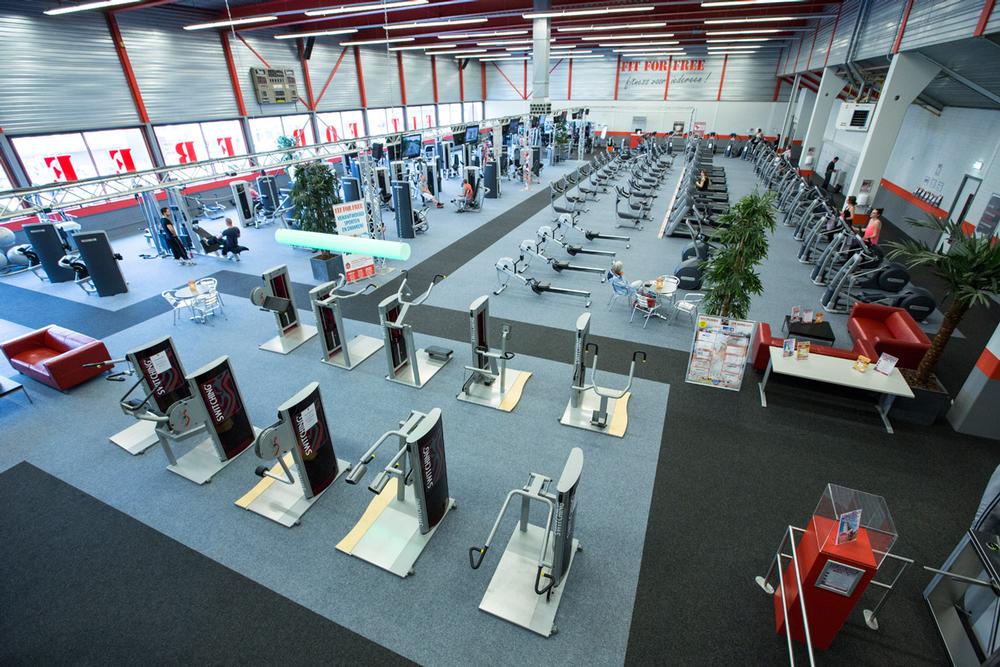
Fit for Free clubs in the UK (pictured here: Birmingham) have a slightly different equipment mix from the Netherlands, with less focus on cycling
https://www.leisureopportunities.co.uk/images/HCM2013_11talk.gif
Will the classification of obesity as a disease in the US bring better treatment, or will it take the onus to lose weight away from the individual?
American Medical Association, ardis d. Hoven, AMA, President, DR ARYA SHARMA, Chair in obesity research & management, University of Alberta, DR CHRIS BEEDIE, Aberystwyth University, Senior lecturer, TAM FRY, Child Growth Foundation, Honorary chair,Obesity, disease
Latest News
Longevity is the most important motivator for today’s exercisers and social connection is key, according ...
Latest News
Until has opened its fourth club at Canary Wharf, in the iconic YY London building. ...
Latest News
Ben Allen has been appointed managing director at Common Bond. Having set the company up ...
Latest News
Les Mills, whose name became synonymous with one of the world's leading fitness brands, has ...
Latest News
People taking GLP-1 weight loss medications such as Ozempic, Wegovy, Mounjaro and Zepbound may be ...
Latest News
Low-cost gym operator, PureGym, is trialling recovery zones at two of its UK sites, democratising ...
Latest News
In a milestone moment, mental health has become a core part of CIMSPA’s occupational professional ...
Latest News
US high-value, low-price chain, Eos Fitness, has announced plans to pilot reformer Pilates in three ...
Latest News
Preventive healthcare company Neko Health has added body composition analysis to its full-body health scan ...
Latest News
Chequan Lewis is the new CEO of Crunch Fitness, taking over from Jim Rowley, who ...
Latest News
Sea Lanes Canary Wharf has officially opened. The 50-metre, six-lane pool, which uses the natural ...
Opinion
promotion
Strength training has moved from the margins to the mainstream.
Opinion: Building smarter strength spaces for today’s operators
Featured supplier news
Featured supplier news: Cornerstone Connect helps Active Blackpool tackle health inequalities
Active Blackpool is deploying Cornerstone Connect, a new digital interface allowing disparate information from multiple systems to be aggregated into one dataset, to support its focus on reducing health inequalities and improving healthy life expectancy.
Featured supplier news
Featured supplier news: CoverMe extends matching service to personal training, rewriting how members and personal trainers connect
CoverMe, the global leader in fitness workforce management, today launches CoverMe PT, an on-demand personal training platform that connects the right personal trainer to the right client in under 10 seconds.
Company profiles
Company profile: TechnoAlpin Indoor
TechnoAlpin Indoor offers expert consultation for indoor snow concepts, assisting customers with the integration of ...
Company profiles
Company profile: Core Health & Fitness
Driven by innovation, Core Health & Fitness delivers top-quality products, exceptional service, and ongoing support. ...
Supplier Showcases
Supplier Showcase - Future-proofing
Catalogue Gallery
Click on a catalogue to view it online
Featured press releases
Swimming Teachers' Association (STA) press release: STA Safeguarding programme for aquatic professionals awarded CIMSPA endorsement and CPD points
STA is pleased to announce that its Safeguarding Children and Adults at Risk CPD has been endorsed by the Chartered Institute for the Management of Sport and Physical Activity (CIMSPA) against both the Safeguarding and Protecting Children and Safeguarding Adults technical specialism professional standards.
Featured press releases
CoverMe Ltd press release: CoverMe and Jobs In. Fitness partner to create end-to-end talent solution
CoverMe, the UK’s leading fitness workforce management and recruitment platform, has partnered with Jobs In. Fitness, the specialist executive search and advisory firm for the fitness and wellbeing sector, to give operators a single route to talent at every level – from frontline staffing to C-suite.
Directory
Fitness tracking platform
SpiviTech: Fitness tracking platform
Industrial washing machines
Miele Company Limited: Industrial washing machines
Hot tubs
MSpa International Ltd: Hot tubs
Water experiences and hydrotherapy solutions
Aquaform s.r.l.: Water experiences and hydrotherapy solutions
Lockers
Crown Sports Lockers: Lockers
Spa and beauty equipment
Living Earth Crafts: Spa and beauty equipment
Property & Tenders
Stratford, East London.
Lee Valley Regional Park Authority
Property & Tenders
Y Felinheli, LL56 4QN
Newmark
Property & Tenders
Diary dates
21-24 Sep 2026
The Langham Huntington Pasadena , Pasadena, United States
Diary dates
06-08 Oct 2026
Messe Stuttgart, Stuttgart, Germany
Diary dates
22-22 Oct 2026
QEII Conference Centre, London,
Diary dates
26-29 Oct 2027
Koelnmesse Exhibition Centre, Cologne, Germany
Diary dates
Search news, features & products:
Find a supplier:
Partner sites