





















features
Life lessons: Chuck Runyon
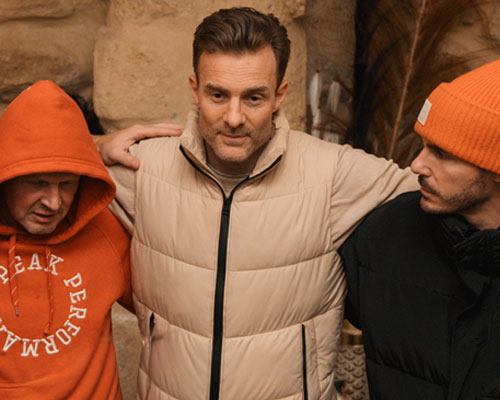
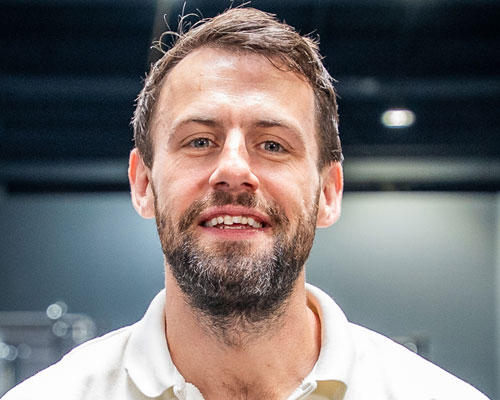
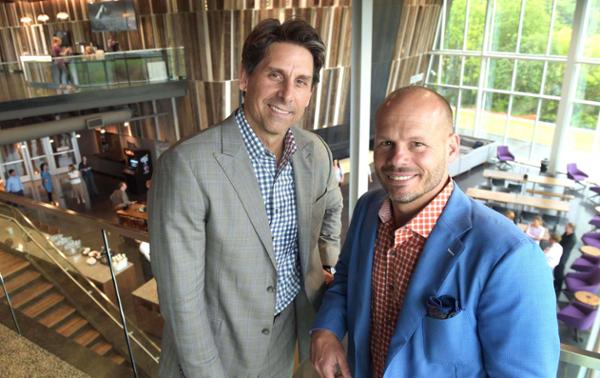
Chuck Runyon and Dave Mortensen took a risk buying out a partner in the early days of Anytime Fitness. Runyon talks to Kath Hudson about how that led to him and Mortensen creating the company culture that turbocharged expansion


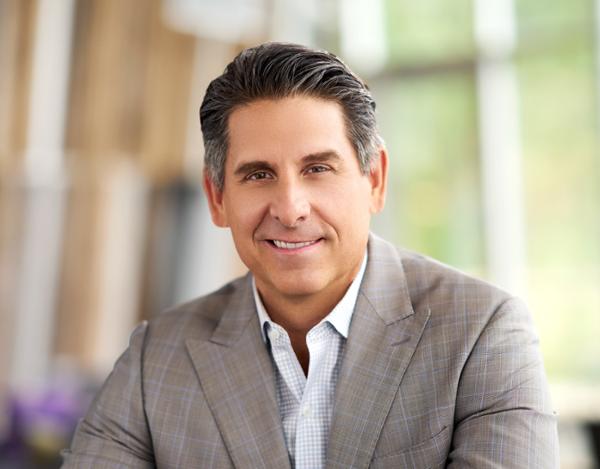
Anytime Fitness began in 2002 with myself, Dave Mortensen and a third partner. The three of us already ran two successful businesses together in the health and fitness space and we all had young kids. Our families were friends too, so we spent a lot of our time together, both at work and in our spare time.
The Anytime Fitness business started to scale in 2007 and 2008 and we soon realised we had different ideas on the way forward through that growth. At that point we were on the cusp of 1,000 locations around the world and had just signed a master franchise agreement for Australia. Although it was the great recession and the banking system was collapsing, it was a great opportunity to find lease locations and negotiate with landlords, so we were growing faster.
It was definitely a buyer’s market and there was a clear opportunity to keep reinvesting to provide services, products and support to our franchises to help them run successful studios. We took the support of our franchisees very seriously, because they are often investing their life savings, or risking their kids’ college fund. Unfortunately the tension started to trickle down – a common theme for so many startups as they begin to scale.
Locking arms
This friction started to weaken our culture, for the only time in our 22-year history, because there wasn’t alignment at the top. Dave and I wanted to keep investing in the business and our stakeholders, so in December 2009, we bought out our third partner. It was an emotionally difficult time to say goodbye to a long-term collaborator, as well as a huge financial risk. Dave and I had to personally guarantee the loan and give away more equity during a risky global economic situation.
We decided not to sell any of our shares, but to complete the buyout and double down. With young families – I have four kids and Dave has five – it felt like a huge risk. However, it brought the two of us closer together; we both felt as though we were locking arms for the long game.
Although we knew the next few years were going to be challenging to pay back the high interest loan, we both felt blessed to have healthy kids and healthy families, so what really mattered was already solid. We also believed that if the business went south, we would figure it out. For whatever reason, we do have a high amount of confidence in ourselves (probably too much at times), and we knew we’d be much stronger as a partnership.
Purpose, people, profits and play
Dave and I then set out to become a best-in-class partnership and created a list of rules for the business.
Number one, that we were always serving something bigger than ourselves: we were serving the vision and the purpose of the company to grow, so we said we would never let our egos get in the way. The vision was bigger than either of us individually.
Number two, we’d always try to have healthy conflict, meaning we trusted each other enough to challenge each other’s ideas to make the idea better.
Number three, the stakeholders – our members and our franchisees – were served first. Providing our employees with incredible opportunities and an incredible culture for growth.
We also said we’d have a great deal of fun.
Those became the founding principles of the newly-structured company: purpose, people, profits and play. It cemented the vision in our minds, and every decision from then on has been run through that filter: Is it serving the organisation? Is it growing the brand? Does it help members?
This philosophy was the driving force behind the creation of Self Esteem Brands and the development of its seven brands. It also led us to a place where we could merge with Orangetheory to create Purpose Brands.
Friends forever
It took courage and confidence to sign that personal guarantee. If an event like COVID happened back then, we’d likely not be talking to HCM today, but we felt even stronger together after the buyout, because we were so aligned, which built confidence in our team.
We then had to work our butts off for the next two years to get to a place where we could refinance. As well as strengthening the partnership between Dave and me, it heightened our risk tolerance and showed belief in our team, the brand and where we were going.
We got a bit more savvy in the world of finance, private equity and lending and that led to even better decisions in 2014, when we sold a minority percentage to Roark Capital. The company culture thrived: we were awarded the ‘best place to work’ in Minnesota a few years in a row and it helped us win the talent war. We could hire really smart people and empower them to unlock their potential to help drive the business. We have an incredible team and our culture acts like gravity. It attracts good people and keeps them there.
The merger with Orangetheory Fitness and the subsequent creation of Purpose Brands would never have happened if we didn’t have a shared purpose and shared values. Dave Long and his management team are also consumer- and franchisee-driven. They care about their employees. That’s what brought us together and that’s what’s going to keep us successful.
Fast forward to today: Dave Mortensen and I have moved back to be supportive board members at Purpose Brands, the new company formed by the merger with Orangetheory Fitness. Now our time together is spent on hobbies, such as golf and boating. Our kids are all grown up, but our families still have this bond. They saw the very modest beginnings and now they get to see where the brands are today – 7,500 locations in 50 countries. We’re very proud of that and love those big numbers, which have come through thinking about one community at a time.
Dave and I have known each other for 35 years. There are not many friendships or partnerships that last that long, especially when you mix the two together. And we’re deeply proud of ourselves for taking the risk and doing what was right for growth; it’s why we’re here today.




Work is underway in Madrid on one of Europe’s most significant multi-functional complexes, ...