









Follow Health Club Management on Twitter Like Health Club Management on Facebook Join the discussion with Health Club Management on LinkedIn
FITNESS, HEALTH, WELLNESS

features

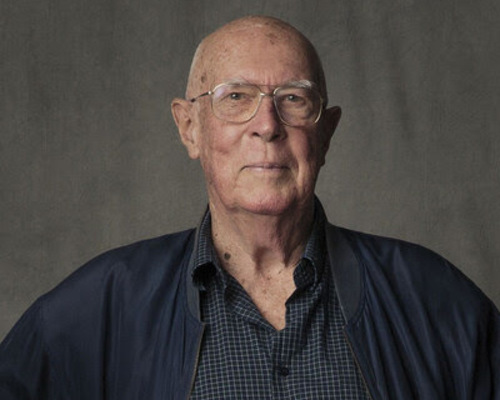
Interview: Sir Graham Watson

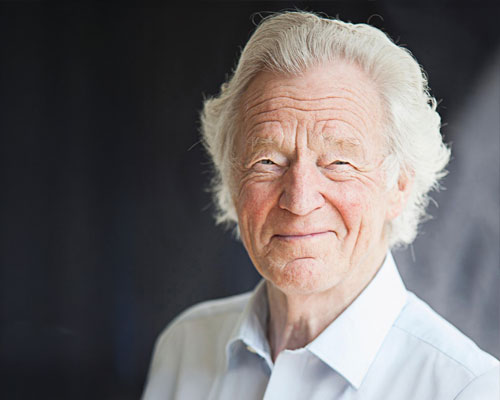
The former Liberal Democrat MEP and now president of EuropeActive talks to Kate Cracknell about bringing added status to the health and fitness sector through international co-operation
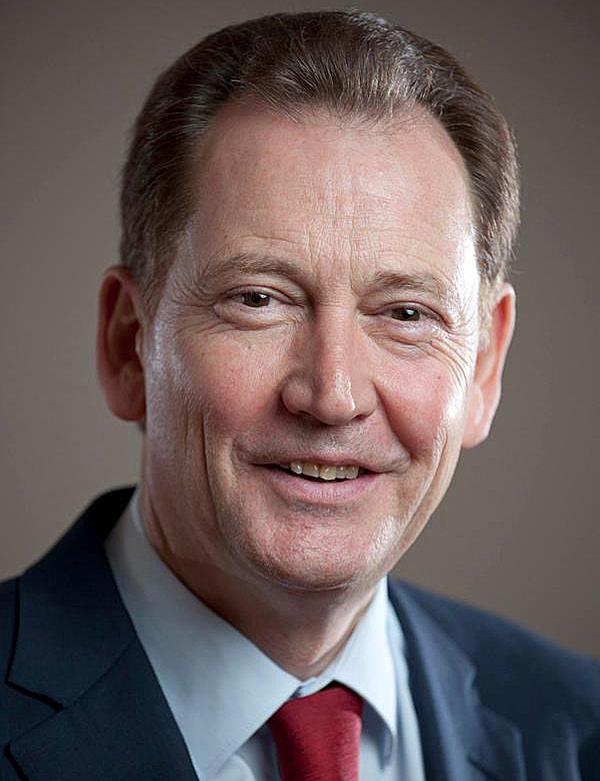
By Kate Cracknell | Published in Health Club Management 2015 issue 9
Sir Graham Watson
Sir Graham Watson
The challenges of an ageing society are becoming acute – but you can’t assume that just because there’s a need, governments will respond

What’s your background?
Essentially I suppose I’m a communicator. I qualified in languages and graduated as an interpreter. I’d wanted to be an interpreter since the age of 15, but as soon as I became one, I realised I didn’t like it at all.

But I’d become quite politically motivated, essentially around the European Union and whether we should stay in – this was around the time of the 1975 referendum campaign. Forty years on we’ve come full circle.

I returned to Scotland and became involved in the Young Liberals, and three years later I was appointed head of the parliamentary private office to David Steel, then leader of the UK Liberal Party – a role in which I served for the duration of the 1983–87 parliament.

I then had an eight-year career in banking before returning to politics, serving as a member of the European Parliament from 1994 to 2014.

What has been your focus during your political career?
If I had to describe what I did during those 20 years in the European Parliament, and even before that, I suppose it was trying to convince people of the advantages of structured international co-operation. I’m not ideologically federalist. I’ve simply come to believe you can achieve far more through peaceful co-operation – by increasing trade and cultural links and sporting links and so on – than you can by going it alone and trying to dominate the world.

I think one of the greatest successes of the EU is really nothing to do with legislation. The EU is actually only 5 per cent legislation – the rest is exchange of best practice. It’s getting to know each other. It’s providing the framework within which people can come together to exchange experiences and ideas.

You became president of EuropeActive in April 2015. How did that come about?
I imagine EuropeActive wanted someone in this role who was experienced in building international structures.

I’ve been involved throughout my career in building co-operation between Liberal parties across the EU and around the world. I’ve also been involved on a non-party political basis: I was one of the founders of the Climate Parliament, for example, which is a global network of legislators working on climate issues.

And although I know very little about sport – my learning curve is vertical at the moment – I’m finding it very interesting to work with a group of national federations who believe they can advance their common interests, and the interests of their clients and members, by working together more effectively at a European level. I can bring a lot of experience in that respect.

How do you see your role?
I chair the board, and that role involves a certain amount of diplomacy between the different member organisations. They all have a common wider interest, but sometimes they differ on the specifics. I see my job partly as having to build a consensus between them about what they want to see in the organisation of fitness – how they want health and fitness to look at a European level – and representing that vis-à-vis the European institutions.

And do you have a picture yet of how that consensus might look?
In some areas, yes. To give an example, the European Commission has launched a programme on healthy ageing, and the fitness industry can have a huge input on that agenda. Since I’ve become chair, we’ve successfully bid to be a partner in various European programmes. It’s an area where the interests of business and society intertwine almost completely.

What else has happened since you joined EuropeActive?
One of the things I’ve persuaded the team to do is move its office much closer to the European Commission and Parliament. We’re trying to set up a more structured, permanent secretariat that’s close to the people it’s trying to influence.

We’re going to share offices with four other organisations that are active in sport and leisure, and we’re going to call it the European House of Sport. If EuropeActive is going to work to its optimum, it has to have a central forum in which all of its work is co-ordinated.

What impact do you believe EuropeActive can have?
The European Commission – despite the fact that most people in Britain think it’s a monster of bureaucracy sticking its tentacles into every area of their daily lives – is a relatively small outfit. It doesn’t want, and indeed doesn’t have, the capacity to organise and set standards for and police every industry that’s going. It wants these industries to do it for themselves as far as possible.

What we’ve therefore done with EuropeActive­ – and this work was going on before I joined – is taken what was essentially a federation of national fitness associations and turned it into a standards organisation. We’re saying to governments: we believe these are the standards that are needed for the industry to run professionally, and we’re developing and monitoring those standards.

I think one of the most valuable things we’ve done has been setting up the European Standards Council, developing standards in conjunction with the industry.

What’s your SWOT analysis of EuropeActive?
The strengths are that the federations have already started to do things together, and EuropeActive has started to engage in discussions with the institutions of government at a European level. The basic platform is there.
One of the weaknesses – which would apply I think to any organisation in this area – is things are sometimes dominated and swayed by strong characters who perhaps don’t always represent the mainstream of opinion in their industry. Part of my job as EuropeActive chair is trying to balance these characters and their wishes with the general needs of the organisation.

Opportunities are huge. The challenges of an ageing society are becoming acute, which means we have to do something about it – but you can’t assume that just because there’s a need, governments will respond. We’re coaxing, cajoling, encouraging governments to respond with the support of the industry.

The main threat to any organisation like this at Brussels level is how to maintain sufficiently regular income and a sufficiently rigorous financial management. Because operations like this normally work on a shoestring. Can you maintain that? Can you be seen to be effectively and responsibly managed, so you’re a reliable partner for institutions like the European Commission?

Anther threat – I’d call it more of a challenge than a threat – is how do you bring together people who are commercial competitors? How do you balance the relations of people who are desperately competitive? What you do is you engage people on a level where they’re intellectually getting something out of what you’re offering.

What’s your vision for EuropeActive and an active Europe?
At a societal level, across the continent, we need to drive awareness of the need for personal fitness, as well as driving actual levels of personal fitness. Ours is already a growing sector, but can we push it to grow a little faster, creating the conditions in which government will support that? If we do, we’ll keep down taxes and health costs tremendously over the next 10 years.

ukactive is a leader in lobbying government in the UK; we now need the federations in every member state to lobby their governments as effectively. If we can then put the icing on the cake at European level, we can achieve a lot.

But that’s my vision for society. My vision for the industry is a slightly more limited and I hope a very practical one. I want to make EuropeActive genuinely representative of the whole spectrum of the industry, ensuring members are fully reflective of the industries in their own countries. And I want to make sure we’re effective and respected by government, so we’re seen as a natural partner.

In July, there was an informal meeting of sports ministers from 28 countries. A number of sports federations were invited to attend – tennis, football, rugby… but we weren’t invited. I think, because the fitness sector has been quite decentralised – it hasn’t been hugely structured because it involves individuals rather than team sports – it’s tended to be the Cinderella of physical activity. The vision I have, and the opportunity I see, is to lift it up to the level of more recognised sports.

EuropeActive has a stated goal of 80 million members across Europe by 2025. Is that achievable?
I think it’s perfectly achievable. It’s certainly ambitious, but if you don’t set your sights high you’ll never achieve anything. As Michelangelo once said, the greater danger for most of us lies not in setting our aim too high and falling short, but in setting our aim too low and achieving our mark. Eighty million is very ambitious, but not impossible. With the right level of commitment and the right level of organisation, we can get there.

Introducing…

Sir Graham Watson

Current
• President of the Party of Liberals and Democrats for Europe
• President of the global Climate Parliament

1994–2014
Member of the European Parliament for SW England & Gibraltar

• 1999–2002 - chair of the EP’s Justice & Home Affairs Committee
• 2002–09 - leader of the EP’s Liberal and Democratic Group
• 2009–14 - chair of the EP’s delegation for India

1988–94
Senior executive posts with HSBC Group in Hong Kong and UK

1983–87
Head of the parliamentary private office to the UK Liberal leader

1981–83
Communications executive at a Scottish science institute

1979–81
Interpreter and translator in Berlin, Brussels and London
Sign up here to get HCM's weekly ezine and every issue of HCM magazine free on digital.
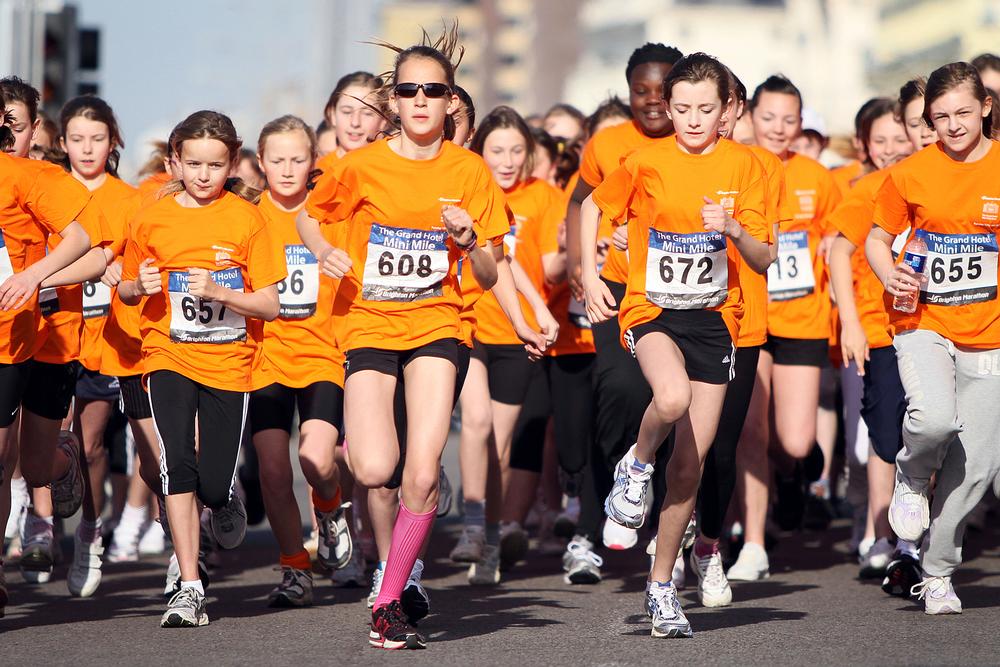
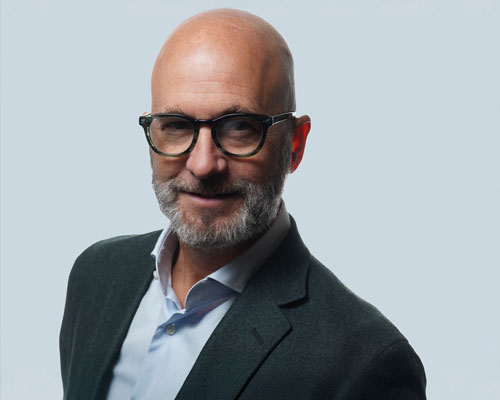
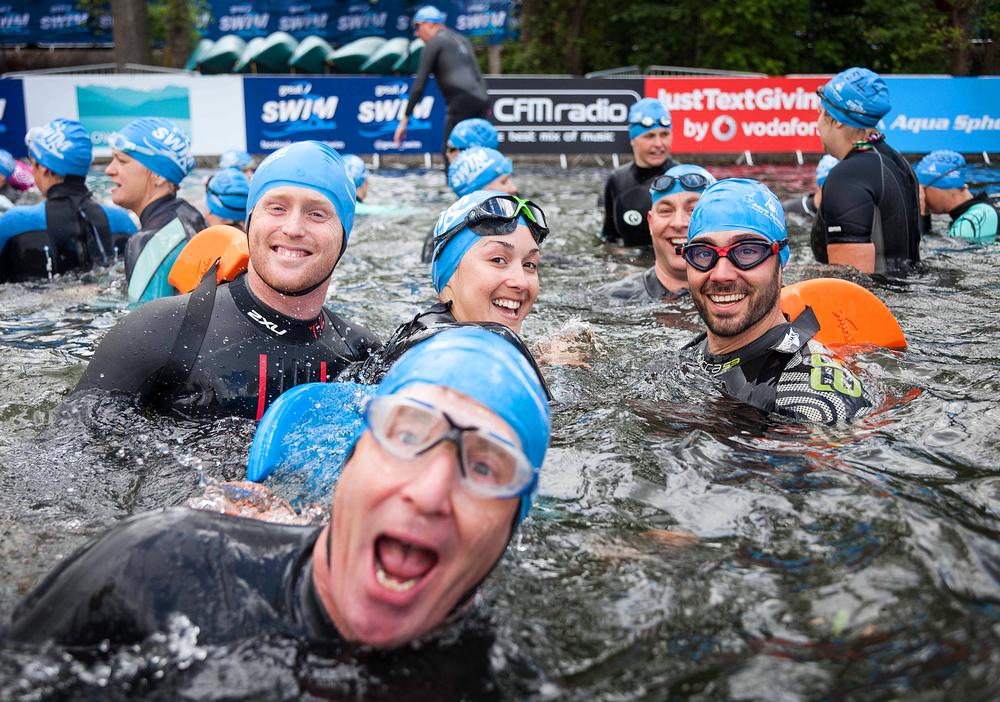
Watson wants fitness on the radar alongside other sports / SHUTTERSTOCK.COM THE GREAT SWIM
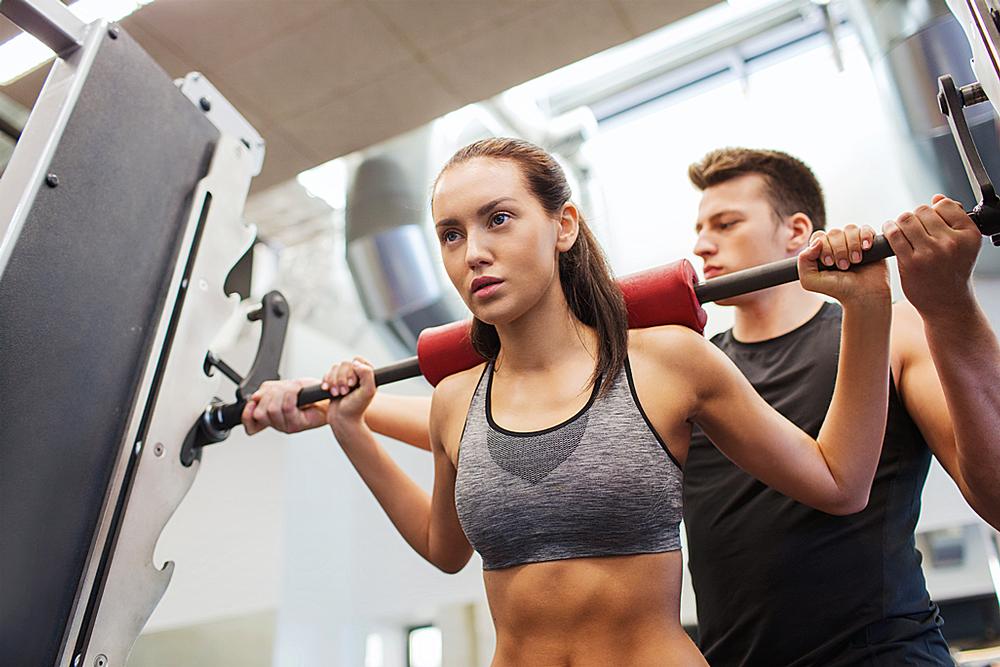
EuropeActive is setting standards that are needed to ensure the industry runs professionally / SHUTTERSTOCK.COM
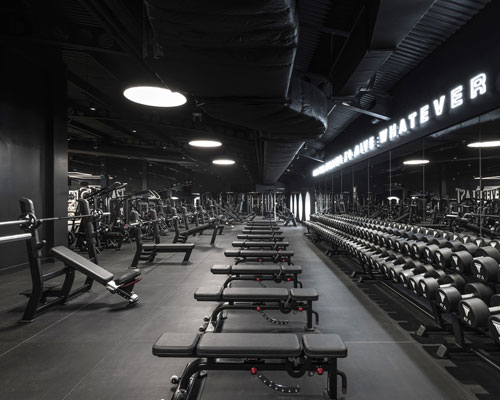
EuropeActive has set a goal of 80 million members across Europe by 2025, so it’s key to get younger generations involved / SHUTTERSTOCK.COM
https://www.leisureopportunities.co.uk/images/515935_929531.jpg
EuropeActive's Sir Graham Watson: Bringing added status to the fitness sector via international co-operation
Sir Graham Watson Kate Cracknell,EU, European Union, EuropeActive, Graham Watson, Kate Cracknell, government, European Commission, Cinderella
HCM magazine
Collaborations with the medical profession and greater aspirations around wellbeing are creating a need for more experts in our sector. It’s time to reboot our thinking around the workforce
HCM magazine
As the entrepreneur who started Wexer, Fresh Fitness, Fitness DK and Repeat, as well as being a former elite athlete, Rasmus Ingerslev’s life looked perfect from the outside, but onthe inside it was a different story. He talks to Kath Hudson about healing old wounds
HCM magazine
Small improvements to sleep, diet and physical activity have major benefits for the heart, according to new research from the University of Sydney
HCM magazine
For every member with a tripod and a big following, there are others irritated at the way equipment is being hogged or wary they’ll be in the background on someone’s Insta feed. Do influencers offer valuable, free marketing or are they just a nuisance? Kath Hudson finds out how operators are responding
HCM magazine
If the health service is to survive, we must recognise that it is a disease service – and that wellbeing rests with us, says the activity advocate and healthy ageing champion. He talks to Kate Cracknell
HCM promotional features
Sponsored
Greg Bradley looks at the shift towards strength training in gyms and advises on how operators can create the ultimate training environment
HCM promotional features
Sponsored
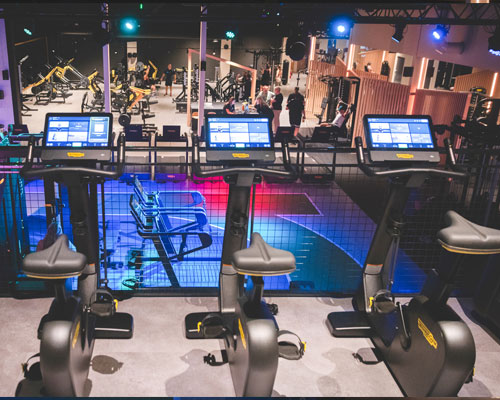
SnowDome Fitness has added 50 per cent more space with cutting-edge Technogym solutions
HCM promotional features
Sponsored
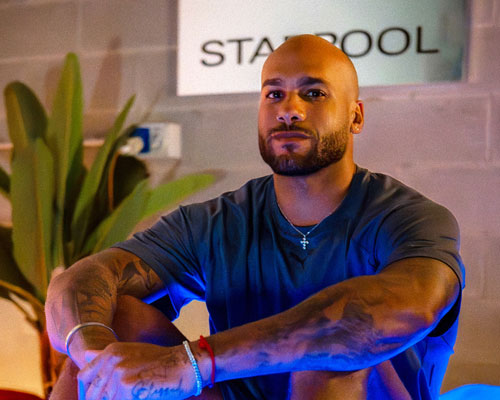
Starpool supports Olympic champion Marcell Jacobs, says Riccardo Turri
HCM promotional features
Sponsored
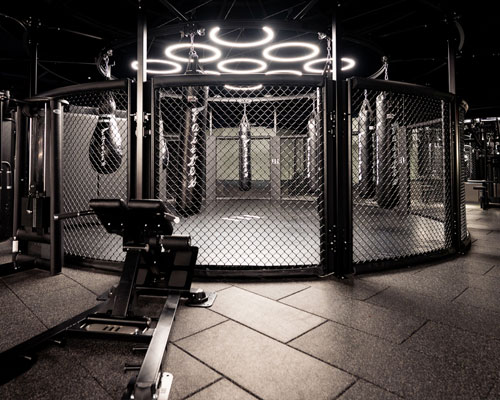
Third Space partnered with IndigoFitness to deliver a bespoke training space for its new club at The Whiteley
HCM promotional features
Sponsored
Find out how your gym can tap into the corporate wellness boom
HCM promotional features
Sponsored
David Lloyd is stepping up its commitment to women’s health as it continues to explore what fit-for-purpose looks like for the female population
HCM promotional features
Sponsored
EGYM has opened a new HQ in Paternoster Square, London and revealed a range of new launches
HCM promotional features
Promotion
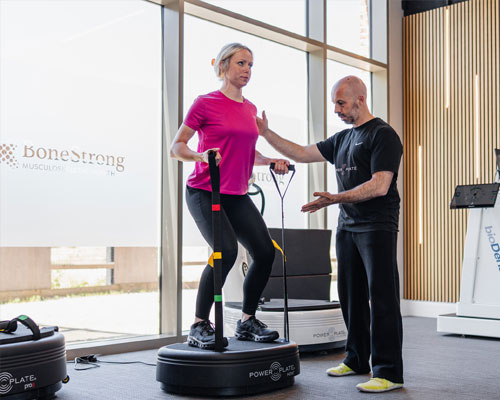
Performance Health Systems, manufacturer of Power Plate, has a new CEO, with an ambitious vision for the company
HCM promotional features
Sponsored
Active IQ is calling for greater accountability in online fitness advice with the launch of a new trustmark
HCM promotional features
Latest News
An ambitious women’s only strength and lifting studio concept is set to launch in Dallas this ...
Latest News
Finnish outdoor fitness equipment specialist, Omnigym, has partnered with charity, Emmaüs Solidarité, to launch an ...
Latest News
Virgin Active has officially opened its redesigned Mayfair club, unveiling its latest Social Wellness Club ...
Latest News
Europe’s largest low-cost operator, Basic-Fit, has agreed to acquire 41 Wellyou clubs in Germany for ...
Latest News
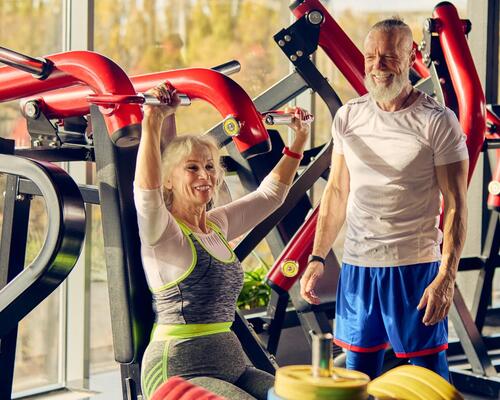
Longevity is the most important motivator for today’s exercisers and social connection is key, according ...
Latest News
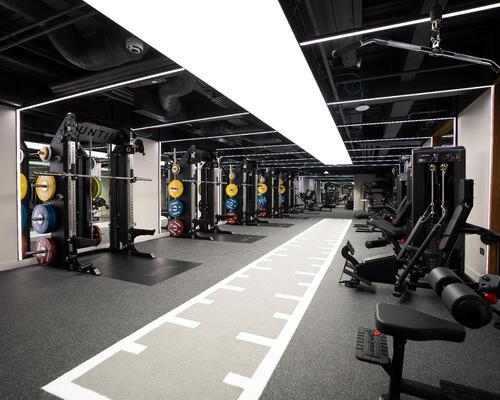
Until has opened its fourth club at Canary Wharf, in the iconic YY London building. ...
Latest News
Ben Allen has been appointed managing director at Common Bond. Having set the company up ...
Latest News
Les Mills, whose name became synonymous with one of the world's leading fitness brands, has ...
Opinion
promotion
Strength training has moved from the margins to the mainstream.
Opinion: Building smarter strength spaces for today’s operators
Featured supplier news
Featured supplier news: CoverMe extends matching service to personal training, rewriting how members and personal trainers connect
CoverMe, the global leader in fitness workforce management, today launches CoverMe PT, an on-demand personal training platform that connects the right personal trainer to the right client in under 10 seconds.
Featured supplier news
Featured supplier news: Cornerstone Connect helps Active Blackpool tackle health inequalities
Active Blackpool is deploying Cornerstone Connect, a new digital interface allowing disparate information from multiple systems to be aggregated into one dataset, to support its focus on reducing health inequalities and improving healthy life expectancy.
Company profiles
Company profile: Brass Monkey
Brass Monkey designs and builds the world’s finest commercial-grade ice baths, working with leading gyms ...
Company profiles
Company profile: Pulse Fitness
With an award-winning portfolio of over 450 pieces of cutting-edge, premium fitness equipment, Pulse Fitness ...
Supplier Showcases
Supplier Showcase - Future-proofing
Catalogue Gallery
Click on a catalogue to view it online
Featured press releases
ukactive press release: UK Active announces plans for National Fitness Day 2026
UK Active has announced the details of National Fitness Day 2026, with the flagship campaign set to take place on Wednesday 16 September 2026.
Featured press releases
Swimming Teachers' Association (STA) press release: STA and GreenTech announce new aquatics partnership
STA is pleased to announce a new strategic partnership with GreenTech International, bringing its Hydro Dioxide water treatment solution to the UK aquatics sector through the STA Swim Shop.
Directory
Hot tubs
MSpa International Ltd: Hot tubs
Industrial washing machines
Miele Company Limited: Industrial washing machines
Spa and beauty equipment
Oakworks Inc: Spa and beauty equipment
Fitness tracking platform
SpiviTech: Fitness tracking platform
Water experiences and hydrotherapy solutions
Aquaform s.r.l.: Water experiences and hydrotherapy solutions
Lockers
Crown Sports Lockers: Lockers
Property & Tenders
Stratford, East London.
Lee Valley Regional Park Authority
Property & Tenders
Y Felinheli, LL56 4QN
Newmark
Property & Tenders
Diary dates
21-24 Sep 2026
The Langham Huntington Pasadena , Pasadena, United States
Diary dates
06-08 Oct 2026
Messe Stuttgart, Stuttgart, Germany
Diary dates
22-22 Oct 2026
QEII Conference Centre, London,
Diary dates
26-29 Oct 2027
Koelnmesse Exhibition Centre, Cologne, Germany
Diary dates

features

Interview: Sir Graham Watson

The former Liberal Democrat MEP and now president of EuropeActive talks to Kate Cracknell about bringing added status to the health and fitness sector through international co-operation

By Kate Cracknell | Published in Health Club Management 2015 issue 9
Sir Graham Watson
Sir Graham Watson
The challenges of an ageing society are becoming acute – but you can’t assume that just because there’s a need, governments will respond

What’s your background?
Essentially I suppose I’m a communicator. I qualified in languages and graduated as an interpreter. I’d wanted to be an interpreter since the age of 15, but as soon as I became one, I realised I didn’t like it at all.

But I’d become quite politically motivated, essentially around the European Union and whether we should stay in – this was around the time of the 1975 referendum campaign. Forty years on we’ve come full circle.

I returned to Scotland and became involved in the Young Liberals, and three years later I was appointed head of the parliamentary private office to David Steel, then leader of the UK Liberal Party – a role in which I served for the duration of the 1983–87 parliament.

I then had an eight-year career in banking before returning to politics, serving as a member of the European Parliament from 1994 to 2014.

What has been your focus during your political career?
If I had to describe what I did during those 20 years in the European Parliament, and even before that, I suppose it was trying to convince people of the advantages of structured international co-operation. I’m not ideologically federalist. I’ve simply come to believe you can achieve far more through peaceful co-operation – by increasing trade and cultural links and sporting links and so on – than you can by going it alone and trying to dominate the world.

I think one of the greatest successes of the EU is really nothing to do with legislation. The EU is actually only 5 per cent legislation – the rest is exchange of best practice. It’s getting to know each other. It’s providing the framework within which people can come together to exchange experiences and ideas.

You became president of EuropeActive in April 2015. How did that come about?
I imagine EuropeActive wanted someone in this role who was experienced in building international structures.

I’ve been involved throughout my career in building co-operation between Liberal parties across the EU and around the world. I’ve also been involved on a non-party political basis: I was one of the founders of the Climate Parliament, for example, which is a global network of legislators working on climate issues.

And although I know very little about sport – my learning curve is vertical at the moment – I’m finding it very interesting to work with a group of national federations who believe they can advance their common interests, and the interests of their clients and members, by working together more effectively at a European level. I can bring a lot of experience in that respect.

How do you see your role?
I chair the board, and that role involves a certain amount of diplomacy between the different member organisations. They all have a common wider interest, but sometimes they differ on the specifics. I see my job partly as having to build a consensus between them about what they want to see in the organisation of fitness – how they want health and fitness to look at a European level – and representing that vis-à-vis the European institutions.

And do you have a picture yet of how that consensus might look?
In some areas, yes. To give an example, the European Commission has launched a programme on healthy ageing, and the fitness industry can have a huge input on that agenda. Since I’ve become chair, we’ve successfully bid to be a partner in various European programmes. It’s an area where the interests of business and society intertwine almost completely.

What else has happened since you joined EuropeActive?
One of the things I’ve persuaded the team to do is move its office much closer to the European Commission and Parliament. We’re trying to set up a more structured, permanent secretariat that’s close to the people it’s trying to influence.

We’re going to share offices with four other organisations that are active in sport and leisure, and we’re going to call it the European House of Sport. If EuropeActive is going to work to its optimum, it has to have a central forum in which all of its work is co-ordinated.

What impact do you believe EuropeActive can have?
The European Commission – despite the fact that most people in Britain think it’s a monster of bureaucracy sticking its tentacles into every area of their daily lives – is a relatively small outfit. It doesn’t want, and indeed doesn’t have, the capacity to organise and set standards for and police every industry that’s going. It wants these industries to do it for themselves as far as possible.

What we’ve therefore done with EuropeActive­ – and this work was going on before I joined – is taken what was essentially a federation of national fitness associations and turned it into a standards organisation. We’re saying to governments: we believe these are the standards that are needed for the industry to run professionally, and we’re developing and monitoring those standards.

I think one of the most valuable things we’ve done has been setting up the European Standards Council, developing standards in conjunction with the industry.

What’s your SWOT analysis of EuropeActive?
The strengths are that the federations have already started to do things together, and EuropeActive has started to engage in discussions with the institutions of government at a European level. The basic platform is there.
One of the weaknesses – which would apply I think to any organisation in this area – is things are sometimes dominated and swayed by strong characters who perhaps don’t always represent the mainstream of opinion in their industry. Part of my job as EuropeActive chair is trying to balance these characters and their wishes with the general needs of the organisation.

Opportunities are huge. The challenges of an ageing society are becoming acute, which means we have to do something about it – but you can’t assume that just because there’s a need, governments will respond. We’re coaxing, cajoling, encouraging governments to respond with the support of the industry.

The main threat to any organisation like this at Brussels level is how to maintain sufficiently regular income and a sufficiently rigorous financial management. Because operations like this normally work on a shoestring. Can you maintain that? Can you be seen to be effectively and responsibly managed, so you’re a reliable partner for institutions like the European Commission?

Anther threat – I’d call it more of a challenge than a threat – is how do you bring together people who are commercial competitors? How do you balance the relations of people who are desperately competitive? What you do is you engage people on a level where they’re intellectually getting something out of what you’re offering.

What’s your vision for EuropeActive and an active Europe?
At a societal level, across the continent, we need to drive awareness of the need for personal fitness, as well as driving actual levels of personal fitness. Ours is already a growing sector, but can we push it to grow a little faster, creating the conditions in which government will support that? If we do, we’ll keep down taxes and health costs tremendously over the next 10 years.

ukactive is a leader in lobbying government in the UK; we now need the federations in every member state to lobby their governments as effectively. If we can then put the icing on the cake at European level, we can achieve a lot.

But that’s my vision for society. My vision for the industry is a slightly more limited and I hope a very practical one. I want to make EuropeActive genuinely representative of the whole spectrum of the industry, ensuring members are fully reflective of the industries in their own countries. And I want to make sure we’re effective and respected by government, so we’re seen as a natural partner.

In July, there was an informal meeting of sports ministers from 28 countries. A number of sports federations were invited to attend – tennis, football, rugby… but we weren’t invited. I think, because the fitness sector has been quite decentralised – it hasn’t been hugely structured because it involves individuals rather than team sports – it’s tended to be the Cinderella of physical activity. The vision I have, and the opportunity I see, is to lift it up to the level of more recognised sports.

EuropeActive has a stated goal of 80 million members across Europe by 2025. Is that achievable?
I think it’s perfectly achievable. It’s certainly ambitious, but if you don’t set your sights high you’ll never achieve anything. As Michelangelo once said, the greater danger for most of us lies not in setting our aim too high and falling short, but in setting our aim too low and achieving our mark. Eighty million is very ambitious, but not impossible. With the right level of commitment and the right level of organisation, we can get there.

Introducing…

Sir Graham Watson

Current
• President of the Party of Liberals and Democrats for Europe
• President of the global Climate Parliament

1994–2014
Member of the European Parliament for SW England & Gibraltar

• 1999–2002 - chair of the EP’s Justice & Home Affairs Committee
• 2002–09 - leader of the EP’s Liberal and Democratic Group
• 2009–14 - chair of the EP’s delegation for India

1988–94
Senior executive posts with HSBC Group in Hong Kong and UK

1983–87
Head of the parliamentary private office to the UK Liberal leader

1981–83
Communications executive at a Scottish science institute

1979–81
Interpreter and translator in Berlin, Brussels and London
Sign up here to get HCM's weekly ezine and every issue of HCM magazine free on digital.
Watson wants fitness on the radar alongside other sports / SHUTTERSTOCK.COM THE GREAT SWIM
EuropeActive is setting standards that are needed to ensure the industry runs professionally / SHUTTERSTOCK.COM
EuropeActive has set a goal of 80 million members across Europe by 2025, so it’s key to get younger generations involved / SHUTTERSTOCK.COM
https://www.leisureopportunities.co.uk/images/515935_929531.jpg
EuropeActive's Sir Graham Watson: Bringing added status to the fitness sector via international co-operation
Sir Graham Watson Kate Cracknell,EU, European Union, EuropeActive, Graham Watson, Kate Cracknell, government, European Commission, Cinderella
Latest News
An ambitious women’s only strength and lifting studio concept is set to launch in Dallas this ...
Latest News
Finnish outdoor fitness equipment specialist, Omnigym, has partnered with charity, Emmaüs Solidarité, to launch an ...
Latest News
Virgin Active has officially opened its redesigned Mayfair club, unveiling its latest Social Wellness Club ...
Latest News
Europe’s largest low-cost operator, Basic-Fit, has agreed to acquire 41 Wellyou clubs in Germany for ...
Latest News
Longevity is the most important motivator for today’s exercisers and social connection is key, according ...
Latest News
Until has opened its fourth club at Canary Wharf, in the iconic YY London building. ...

Latest News
Ben Allen has been appointed managing director at Common Bond. Having set the company up ...

Latest News
Les Mills, whose name became synonymous with one of the world's leading fitness brands, has ...
Latest News
People taking GLP-1 weight loss medications such as Ozempic, Wegovy, Mounjaro and Zepbound may be ...
Latest News
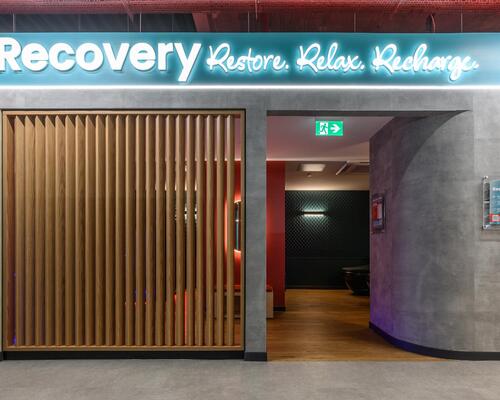
Low-cost gym operator, PureGym, is trialling recovery zones at two of its UK sites, democratising ...
Latest News
In a milestone moment, mental health has become a core part of CIMSPA’s occupational professional ...
Opinion
promotion
Strength training has moved from the margins to the mainstream.
Opinion: Building smarter strength spaces for today’s operators
Featured supplier news
Featured supplier news: CoverMe extends matching service to personal training, rewriting how members and personal trainers connect
CoverMe, the global leader in fitness workforce management, today launches CoverMe PT, an on-demand personal training platform that connects the right personal trainer to the right client in under 10 seconds.
Featured supplier news
Featured supplier news: Cornerstone Connect helps Active Blackpool tackle health inequalities
Active Blackpool is deploying Cornerstone Connect, a new digital interface allowing disparate information from multiple systems to be aggregated into one dataset, to support its focus on reducing health inequalities and improving healthy life expectancy.
Company profiles
Company profile: Brass Monkey
Brass Monkey designs and builds the world’s finest commercial-grade ice baths, working with leading gyms ...
Company profiles
Company profile: Pulse Fitness
With an award-winning portfolio of over 450 pieces of cutting-edge, premium fitness equipment, Pulse Fitness ...
Supplier Showcases
Supplier Showcase - Future-proofing
Catalogue Gallery
Click on a catalogue to view it online
Featured press releases
ukactive press release: UK Active announces plans for National Fitness Day 2026
UK Active has announced the details of National Fitness Day 2026, with the flagship campaign set to take place on Wednesday 16 September 2026.
Featured press releases
Swimming Teachers' Association (STA) press release: STA and GreenTech announce new aquatics partnership
STA is pleased to announce a new strategic partnership with GreenTech International, bringing its Hydro Dioxide water treatment solution to the UK aquatics sector through the STA Swim Shop.
Directory
Hot tubs
MSpa International Ltd: Hot tubs
Industrial washing machines
Miele Company Limited: Industrial washing machines
Spa and beauty equipment
Oakworks Inc: Spa and beauty equipment
Fitness tracking platform
SpiviTech: Fitness tracking platform
Water experiences and hydrotherapy solutions
Aquaform s.r.l.: Water experiences and hydrotherapy solutions
Lockers
Crown Sports Lockers: Lockers
Property & Tenders
Stratford, East London.
Lee Valley Regional Park Authority
Property & Tenders
Y Felinheli, LL56 4QN
Newmark
Property & Tenders
Diary dates
21-24 Sep 2026
The Langham Huntington Pasadena , Pasadena, United States
Diary dates
06-08 Oct 2026
Messe Stuttgart, Stuttgart, Germany
Diary dates
22-22 Oct 2026
QEII Conference Centre, London,
Diary dates
26-29 Oct 2027
Koelnmesse Exhibition Centre, Cologne, Germany
Diary dates
Search news, features & products:
Find a supplier:
Partner sites