





















GET HCM
magazine
Sign up for the FREE digital edition of HCM magazine and also get the HCM ezine and breaking news email alerts.
Not right now, thanksclose this window I've already subscribed!
EGYM
EGYM
EGYM
Follow Health Club Management on Twitter Like Health Club Management on Facebook Join the discussion with Health Club Management on LinkedIn
FITNESS, HEALTH, WELLNESS

features

Interview - Edgard Corona: Edgard Corona

The founder and CEO of BioRitmo and SmartFit talks to Kate Cracknell about cannibalising his own business, handing the reins to his staff and the challenges of operating in Brazil

By Kate Cracknell | Published in Health Club Management 2015 issue 6
Edgard Corona
Edgard Corona
There’s a national water shortage, so we’re having to drill 36 wells this year and buy trucks to move water from one site to another

“If I’m going to lose members to low-cost clubs, I’d rather lose them to my own low-cost clubs than to my competitors,” says Edgard Corona, explaining how, in 2009, he launched low-cost SmartFit into the market alongside the premium operation, BioRitmo, that he’d established in Brazil in 1995.

With this self-cannibalisation strategy in mind, Corona’s philosophy is to offer the very best clubs in both the premium and the low-cost segments of the market, in a bid to ensure his facilities are people’s first and second choices. Whether they then opt for BioRitmo or SmartFit is up to them.

But it’s been a learning curve, as Corona freely admits. Rewind to 1995, when he resigned from his job as a chemical engineer to invest in the first ever BioRitmo club.

“We did everything wrong,” he says. “The club lost money for seven or eight years until we made the space bigger and offered more parking.”

But come 1997, and the opening of the second BioRitmo in Paulista, the recipe had already changed. “I’d visited London and had been inspired by the design and the experience you got in the restaurants over there.

“I decided I didn’t want my clubs to feel like health clubs – I wanted them to feel like you were walking into one of those restaurants. Our Paulista club changed the whole market – it was very clean, with a great colour scheme and a strong focus on lighting.”

Confronting costs
He continues: “But even then, it was hard for us to grow because of costs. Interest and inflation rates in Brazil were very high – we had to change our prices every month – and the import tax on goods coming into Brazil meant we were paying around two and a half times more for gym equipment than US operators. A treadmill would cost us US$25,000 – more expensive than a car – so we didn’t have much kit in our clubs.

“In fact, that premium on fitness equipment is still the case – it remains one of our big challenges.”

Corona realised more streamlining was needed and, attending his first IHRSA event in 2001, he hired one of the expert presenters to refine his sales process. The facility mix was also reviewed, with the swimming pools removed to make way for two group exercise studios in every club. “It’s hard to manage too many elements well,” he explains. “I wanted a simpler model as the blueprint going forward.”

Within this, however, Corona has continued to experiment. At the Higenopolis club in São Paolo for example, which opened in 2005, he installed theatre-style lighting to overcome the challenge of an interior location in a shopping centre: during the day, the lighting makes it look like daytime, switching to sunset and then night-time at the appropriate hour.

And in the last year there’s been a significant rethink in the BioRitmo club layout to enhance the user experience, with gym floors split into three distinct zones to cater for different types of member. “We’ve created three clubs within a club: one area for those who just use machines to exercise, mainly beginners and middle-aged to older users; the central area targeting people in their 20s through to early 40s, with a more competitive feeling and a focus on functional and small group training; and the other end exclusively for heavier free weights and personal training.

“We also have different types and ages of instructor on the gym floor at different times of the day, depending on the profile of the members in the club.”

A challenging market
But it’s not all been plain sailing. In 2007, cashflow was “very tricky – I thought the business might fold”. And operating in Brazil doesn’t get any easier today. “There’s a national water shortage, so we’re having to drill 36 wells this year and buy trucks to move water from one site to another. If people can’t shower at our clubs, then they’ll have to close,” explains Corona.

“The cost of water is likely to go up 35 per cent this year – assuming there is any – and the cost of power up 55 per cent. Meanwhile the Brazilian economy will drop 2 per cent and inflation is sitting at about 8 per cent. People have less disposable income.”

The company will therefore focus
on growing its low-cost brand – although even then, given the challenging conditions, growth will be slower than in previous years.

“Last year we opened 52 SmartFit clubs in Brazil, but that won’t be the case this year. We have to base all our plans on zero growth in Brazil,” acknowledges Corona. “The value of the Brazilian Real is also decreasing against foreign currency, which is another big challenge as all our equipment and maintenance comes from the US or Europe. We’re currently buying more from Europe, because the Euro is also struggling. And of course a lot of our resources are going towards tackling the water shortage at the moment.”

Cost versus salary
He continues: “Another reason we’re focusing on SmartFit is that the premium end of the market is already saturated. In spite of the tough economic conditions in Brazil, and the fact that people in the US earn at least three times more than people in Brazil, there are more high-end clubs in São Paolo – where the majority of our BioRitmo clubs are – than in New York City. So we’ll open more high-end clubs, but probably only one or two a year.

“Meanwhile, only about 4 per cent of the Brazilian population holds a gym membership at the moment, so there’s scope for growth if we can educate people to look beyond aesthetics to the health benefits – although that in itself will be a challenge. However, I don’t think we’ll get much past 6 per cent, because the cost of building and operating clubs is such that US$20 really is the lowest you can charge – that gives you just a small profit – and lots of people can’t afford that.

“In the US, people’s salaries are three times higher and they pay US$10 a month for a low-cost club. In Brazil they pay US$20, meaning gym membership is the equivalent of six times more expensive. So even budget clubs won’t hugely grow the market.

“We may even need to increase our price slightly – to around US$23 a month – for the new clubs we’re building, because equipment is now 60 per cent more expensive due to the exchange rate.”

Growing SmartFit
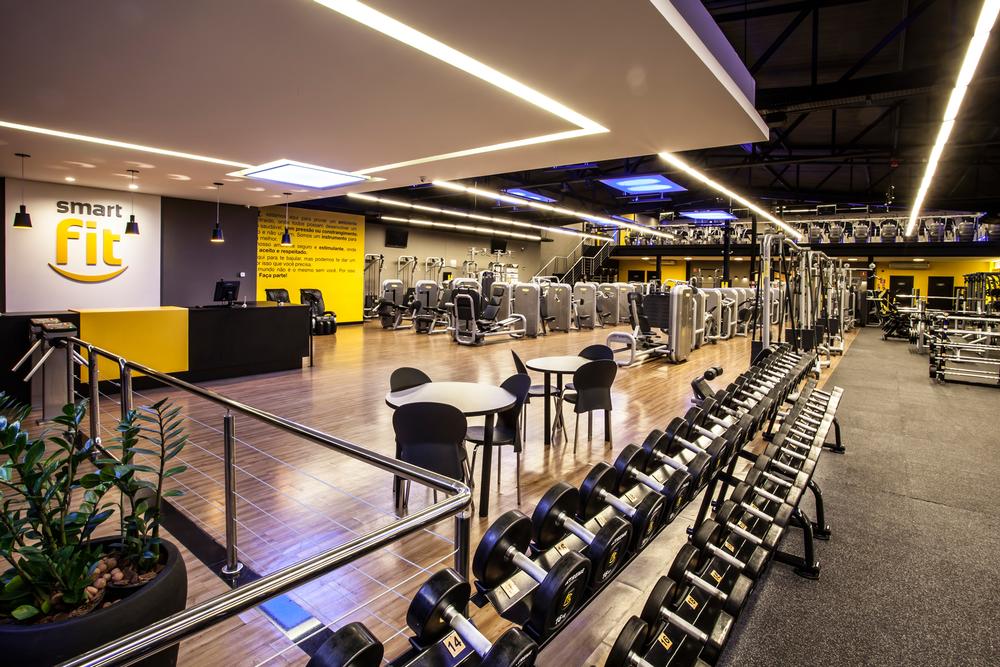
Nevertheless, if growth does come, it’s likely to be through low-cost expansion. So what is the SmartFit model? “It’s an experience,” says Corona. “The way we’ve approached the architecture, the lighting, the choice of software and equipment… it isn’t like a normal low-cost club. The idea is that, if low-cost competition arrives, they won’t actually be able to compete because ours feels like a high-end club – but charging only US$20 a month.

“In fact, a lot of high-end gyms are losing members to SmartFit, including BioRitmo. That’s OK though – I’m happy to have really great low-cost clubs so we don’t lose our BioRitmo members to other low-cost operators.

“I actually don’t want people to be able to see much difference between SmartFit and BioRitmo.”

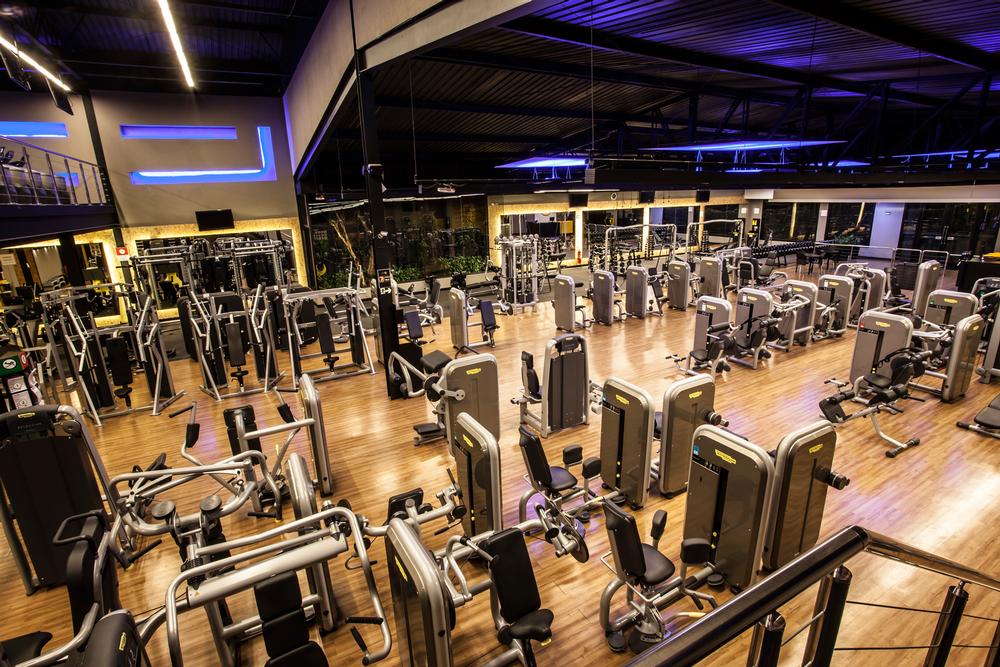
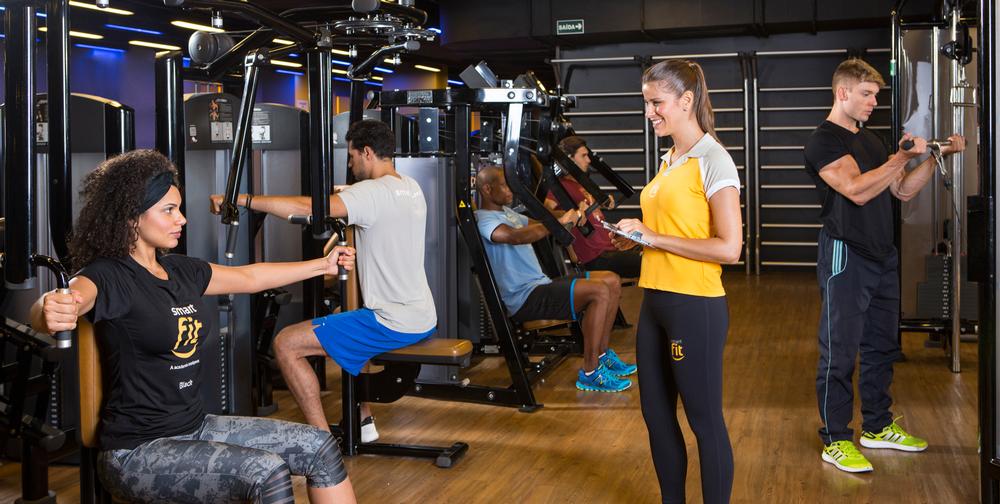
He continues: “There are instructors on-hand at SmartFit in case members have any questions, but the whole club has been set up to be self-explanatory. There are three rows of equipment – the front row is for weight loss, the second for endurance training and the back row for muscle building. Crossing these to effectively form a grid, lines of equipment run from the front to the back of the gym floor by body part: arms, back, legs, abs and so on.

“So if you want to build muscle in your arms, you immediately know exactly which piece of kit to go to. There’s then a video when you get there to show you the exercises you can do on that piece of equipment.”

There are now 176 SmartFit clubs in Brazil, with another 20 planned by the end of the year, and it’s proving to be an appealing model across other South American countries too.

“We’ve created 50/50 joint ventures with local partners to expand into Mexico and Chile – SportCity in Mexico in 2012, and O2 in Chile at the end of 2013, which are both high-end operators that wanted a low-cost brand. We have 47 clubs in Mexico with another 17 to come this year, and four clubs in Chile with another in the pipeline. I’d also like to go into Peru, where I think we could open around 30 clubs.

“Over time I think we can grow SmartFit to 130–140 clubs in Mexico and to 300 in Brazil – so maybe a total of 450–500 across all markets – but that’s really just a guesstimate, because our competitive advantage is inevitably just temporary.”

Competing with yourself
Corona concludes: “I’m now looking at the possibility of launching a microgym format. As Steve Jobs said, it’s not about the next thing you do but what you’ll do three steps down the line. I want to think about what formats I can create that will compete with my existing clubs.

“I don’t have any issue with challenging my own business models and cannibalising myself. I genuinely believe that, if my business is hurting, it’s simply because I’m not giving members what they want.

“The future is uncertain, especially with all the technology that’s coming our way, but it’s full of opportunities. I want to prepare and empower the young people in my organisation to be creative and come up with new ideas. My role is to step back and try not to disturb them – simply to help them make the changes once they’ve come up with the ideas – because they understand technology far better than I do.”

BioRitmo

Established: First club opened 1995
Membership fee: US$100 a month
Club size: Typically 1,600sq m
Offering: Gym and group exercise
Member profile: Diverse age range and fitness experience
Number of clubs: 28
Locations: Brazil, predominantly in São Paolo

SmartFit

Established: First club opened 2009
Membership fee: US$20 a month
Club size: 1,000–1,500sq m
Offering: CV and resistance equipment
Member profile: Younger, exercise-savvy members
Number of clubs: 227
Locations: Brazil, Mexico and Chile

Empowering staff


“In 2003, I was working crazy hours and I went on a training session that changed the way I saw the world and managed my company,” says Edgard Corona. “I realised I was doing a lot wrong.”

He adds: “I learnt that every human being needs power and purpose and participation, so I inverted the pyramid at my company and empowered the staff – the people who are in front of the members every day – to run the company.

“We monitor member satisfaction through NPS every day, although we only ask each member twice a year. They receive an email within five hours of leaving the club, and if they score us less than six out of 10, the manager must call them, apologise and look at how to address any problems.

“We also have a Gallup process with questions for customers and staff, to measure how well the manager is taking care of the team, and how satisfied the members are.

“The whole team then gets involved in finding and implementing solutions to the problems they have identified.”

Location, location, location


“It’s hard finding good locations for clubs in the old cities of Brazil,” says Corona. “The way the buildings have been designed, you often have to split clubs across several floors, or you have to knock two buildings together – there aren’t many big spaces.

“You also have to take traffic into account when selecting club locations. Traffic is very bad in São Paolo – it can take 20 minutes to drive 1km – which means your potential audience must live or work in a radius of just 1km from the potential new club.

“In Rio it’s different again. There, people walk to the club and go home again to shower, so we have smaller clubs dotted along the same street within a couple of blocks of each other – and no showers.”
Sign up here to get HCM's weekly ezine and every issue of HCM magazine free on digital.
Corona says the business faces the financial challenge of having to pay 2.5 times more than the US for fitness equipment
In 2014, 52 SmartFit clubs opened in Brazil, but this year growth will be more cautious
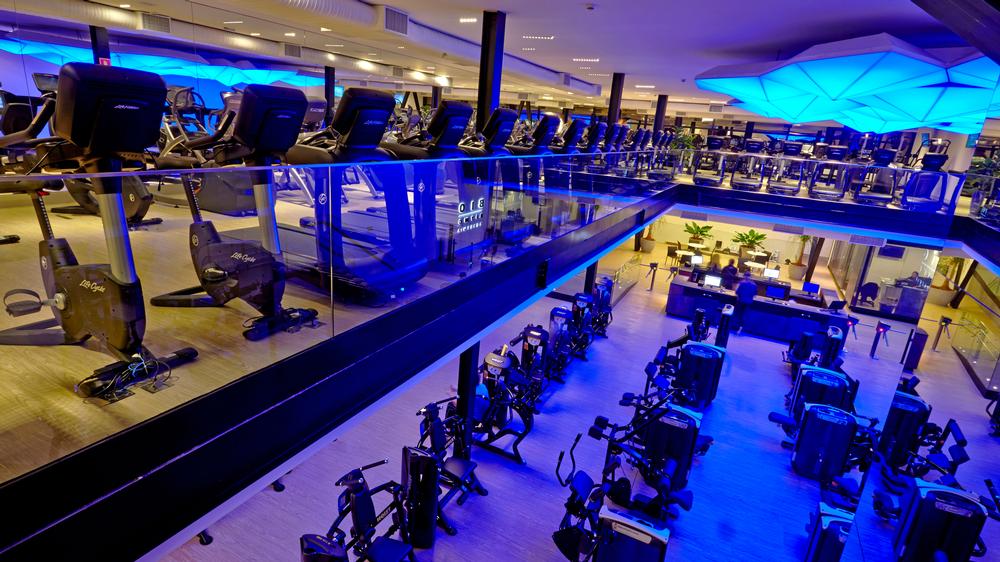
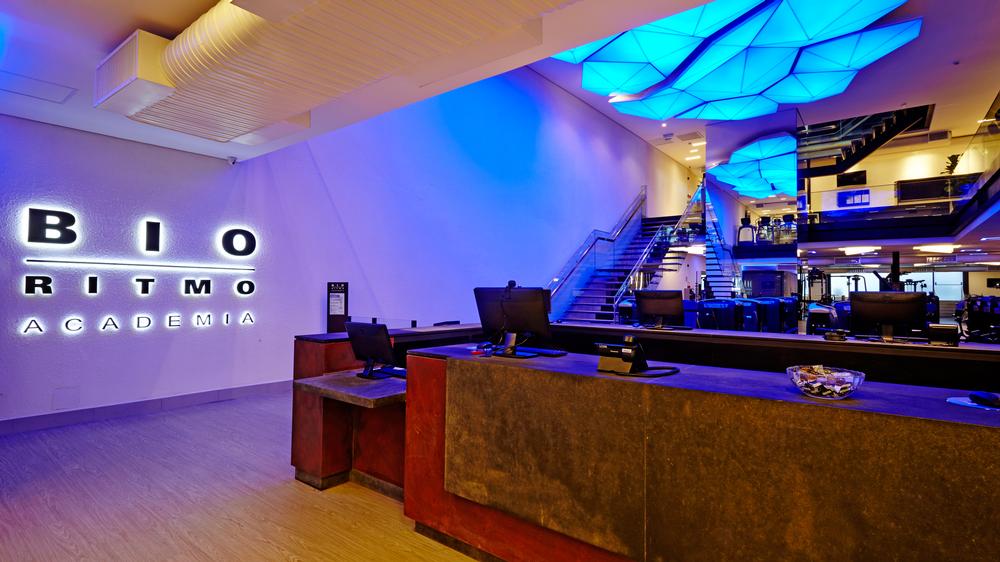
BioRitmo is Corona’s premium health club brand, operating 28 clubs in Brazil – mainly São Paolo
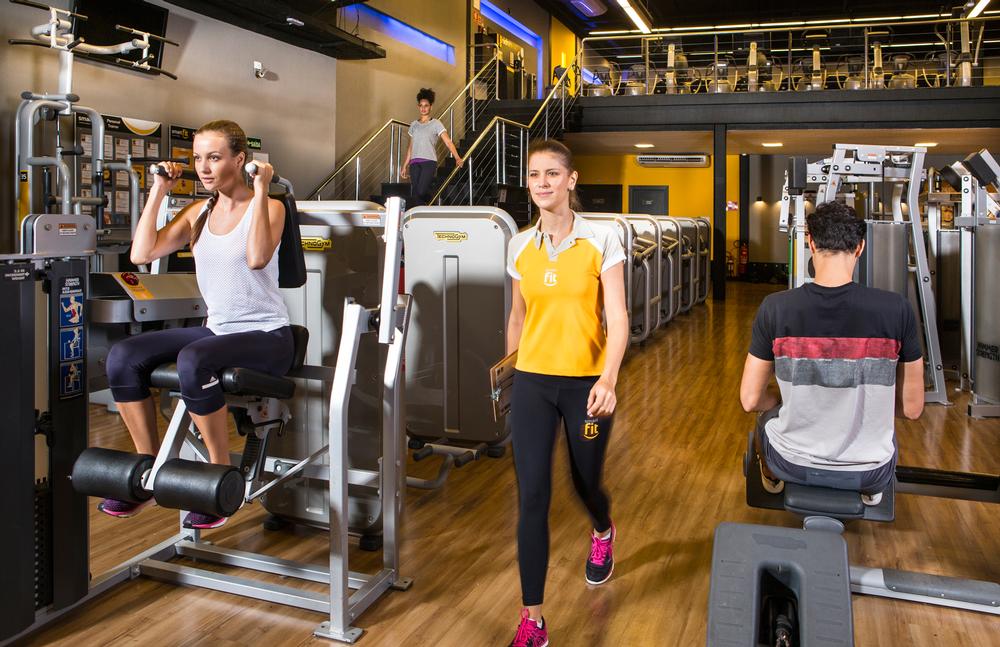
SmartFit clubs are designed to look high-end even though they are budget
https://www.leisureopportunities.co.uk/images/496468_71256.jpg
Is cannibalising your own clubs bad for business? Brazil's market leader Edgard Corona thinks not
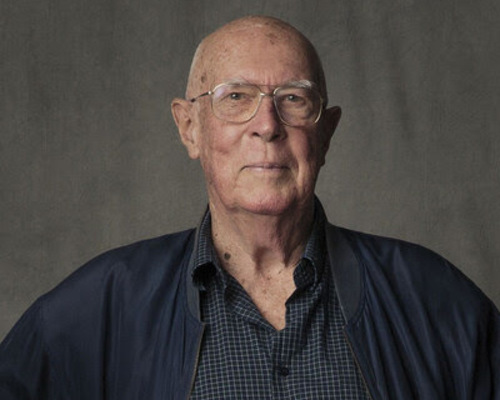
Edgard Corona, founder and CEO of BioRitmo and SmartFit Kate Cracknell,Edgard Corona, BioRitmo, SmartFit, Kate Cracknell, Brazil, cannibalise
HCM magazine
Strength training is evolving, driven by changing consumer preferences. Julie Cramer talks to innovators about how their products are meeting this demand
HCM magazine
Collaborations with the medical profession and greater aspirations around wellbeing are creating a need for more experts in our sector. It’s time to reboot our thinking around the workforce
HCM magazine
As the entrepreneur who started Wexer, Fresh Fitness, Fitness DK and Repeat, as well as being a former elite athlete, Rasmus Ingerslev’s life looked perfect from the outside, but onthe inside it was a different story. He talks to Kath Hudson about healing old wounds
HCM magazine
HCM People

Stephen Price

Founder, SP&Co Group
Working in public health over the last few years has lit up parts of my brain again
HCM magazine
Raphael Cuomo explores the powerful link between addiction, health and behaviour change
HCM promotional features
Sponsored
Greg Bradley looks at the shift towards strength training in gyms and advises on how operators can create the ultimate training environment
HCM promotional features
Sponsored
Third Space partnered with IndigoFitness to deliver a bespoke training space for its new club at The Whiteley
HCM promotional features
Sponsored
Find out how your gym can tap into the corporate wellness boom
HCM promotional features
Sponsored
SnowDome Fitness has added 50 per cent more space with cutting-edge Technogym solutions
HCM promotional features
Sponsored
Starpool supports Olympic champion Marcell Jacobs, says Riccardo Turri
HCM promotional features
Sponsored
David Lloyd is stepping up its commitment to women’s health as it continues to explore what fit-for-purpose looks like for the female population
HCM promotional features
Sponsored
EGYM has opened a new HQ in Paternoster Square, London and revealed a range of new launches
HCM promotional features
Sponsored
The industry is embracing consumer-facing tech. Now it’s time to streamline back-of-house systems with Orbit4, says Daniel Jones
HCM promotional features
Promotion
BLK BOX has been reimagining elite performance spaces for more than a decade. Founder and former athlete, Greg Bradley, tells us what it takes
HCM promotional features
Latest News
Australia’s fast-growing fitness network, Viva Leisure, is adding a low-cost gym brand to its already ...
Latest News
Speedflex has launched a strength training programme for 10 to 16-year-olds, to make it safer, ...
Latest News
Tewinbury Farm Hotel in Hertfordshire, UK is expanding its premium leisure proposition with the launch ...
Latest News

Work is underway in Madrid on one of Europe’s most significant multi-functional complexes, ...

Latest News
PureGym is encouraging people to step away from their screens and go for a walk, ...
Latest News
Small improvements to sleep, diet quality, and physical activity, made in combination lead to a ...
Latest News
Therme Manchester’s 28-acre development, which will include interconnected glass pavilions that measure 65,000sq m, will ...
Latest News
The Yard Gym (TYG) is to become Nike Training’s official global training partner in a ...
Opinion
promotion
Strength training has moved from the margins to the mainstream.
Opinion: Building smarter strength spaces for today’s operators
Featured supplier news
Featured supplier news: W3Fit EMEA celebrates its fifth anniversary
Celebrating its milestone 5th anniversary, W3Fit EMEA returns in 2026 with an unmissable gathering of the Health & Fitness industry’s most influential leaders.
Featured supplier news
Featured supplier news: Supporting long-term health: why whole body vibration belongs in clinical settings
As healthcare continues to shift towards prevention, there’s a growing focus on helping people stay active, independent and feeling good for longer.
Company profiles
Company profile: Core Health & Fitness
Driven by innovation, Core Health & Fitness delivers top-quality products, exceptional service, and ongoing support. ...
Company profiles
Company profile: Everyone Active
Everyone Active's aim is to get communities active, engaged and entertained through our wide-ranging activities ...
Supplier Showcases
Supplier Showcase - From nightclub to health club
Supplier Showcases
Supplier Showcase - Future-proofing
Catalogue Gallery
Click on a catalogue to view it online
Featured press releases
ukactive press release: Are they Fit for Office? UK Active and Technogym throw down the gauntlet to MPs
Hundreds of staff, MPs and Peers from across Westminster have signed up for the Fit for Office parliamentary physical activity challenge, which takes place throughout June and is hosted by ukactive and Technogym.
Featured press releases
Innerva press release: Lex Leisure’s power-assisted exercise suite smashes targets in record time
Crook Log Leisure Centre has more than doubled the membership target for its new power- assisted exercise suite in less than six months.
Directory
Industrial washing machines
Miele Company Limited: Industrial washing machines
Fitness tracking platform
SpiviTech: Fitness tracking platform
Hot tubs
MSpa International Ltd: Hot tubs
Spa and beauty equipment
Living Earth Crafts: Spa and beauty equipment
Water experiences and hydrotherapy solutions
Aquaform s.r.l.: Water experiences and hydrotherapy solutions
Lockers
Crown Sports Lockers: Lockers
Property & Tenders
Stratford, East London.
Lee Valley Regional Park Authority
Property & Tenders
Y Felinheli, LL56 4QN
Newmark
Property & Tenders
Diary dates
13-13 Jun 2026
Worldwide, Various,
Diary dates
21-24 Sep 2026
The Langham Huntington Pasadena , Pasadena, United States
Diary dates
06-08 Oct 2026
Messe Stuttgart, Stuttgart, Germany
Diary dates
22-22 Oct 2026
QEII Conference Centre, London,
Diary dates
26-29 Oct 2027
Koelnmesse Exhibition Centre, Cologne, Germany
Diary dates

features

Interview - Edgard Corona: Edgard Corona

The founder and CEO of BioRitmo and SmartFit talks to Kate Cracknell about cannibalising his own business, handing the reins to his staff and the challenges of operating in Brazil

By Kate Cracknell | Published in Health Club Management 2015 issue 6
Edgard Corona
Edgard Corona
There’s a national water shortage, so we’re having to drill 36 wells this year and buy trucks to move water from one site to another

“If I’m going to lose members to low-cost clubs, I’d rather lose them to my own low-cost clubs than to my competitors,” says Edgard Corona, explaining how, in 2009, he launched low-cost SmartFit into the market alongside the premium operation, BioRitmo, that he’d established in Brazil in 1995.

With this self-cannibalisation strategy in mind, Corona’s philosophy is to offer the very best clubs in both the premium and the low-cost segments of the market, in a bid to ensure his facilities are people’s first and second choices. Whether they then opt for BioRitmo or SmartFit is up to them.

But it’s been a learning curve, as Corona freely admits. Rewind to 1995, when he resigned from his job as a chemical engineer to invest in the first ever BioRitmo club.

“We did everything wrong,” he says. “The club lost money for seven or eight years until we made the space bigger and offered more parking.”

But come 1997, and the opening of the second BioRitmo in Paulista, the recipe had already changed. “I’d visited London and had been inspired by the design and the experience you got in the restaurants over there.

“I decided I didn’t want my clubs to feel like health clubs – I wanted them to feel like you were walking into one of those restaurants. Our Paulista club changed the whole market – it was very clean, with a great colour scheme and a strong focus on lighting.”

Confronting costs
He continues: “But even then, it was hard for us to grow because of costs. Interest and inflation rates in Brazil were very high – we had to change our prices every month – and the import tax on goods coming into Brazil meant we were paying around two and a half times more for gym equipment than US operators. A treadmill would cost us US$25,000 – more expensive than a car – so we didn’t have much kit in our clubs.

“In fact, that premium on fitness equipment is still the case – it remains one of our big challenges.”

Corona realised more streamlining was needed and, attending his first IHRSA event in 2001, he hired one of the expert presenters to refine his sales process. The facility mix was also reviewed, with the swimming pools removed to make way for two group exercise studios in every club. “It’s hard to manage too many elements well,” he explains. “I wanted a simpler model as the blueprint going forward.”

Within this, however, Corona has continued to experiment. At the Higenopolis club in São Paolo for example, which opened in 2005, he installed theatre-style lighting to overcome the challenge of an interior location in a shopping centre: during the day, the lighting makes it look like daytime, switching to sunset and then night-time at the appropriate hour.

And in the last year there’s been a significant rethink in the BioRitmo club layout to enhance the user experience, with gym floors split into three distinct zones to cater for different types of member. “We’ve created three clubs within a club: one area for those who just use machines to exercise, mainly beginners and middle-aged to older users; the central area targeting people in their 20s through to early 40s, with a more competitive feeling and a focus on functional and small group training; and the other end exclusively for heavier free weights and personal training.

“We also have different types and ages of instructor on the gym floor at different times of the day, depending on the profile of the members in the club.”

A challenging market
But it’s not all been plain sailing. In 2007, cashflow was “very tricky – I thought the business might fold”. And operating in Brazil doesn’t get any easier today. “There’s a national water shortage, so we’re having to drill 36 wells this year and buy trucks to move water from one site to another. If people can’t shower at our clubs, then they’ll have to close,” explains Corona.

“The cost of water is likely to go up 35 per cent this year – assuming there is any – and the cost of power up 55 per cent. Meanwhile the Brazilian economy will drop 2 per cent and inflation is sitting at about 8 per cent. People have less disposable income.”

The company will therefore focus
on growing its low-cost brand – although even then, given the challenging conditions, growth will be slower than in previous years.

“Last year we opened 52 SmartFit clubs in Brazil, but that won’t be the case this year. We have to base all our plans on zero growth in Brazil,” acknowledges Corona. “The value of the Brazilian Real is also decreasing against foreign currency, which is another big challenge as all our equipment and maintenance comes from the US or Europe. We’re currently buying more from Europe, because the Euro is also struggling. And of course a lot of our resources are going towards tackling the water shortage at the moment.”

Cost versus salary
He continues: “Another reason we’re focusing on SmartFit is that the premium end of the market is already saturated. In spite of the tough economic conditions in Brazil, and the fact that people in the US earn at least three times more than people in Brazil, there are more high-end clubs in São Paolo – where the majority of our BioRitmo clubs are – than in New York City. So we’ll open more high-end clubs, but probably only one or two a year.

“Meanwhile, only about 4 per cent of the Brazilian population holds a gym membership at the moment, so there’s scope for growth if we can educate people to look beyond aesthetics to the health benefits – although that in itself will be a challenge. However, I don’t think we’ll get much past 6 per cent, because the cost of building and operating clubs is such that US$20 really is the lowest you can charge – that gives you just a small profit – and lots of people can’t afford that.

“In the US, people’s salaries are three times higher and they pay US$10 a month for a low-cost club. In Brazil they pay US$20, meaning gym membership is the equivalent of six times more expensive. So even budget clubs won’t hugely grow the market.

“We may even need to increase our price slightly – to around US$23 a month – for the new clubs we’re building, because equipment is now 60 per cent more expensive due to the exchange rate.”

Growing SmartFit
Nevertheless, if growth does come, it’s likely to be through low-cost expansion. So what is the SmartFit model? “It’s an experience,” says Corona. “The way we’ve approached the architecture, the lighting, the choice of software and equipment… it isn’t like a normal low-cost club. The idea is that, if low-cost competition arrives, they won’t actually be able to compete because ours feels like a high-end club – but charging only US$20 a month.

“In fact, a lot of high-end gyms are losing members to SmartFit, including BioRitmo. That’s OK though – I’m happy to have really great low-cost clubs so we don’t lose our BioRitmo members to other low-cost operators.

“I actually don’t want people to be able to see much difference between SmartFit and BioRitmo.”

He continues: “There are instructors on-hand at SmartFit in case members have any questions, but the whole club has been set up to be self-explanatory. There are three rows of equipment – the front row is for weight loss, the second for endurance training and the back row for muscle building. Crossing these to effectively form a grid, lines of equipment run from the front to the back of the gym floor by body part: arms, back, legs, abs and so on.

“So if you want to build muscle in your arms, you immediately know exactly which piece of kit to go to. There’s then a video when you get there to show you the exercises you can do on that piece of equipment.”

There are now 176 SmartFit clubs in Brazil, with another 20 planned by the end of the year, and it’s proving to be an appealing model across other South American countries too.

“We’ve created 50/50 joint ventures with local partners to expand into Mexico and Chile – SportCity in Mexico in 2012, and O2 in Chile at the end of 2013, which are both high-end operators that wanted a low-cost brand. We have 47 clubs in Mexico with another 17 to come this year, and four clubs in Chile with another in the pipeline. I’d also like to go into Peru, where I think we could open around 30 clubs.

“Over time I think we can grow SmartFit to 130–140 clubs in Mexico and to 300 in Brazil – so maybe a total of 450–500 across all markets – but that’s really just a guesstimate, because our competitive advantage is inevitably just temporary.”

Competing with yourself
Corona concludes: “I’m now looking at the possibility of launching a microgym format. As Steve Jobs said, it’s not about the next thing you do but what you’ll do three steps down the line. I want to think about what formats I can create that will compete with my existing clubs.

“I don’t have any issue with challenging my own business models and cannibalising myself. I genuinely believe that, if my business is hurting, it’s simply because I’m not giving members what they want.

“The future is uncertain, especially with all the technology that’s coming our way, but it’s full of opportunities. I want to prepare and empower the young people in my organisation to be creative and come up with new ideas. My role is to step back and try not to disturb them – simply to help them make the changes once they’ve come up with the ideas – because they understand technology far better than I do.”

BioRitmo

Established: First club opened 1995
Membership fee: US$100 a month
Club size: Typically 1,600sq m
Offering: Gym and group exercise
Member profile: Diverse age range and fitness experience
Number of clubs: 28
Locations: Brazil, predominantly in São Paolo

SmartFit

Established: First club opened 2009
Membership fee: US$20 a month
Club size: 1,000–1,500sq m
Offering: CV and resistance equipment
Member profile: Younger, exercise-savvy members
Number of clubs: 227
Locations: Brazil, Mexico and Chile

Empowering staff


“In 2003, I was working crazy hours and I went on a training session that changed the way I saw the world and managed my company,” says Edgard Corona. “I realised I was doing a lot wrong.”

He adds: “I learnt that every human being needs power and purpose and participation, so I inverted the pyramid at my company and empowered the staff – the people who are in front of the members every day – to run the company.

“We monitor member satisfaction through NPS every day, although we only ask each member twice a year. They receive an email within five hours of leaving the club, and if they score us less than six out of 10, the manager must call them, apologise and look at how to address any problems.

“We also have a Gallup process with questions for customers and staff, to measure how well the manager is taking care of the team, and how satisfied the members are.

“The whole team then gets involved in finding and implementing solutions to the problems they have identified.”

Location, location, location


“It’s hard finding good locations for clubs in the old cities of Brazil,” says Corona. “The way the buildings have been designed, you often have to split clubs across several floors, or you have to knock two buildings together – there aren’t many big spaces.

“You also have to take traffic into account when selecting club locations. Traffic is very bad in São Paolo – it can take 20 minutes to drive 1km – which means your potential audience must live or work in a radius of just 1km from the potential new club.

“In Rio it’s different again. There, people walk to the club and go home again to shower, so we have smaller clubs dotted along the same street within a couple of blocks of each other – and no showers.”
Sign up here to get HCM's weekly ezine and every issue of HCM magazine free on digital.
Corona says the business faces the financial challenge of having to pay 2.5 times more than the US for fitness equipment
In 2014, 52 SmartFit clubs opened in Brazil, but this year growth will be more cautious
BioRitmo is Corona’s premium health club brand, operating 28 clubs in Brazil – mainly São Paolo
SmartFit clubs are designed to look high-end even though they are budget
https://www.leisureopportunities.co.uk/images/496468_71256.jpg
Is cannibalising your own clubs bad for business? Brazil's market leader Edgard Corona thinks not
Edgard Corona, founder and CEO of BioRitmo and SmartFit Kate Cracknell,Edgard Corona, BioRitmo, SmartFit, Kate Cracknell, Brazil, cannibalise
Latest News
Australia’s fast-growing fitness network, Viva Leisure, is adding a low-cost gym brand to its already ...
Latest News
Speedflex has launched a strength training programme for 10 to 16-year-olds, to make it safer, ...
Latest News
Tewinbury Farm Hotel in Hertfordshire, UK is expanding its premium leisure proposition with the launch ...
Latest News

Work is underway in Madrid on one of Europe’s most significant multi-functional complexes, ...

Latest News
PureGym is encouraging people to step away from their screens and go for a walk, ...
Latest News
Small improvements to sleep, diet quality, and physical activity, made in combination lead to a ...
Latest News
Therme Manchester’s 28-acre development, which will include interconnected glass pavilions that measure 65,000sq m, will ...
Latest News
The Yard Gym (TYG) is to become Nike Training’s official global training partner in a ...
Latest News
Everlast Gyms' York site has reopened following a refurbishment to bring it up to the ...
Latest News
Luxury hospitality and wellness pioneer Jeremy McCarthy has launched Leisure Alchemy, a digital platform that ...
Latest News
A contrast therapy and breathwork facility called Reset has opened in Islington, London, in the ...
Opinion
promotion
Strength training has moved from the margins to the mainstream.
Opinion: Building smarter strength spaces for today’s operators
Featured supplier news
Featured supplier news: W3Fit EMEA celebrates its fifth anniversary
Celebrating its milestone 5th anniversary, W3Fit EMEA returns in 2026 with an unmissable gathering of the Health & Fitness industry’s most influential leaders.
Featured supplier news
Featured supplier news: Supporting long-term health: why whole body vibration belongs in clinical settings
As healthcare continues to shift towards prevention, there’s a growing focus on helping people stay active, independent and feeling good for longer.
Company profiles
Company profile: Core Health & Fitness
Driven by innovation, Core Health & Fitness delivers top-quality products, exceptional service, and ongoing support. ...
Company profiles
Company profile: Everyone Active
Everyone Active's aim is to get communities active, engaged and entertained through our wide-ranging activities ...
Supplier Showcases
Supplier Showcase - From nightclub to health club
Supplier Showcases
Supplier Showcase - Future-proofing
Catalogue Gallery
Click on a catalogue to view it online
Featured press releases
ukactive press release: Are they Fit for Office? UK Active and Technogym throw down the gauntlet to MPs
Hundreds of staff, MPs and Peers from across Westminster have signed up for the Fit for Office parliamentary physical activity challenge, which takes place throughout June and is hosted by ukactive and Technogym.
Featured press releases
Innerva press release: Lex Leisure’s power-assisted exercise suite smashes targets in record time
Crook Log Leisure Centre has more than doubled the membership target for its new power- assisted exercise suite in less than six months.
Directory
Industrial washing machines
Miele Company Limited: Industrial washing machines
Fitness tracking platform
SpiviTech: Fitness tracking platform
Hot tubs
MSpa International Ltd: Hot tubs
Spa and beauty equipment
Living Earth Crafts: Spa and beauty equipment
Water experiences and hydrotherapy solutions
Aquaform s.r.l.: Water experiences and hydrotherapy solutions
Lockers
Crown Sports Lockers: Lockers
Property & Tenders
Stratford, East London.
Lee Valley Regional Park Authority
Property & Tenders
Y Felinheli, LL56 4QN
Newmark
Property & Tenders
Diary dates
13-13 Jun 2026
Worldwide, Various,
Diary dates
21-24 Sep 2026
The Langham Huntington Pasadena , Pasadena, United States
Diary dates
06-08 Oct 2026
Messe Stuttgart, Stuttgart, Germany
Diary dates
22-22 Oct 2026
QEII Conference Centre, London,
Diary dates
26-29 Oct 2027
Koelnmesse Exhibition Centre, Cologne, Germany
Diary dates
Search news, features & products:
Find a supplier:
EGYM
EGYM
Partner sites