
















GET HCM
magazine
Sign up for the FREE digital edition of HCM magazine and also get the HCM ezine and breaking news email alerts.
Not right now, thanksclose this window I've already subscribed!
The Leisure Media Company Ltd
Follow Health Club Management on Twitter Like Health Club Management on Facebook Join the discussion with Health Club Management on LinkedIn
FITNESS, HEALTH, WELLNESS

features

EuropeActive strategy: 80 million members

EuropeActive plans to grow usage of fitness centres to 80 million people across Europe by 2025. But how? Otilia Vlasov reports

Published in Health Club Management 2014 issue 6

EuropeActive (formerly EHFA – European Health and Fitness Association) has embarked on an ambitious plan to reach 80 million fitness centre users across Europe by 1 January 2025 – a goal that will require an average annual growth rate of approximately 5 per cent.

The rationale behind the adoption of this target is based on evidence presented at the inaugural EHFF – the European Health and Fitness Forum held in Cologne, Germany, on 2 April – of the alarming rates of obesity, high levels of physical inactivity, endemic growth in lifestyle-related conditions and an ageing demographic profile of citizens.

All of these factors will combine to bring devastating consequences if they are not addressed as a matter of urgency – hence EuropeActive’s goal of 80 million users. It’s an ambitious target – the European fitness sector currently represents 46,500 facilities, which help more than 46 million people reach their fitness goals – but if the sector wants to contribute actively to overcoming the crisis in physical inactivity, it’s a vital one.

Policy-makers and industry leaders will be expected to play an increasingly important role in tackling the challenges to curb high rates of inactivity, and focus on how exercise, fitness and activity can help to control chronic diseases.

Tapping new markets
The Future of Health & Fitness – A plan for getting Europe Active by 2025 is a seminal book written by 13 leading academics and experts from seven European countries, which provides EuropeActive with the evidence and challenges it must consider if the fitness sector is to serve as a driving force in the promotion of health enhancing physical activity (HEPA) across Europe.

The recommendations put forward in the book emphasise that the reasons behind physical inactivity are too complex to be solved by a simple ‘one size fits all’ solution. It stresses the need for sensible, targeted promotions; for an acknowledgement of the barriers to physical activity; and for the sector to work with a range of partners to overcome these barriers.

In order to realise its full potential and positively contribute to HEPA, the fitness sector will have to build new partnerships in different areas, working towards better professionalising the sector to be able to work with more diverse population groups.

However, although these actions will take the fitness sector into new areas, success will not be achieved without making use of new innovations and digital technologies. A detailed analysis by PricewaterhouseCoopers from May 2013 shows that 141 million Europeans could improve their lifestyles with the full integration of mobile technology into the European healthcare system.

Many obstacles will need to be overcome for this to happen, however, as there remains inconsistency in mobile app certification, in personal data protection across EU countries, and in the (often inadequate) level of involvement of healthcare providers in the integration of digital in the sector.

And different target groups require adapted digital strategies. While the younger generation is more ready to embrace the applications and gadgets designed to quantify their physical achievements, the mobile technologies that are available today – such as social media, gamification, apps and augmented reality – do not typically overlap with the age group that needs them the most. People affected by chronic diseases account for 30–40 per cent of EU healthcare expenses, but according to the EU Economic Policy Committee, only 18 per cent of this population group are smartphone users. Finding a compromise between traditional and digital technologies for the 65+ age group will help improve tracking of their health indicators and medical routine. This will be key to promoting active ageing, better supporting older adults to live independently in their senior years.

Macro perspective
The Future of Health & Fitness also recommends a holistic approach among policy-makers, with targeted and integrated campaigns that involve local communities, media, transport and private companies, while also promoting nutrition and physical activity messages.

Governments are also encouraged to adopt a more tolerant taxation system towards health and fitness-related products and services, while investing more in health-enhancing educational programmes and Public Private Partnerships focused on stimulating physical activity and sport.

The book analyses successful collaborations between public bodies and the fitness sector in Spain (The Strategic Plan to Promote Physical Activity in Galicia), UK (Turning the Tide of Inactivity report) and EU in general (European Year for Active Ageing, launched in 2012 by the EC).

A clearer focus on physical activity guidelines – ie promoting and elaborating on these at a national level – is also recommended as a way of ensuring more clarity and precise targets for the population. The Future of Health & Fitness provides an analysis of selected EU State guidelines for physical activity, concluding they all share the recommendation of at least 30 minutes’ moderate intensity physical activity a day, at least five days a week, for adults.

Micro focus
At a micro level, fitness instructors will be expected to broaden and deepen their skills to work with varied population groups and with people presenting different conditions. Adapted strategies should be used for older members and newly active people, as studies show the development of self-management skills during the first few months is crucial for retention.
A higher level of co-operation with local medical communities and practitioners will also be needed if the sector is to embrace a more holistic approach, integrating medical care with higher levels of activity.

The sector’s suppliers should continue investing in R&D and co-operate with operators in developing new technologies, backed up by viable partnerships with universities and research institutes.

Education providers and research institutes are encouraged to develop more evidence into the reasons why people refrain from exercising and to co-operate closely with operators to develop appropriate educational programmes that will equip future generations of fitness professionals with the skills they will need.

Recommendations at a corporate level include in-house health schemes, financial incentives for physical activity, healthier canteen nutrition, smoking cessation programmes and so on. This is thanks to a WHO investigation into the benefits of physical activity plans at work, which were found to reduce staff turnover, raise productivity and reduce risk of litigation for companies, while boosting employees’ self-esteem and job satisfaction and reducing stress.

Meanwhile, national associations are seen as key actors for getting Europe active by 2025, as they are responsible for co-ordinating activities and campaigns, providing the sector with relevant market research and sharing best practice.

for more details on the report....

Additional information about the The Future of Health & Fitness – A plan for getting Europe Active by 2025, and options to purchase the publication, can be found at: www.blackboxfitness.com/en/
For further information, visit www.ehfa.eu or email [email protected]

Sign up here to get HCM's weekly ezine and every issue of HCM magazine free on digital.
Corporates are advised to improve staff canteen nutrition / photo: shutterstock.com/ XiXinXing
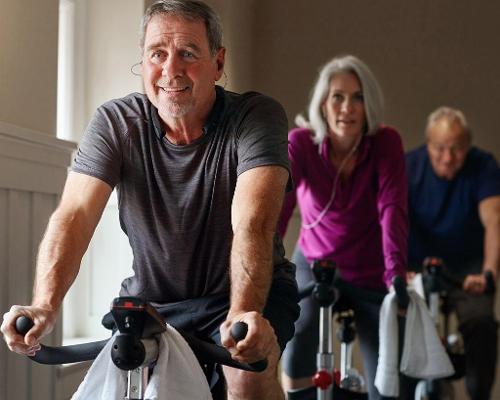
The industry must provide offerings for an ageing population / photo: shutterstock.com/ wavebreakmedia
https://www.leisureopportunities.co.uk/images/HCM2014_6europe.jpg
EuropeActive plans to grow usage of fitness centres to 80 million members across Europe by 2025. But how?
Otilia Vlasov EuropeActive,EuropeActive
HCM magazine
Strength training is evolving, driven by changing consumer preferences. Julie Cramer talks to innovators about how their products are meeting this demand
HCM magazine
For every member with a tripod and a big following, there are others irritated at the way equipment is being hogged or wary they’ll be in the background on someone’s Insta feed. Do influencers offer valuable, free marketing or are they just a nuisance? Kath Hudson finds out how operators are responding
HCM magazine
Raphael Cuomo explores the powerful link between addiction, health and behaviour change
HCM magazine
Small improvements to sleep, diet and physical activity have major benefits for the heart, according to new research from the University of Sydney
HCM magazine
Collaborations with the medical profession and greater aspirations around wellbeing are creating a need for more experts in our sector. It’s time to reboot our thinking around the workforce
HCM promotional features
Sponsored
Third Space partnered with IndigoFitness to deliver a bespoke training space for its new club at The Whiteley
HCM promotional features
Sponsored
Starpool supports Olympic champion Marcell Jacobs, says Riccardo Turri
HCM promotional features
Sponsored
Find out how your gym can tap into the corporate wellness boom
HCM promotional features
Sponsored
David Lloyd is stepping up its commitment to women’s health as it continues to explore what fit-for-purpose looks like for the female population
HCM promotional features
Sponsored
SnowDome Fitness has added 50 per cent more space with cutting-edge Technogym solutions
HCM promotional features
Sponsored
Greg Bradley looks at the shift towards strength training in gyms and advises on how operators can create the ultimate training environment
HCM promotional features
Sponsored
EGYM has opened a new HQ in Paternoster Square, London and revealed a range of new launches
HCM promotional features
Promotion
BLK BOX has been reimagining elite performance spaces for more than a decade. Founder and former athlete, Greg Bradley, tells us what it takes
HCM promotional features
Sponsored
New launch, Salus House, elevates boutique wellness with high service levels and a partnership with Technogym
HCM promotional features
Latest News
Global group exercise specialist, Les Mills, is inviting operators to sign up to its Workout ...
Latest News
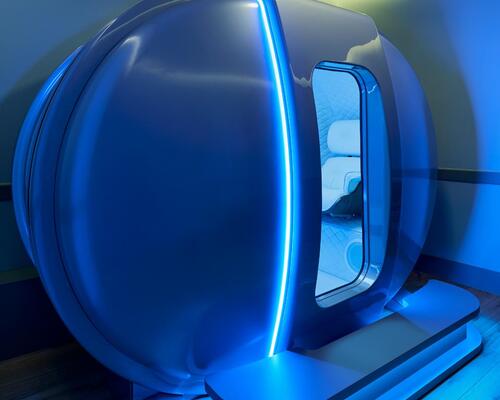
Global luxury hospitality brand, Six Senses, has partnered with longevity healthcare provider, HUM2N, to launch ...
Latest News
Premium London health club, KX Chelsea, is gearing up to unveil its most significant redevelopment ...
Latest News
Researchers in the US have identified an antibody which could greatly reduce the loss of ...
Latest News
Peloton has made the strategic acquisition of Pilates start-up, Skōp, to support the expansion of ...
Latest News
Crunch Fitness has announced the launch of Crunch Reform Pilates – its own reformer concept ...
Latest News
The 20th State of the Industry Report from LeisureDB has revealed a resilient, expanding and ...
Latest News
Purpose Brands has announced its entry into the Italian market, having sold the franchise rights ...
Opinion
promotion
Strength training has moved from the margins to the mainstream.
Opinion: Building smarter strength spaces for today’s operators
Featured supplier news
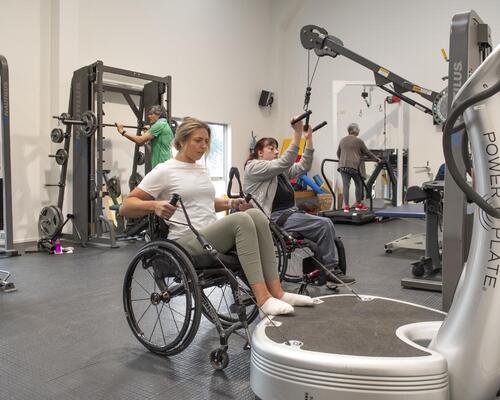
Featured supplier news: Supporting long-term health: why whole body vibration belongs in clinical settings
As healthcare continues to shift towards prevention, there’s a growing focus on helping people stay active, independent and feeling good for longer.
Featured supplier news
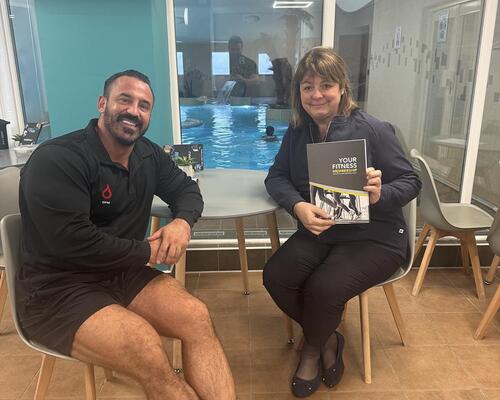
Featured supplier news: Reaching the people most gyms miss: Bedford Gym & Swim Campaign delivers 410 new members
One of the biggest mistakes the fitness industry still makes is advertising almost exclusively to people who already look and live like gym members.
Company profiles
Company profile: Epassi UK
For the last 23 years they have been on a mission to create a fitter, ...
Company profiles
Company profile: Perfect Gym Solutions S.A.
Perfect Gym, part of the Sport Alliance group, is a global software provider specialising in ...
Supplier Showcases
Supplier Showcase - Future-proofing
Catalogue Gallery
Click on a catalogue to view it online
Featured press releases
ukactive press release: UK Active launches next phase of Digital Futures to support digital maturity across the physical activity sector
UK Active has announced the next phase of its Digital Futures programme, supporting organisations across the physical activity sector to develop their digital capability.
Featured press releases
The Fitness Group press release: The Fitness Group partners with Serco Leisure to deliver education and career pathways across UK leisure facilities
The Fitness Group, the UK's leading fitness education training provider, has announced a strategic partnership with Serco Leisure, one of the UK's leading national operators of leisure centres, destination venues and elite sporting facilities.
Directory
Hot tubs
MSpa International Ltd: Hot tubs
Spa and beauty equipment
Living Earth Crafts: Spa and beauty equipment
Industrial washing machines
Miele Company Limited: Industrial washing machines
Water experiences and hydrotherapy solutions
Aquaform s.r.l.: Water experiences and hydrotherapy solutions
Fitness tracking platform
SpiviTech: Fitness tracking platform
Lockers
Crown Sports Lockers: Lockers
Property & Tenders
Stratford, East London.
Lee Valley Regional Park Authority
Property & Tenders
Y Felinheli, LL56 4QN
Newmark
Property & Tenders
Diary dates
21-24 Sep 2026
The Langham Huntington Pasadena , Pasadena, United States
Diary dates
06-08 Oct 2026
Messe Stuttgart, Stuttgart, Germany
Diary dates
22-22 Oct 2026
QEII Conference Centre, London,
Diary dates
26-29 Oct 2027
Koelnmesse Exhibition Centre, Cologne, Germany
Diary dates

features

EuropeActive strategy: 80 million members

EuropeActive plans to grow usage of fitness centres to 80 million people across Europe by 2025. But how? Otilia Vlasov reports

Published in Health Club Management 2014 issue 6

EuropeActive (formerly EHFA – European Health and Fitness Association) has embarked on an ambitious plan to reach 80 million fitness centre users across Europe by 1 January 2025 – a goal that will require an average annual growth rate of approximately 5 per cent.

The rationale behind the adoption of this target is based on evidence presented at the inaugural EHFF – the European Health and Fitness Forum held in Cologne, Germany, on 2 April – of the alarming rates of obesity, high levels of physical inactivity, endemic growth in lifestyle-related conditions and an ageing demographic profile of citizens.

All of these factors will combine to bring devastating consequences if they are not addressed as a matter of urgency – hence EuropeActive’s goal of 80 million users. It’s an ambitious target – the European fitness sector currently represents 46,500 facilities, which help more than 46 million people reach their fitness goals – but if the sector wants to contribute actively to overcoming the crisis in physical inactivity, it’s a vital one.

Policy-makers and industry leaders will be expected to play an increasingly important role in tackling the challenges to curb high rates of inactivity, and focus on how exercise, fitness and activity can help to control chronic diseases.

Tapping new markets
The Future of Health & Fitness – A plan for getting Europe Active by 2025 is a seminal book written by 13 leading academics and experts from seven European countries, which provides EuropeActive with the evidence and challenges it must consider if the fitness sector is to serve as a driving force in the promotion of health enhancing physical activity (HEPA) across Europe.

The recommendations put forward in the book emphasise that the reasons behind physical inactivity are too complex to be solved by a simple ‘one size fits all’ solution. It stresses the need for sensible, targeted promotions; for an acknowledgement of the barriers to physical activity; and for the sector to work with a range of partners to overcome these barriers.

In order to realise its full potential and positively contribute to HEPA, the fitness sector will have to build new partnerships in different areas, working towards better professionalising the sector to be able to work with more diverse population groups.

However, although these actions will take the fitness sector into new areas, success will not be achieved without making use of new innovations and digital technologies. A detailed analysis by PricewaterhouseCoopers from May 2013 shows that 141 million Europeans could improve their lifestyles with the full integration of mobile technology into the European healthcare system.

Many obstacles will need to be overcome for this to happen, however, as there remains inconsistency in mobile app certification, in personal data protection across EU countries, and in the (often inadequate) level of involvement of healthcare providers in the integration of digital in the sector.

And different target groups require adapted digital strategies. While the younger generation is more ready to embrace the applications and gadgets designed to quantify their physical achievements, the mobile technologies that are available today – such as social media, gamification, apps and augmented reality – do not typically overlap with the age group that needs them the most. People affected by chronic diseases account for 30–40 per cent of EU healthcare expenses, but according to the EU Economic Policy Committee, only 18 per cent of this population group are smartphone users. Finding a compromise between traditional and digital technologies for the 65+ age group will help improve tracking of their health indicators and medical routine. This will be key to promoting active ageing, better supporting older adults to live independently in their senior years.

Macro perspective
The Future of Health & Fitness also recommends a holistic approach among policy-makers, with targeted and integrated campaigns that involve local communities, media, transport and private companies, while also promoting nutrition and physical activity messages.

Governments are also encouraged to adopt a more tolerant taxation system towards health and fitness-related products and services, while investing more in health-enhancing educational programmes and Public Private Partnerships focused on stimulating physical activity and sport.

The book analyses successful collaborations between public bodies and the fitness sector in Spain (The Strategic Plan to Promote Physical Activity in Galicia), UK (Turning the Tide of Inactivity report) and EU in general (European Year for Active Ageing, launched in 2012 by the EC).

A clearer focus on physical activity guidelines – ie promoting and elaborating on these at a national level – is also recommended as a way of ensuring more clarity and precise targets for the population. The Future of Health & Fitness provides an analysis of selected EU State guidelines for physical activity, concluding they all share the recommendation of at least 30 minutes’ moderate intensity physical activity a day, at least five days a week, for adults.

Micro focus
At a micro level, fitness instructors will be expected to broaden and deepen their skills to work with varied population groups and with people presenting different conditions. Adapted strategies should be used for older members and newly active people, as studies show the development of self-management skills during the first few months is crucial for retention.
A higher level of co-operation with local medical communities and practitioners will also be needed if the sector is to embrace a more holistic approach, integrating medical care with higher levels of activity.

The sector’s suppliers should continue investing in R&D and co-operate with operators in developing new technologies, backed up by viable partnerships with universities and research institutes.

Education providers and research institutes are encouraged to develop more evidence into the reasons why people refrain from exercising and to co-operate closely with operators to develop appropriate educational programmes that will equip future generations of fitness professionals with the skills they will need.

Recommendations at a corporate level include in-house health schemes, financial incentives for physical activity, healthier canteen nutrition, smoking cessation programmes and so on. This is thanks to a WHO investigation into the benefits of physical activity plans at work, which were found to reduce staff turnover, raise productivity and reduce risk of litigation for companies, while boosting employees’ self-esteem and job satisfaction and reducing stress.

Meanwhile, national associations are seen as key actors for getting Europe active by 2025, as they are responsible for co-ordinating activities and campaigns, providing the sector with relevant market research and sharing best practice.

for more details on the report....

Additional information about the The Future of Health & Fitness – A plan for getting Europe Active by 2025, and options to purchase the publication, can be found at: www.blackboxfitness.com/en/
For further information, visit www.ehfa.eu or email [email protected]

Sign up here to get HCM's weekly ezine and every issue of HCM magazine free on digital.
Corporates are advised to improve staff canteen nutrition / photo: shutterstock.com/ XiXinXing
The industry must provide offerings for an ageing population / photo: shutterstock.com/ wavebreakmedia
https://www.leisureopportunities.co.uk/images/HCM2014_6europe.jpg
EuropeActive plans to grow usage of fitness centres to 80 million members across Europe by 2025. But how?
Otilia Vlasov EuropeActive,EuropeActive
Latest News
Global group exercise specialist, Les Mills, is inviting operators to sign up to its Workout ...
Latest News
Global luxury hospitality brand, Six Senses, has partnered with longevity healthcare provider, HUM2N, to launch ...
Latest News
Premium London health club, KX Chelsea, is gearing up to unveil its most significant redevelopment ...
Latest News
Researchers in the US have identified an antibody which could greatly reduce the loss of ...
Latest News
Peloton has made the strategic acquisition of Pilates start-up, Skōp, to support the expansion of ...
Latest News
Crunch Fitness has announced the launch of Crunch Reform Pilates – its own reformer concept ...
Latest News
The 20th State of the Industry Report from LeisureDB has revealed a resilient, expanding and ...
Latest News
Purpose Brands has announced its entry into the Italian market, having sold the franchise rights ...
Latest News
Fitness First UK is integrating red light therapy into its yoga and Pilates classes through ...
Latest News
Nuffield Health has told HCM that it takes its responsibilities towards its colleagues seriously and ...
Latest News
Technogym has announced the launch of the Run X World Treadmill Championship, the first world ...
Opinion
promotion
Strength training has moved from the margins to the mainstream.
Opinion: Building smarter strength spaces for today’s operators
Featured supplier news
Featured supplier news: Supporting long-term health: why whole body vibration belongs in clinical settings
As healthcare continues to shift towards prevention, there’s a growing focus on helping people stay active, independent and feeling good for longer.
Featured supplier news
Featured supplier news: Reaching the people most gyms miss: Bedford Gym & Swim Campaign delivers 410 new members
One of the biggest mistakes the fitness industry still makes is advertising almost exclusively to people who already look and live like gym members.
Company profiles
Company profile: Epassi UK
For the last 23 years they have been on a mission to create a fitter, ...
Company profiles
Company profile: Perfect Gym Solutions S.A.
Perfect Gym, part of the Sport Alliance group, is a global software provider specialising in ...
Supplier Showcases
Supplier Showcase - Future-proofing
Catalogue Gallery
Click on a catalogue to view it online
Featured press releases
ukactive press release: UK Active launches next phase of Digital Futures to support digital maturity across the physical activity sector
UK Active has announced the next phase of its Digital Futures programme, supporting organisations across the physical activity sector to develop their digital capability.
Featured press releases
The Fitness Group press release: The Fitness Group partners with Serco Leisure to deliver education and career pathways across UK leisure facilities
The Fitness Group, the UK's leading fitness education training provider, has announced a strategic partnership with Serco Leisure, one of the UK's leading national operators of leisure centres, destination venues and elite sporting facilities.
Directory
Hot tubs
MSpa International Ltd: Hot tubs
Spa and beauty equipment
Living Earth Crafts: Spa and beauty equipment
Industrial washing machines
Miele Company Limited: Industrial washing machines
Water experiences and hydrotherapy solutions
Aquaform s.r.l.: Water experiences and hydrotherapy solutions
Fitness tracking platform
SpiviTech: Fitness tracking platform
Lockers
Crown Sports Lockers: Lockers
Property & Tenders
Stratford, East London.
Lee Valley Regional Park Authority
Property & Tenders
Y Felinheli, LL56 4QN
Newmark
Property & Tenders
Diary dates
21-24 Sep 2026
The Langham Huntington Pasadena , Pasadena, United States
Diary dates
06-08 Oct 2026
Messe Stuttgart, Stuttgart, Germany
Diary dates
22-22 Oct 2026
QEII Conference Centre, London,
Diary dates
26-29 Oct 2027
Koelnmesse Exhibition Centre, Cologne, Germany
Diary dates
Search news, features & products:
Find a supplier:
The Leisure Media Company Ltd
Partner sites