
























GET HCM
magazine
Sign up for the FREE digital edition of HCM magazine and also get the HCM ezine and breaking news email alerts.
Not right now, thanksclose this window I've already subscribed!
EGYM
EGYM
EGYM
Follow Health Club Management on Twitter Like Health Club Management on Facebook Join the discussion with Health Club Management on LinkedIn
FITNESS, HEALTH, WELLNESS

features

Debate: Fast food tie-ups: Smart marketing or a risk to reputation?

Can partnerships and affiliations with less obvious companies, such as fast food brands, help the industry tap into a new demographic, or is the potential for them to compromise our reputation too big a risk to take? asks Abi Harris
Published in Health Club Management 2021 issue 10
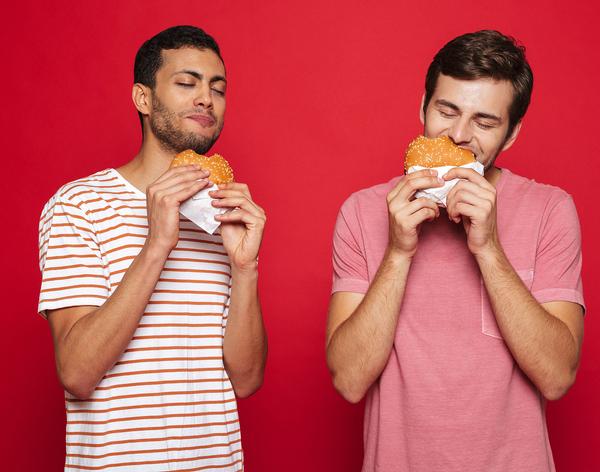
Fitness marketplace, Hussle, partnered with fast food giant McDonald’s for its annual Monopoly giveaway / photo: Dean Drobot/SHUTTERSTOCK

It’s one of the industry’s eternal struggles – how do we get beyond the UK’s gym membership penetration level of 15 per cent and reach out to the 85 per cent of the population who currently don’t have a membership of a fitness facility?

The needle has been stuck for longer than most of us care to remember and, try as it might, so far the sector has failed to shift the numbers.

One solution, which various operators and organisations – including ukactive – have tested in the past is collaborating with what some might say are more risky partners, such as Coca Cola and Danone, rather than obvious sports brands and health insurance companies, who many feel only reach those who are already active.

Most recently, fitness marketplace, Hussle, partnered with fast food giant McDonald’s for its annual Monopoly giveaway, as the company was keen to establish whether collaborations like these could enable fitness operators to access new customer bases.

We asked leading industry figures whether they believe it’s ‘worth it’. Can this tactic convert a whole new demographic to exercise? And does avoiding a direct association by using third party agents to broker the deal make it an effective strategy, smoothing the way for new user groups while maintaining the sector’s reputation?

Liz Clark
CEO, IHRSA
photo: Liz Clark - IHRSA

In my previous role within the confectionary industry, I helped candy become classified as an ‘essential item’ during the COVID-19 crisis, a classification the UK fitness sector didn’t manage to achieve.

Why do I believe this was possible? You can’t make friends in a time of crisis. The fitness industry needed to have longstanding relationships with lawmakers and government officials so that, when the crisis came, it knew who to call and they knew to answer the phone.

In the US, confectionery manufacturing is part of the nation’s food system, which was obviously considered essential, so we made the argument that it would be more burdensome for the government to determine what types of foods should be on that essential list.

Some lawmakers suggested the confectionery sector take a voluntary pause in manufacturing – when that started to happen, we shifted our argument to say the nation was struggling, people in this industry needed their jobs as much as any other, and the products we sold brought a little joy and happiness to individuals who’d lost so much. We also partnered with the US government to provide PPE to front line workers, which earned some goodwill.

At IHRSA, we’ve now formed the Global Health and Fitness Alliance (GHFA) to bring industry leaders together to create policies and initiatives for the global fitness market and, ultimately, confirm our essential status. The GHFA aims to position fitness as a key contributor in the preventive healthcare continuum, promote our vital contributions to the health, wellbeing and prosperity of societies, plus facilitate credible third-party evidence-based research on the health benefits and economic contributions of this sector. I’m happy to report that IHRSA and GHFA have secured funding for a landmark research project on the global fitness sector with Deloitte that is currently underway and will be released early next year.

Part of the reason gyms weren’t allowed to stay open is the perception that it’s about vanity; sometimes you have to connect the dots for people. When it became clear that obesity makes people more susceptible to COVID-19, we needed to step up and push harder than ever to open.

Collaborations with fast food suppliers is an interesting concept. Even fast food and candy suppliers should believe in a healthy balanced lifestyle and I certainly believe in engaging with any new partners that could help us reach new audiences. I wouldn’t be worried about damaging our reputation with collaborations such as these because we’re on the right side of creating a healthier world. It would likely be more concerning for other industries to partner with us because they would be admitting their products are not helping people.
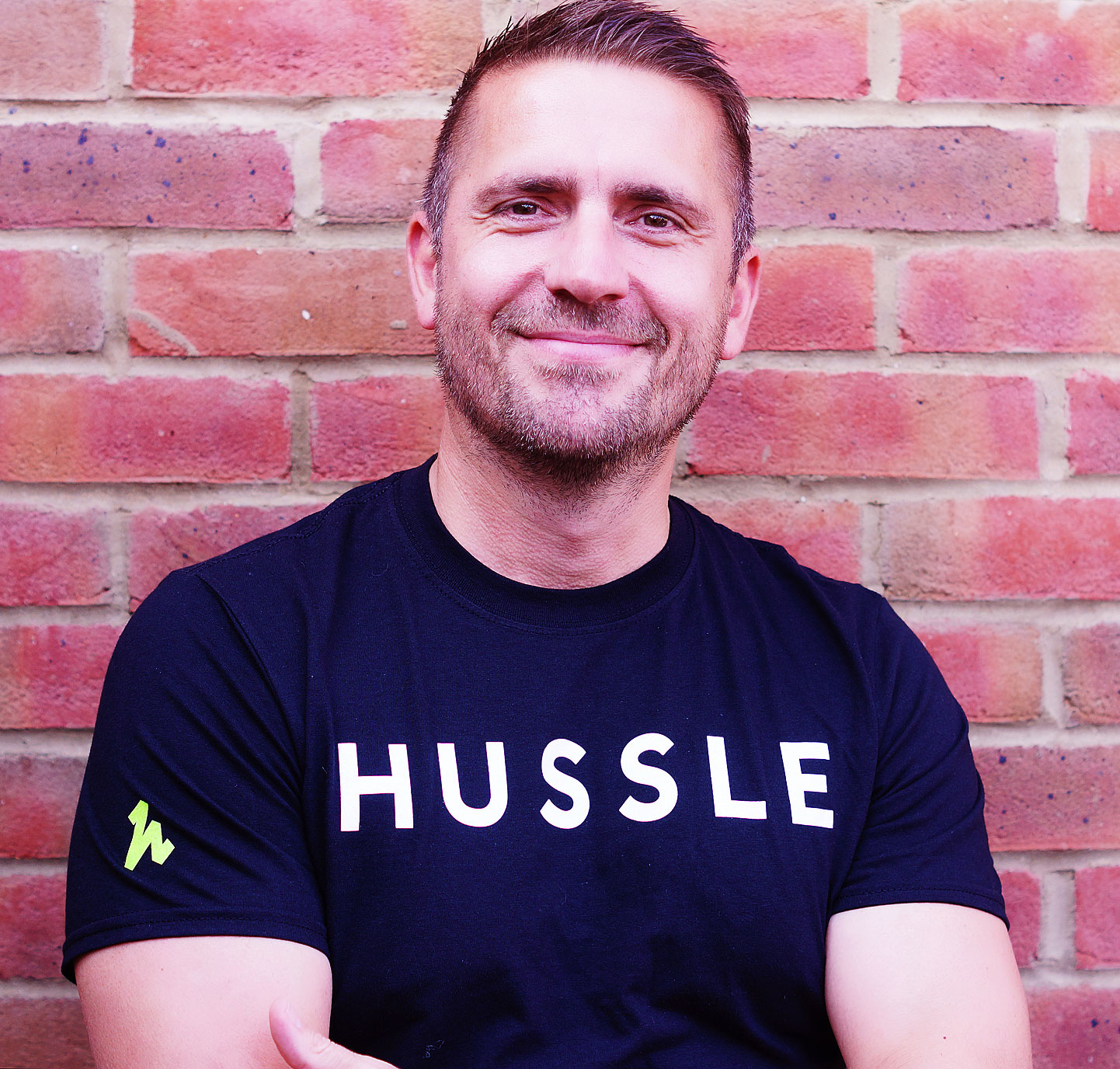
I wouldn’t be worried about damaging our reputation with collaborations such as these because we’re on the right side of creating a healthier world
Jamie Owens
Director of fitness partnerships, Hussle
photo: Hussle

McDonald’s isn’t just any old partner. As arguably the world’s leading fast-food chain, people have strong opinions on the merit of a fitness brand collaboration. You only have to think back to Cristiano Ronaldo and his interaction with a bottle of Coca Cola at the Euros to get an idea of the polarised views people have. When deciding to work with McDonald’s, we had to take all of this into consideration; it wasn’t a decision we took lightly.

Our conclusion was that, ultimately, we support ukactive’s goal to get more people, more active, more often and it’s in the spirit of this mission that we feel a partnership with McDonald’s has such merit. To truly reach more people we, as a sector, must be willing to try new things and test new channels. If we continue to present broadly the same message through the same channels, we will only ever reach the same people.

McDonald’s Monopoly is one of the largest consumer marketing campaigns in the UK, reaching up to 3.5 million people a day. It therefore presents a unique opportunity for our industry to reach a lot of people quickly. People we may not reach otherwise.

Hussle wasn’t the only fitness brand to think this way. As part of a highly competitive tender process, we had to prove the national reach of our gym partners was a more compelling offer than a single gym chain collaboration. Our argument was that each time a McDonald’s customer won the opportunity to visit a gym, it was crucially important there was a viable gym nearby. Without this, the offer may go unused and the opportunity to increase activity would be missed. We feel the campaign has been democratised for the benefit of thousands of operators rather than one single chain, and therefore positively impacts more gyms and health clubs.

McDonald’s Monopoly is played by more than seven million people. It’s a win/win scenario. Our brand partners can provide McDonald’s customers with genuinely national reach and variety, whilst participating gyms benefit from the new customers McDonalds could bring.

The open question remains whether any lasting changes in activity levels will be achieved. It’s too early to say and also not a question Hussle can answer alone as, ultimately, we rely on the service provided by the gym partners that McDonald’s customers go on to visit. But with ukactive Chair Tanni Grey-Thompson calling for the UK to become the most active nation in the world by 2030, partnerships with mainstream brands such as McDonald’s have an ever more important place in the sector.

We feel the McDonald’s campaign has been democratised for the benefit of thousands of fitness operators rather than one single chain
Mike Parker
Director of progress, Health Partnerships
photo: Mike Parker

As director of a public health consultancy with 25 years’ experience working in public health for the NHS, local authorities and the third sector, I have a special interest in physical activity and health. For years we’ve seen a move by fast food giants to deflect the contribution of unhealthy diets on obesity, type-2 diabetes and high blood pressure – which continue to increase at an alarming rate.

Poor diet is the primary driver of this; over the last 20 years or so physical activity levels have not changed. Yet studies have found poor diet is linked to 11 million deaths worldwide and generates more disease than physical inactivity, alcohol and smoking combined.

Under pressure from governments, the food industry continues to deflect the focus away from its highly-processed, high-calorie and nutritionally-deprived foods and shift responsibility onto physical inactivity. In much the same way as big tobacco companies in years gone by, they have been successful in convincing us that inactivity, rather than the promotion and consumption of calorie-rich products, is the prime cause of obesity.

Through high profile sponsorship of large-scale sporting activities and funding initiatives that promote physical activity, the fast food industry has successfully stalled government obesity policies and rebuffed legislation relating to restriction of their products, such as the introduction of sugar taxes. In effect, the efforts of the fast food lobby to deflect blame has been a successfully deployed tactic in increasing their commercial profit at the cost of population health.

In my opinion, health clubs and gyms should be morally obliged to set an example to the public by disassociating themselves from the fast-food industry. Forming partnerships is effectively saying to members: ‘it’s OK to eat crap as long as you work out in our gym’ – going against the body of evidence to the contrary. Such partnerships undermine the fitness industry’s position as ‘centres for health and fitness’ and simply become a stick that will be used by fast food to beat the drum of the fast-food lobbyists.

References
1. Luke A, Cooper RS. Physical activity does not influence obesity risk: time to clarify the public health message. Int J Epidemiol 2013;42:1831–6. doi:10.1093/ije/dyt159
2. Health effects of dietary risks in 195 countries, 1990–2017: a systematic analysis for the Global Burden of Disease Study 2017. The Lancet HCMmag.com/dietaryrisk

Health clubs and gyms are morally obliged to set an example to the public by disassociating themselves from the fast-food industry
Dave Stalker
president, EuropeActive

It’s an interesting and divisive topic. If you go back a long time ago to when I was CEO of ukactive, we received similar questions and criticism around a partnership with Coca Cola, despite the fact they also own enormous water brands and undoubtedly opened doors at high Government Health department levels. I believe anything that drives people to our doors and brings attention to exercise must be seriously considered.

Some may say it’s partnering with ‘the enemy’ but are they really the enemy? McDonald’s don’t just sell burgers, they’re one of the world’s biggest sellers of water and apples and salads, too. They’ve recently looked at portion sizes and calories.

Like it or not McDonald’s is the choice of a vast percentage of the population. We should be twisting it round – if McDonald’s are keen to work with our industry, we should be grateful. After all, 69 million potential customers are buying their products worldwide every day.

We’re not going to members and saying you must eat McDonalds! They are simply offering their customers the opportunity of a free gym trial. That’s an opportunity not to be turned down by our industry. If people win a free day pass and come to us it’s a chance to convert them we may never otherwise have had.

I think it is absolutely daft for us to always take a view against these companies – we may as well pretend they don’t exist. But they do. And they’re hugely successful. And they dwarf our industry. This is an enormous opportunity.

What will be interesting will be if people take it up. The people choosing to go to a McDonald’s might be a hard gang to convince, but if we don’t try we won’t know – surely if a few wander in after having a burger, so much the better for us? Anything that brings more focus and attention to exercise can’t be wrong.
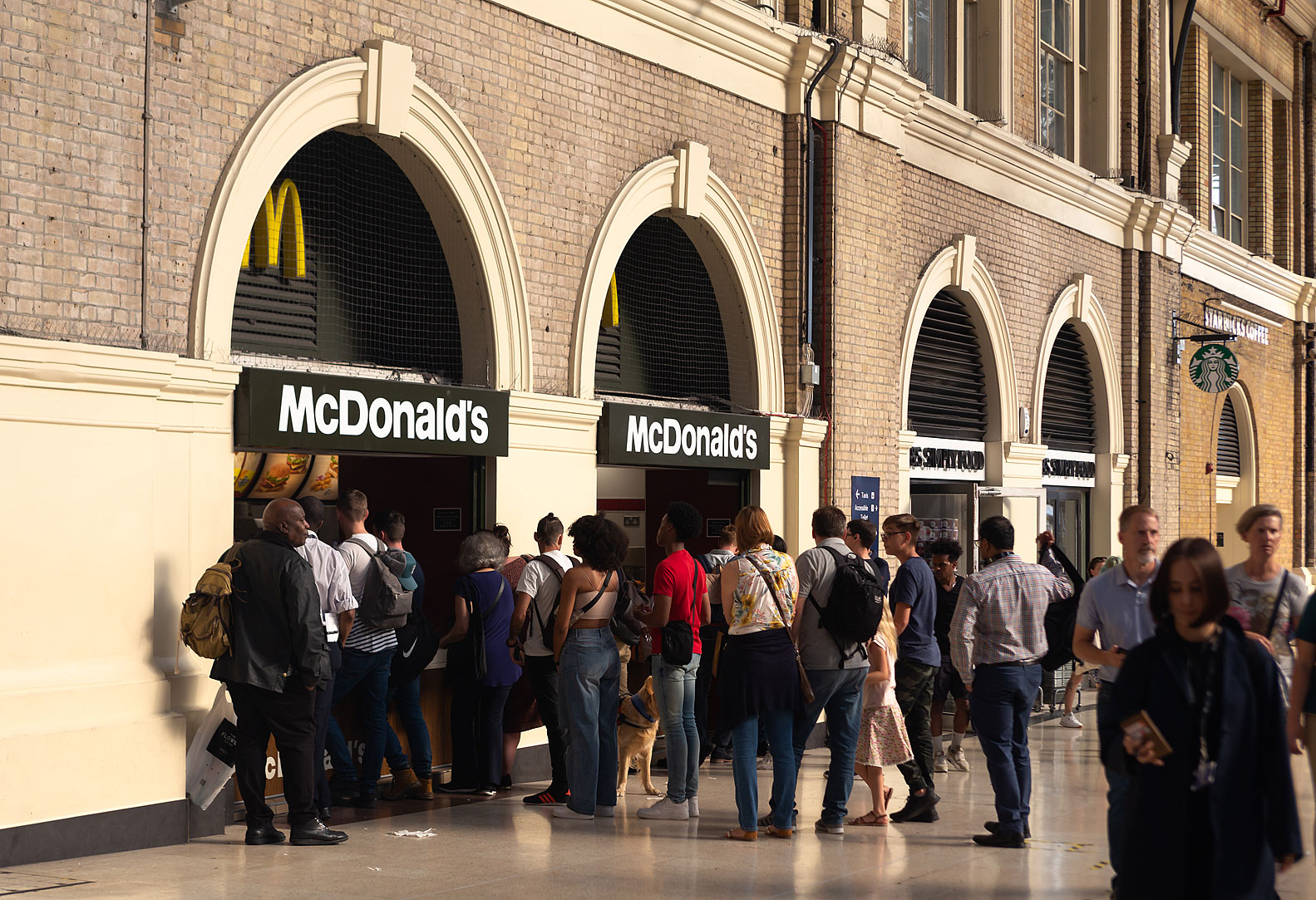

The people choosing to go to a McDonald’s might be a hard gang to convince, but if we don’t try we won’t know
photo: shutterstock/ phaustov
https://www.leisureopportunities.co.uk/images/2021/20927_817020.jpg
Are collaborations with fast food brands, such as McDonald's, a smart marketing opportunity for operators and sector businesses, or are they a risk to reputation? Industry thought leaders give their views
HCM magazine
Collaborations with the medical profession and greater aspirations around wellbeing are creating a need for more experts in our sector. It’s time to reboot our thinking around the workforce
HCM magazine
As the entrepreneur who started Wexer, Fresh Fitness, Fitness DK and Repeat, as well as being a former elite athlete, Rasmus Ingerslev’s life looked perfect from the outside, but onthe inside it was a different story. He talks to Kath Hudson about healing old wounds
HCM magazine
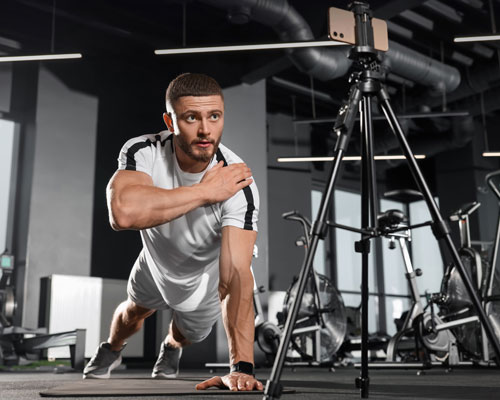
For every member with a tripod and a big following, there are others irritated at the way equipment is being hogged or wary they’ll be in the background on someone’s Insta feed. Do influencers offer valuable, free marketing or are they just a nuisance? Kath Hudson finds out how operators are responding
HCM magazine
If the health service is to survive, we must recognise that it is a disease service – and that wellbeing rests with us, says the activity advocate and healthy ageing champion. He talks to Kate Cracknell
HCM magazine
Raphael Cuomo explores the powerful link between addiction, health and behaviour change
HCM promotional features
Sponsored
SnowDome Fitness has added 50 per cent more space with cutting-edge Technogym solutions
HCM promotional features
Sponsored
Starpool supports Olympic champion Marcell Jacobs, says Riccardo Turri
HCM promotional features
Sponsored
Third Space partnered with IndigoFitness to deliver a bespoke training space for its new club at The Whiteley
HCM promotional features
Sponsored
Find out how your gym can tap into the corporate wellness boom
HCM promotional features
Sponsored
David Lloyd is stepping up its commitment to women’s health as it continues to explore what fit-for-purpose looks like for the female population
HCM promotional features
Sponsored
Greg Bradley looks at the shift towards strength training in gyms and advises on how operators can create the ultimate training environment
HCM promotional features
Sponsored
EGYM has opened a new HQ in Paternoster Square, London and revealed a range of new launches
HCM promotional features
Promotion
Performance Health Systems, manufacturer of Power Plate, has a new CEO, with an ambitious vision for the company
HCM promotional features
Sponsored
New launch, Salus House, elevates boutique wellness with high service levels and a partnership with Technogym
HCM promotional features
Latest News
Global group exercise specialist, Les Mills, is inviting operators to sign up to its Workout ...
Latest News
Global luxury hospitality brand, Six Senses, has partnered with longevity healthcare provider, HUM2N, to launch ...
Latest News
Premium London health club, KX Chelsea, is gearing up to unveil its most significant redevelopment ...
Latest News
Researchers in the US have identified an antibody which could greatly reduce the loss of ...
Latest News
Peloton has made the strategic acquisition of Pilates start-up, Skōp, to support the expansion of ...
Latest News
Crunch Fitness has announced the launch of Crunch Reform Pilates – its own reformer concept ...
Latest News
The 20th State of the Industry Report from LeisureDB has revealed a resilient, expanding and ...
Latest News
Purpose Brands has announced its entry into the Italian market, having sold the franchise rights ...
Opinion
promotion
Strength training has moved from the margins to the mainstream.
Opinion: Building smarter strength spaces for today’s operators
Featured supplier news
Featured supplier news: Reaching the people most gyms miss: Bedford Gym & Swim Campaign delivers 410 new members
One of the biggest mistakes the fitness industry still makes is advertising almost exclusively to people who already look and live like gym members.
Featured supplier news
Featured supplier news: Supporting long-term health: why whole body vibration belongs in clinical settings
As healthcare continues to shift towards prevention, there’s a growing focus on helping people stay active, independent and feeling good for longer.
Company profiles
Company profile: Everyone Active
Everyone Active's aim is to get communities active, engaged and entertained through our wide-ranging activities ...
Company profiles
Company profile: Power Plate
Power Plate's range of products include whole body vibration platforms, targeted vibration products and the ...
Supplier Showcases
Supplier Showcase - Future-proofing
Catalogue Gallery
Click on a catalogue to view it online
Featured press releases
ukactive press release: UK Active launches next phase of Digital Futures to support digital maturity across the physical activity sector
UK Active has announced the next phase of its Digital Futures programme, supporting organisations across the physical activity sector to develop their digital capability.
Featured press releases
The Fitness Group press release: The Fitness Group partners with Serco Leisure to deliver education and career pathways across UK leisure facilities
The Fitness Group, the UK's leading fitness education training provider, has announced a strategic partnership with Serco Leisure, one of the UK's leading national operators of leisure centres, destination venues and elite sporting facilities.
Directory
Fitness tracking platform
SpiviTech: Fitness tracking platform
Hot tubs
MSpa International Ltd: Hot tubs
Lockers
Crown Sports Lockers: Lockers
Spa and beauty equipment
Oakworks Inc: Spa and beauty equipment
Industrial washing machines
Miele Company Limited: Industrial washing machines
Water experiences and hydrotherapy solutions
Aquaform s.r.l.: Water experiences and hydrotherapy solutions
Property & Tenders
Stratford, East London.
Lee Valley Regional Park Authority
Property & Tenders
Y Felinheli, LL56 4QN
Newmark
Property & Tenders
Diary dates
13-13 Jun 2026
Worldwide, Various,
Diary dates
21-24 Sep 2026
The Langham Huntington Pasadena , Pasadena, United States
Diary dates
06-08 Oct 2026
Messe Stuttgart, Stuttgart, Germany
Diary dates
22-22 Oct 2026
QEII Conference Centre, London,
Diary dates
26-29 Oct 2027
Koelnmesse Exhibition Centre, Cologne, Germany
Diary dates

features

Debate: Fast food tie-ups: Smart marketing or a risk to reputation?

Can partnerships and affiliations with less obvious companies, such as fast food brands, help the industry tap into a new demographic, or is the potential for them to compromise our reputation too big a risk to take? asks Abi Harris

Published in Health Club Management 2021 issue 10
Fitness marketplace, Hussle, partnered with fast food giant McDonald’s for its annual Monopoly giveaway / photo: Dean Drobot/SHUTTERSTOCK

It’s one of the industry’s eternal struggles – how do we get beyond the UK’s gym membership penetration level of 15 per cent and reach out to the 85 per cent of the population who currently don’t have a membership of a fitness facility?

The needle has been stuck for longer than most of us care to remember and, try as it might, so far the sector has failed to shift the numbers.

One solution, which various operators and organisations – including ukactive – have tested in the past is collaborating with what some might say are more risky partners, such as Coca Cola and Danone, rather than obvious sports brands and health insurance companies, who many feel only reach those who are already active.

Most recently, fitness marketplace, Hussle, partnered with fast food giant McDonald’s for its annual Monopoly giveaway, as the company was keen to establish whether collaborations like these could enable fitness operators to access new customer bases.

We asked leading industry figures whether they believe it’s ‘worth it’. Can this tactic convert a whole new demographic to exercise? And does avoiding a direct association by using third party agents to broker the deal make it an effective strategy, smoothing the way for new user groups while maintaining the sector’s reputation?

Liz Clark
CEO, IHRSA
photo: Liz Clark - IHRSA

In my previous role within the confectionary industry, I helped candy become classified as an ‘essential item’ during the COVID-19 crisis, a classification the UK fitness sector didn’t manage to achieve.

Why do I believe this was possible? You can’t make friends in a time of crisis. The fitness industry needed to have longstanding relationships with lawmakers and government officials so that, when the crisis came, it knew who to call and they knew to answer the phone.

In the US, confectionery manufacturing is part of the nation’s food system, which was obviously considered essential, so we made the argument that it would be more burdensome for the government to determine what types of foods should be on that essential list.

Some lawmakers suggested the confectionery sector take a voluntary pause in manufacturing – when that started to happen, we shifted our argument to say the nation was struggling, people in this industry needed their jobs as much as any other, and the products we sold brought a little joy and happiness to individuals who’d lost so much. We also partnered with the US government to provide PPE to front line workers, which earned some goodwill.

At IHRSA, we’ve now formed the Global Health and Fitness Alliance (GHFA) to bring industry leaders together to create policies and initiatives for the global fitness market and, ultimately, confirm our essential status. The GHFA aims to position fitness as a key contributor in the preventive healthcare continuum, promote our vital contributions to the health, wellbeing and prosperity of societies, plus facilitate credible third-party evidence-based research on the health benefits and economic contributions of this sector. I’m happy to report that IHRSA and GHFA have secured funding for a landmark research project on the global fitness sector with Deloitte that is currently underway and will be released early next year.

Part of the reason gyms weren’t allowed to stay open is the perception that it’s about vanity; sometimes you have to connect the dots for people. When it became clear that obesity makes people more susceptible to COVID-19, we needed to step up and push harder than ever to open.

Collaborations with fast food suppliers is an interesting concept. Even fast food and candy suppliers should believe in a healthy balanced lifestyle and I certainly believe in engaging with any new partners that could help us reach new audiences. I wouldn’t be worried about damaging our reputation with collaborations such as these because we’re on the right side of creating a healthier world. It would likely be more concerning for other industries to partner with us because they would be admitting their products are not helping people.

I wouldn’t be worried about damaging our reputation with collaborations such as these because we’re on the right side of creating a healthier world
Jamie Owens
Director of fitness partnerships, Hussle
photo: Hussle

McDonald’s isn’t just any old partner. As arguably the world’s leading fast-food chain, people have strong opinions on the merit of a fitness brand collaboration. You only have to think back to Cristiano Ronaldo and his interaction with a bottle of Coca Cola at the Euros to get an idea of the polarised views people have. When deciding to work with McDonald’s, we had to take all of this into consideration; it wasn’t a decision we took lightly.

Our conclusion was that, ultimately, we support ukactive’s goal to get more people, more active, more often and it’s in the spirit of this mission that we feel a partnership with McDonald’s has such merit. To truly reach more people we, as a sector, must be willing to try new things and test new channels. If we continue to present broadly the same message through the same channels, we will only ever reach the same people.

McDonald’s Monopoly is one of the largest consumer marketing campaigns in the UK, reaching up to 3.5 million people a day. It therefore presents a unique opportunity for our industry to reach a lot of people quickly. People we may not reach otherwise.

Hussle wasn’t the only fitness brand to think this way. As part of a highly competitive tender process, we had to prove the national reach of our gym partners was a more compelling offer than a single gym chain collaboration. Our argument was that each time a McDonald’s customer won the opportunity to visit a gym, it was crucially important there was a viable gym nearby. Without this, the offer may go unused and the opportunity to increase activity would be missed. We feel the campaign has been democratised for the benefit of thousands of operators rather than one single chain, and therefore positively impacts more gyms and health clubs.

McDonald’s Monopoly is played by more than seven million people. It’s a win/win scenario. Our brand partners can provide McDonald’s customers with genuinely national reach and variety, whilst participating gyms benefit from the new customers McDonalds could bring.

The open question remains whether any lasting changes in activity levels will be achieved. It’s too early to say and also not a question Hussle can answer alone as, ultimately, we rely on the service provided by the gym partners that McDonald’s customers go on to visit. But with ukactive Chair Tanni Grey-Thompson calling for the UK to become the most active nation in the world by 2030, partnerships with mainstream brands such as McDonald’s have an ever more important place in the sector.

We feel the McDonald’s campaign has been democratised for the benefit of thousands of fitness operators rather than one single chain
Mike Parker
Director of progress, Health Partnerships
photo: Mike Parker

As director of a public health consultancy with 25 years’ experience working in public health for the NHS, local authorities and the third sector, I have a special interest in physical activity and health. For years we’ve seen a move by fast food giants to deflect the contribution of unhealthy diets on obesity, type-2 diabetes and high blood pressure – which continue to increase at an alarming rate.

Poor diet is the primary driver of this; over the last 20 years or so physical activity levels have not changed. Yet studies have found poor diet is linked to 11 million deaths worldwide and generates more disease than physical inactivity, alcohol and smoking combined.

Under pressure from governments, the food industry continues to deflect the focus away from its highly-processed, high-calorie and nutritionally-deprived foods and shift responsibility onto physical inactivity. In much the same way as big tobacco companies in years gone by, they have been successful in convincing us that inactivity, rather than the promotion and consumption of calorie-rich products, is the prime cause of obesity.

Through high profile sponsorship of large-scale sporting activities and funding initiatives that promote physical activity, the fast food industry has successfully stalled government obesity policies and rebuffed legislation relating to restriction of their products, such as the introduction of sugar taxes. In effect, the efforts of the fast food lobby to deflect blame has been a successfully deployed tactic in increasing their commercial profit at the cost of population health.

In my opinion, health clubs and gyms should be morally obliged to set an example to the public by disassociating themselves from the fast-food industry. Forming partnerships is effectively saying to members: ‘it’s OK to eat crap as long as you work out in our gym’ – going against the body of evidence to the contrary. Such partnerships undermine the fitness industry’s position as ‘centres for health and fitness’ and simply become a stick that will be used by fast food to beat the drum of the fast-food lobbyists.

References
1. Luke A, Cooper RS. Physical activity does not influence obesity risk: time to clarify the public health message. Int J Epidemiol 2013;42:1831–6. doi:10.1093/ije/dyt159
2. Health effects of dietary risks in 195 countries, 1990–2017: a systematic analysis for the Global Burden of Disease Study 2017. The Lancet HCMmag.com/dietaryrisk

Health clubs and gyms are morally obliged to set an example to the public by disassociating themselves from the fast-food industry
Dave Stalker
president, EuropeActive

It’s an interesting and divisive topic. If you go back a long time ago to when I was CEO of ukactive, we received similar questions and criticism around a partnership with Coca Cola, despite the fact they also own enormous water brands and undoubtedly opened doors at high Government Health department levels. I believe anything that drives people to our doors and brings attention to exercise must be seriously considered.

Some may say it’s partnering with ‘the enemy’ but are they really the enemy? McDonald’s don’t just sell burgers, they’re one of the world’s biggest sellers of water and apples and salads, too. They’ve recently looked at portion sizes and calories.

Like it or not McDonald’s is the choice of a vast percentage of the population. We should be twisting it round – if McDonald’s are keen to work with our industry, we should be grateful. After all, 69 million potential customers are buying their products worldwide every day.

We’re not going to members and saying you must eat McDonalds! They are simply offering their customers the opportunity of a free gym trial. That’s an opportunity not to be turned down by our industry. If people win a free day pass and come to us it’s a chance to convert them we may never otherwise have had.

I think it is absolutely daft for us to always take a view against these companies – we may as well pretend they don’t exist. But they do. And they’re hugely successful. And they dwarf our industry. This is an enormous opportunity.

What will be interesting will be if people take it up. The people choosing to go to a McDonald’s might be a hard gang to convince, but if we don’t try we won’t know – surely if a few wander in after having a burger, so much the better for us? Anything that brings more focus and attention to exercise can’t be wrong.

The people choosing to go to a McDonald’s might be a hard gang to convince, but if we don’t try we won’t know
photo: shutterstock/ phaustov
https://www.leisureopportunities.co.uk/images/2021/20927_817020.jpg
Are collaborations with fast food brands, such as McDonald's, a smart marketing opportunity for operators and sector businesses, or are they a risk to reputation? Industry thought leaders give their views
Latest News
Global group exercise specialist, Les Mills, is inviting operators to sign up to its Workout ...

Latest News
Global luxury hospitality brand, Six Senses, has partnered with longevity healthcare provider, HUM2N, to launch ...
Latest News
Premium London health club, KX Chelsea, is gearing up to unveil its most significant redevelopment ...
Latest News
Researchers in the US have identified an antibody which could greatly reduce the loss of ...
Latest News
Peloton has made the strategic acquisition of Pilates start-up, Skōp, to support the expansion of ...
Latest News
Crunch Fitness has announced the launch of Crunch Reform Pilates – its own reformer concept ...
Latest News
The 20th State of the Industry Report from LeisureDB has revealed a resilient, expanding and ...
Latest News
Purpose Brands has announced its entry into the Italian market, having sold the franchise rights ...
Latest News
Fitness First UK is integrating red light therapy into its yoga and Pilates classes through ...
Latest News
Nuffield Health has told HCM that it takes its responsibilities towards its colleagues seriously and ...
Latest News
Technogym has announced the launch of the Run X World Treadmill Championship, the first world ...
Opinion
promotion
Strength training has moved from the margins to the mainstream.
Opinion: Building smarter strength spaces for today’s operators
Featured supplier news
Featured supplier news: Reaching the people most gyms miss: Bedford Gym & Swim Campaign delivers 410 new members
One of the biggest mistakes the fitness industry still makes is advertising almost exclusively to people who already look and live like gym members.
Featured supplier news
Featured supplier news: Supporting long-term health: why whole body vibration belongs in clinical settings
As healthcare continues to shift towards prevention, there’s a growing focus on helping people stay active, independent and feeling good for longer.
Company profiles
Company profile: Everyone Active
Everyone Active's aim is to get communities active, engaged and entertained through our wide-ranging activities ...
Company profiles
Company profile: Power Plate
Power Plate's range of products include whole body vibration platforms, targeted vibration products and the ...
Supplier Showcases
Supplier Showcase - Future-proofing
Catalogue Gallery
Click on a catalogue to view it online
Featured press releases
ukactive press release: UK Active launches next phase of Digital Futures to support digital maturity across the physical activity sector
UK Active has announced the next phase of its Digital Futures programme, supporting organisations across the physical activity sector to develop their digital capability.
Featured press releases
The Fitness Group press release: The Fitness Group partners with Serco Leisure to deliver education and career pathways across UK leisure facilities
The Fitness Group, the UK's leading fitness education training provider, has announced a strategic partnership with Serco Leisure, one of the UK's leading national operators of leisure centres, destination venues and elite sporting facilities.
Directory
Fitness tracking platform
SpiviTech: Fitness tracking platform
Hot tubs
MSpa International Ltd: Hot tubs
Lockers
Crown Sports Lockers: Lockers
Spa and beauty equipment
Oakworks Inc: Spa and beauty equipment
Industrial washing machines
Miele Company Limited: Industrial washing machines
Water experiences and hydrotherapy solutions
Aquaform s.r.l.: Water experiences and hydrotherapy solutions
Property & Tenders
Stratford, East London.
Lee Valley Regional Park Authority
Property & Tenders
Y Felinheli, LL56 4QN
Newmark
Property & Tenders
Diary dates
13-13 Jun 2026
Worldwide, Various,
Diary dates
21-24 Sep 2026
The Langham Huntington Pasadena , Pasadena, United States
Diary dates
06-08 Oct 2026
Messe Stuttgart, Stuttgart, Germany
Diary dates
22-22 Oct 2026
QEII Conference Centre, London,
Diary dates
26-29 Oct 2027
Koelnmesse Exhibition Centre, Cologne, Germany
Diary dates
Search news, features & products:
Find a supplier:
EGYM
EGYM
Partner sites