





















Les Mills
Les Mills
Les Mills
Follow Health Club Management on Twitter Like Health Club Management on Facebook Join the discussion with Health Club Management on LinkedIn
FITNESS, HEALTH, WELLNESS

people

Interview: Nick Coutts

From market disruptor to becoming the one to beat – or buy. The CEO of Portuguese market leader Fitness Hut talks to Kate Cracknell about all the ways in which the trailblazing brand has done things differently
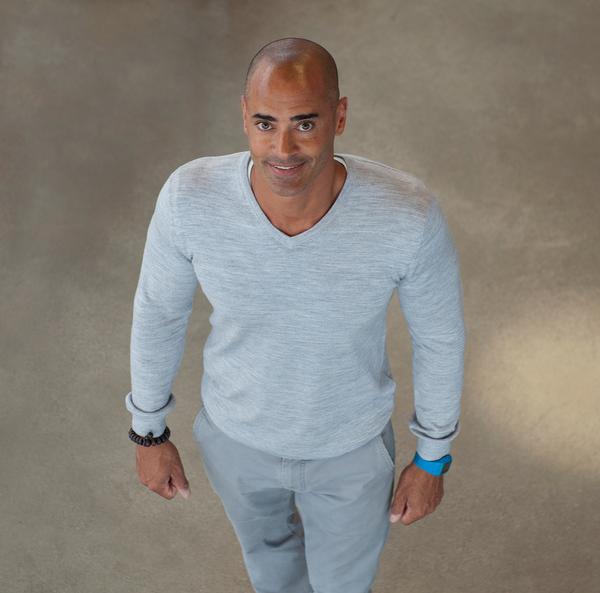
By Kate Cracknell | Published in Health Club Management 2017 issue 9
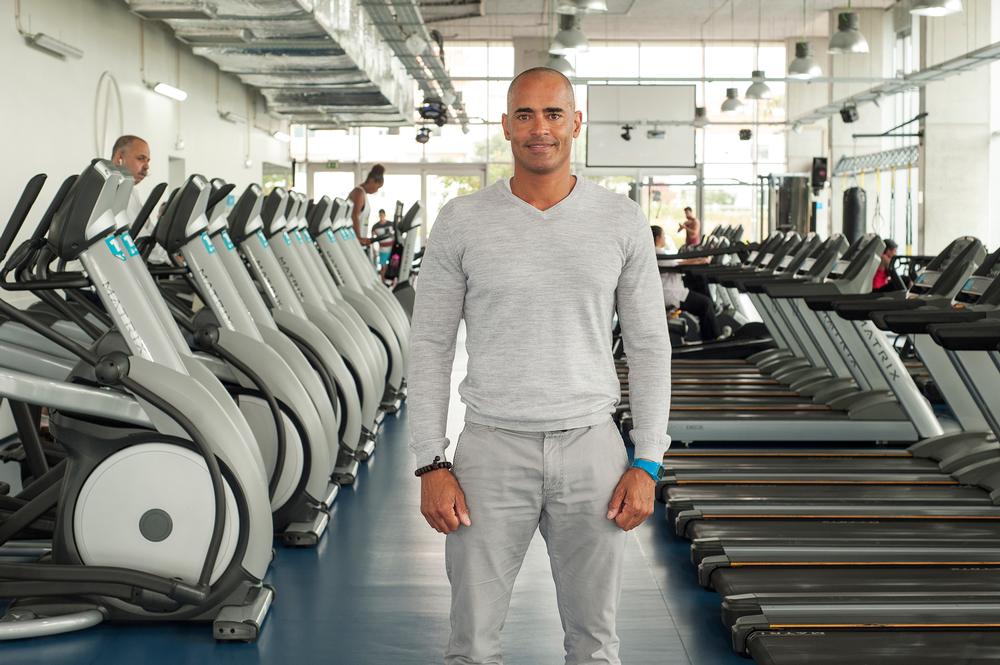
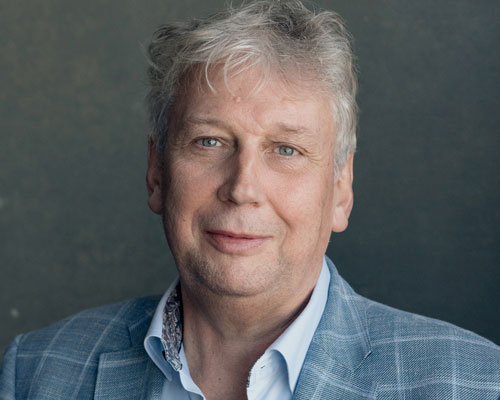
Coutts is one of the co-founders of Fitness Hut
We very deliberately set out to be destructive – to go against the market and create something completely new

People often ask me why, in a competitive market like fitness, I’m so open when I talk about our business and how we do things,” says Nick Coutts, CEO and co-founder of Fitness Hut in Portugal. “There are two reasons. One is simply that this is the way I am – I like to share and like to hope others will be honest and open with me in return.

“But I also believe that, if people appreciate how well we’re doing, it might put them off trying to come into the market to compete with us.

“If we’re open about what we do, they’ll realise it’s not easy to get it right. It might sound somewhat counter-intuitive, but I believe that sharing is actually a way to help protect ourselves from the competition.”

Breaking the mould
And ‘doing well’ is certainly a box that Fitness Hut ticks. ‘Doing things differently’ is another – and it’s as true now as when the first club opened in Lisbon in 2011.

Back then, the business was a disruptive force in the sector. “I came up with the term ‘premium low-cost’ for what we were doing,” says Coutts. “Someone else may have coined the term – I don’t know. It certainly wasn’t a label that I’d seen or heard anyone use before, but it absolutely reflected what we were trying to do.

“When we came up with the idea for Fitness Hut, my co-founders – Andre Groen and JP Carvalho – and I were running Holmes Place Iberia. We’d come to the conclusion that, post-economic crisis, a premium model was no longer going to work in Portugal, so we started to look at the low-cost phenomenon.

“We’d done our research – visiting low-cost clubs in the UK, Germany and the Netherlands – and we felt the low-cost product, at that point, was essentially cheap, clean, with lots of equipment, some technology to control entry and exit – and nothing else. There was no group fitness, no personal training, no focus on the environment, no attention paid to creating an atmosphere or a club feel. We felt we could do better.”

Coutts continues: “We knew low-cost would be right for the Portuguese market, but group fitness is incredibly popular in Portugal so we decided to invest in large group fitness studios. Personal training is also huge, so it was important to focus on that as well. Then, on a personal note, Andre and I were really keen on CrossFit and functional training, so we wanted to create large functional training areas.

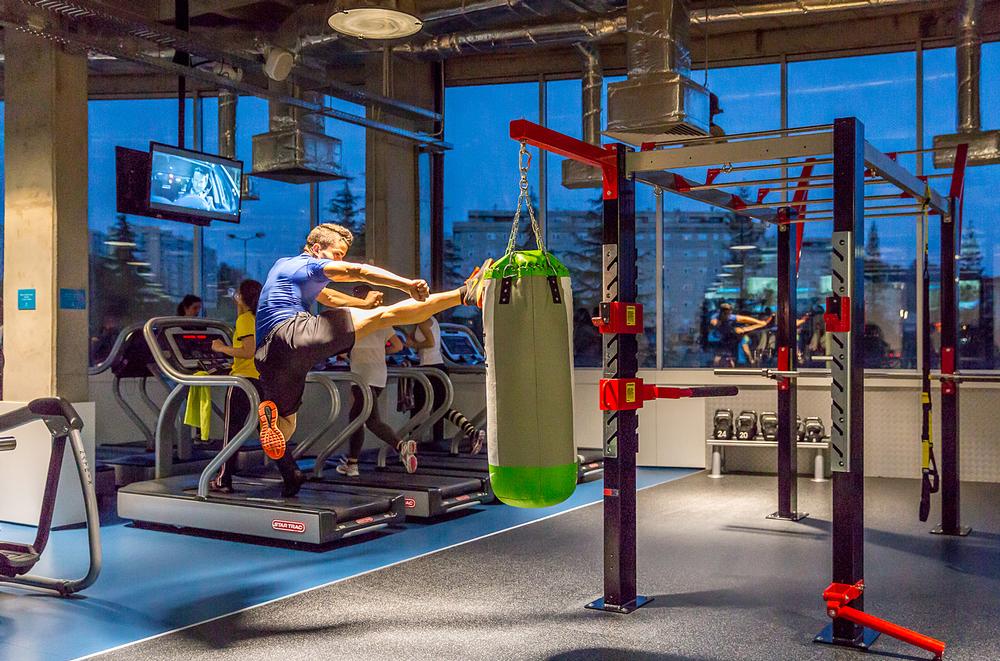
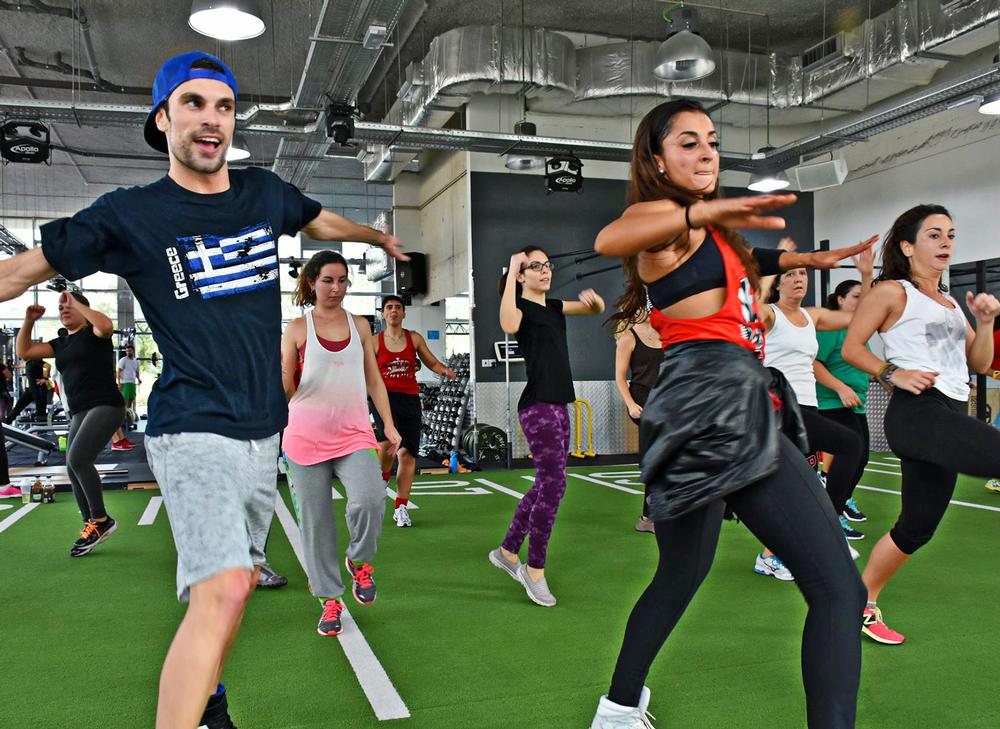
“And then, lastly, we wanted to offer lots of gym-based classes – not studio classes, but smaller group exercise classes on the gym floor.

“Those were the four key points of differentiation between what we’d seen and what we wanted to do. Interestingly, many of the low-cost operators have since gone down the same route, but that wasn’t the case back in 2011 when we opened our first club.

“We very deliberately set out to be destructive – to go against the market and create something completely new.”

Refining the concept
He continues: “Having worked together for many years at Holmes Place, the three of us also wanted to learn from our shared experiences – to learn from the mistakes we’d made along the way and to identify the major causes of headaches, building our new model in such a way that we could avoid them.”

This thought was at the heart of the team’s thinking as they refined the Fitness Hut concept, starting with group exercise. “We were one of the first companies to write our own software that allowed members to book classes online,” says Coutts. “Plenty of companies do it now – although we’re still the only one in Portugal – but when we launched in 2011 there was nobody doing it anywhere. And it really did transform what was always a huge headache in traditional clubs.

“Another major headache in traditional clubs revolves around the flexibility of the contract. Unlike some low-cost clubs, Fitness Hut offers two options – a 12-month contract costs €6.60 a week, or you can have no commitment to us and that costs €7.70 a week. However, the key difference is how we react if somebody defaults on their contract. Irrespective of whether or not they’ve asked to stop paying, we don’t send threatening emails, we don’t pass the debt to a debt collection agency, and we do forgive debt and provide amnesty.

“Of course we follow up with anyone who defaults. We’ll send them an email explaining: ‘You’ve enjoyed this price because you committed to 12 months. Now you’ve left after eight, so arguably you should repay the difference between what you would have paid and what you’ve paid.’ And about 50 per cent of people do actually pay.

“But even when they don’t, we don’t turn it into something nasty or aggressive. We could never be accused of chasing people for cash.

“And the result? When we look at our joiners’ statistics each month, on average 25 per cent are re-joining us – they’re former members who cancelled for whatever reason and have then decided to come back to us.

“I think that’s testament to the goodwill we show when people leave us – they don’t feel threatened or chased and they view us positively.”

A flexible PT model
“One other key point of differentiation is the way we approach personal training,” says Coutts. “At Holmes Place, we built up a massive personal training business where the PTs were employed by us and the company kept 65 per cent of the revenue. PTs who were very good at selling would do well, even keeping just 35 per cent of their revenue; the average PT would do just about OK.

“It was a great model for Holmes Place when everyone was cash rich, but what had been a significant source of revenue started to be squeezed when the downturn came and we had fewer members, with fewer among them wanting PT. Our mistake was that we then put more and more pressure on certain trainers who continued to deliver their targets, and they soon became disillusioned – feeling over-worked and under-valued, and inevitably, being on the front line, they were transmitting how they were feeling to members.

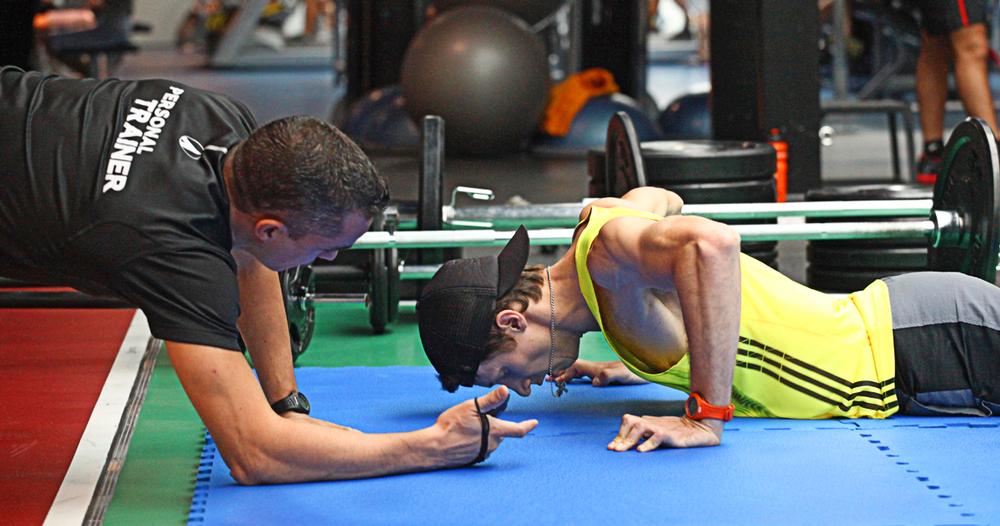
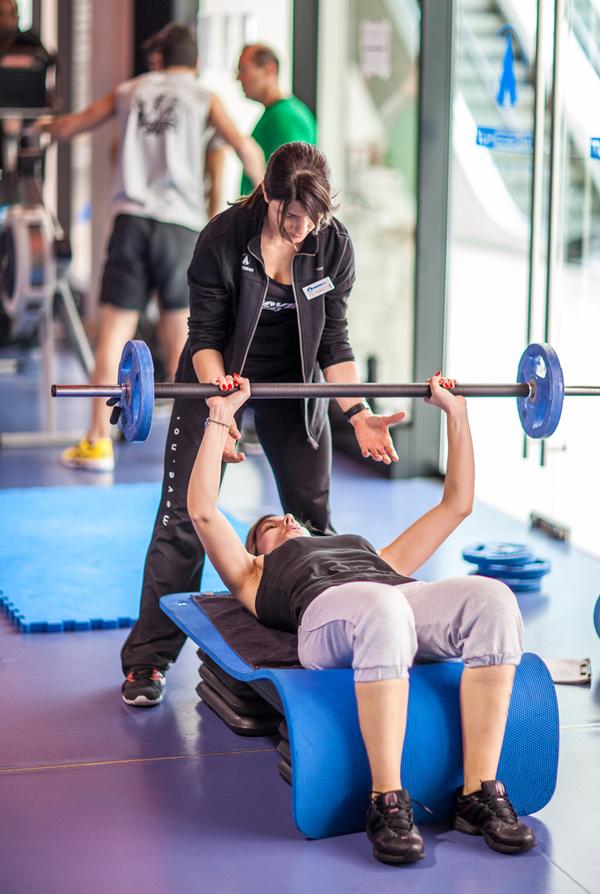
“It was a bad situation, so at Fitness Hut we opted for a rental model. We now have more than 400 personal trainers across our 26 clubs, on average paying around €400 a month in rent. It’s a business that’s heading towards £1.4–£1.5m this year for us, and that’s pure profit.

“We’ve also avoided the headache of having to manage the personal trainers, because under this arrangement, they’re independent – they can work when they want, for however many hours they want, as long as they’re paying their fees.

“We don’t decide the pricing either: PTs decide how much they want to charge based on how confident they are, what time of year it is, who they’re training.

“The average personal trainer charges around €35 an hour, but there are some who charge €50 and some who charge just €20. There’s something to suit every member’s budget, and as a result 10 to 15 per cent of members have a PT.

“It works well for our PTs too. Our top trainers make over €6,000 a month for themselves, so they’re all happy. They’re here because they want to be, nobody tells them they need to work harder, and they can earn a lot of money if they want to.”

Creating a buzz
I go back to Coutts’ point that most budget clubs don’t – or at least didn’t – tend to focus on creating a great atmosphere. How did Fitness Hut approach this challenge?

He explains: “We have big screens in the club showing extreme sports and we have a DJ once or twice a week. But for me, the atmosphere really comes from two things.

“One of them is the layout of the gym: we keep the space as open as possible, including what we call an ‘open studio’. This is one of three studios in each club, but whereas our cycling and traditional aerobics studios are separate rooms, our open studio is on the gym floor.

“The second big contributor to the atmosphere in our clubs are our small group classes. In addition to our PTs and our club managers, we have what we call our ‘gym service’ team. For 20 minutes in every hour they walk around helping members, but their main job is to deliver four 10-minute gym floor classes an hour: an abs class, a functional training class, a stretching class and a HIIT class, which they do on the cardio equipment. It’s all about maximising the number of members who are exposed to these dynamic individuals.”

Multi-tasking managers
At peak times, these gym classes will see 20 or 30 members taking part, which is good by any standard – so how has Fitness Hut made such a success of it?

“Partly it’s down to the fact that 50 per cent of our members are new to exercise,” says Coutts. “They view these classes as taster sessions.

“But most of all it’s because we have staff who really champion these exercise classes. That’s driven by the fact that we aim to train and promote our people, so our team members grow up in this environment and they really believe in it.”

Coutts continues: “In fact, to that point, every one of our club managers is also a personal trainer and a group exercise instructor. Our managers walk the talk and lead by example.

“It probably isn’t very PC to say, but I’m always annoyed when I see overweight, lazy club managers – people who have been pulled in from sectors like retail. They might have better processes, but they have no affinity for fitness.

“We’ve therefore created a model where we only pay our club managers €1,000 a month for their management role, but they’re all group fitness instructors too. They all teach an average of two classes a day as part of their hours and we pay them the same fee per class as we pay other group instructors, so they earn an additional €20 to €50 for each day.

“They’re also all PTs, and they don’t even pay us a fee, so everything they earn is theirs. On average, our club managers teach two or three PT sessions a day.”

He continues: “The other thing we do is we give them as little as possible to think about in terms of data and numbers. We want them to focus on the things our members care about.

“Purchasing is done centrally, as is budgeting and managing sales and EBITDA. The only data we ask them to be all over is group fitness, managing usage, making sure the timetable is balanced and the right teachers are in.

New model & new markets
So what are Coutts’ plans for Fitness Hut moving forward? “We’ll probably finish this year with 33 clubs – all of which are funded – and we could get to 45 in Portugal. It would probably be stretching it to go beyond that though, so we’ve looked at two other routes for expansion.

“One is creating a smaller model where we invest 50 per cent less than we do at our larger clubs and still get a minimum 25 per cent return. That makes us viable in cities with a smaller population. We’re planning to start rolling that out next year.

“We’ve also had discussions about going to Spain, so that’s quite likely. The low-cost sector in Spain is concentrated around Madrid and Barcelona, and maybe one or two other cities, so there’s still opportunity for companies like us.”

And looking further ahead? “I’d hope that five or 10 years from now, Fitness Hut will still exist as a brand, in Portugal and maybe in a couple of other markets too.”

Coutts adds: “I’m realistic. There’s going to be continued consolidation over the next couple of years, and I imagine we’ll be part of that. But even if we’re acquired, it would be great if the Fitness Hut brand could live on and be grown rather than be rebranded.”

Fitness Hut in numbers

4,300 members Average per club

33 Clubs December 2017 target

44% Aged under 30 years

€6.60/week Contract

€7.70/week No contract

50% New to exercise

26 Clubs June 2017

Fitness Hut: Giving more for less

Coutts drives innovation at Fitness Hut

“In August 2016, we launched a nutrition programme in partnership with a company called Body Concept,” says Fitness Hut CEO Nick Coutts. “At no cost to the member, we provide every one of them with access to a quarterly, professional, one-hour, in-person nutritional consultation – for which we pay.

“So how, as a low-cost operator, can we afford to fund that? It’s because in Portugal, the VAT rate is 23 per cent for fitness – but zero for nutrition. We allocate a percentage of our membership income to nutrition so it becomes VAT-free, and it’s enough to finance our nutrition programme. It doesn’t cost us anything, but it adds real value to our members.

“Not everyone will do it, but if it adds value to a reasonable proportion of members, it’s worth it.

“That’s also our view on our Wexer virtual classes. We have around 80 live classes per week per club, but we supplement that with 60–70 virtual classes. Depending on the club, time of day and the class, there might be just one or two people in a virtual class. But sometimes I see 20 people in there. Why wouldn’t you do it?”
Sign up here to get HCM's weekly ezine and every issue of HCM magazine free on digital.
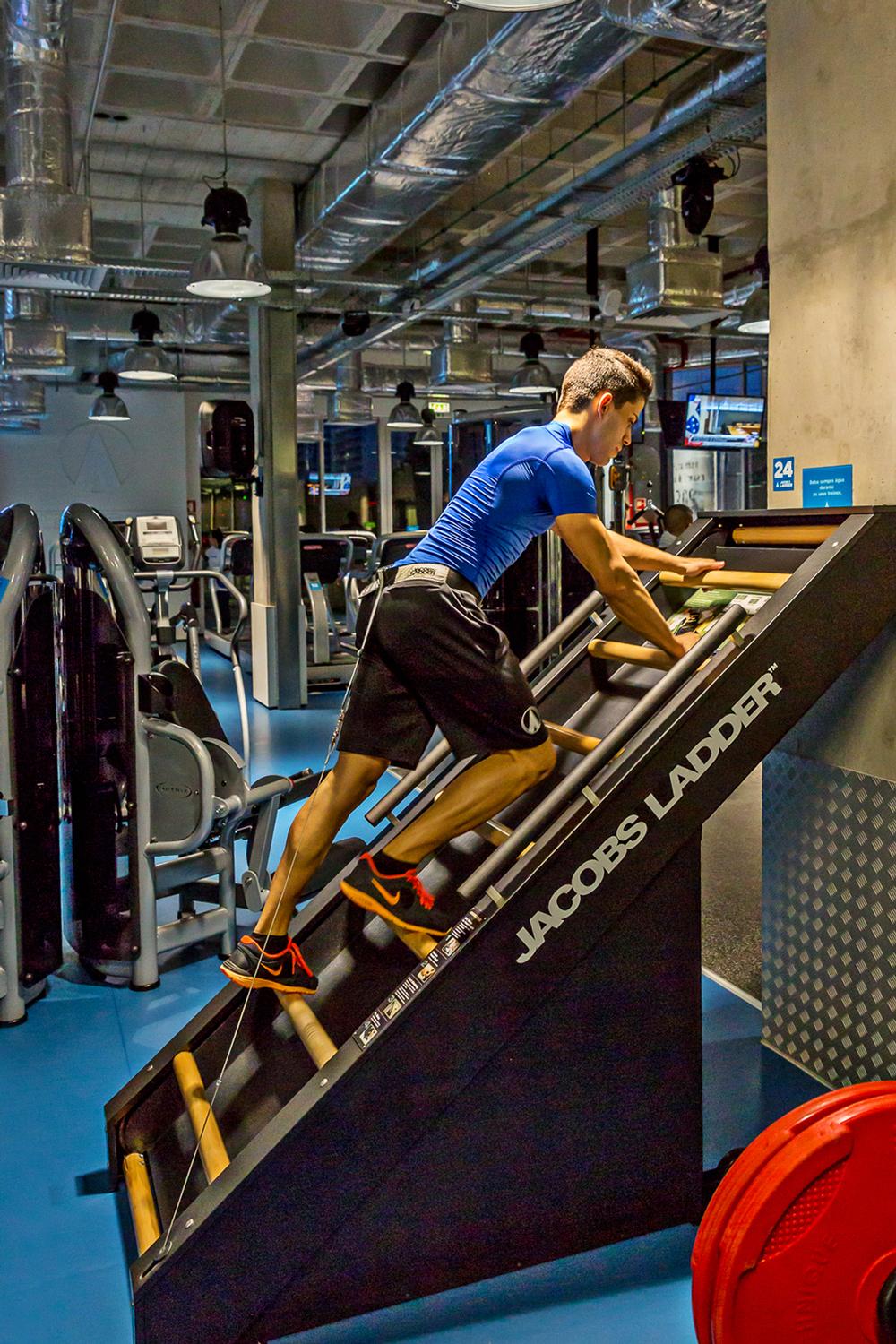
As well as the latest kit, Fitness Hut offers a community feel
Fitness Hut was conceived as a premium low-cost chain
There are 400 personal trainers across the 26 clubs
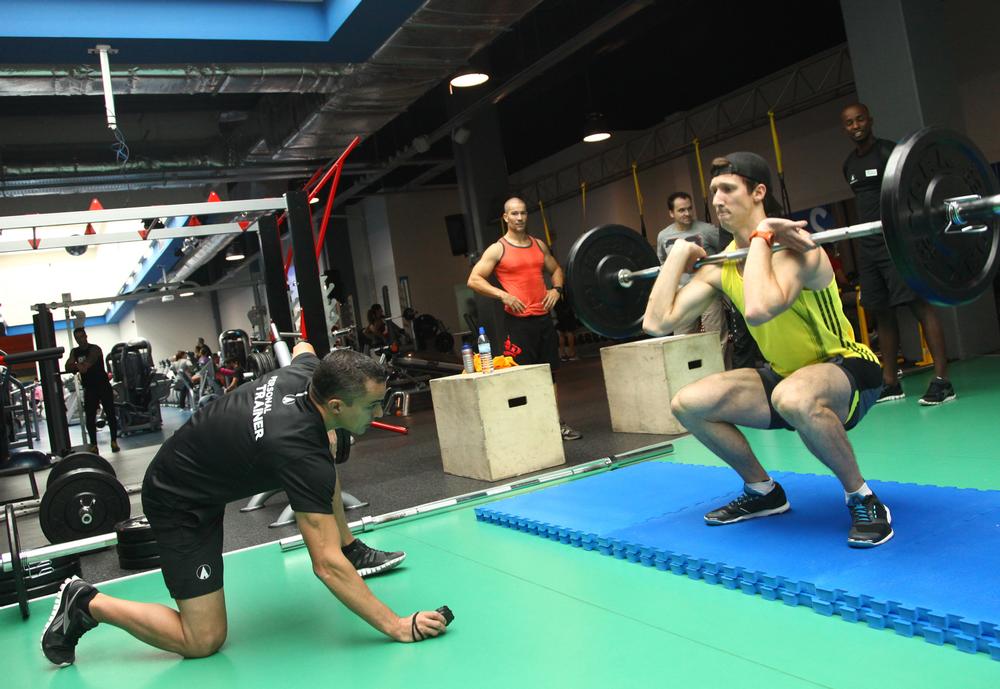
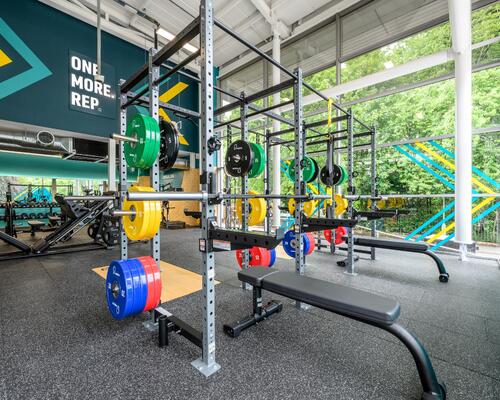
Fitness Hut clubs have large functional training areas
Coutts says the company is flexible with its contracts
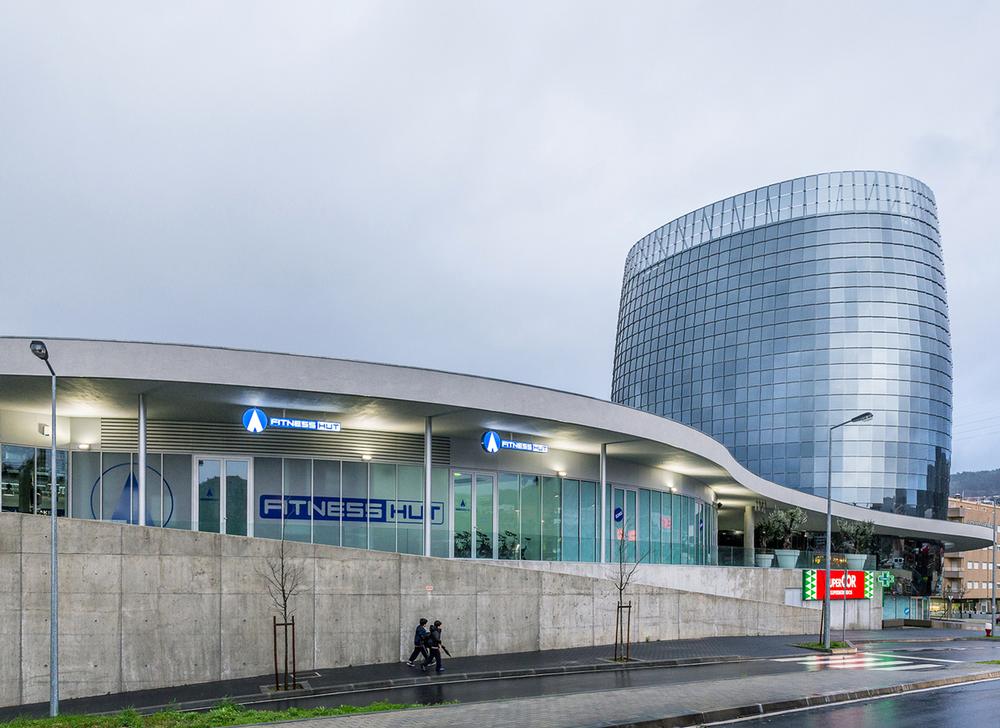
Fitness Hut’s Braga club fits the premium-low cost model
Around 50 per cent of Fitness Hut members are new to exercise
Every manager at Fitness Hut is also 
an active PT
Every manager at Fitness Hut is also an active PT
https://www.leisureopportunities.co.uk/images/436268_403021.jpg
"People often ask me why, in a competitive market like fitness, I'm so open when I talk about our business and how we do things," – Nick Coutts, CEO and co-founder of Fitness Hut shares his secrets for success...
Nick Coutts, CEO, Fitness Hut,Nick Coutts, Fitness Hut, Portuguese fitness,
HCM magazine
Collaborations with the medical profession and greater aspirations around wellbeing are creating a need for more experts in our sector. It’s time to reboot our thinking around the workforce
HCM magazine
For every member with a tripod and a big following, there are others irritated at the way equipment is being hogged or wary they’ll be in the background on someone’s Insta feed. Do influencers offer valuable, free marketing or are they just a nuisance? Kath Hudson finds out how operators are responding
HCM magazine
Raphael Cuomo explores the powerful link between addiction, health and behaviour change
HCM magazine
As the entrepreneur who started Wexer, Fresh Fitness, Fitness DK and Repeat, as well as being a former elite athlete, Rasmus Ingerslev’s life looked perfect from the outside, but onthe inside it was a different story. He talks to Kath Hudson about healing old wounds
HCM magazine
Strength training is evolving, driven by changing consumer preferences. Julie Cramer talks to innovators about how their products are meeting this demand
HCM promotional features
Sponsored
Greg Bradley looks at the shift towards strength training in gyms and advises on how operators can create the ultimate training environment
HCM promotional features
Sponsored
Starpool supports Olympic champion Marcell Jacobs, says Riccardo Turri
HCM promotional features
Sponsored
Find out how your gym can tap into the corporate wellness boom
HCM promotional features
Sponsored
SnowDome Fitness has added 50 per cent more space with cutting-edge Technogym solutions
HCM promotional features
Sponsored
David Lloyd is stepping up its commitment to women’s health as it continues to explore what fit-for-purpose looks like for the female population
HCM promotional features
Sponsored
Third Space partnered with IndigoFitness to deliver a bespoke training space for its new club at The Whiteley
HCM promotional features
Sponsored
EGYM has opened a new HQ in Paternoster Square, London and revealed a range of new launches
HCM promotional features
Sponsored
Pulse Fitness has created a new health club delivering an elevated wellness experience
HCM promotional features
Promotion
Performance Health Systems, manufacturer of Power Plate, has a new CEO, with an ambitious vision for the company
HCM promotional features
Latest News
Nuffield Health has told HCM that it takes its responsibilities towards its colleagues seriously and ...
Latest News
Technogym has announced the launch of the Run X World Treadmill Championship, the first world ...
Latest News
Shocked by the UK loneliness statistics, charitable trust Mytime Active has been doubling down on ...
Latest News
Portugal’s leading operator, SC Fitness, is celebrating a milestone by reaching 100 gyms.  The company ...
Latest News
Australia’s fast-growing fitness network, Viva Leisure, is adding a low-cost gym brand to its already ...
Latest News
Speedflex has launched a strength training programme for 10 to 16-year-olds, to make it safer, ...
Latest News
Tewinbury Farm Hotel in Hertfordshire, UK is expanding its premium leisure proposition with the launch ...
Latest News

Work is underway in Madrid on one of Europe’s most significant multi-functional complexes, ...

Opinion
promotion
Strength training has moved from the margins to the mainstream.
Opinion: Building smarter strength spaces for today’s operators
Featured supplier news
Featured supplier news: Reaching the people most gyms miss: Bedford Gym & Swim Campaign delivers 410 new members
One of the biggest mistakes the fitness industry still makes is advertising almost exclusively to people who already look and live like gym members.
Featured supplier news
Featured supplier news: Supporting long-term health: why whole body vibration belongs in clinical settings
As healthcare continues to shift towards prevention, there’s a growing focus on helping people stay active, independent and feeling good for longer.
Company profiles
Company profile: Precor
Precor provides fitness and wellness equipment to all market segments, including commercial clubs/facilities, Hospitality, Residential, ...
Company profiles
Company profile: Fitbench
Fitbench creates modular training solutions designed to support efficient, high-quality workouts in a wide range ...
Supplier Showcases
Supplier Showcase - From nightclub to health club
Supplier Showcases
Supplier Showcase - Future-proofing
Catalogue Gallery
Click on a catalogue to view it online
Featured press releases
GYMNATION press release: Massive ‘Good Luck’ message appears in Saudi Desert as Green Falcons head to World Cup
Passengers flying out of Riyadh this week have been treated to an extraordinary sight from the skies after GymNation unveiled a giant desert sand mural supporting the Saudi Arabia National Football Team ahead of the FIFA World Cup in the United States.
Featured press releases
BLK BOX press release: BLK BOX strengthens European growth with the appointment of Germany country manager Timo Garrels
BLK BOX is proud to welcome Timo Garrels as Germany country manager, marking another important step in the brand’s continued growth across Europe.
Directory
Water experiences and hydrotherapy solutions
Aquaform s.r.l.: Water experiences and hydrotherapy solutions
Industrial washing machines
Miele Company Limited: Industrial washing machines
Hot tubs
MSpa International Ltd: Hot tubs
Spa and beauty equipment
Living Earth Crafts: Spa and beauty equipment
Lockers
Crown Sports Lockers: Lockers
Fitness tracking platform
SpiviTech: Fitness tracking platform
Property & Tenders
Stratford, East London.
Lee Valley Regional Park Authority
Property & Tenders
Y Felinheli, LL56 4QN
Newmark
Property & Tenders
Diary dates
13-13 Jun 2026
Worldwide, Various,
Diary dates
21-24 Sep 2026
The Langham Huntington Pasadena , Pasadena, United States
Diary dates
06-08 Oct 2026
Messe Stuttgart, Stuttgart, Germany
Diary dates
22-22 Oct 2026
QEII Conference Centre, London,
Diary dates
26-29 Oct 2027
Koelnmesse Exhibition Centre, Cologne, Germany
Diary dates

people

Interview: Nick Coutts

From market disruptor to becoming the one to beat – or buy. The CEO of Portuguese market leader Fitness Hut talks to Kate Cracknell about all the ways in which the trailblazing brand has done things differently

By Kate Cracknell | Published in Health Club Management 2017 issue 9
Coutts is one of the co-founders of Fitness Hut
We very deliberately set out to be destructive – to go against the market and create something completely new

People often ask me why, in a competitive market like fitness, I’m so open when I talk about our business and how we do things,” says Nick Coutts, CEO and co-founder of Fitness Hut in Portugal. “There are two reasons. One is simply that this is the way I am – I like to share and like to hope others will be honest and open with me in return.

“But I also believe that, if people appreciate how well we’re doing, it might put them off trying to come into the market to compete with us.

“If we’re open about what we do, they’ll realise it’s not easy to get it right. It might sound somewhat counter-intuitive, but I believe that sharing is actually a way to help protect ourselves from the competition.”

Breaking the mould
And ‘doing well’ is certainly a box that Fitness Hut ticks. ‘Doing things differently’ is another – and it’s as true now as when the first club opened in Lisbon in 2011.

Back then, the business was a disruptive force in the sector. “I came up with the term ‘premium low-cost’ for what we were doing,” says Coutts. “Someone else may have coined the term – I don’t know. It certainly wasn’t a label that I’d seen or heard anyone use before, but it absolutely reflected what we were trying to do.

“When we came up with the idea for Fitness Hut, my co-founders – Andre Groen and JP Carvalho – and I were running Holmes Place Iberia. We’d come to the conclusion that, post-economic crisis, a premium model was no longer going to work in Portugal, so we started to look at the low-cost phenomenon.

“We’d done our research – visiting low-cost clubs in the UK, Germany and the Netherlands – and we felt the low-cost product, at that point, was essentially cheap, clean, with lots of equipment, some technology to control entry and exit – and nothing else. There was no group fitness, no personal training, no focus on the environment, no attention paid to creating an atmosphere or a club feel. We felt we could do better.”

Coutts continues: “We knew low-cost would be right for the Portuguese market, but group fitness is incredibly popular in Portugal so we decided to invest in large group fitness studios. Personal training is also huge, so it was important to focus on that as well. Then, on a personal note, Andre and I were really keen on CrossFit and functional training, so we wanted to create large functional training areas.

“And then, lastly, we wanted to offer lots of gym-based classes – not studio classes, but smaller group exercise classes on the gym floor.

“Those were the four key points of differentiation between what we’d seen and what we wanted to do. Interestingly, many of the low-cost operators have since gone down the same route, but that wasn’t the case back in 2011 when we opened our first club.

“We very deliberately set out to be destructive – to go against the market and create something completely new.”

Refining the concept
He continues: “Having worked together for many years at Holmes Place, the three of us also wanted to learn from our shared experiences – to learn from the mistakes we’d made along the way and to identify the major causes of headaches, building our new model in such a way that we could avoid them.”

This thought was at the heart of the team’s thinking as they refined the Fitness Hut concept, starting with group exercise. “We were one of the first companies to write our own software that allowed members to book classes online,” says Coutts. “Plenty of companies do it now – although we’re still the only one in Portugal – but when we launched in 2011 there was nobody doing it anywhere. And it really did transform what was always a huge headache in traditional clubs.

“Another major headache in traditional clubs revolves around the flexibility of the contract. Unlike some low-cost clubs, Fitness Hut offers two options – a 12-month contract costs €6.60 a week, or you can have no commitment to us and that costs €7.70 a week. However, the key difference is how we react if somebody defaults on their contract. Irrespective of whether or not they’ve asked to stop paying, we don’t send threatening emails, we don’t pass the debt to a debt collection agency, and we do forgive debt and provide amnesty.

“Of course we follow up with anyone who defaults. We’ll send them an email explaining: ‘You’ve enjoyed this price because you committed to 12 months. Now you’ve left after eight, so arguably you should repay the difference between what you would have paid and what you’ve paid.’ And about 50 per cent of people do actually pay.

“But even when they don’t, we don’t turn it into something nasty or aggressive. We could never be accused of chasing people for cash.

“And the result? When we look at our joiners’ statistics each month, on average 25 per cent are re-joining us – they’re former members who cancelled for whatever reason and have then decided to come back to us.

“I think that’s testament to the goodwill we show when people leave us – they don’t feel threatened or chased and they view us positively.”

A flexible PT model
“One other key point of differentiation is the way we approach personal training,” says Coutts. “At Holmes Place, we built up a massive personal training business where the PTs were employed by us and the company kept 65 per cent of the revenue. PTs who were very good at selling would do well, even keeping just 35 per cent of their revenue; the average PT would do just about OK.

“It was a great model for Holmes Place when everyone was cash rich, but what had been a significant source of revenue started to be squeezed when the downturn came and we had fewer members, with fewer among them wanting PT. Our mistake was that we then put more and more pressure on certain trainers who continued to deliver their targets, and they soon became disillusioned – feeling over-worked and under-valued, and inevitably, being on the front line, they were transmitting how they were feeling to members.

“It was a bad situation, so at Fitness Hut we opted for a rental model. We now have more than 400 personal trainers across our 26 clubs, on average paying around €400 a month in rent. It’s a business that’s heading towards £1.4–£1.5m this year for us, and that’s pure profit.

“We’ve also avoided the headache of having to manage the personal trainers, because under this arrangement, they’re independent – they can work when they want, for however many hours they want, as long as they’re paying their fees.

“We don’t decide the pricing either: PTs decide how much they want to charge based on how confident they are, what time of year it is, who they’re training.

“The average personal trainer charges around €35 an hour, but there are some who charge €50 and some who charge just €20. There’s something to suit every member’s budget, and as a result 10 to 15 per cent of members have a PT.

“It works well for our PTs too. Our top trainers make over €6,000 a month for themselves, so they’re all happy. They’re here because they want to be, nobody tells them they need to work harder, and they can earn a lot of money if they want to.”

Creating a buzz
I go back to Coutts’ point that most budget clubs don’t – or at least didn’t – tend to focus on creating a great atmosphere. How did Fitness Hut approach this challenge?

He explains: “We have big screens in the club showing extreme sports and we have a DJ once or twice a week. But for me, the atmosphere really comes from two things.

“One of them is the layout of the gym: we keep the space as open as possible, including what we call an ‘open studio’. This is one of three studios in each club, but whereas our cycling and traditional aerobics studios are separate rooms, our open studio is on the gym floor.

“The second big contributor to the atmosphere in our clubs are our small group classes. In addition to our PTs and our club managers, we have what we call our ‘gym service’ team. For 20 minutes in every hour they walk around helping members, but their main job is to deliver four 10-minute gym floor classes an hour: an abs class, a functional training class, a stretching class and a HIIT class, which they do on the cardio equipment. It’s all about maximising the number of members who are exposed to these dynamic individuals.”

Multi-tasking managers
At peak times, these gym classes will see 20 or 30 members taking part, which is good by any standard – so how has Fitness Hut made such a success of it?

“Partly it’s down to the fact that 50 per cent of our members are new to exercise,” says Coutts. “They view these classes as taster sessions.

“But most of all it’s because we have staff who really champion these exercise classes. That’s driven by the fact that we aim to train and promote our people, so our team members grow up in this environment and they really believe in it.”

Coutts continues: “In fact, to that point, every one of our club managers is also a personal trainer and a group exercise instructor. Our managers walk the talk and lead by example.

“It probably isn’t very PC to say, but I’m always annoyed when I see overweight, lazy club managers – people who have been pulled in from sectors like retail. They might have better processes, but they have no affinity for fitness.

“We’ve therefore created a model where we only pay our club managers €1,000 a month for their management role, but they’re all group fitness instructors too. They all teach an average of two classes a day as part of their hours and we pay them the same fee per class as we pay other group instructors, so they earn an additional €20 to €50 for each day.

“They’re also all PTs, and they don’t even pay us a fee, so everything they earn is theirs. On average, our club managers teach two or three PT sessions a day.”

He continues: “The other thing we do is we give them as little as possible to think about in terms of data and numbers. We want them to focus on the things our members care about.

“Purchasing is done centrally, as is budgeting and managing sales and EBITDA. The only data we ask them to be all over is group fitness, managing usage, making sure the timetable is balanced and the right teachers are in.

New model & new markets
So what are Coutts’ plans for Fitness Hut moving forward? “We’ll probably finish this year with 33 clubs – all of which are funded – and we could get to 45 in Portugal. It would probably be stretching it to go beyond that though, so we’ve looked at two other routes for expansion.

“One is creating a smaller model where we invest 50 per cent less than we do at our larger clubs and still get a minimum 25 per cent return. That makes us viable in cities with a smaller population. We’re planning to start rolling that out next year.

“We’ve also had discussions about going to Spain, so that’s quite likely. The low-cost sector in Spain is concentrated around Madrid and Barcelona, and maybe one or two other cities, so there’s still opportunity for companies like us.”

And looking further ahead? “I’d hope that five or 10 years from now, Fitness Hut will still exist as a brand, in Portugal and maybe in a couple of other markets too.”

Coutts adds: “I’m realistic. There’s going to be continued consolidation over the next couple of years, and I imagine we’ll be part of that. But even if we’re acquired, it would be great if the Fitness Hut brand could live on and be grown rather than be rebranded.”

Fitness Hut in numbers

4,300 members Average per club

33 Clubs December 2017 target

44% Aged under 30 years

€6.60/week Contract

€7.70/week No contract

50% New to exercise

26 Clubs June 2017

Fitness Hut: Giving more for less

Coutts drives innovation at Fitness Hut

“In August 2016, we launched a nutrition programme in partnership with a company called Body Concept,” says Fitness Hut CEO Nick Coutts. “At no cost to the member, we provide every one of them with access to a quarterly, professional, one-hour, in-person nutritional consultation – for which we pay.

“So how, as a low-cost operator, can we afford to fund that? It’s because in Portugal, the VAT rate is 23 per cent for fitness – but zero for nutrition. We allocate a percentage of our membership income to nutrition so it becomes VAT-free, and it’s enough to finance our nutrition programme. It doesn’t cost us anything, but it adds real value to our members.

“Not everyone will do it, but if it adds value to a reasonable proportion of members, it’s worth it.

“That’s also our view on our Wexer virtual classes. We have around 80 live classes per week per club, but we supplement that with 60–70 virtual classes. Depending on the club, time of day and the class, there might be just one or two people in a virtual class. But sometimes I see 20 people in there. Why wouldn’t you do it?”
Sign up here to get HCM's weekly ezine and every issue of HCM magazine free on digital.
As well as the latest kit, Fitness Hut offers a community feel
Fitness Hut was conceived as a premium low-cost chain
There are 400 personal trainers across the 26 clubs
Fitness Hut clubs have large functional training areas
Coutts says the company is flexible with its contracts
Fitness Hut’s Braga club fits the premium-low cost model
Around 50 per cent of Fitness Hut members are new to exercise
Every manager at Fitness Hut is also 
an active PT
Every manager at Fitness Hut is also an active PT
https://www.leisureopportunities.co.uk/images/436268_403021.jpg
"People often ask me why, in a competitive market like fitness, I'm so open when I talk about our business and how we do things," – Nick Coutts, CEO and co-founder of Fitness Hut shares his secrets for success...
Nick Coutts, CEO, Fitness Hut,Nick Coutts, Fitness Hut, Portuguese fitness,
Latest News
Nuffield Health has told HCM that it takes its responsibilities towards its colleagues seriously and ...
Latest News
Technogym has announced the launch of the Run X World Treadmill Championship, the first world ...
Latest News
Shocked by the UK loneliness statistics, charitable trust Mytime Active has been doubling down on ...
Latest News
Portugal’s leading operator, SC Fitness, is celebrating a milestone by reaching 100 gyms.  The company ...
Latest News
Australia’s fast-growing fitness network, Viva Leisure, is adding a low-cost gym brand to its already ...
Latest News
Speedflex has launched a strength training programme for 10 to 16-year-olds, to make it safer, ...
Latest News
Tewinbury Farm Hotel in Hertfordshire, UK is expanding its premium leisure proposition with the launch ...
Latest News

Work is underway in Madrid on one of Europe’s most significant multi-functional complexes, ...

Latest News
PureGym is encouraging people to step away from their screens and go for a walk, ...
Latest News
Small improvements to sleep, diet quality, and physical activity, made in combination lead to a ...
Latest News
Therme Manchester’s 28-acre development, which will include interconnected glass pavilions that measure 65,000sq m, will ...
Opinion
promotion
Strength training has moved from the margins to the mainstream.
Opinion: Building smarter strength spaces for today’s operators
Featured supplier news
Featured supplier news: Reaching the people most gyms miss: Bedford Gym & Swim Campaign delivers 410 new members
One of the biggest mistakes the fitness industry still makes is advertising almost exclusively to people who already look and live like gym members.
Featured supplier news
Featured supplier news: Supporting long-term health: why whole body vibration belongs in clinical settings
As healthcare continues to shift towards prevention, there’s a growing focus on helping people stay active, independent and feeling good for longer.
Company profiles
Company profile: Precor
Precor provides fitness and wellness equipment to all market segments, including commercial clubs/facilities, Hospitality, Residential, ...
Company profiles
Company profile: Fitbench
Fitbench creates modular training solutions designed to support efficient, high-quality workouts in a wide range ...
Supplier Showcases
Supplier Showcase - From nightclub to health club
Supplier Showcases
Supplier Showcase - Future-proofing
Catalogue Gallery
Click on a catalogue to view it online
Featured press releases
GYMNATION press release: Massive ‘Good Luck’ message appears in Saudi Desert as Green Falcons head to World Cup
Passengers flying out of Riyadh this week have been treated to an extraordinary sight from the skies after GymNation unveiled a giant desert sand mural supporting the Saudi Arabia National Football Team ahead of the FIFA World Cup in the United States.
Featured press releases
BLK BOX press release: BLK BOX strengthens European growth with the appointment of Germany country manager Timo Garrels
BLK BOX is proud to welcome Timo Garrels as Germany country manager, marking another important step in the brand’s continued growth across Europe.
Directory
Water experiences and hydrotherapy solutions
Aquaform s.r.l.: Water experiences and hydrotherapy solutions
Industrial washing machines
Miele Company Limited: Industrial washing machines
Hot tubs
MSpa International Ltd: Hot tubs
Spa and beauty equipment
Living Earth Crafts: Spa and beauty equipment
Lockers
Crown Sports Lockers: Lockers
Fitness tracking platform
SpiviTech: Fitness tracking platform
Property & Tenders
Stratford, East London.
Lee Valley Regional Park Authority
Property & Tenders
Y Felinheli, LL56 4QN
Newmark
Property & Tenders
Diary dates
13-13 Jun 2026
Worldwide, Various,
Diary dates
21-24 Sep 2026
The Langham Huntington Pasadena , Pasadena, United States
Diary dates
06-08 Oct 2026
Messe Stuttgart, Stuttgart, Germany
Diary dates
22-22 Oct 2026
QEII Conference Centre, London,
Diary dates
26-29 Oct 2027
Koelnmesse Exhibition Centre, Cologne, Germany
Diary dates
Search news, features & products:
Find a supplier:
Les Mills
Les Mills
Partner sites