
















Elevate Arena
Elevate Arena
Elevate Arena
Follow Health Club Management on Twitter Like Health Club Management on Facebook Join the discussion with Health Club Management on LinkedIn
FITNESS, HEALTH, WELLNESS

people

Interview: Jennie Price

The CEO of Sport England speaks to Matthew Campelli about the UK government’s new sporting strategy, and the opportunities this presents all providers of physical activity
By Matthew Campelli | Published in Health Club Management 2016 issue 3
Jennie Price
Jennie Price
Where funding is concerned, it’s not going to be about the type of organisation you are or the type of activity you represent – it’s all about delivery

When Tracey Crouch delivered the government’s sport and physical activity blueprint in December, the general response from the sector was one of genuine optimism.

A wide-ranging 10-year plan which makes little distinction between sport and physical activity; which joins the dots between sport, health and education; and which appears to take seriously a far broader agenda including mental health and social responsibility – all of this presents the industry with a comprehensive, if challenging, plan for altering the attitudes and habits of those apparently lost in an inactive abyss.

Few will feel that challenge keener than Sport England, which will take on a significantly broader remit. The quango was handed the responsibility for out-of-school participation for the over-fives (compared to its previous remit of over-14s), while the increasingly blurred line between sport and physical activity means the number of potential organisations that can receive government money, distributed by Sport England, has multiplied.

However, chief executive Jennie Price is bullish about the government’s “first thinking from scratch piece for a long time” and the opportunities it presents her organisation and the wider industry.

Blurring of boundaries
Talking to Health Club Management in her bright London office shortly after the publication of the document – entitled Sporting Future: A New Strategy for an Active Nation – it’s clear Price is thinking about little else, and she has gyms and health club operators in her sights.

“I think the new strategy will create a climate where divisions are softer,” says Price warmly. “There’s something for everyone in this new strategy, and hopefully there won’t be anyone feeling too defensive. Inevitably, where funding is concerned, there will be some winners and some losers, but that’s not going to be determined by the type of organisation you are or the type of activity you represent – it’s all about delivery.”

Health clubs and fitness operators have an “enormous role to play”, says Price, because the “sheer number of people” that use them means they reach a greater proportion of the population than anyone else. “They have a non-gender specific offer, and increasingly also an offer that’s open to lots of different demographic groups,” she adds. “All of that is really important.”

Traditionally the funder of national governing bodies of sport, Sport England will likely widen its pool of partners to chime with the government’s ambition of providing grants to any projects that have a “meaningful and measurable impact” on people’s lives – projects that could just as easily come from the fitness sector as from sport.

Neither will finance just be about funding from Sport England, as Price explains: “Private sector, health, education – there are lots of people and organisations who have a vested interest in the delivery of the sports strategy. It’s not just a matter of thinking about our money – it’s whose money we can co-invest with in such a way that the interests genuinely come together.”

The number of potential stakeholders will become apparent this month, as Sport England rounds off its industry-wide consultation on how best to deliver on its responsibilities as set out in the new strategy.

Funding streams
Price certainly expects to talk to a growing number of gym operators – both local authority operated and privately owned – as Sport England pieces together its own strategy, which is due to be published next month.

She reveals that, while conversations with for-profit organisations cannot revolve around government funding for the time being, a passage buried in the sports strategy suggests this could be “relaxed” if the initiative were right.

“There are no problems in working with for-profit companies, but there are some technical issues about giving them money,” explains Price. “We can’t grant fund them with our National Lottery money at the moment, but that requirement might be relaxed at some point in the future. We’ve already prompted an investigation into whether there are any regulatory problems.

“So I’d like gyms to come and talk to us. We’d like to share some of the insight our research has unveiled around physical activity participation. I don’t think they need to have a generic response to a particular brief – it would just be good to have some structured conversations with the major chains. We’ve had a number of conversations, but nothing concentrated that’s then led to significant change – yet.”

Insight, adds Price, will be Sport England’s currency when making investment decisions going forward. If organisations want to get a piece of the action, their chances will not be harmed by taking on board suggestions that are provided by Sport England’s extensive insight team, which is headed up by Lisa O’Keefe.

Price highlights the £28m Orford Jubilee Neighbourhood Hub in Warrington, which Sport England part-funded, as an example of a project that received funding after taking the organisation’s “customer-focused” advice into account (see also p64).

“The team at Orford recognised that, to make their economic proposition better, they needed to be seen as a deliverer of local authority services more generally,” explains Price. The centre has therefore incorporated a doctor’s surgery and a library as well as a leisure centre, which not only encourages cross-referral between facilities but also encourages visitors to take a look at the leisure facilities while they’re there – there are no physical barriers preventing people from walking in to see what’s on offer.

She continues: “We’ve really changed the way we approach our facilities investments. For any major strategic investments, we need an evidence base: evidence of what’s needed, what’s provided, and how it’s going to respond to customer demand. That’s the entry point now for any significant grant funding.”

Workforce development
While Price acknowledges that gyms and health clubs are often the most convenient places for people to take part in regular physical activity, she concedes that sometimes gyms’ “business imperatives” can get in the way of engaging with people who either don’t participate or who seldom take part in physical activity.

“If I go to a gym to do a bit of mystery shopping and say ‘I’d like to see the pool’, chances are that, by the time I’m 10 minutes in to the tour, the person showing me round has already tried to sell me a monthly membership,” she says. “But if you’re doing it for the first time and are a bit nervous, what’s actually going through your mind is: ‘What’s the changing room like – is it clean?’ You’re not in the mindset to negotiate a contract at all.”

Although Price accepts that gyms incentivise their salespeople, she therefore suggests a longer-term approach to target-setting might be in order, with staff rewarded for offering pleasant encounters that lead to people coming back a second time.

Indeed, a workforce strategy makes up a significant chunk of Sporting Future. Sport England has partnered with the Chartered Institute for the Management of Sport and Physical Activity (CIMSPA) to develop a “single, clear and rigorous set of standards for all sport and exercise professionals”, driving towards what the DCMS calls a “greater professionalisation of the sport sector with a clear skills framework”.

Price claims that having a whole workforce strategy is “extremely important”, although the details of how all this might fit together are yet to be set in stone. “What I can say today is I know we need to be involved and I think we have something to offer in terms of the thinking and aggregation of research,” she says.

This Girl Can
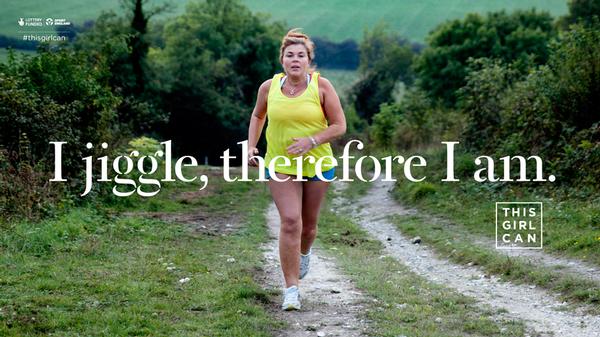
But can Sport England’s behavioural knowledge and insight help make the gym a more comfortable place for novices overall? Price thinks so, and highlights the impact of Sport England’s 2015 This Girl Can campaign – something she refers to as one of Sport England’s “brands” – which aimed to boost female participation in physical activity.

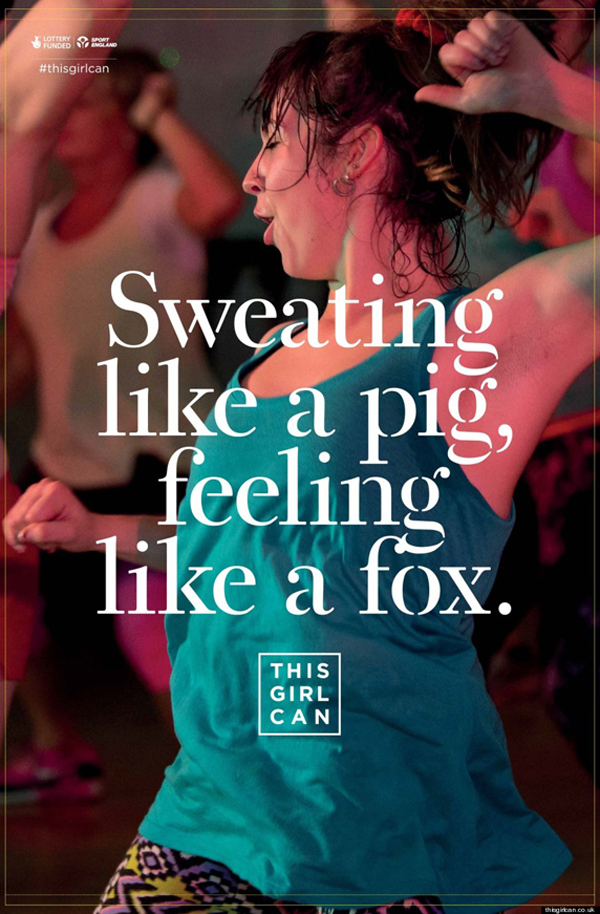
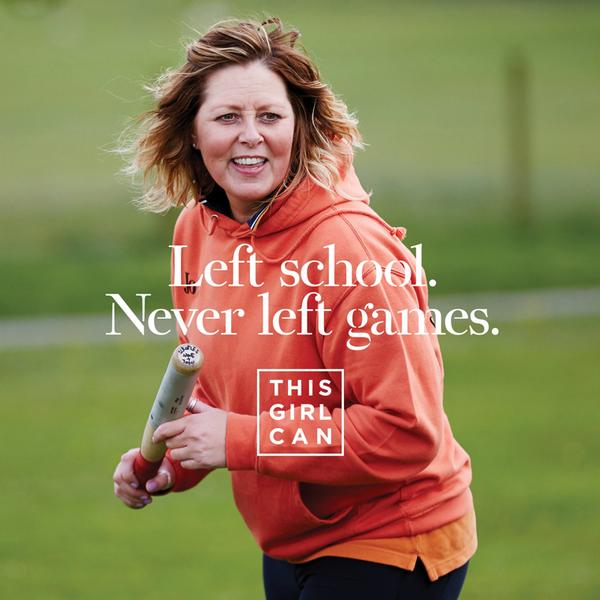
The starting point of the campaign was, says Price, the fear of judgement which leads so many women to shy away from physical activity: “Am I fat? Do I look ridiculous in these clothes?” The resulting ads, with their strong sense of empowerment through being active – and to hell with being a bit sweaty in the process – were designed to make women across the country feel they too could have a go.

So did it work? According to last year’s Active People Survey, the number of women getting active once a week or more surged by 148,700 in the six months between April and October 2015, while Sport England’s own research indicates that 2.8 million women were directly influenced to increase their physical activity after the campaign launched in January 2015.

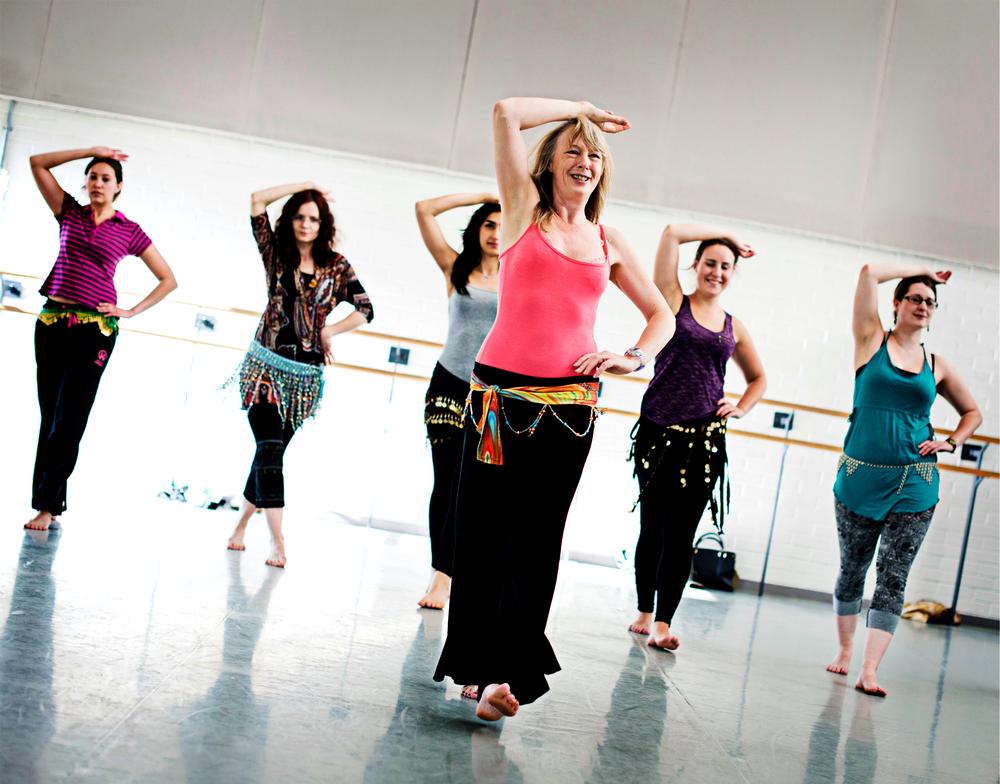
The major increase in participation came from more women using the gym and running, says Price, adding that dance-related exercise is also becoming “increasingly popular” (see HCM Feb 16, p62).

Swimming is highlighted as another area of physical activity that women are heavily involved in, and the Sport England chief talks about a “raft of swimming pilots” being launched, specifically with operators of public sector facilities, where Sport England is funding specially designed sessions with female coaches, no loud music and extra cleaning in the changing rooms.

This Girl Can has also stimulated “a lot of very positive conversations” with gyms, which “recognise the power of the marketing and the brand”, adds Price. A number have used This Girl Can marketing or adapted their own communications “using some of its principles”.

Not only that, but the campaign led to a partnership with Marks & Spencer, in which the retailer developed its own range of women’s sportswear based on the insight at the heart of the This Girl Can campaign.

“I think we probably need to do more to increase engagement across the board, though, because people have tended to take the campaign as it’s been presented rather than looking at the insight behind it,” Price says. “It’s actually the insight that’s the most powerful thing. What do women feel they’re being judged on, and what’s going to make them feel more comfortable? How can physical activity providers adjust what they’re doing to take women’s feelings and concerns into account?”

Price reveals that Sport England is currently talking to the government about continuing this national campaign, while This Girl Can will also keep up the momentum via its popular online community.

A broader horizon
More work with non-sporting bodies is also on Price’s list of priorities as the sports strategy unfolds.

“A good example is the work we’ve been doing with Macmillan,” she says. “Doctors often tell cancer patients to rest, but there’s evidence that your ability to deal with the impact of the disease is much greater – and your risk of recurrence lower – if you’re active (see also p14).

“Macmillan has a really refined understanding of the challenges faced by people in the system, so they provide the knowledge and we provide the sport and exercise element. We’ve had some really positive trials – both in active treatment and post-treatment support – which Macmillan is now significantly expanding with its own money, because they’ve been so successful.

“I also see us working with other charities, youth groups, Scouts and Guides. We’ve already done some work with the National Trust and the Forestry Commission around outdoor activities too – around making better use of their space.

“So I’m really enthusiastic about Sporting Future. I think there are lots of opportunities for us. My heart is really in this, which hopefully you can hear in my voice.”

A shift in focus

Price says the new survey will present a more rounded picture

Sport England’s Active People Survey – which every year offers an overview of participation rates across a range of sporting activities – is soon to be replaced by a new Active Lives Survey, which will embrace a far broader range of activities including dance, walking and cycling.

Active Lives, says Price, will produce a “much more rounded picture” of the state of play of physical activity in the country.

The research will now ask people to submit data on what they’ve done in terms of sport and physical activity in both the last 12 months and the last 28 days – this compared to the Active People Survey, which asks people only what sporting activities they’re currently doing.

“If your pitch was waterlogged, if you had a bad day, if you went Christmas shopping or if you felt sick, your participation as measured by Active People can suddenly go from four to three times a month, even if four times a month is your normal pattern,” she says, by way of an explanation for the longer timescale. Data for Active Lives is already being collected, and the new survey will run concurrently with the last ever Active People Survey in 2016 before going it alone next year.

“The 12-month reference period allows us to paint a much more nuanced picture of what people do across a timescale,” Price continues. “People’s mix of activities changes all the time. They might want to do something competitive for three months, then go and do yoga for six months and then run a marathon.

“Sports such as cricket also enable people to be active in other ways – running and going to the gym, for example – to keep fit during the large proportion of the year when conditions aren’t right to play the sport.”

Sign up here to get HCM's weekly ezine and every issue of HCM magazine free on digital.
Sport England is launching ‘a raft of swimming pilots’ targeted specifically at women, to drive participation / PHOTO: Shutterstock
‘This Girl Can’ had a strong sense of female empowerment through being physically active
Activity providers need to learn to take women’s concerns into account
Sport England has already done some work with the Forestry Commission around outdoor activities / PHOTO: Shutterstock
https://www.leisureopportunities.co.uk/images/178216_286771.jpg
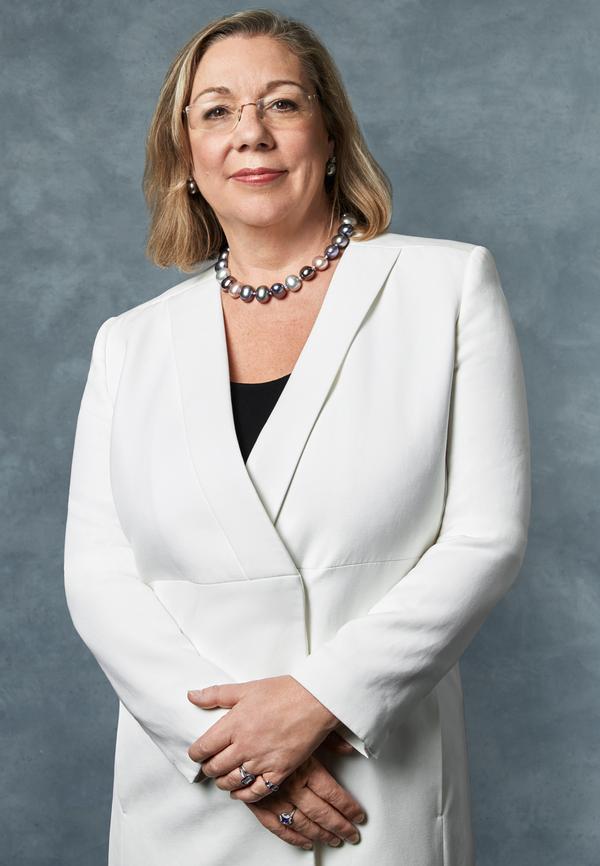
Jennie Price, Sport England CEO, talks to Health Club Management about the government's new Sporting Future strategy
The CEO of Sport England, Jennie Price,The CEO of Sport England, Jennie Price, government’s new sporting strategy, physical activity providers
HCM magazine
HCM People

Jamie Clements

The Breath Coach
I experienced a blissful feeling of joy I hadn’t felt since I was a kid
HCM magazine
If the health service is to survive, we must recognise that it is a disease service – and that wellbeing rests with us, says the activity advocate and healthy ageing champion. He talks to Kate Cracknell
HCM magazine
Raphael Cuomo explores the powerful link between addiction, health and behaviour change
HCM magazine
For every member with a tripod and a big following, there are others irritated at the way equipment is being hogged or wary they’ll be in the background on someone’s Insta feed. Do influencers offer valuable, free marketing or are they just a nuisance? Kath Hudson finds out how operators are responding
HCM magazine
HCM People

Stephen Price

Founder, SP&Co Group
Working in public health over the last few years has lit up parts of my brain again
HCM promotional features
Sponsored
Find out how your gym can tap into the corporate wellness boom
HCM promotional features
Sponsored
Starpool supports Olympic champion Marcell Jacobs, says Riccardo Turri
HCM promotional features
Sponsored
Third Space partnered with IndigoFitness to deliver a bespoke training space for its new club at The Whiteley
HCM promotional features
Sponsored
Greg Bradley looks at the shift towards strength training in gyms and advises on how operators can create the ultimate training environment
HCM promotional features
Sponsored
SnowDome Fitness has added 50 per cent more space with cutting-edge Technogym solutions
HCM promotional features
Sponsored
David Lloyd is stepping up its commitment to women’s health as it continues to explore what fit-for-purpose looks like for the female population
HCM promotional features
Sponsored
EGYM has opened a new HQ in Paternoster Square, London and revealed a range of new launches
HCM promotional features
Sponsored
Active IQ is calling for greater accountability in online fitness advice with the launch of a new trustmark
HCM promotional features
Sponsored
New launch, Salus House, elevates boutique wellness with high service levels and a partnership with Technogym
HCM promotional features
Latest News
Nuffield Health has told HCM that it takes its responsibilities towards its colleagues seriously and ...
Latest News
Technogym has announced the launch of the Run X World Treadmill Championship, the first world ...
Latest News
Shocked by the UK loneliness statistics, charitable trust Mytime Active has been doubling down on ...
Latest News
Portugal’s leading operator, SC Fitness, is celebrating a milestone by reaching 100 gyms.  The company ...
Latest News
Australia’s fast-growing fitness network, Viva Leisure, is adding a low-cost gym brand to its already ...
Latest News
Speedflex has launched a strength training programme for 10 to 16-year-olds, to make it safer, ...
Latest News
Tewinbury Farm Hotel in Hertfordshire, UK is expanding its premium leisure proposition with the launch ...
Latest News

Work is underway in Madrid on one of Europe’s most significant multi-functional complexes, ...

Opinion
promotion
Strength training has moved from the margins to the mainstream.
Opinion: Building smarter strength spaces for today’s operators
Featured supplier news
Featured supplier news: Elevate 2026 to mark 10-year anniversary with biggest ever waterfront drinks reception
Elevate is set to celebrate its 10th anniversary in style this June, with organisers confirming the event’s largest-ever drinks reception as registrations continue to run more than 10% ahead of last year.
Featured supplier news
Featured supplier news: Supporting long-term health: why whole body vibration belongs in clinical settings
As healthcare continues to shift towards prevention, there’s a growing focus on helping people stay active, independent and feeling good for longer.
Company profiles
Company profile: ABC Fitness
ABC Fitness is the #1 software provider for fitness businesses of any size, all around ...
Company profiles
Company profile: Core Health & Fitness
Driven by innovation, Core Health & Fitness delivers top-quality products, exceptional service, and ongoing support. ...
Supplier Showcases
Supplier Showcase - Future-proofing
Catalogue Gallery
Click on a catalogue to view it online
Featured press releases
GYMNATION press release: Massive ‘Good Luck’ message appears in Saudi Desert as Green Falcons head to World Cup
Passengers flying out of Riyadh this week have been treated to an extraordinary sight from the skies after GymNation unveiled a giant desert sand mural supporting the Saudi Arabia National Football Team ahead of the FIFA World Cup in the United States.
Featured press releases
BLK BOX press release: BLK BOX strengthens European growth with the appointment of Germany country manager Timo Garrels
BLK BOX is proud to welcome Timo Garrels as Germany country manager, marking another important step in the brand’s continued growth across Europe.
Directory
Industrial washing machines
Miele Company Limited: Industrial washing machines
Hot tubs
MSpa International Ltd: Hot tubs
Lockers
Crown Sports Lockers: Lockers
Spa and beauty equipment
Oakworks Inc: Spa and beauty equipment
Water experiences and hydrotherapy solutions
Aquaform s.r.l.: Water experiences and hydrotherapy solutions
Fitness tracking platform
SpiviTech: Fitness tracking platform
Property & Tenders
Stratford, East London.
Lee Valley Regional Park Authority
Property & Tenders
Y Felinheli, LL56 4QN
Newmark
Property & Tenders
Diary dates
13-13 Jun 2026
Worldwide, Various,
Diary dates
21-24 Sep 2026
The Langham Huntington Pasadena , Pasadena, United States
Diary dates
06-08 Oct 2026
Messe Stuttgart, Stuttgart, Germany
Diary dates
22-22 Oct 2026
QEII Conference Centre, London,
Diary dates
26-29 Oct 2027
Koelnmesse Exhibition Centre, Cologne, Germany
Diary dates

people

Interview: Jennie Price

The CEO of Sport England speaks to Matthew Campelli about the UK government’s new sporting strategy, and the opportunities this presents all providers of physical activity

By Matthew Campelli | Published in Health Club Management 2016 issue 3
Jennie Price
Jennie Price
Where funding is concerned, it’s not going to be about the type of organisation you are or the type of activity you represent – it’s all about delivery

When Tracey Crouch delivered the government’s sport and physical activity blueprint in December, the general response from the sector was one of genuine optimism.

A wide-ranging 10-year plan which makes little distinction between sport and physical activity; which joins the dots between sport, health and education; and which appears to take seriously a far broader agenda including mental health and social responsibility – all of this presents the industry with a comprehensive, if challenging, plan for altering the attitudes and habits of those apparently lost in an inactive abyss.

Few will feel that challenge keener than Sport England, which will take on a significantly broader remit. The quango was handed the responsibility for out-of-school participation for the over-fives (compared to its previous remit of over-14s), while the increasingly blurred line between sport and physical activity means the number of potential organisations that can receive government money, distributed by Sport England, has multiplied.

However, chief executive Jennie Price is bullish about the government’s “first thinking from scratch piece for a long time” and the opportunities it presents her organisation and the wider industry.

Blurring of boundaries
Talking to Health Club Management in her bright London office shortly after the publication of the document – entitled Sporting Future: A New Strategy for an Active Nation – it’s clear Price is thinking about little else, and she has gyms and health club operators in her sights.

“I think the new strategy will create a climate where divisions are softer,” says Price warmly. “There’s something for everyone in this new strategy, and hopefully there won’t be anyone feeling too defensive. Inevitably, where funding is concerned, there will be some winners and some losers, but that’s not going to be determined by the type of organisation you are or the type of activity you represent – it’s all about delivery.”

Health clubs and fitness operators have an “enormous role to play”, says Price, because the “sheer number of people” that use them means they reach a greater proportion of the population than anyone else. “They have a non-gender specific offer, and increasingly also an offer that’s open to lots of different demographic groups,” she adds. “All of that is really important.”

Traditionally the funder of national governing bodies of sport, Sport England will likely widen its pool of partners to chime with the government’s ambition of providing grants to any projects that have a “meaningful and measurable impact” on people’s lives – projects that could just as easily come from the fitness sector as from sport.

Neither will finance just be about funding from Sport England, as Price explains: “Private sector, health, education – there are lots of people and organisations who have a vested interest in the delivery of the sports strategy. It’s not just a matter of thinking about our money – it’s whose money we can co-invest with in such a way that the interests genuinely come together.”

The number of potential stakeholders will become apparent this month, as Sport England rounds off its industry-wide consultation on how best to deliver on its responsibilities as set out in the new strategy.

Funding streams
Price certainly expects to talk to a growing number of gym operators – both local authority operated and privately owned – as Sport England pieces together its own strategy, which is due to be published next month.

She reveals that, while conversations with for-profit organisations cannot revolve around government funding for the time being, a passage buried in the sports strategy suggests this could be “relaxed” if the initiative were right.

“There are no problems in working with for-profit companies, but there are some technical issues about giving them money,” explains Price. “We can’t grant fund them with our National Lottery money at the moment, but that requirement might be relaxed at some point in the future. We’ve already prompted an investigation into whether there are any regulatory problems.

“So I’d like gyms to come and talk to us. We’d like to share some of the insight our research has unveiled around physical activity participation. I don’t think they need to have a generic response to a particular brief – it would just be good to have some structured conversations with the major chains. We’ve had a number of conversations, but nothing concentrated that’s then led to significant change – yet.”

Insight, adds Price, will be Sport England’s currency when making investment decisions going forward. If organisations want to get a piece of the action, their chances will not be harmed by taking on board suggestions that are provided by Sport England’s extensive insight team, which is headed up by Lisa O’Keefe.

Price highlights the £28m Orford Jubilee Neighbourhood Hub in Warrington, which Sport England part-funded, as an example of a project that received funding after taking the organisation’s “customer-focused” advice into account (see also p64).

“The team at Orford recognised that, to make their economic proposition better, they needed to be seen as a deliverer of local authority services more generally,” explains Price. The centre has therefore incorporated a doctor’s surgery and a library as well as a leisure centre, which not only encourages cross-referral between facilities but also encourages visitors to take a look at the leisure facilities while they’re there – there are no physical barriers preventing people from walking in to see what’s on offer.

She continues: “We’ve really changed the way we approach our facilities investments. For any major strategic investments, we need an evidence base: evidence of what’s needed, what’s provided, and how it’s going to respond to customer demand. That’s the entry point now for any significant grant funding.”

Workforce development
While Price acknowledges that gyms and health clubs are often the most convenient places for people to take part in regular physical activity, she concedes that sometimes gyms’ “business imperatives” can get in the way of engaging with people who either don’t participate or who seldom take part in physical activity.

“If I go to a gym to do a bit of mystery shopping and say ‘I’d like to see the pool’, chances are that, by the time I’m 10 minutes in to the tour, the person showing me round has already tried to sell me a monthly membership,” she says. “But if you’re doing it for the first time and are a bit nervous, what’s actually going through your mind is: ‘What’s the changing room like – is it clean?’ You’re not in the mindset to negotiate a contract at all.”

Although Price accepts that gyms incentivise their salespeople, she therefore suggests a longer-term approach to target-setting might be in order, with staff rewarded for offering pleasant encounters that lead to people coming back a second time.

Indeed, a workforce strategy makes up a significant chunk of Sporting Future. Sport England has partnered with the Chartered Institute for the Management of Sport and Physical Activity (CIMSPA) to develop a “single, clear and rigorous set of standards for all sport and exercise professionals”, driving towards what the DCMS calls a “greater professionalisation of the sport sector with a clear skills framework”.

Price claims that having a whole workforce strategy is “extremely important”, although the details of how all this might fit together are yet to be set in stone. “What I can say today is I know we need to be involved and I think we have something to offer in terms of the thinking and aggregation of research,” she says.

This Girl Can
But can Sport England’s behavioural knowledge and insight help make the gym a more comfortable place for novices overall? Price thinks so, and highlights the impact of Sport England’s 2015 This Girl Can campaign – something she refers to as one of Sport England’s “brands” – which aimed to boost female participation in physical activity.

The starting point of the campaign was, says Price, the fear of judgement which leads so many women to shy away from physical activity: “Am I fat? Do I look ridiculous in these clothes?” The resulting ads, with their strong sense of empowerment through being active – and to hell with being a bit sweaty in the process – were designed to make women across the country feel they too could have a go.

So did it work? According to last year’s Active People Survey, the number of women getting active once a week or more surged by 148,700 in the six months between April and October 2015, while Sport England’s own research indicates that 2.8 million women were directly influenced to increase their physical activity after the campaign launched in January 2015.

The major increase in participation came from more women using the gym and running, says Price, adding that dance-related exercise is also becoming “increasingly popular” (see HCM Feb 16, p62).

Swimming is highlighted as another area of physical activity that women are heavily involved in, and the Sport England chief talks about a “raft of swimming pilots” being launched, specifically with operators of public sector facilities, where Sport England is funding specially designed sessions with female coaches, no loud music and extra cleaning in the changing rooms.

This Girl Can has also stimulated “a lot of very positive conversations” with gyms, which “recognise the power of the marketing and the brand”, adds Price. A number have used This Girl Can marketing or adapted their own communications “using some of its principles”.

Not only that, but the campaign led to a partnership with Marks & Spencer, in which the retailer developed its own range of women’s sportswear based on the insight at the heart of the This Girl Can campaign.

“I think we probably need to do more to increase engagement across the board, though, because people have tended to take the campaign as it’s been presented rather than looking at the insight behind it,” Price says. “It’s actually the insight that’s the most powerful thing. What do women feel they’re being judged on, and what’s going to make them feel more comfortable? How can physical activity providers adjust what they’re doing to take women’s feelings and concerns into account?”

Price reveals that Sport England is currently talking to the government about continuing this national campaign, while This Girl Can will also keep up the momentum via its popular online community.

A broader horizon
More work with non-sporting bodies is also on Price’s list of priorities as the sports strategy unfolds.

“A good example is the work we’ve been doing with Macmillan,” she says. “Doctors often tell cancer patients to rest, but there’s evidence that your ability to deal with the impact of the disease is much greater – and your risk of recurrence lower – if you’re active (see also p14).

“Macmillan has a really refined understanding of the challenges faced by people in the system, so they provide the knowledge and we provide the sport and exercise element. We’ve had some really positive trials – both in active treatment and post-treatment support – which Macmillan is now significantly expanding with its own money, because they’ve been so successful.

“I also see us working with other charities, youth groups, Scouts and Guides. We’ve already done some work with the National Trust and the Forestry Commission around outdoor activities too – around making better use of their space.

“So I’m really enthusiastic about Sporting Future. I think there are lots of opportunities for us. My heart is really in this, which hopefully you can hear in my voice.”

A shift in focus

Price says the new survey will present a more rounded picture

Sport England’s Active People Survey – which every year offers an overview of participation rates across a range of sporting activities – is soon to be replaced by a new Active Lives Survey, which will embrace a far broader range of activities including dance, walking and cycling.

Active Lives, says Price, will produce a “much more rounded picture” of the state of play of physical activity in the country.

The research will now ask people to submit data on what they’ve done in terms of sport and physical activity in both the last 12 months and the last 28 days – this compared to the Active People Survey, which asks people only what sporting activities they’re currently doing.

“If your pitch was waterlogged, if you had a bad day, if you went Christmas shopping or if you felt sick, your participation as measured by Active People can suddenly go from four to three times a month, even if four times a month is your normal pattern,” she says, by way of an explanation for the longer timescale. Data for Active Lives is already being collected, and the new survey will run concurrently with the last ever Active People Survey in 2016 before going it alone next year.

“The 12-month reference period allows us to paint a much more nuanced picture of what people do across a timescale,” Price continues. “People’s mix of activities changes all the time. They might want to do something competitive for three months, then go and do yoga for six months and then run a marathon.

“Sports such as cricket also enable people to be active in other ways – running and going to the gym, for example – to keep fit during the large proportion of the year when conditions aren’t right to play the sport.”
Sign up here to get HCM's weekly ezine and every issue of HCM magazine free on digital.
Sport England is launching ‘a raft of swimming pilots’ targeted specifically at women, to drive participation / PHOTO: Shutterstock
‘This Girl Can’ had a strong sense of female empowerment through being physically active
Activity providers need to learn to take women’s concerns into account
Sport England has already done some work with the Forestry Commission around outdoor activities / PHOTO: Shutterstock
https://www.leisureopportunities.co.uk/images/178216_286771.jpg
Jennie Price, Sport England CEO, talks to Health Club Management about the government's new Sporting Future strategy
The CEO of Sport England, Jennie Price,The CEO of Sport England, Jennie Price, government’s new sporting strategy, physical activity providers
Latest News
Nuffield Health has told HCM that it takes its responsibilities towards its colleagues seriously and ...
Latest News
Technogym has announced the launch of the Run X World Treadmill Championship, the first world ...
Latest News
Shocked by the UK loneliness statistics, charitable trust Mytime Active has been doubling down on ...
Latest News
Portugal’s leading operator, SC Fitness, is celebrating a milestone by reaching 100 gyms.  The company ...
Latest News
Australia’s fast-growing fitness network, Viva Leisure, is adding a low-cost gym brand to its already ...
Latest News
Speedflex has launched a strength training programme for 10 to 16-year-olds, to make it safer, ...
Latest News
Tewinbury Farm Hotel in Hertfordshire, UK is expanding its premium leisure proposition with the launch ...
Latest News

Work is underway in Madrid on one of Europe’s most significant multi-functional complexes, ...

Latest News
PureGym is encouraging people to step away from their screens and go for a walk, ...
Latest News
Small improvements to sleep, diet quality, and physical activity, made in combination lead to a ...
Latest News
Therme Manchester’s 28-acre development, which will include interconnected glass pavilions that measure 65,000sq m, will ...
Opinion
promotion
Strength training has moved from the margins to the mainstream.
Opinion: Building smarter strength spaces for today’s operators
Featured supplier news
Featured supplier news: Elevate 2026 to mark 10-year anniversary with biggest ever waterfront drinks reception
Elevate is set to celebrate its 10th anniversary in style this June, with organisers confirming the event’s largest-ever drinks reception as registrations continue to run more than 10% ahead of last year.
Featured supplier news
Featured supplier news: Supporting long-term health: why whole body vibration belongs in clinical settings
As healthcare continues to shift towards prevention, there’s a growing focus on helping people stay active, independent and feeling good for longer.
Company profiles
Company profile: ABC Fitness
ABC Fitness is the #1 software provider for fitness businesses of any size, all around ...
Company profiles
Company profile: Core Health & Fitness
Driven by innovation, Core Health & Fitness delivers top-quality products, exceptional service, and ongoing support. ...
Supplier Showcases
Supplier Showcase - Future-proofing
Catalogue Gallery
Click on a catalogue to view it online
Featured press releases
GYMNATION press release: Massive ‘Good Luck’ message appears in Saudi Desert as Green Falcons head to World Cup
Passengers flying out of Riyadh this week have been treated to an extraordinary sight from the skies after GymNation unveiled a giant desert sand mural supporting the Saudi Arabia National Football Team ahead of the FIFA World Cup in the United States.
Featured press releases
BLK BOX press release: BLK BOX strengthens European growth with the appointment of Germany country manager Timo Garrels
BLK BOX is proud to welcome Timo Garrels as Germany country manager, marking another important step in the brand’s continued growth across Europe.
Directory
Industrial washing machines
Miele Company Limited: Industrial washing machines
Hot tubs
MSpa International Ltd: Hot tubs
Lockers
Crown Sports Lockers: Lockers
Spa and beauty equipment
Oakworks Inc: Spa and beauty equipment
Water experiences and hydrotherapy solutions
Aquaform s.r.l.: Water experiences and hydrotherapy solutions
Fitness tracking platform
SpiviTech: Fitness tracking platform
Property & Tenders
Stratford, East London.
Lee Valley Regional Park Authority
Property & Tenders
Y Felinheli, LL56 4QN
Newmark
Property & Tenders
Diary dates
13-13 Jun 2026
Worldwide, Various,
Diary dates
21-24 Sep 2026
The Langham Huntington Pasadena , Pasadena, United States
Diary dates
06-08 Oct 2026
Messe Stuttgart, Stuttgart, Germany
Diary dates
22-22 Oct 2026
QEII Conference Centre, London,
Diary dates
26-29 Oct 2027
Koelnmesse Exhibition Centre, Cologne, Germany
Diary dates
Search news, features & products:
Find a supplier:
Elevate Arena
Elevate Arena
Partner sites