









Follow Health Club Management on Twitter Like Health Club Management on Facebook Join the discussion with Health Club Management on LinkedIn
FITNESS, HEALTH, WELLNESS

people

Interview: Dr Fiona Bull

The World Health Organization has published a report charting progress towards its goal of reducing physical inactivity globally by 15 per cent by 2030. The head of its Physical Activity Unit speaks to Kate Cracknell about the findings and implications
Published in Health Club Management 2022 issue 11
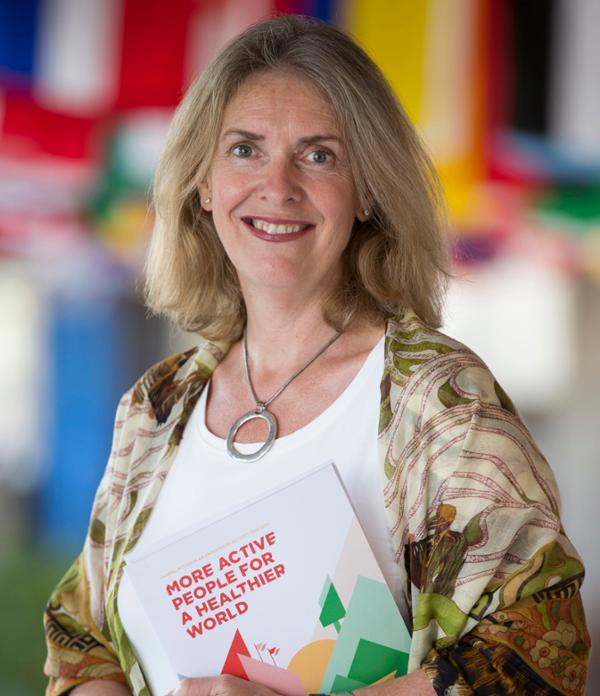
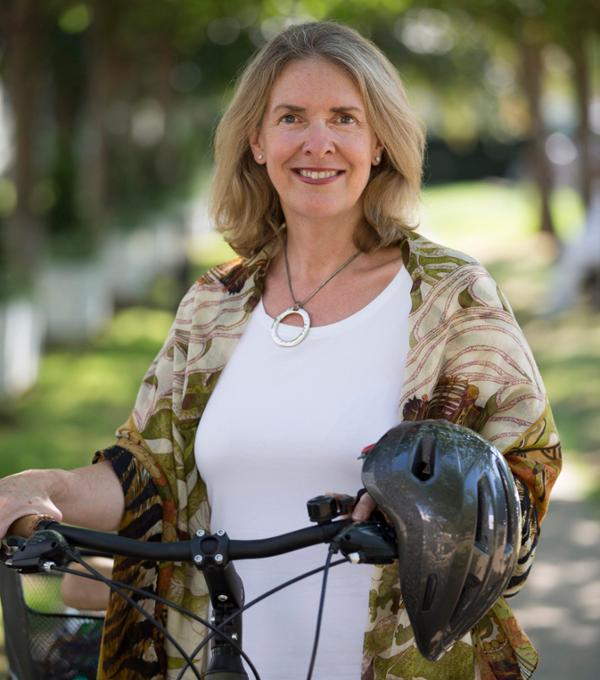
COVID showed how quickly policies could be enacted simply due to necessity, says Bull / photo: World Health Organization
Demonstrating impact is going to be key. Without it, we’re just asking governments for charity

What was the objective of the recent global status report?
The global status report is a follow-up to 2018’s Global Action Plan on Physical Activity 2018–2030 (GAPPA), which laid out the roadmap of recommended policies that countries should implement to increase physical activity.

With four years gone since the launch of GAPPA, and eight years to go to 2030’s sustainable development goals, this was our first real opportunity to see how we’re doing.

The report set out to provide three key things. First, an estimate of the cost to the public health system of not acting on physical activity.

Second, a global stock-take of national progress on implementing the policy recommendations set out in GAPPA. And third, recommendations to countries on the actions needed to recover from the impact of COVID, to accelerate national progress towards GAPPA’s goals.

We had intended to publish a status report sooner but were disrupted by COVID. Instead, we released our Fair Play advocacy brief in 2021, calling on governments to recognise the increasing importance of physical activity for people’s mental and physical health as part of national COVID responses and recovery.

With the extra time this afforded us, we secured more up-to-date data for our status report, as well as using a broader, more thorough set of 29 indicators.

What were the headline findings?
We’ve focused on three take-home messages from the global status report. First, we estimate that US$27bn a year in direct public healthcare costs – or US$300bn by 2030 – could be averted globally by increasing physical activity and preventing an estimated 500 million new cases of non-communicable diseases and mental health conditions by 2030. That US$300bn figure is equivalent to the cost of training around one million medical doctors in the UK or 2.3 million in Brazil.

Sadly, the other take-homes highlight that we aren’t moving fast or far enough to make our desired impact on physical activity by 2030.

Overall progress by countries toward implementing the recommended policies on physical activity has been slow and uneven. Of the 29 policy indicators, 18 are being achieved by fewer than half of countries; only two are being achieved by over three-quarters of the 194 countries in our report.

And as I say, it’s also uneven: the 54 countries in WHO’s European region, for example, are performing better in the majority of indicators than some of the other country regions such as the Americas, Africa and South East Asia. We basically see a gradient in most indicators between high-income and low-income countries.

The third takeaway is that significant gaps exist in policymaking and policy implementation.

Tell us more about the implementation gaps
One of the bright spots of the report is that we’ve made substantial progress in terms of the number of countries having national policies on non-communicable diseases, including prevention through physical activity. There’s far wider recognition now of the role of physical activity in preventing chronic disease.

Sitting so close to this as I do, and wanting so much to change things, progress feels insufficient and grindingly slow. Yet at the same time, we have to recognise that these are not insignificant developments. This widespread move towards having a national physical activity policy is promising and encouraging.

Yet we must recognise that still fewer than half of all countries (46 per cent) have such a policy. And when asked about the implementation and funding of those policies, the figure drops further, with just 38 per cent of countries saying they have an implemented national policy on physical activity.

This is the policy implementation gap, and it is a concern to us. All policymakers across all 194 countries must look at and take stock of their achievements, but also their gaps: the gaps where they can strengthen their own policies and/or look at policy implementation and support.

Because we do know what to do. We know what works. And we know the health, social, environmental and economic benefits that will come from all of this. We now need to move into implementation – into actually doing it. It doesn’t have to be all at once, but countries should look at the key areas where they can make a start, putting in place determined, funded plans for the coming years.

COVID-19 may have diminished our resources: trend data in our report shows that policy implementation dropped even further during the pandemic. But let’s go back to that US$300bn, which we refer to as the cost of inaction. This is how much physical inactivity is costing us. It’s calculated by looking at the direct healthcare costs of all the new cases of chronic disease – attributable to physical inactivity – that we estimate will occur by 2030. Not doing anything is very costly.

So, we have to respond to demand – which has grown further since COVID – by providing more opportunities. That may involve increasing the funding pie, but it’s also about better distributing the current pie.

Where do we start?
We’ve effectively identified five areas to work on. We need governments to strengthen their ownership of the physical activity policies they’re responsible for, along with their leadership and accountability to implement those policies. As an example, we need all ministries of transport to appreciate their contribution to increasing physical activity through walking and cycling. They are the responsible government portfolio sector for this. Meanwhile, the education sector must ensure children have positive experiences in sport and physical activity in school, via quality physical education. We aren’t asking one department to do everything. We’re asking multiple departments to do their bit.

The second is stronger partnerships, which is something we’ve called for many times. Sport and health, but also transport and education, must work better and closer together. There also needs to be more collaboration with communities. It doesn’t have to be top-down; communities know what they need. Joined-up action will deliver the whole system approach that creates opportunities for everyone.

Third, to close the policy-action gap, we need to build the knowledge, competencies, workforce and guidance on how to do it. We need tools that translate high-level policy to really practical, feasible how-to advice.

Fourth, we must address data gaps. Data will inform, guide and allow us to measure progress, yet there are some key indicator gaps that mean we don’t even know what progress we’re making – or not making. For example, we have no data on the provision of quality physical education; a global database does not exist. And that’s just one example. We don’t know what provision and access there is to walking and cycling infrastructure, either, so we can’t track that or guide progress.

The fifth point is the need to review the alignment of financing and funding towards these policies; the implementation gap is no doubt in part due to insufficient funding and prioritisation. If we say we’re going to provide quality physical education and increase walking and cycling infrastructure, the budgets within those government portfolios must match the policy directions. At the moment, we have a mismatch in many countries.

Where does the physical activity sector come in?
Policymakers are our target with GAPPA and this new global status report, but another important audience is the professionals, community members and parents who work with and influence those policymakers.

Things such as national policy, national measurement and monitoring, national targets and national coordination are all enabling factors for better promotion of physical activity, and their impact should filter down to the local level. But in themselves, they don’t change physical activity. They enable the three drivers of physical activity: promotion, places and programmes. We’ve measured these in the report, too: Are we promoting physical activity? Are we planning our environments to create safe places and opportunities for it? Are we creating and providing communities with the programmes they need?

This is certainly where the sport, exercise and physical activity sector comes in, as a vital part of a whole system approach to getting more people active; our Active technical package, released alongside GAPPA in 2018, provides valuable guidance on how to implement the policy recommendations.

This is also where local communities come in, holding governments to account and calling on them to deliver on the policies, directions and targets they’ve written but aren’t currently delivering on. We all need to show concern and commitment to support and help create the spaces, places and communities we want to live in. We all need to create a demand for physical activity.

Any other advice for the fitness sector?
The opportunities for the sector include the enormous workforce that can be mobilised to promote physical activity, both inside and outside of gyms and clubs, to provide more opportunities. But demonstrating impact is also going to be key. Without it, we’re just asking governments for charity.

We’re already good at demonstrating the evident health benefits of physical activity, but we need to strengthen the evidence base around the wider benefits: economic, community, social, environmental. In fact, work is already underway to improve the methodologies used to demonstrate social return on investment, in collaboration with organisations, such as Europe Active.

I also call on the sector to reinvent the ways in which it promotes and provides physical activity to people of all ages and all abilities. I remain disappointed by the sector’s response to date in terms of diversifying employment, so it’s representative of all ages and all abilities, as well as its programmes and services to ensure they meet the needs and interests of more people.

There’s also an opportunity to influence governments’ prioritisation of physical activity and positively shape policy through advocacy. But here it’s vital – for example, in discussions with the UN system and agencies such as the World Health Organization – that the industry has one clear, representative voice that can communicate the roles, directions and responses the sector can provide in promoting physical activity globally. This is my suggestion for the sector.

What are the next steps for your team?
This report is a wake-up call, providing robust evidence of what is and isn’t yet happening, and this allows us to get bolder and clearer in what we’re saying.

We’ll be launching a Register of Commitments as our next major project, asking for the commitments of civil society, academics, industry and non-government organisations to support implementation in their countries.

Maybe that isn’t clear enough; we’re trying to use plainer English at the WHO, not wrapping things up in language that isn’t needed. When we say ‘policy implementation’, what we mean is helping more countries provide more programmes, more opportunities and more safe environments for physical activity for more people.

We want to secure commitments from all those who can help, for example in supporting more local parks, more safe crossings, more cycle lanes, more opportunities to be physically active.

But I think what’s needed now is for us to show action and best practice, to motivate countries and demonstrate that it’s possible. It may seem an overwhelming task – too difficult even – but that’s not the case. As an example, we saw through the COVID-19 pandemic how quickly streetscapes could be changed, providing pop-up cycle lanes and more provision for walking, quite simply because it was needed. We’ve been advocating for this for decades, but when the pressing need was there, it happened within weeks and months.

There are already examples of countries taking positive steps, too, such as French schools adding more PE to the curriculum and Paris creating more walking and cycling areas, all spurred on by the 2024 Olympic Games.

So, we know we can do it. The next task for my team will be to share those positive examples of best practice. That will be one of our next reports.

In the meantime, I would suggest that our global status report shows the urgency and need for all of us to help make sure policy implementation actually happens.

As the Director General of the WHO said at the launch of the global status report: “Let’s get moving”.

WHO: Further reading

• Global Action Plan for Physical Activity 2018-2030 (GAPPA) status report can be downloaded at www.hcmmag.com/gappa

• The Active toolkit is available at www.hcmmag.com/Active and designed to support countries in achieving the goals of GAPPA.

• Download the full global status report and watch a summary video at www.hcmmag.com/StatusReport

• See HCM’s previous interview with Dr Fiona Bull, when GAPPA was launched in 2018 at www.hcmmag.com/FionaBull1
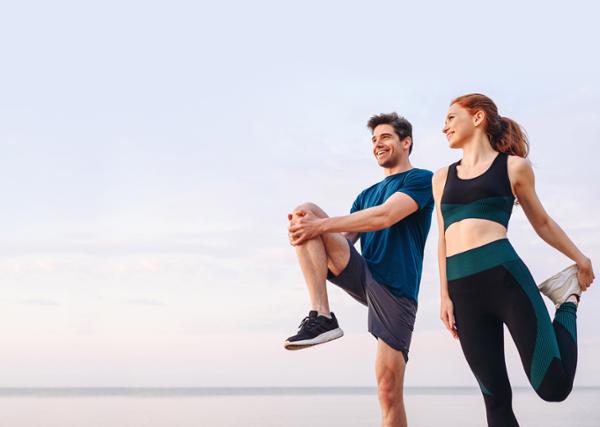
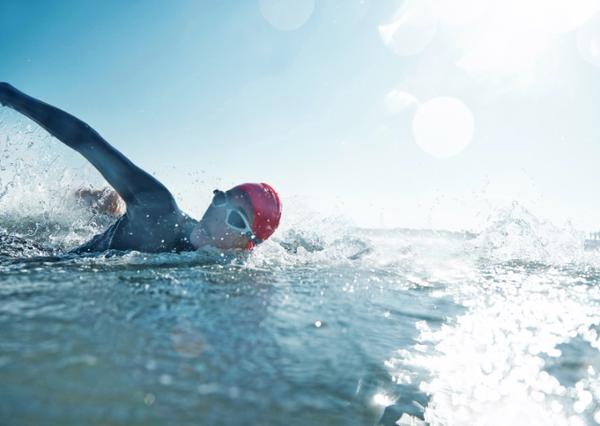
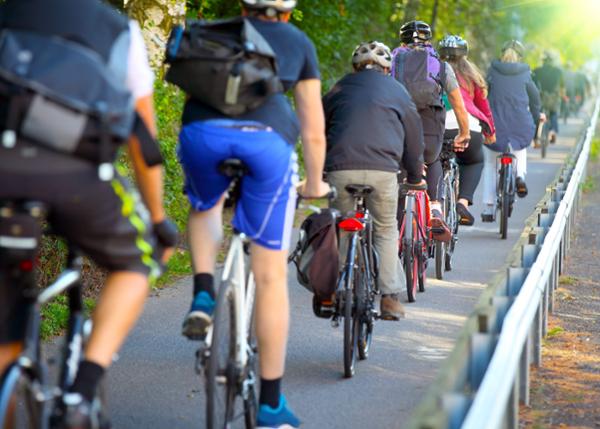
The cost of inactivity is estimated to hit US$300bn in terms of direct impact on healthcare by 2030 / photo: shutterstock/ViDI Studio
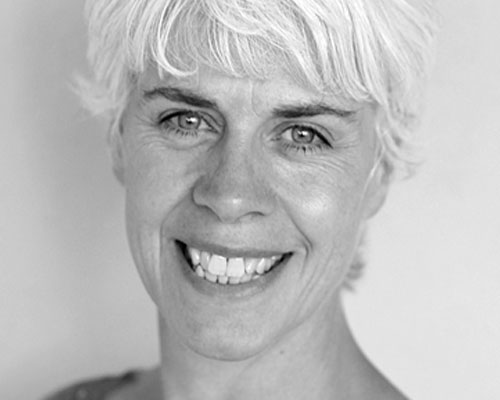
Dr Fiona Bull: ‘It’s vital for the future that the industry has one clear representative voice’ / photo: World Health Organization
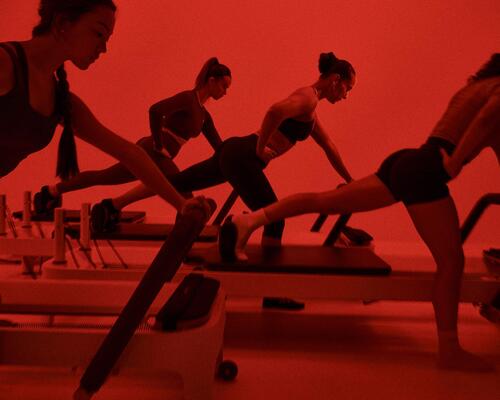
People need to be given more opportunities to be physically active / photo: shutterstock/Mikael Damkier
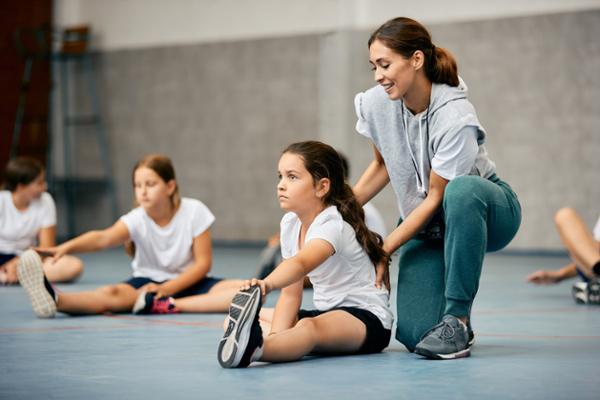
Learning self care must start in schools / photo: shutterstock/Drazen Zigic
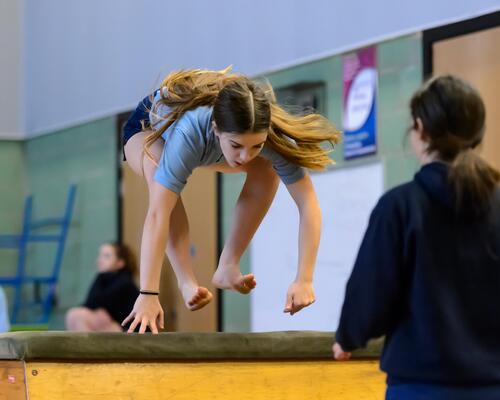
The policy-to-action gap needs to be closed / photo: getty images / Unsplash
https://www.leisureopportunities.co.uk/images/2022/596404_563051.jpg
The head of the World Health Organization’s Physical Activity Unit talks to Kate Cracknell as part of HCM’s partnership with Europe Active
HCM magazine
As the entrepreneur who started Wexer, Fresh Fitness, Fitness DK and Repeat, as well as being a former elite athlete, Rasmus Ingerslev’s life looked perfect from the outside, but onthe inside it was a different story. He talks to Kath Hudson about healing old wounds
HCM magazine
HCM People

Stephen Price

Founder, SP&Co Group
Working in public health over the last few years has lit up parts of my brain again
HCM magazine
For every member with a tripod and a big following, there are others irritated at the way equipment is being hogged or wary they’ll be in the background on someone’s Insta feed. Do influencers offer valuable, free marketing or are they just a nuisance? Kath Hudson finds out how operators are responding
HCM magazine
If the health service is to survive, we must recognise that it is a disease service – and that wellbeing rests with us, says the activity advocate and healthy ageing champion. He talks to Kate Cracknell
HCM magazine
Strength training is evolving, driven by changing consumer preferences. Julie Cramer talks to innovators about how their products are meeting this demand
HCM promotional features
Sponsored
Starpool supports Olympic champion Marcell Jacobs, says Riccardo Turri
HCM promotional features
Sponsored
Greg Bradley looks at the shift towards strength training in gyms and advises on how operators can create the ultimate training environment
HCM promotional features
Sponsored
SnowDome Fitness has added 50 per cent more space with cutting-edge Technogym solutions
HCM promotional features
Sponsored
Third Space partnered with IndigoFitness to deliver a bespoke training space for its new club at The Whiteley
HCM promotional features
Sponsored
David Lloyd is stepping up its commitment to women’s health as it continues to explore what fit-for-purpose looks like for the female population
HCM promotional features
Sponsored
Find out how your gym can tap into the corporate wellness boom
HCM promotional features
Sponsored
EGYM has opened a new HQ in Paternoster Square, London and revealed a range of new launches
HCM promotional features
Sponsored
New launch, Salus House, elevates boutique wellness with high service levels and a partnership with Technogym
HCM promotional features
Promotion
BLK BOX has been reimagining elite performance spaces for more than a decade. Founder and former athlete, Greg Bradley, tells us what it takes
HCM promotional features
Latest News
Sea Lanes Canary Wharf has officially opened. The 50-metre, six-lane pool, which uses the natural ...
Latest News
London-based high-performance fitness club, ONE LDN, is raising funds for a multi-site expansion across London, ...
Latest News
A new brain clinic has opened in London, which uses non-invasive brain stimulation to treat ...
Latest News
Good Boost’s digital exercise programmes are helping adults with MSK at a lower cost than ...
Latest News
With Prime Minister, Keir Starmer, announcing his resignation this morning and Andy Burnham as a ...
Latest News
Koru Health Club launched recently within Luxembourg’s multi-experience destination, GRID X, which combines culture, retail ...
Latest News
Celebrating its 10th anniversary, Elevate has had its busiest show to date, with almost 200 ...
Latest News
A new report from Your Personal Training (YPT) suggests UK gym operators could be missing ...
Opinion
promotion
Strength training has moved from the margins to the mainstream.
Opinion: Building smarter strength spaces for today’s operators
Featured supplier news
Featured supplier news: Cornerstone Connect helps Active Blackpool tackle health inequalities
Active Blackpool is deploying Cornerstone Connect, a new digital interface allowing disparate information from multiple systems to be aggregated into one dataset, to support its focus on reducing health inequalities and improving healthy life expectancy.
Featured supplier news
Featured supplier news: Supporting long-term health: why whole body vibration belongs in clinical settings
As healthcare continues to shift towards prevention, there’s a growing focus on helping people stay active, independent and feeling good for longer.
Company profiles
Company profile: Ziva Strength
Ziva is an elite-performance fitness brand that designs, manufactures, delivers, and services premium resistance training, ...
Company profiles
Company profile: Panatta Srl
Panatta's mission is to create machines that are aesthetically pleasing, functional and competitive in price ...
Supplier Showcases
Supplier Showcase - Future-proofing
Catalogue Gallery
Click on a catalogue to view it online
Featured press releases
Swimming Teachers' Association (STA) press release: The Ripple Effect delivers first success as learners qualify and secure employment
STA's The Ripple Effect initiative has reached an important milestone after learners completed the charity's first fully funded swimming teacher training programme, resulting in seven newly qualified swimming teachers.
Featured press releases
Pulse Fitness press release: Pulse Fitness’ Trakk ecosystem supports Walsall Leisure in driving community engagement and delivering measurable ROI
Pulse Fitness’ digital solution, Trakk, is helping Walsall Council transform community health engagement into measurable outcomes by combining body composition tracking with targeted physical activity interventions.
Directory
Spa and beauty equipment
Living Earth Crafts: Spa and beauty equipment
Lockers
Crown Sports Lockers: Lockers
Water experiences and hydrotherapy solutions
Aquaform s.r.l.: Water experiences and hydrotherapy solutions
Hot tubs
MSpa International Ltd: Hot tubs
Fitness tracking platform
SpiviTech: Fitness tracking platform
Industrial washing machines
Miele Company Limited: Industrial washing machines
Property & Tenders
Stratford, East London.
Lee Valley Regional Park Authority
Property & Tenders
Y Felinheli, LL56 4QN
Newmark
Property & Tenders
Diary dates
22-23 Jun 2026
WX Wakefield , Wakefield, United Kingdom
Diary dates
21-24 Sep 2026
The Langham Huntington Pasadena , Pasadena, United States
Diary dates
06-08 Oct 2026
Messe Stuttgart, Stuttgart, Germany
Diary dates
22-22 Oct 2026
QEII Conference Centre, London,
Diary dates
26-29 Oct 2027
Koelnmesse Exhibition Centre, Cologne, Germany
Diary dates

people

Interview: Dr Fiona Bull

The World Health Organization has published a report charting progress towards its goal of reducing physical inactivity globally by 15 per cent by 2030. The head of its Physical Activity Unit speaks to Kate Cracknell about the findings and implications

Published in Health Club Management 2022 issue 11
COVID showed how quickly policies could be enacted simply due to necessity, says Bull / photo: World Health Organization
Demonstrating impact is going to be key. Without it, we’re just asking governments for charity

What was the objective of the recent global status report?
The global status report is a follow-up to 2018’s Global Action Plan on Physical Activity 2018–2030 (GAPPA), which laid out the roadmap of recommended policies that countries should implement to increase physical activity.

With four years gone since the launch of GAPPA, and eight years to go to 2030’s sustainable development goals, this was our first real opportunity to see how we’re doing.

The report set out to provide three key things. First, an estimate of the cost to the public health system of not acting on physical activity.

Second, a global stock-take of national progress on implementing the policy recommendations set out in GAPPA. And third, recommendations to countries on the actions needed to recover from the impact of COVID, to accelerate national progress towards GAPPA’s goals.

We had intended to publish a status report sooner but were disrupted by COVID. Instead, we released our Fair Play advocacy brief in 2021, calling on governments to recognise the increasing importance of physical activity for people’s mental and physical health as part of national COVID responses and recovery.

With the extra time this afforded us, we secured more up-to-date data for our status report, as well as using a broader, more thorough set of 29 indicators.

What were the headline findings?
We’ve focused on three take-home messages from the global status report. First, we estimate that US$27bn a year in direct public healthcare costs – or US$300bn by 2030 – could be averted globally by increasing physical activity and preventing an estimated 500 million new cases of non-communicable diseases and mental health conditions by 2030. That US$300bn figure is equivalent to the cost of training around one million medical doctors in the UK or 2.3 million in Brazil.

Sadly, the other take-homes highlight that we aren’t moving fast or far enough to make our desired impact on physical activity by 2030.

Overall progress by countries toward implementing the recommended policies on physical activity has been slow and uneven. Of the 29 policy indicators, 18 are being achieved by fewer than half of countries; only two are being achieved by over three-quarters of the 194 countries in our report.

And as I say, it’s also uneven: the 54 countries in WHO’s European region, for example, are performing better in the majority of indicators than some of the other country regions such as the Americas, Africa and South East Asia. We basically see a gradient in most indicators between high-income and low-income countries.

The third takeaway is that significant gaps exist in policymaking and policy implementation.

Tell us more about the implementation gaps
One of the bright spots of the report is that we’ve made substantial progress in terms of the number of countries having national policies on non-communicable diseases, including prevention through physical activity. There’s far wider recognition now of the role of physical activity in preventing chronic disease.

Sitting so close to this as I do, and wanting so much to change things, progress feels insufficient and grindingly slow. Yet at the same time, we have to recognise that these are not insignificant developments. This widespread move towards having a national physical activity policy is promising and encouraging.

Yet we must recognise that still fewer than half of all countries (46 per cent) have such a policy. And when asked about the implementation and funding of those policies, the figure drops further, with just 38 per cent of countries saying they have an implemented national policy on physical activity.

This is the policy implementation gap, and it is a concern to us. All policymakers across all 194 countries must look at and take stock of their achievements, but also their gaps: the gaps where they can strengthen their own policies and/or look at policy implementation and support.

Because we do know what to do. We know what works. And we know the health, social, environmental and economic benefits that will come from all of this. We now need to move into implementation – into actually doing it. It doesn’t have to be all at once, but countries should look at the key areas where they can make a start, putting in place determined, funded plans for the coming years.

COVID-19 may have diminished our resources: trend data in our report shows that policy implementation dropped even further during the pandemic. But let’s go back to that US$300bn, which we refer to as the cost of inaction. This is how much physical inactivity is costing us. It’s calculated by looking at the direct healthcare costs of all the new cases of chronic disease – attributable to physical inactivity – that we estimate will occur by 2030. Not doing anything is very costly.

So, we have to respond to demand – which has grown further since COVID – by providing more opportunities. That may involve increasing the funding pie, but it’s also about better distributing the current pie.

Where do we start?
We’ve effectively identified five areas to work on. We need governments to strengthen their ownership of the physical activity policies they’re responsible for, along with their leadership and accountability to implement those policies. As an example, we need all ministries of transport to appreciate their contribution to increasing physical activity through walking and cycling. They are the responsible government portfolio sector for this. Meanwhile, the education sector must ensure children have positive experiences in sport and physical activity in school, via quality physical education. We aren’t asking one department to do everything. We’re asking multiple departments to do their bit.

The second is stronger partnerships, which is something we’ve called for many times. Sport and health, but also transport and education, must work better and closer together. There also needs to be more collaboration with communities. It doesn’t have to be top-down; communities know what they need. Joined-up action will deliver the whole system approach that creates opportunities for everyone.

Third, to close the policy-action gap, we need to build the knowledge, competencies, workforce and guidance on how to do it. We need tools that translate high-level policy to really practical, feasible how-to advice.

Fourth, we must address data gaps. Data will inform, guide and allow us to measure progress, yet there are some key indicator gaps that mean we don’t even know what progress we’re making – or not making. For example, we have no data on the provision of quality physical education; a global database does not exist. And that’s just one example. We don’t know what provision and access there is to walking and cycling infrastructure, either, so we can’t track that or guide progress.

The fifth point is the need to review the alignment of financing and funding towards these policies; the implementation gap is no doubt in part due to insufficient funding and prioritisation. If we say we’re going to provide quality physical education and increase walking and cycling infrastructure, the budgets within those government portfolios must match the policy directions. At the moment, we have a mismatch in many countries.

Where does the physical activity sector come in?
Policymakers are our target with GAPPA and this new global status report, but another important audience is the professionals, community members and parents who work with and influence those policymakers.

Things such as national policy, national measurement and monitoring, national targets and national coordination are all enabling factors for better promotion of physical activity, and their impact should filter down to the local level. But in themselves, they don’t change physical activity. They enable the three drivers of physical activity: promotion, places and programmes. We’ve measured these in the report, too: Are we promoting physical activity? Are we planning our environments to create safe places and opportunities for it? Are we creating and providing communities with the programmes they need?

This is certainly where the sport, exercise and physical activity sector comes in, as a vital part of a whole system approach to getting more people active; our Active technical package, released alongside GAPPA in 2018, provides valuable guidance on how to implement the policy recommendations.

This is also where local communities come in, holding governments to account and calling on them to deliver on the policies, directions and targets they’ve written but aren’t currently delivering on. We all need to show concern and commitment to support and help create the spaces, places and communities we want to live in. We all need to create a demand for physical activity.

Any other advice for the fitness sector?
The opportunities for the sector include the enormous workforce that can be mobilised to promote physical activity, both inside and outside of gyms and clubs, to provide more opportunities. But demonstrating impact is also going to be key. Without it, we’re just asking governments for charity.

We’re already good at demonstrating the evident health benefits of physical activity, but we need to strengthen the evidence base around the wider benefits: economic, community, social, environmental. In fact, work is already underway to improve the methodologies used to demonstrate social return on investment, in collaboration with organisations, such as Europe Active.

I also call on the sector to reinvent the ways in which it promotes and provides physical activity to people of all ages and all abilities. I remain disappointed by the sector’s response to date in terms of diversifying employment, so it’s representative of all ages and all abilities, as well as its programmes and services to ensure they meet the needs and interests of more people.

There’s also an opportunity to influence governments’ prioritisation of physical activity and positively shape policy through advocacy. But here it’s vital – for example, in discussions with the UN system and agencies such as the World Health Organization – that the industry has one clear, representative voice that can communicate the roles, directions and responses the sector can provide in promoting physical activity globally. This is my suggestion for the sector.

What are the next steps for your team?
This report is a wake-up call, providing robust evidence of what is and isn’t yet happening, and this allows us to get bolder and clearer in what we’re saying.

We’ll be launching a Register of Commitments as our next major project, asking for the commitments of civil society, academics, industry and non-government organisations to support implementation in their countries.

Maybe that isn’t clear enough; we’re trying to use plainer English at the WHO, not wrapping things up in language that isn’t needed. When we say ‘policy implementation’, what we mean is helping more countries provide more programmes, more opportunities and more safe environments for physical activity for more people.

We want to secure commitments from all those who can help, for example in supporting more local parks, more safe crossings, more cycle lanes, more opportunities to be physically active.

But I think what’s needed now is for us to show action and best practice, to motivate countries and demonstrate that it’s possible. It may seem an overwhelming task – too difficult even – but that’s not the case. As an example, we saw through the COVID-19 pandemic how quickly streetscapes could be changed, providing pop-up cycle lanes and more provision for walking, quite simply because it was needed. We’ve been advocating for this for decades, but when the pressing need was there, it happened within weeks and months.

There are already examples of countries taking positive steps, too, such as French schools adding more PE to the curriculum and Paris creating more walking and cycling areas, all spurred on by the 2024 Olympic Games.

So, we know we can do it. The next task for my team will be to share those positive examples of best practice. That will be one of our next reports.

In the meantime, I would suggest that our global status report shows the urgency and need for all of us to help make sure policy implementation actually happens.

As the Director General of the WHO said at the launch of the global status report: “Let’s get moving”.

WHO: Further reading

• Global Action Plan for Physical Activity 2018-2030 (GAPPA) status report can be downloaded at www.hcmmag.com/gappa

• The Active toolkit is available at www.hcmmag.com/Active and designed to support countries in achieving the goals of GAPPA.

• Download the full global status report and watch a summary video at www.hcmmag.com/StatusReport

• See HCM’s previous interview with Dr Fiona Bull, when GAPPA was launched in 2018 at www.hcmmag.com/FionaBull1
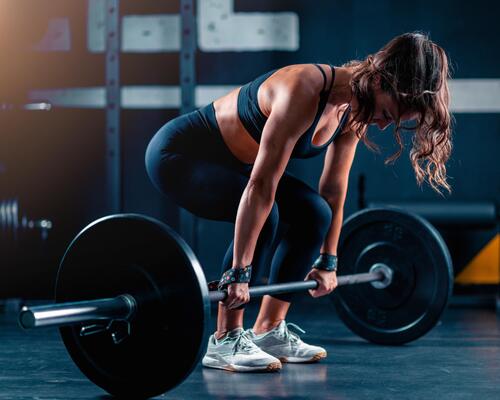
The cost of inactivity is estimated to hit US$300bn in terms of direct impact on healthcare by 2030 / photo: shutterstock/ViDI Studio
Dr Fiona Bull: ‘It’s vital for the future that the industry has one clear representative voice’ / photo: World Health Organization
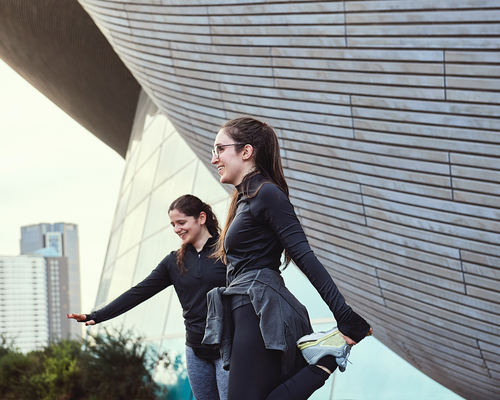
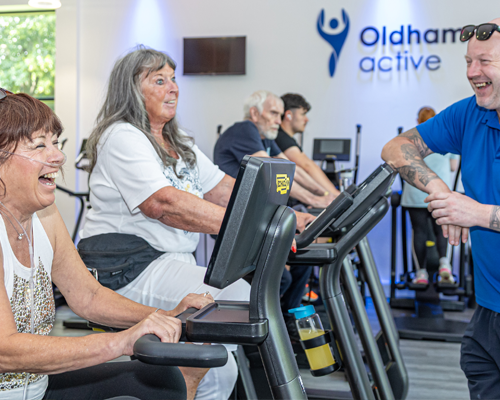
People need to be given more opportunities to be physically active / photo: shutterstock/Mikael Damkier
Learning self care must start in schools / photo: shutterstock/Drazen Zigic
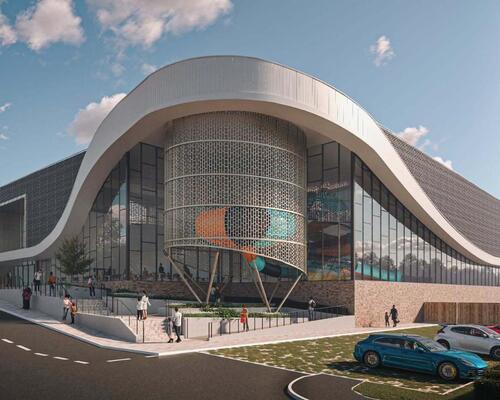
The policy-to-action gap needs to be closed / photo: getty images / Unsplash
https://www.leisureopportunities.co.uk/images/2022/596404_563051.jpg
The head of the World Health Organization’s Physical Activity Unit talks to Kate Cracknell as part of HCM’s partnership with Europe Active
Latest News
Sea Lanes Canary Wharf has officially opened. The 50-metre, six-lane pool, which uses the natural ...
Latest News
London-based high-performance fitness club, ONE LDN, is raising funds for a multi-site expansion across London, ...
Latest News
A new brain clinic has opened in London, which uses non-invasive brain stimulation to treat ...
Latest News
Good Boost’s digital exercise programmes are helping adults with MSK at a lower cost than ...
Latest News
With Prime Minister, Keir Starmer, announcing his resignation this morning and Andy Burnham as a ...
Latest News
Koru Health Club launched recently within Luxembourg’s multi-experience destination, GRID X, which combines culture, retail ...
Latest News
Celebrating its 10th anniversary, Elevate has had its busiest show to date, with almost 200 ...
Latest News
A new report from Your Personal Training (YPT) suggests UK gym operators could be missing ...
Latest News
Eighty-four per cent of consumers now say wellness is a top priority in their lives, ...
Latest News
Elevate Arena is underway at London's Excel and the hot topic of AI was the ...
Latest News
PureGym Group has announced that group chief financial officer, Alex Wood, is taking over the ...
Opinion
promotion
Strength training has moved from the margins to the mainstream.
Opinion: Building smarter strength spaces for today’s operators
Featured supplier news
Featured supplier news: Cornerstone Connect helps Active Blackpool tackle health inequalities
Active Blackpool is deploying Cornerstone Connect, a new digital interface allowing disparate information from multiple systems to be aggregated into one dataset, to support its focus on reducing health inequalities and improving healthy life expectancy.
Featured supplier news
Featured supplier news: Supporting long-term health: why whole body vibration belongs in clinical settings
As healthcare continues to shift towards prevention, there’s a growing focus on helping people stay active, independent and feeling good for longer.
Company profiles
Company profile: Ziva Strength
Ziva is an elite-performance fitness brand that designs, manufactures, delivers, and services premium resistance training, ...
Company profiles
Company profile: Panatta Srl
Panatta's mission is to create machines that are aesthetically pleasing, functional and competitive in price ...
Supplier Showcases
Supplier Showcase - Future-proofing
Catalogue Gallery
Click on a catalogue to view it online
Featured press releases
Swimming Teachers' Association (STA) press release: The Ripple Effect delivers first success as learners qualify and secure employment
STA's The Ripple Effect initiative has reached an important milestone after learners completed the charity's first fully funded swimming teacher training programme, resulting in seven newly qualified swimming teachers.
Featured press releases
Pulse Fitness press release: Pulse Fitness’ Trakk ecosystem supports Walsall Leisure in driving community engagement and delivering measurable ROI
Pulse Fitness’ digital solution, Trakk, is helping Walsall Council transform community health engagement into measurable outcomes by combining body composition tracking with targeted physical activity interventions.
Directory
Spa and beauty equipment
Living Earth Crafts: Spa and beauty equipment
Lockers
Crown Sports Lockers: Lockers
Water experiences and hydrotherapy solutions
Aquaform s.r.l.: Water experiences and hydrotherapy solutions
Hot tubs
MSpa International Ltd: Hot tubs
Fitness tracking platform
SpiviTech: Fitness tracking platform
Industrial washing machines
Miele Company Limited: Industrial washing machines
Property & Tenders
Stratford, East London.
Lee Valley Regional Park Authority
Property & Tenders
Y Felinheli, LL56 4QN
Newmark
Property & Tenders
Diary dates
22-23 Jun 2026
WX Wakefield , Wakefield, United Kingdom
Diary dates
21-24 Sep 2026
The Langham Huntington Pasadena , Pasadena, United States
Diary dates
06-08 Oct 2026
Messe Stuttgart, Stuttgart, Germany
Diary dates
22-22 Oct 2026
QEII Conference Centre, London,
Diary dates
26-29 Oct 2027
Koelnmesse Exhibition Centre, Cologne, Germany
Diary dates
Search news, features & products:
Find a supplier:
Partner sites