















The Leisure Media Company Ltd
Follow Health Club Management on Twitter Like Health Club Management on Facebook Join the discussion with Health Club Management on LinkedIn
FITNESS, HEALTH, WELLNESS

features

Wellness: Well at work

Absenteeism and presenteeism is taking a huge economic toll, with musculoskeletal problems and poor mental health the biggest issues. Can workplace wellness make a difference? Kath Hudson investigates

Published in Health Club Management 2024 issue 2
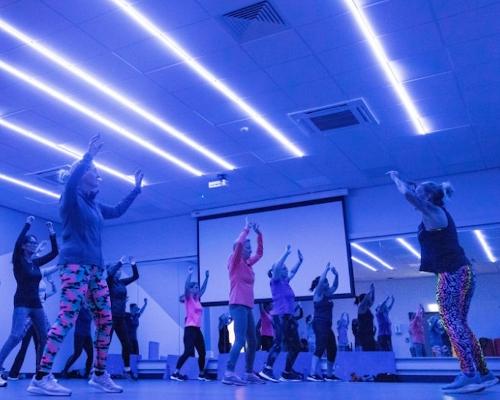
Workplace wellness programmes can embed life-changing healthy habits / photo: SP&CO

According to Statista, 2.8 million people in the UK were not working due to long-term sickness in November 2023. This is a considerable increase since 2019, when 1.97 million were economically inactive for this reason.

The Health Foundation has calculated that worsening working-age health since early 2020 is adding £16bn to annual borrowing through higher welfare spending and foregone tax receipts.

Research by Vitality has shown that presenteeism – the term for working while ill with an impaired performance – has also increased and is strongly related to non-communicable diseases, such as diabetes, heart disease and kidney disease. Much of this ill-health is attributable to poor lifestyle behaviours, including inactivity and poor diets.

As health risks are interrelated and individuals who are risk of physical inactivity and poor diets are more likely to be at risk for chronic conditions as well, a large proportion of total work impairment is concentrated within a small segment of the population.

With the UK the only G7 economy yet to return to pre-pandemic levels, could workplace wellness help solve this problem? We ask the experts...

Stephen Price
SP&Co Group
Stephen Price / photo: SP&CO GROUP

The rise of muscloskeletal and lifestyle-related disease and mental wellbeing challenges pose a threat to an already stagnant workforce. Although there are bigger policy plays around public health, the health and fitness industry has an opportunity to play a significant role in workforce wellbeing.

I believe the whole longitudinal health market is the responsibility of the health and fitness industry – a responsibility we’ve never taken on with much success. Living/working better is a day-to-day mechanism and presents an enormous opportunity for the sector to support both individuals and whole communities to be active and positive for their whole life.

Ironically the majority of operators simply don’t work a values-based model and certainly don’t take the mantle on.

Ultimately, operators should be the flag-bearers of prevention, but we’re so far away from this. Weaknesses include lack of collaboration, lack of focus on meaningful health changes in the communities we work with, lack of education and training for our workforce in understanding longitudinal health and our role in health care.

There are some incredible operators from large through to boutique, but there isn’t a common values-based mission for the industry and until there is, the democratising of basic health and fitness knowledge, empowerment and support will not exist.

The medical community is crying out for support in this area. They want to be able to de-medicalise patients that simply shouldn’t be patients and also help communities de-risk and health and fitness operators should be playing a major role in supporting the NHS and thereby the health of he nation.

I’m hopeful policy makers will come together to provide guidance relating to models of care that can help operators and the industry as a whole fill the void that currently exists.

www.spandco.co.uk

I believe the whole longitudinal health market is the responsibility of the health and fitness industry
Eamon Lloyd
Gympass
Eamon Lloyd

The pandemic disrupted our interaction with healthcare. Routine check-ups, chronic disease management and mental health support were neglected and as a result, we’re seeing people developing long-term health concerns that are preventing them from working.

There are a number of ways we can work together to change the narrative. It starts with refocusing our understanding of workplace benefits from reactive to proactive. Many Gympass clients are acknowledging the need to put the emphasis on keeping staff healthier and active before a crisis occurs.

The health of our nation’s workforce could be improved with a few interventions: better education around symptoms, destigmatisation of mental ill health and signposting ways to get help. Supporting people to become active by removing barriers and building a culture of wellness within the workplace would empower people to prioritise their health and ensure they seek help before they reach crisis point.

There are two routes gym operators can take to support people. Firstly, by promoting preventative health, including the provision of options that target the needs, and budgets, of as many people as possible.

Secondly, recognising the holistic wellbeing of an individual and providing as much information as possible to empower them to make informed choices about their health, for example with packages that explore topics such as nutrition, stress management, sleep hygiene and injury prevention.

By supporting people holistically, and providing preventative care we can keep people healthy and in work.

www.gympass.com

Supporting people to become active would empower people to prioritise their health and ensure they seek help before they reach crisis point
Workplace wellness programmes can link to activities in the gym / photo: Shutterstock / Max4e Photo
Emma Vivo
Epassi (formerly Incorpore)
Emma Vivo / Photo: EPASSI

Many risk factors of ill health are socially patterned and have multiple causes, such as inequalities in income, education, access to green spaces, healthy food and clean air. Although I don’t have the expertise to propose solutions to the big issues, I believe the fitness sector is in a prime position to deliver the message that prevention is always better than cure. This may be something that’s acknowledged in the sector, but there’s more we can do to deliver.

Operators are already playing an important role within the community and continued training to improve knowledge is critical, as delivering improved outcomes fosters loyalty and trust in the sector. We also see consumer demand changing and health and fitness operators must continually innovate to align with this.

I’m pleased to see many introducing mindfulness classes, as work-related stress and burnout are increasingly common reasons for employee absences. According to People Management one in five workers reported taking time off in the last year because of poor mental health caused by pressure at work, however, mindfulness classes can help build resilience to counter this.

Operators could reach out to local businesses, inviting them to trial meditation, relaxation or focused breathwork classes, or even deliver a workshop on the importance and benefits of mindfulness and self-care.

Working with local doctors’ surgeries to maximise GP referral schemes is an effective way of facilitating quicker recovery for people with an existing health condition and preventing these from worsening. UK Active has reported that 21 per cent of people with an existing health condition would rather receive support for their condition in a gym or leisure centre than a hospital setting.

Each year, we deliver more than half a million health club memberships to our network of fitness partners. Although there’s still work to do, by encouraging employees to exercise regularly, membership by membership, we’re contributing to the wellbeing of the working population.

www.incorpore.co.uk

The fitness sector is in a prime position to deliver the message that prevention is always better than cure
Prevention is better than cure should be the main message for the sector / photo: Shutterstock / Andrey_Popov
Oli Patrick
Pillar Wellbeing
Oli Patrick / Photo: FUTURE PRACTISE

Organisations are facing a range of social and environmental shifts that are far beyond the pace of their business development. An employee might be citing burnout when they’re working the same hours they worked 20 years ago, but back then they didn’t go home to global 24-hour news cycles; 1,000 lives better than theirs on Instagram, ultra-processed food and perpetual blue light.

There’s a huge opportunity for the health and fitness sector to make a compelling commercial case to the corporate sector. Behaviour change is the only meaningful way to influence health markers and productivity and no other profession can deliver habitual change across movement, nutrition and sleep like the health and fitness profession.

An estimated £4.17 billion is lost in the UK each year as a result of absenteeism and that’s not taking into account presenteeism. Looking at the Health and Safety at Work 2022 statistics, 51 per cent of new or long-term sickness is due to stress, anxiety or depression; 27 per cent is caused by musculoskeletal problems and the remaining 22 per cent comprise a multitude of conditions where lifestyle may play a role in preventing return to work.

Improving cardiovascular fitness, movement quality and muscle mass would immediately make an impact on the health of the workforce. We have incredible data around the power of exercise to be more effective than antidepressants at a certain level and musculoskeletal problems are largely a disease of being sedentary.

Organisations are spending huge amounts of money on return-to-work schemes, when they would be better off investing in maintaining the health of their workforce as part of their core offering.

Some organisations have taken it upon themselves to do health checks for their people – such as blood pressure monitoring – to see if they have specific health issues, rather than creating an overall wellness environment and using a preventative approach to ensure they have the best opportunity to be healthy. This is where the fitness industry can play a significant role.

The core skills are already in place in the sector to partner with corporates and improve the health of the workforce, but there are a few challenges. The word fitness is one: we need to use the term wellbeing and recognise that outside the gym environment, body aesthetics are less important. There is also the challenge of speaking to those who are inactive because they feel excluded from exercise because of school sport. Much bigger traction will come if we talk about movement beyond the concept of fitness; nutrition, but not sports nutrition, as well as sleep and stress.

www.pillarwellbeing.com

There’s a huge opportunity for the health and fitness sector to make a compelling commercial case to the corporate sector
Workplace wellness programmes have huge value for corporations / photo: PILLAR WELLBEING
https://www.leisureopportunities.co.uk/images/2024/926216_491916.jpg
As absenteeism continues to take a huge economic toll, with musculoskeletal problems and poor mental health the biggest issues, can workplace wellness really make a difference, asks Kath Hudson?
HCM magazine
As the entrepreneur who started Wexer, Fresh Fitness, Fitness DK and Repeat, as well as being a former elite athlete, Rasmus Ingerslev’s life looked perfect from the outside, but onthe inside it was a different story. He talks to Kath Hudson about healing old wounds
HCM magazine
If the health service is to survive, we must recognise that it is a disease service – and that wellbeing rests with us, says the activity advocate and healthy ageing champion. He talks to Kate Cracknell
HCM magazine
Strength training is evolving, driven by changing consumer preferences. Julie Cramer talks to innovators about how their products are meeting this demand
HCM magazine
For every member with a tripod and a big following, there are others irritated at the way equipment is being hogged or wary they’ll be in the background on someone’s Insta feed. Do influencers offer valuable, free marketing or are they just a nuisance? Kath Hudson finds out how operators are responding
HCM magazine
Raphael Cuomo explores the powerful link between addiction, health and behaviour change
HCM promotional features
Sponsored
David Lloyd is stepping up its commitment to women’s health as it continues to explore what fit-for-purpose looks like for the female population
HCM promotional features
Sponsored
Greg Bradley looks at the shift towards strength training in gyms and advises on how operators can create the ultimate training environment
HCM promotional features
Sponsored
Starpool supports Olympic champion Marcell Jacobs, says Riccardo Turri
HCM promotional features
Sponsored
SnowDome Fitness has added 50 per cent more space with cutting-edge Technogym solutions
HCM promotional features
Sponsored
Find out how your gym can tap into the corporate wellness boom
HCM promotional features
Sponsored
Third Space partnered with IndigoFitness to deliver a bespoke training space for its new club at The Whiteley
HCM promotional features
Sponsored
EGYM has opened a new HQ in Paternoster Square, London and revealed a range of new launches
HCM promotional features
Sponsored
Active IQ is calling for greater accountability in online fitness advice with the launch of a new trustmark
HCM promotional features
Sponsored
New launch, Salus House, elevates boutique wellness with high service levels and a partnership with Technogym
HCM promotional features
Latest News
Nuffield Health has told HCM that it takes its responsibilities towards its colleagues seriously and ...
Latest News
Technogym has announced the launch of the Run X World Treadmill Championship, the first world ...
Latest News
Shocked by the UK loneliness statistics, charitable trust Mytime Active has been doubling down on ...
Latest News
Portugal’s leading operator, SC Fitness, is celebrating a milestone by reaching 100 gyms.  The company ...
Latest News
Australia’s fast-growing fitness network, Viva Leisure, is adding a low-cost gym brand to its already ...
Latest News
Speedflex has launched a strength training programme for 10 to 16-year-olds, to make it safer, ...
Latest News
Tewinbury Farm Hotel in Hertfordshire, UK is expanding its premium leisure proposition with the launch ...
Latest News

Work is underway in Madrid on one of Europe’s most significant multi-functional complexes, ...

Opinion
promotion
Strength training has moved from the margins to the mainstream.
Opinion: Building smarter strength spaces for today’s operators
Featured supplier news
Featured supplier news: Reaching the people most gyms miss: Bedford Gym & Swim Campaign delivers 410 new members
One of the biggest mistakes the fitness industry still makes is advertising almost exclusively to people who already look and live like gym members.
Featured supplier news
Featured supplier news: W3Fit EMEA celebrates its fifth anniversary
Celebrating its milestone 5th anniversary, W3Fit EMEA returns in 2026 with an unmissable gathering of the Health & Fitness industry’s most influential leaders.
Company profiles
Company profile: Fold
Fold is the company behind the UK's leading at home foldable reformer pilates bed, bringing ...
Company profiles
Company profile: Sprung Gym Flooring
Sprung Gym Flooring a trusted brand who specialise in high-performance, durable, non-slip rubber gym flooring, ...
Supplier Showcases
Supplier Showcase - Future-proofing
Catalogue Gallery
Click on a catalogue to view it online
Featured press releases
GYMNATION press release: Massive ‘Good Luck’ message appears in Saudi Desert as Green Falcons head to World Cup
Passengers flying out of Riyadh this week have been treated to an extraordinary sight from the skies after GymNation unveiled a giant desert sand mural supporting the Saudi Arabia National Football Team ahead of the FIFA World Cup in the United States.
Featured press releases
BLK BOX press release: BLK BOX strengthens European growth with the appointment of Germany country manager Timo Garrels
BLK BOX is proud to welcome Timo Garrels as Germany country manager, marking another important step in the brand’s continued growth across Europe.
Directory
Industrial washing machines
Miele Company Limited: Industrial washing machines
Spa and beauty equipment
Oakworks Inc: Spa and beauty equipment
Hot tubs
MSpa International Ltd: Hot tubs
Water experiences and hydrotherapy solutions
Aquaform s.r.l.: Water experiences and hydrotherapy solutions
Lockers
Crown Sports Lockers: Lockers
Fitness tracking platform
SpiviTech: Fitness tracking platform
Property & Tenders
Stratford, East London.
Lee Valley Regional Park Authority
Property & Tenders
Y Felinheli, LL56 4QN
Newmark
Property & Tenders
Diary dates
13-13 Jun 2026
Worldwide, Various,
Diary dates
21-24 Sep 2026
The Langham Huntington Pasadena , Pasadena, United States
Diary dates
06-08 Oct 2026
Messe Stuttgart, Stuttgart, Germany
Diary dates
22-22 Oct 2026
QEII Conference Centre, London,
Diary dates
26-29 Oct 2027
Koelnmesse Exhibition Centre, Cologne, Germany
Diary dates

features

Wellness: Well at work

Absenteeism and presenteeism is taking a huge economic toll, with musculoskeletal problems and poor mental health the biggest issues. Can workplace wellness make a difference? Kath Hudson investigates

Published in Health Club Management 2024 issue 2
Workplace wellness programmes can embed life-changing healthy habits / photo: SP&CO

According to Statista, 2.8 million people in the UK were not working due to long-term sickness in November 2023. This is a considerable increase since 2019, when 1.97 million were economically inactive for this reason.

The Health Foundation has calculated that worsening working-age health since early 2020 is adding £16bn to annual borrowing through higher welfare spending and foregone tax receipts.

Research by Vitality has shown that presenteeism – the term for working while ill with an impaired performance – has also increased and is strongly related to non-communicable diseases, such as diabetes, heart disease and kidney disease. Much of this ill-health is attributable to poor lifestyle behaviours, including inactivity and poor diets.

As health risks are interrelated and individuals who are risk of physical inactivity and poor diets are more likely to be at risk for chronic conditions as well, a large proportion of total work impairment is concentrated within a small segment of the population.

With the UK the only G7 economy yet to return to pre-pandemic levels, could workplace wellness help solve this problem? We ask the experts...

Stephen Price
SP&Co Group
Stephen Price / photo: SP&CO GROUP

The rise of muscloskeletal and lifestyle-related disease and mental wellbeing challenges pose a threat to an already stagnant workforce. Although there are bigger policy plays around public health, the health and fitness industry has an opportunity to play a significant role in workforce wellbeing.

I believe the whole longitudinal health market is the responsibility of the health and fitness industry – a responsibility we’ve never taken on with much success. Living/working better is a day-to-day mechanism and presents an enormous opportunity for the sector to support both individuals and whole communities to be active and positive for their whole life.

Ironically the majority of operators simply don’t work a values-based model and certainly don’t take the mantle on.

Ultimately, operators should be the flag-bearers of prevention, but we’re so far away from this. Weaknesses include lack of collaboration, lack of focus on meaningful health changes in the communities we work with, lack of education and training for our workforce in understanding longitudinal health and our role in health care.

There are some incredible operators from large through to boutique, but there isn’t a common values-based mission for the industry and until there is, the democratising of basic health and fitness knowledge, empowerment and support will not exist.

The medical community is crying out for support in this area. They want to be able to de-medicalise patients that simply shouldn’t be patients and also help communities de-risk and health and fitness operators should be playing a major role in supporting the NHS and thereby the health of he nation.

I’m hopeful policy makers will come together to provide guidance relating to models of care that can help operators and the industry as a whole fill the void that currently exists.

www.spandco.co.uk

I believe the whole longitudinal health market is the responsibility of the health and fitness industry
Eamon Lloyd
Gympass
Eamon Lloyd

The pandemic disrupted our interaction with healthcare. Routine check-ups, chronic disease management and mental health support were neglected and as a result, we’re seeing people developing long-term health concerns that are preventing them from working.

There are a number of ways we can work together to change the narrative. It starts with refocusing our understanding of workplace benefits from reactive to proactive. Many Gympass clients are acknowledging the need to put the emphasis on keeping staff healthier and active before a crisis occurs.

The health of our nation’s workforce could be improved with a few interventions: better education around symptoms, destigmatisation of mental ill health and signposting ways to get help. Supporting people to become active by removing barriers and building a culture of wellness within the workplace would empower people to prioritise their health and ensure they seek help before they reach crisis point.

There are two routes gym operators can take to support people. Firstly, by promoting preventative health, including the provision of options that target the needs, and budgets, of as many people as possible.

Secondly, recognising the holistic wellbeing of an individual and providing as much information as possible to empower them to make informed choices about their health, for example with packages that explore topics such as nutrition, stress management, sleep hygiene and injury prevention.

By supporting people holistically, and providing preventative care we can keep people healthy and in work.


www.gympass.com

Supporting people to become active would empower people to prioritise their health and ensure they seek help before they reach crisis point
Workplace wellness programmes can link to activities in the gym / photo: Shutterstock / Max4e Photo
Emma Vivo
Epassi (formerly Incorpore)
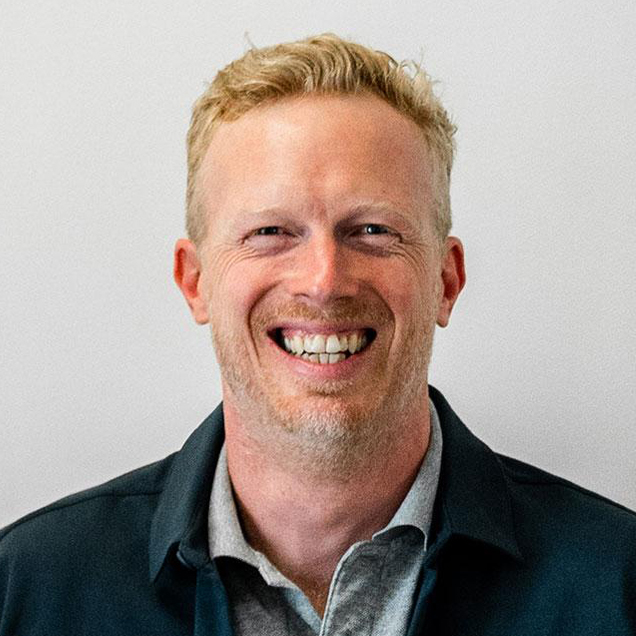
Emma Vivo / Photo: EPASSI

Many risk factors of ill health are socially patterned and have multiple causes, such as inequalities in income, education, access to green spaces, healthy food and clean air. Although I don’t have the expertise to propose solutions to the big issues, I believe the fitness sector is in a prime position to deliver the message that prevention is always better than cure. This may be something that’s acknowledged in the sector, but there’s more we can do to deliver.

Operators are already playing an important role within the community and continued training to improve knowledge is critical, as delivering improved outcomes fosters loyalty and trust in the sector. We also see consumer demand changing and health and fitness operators must continually innovate to align with this.

I’m pleased to see many introducing mindfulness classes, as work-related stress and burnout are increasingly common reasons for employee absences. According to People Management one in five workers reported taking time off in the last year because of poor mental health caused by pressure at work, however, mindfulness classes can help build resilience to counter this.

Operators could reach out to local businesses, inviting them to trial meditation, relaxation or focused breathwork classes, or even deliver a workshop on the importance and benefits of mindfulness and self-care.

Working with local doctors’ surgeries to maximise GP referral schemes is an effective way of facilitating quicker recovery for people with an existing health condition and preventing these from worsening. UK Active has reported that 21 per cent of people with an existing health condition would rather receive support for their condition in a gym or leisure centre than a hospital setting.

Each year, we deliver more than half a million health club memberships to our network of fitness partners. Although there’s still work to do, by encouraging employees to exercise regularly, membership by membership, we’re contributing to the wellbeing of the working population.

www.incorpore.co.uk

The fitness sector is in a prime position to deliver the message that prevention is always better than cure
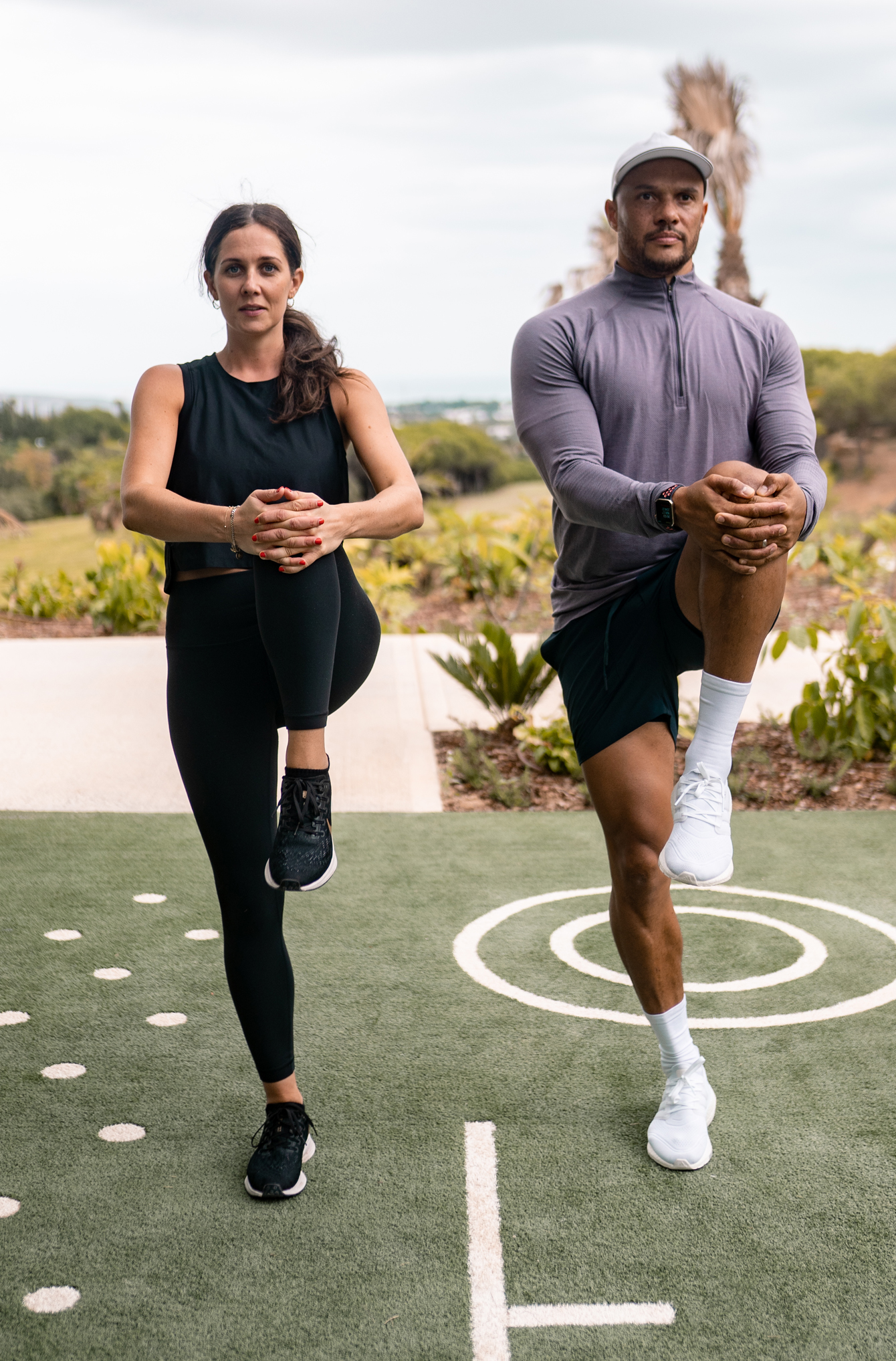
Prevention is better than cure should be the main message for the sector / photo: Shutterstock / Andrey_Popov
Oli Patrick
Pillar Wellbeing
Oli Patrick / Photo: FUTURE PRACTISE

Organisations are facing a range of social and environmental shifts that are far beyond the pace of their business development. An employee might be citing burnout when they’re working the same hours they worked 20 years ago, but back then they didn’t go home to global 24-hour news cycles; 1,000 lives better than theirs on Instagram, ultra-processed food and perpetual blue light.

There’s a huge opportunity for the health and fitness sector to make a compelling commercial case to the corporate sector. Behaviour change is the only meaningful way to influence health markers and productivity and no other profession can deliver habitual change across movement, nutrition and sleep like the health and fitness profession.

An estimated £4.17 billion is lost in the UK each year as a result of absenteeism and that’s not taking into account presenteeism. Looking at the Health and Safety at Work 2022 statistics, 51 per cent of new or long-term sickness is due to stress, anxiety or depression; 27 per cent is caused by musculoskeletal problems and the remaining 22 per cent comprise a multitude of conditions where lifestyle may play a role in preventing return to work.

Improving cardiovascular fitness, movement quality and muscle mass would immediately make an impact on the health of the workforce. We have incredible data around the power of exercise to be more effective than antidepressants at a certain level and musculoskeletal problems are largely a disease of being sedentary.

Organisations are spending huge amounts of money on return-to-work schemes, when they would be better off investing in maintaining the health of their workforce as part of their core offering.

Some organisations have taken it upon themselves to do health checks for their people – such as blood pressure monitoring – to see if they have specific health issues, rather than creating an overall wellness environment and using a preventative approach to ensure they have the best opportunity to be healthy. This is where the fitness industry can play a significant role.

The core skills are already in place in the sector to partner with corporates and improve the health of the workforce, but there are a few challenges. The word fitness is one: we need to use the term wellbeing and recognise that outside the gym environment, body aesthetics are less important. There is also the challenge of speaking to those who are inactive because they feel excluded from exercise because of school sport. Much bigger traction will come if we talk about movement beyond the concept of fitness; nutrition, but not sports nutrition, as well as sleep and stress.
www.pillarwellbeing.com

There’s a huge opportunity for the health and fitness sector to make a compelling commercial case to the corporate sector
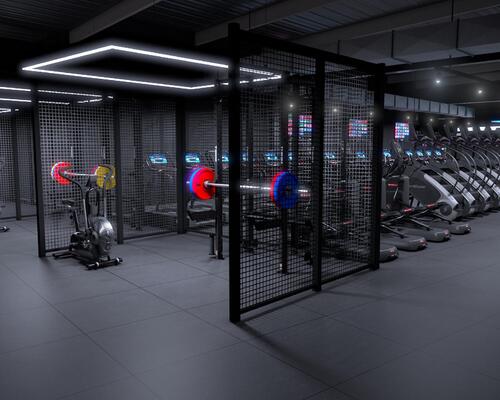
Workplace wellness programmes have huge value for corporations / photo: PILLAR WELLBEING
https://www.leisureopportunities.co.uk/images/2024/926216_491916.jpg
As absenteeism continues to take a huge economic toll, with musculoskeletal problems and poor mental health the biggest issues, can workplace wellness really make a difference, asks Kath Hudson?
Latest News
Nuffield Health has told HCM that it takes its responsibilities towards its colleagues seriously and ...
Latest News
Technogym has announced the launch of the Run X World Treadmill Championship, the first world ...
Latest News
Shocked by the UK loneliness statistics, charitable trust Mytime Active has been doubling down on ...
Latest News
Portugal’s leading operator, SC Fitness, is celebrating a milestone by reaching 100 gyms.  The company ...
Latest News
Australia’s fast-growing fitness network, Viva Leisure, is adding a low-cost gym brand to its already ...
Latest News
Speedflex has launched a strength training programme for 10 to 16-year-olds, to make it safer, ...
Latest News
Tewinbury Farm Hotel in Hertfordshire, UK is expanding its premium leisure proposition with the launch ...
Latest News

Work is underway in Madrid on one of Europe’s most significant multi-functional complexes, ...

Latest News
PureGym is encouraging people to step away from their screens and go for a walk, ...
Latest News
Small improvements to sleep, diet quality, and physical activity, made in combination lead to a ...
Latest News
Therme Manchester’s 28-acre development, which will include interconnected glass pavilions that measure 65,000sq m, will ...
Opinion
promotion
Strength training has moved from the margins to the mainstream.
Opinion: Building smarter strength spaces for today’s operators
Featured supplier news
Featured supplier news: Reaching the people most gyms miss: Bedford Gym & Swim Campaign delivers 410 new members
One of the biggest mistakes the fitness industry still makes is advertising almost exclusively to people who already look and live like gym members.
Featured supplier news
Featured supplier news: W3Fit EMEA celebrates its fifth anniversary
Celebrating its milestone 5th anniversary, W3Fit EMEA returns in 2026 with an unmissable gathering of the Health & Fitness industry’s most influential leaders.
Company profiles
Company profile: Fold
Fold is the company behind the UK's leading at home foldable reformer pilates bed, bringing ...
Company profiles
Company profile: Sprung Gym Flooring
Sprung Gym Flooring a trusted brand who specialise in high-performance, durable, non-slip rubber gym flooring, ...
Supplier Showcases
Supplier Showcase - Future-proofing
Catalogue Gallery
Click on a catalogue to view it online
Featured press releases
GYMNATION press release: Massive ‘Good Luck’ message appears in Saudi Desert as Green Falcons head to World Cup
Passengers flying out of Riyadh this week have been treated to an extraordinary sight from the skies after GymNation unveiled a giant desert sand mural supporting the Saudi Arabia National Football Team ahead of the FIFA World Cup in the United States.
Featured press releases
BLK BOX press release: BLK BOX strengthens European growth with the appointment of Germany country manager Timo Garrels
BLK BOX is proud to welcome Timo Garrels as Germany country manager, marking another important step in the brand’s continued growth across Europe.
Directory
Industrial washing machines
Miele Company Limited: Industrial washing machines
Spa and beauty equipment
Oakworks Inc: Spa and beauty equipment
Hot tubs
MSpa International Ltd: Hot tubs
Water experiences and hydrotherapy solutions
Aquaform s.r.l.: Water experiences and hydrotherapy solutions
Lockers
Crown Sports Lockers: Lockers
Fitness tracking platform
SpiviTech: Fitness tracking platform
Property & Tenders
Stratford, East London.
Lee Valley Regional Park Authority
Property & Tenders
Y Felinheli, LL56 4QN
Newmark
Property & Tenders
Diary dates
13-13 Jun 2026
Worldwide, Various,
Diary dates
21-24 Sep 2026
The Langham Huntington Pasadena , Pasadena, United States
Diary dates
06-08 Oct 2026
Messe Stuttgart, Stuttgart, Germany
Diary dates
22-22 Oct 2026
QEII Conference Centre, London,
Diary dates
26-29 Oct 2027
Koelnmesse Exhibition Centre, Cologne, Germany
Diary dates
Search news, features & products:
Find a supplier:
The Leisure Media Company Ltd
Partner sites