












GET HCM
magazine
Sign up for the FREE digital edition of HCM magazine and also get the HCM ezine and breaking news email alerts.
Not right now, thanksclose this window I've already subscribed!
Follow Health Club Management on Twitter Like Health Club Management on Facebook Join the discussion with Health Club Management on LinkedIn
FITNESS, HEALTH, WELLNESS

features

Talking point: No pain, no gain?

While some people view delayed-onset muscle soreness (DOMS) as a sign of an effective workout, others consider it a good reason to stay away from the gym. Kath Hudson explores if DOMS-free exercise programmes are needed to get more people moving

By Kath Hudson | Published in Health Club Management 2017 issue 11

Caused by microscopic tears that damage the muscle during exercise, delayed onset muscle soreness, otherwise known as DOMS, is the familiar dull ache we all know. Most common after a new, or more intense workout, I have known it to cause days of pain. The day after my first parkrun, I woke with an ache in my back. It gradually moved down my body to leave, via my feet, approximately four days later.

While some people – usually your confident and highly motivated members – may welcome DOMS as a necessary part of the journey towards a fitter, stronger body, it can act as barrier to those who are new to exercising.

If DOMS is the result of the muscle damage required to increase muscle size, is there a way to gain muscle mass without soreness? And if so, could this encourage more people to take out a gym membership?

THE PHYSIOLOGY OF DOMS

• Scientific studies have shown that eccentric action, defined as muscle lengthening during contraction, is the main cause of DOMS.

• Activities such as downhill running, horse riding and the ‘down’ phase of squats or bicep curls, are eccentric in nature.

• A 2004 study published in the Journal of Physiology showed that when participants were assigned to treadmill running uphill, downhill or on a level surface, only those in the downhill group experienced DOMS up to 48 hours after exercise.

• Further studies have shown that people who focus their training on concentric exercise (contractions that shorten the muscle) are more susceptible to experiencing DOMS after doing eccentric exercise.
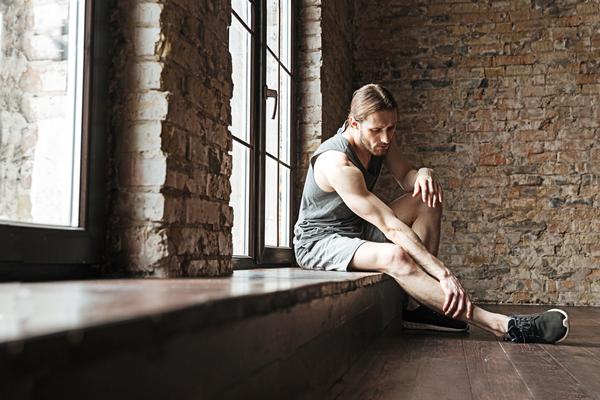
The severity of DOMS does not always correlate with how hard a person has exercised / shutterstock.com

Dr Jinger Gottschall,

Associate professor of kinesiology ,

Pennsylvania State University

Dr Jinger Gottschall

Because DOMS is caused by small muscle tears, rather than a buildup of lactic acid in the muscle, it can be a sign that muscle fibres are increasing in diameter or getting longer. However, daily muscle discomfort and soreness is not ideal as this suggests that adequate recovery – which is when muscle growth and repair occurs – is not happening. Conversely, a complete absence of DOMS for a long period of time is also far from ideal and should be taken as an indication that you can switch up your routine or increase workout time or intensity. It’s a tricky balance, especially as genetic differences mean that not everyone feels the effects of muscle breakdown in the same way: some may be more sensitive to pain, and therefore DOMS, than others.

While mild DOMS can be seen as positive reinforcement that a session was successful and muscle training is occurring, for those who want to avoid it, soreness can be minimised by starting slowly and adding thoughtfully.

Complicated routines and equipment are not vital. Simple strategies, namely beginning with 10 to 15 minute sessions and gradually building up over a six week period, significantly reduce the chances of soreness. PTs can also help gym-goers to minimise DOMS by advising them to avoid increasing time or intensity by more than 10 per cent each week. Strength training should not be done on consecutive days and one day per week should be a complete rest day.

“A complete absence of DOMS for a long period of time is also far from ideal and should be taken as an indication that you can switch up your routine”

Leon Popplewell,

Community sports manager,

GLL

Leon Popplewell
Leon Popplewell

Muscle soreness may not act as a deterrent to exercise for bodybuilders, but it certainly does for our target market – members of the general public who are new to exercise. People generally have jobs, responsibilities or children, so they don’t want what they do in the gym to impact on their ability to carry out their everyday life. With this in mind, minimising DOMS is something we take seriously, in order to create an inclusive environment.

Firstly we make it clear to members during their inductions that they may ache after exercise. We also go to great lengths to try and minimise their aches and pains. As well as information charts on the walls in our centres, which explain warm-up techniques and effort levels, all new members have an initial screening with an instructor, going through a lifestyle questionnaire, as well as fitness testing to identify weaknesses.

All members are given a foundation programme: an introduction to the machines, using lighter weights and getting them used to the technique. This allows them to get used to the equipment, work on their weaknesses and improve their flexibility, before starting a more intensive programme. The length of time taken to adjust varies according to the individual, but for someone in their 40s who is new to fitness, a month is usually enough if they’re coming twice a week.

It can be harder to avoid DOMS in group classes, as people often feel obliged to try and keep up. However, we screen people before classes and also offer introductory classes, where they can learn the technique and understand the concept before embarking on the full class – as well as ensuring classes include extensive warm-ups and cool-downs.

“It can be harder to avoid DOMS in a class environment, as people often feel obliged to try and keep up”

Matt Bolam,

Head of training,

Speedflex
Matt Bolam
Matt Bolam

Many regular fitness sessions are high impact, and this can leave the average person feeling both sore and like they don’t belong. When I worked as a PT, some of my introductory sessions would leave clients with DOMS and I could see this was a barrier in terms of getting people to adhere to an exercise programme. It definitely put some people off and I even lost clients as a result. But over the years I have learned it’s possible to get an effective workout with little to no muscle soreness afterwards, and this keeps people coming back.

Speedflex, for example, offers a resistance machine-based high intensity circuit training session that leaves participants without DOMS. It was designed specifically with this goal in mind, and achieves this by delivering concentrically focused exercise. When you do a bicep curl, the muscle shortens and contracts to lift the weight, which is the concentric movement. When the weight is lowered, the muscle performs an eccentric movement as the muscle lengthens and takes the stress of the weight. It’s the eccentric movement that causes DOMS. For this reason, those seeking to avoid DOMs would do well to adopt training strategies, such as dropping weights rather than lowering them during strength training and running uphill instead of downhill.

With Speedflex, the machine takes the load off the muscle as it lengthens, so opposing muscle groups are used to complete the movement in its entirety. As a result, even though Speedflex sessions burn lots of calories,and improve CV fitness and body composition, the workouts do not cause DOMS, which is what many of our clients want.

“When I worked as a PT, some of my introductory sessions would leave clients with DOMS. It definitely put some people off and I even lost clients as a result”
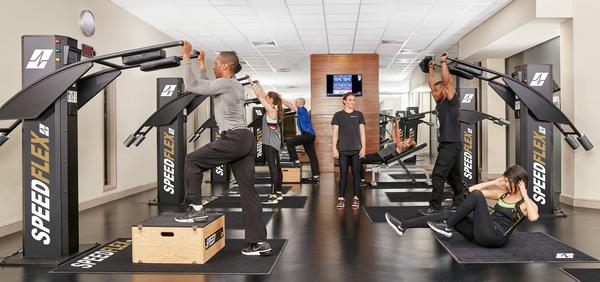
Speedflex was designed to provide an effective DOMS-free workout without

Jill Brown,

Founder,

Jill Brown Fitness

Jill Brown
Jill Brown

Soreness is not necessary for improving cardiovascular fitness; however, it is often a side effect of the process by which new muscle is built. This means that those who are very focused on avoiding it can require more time and patience to achieve fitness goals that involve gaining new muscle.

Nonetheless, everyone is different and the presence of DOMS doesn’t guarantee significant muscle growth. Some people have more sensitive nerves and experience more soreness than others who may have worked harder, but feel less sore the day after The severity with which DOMS is felt can even vary depending on the medication a person is taking. In short, I don’t think someone must feel sore to increase their muscle mass. What is needed is to overload the muscle. As long as a member is regularly increasing the volume or intensity of their training, he or she doesn’t have to worry.

There are a few protocols that people can do to help safeguard against muscle soreness. Foam rolling before or after the workout, can help to minimise soreness by stopping muscle fibres from knotting and contracting. A good workout-specific warm-up and post-workout stretch helps, as do hot and cold plunges or a sports massage. Some protein before and after the workout can help the muscle repair process.

DOMS doesn’t have to be a deterrent to exercise or actively prevented to keep members coming back, so long as newcomers are informed that when the body is moved in a new way and muscles that haven’t been activated before are used, there may be some soreness.

"As long as a member is regularly increasing their volume or intensity of their training, he or she doesn’t have to worry"
Sign up here to get HCM's weekly ezine and every issue of HCM magazine free on digital.
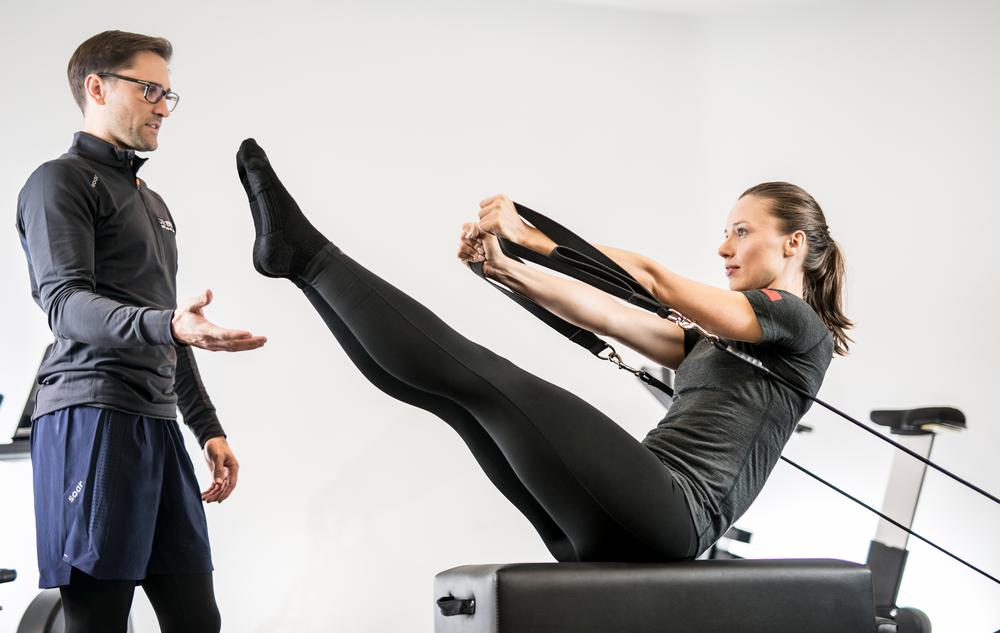
Higgins is the man behind the London Pilates brands Ten Pilates and Bootcamp Pilates
London Pilates brands Ten Pilates and Bootcamp Pilates
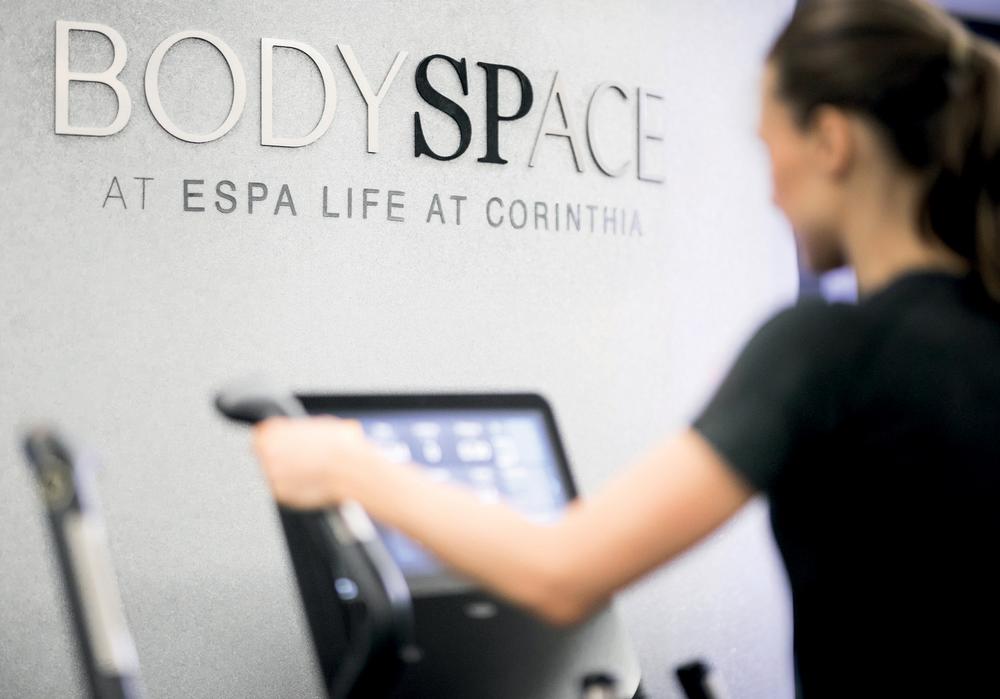
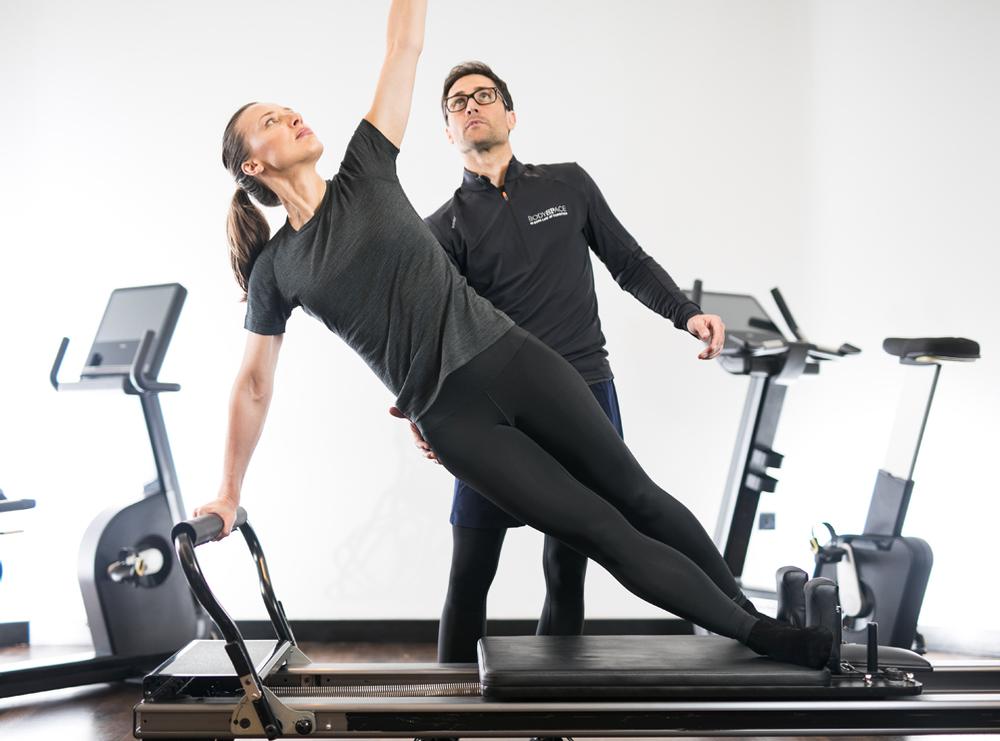
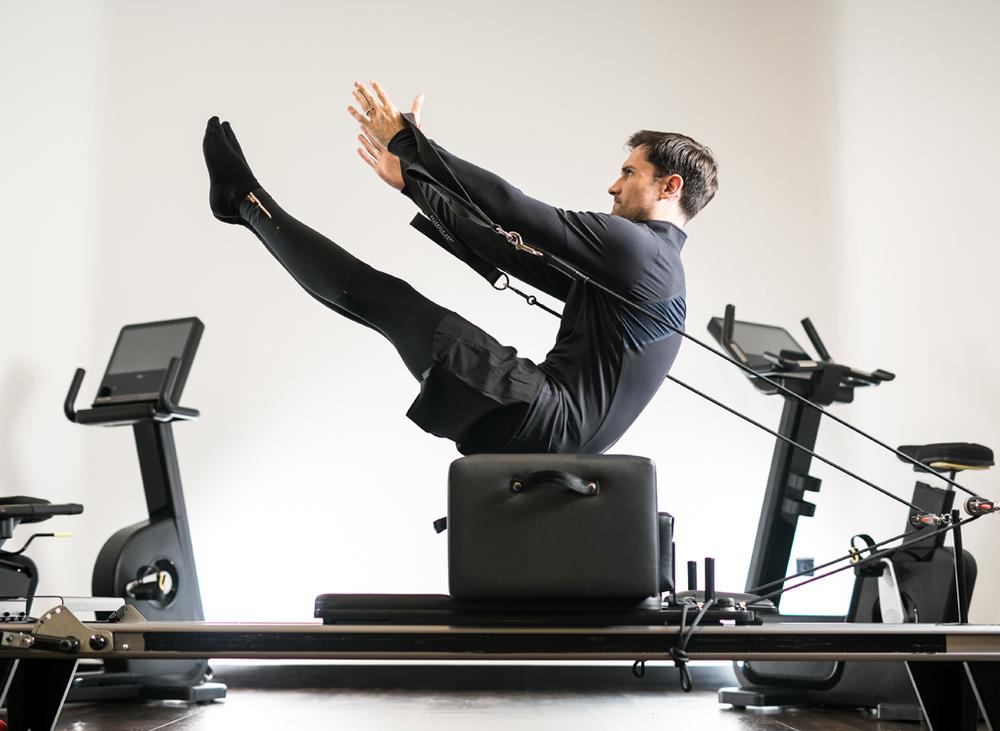
The BodySPace concept uses heart rate variability as a monitor for health
ESPA Life at Corinthia
https://www.leisureopportunities.co.uk/images/HCM2017_11DOM.jpg
Delayed onset muscle soreness may deter some people from exercising. Are DOMS-free exercise programmes the key to getting more people moving? We ask the experts.
Kath Hudson, Journalist, Leisure Media Dr Jinger Gottschall, Pennsylvania State University: associate professor of kinesiology Leon Popplewell, GLL: community sports manager Matt Bolam, Speedflex: head of training Jill Brown, Jill Brown Fitness: founder,DOMS, DOMS-free exercise programmes
Opinion
promotion
Strength training has moved from the margins to the mainstream.
Opinion: Building smarter strength spaces for today’s operators
Featured supplier news
Featured supplier news: Legends never die: four legends, four philosophies of life
Panatta brought together four of the most influential figures in bodybuilding history on the stage of RiminiWellness 2026: Phil Heath, Lee Haney, Ronnie Coleman and Hany Rambod.
Featured supplier news
Featured supplier news: Introducing a new era of Nautilus Leverage
Strength training has never been more important for member retention, facility differentiation and long-term commercial success.
Company profiles
Company profile: Innerva
Innerva are a UK manufacturer of ‘Power Assisted Exercise’ equipment for older adults, those with ...
Company profiles
Company profile: Precor
Precor provides fitness and wellness equipment to all market segments, including commercial clubs/facilities, Hospitality, Residential, ...
Supplier Showcases
Supplier Showcase - Future-proofing
Featured press releases
Speedflex (UK press release: Inclusive Fitness in action: The Speedflex Blade at Gym Possible
Following the successful installation of the Speedflex Blade at Gym Possible, the UK based charity gym dedicated to making exercise accessible for people with physical disabilities, the innovative training solution has quickly become one of the facility’s
Featured press releases
BLK BOX press release: Inside the Player Gym at The Open, equipped by BLK BOX
The performance facility at Royal Birkdale gives the world’s leading golfers access to strength, conditioning, mobility and recovery equipment throughout Championship week.
Directory
Lockers
Crown Sports Lockers: Lockers
Spa and beauty equipment
Living Earth Crafts: Spa and beauty equipment
Water experiences and hydrotherapy solutions
Aquaform s.r.l.: Water experiences and hydrotherapy solutions
Hot tubs
MSpa International Ltd: Hot tubs
Fitness tracking platform
SpiviTech: Fitness tracking platform
Industrial washing machines
Miele Company Limited: Industrial washing machines

features

Talking point: No pain, no gain?

While some people view delayed-onset muscle soreness (DOMS) as a sign of an effective workout, others consider it a good reason to stay away from the gym. Kath Hudson explores if DOMS-free exercise programmes are needed to get more people moving

By Kath Hudson | Published in Health Club Management 2017 issue 11

Caused by microscopic tears that damage the muscle during exercise, delayed onset muscle soreness, otherwise known as DOMS, is the familiar dull ache we all know. Most common after a new, or more intense workout, I have known it to cause days of pain. The day after my first parkrun, I woke with an ache in my back. It gradually moved down my body to leave, via my feet, approximately four days later.

While some people – usually your confident and highly motivated members – may welcome DOMS as a necessary part of the journey towards a fitter, stronger body, it can act as barrier to those who are new to exercising.

If DOMS is the result of the muscle damage required to increase muscle size, is there a way to gain muscle mass without soreness? And if so, could this encourage more people to take out a gym membership?

THE PHYSIOLOGY OF DOMS

• Scientific studies have shown that eccentric action, defined as muscle lengthening during contraction, is the main cause of DOMS.

• Activities such as downhill running, horse riding and the ‘down’ phase of squats or bicep curls, are eccentric in nature.

• A 2004 study published in the Journal of Physiology showed that when participants were assigned to treadmill running uphill, downhill or on a level surface, only those in the downhill group experienced DOMS up to 48 hours after exercise.

• Further studies have shown that people who focus their training on concentric exercise (contractions that shorten the muscle) are more susceptible to experiencing DOMS after doing eccentric exercise.

The severity of DOMS does not always correlate with how hard a person has exercised / shutterstock.com

Dr Jinger Gottschall,

Associate professor of kinesiology ,

Pennsylvania State University

Dr Jinger Gottschall

Because DOMS is caused by small muscle tears, rather than a buildup of lactic acid in the muscle, it can be a sign that muscle fibres are increasing in diameter or getting longer. However, daily muscle discomfort and soreness is not ideal as this suggests that adequate recovery – which is when muscle growth and repair occurs – is not happening. Conversely, a complete absence of DOMS for a long period of time is also far from ideal and should be taken as an indication that you can switch up your routine or increase workout time or intensity. It’s a tricky balance, especially as genetic differences mean that not everyone feels the effects of muscle breakdown in the same way: some may be more sensitive to pain, and therefore DOMS, than others.

While mild DOMS can be seen as positive reinforcement that a session was successful and muscle training is occurring, for those who want to avoid it, soreness can be minimised by starting slowly and adding thoughtfully.

Complicated routines and equipment are not vital. Simple strategies, namely beginning with 10 to 15 minute sessions and gradually building up over a six week period, significantly reduce the chances of soreness. PTs can also help gym-goers to minimise DOMS by advising them to avoid increasing time or intensity by more than 10 per cent each week. Strength training should not be done on consecutive days and one day per week should be a complete rest day.

“A complete absence of DOMS for a long period of time is also far from ideal and should be taken as an indication that you can switch up your routine”

Leon Popplewell,

Community sports manager,

GLL

Leon Popplewell
Leon Popplewell

Muscle soreness may not act as a deterrent to exercise for bodybuilders, but it certainly does for our target market – members of the general public who are new to exercise. People generally have jobs, responsibilities or children, so they don’t want what they do in the gym to impact on their ability to carry out their everyday life. With this in mind, minimising DOMS is something we take seriously, in order to create an inclusive environment.

Firstly we make it clear to members during their inductions that they may ache after exercise. We also go to great lengths to try and minimise their aches and pains. As well as information charts on the walls in our centres, which explain warm-up techniques and effort levels, all new members have an initial screening with an instructor, going through a lifestyle questionnaire, as well as fitness testing to identify weaknesses.

All members are given a foundation programme: an introduction to the machines, using lighter weights and getting them used to the technique. This allows them to get used to the equipment, work on their weaknesses and improve their flexibility, before starting a more intensive programme. The length of time taken to adjust varies according to the individual, but for someone in their 40s who is new to fitness, a month is usually enough if they’re coming twice a week.

It can be harder to avoid DOMS in group classes, as people often feel obliged to try and keep up. However, we screen people before classes and also offer introductory classes, where they can learn the technique and understand the concept before embarking on the full class – as well as ensuring classes include extensive warm-ups and cool-downs.

“It can be harder to avoid DOMS in a class environment, as people often feel obliged to try and keep up”

Matt Bolam,

Head of training,

Speedflex

Matt Bolam
Matt Bolam

Many regular fitness sessions are high impact, and this can leave the average person feeling both sore and like they don’t belong. When I worked as a PT, some of my introductory sessions would leave clients with DOMS and I could see this was a barrier in terms of getting people to adhere to an exercise programme. It definitely put some people off and I even lost clients as a result. But over the years I have learned it’s possible to get an effective workout with little to no muscle soreness afterwards, and this keeps people coming back.

Speedflex, for example, offers a resistance machine-based high intensity circuit training session that leaves participants without DOMS. It was designed specifically with this goal in mind, and achieves this by delivering concentrically focused exercise. When you do a bicep curl, the muscle shortens and contracts to lift the weight, which is the concentric movement. When the weight is lowered, the muscle performs an eccentric movement as the muscle lengthens and takes the stress of the weight. It’s the eccentric movement that causes DOMS. For this reason, those seeking to avoid DOMs would do well to adopt training strategies, such as dropping weights rather than lowering them during strength training and running uphill instead of downhill.

With Speedflex, the machine takes the load off the muscle as it lengthens, so opposing muscle groups are used to complete the movement in its entirety. As a result, even though Speedflex sessions burn lots of calories,and improve CV fitness and body composition, the workouts do not cause DOMS, which is what many of our clients want.

“When I worked as a PT, some of my introductory sessions would leave clients with DOMS. It definitely put some people off and I even lost clients as a result”

Speedflex was designed to provide an effective DOMS-free workout without

Jill Brown,

Founder,

Jill Brown Fitness

Jill Brown
Jill Brown

Soreness is not necessary for improving cardiovascular fitness; however, it is often a side effect of the process by which new muscle is built. This means that those who are very focused on avoiding it can require more time and patience to achieve fitness goals that involve gaining new muscle.

Nonetheless, everyone is different and the presence of DOMS doesn’t guarantee significant muscle growth. Some people have more sensitive nerves and experience more soreness than others who may have worked harder, but feel less sore the day after The severity with which DOMS is felt can even vary depending on the medication a person is taking. In short, I don’t think someone must feel sore to increase their muscle mass. What is needed is to overload the muscle. As long as a member is regularly increasing the volume or intensity of their training, he or she doesn’t have to worry.

There are a few protocols that people can do to help safeguard against muscle soreness. Foam rolling before or after the workout, can help to minimise soreness by stopping muscle fibres from knotting and contracting. A good workout-specific warm-up and post-workout stretch helps, as do hot and cold plunges or a sports massage. Some protein before and after the workout can help the muscle repair process.

DOMS doesn’t have to be a deterrent to exercise or actively prevented to keep members coming back, so long as newcomers are informed that when the body is moved in a new way and muscles that haven’t been activated before are used, there may be some soreness.

"As long as a member is regularly increasing their volume or intensity of their training, he or she doesn’t have to worry"
Sign up here to get HCM's weekly ezine and every issue of HCM magazine free on digital.
Higgins is the man behind the London Pilates brands Ten Pilates and Bootcamp Pilates
London Pilates brands Ten Pilates and Bootcamp Pilates
The BodySPace concept uses heart rate variability as a monitor for health
ESPA Life at Corinthia
https://www.leisureopportunities.co.uk/images/HCM2017_11DOM.jpg
Delayed onset muscle soreness may deter some people from exercising. Are DOMS-free exercise programmes the key to getting more people moving? We ask the experts.
Kath Hudson, Journalist, Leisure Media Dr Jinger Gottschall, Pennsylvania State University: associate professor of kinesiology Leon Popplewell, GLL: community sports manager Matt Bolam, Speedflex: head of training Jill Brown, Jill Brown Fitness: founder,DOMS, DOMS-free exercise programmes
Opinion
promotion
Strength training has moved from the margins to the mainstream.
Opinion: Building smarter strength spaces for today’s operators
Featured supplier news
Featured supplier news: Legends never die: four legends, four philosophies of life
Panatta brought together four of the most influential figures in bodybuilding history on the stage of RiminiWellness 2026: Phil Heath, Lee Haney, Ronnie Coleman and Hany Rambod.
Featured supplier news
Featured supplier news: Introducing a new era of Nautilus Leverage
Strength training has never been more important for member retention, facility differentiation and long-term commercial success.
Company profiles
Company profile: Innerva
Innerva are a UK manufacturer of ‘Power Assisted Exercise’ equipment for older adults, those with ...
Company profiles
Company profile: Precor
Precor provides fitness and wellness equipment to all market segments, including commercial clubs/facilities, Hospitality, Residential, ...
Supplier Showcases
Supplier Showcase - Future-proofing
Featured press releases
Speedflex (UK press release: Inclusive Fitness in action: The Speedflex Blade at Gym Possible
Following the successful installation of the Speedflex Blade at Gym Possible, the UK based charity gym dedicated to making exercise accessible for people with physical disabilities, the innovative training solution has quickly become one of the facility’s
Featured press releases
BLK BOX press release: Inside the Player Gym at The Open, equipped by BLK BOX
The performance facility at Royal Birkdale gives the world’s leading golfers access to strength, conditioning, mobility and recovery equipment throughout Championship week.
Directory
Lockers
Crown Sports Lockers: Lockers
Spa and beauty equipment
Living Earth Crafts: Spa and beauty equipment
Water experiences and hydrotherapy solutions
Aquaform s.r.l.: Water experiences and hydrotherapy solutions
Hot tubs
MSpa International Ltd: Hot tubs
Fitness tracking platform
SpiviTech: Fitness tracking platform
Industrial washing machines
Miele Company Limited: Industrial washing machines
Search news, features & products:
Find a supplier:
Partner sites