























features
Talking point: Everyone's talking about Company culture
Company culture is incredibly important and happy staff equal happy customers. Kath Hudson asks the experts how to build a bottom-line-boosting workplace


While we’ve made huge progress in terms of employee relations and company culture, there are still significant opportunities for growth and improvement.
Not having a bad company culture is different from having a great one, where diversity, equity and inclusion run right through the organisation and all team members are united around common goals and values, with everyone feeling heard and celebrated as part of the organisation’s success.
The European-wide Diversity in the Fitness Sector report, published earlier this year as a joint initiative between EuropeActive, RISE, Sport Alliance and EXI, showed the fitness industry still has some way to go in terms of diversity, equity and inclusion.
Forty seven per cent of respondents – both men and women – said they’ve suffered general gender-related discrimination; 43 per cent had experienced sexual harassment, including unsolicited physical contact and inappropriate touching.
Twenty seven per cent of respondents reported facing discrimination based on race and age, with younger people being dismissed for a perceived lack of experience.
As the sector struggles to fill roles, creating a positive working environment could be adopted as an industry-wide USP. A new Les Mills report, Nurturing the Next Gen found that while a living wage and opportunities for progression were the most important factor for prospective candidates – at 71 per cent and 61 per cent respectively – the working environment wasn’t far behind. Fifty five per cent want their employers’ values to align with their own and 54 per cent said they wanted to see employers caring about diversity, equity and inclusion.
So how do you build a fantastic company culture? We ask the experts…
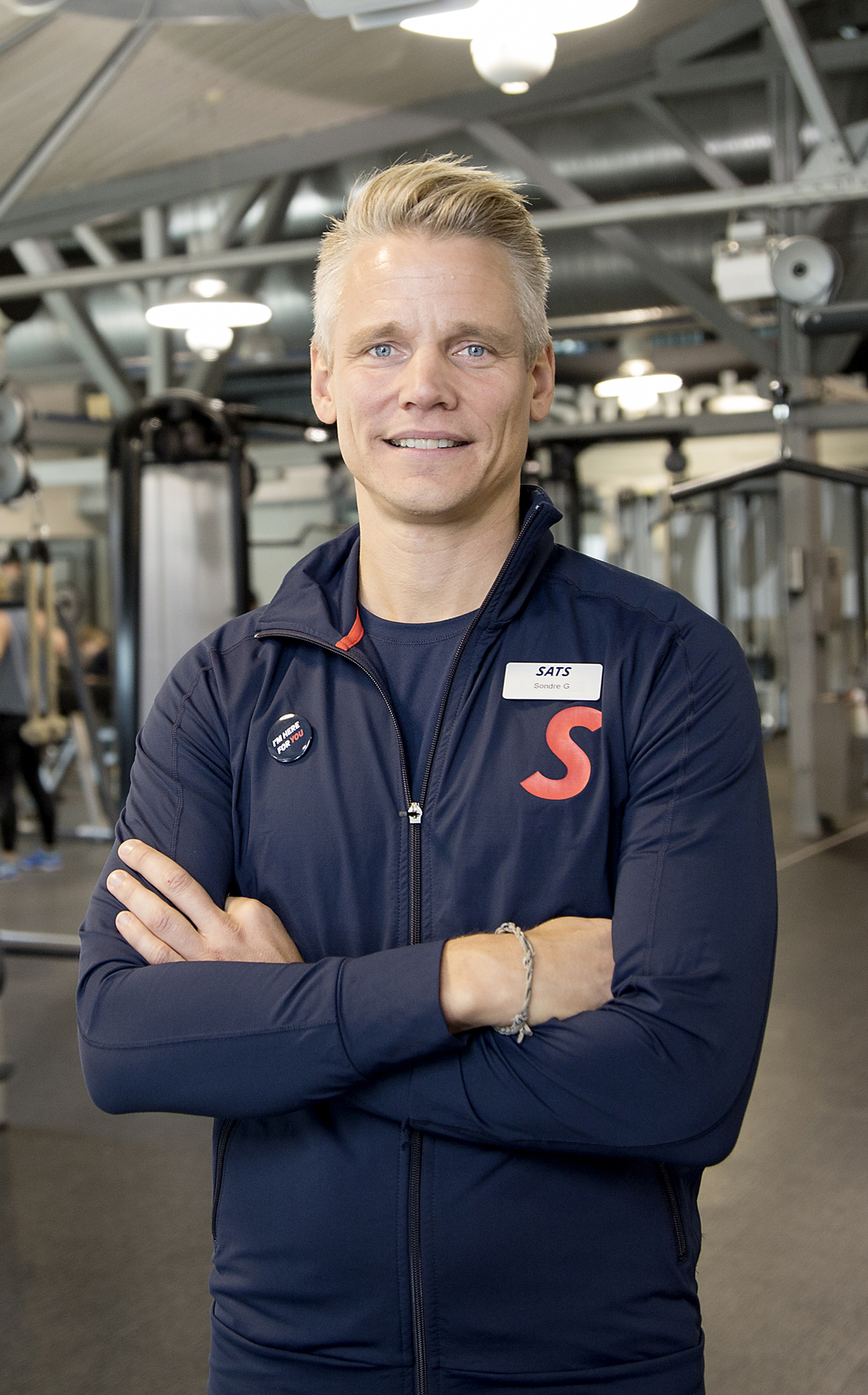
Culture is key for all companies, but in a people-driven business like our industry, culture is crucial and defines the member experience. For operators such as SATS, where coached classes and personal training are key elements to the product offering, I truly believe culture is by far the most important driver for our performance and I feel honoured and humbled to lead and work with our wonderful organisation of 10,000 inspiring colleagues.
Our members’ experience every time they visit us defines our success and hence leadership is about empowering our club staff to deliver extraordinary member experiences. To do this, everyday decisions must be driven by strong, well-communicated values that are understood and embodied by staff, so they love the product and relentlessly focus on customer experiences. This has to be trained, focused on and nurtured 24/7 with a people-orientated and inclusive management style.
The SATS values are: members first, be accountable, be professional and be extraordinary. In order for everyone in the organisation to understand and relate the values to their daily tasks, values should be a part of all staff meetings or leadership gatherings. The first point on the agenda in all our management team meetings is the ‘value round’, where all management team members share an example they have seen of how one of our values has been lived in practice in one of our clubs since the last team meeting.

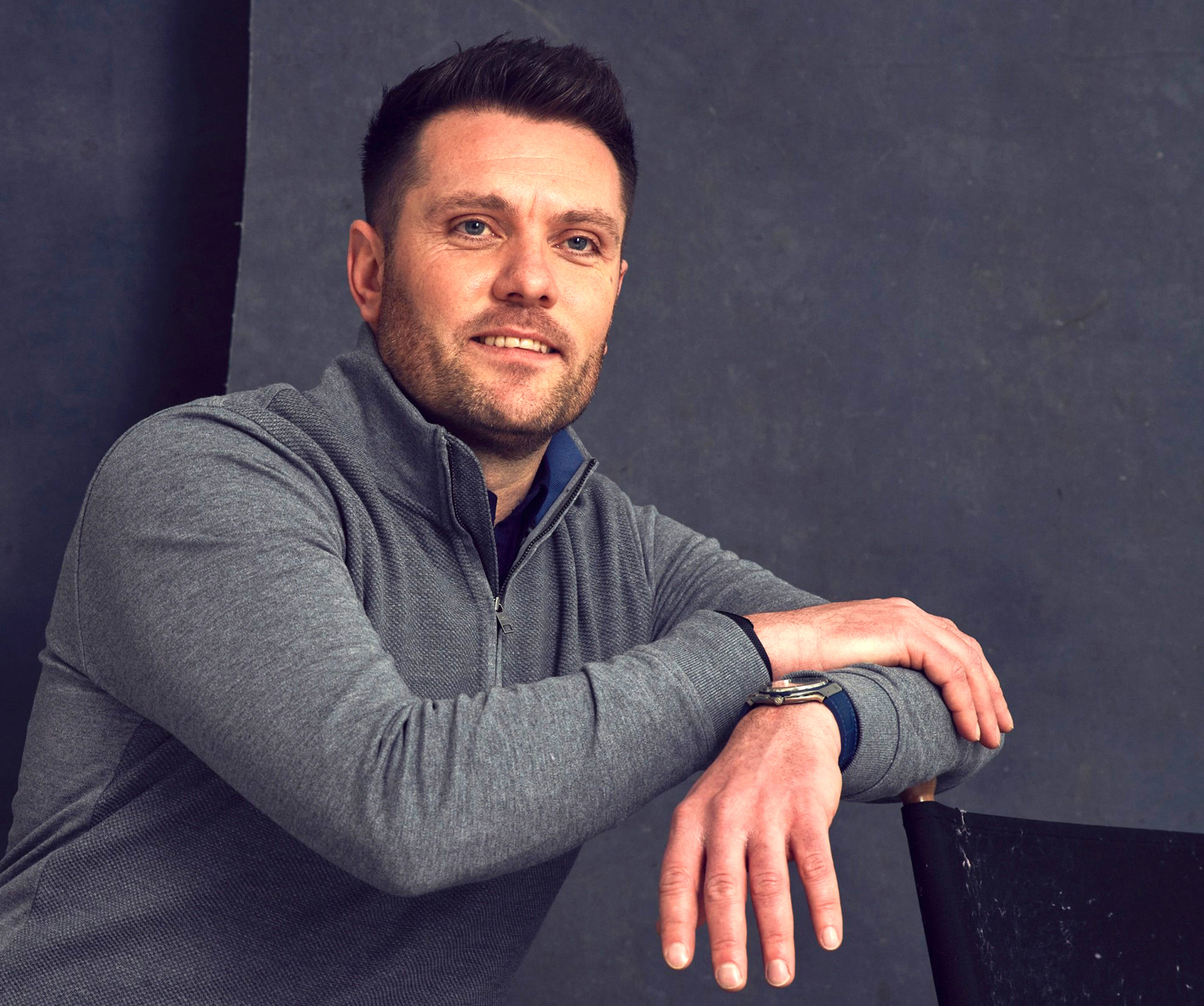
Culture is mission critical for Urban Gym Group and we believe it to be the most important factor for the success of our company.
You can have a beautiful vision and plans that pursue the goals, but the only thing that really sets you apart are the people. With the right culture they will both come and stay. How they deal with your customers, interact and support each other and with other stakeholders ultimately determines the magic that one company has and the other does not.
Building a strong culture starts with recruitment. While hard skills are important, aligning with our core values is even more vital, so expectations are clearly communicated from the outset and we assess cultural fit during interviews and evaluations.
Our leaders have a coaching management style.
We focus on the strengths of our employees and develop these further through guidance, mentoring and feedback. These strengths are defined through interviews, observation, 360 degree feedback and assessments and then supported through our training.
We actively encourage open communication, primarily through a value we call ‘We Challenge’, for example, by organising CEO Q&A sessions during town halls, where all of our employees have the opportunity to ask any question.
Additionally, we invite specific function and role groups to join our executive team meetings. These sessions allow us to gain insights into why our colleagues joined our company, understand their perspectives on what’s happening on the ground, identify areas for improvement and where they’re challenged.
Our headquarters staff also work in our gyms at least twice a year to gain firsthand experience of what’s happening on the front line. Afterwards they are encouraged to share their insights and lessons learned. This practice helps to enhance organisational awareness, promote mutual understanding and improve collaboration across teams.
Company size also impacts culture, so as a company grows remember to keep nurturing and preserving the culture which has underpinned the success.

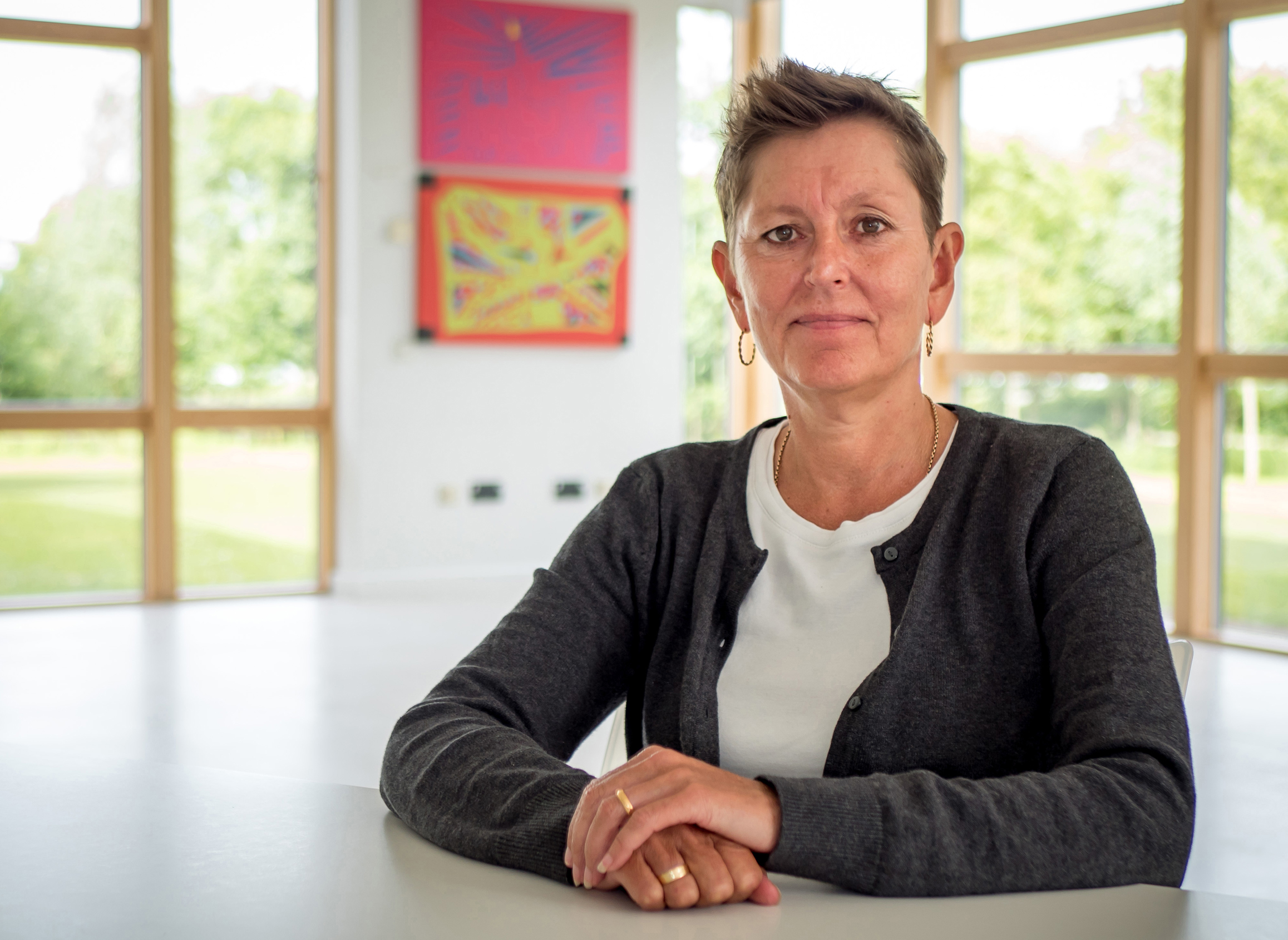
Creating an inclusive and collaborative environment is important for any company culture, but particularly in the highly operational, consumer-focused sector we’re in.
We strive to foster a culture that helps our teams feel valued and engaged, as well as united around our founding mission of breaking down barriers to fitness. It’s powerful to know that what we’re doing is having a positive impact on the health and wellbeing of communities nationwide.
As a leader, I’ve learned the importance of being open and showing empathy, as well as being accessible and building strong relationships. I always listen to fresh ideas and take on board feedback, which contributes to strong decision-making. Staying connected to our gym teams is very important, as this helps to identify specific challenges that need to be solved and the potential opportunities to seize.
At The Gym Group we seek opportunities to bring teams together, whether that’s mentorship, management training or development courses. Focusing on leaders is also key, so we invest time and resources into making sure our managers are equipped with the skills to be the best people leaders, and ensuring all teams feel supported by their manager.
We’ve always believed The Gym Group has a strong company culture that helps to drive our success, so it was a proud moment to be named in The Sunday Times Best Places to Work 2024, scoring highly on diversity, inclusion, wellbeing and job satisfaction.

The key to building a great culture is as simple as treating people as adults. In our personal lives, we manage our finances, plan holidays, pay bills, raise families and balance work and life, but once we step into the workplace, we’re often treated as children. For example, if someone wants to take a holiday, they have to fill out a form and ask for approval from a ‘superior’. I don’t agree with that. I believe that as capable adults, people and their colleagues can work out when it’s appropriate to take time off. That’s why we offer unlimited leave. It’s up to the team to coordinate with their peers and decide how much time they take.
We also offer a hybrid flexible working environment. People can work from home; we trust them to manage their time and responsibilities. Our expense policy is simple: we want people to feel safe and comfortable and expect them to treat company money like it’s their own.
We’ve developed this culture because we want to encourage high performance. It’s crucial to create an environment where people can be the best version of themselves. We foster a climate of trust, respect and confidence in order for people to perform at their best, and in return our employees respect the agency we afford them by not pushing the limits on either leave or expenses and performing well in their roles.
If you look at Maslow’s Hierarchy of Needs, it’s clear that humans are motivated by basic things like security, recognition and care. These are free and easy to offer and they have a huge impact on how people feel. We strive to reinforce this culture every day by making our workplace a pleasant and supportive environment.
Recognition consistently outshines reward in employee surveys. A positive culture that’s accessible and regularly reinforced doesn’t take much effort but has a huge impact. Giving people your time and attention is often more valuable than anything else. At CIMSPA, no one is more important than anyone else. Our flat structure ensures every team member feels supported by another, irrespective of their job title. It’s a key part of fostering a positive environment.
Be prepared to listen, acknowledge and make yourself available. Respect your people. Businesses don’t work without people, don’t underestimate their importance. While salary matters, it’s rarely the most important thing. Employees want recognition, opportunities and the feeling that their work has value.
We’ve won the Best Company three-star award twice, and that success is entirely driven by our team and how they feel. Our empowering culture enables them to make their own decisions and we nurture that every day.
Finally, inclusivity and diversity are essential. A diverse and inclusive workforce promotes positive behaviour and leads to more innovative ideas and better decision-making.
As a sector, we still have a long way to go, but respect and inclusion must be a priority for any employer. A more inclusive workforce is a stronger one.


Culture is not a “nice-to-have” element, it’s foundational. It influences how strategies are executed, how employees interact with each other and with customers and how the company is perceived. A great culture creates employee engagement and satisfaction, which in turn impacts clients’ experience and makes decision-making feel in line with shared values and feeling part of the company. Employees who feel part of something are more aligned with the business, which results in reduced turnover and absence.
Culture contributes significantly to a company’s success by aligning employees with the goals, which drives engagement and innovation, guides decision-making and ultimately ensures customer satisfaction, loyalty and a good reputation.
In contrast, a toxic or misaligned culture can undermine even the best-laid strategies, leading to high turnover, poor performance and reputational damage. Therefore, investing in and nurturing the right culture is as crucial as any other business strategy.
As a starting point, listen to feedback from staff about what could enhance things for both them and therefore the customer and have an open conversation about what motivates, and demotivates, them. As gyms are focused on wellbeing, look at how this is reflected in both the staff experience and the customers’ experience in terms of the environment, communication and incentives. When we understand from a staff perspective what reduces motivation it can really help understand what impacts clients’ motivation.
When building company culture look at other companies: consider whether or not they have a positive company culture and what, as a customer, makes you think that.

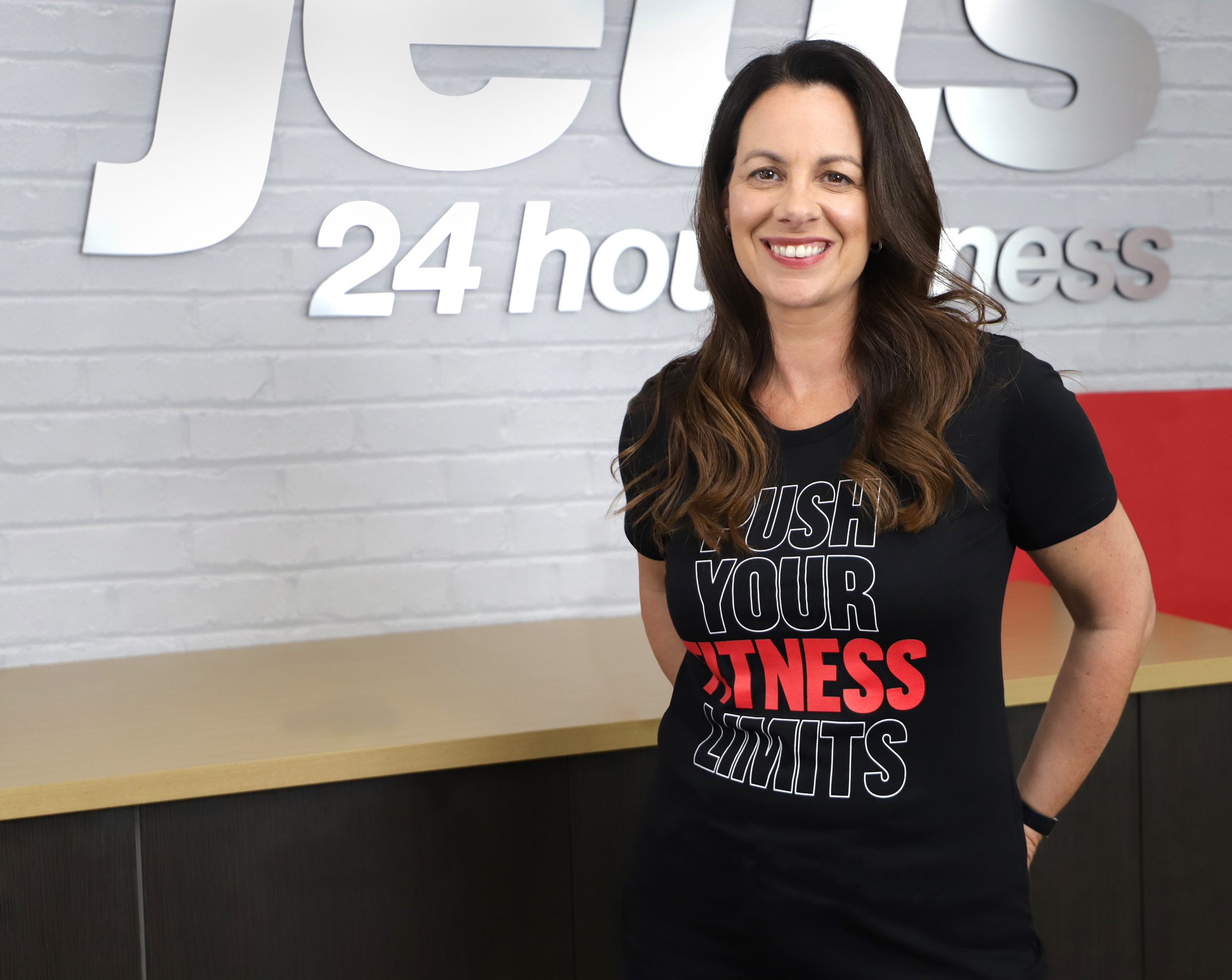
While the success of a company depends on factors such as market dynamics, competition and product quality, without a strong culture, long-term viability is often at risk.
Companies operating in less competitive markets are particularly vulnerable to new entrants with superior cultures that offer better products and customer experiences, so cultivating a vibrant company culture that aligns with core values and promotes collaboration can significantly impact the success trajectory of a company in the long run.
Building a positive culture often starts with leadership. Training all team members to lead effectively is crucial. Senior leaders must exemplify the desired culture consistently. Clear definition of values, vision, and purpose is essential to communicate cultural expectations throughout the organisation.
I believe in the principle of surrounding yourself with talented individuals and empowering them. By hiring people who surpass my abilities, I trust them to excel in their roles, while I facilitate their success by removing obstacles. Collaboration is key: constantly seek feedback, learn from experiences and adapt accordingly.
At Jetts, we outline specific traits we seek in our team members, we call these Ninjas, while identifying and discouraging negative behaviours, known as Nonjas. Recognising and celebrating achievements, fostering open communication and providing opportunities for personal and professional growth are key strategies that gym operators can employ to cultivate a positive company culture.
Establishing this positive company culture is paramount for operational benefits and is also a moral imperative. As leaders, it’s our duty to create an environment where employees feel inspired to excel and thrive. At Jetts, our foundational value of ‘Treat others as we want to be treated’ guides our interactions with both customers and colleagues. By prioritising empathy, integrity, and inclusivity in our daily operations, we enhance employee engagement and create a workplace where individuals can flourish.
Private investment company Franchise Equity Partners has acquired Bravo Fit, the Planet Fitness ...

Midtown Athletic Club has launched a new community tennis initiative honouring the legacy ...

Urban Gym Group has entered the Irish market with the acquisition of Iconic ...

Total Fitness has released new research revealing how the expectations and motivations of ...