

















We Work Well Events
We Work Well Events
We Work Well Events
Follow Health Club Management on Twitter Like Health Club Management on Facebook Join the discussion with Health Club Management on LinkedIn
FITNESS, HEALTH, WELLNESS

features

Stats: Future gazing

Deloitte has produced a report in partnership with EuropeActive, analysing the impact of COVID-19 on the European health and fitness market, as Karsten Hollasch reports

Published in Health Club Management 2020 issue 9
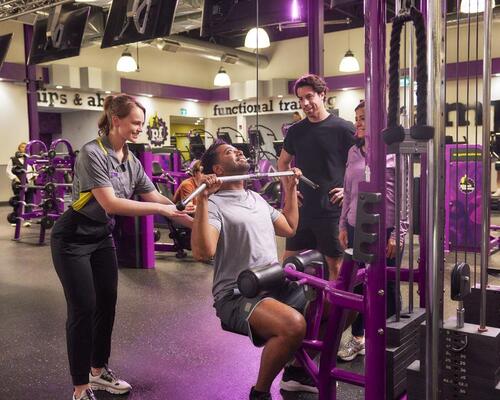
Operators with rolling one year contracts fared the best / Shutterstock / Jacob Lund
Confidence in the future of the fitness market is reflected in the number of M&A and financing activities taking place

When the coronavirus hit the European health and fitness market in March and governments enforced the closure of gyms across Europe, there was no manual on how to handle the situation.

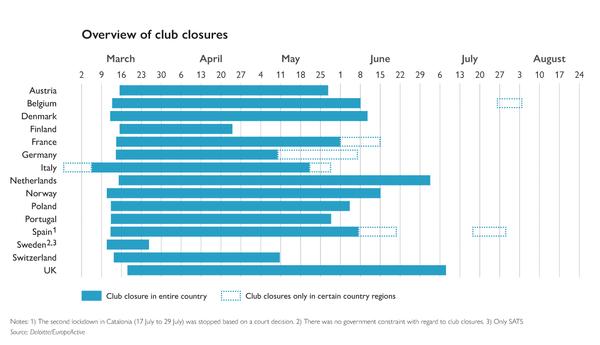
As it turned out, initial club closures lasted anywhere between eight and 18 weeks, depending on how severe the impact of the virus was in the country in question. Some regions suffered a second lockdown and some look likely to experience further disruption.

Although governments were quick to provide financial help, the financial damage for operators and other actors in the fitness industry is still massive. In fact, it’s still unclear how high the losses really are.

For this reason, Deloitte and EuropeActive launched a study to examine the business impact of the crisis on the sector, in both the short- and the longer-term.

The fieldwork took place in August and a total of 17 European key operators were interviewed, covering around 10 per cent of all members in the European health and fitness market.

Key findings
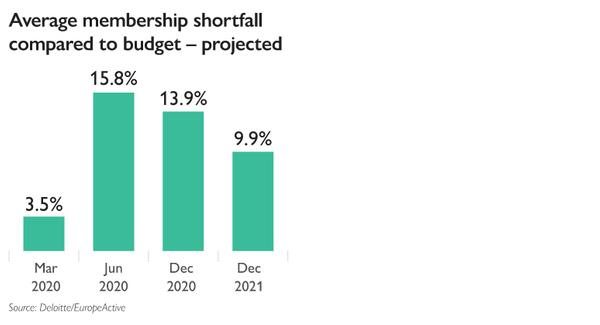
As of 31 March 2020, the surveyed operators experienced an average membership shortfall of around 3.5 per cent compared to their original budgets. By comparison, by 30 June 2020, these shortfalls reached their highest point, at 15.8 per cent, primarily through a combination of membership cancellations and the absence of new membership inflow during closures.

The average shortfalls compared to budget in respect of the number of clubs amounted to 2.5 per cent by 30 June 2020, as clubs reopened across Europe.

In the medium- and long-term, both average membership shortfalls and average club shortfalls are expected to decrease. As of December 2020 and December 2021, European operators said they expect average shortfalls in memberships to be 13.9 per cent and 9.9 per cent respectively. Looking at clubs, the average shortfalls compared to budget are expected to be 1.8 per cent by December 2020 and 0.6 per cent by December 2021.

Overall, the shortfall could be higher in the European fitness market, especially for single club operators, who could face greater financial difficulties than chain operators.

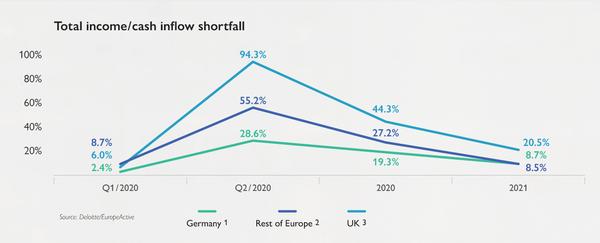
The pandemic-related closures in Q2 also impacted finances, primarily due to the absence of membership fees. European fitness operators experienced an average income shortfall of about 65 per cent compared to budget. Discrepancies in income shortfalls between operators in the study can be explained by different approaches to the handling of membership fees during the period of club closures.

While some operators continued to collect membership fees unless customer objections were received, there were also companies that stopped collecting membership fees altogether.

Operators were able to achieve cost savings of 43 per cent compared to budget in Q2, mainly due to paying less rent and fewer people and other reductions in operating costs.

Additional savings were realised when personnel costs were subsidised by local governments.

Income shortfalls vary considerably between regions. Operators with a UK focus expect the highest financial shortfalls when compared to the initial budget and the income shortfalls of UK-focused operators were especially high in Q2 2020 (-94 per cent).

This is in part attributable to UK operators’ heavy reliance on monthly cancellable contracts, in contrast to Germany and most of the other European markets, which mainly offer longer-term contracts.

Published H1 reports of listed European key operators also show the significant impact of COVID-19 on financial results. Due to an approximately 18-week lockdown in the UK, total revenues of UK operator The Gym Group decreased by around 50 per cent in H1 2020, compared to H1 2019. Similar results have been published by PureGym for its UK business (-49 per cent in H1 2020, compared to H1 2019). In comparison, Dutch operator Basic-Fit, which operates in various European countries, recorded an overall decrease in revenues of 24 per cent compared to H1 2019.

Measures taken
To counter the crisis, operators have undertaken a wide range of monetary and non-monetary measures. Among the monetary measures, short-time work, government grants and loan application were the most popular.

Other popular non-monetary measures introduced by operators include frequent scenario analyses – introduced by all operators surveyed – the creation of emergency plans and the introduction of early warning indicators.

The use of digital fitness offerings increased during the lockdown.

Survey results suggest that consumers’ interest in digital offerings is not a one-off, but rather that COVID-19 is serving as an accelerator for increasing demand for digital sports offerings (apps, videos, etc.).

By providing relevant content through digital channels and engaging with customers via their websites and apps, operators have been able to keep in touch with members during the crisis.

Basic-Fit, for example, actively increased member engagement through its already existing social media channels and mobile app, by offering additional services and contents.

The company-own mobile app was also temporarily made available to the general public.

According to Virtuagym’s COVID-19 impact study, the number of fitness app users more than trebled to reach its first peak in March, when COVID-19 started in Europe. However, the highest peak was reached in July, when clubs started reopening. This indicates that in-person club visits and use of digital offerings can coexist (and accelerate each other) rather than cannibalising each other.

Future outlook
As an overall result, major European club operators consider their existence only partially threatened, assuming no further forced club closures: None of the operators stated that their existence was or will be either severely or highly threatened in the future. However, single club operators, which represent the majority of fitness clubs in the European market, appear to be more threatened in their existence than larger operators, due to limited resources and refinancing possibilities.

The fact that fitness club operators are looking confidently into the future can be proven not only by the lower expected shortfalls, but also by further studies: more than 60 per cent of Spanish operators surveyed in the FNEID/Valgo COVID-19 impact report believe revenues will return to previously expected levels by the third quarter of 2021.

This could be supported by the fact that the behaviour of some consumers in the fitness market has barely changed. Eight-eight per cent of consumers in the ukactive/4Global COVID-19 impact report stated that after the reopening of public sector clubs in the UK they would visit the gym as often or even more often than before the pandemic.

Confidence in the future of the fitness market is reflected in the number of M&A and financing activities that have taken place in the last couple of months. For example, RSG Group expanded its investments by acquiring the US-operator Gold Gym for US$100 million, as well as 35 per cent of the shares of Gym80. Furthermore, other players such as PureGym, BASIC-FIT and The Gym Group were able to raise large sums of capital during this period.

Herman Rutgers, co-editor of the report noted: “It’s not possible at this stage to predict what the full impact of this crisis will ultimately be, due to the increasing number of cases and the uncertain future of policy decisions. However, the study shows the impact on membership and financial losses, and also that – assuming there are no further club closures – the industry can recover quickly and is still confident of achieving the long-term goals of 80 million members by the midpoint of the decade and 100 million by 2030.”

Get the report: www.HCMmag.com/Deloitte
Sign up here to get HCM's weekly ezine and every issue of HCM magazine free on digital.
Data indicates that in-person club visits and use of digital offerings can not only co-exist, but can also accelerate each other / Shutterstock / Jacob Lund
https://www.leisureopportunities.co.uk/images/2020/731995_90245.jpg
A report by Deloitte for EuropeActive analyses the impact of COVID-19 on the European health and fitness market
Deloitte, EuropeActive, covid-19, Karsten Hollasch,fitness,europe, fitness industry
HCM magazine
As the entrepreneur who started Wexer, Fresh Fitness, Fitness DK and Repeat, as well as being a former elite athlete, Rasmus Ingerslev’s life looked perfect from the outside, but onthe inside it was a different story. He talks to Kath Hudson about healing old wounds
HCM magazine
Raphael Cuomo explores the powerful link between addiction, health and behaviour change
HCM magazine
Collaborations with the medical profession and greater aspirations around wellbeing are creating a need for more experts in our sector. It’s time to reboot our thinking around the workforce
HCM magazine
For every member with a tripod and a big following, there are others irritated at the way equipment is being hogged or wary they’ll be in the background on someone’s Insta feed. Do influencers offer valuable, free marketing or are they just a nuisance? Kath Hudson finds out how operators are responding
HCM magazine
Small improvements to sleep, diet and physical activity have major benefits for the heart, according to new research from the University of Sydney
HCM promotional features
Sponsored
Starpool supports Olympic champion Marcell Jacobs, says Riccardo Turri
HCM promotional features
Sponsored
Greg Bradley looks at the shift towards strength training in gyms and advises on how operators can create the ultimate training environment
HCM promotional features
Sponsored
David Lloyd is stepping up its commitment to women’s health as it continues to explore what fit-for-purpose looks like for the female population
HCM promotional features
Sponsored
Third Space partnered with IndigoFitness to deliver a bespoke training space for its new club at The Whiteley
HCM promotional features
Sponsored
Find out how your gym can tap into the corporate wellness boom
HCM promotional features
Sponsored
SnowDome Fitness has added 50 per cent more space with cutting-edge Technogym solutions
HCM promotional features
Sponsored
EGYM has opened a new HQ in Paternoster Square, London and revealed a range of new launches
HCM promotional features
Sponsored
Active IQ is calling for greater accountability in online fitness advice with the launch of a new trustmark
HCM promotional features
Promotion
Performance Health Systems, manufacturer of Power Plate, has a new CEO, with an ambitious vision for the company
HCM promotional features
Latest News
Global group exercise specialist, Les Mills, is inviting operators to sign up to its Workout ...
Latest News
Global luxury hospitality brand, Six Senses, has partnered with longevity healthcare provider, HUM2N, to launch ...
Latest News
Premium London health club, KX Chelsea, is gearing up to unveil its most significant redevelopment ...
Latest News
Researchers in the US have identified an antibody which could greatly reduce the loss of ...
Latest News
Peloton has made the strategic acquisition of Pilates start-up, Skōp, to support the expansion of ...
Latest News
Crunch Fitness has announced the launch of Crunch Reform Pilates – its own reformer concept ...
Latest News
The 20th State of the Industry Report from LeisureDB has revealed a resilient, expanding and ...
Latest News
Purpose Brands has announced its entry into the Italian market, having sold the franchise rights ...
Opinion
promotion
Strength training has moved from the margins to the mainstream.
Opinion: Building smarter strength spaces for today’s operators
Featured supplier news
Featured supplier news: Supporting long-term health: why whole body vibration belongs in clinical settings
As healthcare continues to shift towards prevention, there’s a growing focus on helping people stay active, independent and feeling good for longer.
Featured supplier news
Featured supplier news: Elevate 2026 to mark 10-year anniversary with biggest ever waterfront drinks reception
Elevate is set to celebrate its 10th anniversary in style this June, with organisers confirming the event’s largest-ever drinks reception as registrations continue to run more than 10% ahead of last year.
Company profiles
Company profile: Core Health & Fitness
Driven by innovation, Core Health & Fitness delivers top-quality products, exceptional service, and ongoing support. ...
Company profiles
Company profile: Kemitron GmbH
Kemitron is a German family-owned company specialising in the development and manufacture of high-quality products ...
Supplier Showcases
Supplier Showcase - From nightclub to health club
Supplier Showcases
Supplier Showcase - Future-proofing
Catalogue Gallery
Click on a catalogue to view it online
Featured press releases
ukactive press release: UK Active launches next phase of Digital Futures to support digital maturity across the physical activity sector
UK Active has announced the next phase of its Digital Futures programme, supporting organisations across the physical activity sector to develop their digital capability.
Featured press releases
The Fitness Group press release: The Fitness Group partners with Serco Leisure to deliver education and career pathways across UK leisure facilities
The Fitness Group, the UK's leading fitness education training provider, has announced a strategic partnership with Serco Leisure, one of the UK's leading national operators of leisure centres, destination venues and elite sporting facilities.
Directory
Industrial washing machines
Miele Company Limited: Industrial washing machines
Water experiences and hydrotherapy solutions
Aquaform s.r.l.: Water experiences and hydrotherapy solutions
Fitness tracking platform
SpiviTech: Fitness tracking platform
Spa and beauty equipment
Oakworks Inc: Spa and beauty equipment
Hot tubs
MSpa International Ltd: Hot tubs
Lockers
Crown Sports Lockers: Lockers
Property & Tenders
Stratford, East London.
Lee Valley Regional Park Authority
Property & Tenders
Y Felinheli, LL56 4QN
Newmark
Property & Tenders
Diary dates
13-13 Jun 2026
Worldwide, Various,
Diary dates
21-24 Sep 2026
The Langham Huntington Pasadena , Pasadena, United States
Diary dates
06-08 Oct 2026
Messe Stuttgart, Stuttgart, Germany
Diary dates
22-22 Oct 2026
QEII Conference Centre, London,
Diary dates
26-29 Oct 2027
Koelnmesse Exhibition Centre, Cologne, Germany
Diary dates

features

Stats: Future gazing

Deloitte has produced a report in partnership with EuropeActive, analysing the impact of COVID-19 on the European health and fitness market, as Karsten Hollasch reports

Published in Health Club Management 2020 issue 9
Operators with rolling one year contracts fared the best / Shutterstock / Jacob Lund
Confidence in the future of the fitness market is reflected in the number of M&A and financing activities taking place

When the coronavirus hit the European health and fitness market in March and governments enforced the closure of gyms across Europe, there was no manual on how to handle the situation.

As it turned out, initial club closures lasted anywhere between eight and 18 weeks, depending on how severe the impact of the virus was in the country in question. Some regions suffered a second lockdown and some look likely to experience further disruption.

Although governments were quick to provide financial help, the financial damage for operators and other actors in the fitness industry is still massive. In fact, it’s still unclear how high the losses really are.

For this reason, Deloitte and EuropeActive launched a study to examine the business impact of the crisis on the sector, in both the short- and the longer-term.

The fieldwork took place in August and a total of 17 European key operators were interviewed, covering around 10 per cent of all members in the European health and fitness market.

Key findings
As of 31 March 2020, the surveyed operators experienced an average membership shortfall of around 3.5 per cent compared to their original budgets. By comparison, by 30 June 2020, these shortfalls reached their highest point, at 15.8 per cent, primarily through a combination of membership cancellations and the absence of new membership inflow during closures.

The average shortfalls compared to budget in respect of the number of clubs amounted to 2.5 per cent by 30 June 2020, as clubs reopened across Europe.

In the medium- and long-term, both average membership shortfalls and average club shortfalls are expected to decrease. As of December 2020 and December 2021, European operators said they expect average shortfalls in memberships to be 13.9 per cent and 9.9 per cent respectively. Looking at clubs, the average shortfalls compared to budget are expected to be 1.8 per cent by December 2020 and 0.6 per cent by December 2021.

Overall, the shortfall could be higher in the European fitness market, especially for single club operators, who could face greater financial difficulties than chain operators.

The pandemic-related closures in Q2 also impacted finances, primarily due to the absence of membership fees. European fitness operators experienced an average income shortfall of about 65 per cent compared to budget. Discrepancies in income shortfalls between operators in the study can be explained by different approaches to the handling of membership fees during the period of club closures.

While some operators continued to collect membership fees unless customer objections were received, there were also companies that stopped collecting membership fees altogether.

Operators were able to achieve cost savings of 43 per cent compared to budget in Q2, mainly due to paying less rent and fewer people and other reductions in operating costs.

Additional savings were realised when personnel costs were subsidised by local governments.

Income shortfalls vary considerably between regions. Operators with a UK focus expect the highest financial shortfalls when compared to the initial budget and the income shortfalls of UK-focused operators were especially high in Q2 2020 (-94 per cent).

This is in part attributable to UK operators’ heavy reliance on monthly cancellable contracts, in contrast to Germany and most of the other European markets, which mainly offer longer-term contracts.

Published H1 reports of listed European key operators also show the significant impact of COVID-19 on financial results. Due to an approximately 18-week lockdown in the UK, total revenues of UK operator The Gym Group decreased by around 50 per cent in H1 2020, compared to H1 2019. Similar results have been published by PureGym for its UK business (-49 per cent in H1 2020, compared to H1 2019). In comparison, Dutch operator Basic-Fit, which operates in various European countries, recorded an overall decrease in revenues of 24 per cent compared to H1 2019.

Measures taken
To counter the crisis, operators have undertaken a wide range of monetary and non-monetary measures. Among the monetary measures, short-time work, government grants and loan application were the most popular.

Other popular non-monetary measures introduced by operators include frequent scenario analyses – introduced by all operators surveyed – the creation of emergency plans and the introduction of early warning indicators.

The use of digital fitness offerings increased during the lockdown.

Survey results suggest that consumers’ interest in digital offerings is not a one-off, but rather that COVID-19 is serving as an accelerator for increasing demand for digital sports offerings (apps, videos, etc.).

By providing relevant content through digital channels and engaging with customers via their websites and apps, operators have been able to keep in touch with members during the crisis.

Basic-Fit, for example, actively increased member engagement through its already existing social media channels and mobile app, by offering additional services and contents.

The company-own mobile app was also temporarily made available to the general public.

According to Virtuagym’s COVID-19 impact study, the number of fitness app users more than trebled to reach its first peak in March, when COVID-19 started in Europe. However, the highest peak was reached in July, when clubs started reopening. This indicates that in-person club visits and use of digital offerings can coexist (and accelerate each other) rather than cannibalising each other.

Future outlook
As an overall result, major European club operators consider their existence only partially threatened, assuming no further forced club closures: None of the operators stated that their existence was or will be either severely or highly threatened in the future. However, single club operators, which represent the majority of fitness clubs in the European market, appear to be more threatened in their existence than larger operators, due to limited resources and refinancing possibilities.

The fact that fitness club operators are looking confidently into the future can be proven not only by the lower expected shortfalls, but also by further studies: more than 60 per cent of Spanish operators surveyed in the FNEID/Valgo COVID-19 impact report believe revenues will return to previously expected levels by the third quarter of 2021.

This could be supported by the fact that the behaviour of some consumers in the fitness market has barely changed. Eight-eight per cent of consumers in the ukactive/4Global COVID-19 impact report stated that after the reopening of public sector clubs in the UK they would visit the gym as often or even more often than before the pandemic.

Confidence in the future of the fitness market is reflected in the number of M&A and financing activities that have taken place in the last couple of months. For example, RSG Group expanded its investments by acquiring the US-operator Gold Gym for US$100 million, as well as 35 per cent of the shares of Gym80. Furthermore, other players such as PureGym, BASIC-FIT and The Gym Group were able to raise large sums of capital during this period.

Herman Rutgers, co-editor of the report noted: “It’s not possible at this stage to predict what the full impact of this crisis will ultimately be, due to the increasing number of cases and the uncertain future of policy decisions. However, the study shows the impact on membership and financial losses, and also that – assuming there are no further club closures – the industry can recover quickly and is still confident of achieving the long-term goals of 80 million members by the midpoint of the decade and 100 million by 2030.”

Get the report: www.HCMmag.com/Deloitte
Sign up here to get HCM's weekly ezine and every issue of HCM magazine free on digital.
Data indicates that in-person club visits and use of digital offerings can not only co-exist, but can also accelerate each other / Shutterstock / Jacob Lund
https://www.leisureopportunities.co.uk/images/2020/731995_90245.jpg
A report by Deloitte for EuropeActive analyses the impact of COVID-19 on the European health and fitness market
Deloitte, EuropeActive, covid-19, Karsten Hollasch,fitness,europe, fitness industry
Latest News
Global group exercise specialist, Les Mills, is inviting operators to sign up to its Workout ...
Latest News
Global luxury hospitality brand, Six Senses, has partnered with longevity healthcare provider, HUM2N, to launch ...
Latest News
Premium London health club, KX Chelsea, is gearing up to unveil its most significant redevelopment ...
Latest News
Researchers in the US have identified an antibody which could greatly reduce the loss of ...
Latest News
Peloton has made the strategic acquisition of Pilates start-up, Skōp, to support the expansion of ...
Latest News
Crunch Fitness has announced the launch of Crunch Reform Pilates – its own reformer concept ...
Latest News
The 20th State of the Industry Report from LeisureDB has revealed a resilient, expanding and ...
Latest News
Purpose Brands has announced its entry into the Italian market, having sold the franchise rights ...
Latest News
Fitness First UK is integrating red light therapy into its yoga and Pilates classes through ...
Latest News
Nuffield Health has told HCM that it takes its responsibilities towards its colleagues seriously and ...
Latest News
Technogym has announced the launch of the Run X World Treadmill Championship, the first world ...
Opinion
promotion
Strength training has moved from the margins to the mainstream.
Opinion: Building smarter strength spaces for today’s operators
Featured supplier news
Featured supplier news: Supporting long-term health: why whole body vibration belongs in clinical settings
As healthcare continues to shift towards prevention, there’s a growing focus on helping people stay active, independent and feeling good for longer.
Featured supplier news
Featured supplier news: Elevate 2026 to mark 10-year anniversary with biggest ever waterfront drinks reception
Elevate is set to celebrate its 10th anniversary in style this June, with organisers confirming the event’s largest-ever drinks reception as registrations continue to run more than 10% ahead of last year.
Company profiles
Company profile: Core Health & Fitness
Driven by innovation, Core Health & Fitness delivers top-quality products, exceptional service, and ongoing support. ...
Company profiles
Company profile: Kemitron GmbH
Kemitron is a German family-owned company specialising in the development and manufacture of high-quality products ...
Supplier Showcases
Supplier Showcase - From nightclub to health club
Supplier Showcases
Supplier Showcase - Future-proofing
Catalogue Gallery
Click on a catalogue to view it online
Featured press releases
ukactive press release: UK Active launches next phase of Digital Futures to support digital maturity across the physical activity sector
UK Active has announced the next phase of its Digital Futures programme, supporting organisations across the physical activity sector to develop their digital capability.
Featured press releases
The Fitness Group press release: The Fitness Group partners with Serco Leisure to deliver education and career pathways across UK leisure facilities
The Fitness Group, the UK's leading fitness education training provider, has announced a strategic partnership with Serco Leisure, one of the UK's leading national operators of leisure centres, destination venues and elite sporting facilities.
Directory
Industrial washing machines
Miele Company Limited: Industrial washing machines
Water experiences and hydrotherapy solutions
Aquaform s.r.l.: Water experiences and hydrotherapy solutions
Fitness tracking platform
SpiviTech: Fitness tracking platform
Spa and beauty equipment
Oakworks Inc: Spa and beauty equipment
Hot tubs
MSpa International Ltd: Hot tubs
Lockers
Crown Sports Lockers: Lockers
Property & Tenders
Stratford, East London.
Lee Valley Regional Park Authority
Property & Tenders
Y Felinheli, LL56 4QN
Newmark
Property & Tenders
Diary dates
13-13 Jun 2026
Worldwide, Various,
Diary dates
21-24 Sep 2026
The Langham Huntington Pasadena , Pasadena, United States
Diary dates
06-08 Oct 2026
Messe Stuttgart, Stuttgart, Germany
Diary dates
22-22 Oct 2026
QEII Conference Centre, London,
Diary dates
26-29 Oct 2027
Koelnmesse Exhibition Centre, Cologne, Germany
Diary dates
Search news, features & products:
Find a supplier:
We Work Well Events
We Work Well Events
Partner sites