
















features
Specifier: Stronger than ever
Steph Eaves asks suppliers how increased interest in strength training is changing the focus of their businesses


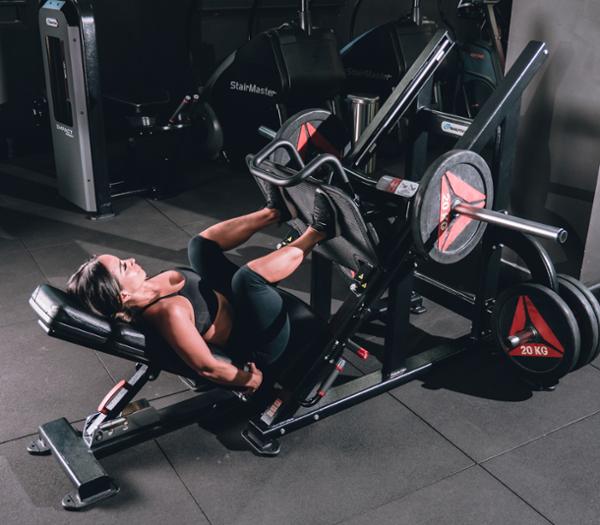

We’re in the middle of the greatest adoption of strength and functional training by the broadest demographic in fitness history. Strength science has finally caught up with cardiorespiratory science, and the evidence is very clear that strength training is as important as cardiorespiratory fitness and perhaps even more important for adults over 50, due to sarcopenia driving progressive muscle loss.
Young populations are seeking performance and aesthetic goals, including hypertrophy; the middle-aged population is looking for total wellness and functional capacity; and the older generation will seek the longevity and quality of life that strength training can add.
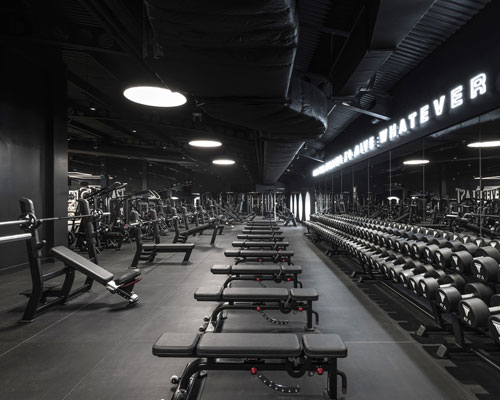
The strength trend is creating the need for operators to rethink their layouts and facility design to achieve a balance between pure cardio training, functional cross-training and traditional strength training.
As the adoption of strength training becomes more mainstream, as part of a comprehensive fitness and wellness programme, we’ll investigate product opportunities focused on strength and functional training. As a vendor, we’ll adjust our product roadmap to support the development of products and programmes that align with our customers’ wants, needs and goals.
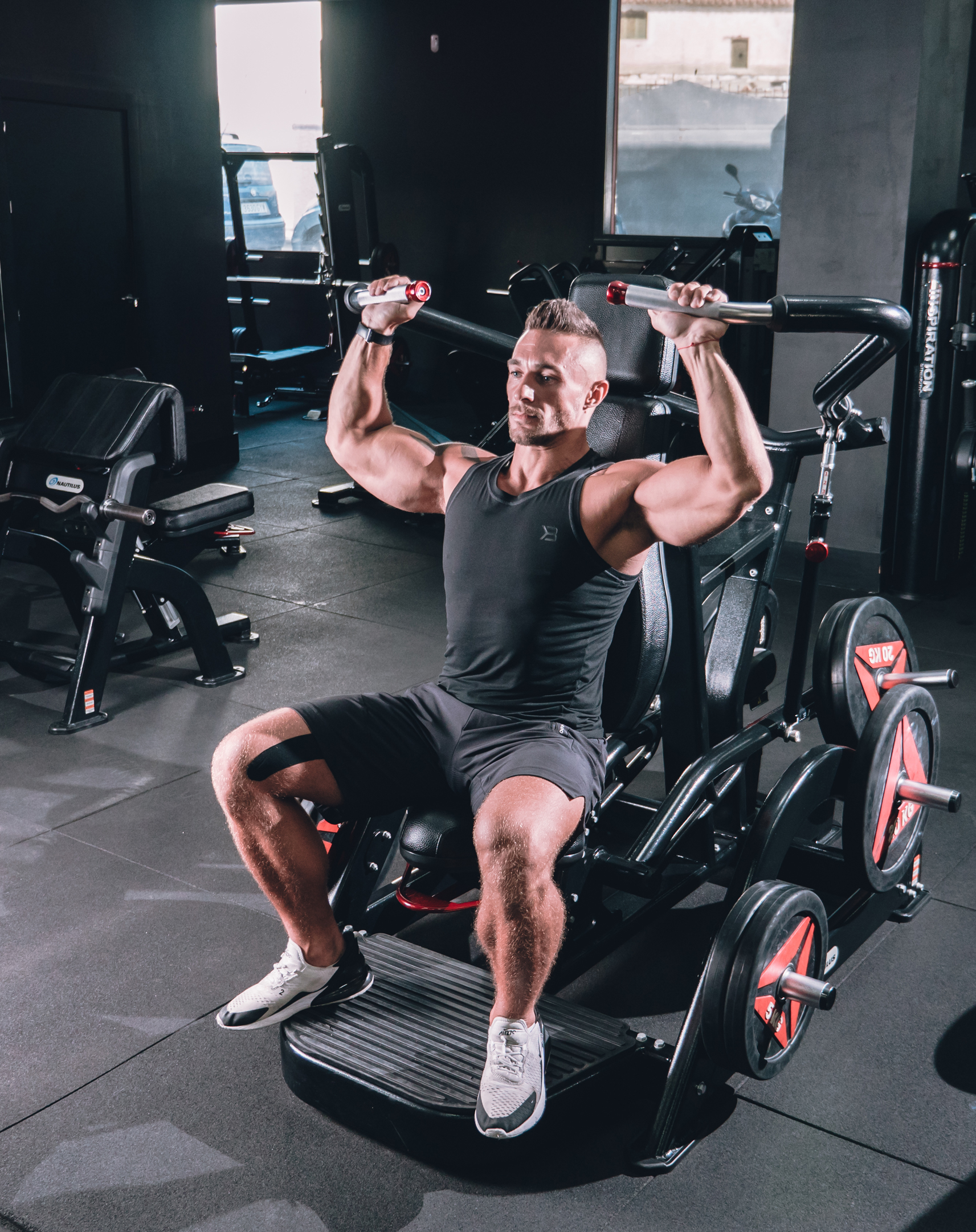
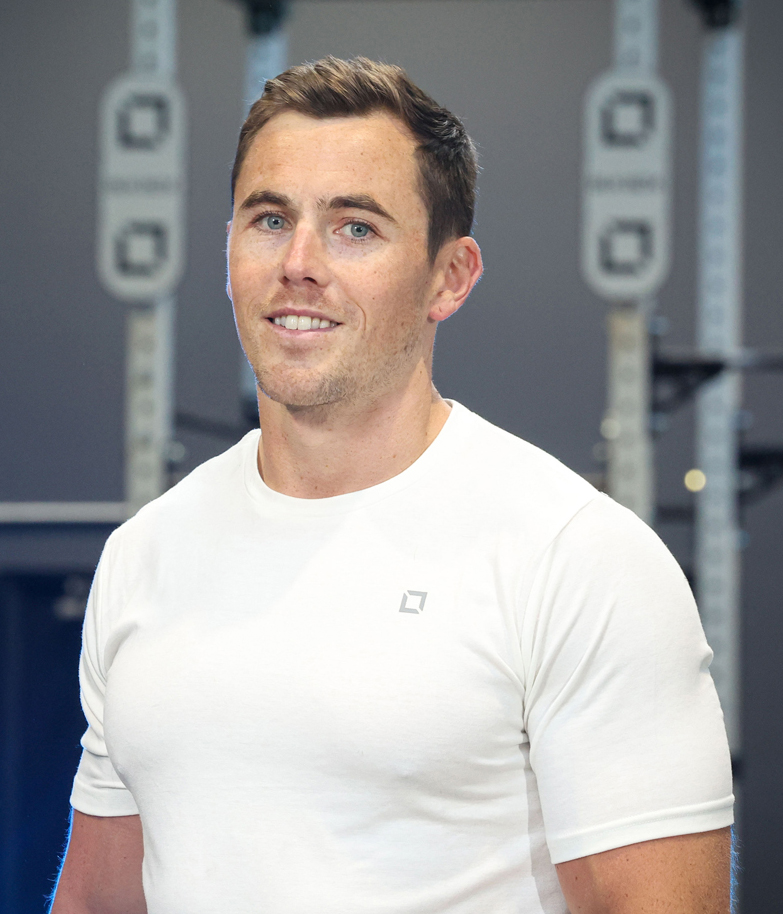
Consumers are becoming more knowledgeable and educated about effective workout practices. Functional fitness and Olympic weightlifting are increasingly accessible to members and maintain their popularity in mainstream fitness. Small-group PT is also benefiting from this increase, as it’s a fantastic introduction, enabling people to learn about strength training and the correct form for compound lifts and accessories.
We’re seeing a resurgence in the popularity of isolation exercises and bodybuilding-style movements that serve to complement functional fitness routines and compound lifts. People are incorporating these targeted movements for several key reasons. Firstly, they help promote recovery by focusing on specific muscle groups, allowing for better muscle repair and growth. Secondly, these exercises play a crucial role in reducing the risk of injury. By strengthening individual muscles and addressing imbalances, they provide greater support and stability for the more complex movements involved in compound lifts.
Strength training has always been at the heart of our business and we’re pleased to see current trends catching up. We’re constantly striving to innovate, creating strength equipment and facilities that push boundaries and transform people’s lives.
Our best advice for operators looking to enter the strength training space is to rebalance gym floor allocation in terms of both space and spending to meet the needs of new prospective members. Ensure your PT offerings deliver a balanced dose of community, education and challenge and evaluate your strength and free-weights offerings to provide an appropriate mix of weights and equipment, catering specifically for females and enthusiasts who are new to strength training.
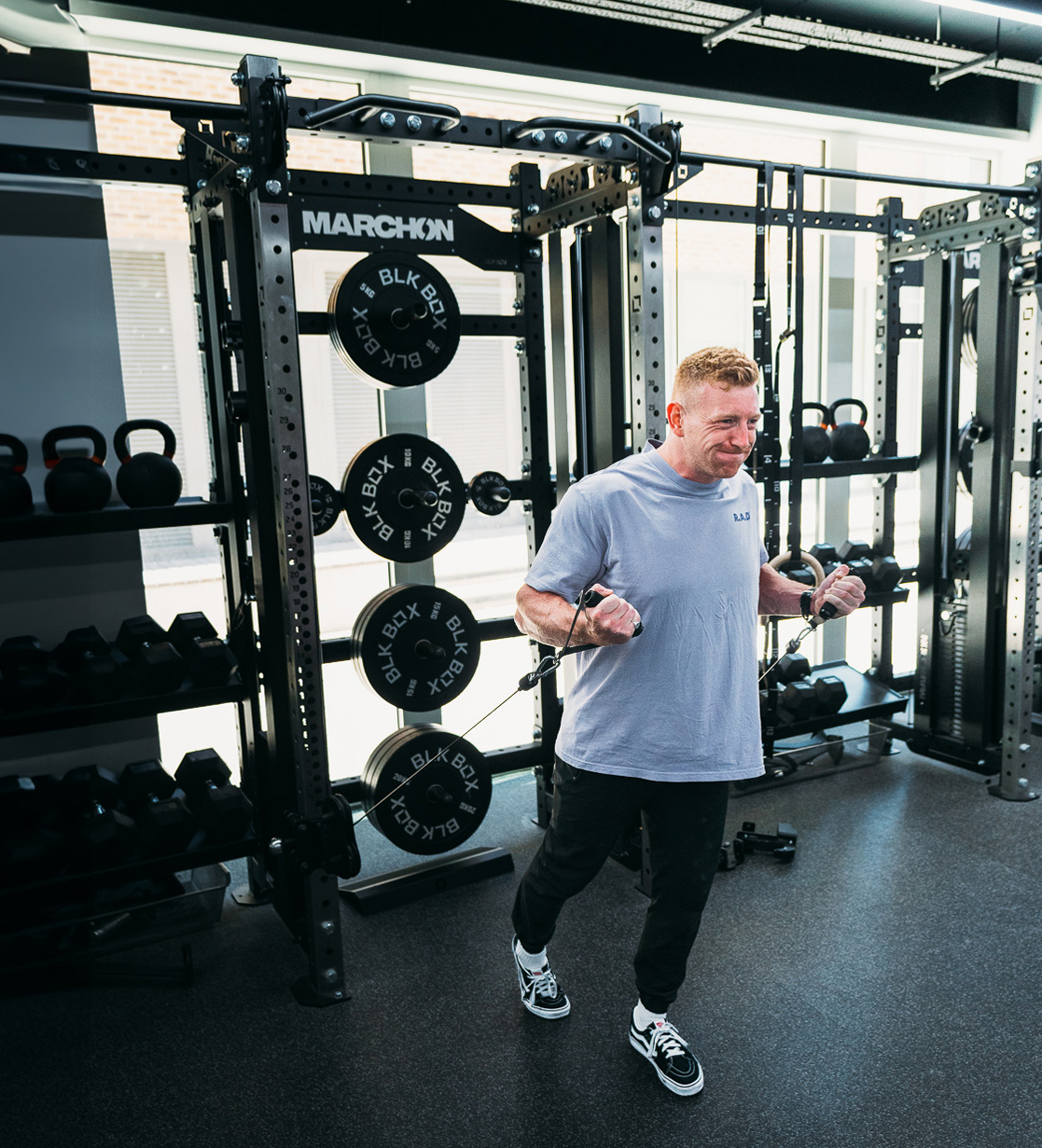

Strength training is becoming more mainstream, with more women resistance training than ever before and growing awareness of the importance of maintaining and developing muscular strength as we age.
The reasons for this include the rise of online fitness influencers and greater public awareness of menopause and the benefits of strength training during this time. In addition, health professionals are encouraging people to take charge of their health to live independently for longer and relieve pressure on the NHS.
Strength training can help manage and alleviate symptoms of heart disease, arthritis, diabetes, obesity and other conditions. Muscular strength also enhances balance and flexibility (two other elements of health ageing) to help prevent falls – the number one reason older people are taken to hospital.
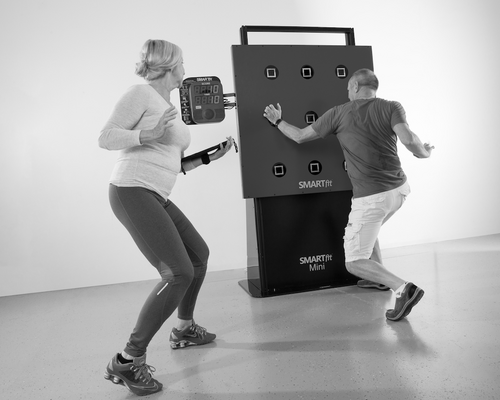
As a business, we’ve always produced equipment that supports the five elements of healthy ageing – muscular strength, aerobic fitness, balance, flexibility and social wellbeing. Despite the benefits of strength training, it’s becoming increasingly obvious that a one-size-fits-all approach doesn’t work for older adults and those with long-term health conditions. Members of this cohort are often deconditioned, chronically fatigued and don’t have the muscle mass to use traditional resistance kit effectively.
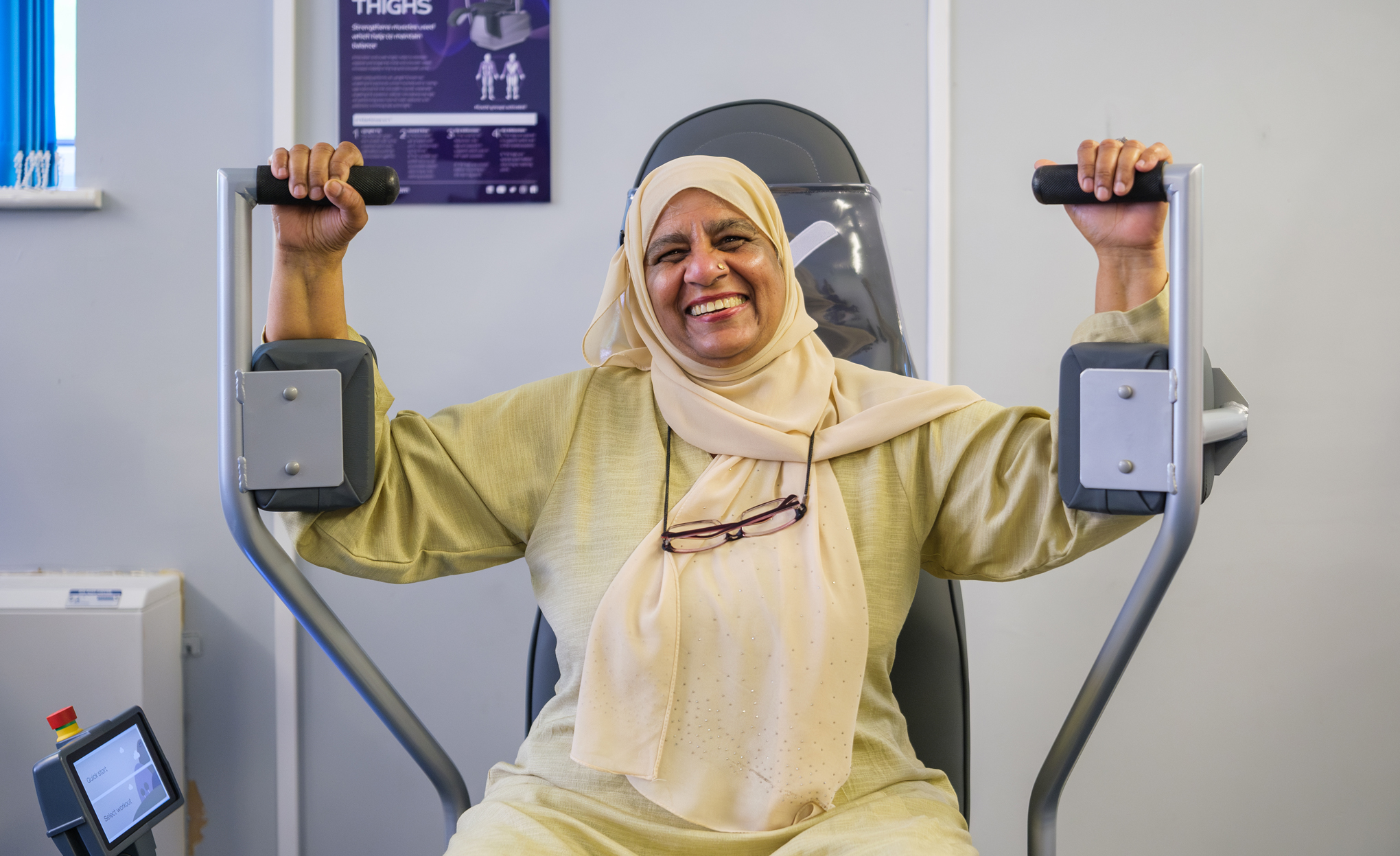
Power-assisted equipment offers an alternative to people who struggle to access mainstream strength training. We’re working with a growing number of public sector operators and independent organisations to create bespoke strength training spaces specifically for this market.
Located in leisure centres or in community venues, they use our power-assisted equipment, which offers low-to-moderate to high-intensity exercise, opening the doors to strength training for the people in our society who stand to benefit the most.
Our equipment allows users to build strength and muscle mass for both upper and lower body. From chronically fatigued cancer patients going through chemotherapy to Paralympic athletes to highly conditioned personal trainers, it offers resistance training either passively or actively, depending on the user’s ability.

Since the pandemic, fitness facilities have expanded the size of their strength areas, with industry data showing that strength equipment sales continue in the double digits year over year, representing an attitudinal shift among exercisers.
Strength training is drawing wider audiences. Women, Gen Z and millennials can be counted among the biggest drivers and whereas older adults are interested in increasing movement confidence, bone health and retaining muscle mass, Gen Z exercisers seek out social spaces – products such as multifunctional cable stations, lifting racks and functional fitness spaces naturally lend themselves to interaction.
These products are also the most likely to be featured in selfies and social media spaces and highlight an exercisers’ strength and movement proficiency.
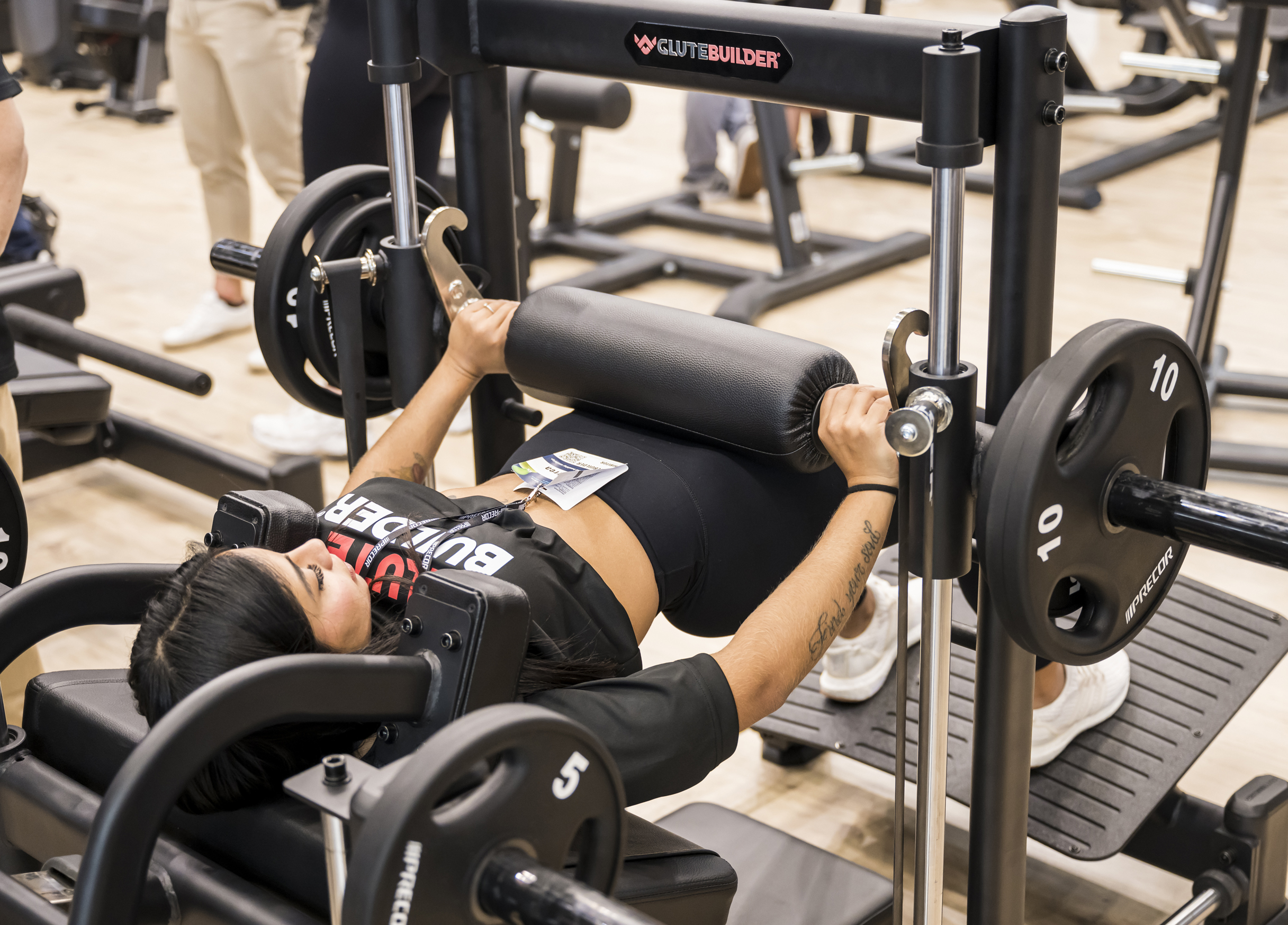
We’re seeing a surge in the popularity of glute training in exercise facilities, with dedicated equipment for hip thrusts, kickbacks and hip abduction captivating exercisers. Targeted approaches and methodologies for shaping and strengthening the glutes tops the list of new product innovations this year.
This has led us to partner with Glutebuilder on a new line of biomechanically precise glute training products. The Glutebuilder Plate Loaded line delivers the perfect balance of purpose and performance for glute training advocates who want to shape their body and enhance movement function. This line takes a biomechanics-first approach to isolate the glutes with innovative motion paths, optimised adjustments, reduced inertia and easy loading and unloading in a dedicated space.
There’s a growing recognition of the benefits associated with being strong. Increasing muscle mass is not just about aesthetics, it also helps guard against life-limiting conditions such as osteoporosis and sarcopenia, helping people improve not just their lifespan but also their healthspan, living longer, healthier lives.
Social media influencers are pumping out content about the importance of being strong, along with exercise demonstrations and routines. This is normalising weight training and taking it beyond the realms of bodybuilders and athletes.
We’re seeing a surge in interest from women who are venturing into free weight areas and clubs adjusting their gym floors in favour of functional and free weight training.
Our latest product range, ‘Load’, is a testament to this shift, featuring a circuit-based training system with Olympic weight plates and elastic resistance, designed to optimise strength, endurance and flexibility. This system caters for various fitness levels, ensuring beginners and experienced athletes can benefit.
We’re also investing in digital coaching platforms to provide personalised strength training programmes, on the gym-floor 24/7, enhancing the training experience.
Our educational content is being expanded to ensure trainers, coaches and operators are provided with the resources they need to integrate strength training into their offerings and maintain their relevance and competitive edge.
Finally, we’ve partnered with Glutebuilder to launch a glute equipment range, addressing a demand for more options to train the butt.
We’re witnessing new demographics embracing strength training as it moves beyond the realm of elite athletes to attract recreational fitness enthusiasts, young adults and the wider public.
Competitive events such as Hyrox and CrossFit have introduced structured strength training to a broader audience, encouraging participation from various age groups at all fitness levels. Meanwhile, educational institutions are playing a significant role by incorporating strength training into their curriculums.
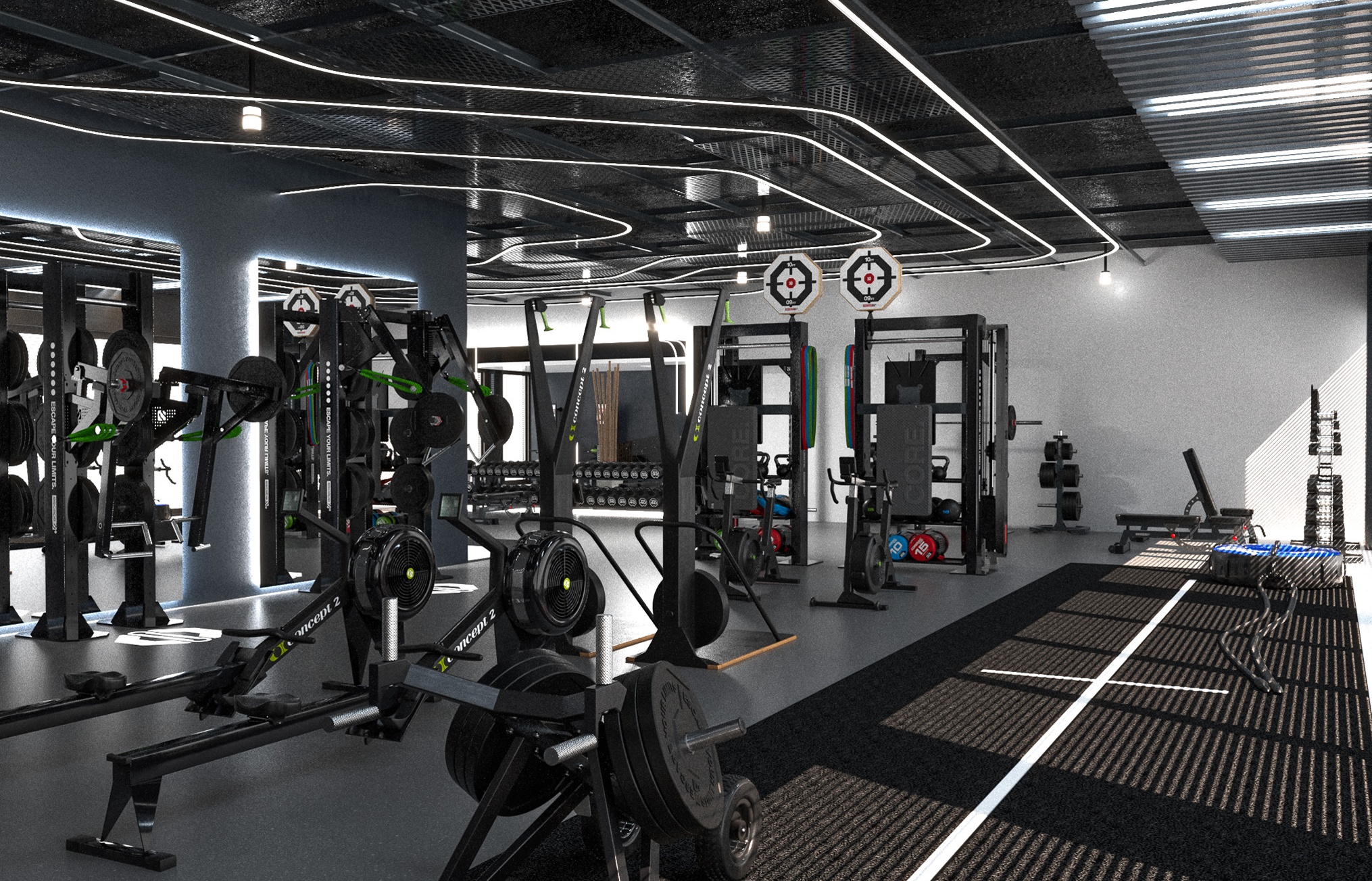
With 17 years’ experience designing and installing strength and conditioning facilities, we’ve seen a change in the clientele and sectors looking to kit out their gyms. We’ve refined and expanded our portfolio, focusing on installing gyms that meet both functional and visual expectations, while ensuring safety and durability in intense workout environments. We offer a range of strength and conditioning products, including Werksan Full Power Racks, weight benches, bumper plates, hex bars and prowler sleds, as well as flooring solutions.
Recognising our customers are seeking knowledge on strength and conditioning training and equipment, with a heightened focus on technique, posture and injury prevention, we’ve also developed strength and conditioning courses ranging from single-day workshops to in-depth diplomas accredited by the UK Strength and Conditioning Association (UKSCA).
Our aim is to equip both aspiring and experienced coaches, professionals teaching sport education in schools and those in rehabilitation roles with the skills to effectively guide their clients.
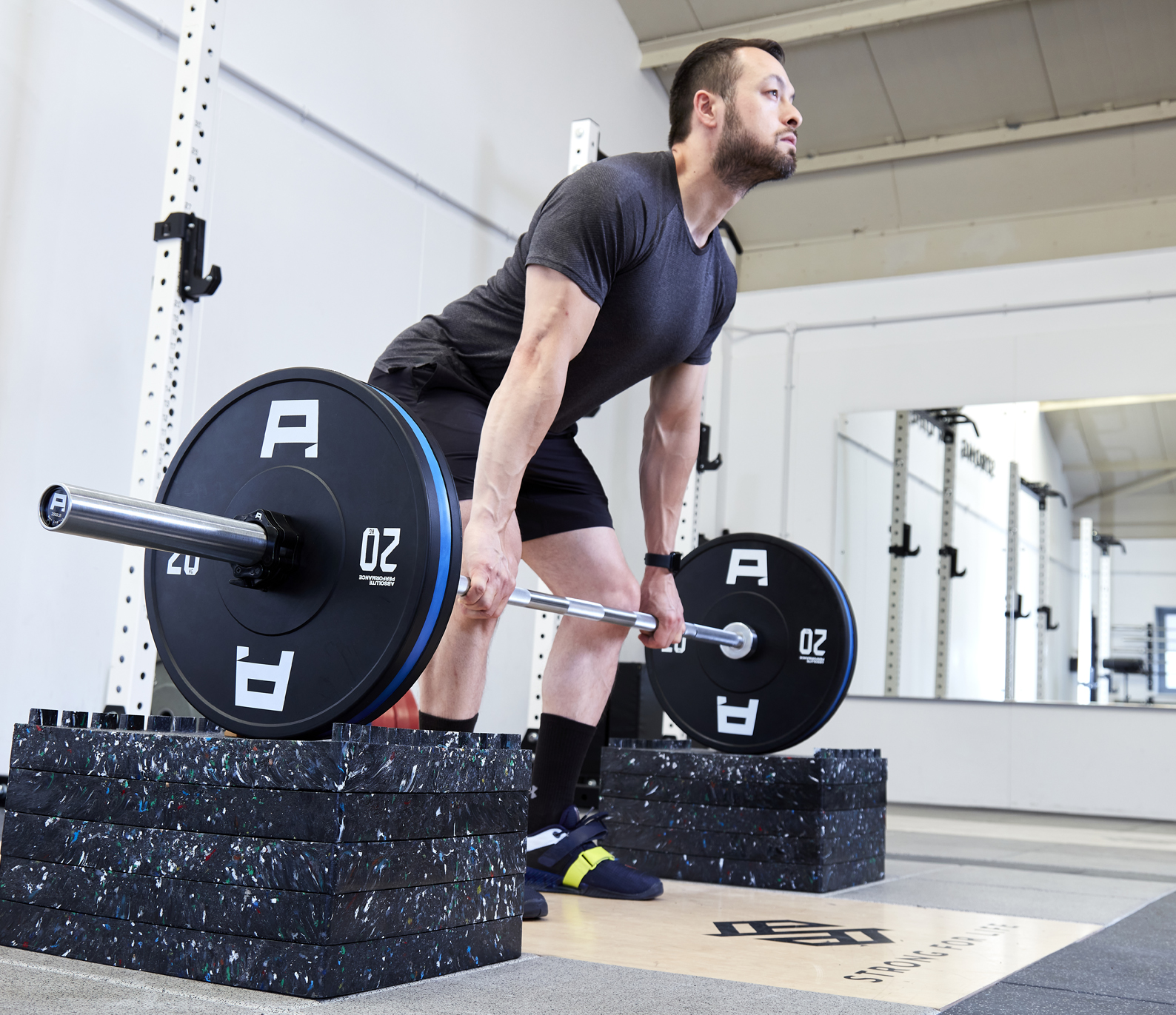

Operators are creating lifting clubs and Hyrox-style or functional training zones and changing their gym floors to incorporate more rack space and plate loaded areas – particularly for leg-based equipment.
Gyms offering strength training workshops are seeing higher levels of retention, not only by educating members on big compound lifts, but also by creating strength communities in their gyms.
We’re also seeing a broader demographic in the free weights area – more women and – potentially controversially – more youth training.
In 2022, the World Health Organization suggested children from the age of five should be doing intense cardio-based exercise and exercises that strengthen muscle and bone a minimum of three times a week.
Strength training for youth has been deemed safe – with certain provisos – in recent studies published in the British Journal for Sports Medicine, with strength improving up to 50 per cent in youth who were training twice a week for 8-12 weeks.
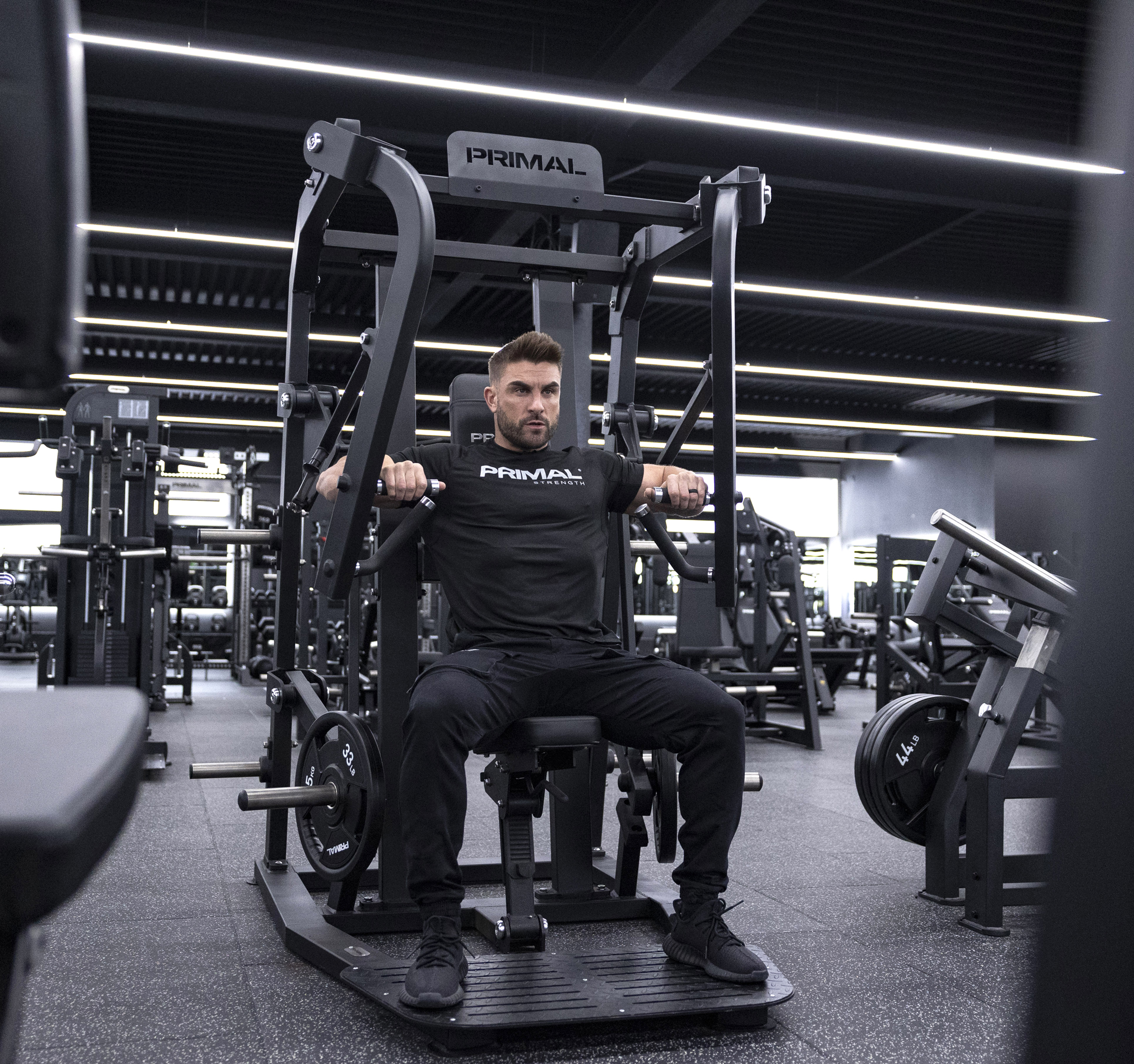
The broader demographic increases the need for safety and ease of use, while still achieving the desired goals. This is one of the many drivers for our focus on plate loaded equipment.
Our Pro Series Hip/Glute Drive was engineered to be suitable for shorter users, while the belt auto-locks for a quicker set-up and is reinforced to take more weight safely.
Hyrox has shown how one trend can completely shift gym member expectations. We’re making it easier for our customers to adapt, with more Primal Performance Series Hyrox-targeted products, an increased offering from our PXD modular rigs and a wider range of bespoke products to meet unique demands. Finally, we’ve increased the range of flooring solutions, both from our joint venture with Indigo Fitness and our growing imported range.

The main driver of the strength trend is growing awareness of the importance of this type of training for enhancing overall health. This ongoing shift also illustrates a growing commitment to holistic fitness, where the goal is to build a body that’s not just aesthetically pleasing, but also powerful, agile and capable of handling a wide range of physical challenges – for better performance in sports and in life.
The integration of powerlifting into gym environments reflects this shift, with both athletes and enthusiasts training with focused goals using specialised equipment such as bars and lifting platforms.
Additionally, increased access to online educational resources, fitness apps and wearable technology has made gym-goers more knowledgeable and informed. These tools offer real-time data and personalised workout guidance, while enhanced support from coaches and health clubs helps individuals align their training with their health goals.
Social media significantly contributes to this trend, with fitness influencers and communities sharing workouts, success stories and tips, motivating a wider audience to engage in strength training. This accessibility and inspiration make strength training appealing to more people.
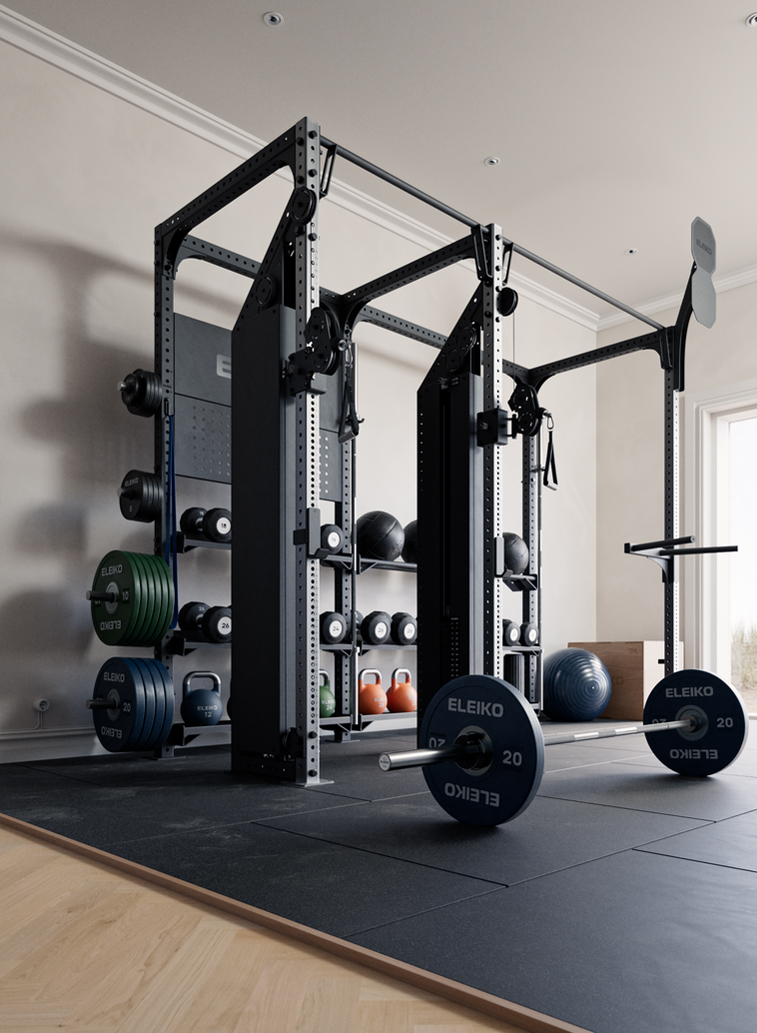
Space-efficient strength training spaces with free weights are essential to meet the demands of today’s athletes and clients. To address these needs we launched the Prestera Strength System, which is modular and customisable, coupling varied training methods with distinctive configurations.
A flexible strength system of racks, rigs, cables and storage for free weights and training tools, it integrates free weight, cable and barbell training into one system where storage is also included.
Urban Gym Group has entered the Irish market with the acquisition of Iconic ...
Total Fitness has released new research revealing how the expectations and motivations of ...