














Follow Health Club Management on Twitter Like Health Club Management on Facebook Join the discussion with Health Club Management on LinkedIn
FITNESS, HEALTH, WELLNESS

features

Spa trends: Watch this space

The Health and Wellness Knowledge Venturing team at global foresights firm The Futures Company share their thoughts on the hottest trends impacting the health club spa industry worldwide

Published in Health Club Management 2013 issue 5

Affordable indulgence
A holistic approach to wellbeing is innate to the millennial generation and something they’re reluctant to sacrifice, despite the economic uncertainty and financial constraints that surround them.

Eighteen- to 33-year-olds in western Europe have grown up accustomed to a society where it’s acceptable to focus on yourself as an individual and dedicate time to your own mental and emotional wellbeing. Yet times are tough for this group, particularly at the younger end of the age spectrum, as they attempt to establish themselves on the career ladder against a backdrop of austerity. They’re increasingly worried about their future and are having to plan for the long term in a way that previous generations managed to avoid. Emotional wellbeing is under threat as anxiety over job security, debt and future prospects takes hold.

Should the health club spa industry be worried about a cash-strapped younger generation? Reassuringly, in this climate, little luxuries are more important than ever for this age group. Whether it’s a cup of their favourite coffee or a weekly music download, millennials are normally unwilling to sacrifice the boosts that help them to maintain an even keel and deal with the pressures they are under.

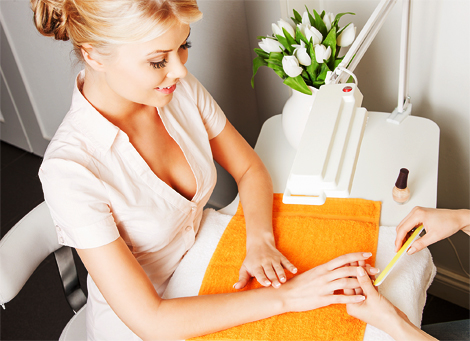
The spa industry should take note: luxury treatments will be out of budget, but affordable, everyday treats such as express manicures or day passes to use spa facilities are just what this population group needs and craves. If the spa industry can offer a range of treatments that meet a £10–20 budget, there’s an opportunity to reach out to this younger audience.

Spa ‘gamification’
Gamification is fast permeating every part of the health and wellness industry – not only fitness (see HCM June 12, p46 and HCM Oct 12, p50), but also spas.

Social gaming offers an important means to enrich client relationships. Facebook has already been used by many brands to educate and engage with clients and staff through social gaming: Clarins’ Spa Life, for example, is a game in which Facebook users must manage virtual customers in a virtual spa.

More recently, pharmaceutical group Boehringer Ingelheim created Syrum, a Facebook game in which players solve global pandemics and diseases by discovering cures, creating a stable drug, and then testing it through clinical trials.

It’s easy to imagine how this type of immersive social gaming might be used to educate spa clients about treatments offered, especially treatments and technologies that are new to the market.

In the future, we might also expect to see spas using gamification to improve loyalty schemes. An app that rewards clients for purchases could replace physical loyalty cards, for example. Businesses could incentivise clients to return for more treatments – especially those who do not make regular visits – by offering them points to trade in against discounted or even free treatments and trials. Tracking features – already common among apps focused on more goal-orientated aspects of health, such as diet and exercise – could also be incorporated to help clients record and comment on treatments they have enjoyed.

Gaming can help deliver a higher level of client engagement, which can only benefit health club spas and their clients.

Body and mind
We’re living hectic modern lives and often tensely balancing work and leisure time: the NHS reports that work-related stress has risen 40 per cent since 2005. This is driving consumers to take greater responsibility for their mental wellbeing: where once mental health was complex and stigmatised, it’s now emerging as a concern on a par with physical wellbeing.

In this context, the health club spa offers an accessible way for people to take time for themselves, invigorate the senses and improve their mental outlook on life. From massages to manicures, spa activities are proving to be a one-stop-shop for boosting self-esteem and mental wellbeing. Simple, non-time intensive spa treatments in the home, from masks and facials to hot baths and scented candles, can also help create a positive mental balance – such products could be promoted and sold in health club spas.

For those wanting to develop this side of their offering even further, a growing number of ‘alternative’ holistic treatments are emerging that aim to promote mental wellbeing. Examples include the growth of ‘mindfulness meditation’ to boost mental harmony and the Zen Sound Therapy programme, by Vermont’s Stowe Mountain Lodge in the US, which aims to reduce anxiety through music therapy.

In the future we will see more people taking responsibility for their mental health by embracing the world of the spa, in their own time, at their own pace.

The rise of the ‘bio-citizen’
When it comes to their health and wellness, many consumers find navigating the huge diversity of options confusing, intimidating and very complicated. They continue to find their own way through this complexity, whether by relying on networks of trusted advisers and professionals, or seeking advice from peers who have faced similar situations and choices.

People are becoming increasingly familiar and willing to share personal health information with those outside of their circle of friends and family. For example, Facebook recently included health and wellness updates to its list of Life Events, ranging from broken bones to illnesses overcome.

Some consumers are actually forming social affinities around health and biological identities. With the help of new media, ‘bio-citizens’ – people who join social networks, on and offline, based on shared interest in health concerns – are generating and sharing specialised scientific and medical knowledge of their conditions. They are becoming experts in their own right and are therefore increasingly influential.

As engaged and informed consumers share their private health information, they will expect spa and wellness solutions to be more innovative and flexible, tailoring services to meet their specific needs.

Urban sanctuaries
According to 2012 data from the Population Reference Bureau, 51 per cent of the global population live in an urban environment, compared to 30 per cent in 1950. In Europe, over two-thirds of people live in towns and cities, making it hard for them to remain active.

This urbanisation is a growing threat to our activity levels, as green space and outdoor exercise locations are threatened. In addition, air pollution can make it unpleasant and even a threat to our health to exercise outdoors. In some cases, people are too afraid to exercise in built-up areas for fear of crime. The outdoor environment is becoming a less attractive place to exercise, and people are seeking a safe, healthy space to retreat to.

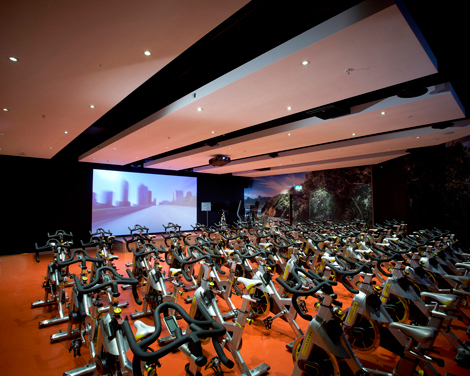
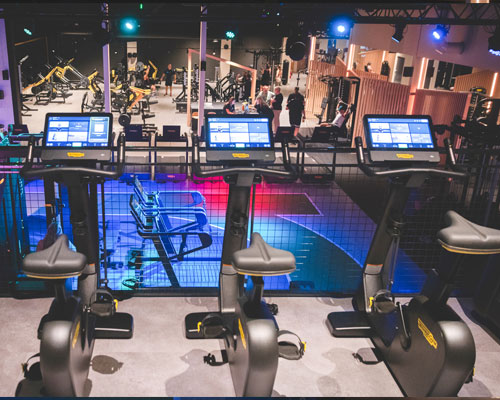
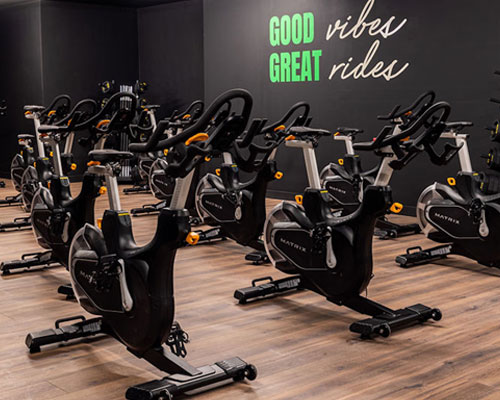
Health clubs are seeking to address this by introducing innovative ways of bringing the outside indoors. For example, some urban gyms create the sensation of exercising outdoors by doing things like increasing natural light and projecting images of natural scenery on the walls: the Virgin Active health club in Aldersgate, London, has a group cycling studio with a floor-to-ceiling projection screen and up to 150 different outdoor image videos.

But this trend is not only interesting for health clubs and gyms: it could lead to a new growth opportunity for the spa industry. As urbanisation continues to rise, people will increasingly seek a sanctuary to escape to, and the benefits of visiting a spa will become even more widely appreciated.

Holistic ageing
Today, there are 1.5 billion people aged over 50 globally, and this is set to rise to 1.9 billion by 2020, according to Euromonitor International and the UN. For the first time in history, the world’s older population will be the fastest-growing age group.

Older consumers are not necessarily bound by life-stage stereotypes. Faced with the prospect of living for longer, they are not only looking for solutions that will help them better manage the health conditions they have, but that will also help slow or prevent age-related decline in their bodies and minds.

From beauty creams and pills to Chinese placenta medicines and even functional drinks said to prevent the early onset of Alzheimer’s, the market for anti-ageing products has been rapidly expanding. At its most extreme, it includes treatments such as replacing healthy joints with artificial ones to prevent joint deterioration in the first place. However, these solutions are not for everyone, and many older people want more holistic treatments that can be integrated into their lifestyles.

The spa industry is already responding with a growing number of anti-ageing treatments. In addition, healthy ageing spa holidays are being offered to consumers wanting to stay one step ahead of the ageing process. These holidays feature tailored programmes that combine nutrition advice, tests to assess functional health and metabolism, non-abrasive anti-ageing treatments and facials, and the ancient therapies of yoga, ayurveda and meditation to assist the cellular renewal process that naturally slows with age.

Spas in the future should focus on promoting longevity, youthfulness and vitality, offering treatments that may help prevent premature ageing and disease, and that are easy to replicate at home to ensure ongoing benefits.

About The Futures Company

The Futures Company is a strategic insight and innovation consultancy, with particular expertise in futures and foresight work. The company has teams in the US, Mexico, Brazil, UK and Argentina and partnerships in China, India and Poland. By exploring the future needs, motivations and behaviours of consumers, and the broader dynamics shaping the marketplace, The Futures Company unlocks new sources of growth for its clients.
Web: www.thefuturescompany.com
Twitter: @FuturesCo

Sign up here to get HCM's weekly ezine and every issue of HCM magazine free on digital.
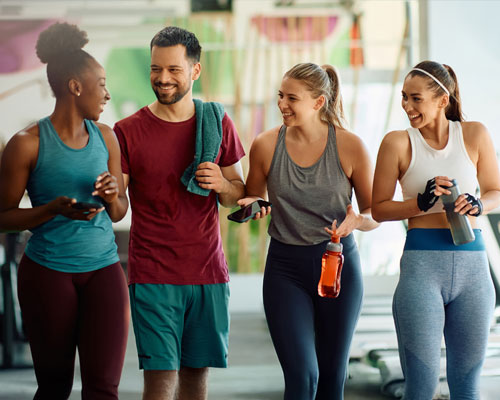
If spas can hit a treatment price point of £10–20, they can attract a younger audience / lev dolgachov/shutterstock.com
Clarins’ Spa Life: A game where users manage a virtual spa
Spas are now being seen as places to improve mental as well as physical wellbeing / Schmid Christophe/shutterstock.com
As urbanisation spreads and people feel less safe in their environment, spas can provide a sanctuary
On trend: Virgin Active in Aldersgate, London, uses outdoor video footage in its large indoor cycling studio
https://www.leisureopportunities.co.uk/images/HCM2013_5spa.gif
A look at the hottest trends impacting the health club spa industry
The futures company,Trends, health club spa, stress, gamification, ageing
HCM magazine
HCM People

Stephen Price

Founder, SP&Co Group
Working in public health over the last few years has lit up parts of my brain again
HCM magazine
Small improvements to sleep, diet and physical activity have major benefits for the heart, according to new research from the University of Sydney
HCM magazine
If the health service is to survive, we must recognise that it is a disease service – and that wellbeing rests with us, says the activity advocate and healthy ageing champion. He talks to Kate Cracknell
HCM magazine
I experienced a blissful feeling of joy I hadn’t felt since I was a kid
HCM magazine
Raphael Cuomo explores the powerful link between addiction, health and behaviour change
HCM promotional features
Sponsored
Greg Bradley looks at the shift towards strength training in gyms and advises on how operators can create the ultimate training environment
HCM promotional features
Sponsored
Find out how your gym can tap into the corporate wellness boom
HCM promotional features
Sponsored
SnowDome Fitness has added 50 per cent more space with cutting-edge Technogym solutions
HCM promotional features
Sponsored
Starpool supports Olympic champion Marcell Jacobs, says Riccardo Turri
HCM promotional features
Sponsored
Third Space partnered with IndigoFitness to deliver a bespoke training space for its new club at The Whiteley
HCM promotional features
Sponsored
David Lloyd is stepping up its commitment to women’s health as it continues to explore what fit-for-purpose looks like for the female population
HCM promotional features
Sponsored
EGYM has opened a new HQ in Paternoster Square, London and revealed a range of new launches
HCM promotional features
Sponsored
Active IQ is calling for greater accountability in online fitness advice with the launch of a new trustmark
HCM promotional features
Sponsored
The industry is embracing consumer-facing tech. Now it’s time to streamline back-of-house systems with Orbit4, says Daniel Jones
HCM promotional features
Latest News
People taking GLP-1 weight loss medications such as Ozempic, Wegovy, Mounjaro and Zepbound may be ...
Latest News
Low-cost gym operator, PureGym, is trialling recovery zones at two of its UK sites, democratising ...
Latest News
In a milestone moment, mental health has become a core part of CIMSPA’s occupational professional ...
Latest News
US high-value, low-price chain, Eos Fitness, has announced plans to pilot reformer Pilates in three ...
Latest News
Preventive healthcare company Neko Health has added body composition analysis to its full-body health scan ...
Latest News
Chequan Lewis is the new CEO of Crunch Fitness, taking over from Jim Rowley, who ...
Latest News
Sea Lanes Canary Wharf has officially opened. The 50-metre, six-lane pool, which uses the natural ...
Latest News
London-based high-performance fitness club, ONE LDN, is raising funds for a multi-site expansion across London, ...
Opinion
promotion
Strength training has moved from the margins to the mainstream.
Opinion: Building smarter strength spaces for today’s operators
Featured supplier news
Featured supplier news: Reaching the people most gyms miss: Bedford Gym & Swim Campaign delivers 410 new members
One of the biggest mistakes the fitness industry still makes is advertising almost exclusively to people who already look and live like gym members.
Featured supplier news
Featured supplier news: Cornerstone Connect helps Active Blackpool tackle health inequalities
Active Blackpool is deploying Cornerstone Connect, a new digital interface allowing disparate information from multiple systems to be aggregated into one dataset, to support its focus on reducing health inequalities and improving healthy life expectancy.
Company profiles
Company profile: Wellhub
Wellhub acts as a corporate sales channel, bringing new, highquality members to your business, by ...
Company profiles
Company profile: BLK BOX
BLK BOX - where precision meets strength, and innovation never stops in the pursuit of ...
Supplier Showcases
Supplier Showcase - From nightclub to health club
Supplier Showcases
Supplier Showcase - Future-proofing
Catalogue Gallery
Click on a catalogue to view it online
Featured press releases
Swim England press release: Swim England launches new Learn to Swim Growth Plan to support aquatic programme expansion
Swim England has strengthened its sector-leading Business Solutions offer with the launch of its Learn to Swim Growth Plan, designed to help aquatic providers unlock sustainable programme growth.
Featured press releases
CoverMe Ltd press release: CoverMe and Jobs In. Fitness partner to create end-to-end talent solution
CoverMe, the UK’s leading fitness workforce management and recruitment platform, has partnered with Jobs In. Fitness, the specialist executive search and advisory firm for the fitness and wellbeing sector, to give operators a single route to talent at every level – from frontline staffing to C-suite.
Directory
Fitness tracking platform
SpiviTech: Fitness tracking platform
Lockers
Crown Sports Lockers: Lockers
Industrial washing machines
Miele Company Limited: Industrial washing machines
Hot tubs
MSpa International Ltd: Hot tubs
Water experiences and hydrotherapy solutions
Aquaform s.r.l.: Water experiences and hydrotherapy solutions
Spa and beauty equipment
Living Earth Crafts: Spa and beauty equipment
Property & Tenders
Stratford, East London.
Lee Valley Regional Park Authority
Property & Tenders
Y Felinheli, LL56 4QN
Newmark
Property & Tenders
Diary dates
21-24 Sep 2026
The Langham Huntington Pasadena , Pasadena, United States
Diary dates
06-08 Oct 2026
Messe Stuttgart, Stuttgart, Germany
Diary dates
22-22 Oct 2026
QEII Conference Centre, London,
Diary dates
26-29 Oct 2027
Koelnmesse Exhibition Centre, Cologne, Germany
Diary dates

features

Spa trends: Watch this space

The Health and Wellness Knowledge Venturing team at global foresights firm The Futures Company share their thoughts on the hottest trends impacting the health club spa industry worldwide

Published in Health Club Management 2013 issue 5

Affordable indulgence
A holistic approach to wellbeing is innate to the millennial generation and something they’re reluctant to sacrifice, despite the economic uncertainty and financial constraints that surround them.

Eighteen- to 33-year-olds in western Europe have grown up accustomed to a society where it’s acceptable to focus on yourself as an individual and dedicate time to your own mental and emotional wellbeing. Yet times are tough for this group, particularly at the younger end of the age spectrum, as they attempt to establish themselves on the career ladder against a backdrop of austerity. They’re increasingly worried about their future and are having to plan for the long term in a way that previous generations managed to avoid. Emotional wellbeing is under threat as anxiety over job security, debt and future prospects takes hold.

Should the health club spa industry be worried about a cash-strapped younger generation? Reassuringly, in this climate, little luxuries are more important than ever for this age group. Whether it’s a cup of their favourite coffee or a weekly music download, millennials are normally unwilling to sacrifice the boosts that help them to maintain an even keel and deal with the pressures they are under.

The spa industry should take note: luxury treatments will be out of budget, but affordable, everyday treats such as express manicures or day passes to use spa facilities are just what this population group needs and craves. If the spa industry can offer a range of treatments that meet a £10–20 budget, there’s an opportunity to reach out to this younger audience.

Spa ‘gamification’
Gamification is fast permeating every part of the health and wellness industry – not only fitness (see HCM June 12, p46 and HCM Oct 12, p50), but also spas.

Social gaming offers an important means to enrich client relationships. Facebook has already been used by many brands to educate and engage with clients and staff through social gaming: Clarins’ Spa Life, for example, is a game in which Facebook users must manage virtual customers in a virtual spa.

More recently, pharmaceutical group Boehringer Ingelheim created Syrum, a Facebook game in which players solve global pandemics and diseases by discovering cures, creating a stable drug, and then testing it through clinical trials.

It’s easy to imagine how this type of immersive social gaming might be used to educate spa clients about treatments offered, especially treatments and technologies that are new to the market.

In the future, we might also expect to see spas using gamification to improve loyalty schemes. An app that rewards clients for purchases could replace physical loyalty cards, for example. Businesses could incentivise clients to return for more treatments – especially those who do not make regular visits – by offering them points to trade in against discounted or even free treatments and trials. Tracking features – already common among apps focused on more goal-orientated aspects of health, such as diet and exercise – could also be incorporated to help clients record and comment on treatments they have enjoyed.

Gaming can help deliver a higher level of client engagement, which can only benefit health club spas and their clients.

Body and mind
We’re living hectic modern lives and often tensely balancing work and leisure time: the NHS reports that work-related stress has risen 40 per cent since 2005. This is driving consumers to take greater responsibility for their mental wellbeing: where once mental health was complex and stigmatised, it’s now emerging as a concern on a par with physical wellbeing.

In this context, the health club spa offers an accessible way for people to take time for themselves, invigorate the senses and improve their mental outlook on life. From massages to manicures, spa activities are proving to be a one-stop-shop for boosting self-esteem and mental wellbeing. Simple, non-time intensive spa treatments in the home, from masks and facials to hot baths and scented candles, can also help create a positive mental balance – such products could be promoted and sold in health club spas.

For those wanting to develop this side of their offering even further, a growing number of ‘alternative’ holistic treatments are emerging that aim to promote mental wellbeing. Examples include the growth of ‘mindfulness meditation’ to boost mental harmony and the Zen Sound Therapy programme, by Vermont’s Stowe Mountain Lodge in the US, which aims to reduce anxiety through music therapy.

In the future we will see more people taking responsibility for their mental health by embracing the world of the spa, in their own time, at their own pace.

The rise of the ‘bio-citizen’
When it comes to their health and wellness, many consumers find navigating the huge diversity of options confusing, intimidating and very complicated. They continue to find their own way through this complexity, whether by relying on networks of trusted advisers and professionals, or seeking advice from peers who have faced similar situations and choices.

People are becoming increasingly familiar and willing to share personal health information with those outside of their circle of friends and family. For example, Facebook recently included health and wellness updates to its list of Life Events, ranging from broken bones to illnesses overcome.

Some consumers are actually forming social affinities around health and biological identities. With the help of new media, ‘bio-citizens’ – people who join social networks, on and offline, based on shared interest in health concerns – are generating and sharing specialised scientific and medical knowledge of their conditions. They are becoming experts in their own right and are therefore increasingly influential.

As engaged and informed consumers share their private health information, they will expect spa and wellness solutions to be more innovative and flexible, tailoring services to meet their specific needs.

Urban sanctuaries
According to 2012 data from the Population Reference Bureau, 51 per cent of the global population live in an urban environment, compared to 30 per cent in 1950. In Europe, over two-thirds of people live in towns and cities, making it hard for them to remain active.

This urbanisation is a growing threat to our activity levels, as green space and outdoor exercise locations are threatened. In addition, air pollution can make it unpleasant and even a threat to our health to exercise outdoors. In some cases, people are too afraid to exercise in built-up areas for fear of crime. The outdoor environment is becoming a less attractive place to exercise, and people are seeking a safe, healthy space to retreat to.

Health clubs are seeking to address this by introducing innovative ways of bringing the outside indoors. For example, some urban gyms create the sensation of exercising outdoors by doing things like increasing natural light and projecting images of natural scenery on the walls: the Virgin Active health club in Aldersgate, London, has a group cycling studio with a floor-to-ceiling projection screen and up to 150 different outdoor image videos.

But this trend is not only interesting for health clubs and gyms: it could lead to a new growth opportunity for the spa industry. As urbanisation continues to rise, people will increasingly seek a sanctuary to escape to, and the benefits of visiting a spa will become even more widely appreciated.

Holistic ageing
Today, there are 1.5 billion people aged over 50 globally, and this is set to rise to 1.9 billion by 2020, according to Euromonitor International and the UN. For the first time in history, the world’s older population will be the fastest-growing age group.

Older consumers are not necessarily bound by life-stage stereotypes. Faced with the prospect of living for longer, they are not only looking for solutions that will help them better manage the health conditions they have, but that will also help slow or prevent age-related decline in their bodies and minds.

From beauty creams and pills to Chinese placenta medicines and even functional drinks said to prevent the early onset of Alzheimer’s, the market for anti-ageing products has been rapidly expanding. At its most extreme, it includes treatments such as replacing healthy joints with artificial ones to prevent joint deterioration in the first place. However, these solutions are not for everyone, and many older people want more holistic treatments that can be integrated into their lifestyles.

The spa industry is already responding with a growing number of anti-ageing treatments. In addition, healthy ageing spa holidays are being offered to consumers wanting to stay one step ahead of the ageing process. These holidays feature tailored programmes that combine nutrition advice, tests to assess functional health and metabolism, non-abrasive anti-ageing treatments and facials, and the ancient therapies of yoga, ayurveda and meditation to assist the cellular renewal process that naturally slows with age.

Spas in the future should focus on promoting longevity, youthfulness and vitality, offering treatments that may help prevent premature ageing and disease, and that are easy to replicate at home to ensure ongoing benefits.

About The Futures Company

The Futures Company is a strategic insight and innovation consultancy, with particular expertise in futures and foresight work. The company has teams in the US, Mexico, Brazil, UK and Argentina and partnerships in China, India and Poland. By exploring the future needs, motivations and behaviours of consumers, and the broader dynamics shaping the marketplace, The Futures Company unlocks new sources of growth for its clients.
Web: www.thefuturescompany.com
Twitter: @FuturesCo
Sign up here to get HCM's weekly ezine and every issue of HCM magazine free on digital.
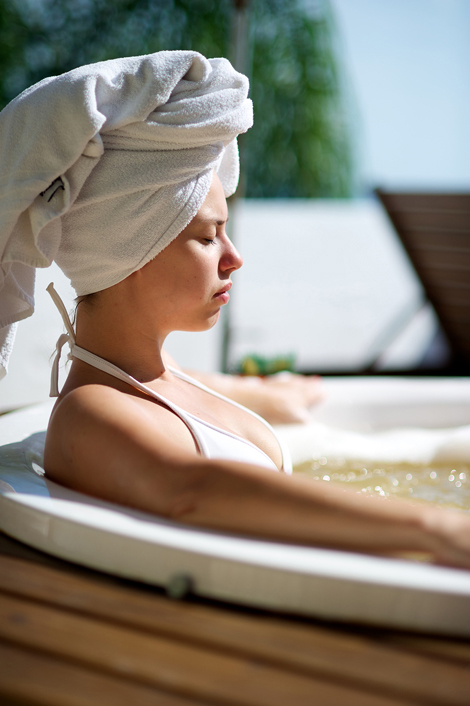
If spas can hit a treatment price point of £10–20, they can attract a younger audience / lev dolgachov/shutterstock.com
Clarins’ Spa Life: A game where users manage a virtual spa
Spas are now being seen as places to improve mental as well as physical wellbeing / Schmid Christophe/shutterstock.com
As urbanisation spreads and people feel less safe in their environment, spas can provide a sanctuary
On trend: Virgin Active in Aldersgate, London, uses outdoor video footage in its large indoor cycling studio
https://www.leisureopportunities.co.uk/images/HCM2013_5spa.gif
A look at the hottest trends impacting the health club spa industry
The futures company,Trends, health club spa, stress, gamification, ageing
Latest News
People taking GLP-1 weight loss medications such as Ozempic, Wegovy, Mounjaro and Zepbound may be ...
Latest News
Low-cost gym operator, PureGym, is trialling recovery zones at two of its UK sites, democratising ...
Latest News
In a milestone moment, mental health has become a core part of CIMSPA’s occupational professional ...
Latest News
US high-value, low-price chain, Eos Fitness, has announced plans to pilot reformer Pilates in three ...
Latest News
Preventive healthcare company Neko Health has added body composition analysis to its full-body health scan ...
Latest News
Chequan Lewis is the new CEO of Crunch Fitness, taking over from Jim Rowley, who ...
Latest News
Sea Lanes Canary Wharf has officially opened. The 50-metre, six-lane pool, which uses the natural ...
Latest News
London-based high-performance fitness club, ONE LDN, is raising funds for a multi-site expansion across London, ...
Latest News
A new brain clinic has opened in London, which uses non-invasive brain stimulation to treat ...
Latest News
Good Boost’s digital exercise programmes are helping adults with MSK at a lower cost than ...
Latest News
With Prime Minister, Keir Starmer, announcing his resignation this morning and Andy Burnham as a ...
Opinion
promotion
Strength training has moved from the margins to the mainstream.
Opinion: Building smarter strength spaces for today’s operators
Featured supplier news
Featured supplier news: Reaching the people most gyms miss: Bedford Gym & Swim Campaign delivers 410 new members
One of the biggest mistakes the fitness industry still makes is advertising almost exclusively to people who already look and live like gym members.
Featured supplier news
Featured supplier news: Cornerstone Connect helps Active Blackpool tackle health inequalities
Active Blackpool is deploying Cornerstone Connect, a new digital interface allowing disparate information from multiple systems to be aggregated into one dataset, to support its focus on reducing health inequalities and improving healthy life expectancy.
Company profiles
Company profile: Wellhub
Wellhub acts as a corporate sales channel, bringing new, highquality members to your business, by ...
Company profiles
Company profile: BLK BOX
BLK BOX - where precision meets strength, and innovation never stops in the pursuit of ...
Supplier Showcases
Supplier Showcase - From nightclub to health club
Supplier Showcases
Supplier Showcase - Future-proofing
Catalogue Gallery
Click on a catalogue to view it online
Featured press releases
Swim England press release: Swim England launches new Learn to Swim Growth Plan to support aquatic programme expansion
Swim England has strengthened its sector-leading Business Solutions offer with the launch of its Learn to Swim Growth Plan, designed to help aquatic providers unlock sustainable programme growth.
Featured press releases
CoverMe Ltd press release: CoverMe and Jobs In. Fitness partner to create end-to-end talent solution
CoverMe, the UK’s leading fitness workforce management and recruitment platform, has partnered with Jobs In. Fitness, the specialist executive search and advisory firm for the fitness and wellbeing sector, to give operators a single route to talent at every level – from frontline staffing to C-suite.
Directory
Fitness tracking platform
SpiviTech: Fitness tracking platform
Lockers
Crown Sports Lockers: Lockers
Industrial washing machines
Miele Company Limited: Industrial washing machines
Hot tubs
MSpa International Ltd: Hot tubs
Water experiences and hydrotherapy solutions
Aquaform s.r.l.: Water experiences and hydrotherapy solutions
Spa and beauty equipment
Living Earth Crafts: Spa and beauty equipment
Property & Tenders
Stratford, East London.
Lee Valley Regional Park Authority
Property & Tenders
Y Felinheli, LL56 4QN
Newmark
Property & Tenders
Diary dates
21-24 Sep 2026
The Langham Huntington Pasadena , Pasadena, United States
Diary dates
06-08 Oct 2026
Messe Stuttgart, Stuttgart, Germany
Diary dates
22-22 Oct 2026
QEII Conference Centre, London,
Diary dates
26-29 Oct 2027
Koelnmesse Exhibition Centre, Cologne, Germany
Diary dates
Search news, features & products:
Find a supplier:
Partner sites