


















Les Mills
Les Mills
Les Mills
Follow Health Club Management on Twitter Like Health Club Management on Facebook Join the discussion with Health Club Management on LinkedIn
FITNESS, HEALTH, WELLNESS

features

Retention series: Creating a community

In the latest part of his retention series for Health Club Management, Dr Paul Bedford looks at the importance of maintaining a link with members

By Dr Paul Bedford PhD, Retention Guru | Published in Health Club Management 2014 issue 2
When members describe loving a club, they’re almost certainly talking about the staff as much as the facilities

Just using the word ‘club’ begins to create a sense of community – something many operators claim to be striving towards. But interaction is also key to creating a genuine ‘club’, and many health clubs fail to maintain even the most basic level of communication with their members.

Clubs are places you join, meet like-minded people and share experiences. Yet in our recent research – 1,040 interviews conducted among more than 5,000 health club members – many of those interviewed described no sense of community in the clubs they had previously been members of.

Members want to engage with their health club on various levels: sometimes on a transactional level; other times on a friendship level. The problem is that some operators see the relationship as purely transactional, with the relationship effectively over once the transactions are complete.

Fitting right in
Some health clubs do get it right, however, and when they do they’re rewarded with improved member loyalty: over 80 per cent of those interviewed said the club they enjoyed being a member of was the one that provided them with a sense of belonging, of being part of something – a true member. This meant they looked forward to going to the club above and beyond the value they placed on the workout itself.

“I’ve been a member of four clubs. When you find one that values you as a person, not just as a paying member, you enjoy being in the club more. I never felt judged and always felt they were pleased to see me,” said one respondent.

This sense of fitting in and belonging begins with the joining phase – how you tour and the way you demonstrate interaction with existing members. Experienced exercisers in particular recognise the relationship that staff have with members: “If during the tour you see the sales guy talking to members, you get a sense of what’s to come. If they’re not interacting with existing members, the chances are they won’t interact with you once the sale is made.”

Once the member has joined, the sense of belonging should begin. However, those interviewed didn’t seem as keen on new member evenings as might have been expected. “It’s a bit like when you go on holiday and the first morning you have to go and see the rep,” said one. “They explain about the resort and then try and sell you stuff. It’s the same in health clubs, but the staff seem less enthusiastic about it all. I’ve been to a couple now and it can just feel like a waste of time for everyone.”

Clubs should therefore seek ways of quickly integrating the member into club life. Explaining what’s normal on a day-to-day basis was seen as useful by respondents, as opposed to letting the member find out for themselves: “They told me that, between 3.00pm and 6.00pm, the club has larger numbers of children and parents in. That Saturday afternoons are quiet in the gym, but that the tennis crowd dominates the courts and the bar area. Sunday mornings would be a mix, they said – lots of parents in with kids using the pool, but with the gym and classes also busy.”

It seems like an obvious point that new members would value being told what to expect, but this is nevertheless often overlooked by clubs.

The people factor
Club staff are, without question, the biggest factor in creating a sense of belonging: in our research, interview after interview produced similar comments about particular staff being a member’s link to the club. It’s the staff that members build the relationship with, not the building or the brand. When members describe loving a club, they’re almost certainly talking about the staff as much as the facilities.

That staff-member relationship is important in both the short and long term: during early stages of membership, it’s the staff who reassure and support the member; over time, this develops into a working relationship and sometimes even friendship.

“When I joined, I wasn’t in good shape. Having staff around me to give feedback was so important on the days I’d had enough. Sometimes just a smile would do. They knew I’d been in; I knew someone had seen me work out. It was like a validation of my existence as a member.”

These sentiments appear to be true throughout the club, with members stating that receptionists, bar staff or class teachers all have the ability and opportunity to provide feedback, support and validation.

This poses a question for club owners regarding how they recruit the most appropriate staff. Too often it appears that a body – any body – will do. Other times it seems qualifications are the main prerequisite. However, the ability to get along with members seems to be what members value the most.

“I’ve been doing yoga for years, and most of the teachers I’ve met are so uptight about yoga. But [names teacher] is really relaxed about the whole thing. Her classes are great, you feel included, and it’s not only those who can do all of the advanced stuff that get the attention – I’m sure she speaks to everyone at some point in the class.”

A shared experience
Our research has identified that the demographic profile of membership bases is all but identical across the sectors, with people who once joined private sector clubs now just as likely to join public sector facilities.

This lack of diversification means members are far more likely to meet people like themselves in every type of club, which in turn helps them fit in more quickly. But at the same time, it means a broader demographic profile within each club, with friendships between members being built based on the exercise experiences they share, rather than on their sociodemographic backgrounds. Conversations between judges and plumbers are about the sessions they have just completed or are going to do tomorrow. This is magnified in CrossFit and boutique clubs, where people are specifically coming together to share common experiences. It’s become less about who YOU are and more about what WE are doing.

This doesn’t always mean members are necessarily looking to work out together, but it does mean they are increasingly keen to share their experiences with others, all of which boosts the sense of community. Social media has allowed this approach to proliferate: with the growth in mobile devices able to record and store exercise data, members are posting their workout experiences to demonstrate to themselves – and others – that a session has been completed. Members report using a wide range of apps and devices to collect, collate and share their results.

They’re setting up their own Facebook and LinkedIn groups – not the clubs’ official sites but rather member-based pages that offer a mix of praise and criticism for clubs. Some are set up with the sole purpose of complaining, while others are places members go to discuss training ideas and classes and hang out.

These sites also appear to be a way for new members to make friends with those who attend the same classes and who have had the same experiences. In this environment, members who would not normally feel able to voice their opinion about a particular issue are able to join the conversation – and these digital conversations eventually lead to real-world conversations within the club.

“When I joined the club, I looked to see if it had a Facebook page. It did, but it was all pretty boring. I found another site for the club set up by one of the girls who does a lot of indoor cycling.

I watched the conversations and then started to join in. I started by asking questions about shorts and discomfort. It seems everyone was really happy to discuss underwear versus no underwear choices in a cycling class! At the next class, several of the members approached me and said they’d been wanting to ask the same question. One bloke came up to me and said he went commando. I’m not sure if it was a chat-up line or what, but it made me smile.”

Digital communication
However, this sort of activity has been member-driven to date, with clubs generally only using digital channels to talk to members about the club – and here members can be critical of some of the content. “I recently got an email from my health club, which started ‘Dear valued member’,” said one respondent. “If I’m so valuable, why don’t they use my name? It’s just a generalised marketing email about how great the club is and what’s coming up that I can buy. It’s a sales letter poorly disguised as a newsletter. They have nothing to say, but they think this is good for member relationships.”

However, digital updates are appreciated for day-to-day news about the club, classes and changes to normal practice: “I was on my way to the club and I got a tweet that the showers in the men’s changing rooms were out of order. I ditched my morning workout and went straight to work. I was a bit miffed that I missed my workout, but pleased I didn’t go out of my way just to be greeted by a notice in reception when I got there. By the time I’d got to work, they had sorted it and sent another tweet apologising for the inconvenience. That was thoughtful.”

Members therefore appear happy with the idea of digital interaction with their club, all of which is positive for building connections and a sense of belonging. However, our research indicates that several rules apply. Firstly, clubs mustn’t think that sending emails is as good as providing actual service: digital communication is not a replacement for service. Secondly, clubs must use a personal tone – ‘dear valued member’ is too corporate. Don’t just communicate with members to sell to them, as they’ll see straight through this. And, to quote one respondent: “Stop hiding changes to terms and conditions at the bottom of a two-day spa promotion.”

Paul Bedford PhD has worked in the fitness industry for more than 20 years. His business, Retention Guru, helps health club operators increase retention, reduce attrition and improve member loyalty. 

Email paul-retentionguru.co.uk
Twitter @guru_paul
LinkedIn Paul Bedford

Sign up here to get HCM's weekly ezine and every issue of HCM magazine free on digital.
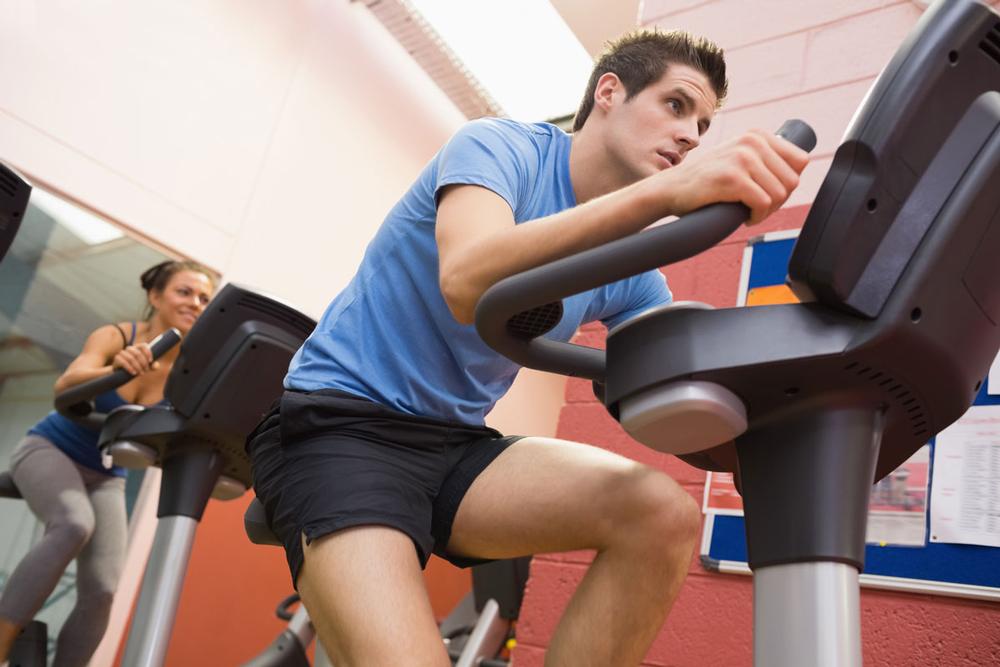
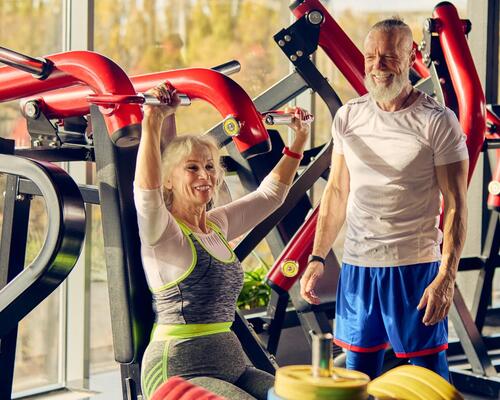
A health club’s staff can be the biggest factor in creating a sense of belonging / www.shutterstock.com / Kzenon
Facebook ‘meet-ups’ can lead to more members talking together in the club / www.shutterstock.com / ROBERT KNESCHKE
Digital communication is expected, but will never replace good member service / www.shutterstock.com / wavebreakmedia
https://www.leisureopportunities.co.uk/images/HCM2014_2series.gif
In the latest part of his retention series, Dr Paul Bedford looks at the importance of clubs maintaining a link with their members
Dr Paul Bedford, Retention Guru,Retention, community, club, involvement, communication, engagement, people, research
HCM magazine
Collaborations with the medical profession and greater aspirations around wellbeing are creating a need for more experts in our sector. It’s time to reboot our thinking around the workforce
HCM magazine
Raphael Cuomo explores the powerful link between addiction, health and behaviour change
HCM magazine
Small improvements to sleep, diet and physical activity have major benefits for the heart, according to new research from the University of Sydney
HCM magazine
For every member with a tripod and a big following, there are others irritated at the way equipment is being hogged or wary they’ll be in the background on someone’s Insta feed. Do influencers offer valuable, free marketing or are they just a nuisance? Kath Hudson finds out how operators are responding
HCM magazine
I experienced a blissful feeling of joy I hadn’t felt since I was a kid
HCM promotional features
Sponsored
David Lloyd is stepping up its commitment to women’s health as it continues to explore what fit-for-purpose looks like for the female population
HCM promotional features
Sponsored
Find out how your gym can tap into the corporate wellness boom
HCM promotional features
Sponsored
Starpool supports Olympic champion Marcell Jacobs, says Riccardo Turri
HCM promotional features
Sponsored
Greg Bradley looks at the shift towards strength training in gyms and advises on how operators can create the ultimate training environment
HCM promotional features
Sponsored
SnowDome Fitness has added 50 per cent more space with cutting-edge Technogym solutions
HCM promotional features
Sponsored
Third Space partnered with IndigoFitness to deliver a bespoke training space for its new club at The Whiteley
HCM promotional features
Sponsored
EGYM has opened a new HQ in Paternoster Square, London and revealed a range of new launches
HCM promotional features
Sponsored
The industry is embracing consumer-facing tech. Now it’s time to streamline back-of-house systems with Orbit4, says Daniel Jones
HCM promotional features
Sponsored
New launch, Salus House, elevates boutique wellness with high service levels and a partnership with Technogym
HCM promotional features
Latest News
Nuffield Health has told HCM that it takes its responsibilities towards its colleagues seriously and ...
Latest News
Technogym has announced the launch of the Run X World Treadmill Championship, the first world ...
Latest News
Shocked by the UK loneliness statistics, charitable trust Mytime Active has been doubling down on ...
Latest News
Portugal’s leading operator, SC Fitness, is celebrating a milestone by reaching 100 gyms.  The company ...
Latest News
Australia’s fast-growing fitness network, Viva Leisure, is adding a low-cost gym brand to its already ...
Latest News
Speedflex has launched a strength training programme for 10 to 16-year-olds, to make it safer, ...
Latest News
Tewinbury Farm Hotel in Hertfordshire, UK is expanding its premium leisure proposition with the launch ...
Latest News

Work is underway in Madrid on one of Europe’s most significant multi-functional complexes, ...

Opinion
promotion
Strength training has moved from the margins to the mainstream.
Opinion: Building smarter strength spaces for today’s operators
Featured supplier news
Featured supplier news: Elevate 2026 to mark 10-year anniversary with biggest ever waterfront drinks reception
Elevate is set to celebrate its 10th anniversary in style this June, with organisers confirming the event’s largest-ever drinks reception as registrations continue to run more than 10% ahead of last year.
Featured supplier news
Featured supplier news: Reaching the people most gyms miss: Bedford Gym & Swim Campaign delivers 410 new members
One of the biggest mistakes the fitness industry still makes is advertising almost exclusively to people who already look and live like gym members.
Company profiles
Company profile: Life Fitness/Hammer Strength
Life Fitness, Hammer Strength, and ICG are global leaders in premium fitness solutions, trusted by ...
Company profiles
Company profile: Connect
Connect is a UK-based technology company redefining how the fitness and wellness industry builds digital ...
Supplier Showcases
Supplier Showcase - From nightclub to health club
Supplier Showcases
Supplier Showcase - Future-proofing
Catalogue Gallery
Click on a catalogue to view it online
Featured press releases
GYMNATION press release: Massive ‘Good Luck’ message appears in Saudi Desert as Green Falcons head to World Cup
Passengers flying out of Riyadh this week have been treated to an extraordinary sight from the skies after GymNation unveiled a giant desert sand mural supporting the Saudi Arabia National Football Team ahead of the FIFA World Cup in the United States.
Featured press releases
BLK BOX press release: BLK BOX strengthens European growth with the appointment of Germany country manager Timo Garrels
BLK BOX is proud to welcome Timo Garrels as Germany country manager, marking another important step in the brand’s continued growth across Europe.
Directory
Industrial washing machines
Miele Company Limited: Industrial washing machines
Water experiences and hydrotherapy solutions
Aquaform s.r.l.: Water experiences and hydrotherapy solutions
Fitness tracking platform
SpiviTech: Fitness tracking platform
Spa and beauty equipment
Oakworks Inc: Spa and beauty equipment
Lockers
Crown Sports Lockers: Lockers
Hot tubs
MSpa International Ltd: Hot tubs
Property & Tenders
Stratford, East London.
Lee Valley Regional Park Authority
Property & Tenders
Y Felinheli, LL56 4QN
Newmark
Property & Tenders
Diary dates
13-13 Jun 2026
Worldwide, Various,
Diary dates
21-24 Sep 2026
The Langham Huntington Pasadena , Pasadena, United States
Diary dates
06-08 Oct 2026
Messe Stuttgart, Stuttgart, Germany
Diary dates
22-22 Oct 2026
QEII Conference Centre, London,
Diary dates
26-29 Oct 2027
Koelnmesse Exhibition Centre, Cologne, Germany
Diary dates

features

Retention series: Creating a community

In the latest part of his retention series for Health Club Management, Dr Paul Bedford looks at the importance of maintaining a link with members

By Dr Paul Bedford PhD, Retention Guru | Published in Health Club Management 2014 issue 2
When members describe loving a club, they’re almost certainly talking about the staff as much as the facilities

Just using the word ‘club’ begins to create a sense of community – something many operators claim to be striving towards. But interaction is also key to creating a genuine ‘club’, and many health clubs fail to maintain even the most basic level of communication with their members.

Clubs are places you join, meet like-minded people and share experiences. Yet in our recent research – 1,040 interviews conducted among more than 5,000 health club members – many of those interviewed described no sense of community in the clubs they had previously been members of.

Members want to engage with their health club on various levels: sometimes on a transactional level; other times on a friendship level. The problem is that some operators see the relationship as purely transactional, with the relationship effectively over once the transactions are complete.

Fitting right in
Some health clubs do get it right, however, and when they do they’re rewarded with improved member loyalty: over 80 per cent of those interviewed said the club they enjoyed being a member of was the one that provided them with a sense of belonging, of being part of something – a true member. This meant they looked forward to going to the club above and beyond the value they placed on the workout itself.

“I’ve been a member of four clubs. When you find one that values you as a person, not just as a paying member, you enjoy being in the club more. I never felt judged and always felt they were pleased to see me,” said one respondent.

This sense of fitting in and belonging begins with the joining phase – how you tour and the way you demonstrate interaction with existing members. Experienced exercisers in particular recognise the relationship that staff have with members: “If during the tour you see the sales guy talking to members, you get a sense of what’s to come. If they’re not interacting with existing members, the chances are they won’t interact with you once the sale is made.”

Once the member has joined, the sense of belonging should begin. However, those interviewed didn’t seem as keen on new member evenings as might have been expected. “It’s a bit like when you go on holiday and the first morning you have to go and see the rep,” said one. “They explain about the resort and then try and sell you stuff. It’s the same in health clubs, but the staff seem less enthusiastic about it all. I’ve been to a couple now and it can just feel like a waste of time for everyone.”

Clubs should therefore seek ways of quickly integrating the member into club life. Explaining what’s normal on a day-to-day basis was seen as useful by respondents, as opposed to letting the member find out for themselves: “They told me that, between 3.00pm and 6.00pm, the club has larger numbers of children and parents in. That Saturday afternoons are quiet in the gym, but that the tennis crowd dominates the courts and the bar area. Sunday mornings would be a mix, they said – lots of parents in with kids using the pool, but with the gym and classes also busy.”

It seems like an obvious point that new members would value being told what to expect, but this is nevertheless often overlooked by clubs.

The people factor
Club staff are, without question, the biggest factor in creating a sense of belonging: in our research, interview after interview produced similar comments about particular staff being a member’s link to the club. It’s the staff that members build the relationship with, not the building or the brand. When members describe loving a club, they’re almost certainly talking about the staff as much as the facilities.

That staff-member relationship is important in both the short and long term: during early stages of membership, it’s the staff who reassure and support the member; over time, this develops into a working relationship and sometimes even friendship.

“When I joined, I wasn’t in good shape. Having staff around me to give feedback was so important on the days I’d had enough. Sometimes just a smile would do. They knew I’d been in; I knew someone had seen me work out. It was like a validation of my existence as a member.”

These sentiments appear to be true throughout the club, with members stating that receptionists, bar staff or class teachers all have the ability and opportunity to provide feedback, support and validation.

This poses a question for club owners regarding how they recruit the most appropriate staff. Too often it appears that a body – any body – will do. Other times it seems qualifications are the main prerequisite. However, the ability to get along with members seems to be what members value the most.

“I’ve been doing yoga for years, and most of the teachers I’ve met are so uptight about yoga. But [names teacher] is really relaxed about the whole thing. Her classes are great, you feel included, and it’s not only those who can do all of the advanced stuff that get the attention – I’m sure she speaks to everyone at some point in the class.”

A shared experience
Our research has identified that the demographic profile of membership bases is all but identical across the sectors, with people who once joined private sector clubs now just as likely to join public sector facilities.

This lack of diversification means members are far more likely to meet people like themselves in every type of club, which in turn helps them fit in more quickly. But at the same time, it means a broader demographic profile within each club, with friendships between members being built based on the exercise experiences they share, rather than on their sociodemographic backgrounds. Conversations between judges and plumbers are about the sessions they have just completed or are going to do tomorrow. This is magnified in CrossFit and boutique clubs, where people are specifically coming together to share common experiences. It’s become less about who YOU are and more about what WE are doing.

This doesn’t always mean members are necessarily looking to work out together, but it does mean they are increasingly keen to share their experiences with others, all of which boosts the sense of community. Social media has allowed this approach to proliferate: with the growth in mobile devices able to record and store exercise data, members are posting their workout experiences to demonstrate to themselves – and others – that a session has been completed. Members report using a wide range of apps and devices to collect, collate and share their results.

They’re setting up their own Facebook and LinkedIn groups – not the clubs’ official sites but rather member-based pages that offer a mix of praise and criticism for clubs. Some are set up with the sole purpose of complaining, while others are places members go to discuss training ideas and classes and hang out.

These sites also appear to be a way for new members to make friends with those who attend the same classes and who have had the same experiences. In this environment, members who would not normally feel able to voice their opinion about a particular issue are able to join the conversation – and these digital conversations eventually lead to real-world conversations within the club.

“When I joined the club, I looked to see if it had a Facebook page. It did, but it was all pretty boring. I found another site for the club set up by one of the girls who does a lot of indoor cycling.

I watched the conversations and then started to join in. I started by asking questions about shorts and discomfort. It seems everyone was really happy to discuss underwear versus no underwear choices in a cycling class! At the next class, several of the members approached me and said they’d been wanting to ask the same question. One bloke came up to me and said he went commando. I’m not sure if it was a chat-up line or what, but it made me smile.”

Digital communication
However, this sort of activity has been member-driven to date, with clubs generally only using digital channels to talk to members about the club – and here members can be critical of some of the content. “I recently got an email from my health club, which started ‘Dear valued member’,” said one respondent. “If I’m so valuable, why don’t they use my name? It’s just a generalised marketing email about how great the club is and what’s coming up that I can buy. It’s a sales letter poorly disguised as a newsletter. They have nothing to say, but they think this is good for member relationships.”

However, digital updates are appreciated for day-to-day news about the club, classes and changes to normal practice: “I was on my way to the club and I got a tweet that the showers in the men’s changing rooms were out of order. I ditched my morning workout and went straight to work. I was a bit miffed that I missed my workout, but pleased I didn’t go out of my way just to be greeted by a notice in reception when I got there. By the time I’d got to work, they had sorted it and sent another tweet apologising for the inconvenience. That was thoughtful.”

Members therefore appear happy with the idea of digital interaction with their club, all of which is positive for building connections and a sense of belonging. However, our research indicates that several rules apply. Firstly, clubs mustn’t think that sending emails is as good as providing actual service: digital communication is not a replacement for service. Secondly, clubs must use a personal tone – ‘dear valued member’ is too corporate. Don’t just communicate with members to sell to them, as they’ll see straight through this. And, to quote one respondent: “Stop hiding changes to terms and conditions at the bottom of a two-day spa promotion.”

Paul Bedford PhD has worked in the fitness industry for more than 20 years. His business, Retention Guru, helps health club operators increase retention, reduce attrition and improve member loyalty. 

Email paul-retentionguru.co.uk
Twitter @guru_paul
LinkedIn Paul Bedford
Sign up here to get HCM's weekly ezine and every issue of HCM magazine free on digital.
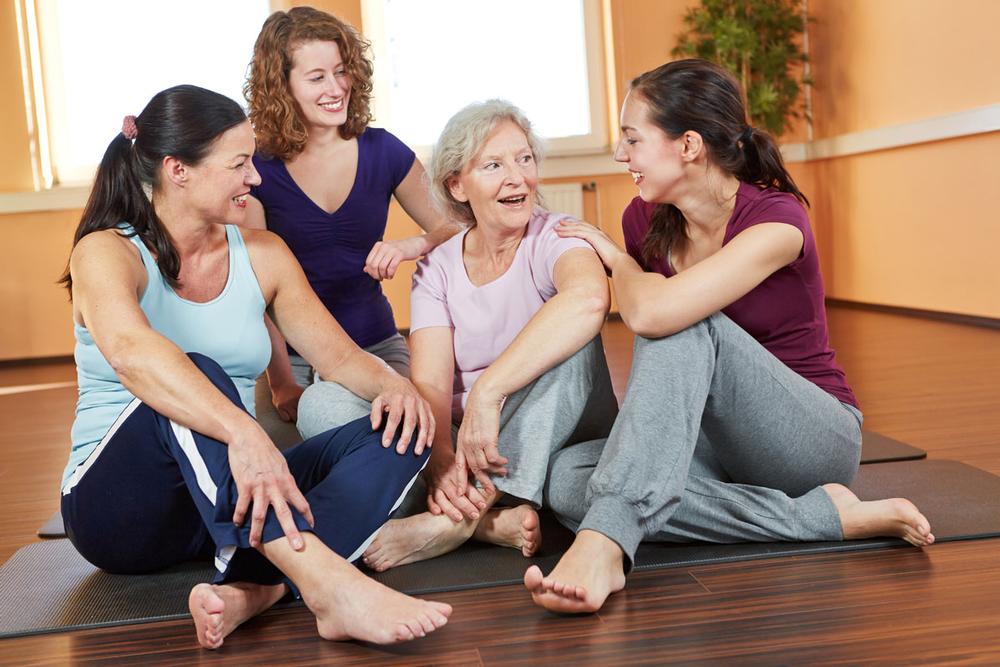
A health club’s staff can be the biggest factor in creating a sense of belonging / www.shutterstock.com / Kzenon
Facebook ‘meet-ups’ can lead to more members talking together in the club / www.shutterstock.com / ROBERT KNESCHKE
Digital communication is expected, but will never replace good member service / www.shutterstock.com / wavebreakmedia
https://www.leisureopportunities.co.uk/images/HCM2014_2series.gif
In the latest part of his retention series, Dr Paul Bedford looks at the importance of clubs maintaining a link with their members

Dr Paul Bedford, Retention Guru,Retention, community, club, involvement, communication, engagement, people, research
Latest News
Nuffield Health has told HCM that it takes its responsibilities towards its colleagues seriously and ...
Latest News
Technogym has announced the launch of the Run X World Treadmill Championship, the first world ...
Latest News
Shocked by the UK loneliness statistics, charitable trust Mytime Active has been doubling down on ...
Latest News
Portugal’s leading operator, SC Fitness, is celebrating a milestone by reaching 100 gyms.  The company ...
Latest News
Australia’s fast-growing fitness network, Viva Leisure, is adding a low-cost gym brand to its already ...
Latest News
Speedflex has launched a strength training programme for 10 to 16-year-olds, to make it safer, ...
Latest News
Tewinbury Farm Hotel in Hertfordshire, UK is expanding its premium leisure proposition with the launch ...
Latest News

Work is underway in Madrid on one of Europe’s most significant multi-functional complexes, ...

Latest News
PureGym is encouraging people to step away from their screens and go for a walk, ...
Latest News
Small improvements to sleep, diet quality, and physical activity, made in combination lead to a ...
Latest News
Therme Manchester’s 28-acre development, which will include interconnected glass pavilions that measure 65,000sq m, will ...
Opinion
promotion
Strength training has moved from the margins to the mainstream.
Opinion: Building smarter strength spaces for today’s operators
Featured supplier news
Featured supplier news: Elevate 2026 to mark 10-year anniversary with biggest ever waterfront drinks reception
Elevate is set to celebrate its 10th anniversary in style this June, with organisers confirming the event’s largest-ever drinks reception as registrations continue to run more than 10% ahead of last year.
Featured supplier news
Featured supplier news: Reaching the people most gyms miss: Bedford Gym & Swim Campaign delivers 410 new members

One of the biggest mistakes the fitness industry still makes is advertising almost exclusively to people who already look and live like gym members.
Company profiles
Company profile: Life Fitness/Hammer Strength
Life Fitness, Hammer Strength, and ICG are global leaders in premium fitness solutions, trusted by ...
Company profiles
Company profile: Connect
Connect is a UK-based technology company redefining how the fitness and wellness industry builds digital ...
Supplier Showcases
Supplier Showcase - From nightclub to health club
Supplier Showcases
Supplier Showcase - Future-proofing
Catalogue Gallery
Click on a catalogue to view it online
Featured press releases
GYMNATION press release: Massive ‘Good Luck’ message appears in Saudi Desert as Green Falcons head to World Cup
Passengers flying out of Riyadh this week have been treated to an extraordinary sight from the skies after GymNation unveiled a giant desert sand mural supporting the Saudi Arabia National Football Team ahead of the FIFA World Cup in the United States.
Featured press releases
BLK BOX press release: BLK BOX strengthens European growth with the appointment of Germany country manager Timo Garrels
BLK BOX is proud to welcome Timo Garrels as Germany country manager, marking another important step in the brand’s continued growth across Europe.
Directory
Industrial washing machines
Miele Company Limited: Industrial washing machines
Water experiences and hydrotherapy solutions
Aquaform s.r.l.: Water experiences and hydrotherapy solutions
Fitness tracking platform
SpiviTech: Fitness tracking platform
Spa and beauty equipment
Oakworks Inc: Spa and beauty equipment
Lockers
Crown Sports Lockers: Lockers
Hot tubs
MSpa International Ltd: Hot tubs
Property & Tenders
Stratford, East London.
Lee Valley Regional Park Authority
Property & Tenders
Y Felinheli, LL56 4QN
Newmark
Property & Tenders
Diary dates
13-13 Jun 2026
Worldwide, Various,
Diary dates
21-24 Sep 2026
The Langham Huntington Pasadena , Pasadena, United States
Diary dates
06-08 Oct 2026
Messe Stuttgart, Stuttgart, Germany
Diary dates
22-22 Oct 2026
QEII Conference Centre, London,
Diary dates
26-29 Oct 2027
Koelnmesse Exhibition Centre, Cologne, Germany
Diary dates
Search news, features & products:
Find a supplier:
Les Mills
Les Mills
Partner sites