















GET HCM
magazine
Sign up for the FREE digital edition of HCM magazine and also get the HCM ezine and breaking news email alerts.
Not right now, thanksclose this window I've already subscribed!
Elevate Arena
Elevate Arena
Elevate Arena
Follow Health Club Management on Twitter Like Health Club Management on Facebook Join the discussion with Health Club Management on LinkedIn
FITNESS, HEALTH, WELLNESS

features

Research: Deep impact

New Deloitte report finds the health and fitness sector contributes up to US$91.22bn* a year to global GDP, as Frances Marcellin reports
Published in Health Club Management 2022 issue 6
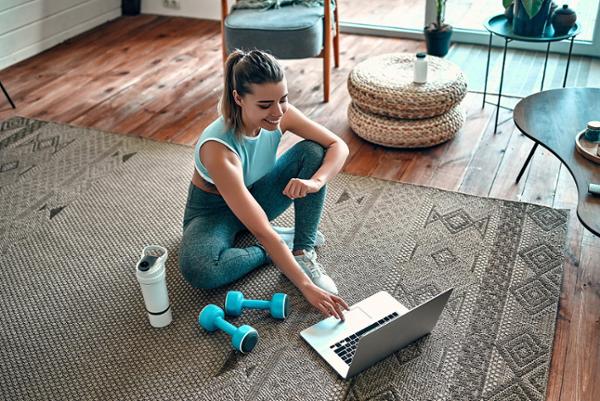
In 2021, the UK health and fitness industry had a direct ‘value add’ of US$3bn, the report found / Photo: Shutterstock/ORION PRODUCTION
Not only does the industry employ millions of people and generate billions in value- added to GDP, it also has an incredibly positive influence on health outcomes

A new report by Deloitte, outlining the social and economic value of the global health and fitness industry, has been released by The Global Health & Fitness Alliance (GHFA), in collaboration with IHRSA.

The 418-page document – Economic Health and Societal Wellbeing: Quantifying the Impact of the Global Health and Fitness Sector – outlines the impact of the health and fitness industry on GDP and healthcare systems worldwide, as well as specific activity in 46 different countries and territories. It has identified a total impact of up to US$91.22bn per annum*

The premise of the report is that the industry is a major contributor to GDP and employment globally and that its presence – through gyms, health clubs and physical facilities – raises activity levels in the local community, which increases GDP and reduces healthcare costs.

Establishing impact
By reviewing existing data, academic studies and industry reports, the authors have devised a way to indicate the impact of the industry, firstly by explaining the economic impact of absenteeism and presenteeism and secondly by citing how much an inactive worker in each country or territory costs the economy.

This figure is key, because the report makes tangible recommendations, suggesting that investing a similar amount in helping inactive individuals adhere to exercise habits would generate benefits to GDP and the healthcare system, resulting in a payback to the economy after only one year.

By evaluating data and economic studies, the report shows how active citizens create value-added GDP, which cuts healthcare costs and absenteeism and presenteeism.

Reviewed studies come from organisations such as the World Bank, the OECD and the World Health Organization (WHO), while researchers also studied academic papers – such as RAND (2019), which found inactive individuals lose 2.6 – 3.71 days’ working time due to presenteeism, and a Lancet-published report that found inactivity cost healthcare systems US$53.8bn worldwide, as far back as 2013.

Positive outcomes
“This report begins to paint a picture of the industry’s impact on population health and the economic impact of the industry,” reads the foreword from the GHFA and IHRSA.
“Not only does the industry employ millions of people around the world and generate billions in value-added to GDP, but it also has an incredibly positive influence on health outcomes. In doing so, the industry collectively saves billions in healthcare costs, as well as giving productivity benefits.”

The report’s layout for each country or territory starts with its status in figures relating to GDP per capita, healthcare spending as percentage of GDP, disposable income per capita, ageing trends, percentage of insufficient activity and obesity level. Health trends and government initiatives follow, then economic impact.

For the UK, for example, the health and fitness industry in 2021 had a direct value-add of US$3bn and supported an additional US$1.5bn in value-added in its supply chain as well as 50,100 jobs.

Deloitte then reveals the economic benefit for each inactive worker who becomes active. With exercise comes improved health benefits, such as a reduced risk of heart disease, stroke, hypertension, Type 2 diabetes, dementia, depression, anxiety and a range of cancers, including breast, colon, bladder, kidney, lung and stomach. By linking the impact of activity to GDP and healthcare costs, Deloitte shows how exercise adoption can remove a burden from the healthcare system, as well as increasing GDP.

Country analysis sample
• Inactivity costs the UK healthcare system US$4.3bn a year according to the report, of which US$3.6bn is covered by the public health system. Each year the UK loses 43.8 million working days in absenteeism and presenteeism, costing the UK economy US$16.5bn annually.

It concludes that every inactive worker costs the economy US$1,713 per year and investing US$1,700 in helping an inactive person to become active, results in payback in less than a year.

• In the US, inactivity costs the healthcare system US$84.7bn, every inactive worker costs the economy US$3,447 per year, and a US$3,000 investment is suggested to transform inactive people into regular exercisers.

• In Spain inactivity costs the healthcare system US$7.2bn, it loses 19.8 million working days in absenteeism and presenteeism and every inactive worker cost the economy US$1,978 (US$2,000 investment per inactive person recommended).

• In China, inactivity costs the healthcare system US$15.3bn, while the nation loses 381.5 million working days in absenteeism and presenteeism, and every inactive worker costs the economy US$466 (with a US$400 investment per person recommended).

Value of investment
“The good news is that if implemented correctly, programmes to increase exercise can be habit-forming (Kaushal & Rhodes, 2015),” reads the report. “An initial investment in one year can have a pay-off that lasts for years if a habit is built.”

Report authors, Alan McCharles, partner at Deloitte China, Adrian Xu, director at Deloitte China and Nicholas Young, senior associate at Deloitte China, also conducted interviews with industry stakeholders to shed light on some of the problems with current government and industry perceptions, collaboration and integration. It also highlighted how they are working together in China, USA and Japan.

One of the issues raised is governments viewing health club membership as a recreational activity rather than a health investment. In the UK, gym membership carries 20 per cent VAT, while in Belgium use of sports facilities has a rate of only six per cent. Stakeholders suggested that purchases such as this should carry a more favourable tax rate.

Personal training programmes, physical activity policies and exercise as preventative care are seen as ways governments could work with the fitness industry to drive the transformation of inactive people.

Overview of market penetration
The most established fitness markets when evaluated by penetration rates among adults are Sweden (34%), the USA (30%), the UK (23%), Australia (23%) and Germany (22%).

Fast-growing markets include Hong Kong (8%), Singapore (7%), Japan (6%) and China (6%).Underdeveloped markets are Malaysia (1.5%), Thailand (0.7%), Vietnam (0.7%) and India (0.2%).

• The 46 countries and territories chosen for inclusion in the study account for around 90 per cent of global GDP. They are Argentina, Australia, Austria, Belgium, Brazil, Bulgaria, Canada, Chile, China (PRC), Chinese Taipei, Colombia, Costa Rica, Cyprus, Czech, Denmark, Finland, France, Germany, Greece, Hong Kong SAR – China, Hungary, India, Indonesia, Ireland, Italy, Japan, Malaysia, Mexico, Netherlands, New Zealand, Norway, Peru, Philippines, Poland, Portugal, Russia, Singapore, South Africa, South Korea, Spain, Sweden, Switzerland, Thailand, the UK, US and Vietnam.

To access the report, go to www.ihrsa.org
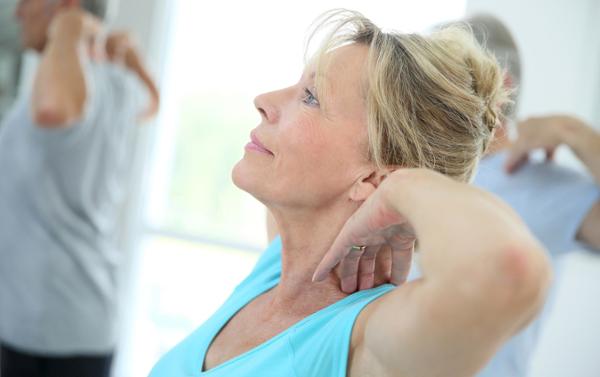
Taxes on physical activity vary widely by nation depending on government priorities / Photo: Shutterstock/Goodluz
https://www.leisureopportunities.co.uk/images/2022/839038_471881.jpg
A new report by Deloitte highlights the far-reaching impact of the fitness industry on the global economy and GDP and on people’s health outcomes
HCM magazine
Small improvements to sleep, diet and physical activity have major benefits for the heart, according to new research from the University of Sydney
HCM magazine
HCM People

Stephen Price

Founder, SP&Co Group
Working in public health over the last few years has lit up parts of my brain again
HCM magazine
As the entrepreneur who started Wexer, Fresh Fitness, Fitness DK and Repeat, as well as being a former elite athlete, Rasmus Ingerslev’s life looked perfect from the outside, but onthe inside it was a different story. He talks to Kath Hudson about healing old wounds
HCM magazine
Raphael Cuomo explores the powerful link between addiction, health and behaviour change
HCM magazine
Strength training is evolving, driven by changing consumer preferences. Julie Cramer talks to innovators about how their products are meeting this demand
HCM promotional features
Sponsored
Find out how your gym can tap into the corporate wellness boom
HCM promotional features
Sponsored
Third Space partnered with IndigoFitness to deliver a bespoke training space for its new club at The Whiteley
HCM promotional features
Sponsored
David Lloyd is stepping up its commitment to women’s health as it continues to explore what fit-for-purpose looks like for the female population
HCM promotional features
Sponsored
SnowDome Fitness has added 50 per cent more space with cutting-edge Technogym solutions
HCM promotional features
Sponsored
Starpool supports Olympic champion Marcell Jacobs, says Riccardo Turri
HCM promotional features
Sponsored
Greg Bradley looks at the shift towards strength training in gyms and advises on how operators can create the ultimate training environment
HCM promotional features
Sponsored
EGYM has opened a new HQ in Paternoster Square, London and revealed a range of new launches
HCM promotional features
Sponsored
Active IQ is calling for greater accountability in online fitness advice with the launch of a new trustmark
HCM promotional features
Promotion
Performance Health Systems, manufacturer of Power Plate, has a new CEO, with an ambitious vision for the company
HCM promotional features
Latest News
Global group exercise specialist, Les Mills, is inviting operators to sign up to its Workout ...
Latest News
Global luxury hospitality brand, Six Senses, has partnered with longevity healthcare provider, HUM2N, to launch ...
Latest News
Premium London health club, KX Chelsea, is gearing up to unveil its most significant redevelopment ...
Latest News
Researchers in the US have identified an antibody which could greatly reduce the loss of ...
Latest News
Peloton has made the strategic acquisition of Pilates start-up, Skōp, to support the expansion of ...
Latest News
Crunch Fitness has announced the launch of Crunch Reform Pilates – its own reformer concept ...
Latest News
The 20th State of the Industry Report from LeisureDB has revealed a resilient, expanding and ...
Latest News
Purpose Brands has announced its entry into the Italian market, having sold the franchise rights ...
Opinion
promotion
Strength training has moved from the margins to the mainstream.
Opinion: Building smarter strength spaces for today’s operators
Featured supplier news
Featured supplier news: Supporting long-term health: why whole body vibration belongs in clinical settings
As healthcare continues to shift towards prevention, there’s a growing focus on helping people stay active, independent and feeling good for longer.
Featured supplier news
Featured supplier news: CoverMe extends matching service to personal training, rewriting how members and personal trainers connect
CoverMe, the global leader in fitness workforce management, today launches CoverMe PT, an on-demand personal training platform that connects the right personal trainer to the right client in under 10 seconds.
Company profiles
Company profile: GLL
GLL
As the UK’s leading provider of both leisure centres and libraries we operate 379 locations ...
Company profiles
Company profile: Escape Fitness Ltd
Escape Fitness has driven fitness innovation for 20+ years. Founded by engineer Richard Januszek and ...
Supplier Showcases
Supplier Showcase - Future-proofing
Catalogue Gallery
Click on a catalogue to view it online
Featured press releases
ukactive press release: UK Active launches next phase of Digital Futures to support digital maturity across the physical activity sector
UK Active has announced the next phase of its Digital Futures programme, supporting organisations across the physical activity sector to develop their digital capability.
Featured press releases
The Fitness Group press release: The Fitness Group partners with Serco Leisure to deliver education and career pathways across UK leisure facilities
The Fitness Group, the UK's leading fitness education training provider, has announced a strategic partnership with Serco Leisure, one of the UK's leading national operators of leisure centres, destination venues and elite sporting facilities.
Directory
Hot tubs
MSpa International Ltd: Hot tubs
Spa and beauty equipment
Oakworks Inc: Spa and beauty equipment
Water experiences and hydrotherapy solutions
Aquaform s.r.l.: Water experiences and hydrotherapy solutions
Lockers
Crown Sports Lockers: Lockers
Industrial washing machines
Miele Company Limited: Industrial washing machines
Fitness tracking platform
SpiviTech: Fitness tracking platform
Property & Tenders
Stratford, East London.
Lee Valley Regional Park Authority
Property & Tenders
Y Felinheli, LL56 4QN
Newmark
Property & Tenders
Diary dates
21-24 Sep 2026
The Langham Huntington Pasadena , Pasadena, United States
Diary dates
06-08 Oct 2026
Messe Stuttgart, Stuttgart, Germany
Diary dates
22-22 Oct 2026
QEII Conference Centre, London,
Diary dates
26-29 Oct 2027
Koelnmesse Exhibition Centre, Cologne, Germany
Diary dates

features

Research: Deep impact

New Deloitte report finds the health and fitness sector contributes up to US$91.22bn* a year to global GDP, as Frances Marcellin reports

Published in Health Club Management 2022 issue 6
In 2021, the UK health and fitness industry had a direct ‘value add’ of US$3bn, the report found / Photo: Shutterstock/ORION PRODUCTION
Not only does the industry employ millions of people and generate billions in value- added to GDP, it also has an incredibly positive influence on health outcomes

A new report by Deloitte, outlining the social and economic value of the global health and fitness industry, has been released by The Global Health & Fitness Alliance (GHFA), in collaboration with IHRSA.

The 418-page document – Economic Health and Societal Wellbeing: Quantifying the Impact of the Global Health and Fitness Sector – outlines the impact of the health and fitness industry on GDP and healthcare systems worldwide, as well as specific activity in 46 different countries and territories. It has identified a total impact of up to US$91.22bn per annum*

The premise of the report is that the industry is a major contributor to GDP and employment globally and that its presence – through gyms, health clubs and physical facilities – raises activity levels in the local community, which increases GDP and reduces healthcare costs.

Establishing impact
By reviewing existing data, academic studies and industry reports, the authors have devised a way to indicate the impact of the industry, firstly by explaining the economic impact of absenteeism and presenteeism and secondly by citing how much an inactive worker in each country or territory costs the economy.

This figure is key, because the report makes tangible recommendations, suggesting that investing a similar amount in helping inactive individuals adhere to exercise habits would generate benefits to GDP and the healthcare system, resulting in a payback to the economy after only one year.

By evaluating data and economic studies, the report shows how active citizens create value-added GDP, which cuts healthcare costs and absenteeism and presenteeism.

Reviewed studies come from organisations such as the World Bank, the OECD and the World Health Organization (WHO), while researchers also studied academic papers – such as RAND (2019), which found inactive individuals lose 2.6 – 3.71 days’ working time due to presenteeism, and a Lancet-published report that found inactivity cost healthcare systems US$53.8bn worldwide, as far back as 2013.

Positive outcomes
“This report begins to paint a picture of the industry’s impact on population health and the economic impact of the industry,” reads the foreword from the GHFA and IHRSA.
“Not only does the industry employ millions of people around the world and generate billions in value-added to GDP, but it also has an incredibly positive influence on health outcomes. In doing so, the industry collectively saves billions in healthcare costs, as well as giving productivity benefits.”

The report’s layout for each country or territory starts with its status in figures relating to GDP per capita, healthcare spending as percentage of GDP, disposable income per capita, ageing trends, percentage of insufficient activity and obesity level. Health trends and government initiatives follow, then economic impact.

For the UK, for example, the health and fitness industry in 2021 had a direct value-add of US$3bn and supported an additional US$1.5bn in value-added in its supply chain as well as 50,100 jobs.

Deloitte then reveals the economic benefit for each inactive worker who becomes active. With exercise comes improved health benefits, such as a reduced risk of heart disease, stroke, hypertension, Type 2 diabetes, dementia, depression, anxiety and a range of cancers, including breast, colon, bladder, kidney, lung and stomach. By linking the impact of activity to GDP and healthcare costs, Deloitte shows how exercise adoption can remove a burden from the healthcare system, as well as increasing GDP.

Country analysis sample
• Inactivity costs the UK healthcare system US$4.3bn a year according to the report, of which US$3.6bn is covered by the public health system. Each year the UK loses 43.8 million working days in absenteeism and presenteeism, costing the UK economy US$16.5bn annually.

It concludes that every inactive worker costs the economy US$1,713 per year and investing US$1,700 in helping an inactive person to become active, results in payback in less than a year.

• In the US, inactivity costs the healthcare system US$84.7bn, every inactive worker costs the economy US$3,447 per year, and a US$3,000 investment is suggested to transform inactive people into regular exercisers.

• In Spain inactivity costs the healthcare system US$7.2bn, it loses 19.8 million working days in absenteeism and presenteeism and every inactive worker cost the economy US$1,978 (US$2,000 investment per inactive person recommended).

• In China, inactivity costs the healthcare system US$15.3bn, while the nation loses 381.5 million working days in absenteeism and presenteeism, and every inactive worker costs the economy US$466 (with a US$400 investment per person recommended).

Value of investment
“The good news is that if implemented correctly, programmes to increase exercise can be habit-forming (Kaushal & Rhodes, 2015),” reads the report. “An initial investment in one year can have a pay-off that lasts for years if a habit is built.”

Report authors, Alan McCharles, partner at Deloitte China, Adrian Xu, director at Deloitte China and Nicholas Young, senior associate at Deloitte China, also conducted interviews with industry stakeholders to shed light on some of the problems with current government and industry perceptions, collaboration and integration. It also highlighted how they are working together in China, USA and Japan.

One of the issues raised is governments viewing health club membership as a recreational activity rather than a health investment. In the UK, gym membership carries 20 per cent VAT, while in Belgium use of sports facilities has a rate of only six per cent. Stakeholders suggested that purchases such as this should carry a more favourable tax rate.

Personal training programmes, physical activity policies and exercise as preventative care are seen as ways governments could work with the fitness industry to drive the transformation of inactive people.

Overview of market penetration
The most established fitness markets when evaluated by penetration rates among adults are Sweden (34%), the USA (30%), the UK (23%), Australia (23%) and Germany (22%).

Fast-growing markets include Hong Kong (8%), Singapore (7%), Japan (6%) and China (6%).Underdeveloped markets are Malaysia (1.5%), Thailand (0.7%), Vietnam (0.7%) and India (0.2%).

• The 46 countries and territories chosen for inclusion in the study account for around 90 per cent of global GDP. They are Argentina, Australia, Austria, Belgium, Brazil, Bulgaria, Canada, Chile, China (PRC), Chinese Taipei, Colombia, Costa Rica, Cyprus, Czech, Denmark, Finland, France, Germany, Greece, Hong Kong SAR – China, Hungary, India, Indonesia, Ireland, Italy, Japan, Malaysia, Mexico, Netherlands, New Zealand, Norway, Peru, Philippines, Poland, Portugal, Russia, Singapore, South Africa, South Korea, Spain, Sweden, Switzerland, Thailand, the UK, US and Vietnam.

To access the report, go to www.ihrsa.org
Taxes on physical activity vary widely by nation depending on government priorities / Photo: Shutterstock/Goodluz

https://www.leisureopportunities.co.uk/images/2022/839038_471881.jpg
A new report by Deloitte highlights the far-reaching impact of the fitness industry on the global economy and GDP and on people’s health outcomes
Latest News
Global group exercise specialist, Les Mills, is inviting operators to sign up to its Workout ...
Latest News
Global luxury hospitality brand, Six Senses, has partnered with longevity healthcare provider, HUM2N, to launch ...
Latest News
Premium London health club, KX Chelsea, is gearing up to unveil its most significant redevelopment ...
Latest News
Researchers in the US have identified an antibody which could greatly reduce the loss of ...
Latest News
Peloton has made the strategic acquisition of Pilates start-up, Skōp, to support the expansion of ...
Latest News
Crunch Fitness has announced the launch of Crunch Reform Pilates – its own reformer concept ...
Latest News
The 20th State of the Industry Report from LeisureDB has revealed a resilient, expanding and ...
Latest News
Purpose Brands has announced its entry into the Italian market, having sold the franchise rights ...
Latest News
Fitness First UK is integrating red light therapy into its yoga and Pilates classes through ...
Latest News
Nuffield Health has told HCM that it takes its responsibilities towards its colleagues seriously and ...
Latest News
Technogym has announced the launch of the Run X World Treadmill Championship, the first world ...
Opinion
promotion
Strength training has moved from the margins to the mainstream.
Opinion: Building smarter strength spaces for today’s operators
Featured supplier news
Featured supplier news: Supporting long-term health: why whole body vibration belongs in clinical settings
As healthcare continues to shift towards prevention, there’s a growing focus on helping people stay active, independent and feeling good for longer.
Featured supplier news
Featured supplier news: CoverMe extends matching service to personal training, rewriting how members and personal trainers connect
CoverMe, the global leader in fitness workforce management, today launches CoverMe PT, an on-demand personal training platform that connects the right personal trainer to the right client in under 10 seconds.
Company profiles
Company profile: GLL
GLL
As the UK’s leading provider of both leisure centres and libraries we operate 379 locations ...
Company profiles
Company profile: Escape Fitness Ltd
Escape Fitness has driven fitness innovation for 20+ years. Founded by engineer Richard Januszek and ...
Supplier Showcases
Supplier Showcase - Future-proofing
Catalogue Gallery
Click on a catalogue to view it online
Featured press releases
ukactive press release: UK Active launches next phase of Digital Futures to support digital maturity across the physical activity sector
UK Active has announced the next phase of its Digital Futures programme, supporting organisations across the physical activity sector to develop their digital capability.
Featured press releases
The Fitness Group press release: The Fitness Group partners with Serco Leisure to deliver education and career pathways across UK leisure facilities
The Fitness Group, the UK's leading fitness education training provider, has announced a strategic partnership with Serco Leisure, one of the UK's leading national operators of leisure centres, destination venues and elite sporting facilities.
Directory
Hot tubs
MSpa International Ltd: Hot tubs
Spa and beauty equipment
Oakworks Inc: Spa and beauty equipment
Water experiences and hydrotherapy solutions
Aquaform s.r.l.: Water experiences and hydrotherapy solutions
Lockers
Crown Sports Lockers: Lockers
Industrial washing machines
Miele Company Limited: Industrial washing machines
Fitness tracking platform
SpiviTech: Fitness tracking platform
Property & Tenders
Stratford, East London.
Lee Valley Regional Park Authority
Property & Tenders
Y Felinheli, LL56 4QN
Newmark
Property & Tenders
Diary dates
21-24 Sep 2026
The Langham Huntington Pasadena , Pasadena, United States
Diary dates
06-08 Oct 2026
Messe Stuttgart, Stuttgart, Germany
Diary dates
22-22 Oct 2026
QEII Conference Centre, London,
Diary dates
26-29 Oct 2027
Koelnmesse Exhibition Centre, Cologne, Germany
Diary dates
Search news, features & products:
Find a supplier:
Elevate Arena
Elevate Arena
Partner sites