
























features
Research: Chilling prospect
Repeated cold water exposure can improve cellular health, while also helping people acclimatise to stress, says a team from the University of Ottowa


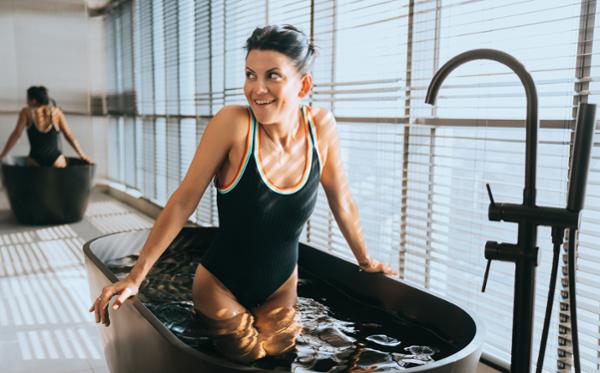
Anew study conducted at the Human and Environmental Physiology Research lab (HEPRU) at the University of Ottawa has unveiled significant findings on the effects of cold water acclimation on young men when it comes to autophagic and apoptotic responses.
The research highlights the potential for cold exposure to enhance cellular resilience against stress.
The study, The effect of seven‐day cold water acclimation on autophagic and apoptotic responses in young males, was conducted by Kelli King, postdoctoral fellow and Glen Kenny, professor at the University of Ottawa’s School of Human Kinetics and Director of HEPRU. It involved ten healthy young males who underwent cold-water immersion at 14°C (57.2°F) for one hour across seven consecutive days.
Blood samples were collected to analyse their cellular responses before and after the acclimation period.
Study findings support the use of cold
“Our findings indicate that repeated cold exposure significantly improves autophagic function – a critical cellular protective mechanism,” said Kenny. “This enhancement allows cells to better manage stress and could have important implications for health and longevity.”
The research revealed that while autophagy was initially dysfunctional after high-intensity cold stress, consistent exposure over a week led to increased autophagic activity and decreased cellular damage signals.
“By the end of the acclimation, we noted a marked improvement in the participants’ cellular cold tolerance,” explained King. “This suggests that cold acclimation may help the body effectively cope with extreme environmental conditions.”
The implications of this study extend beyond athletic performance, as cold water immersion is gaining in popularity for its potential health benefits and this research provides some scientific backing for its efficacy.
The findings suggest that proper autophagic activity could not only extend cellular longevity but also prevent the onset of various diseases.
As the use of cold exposure becomes increasingly mainstream, understanding its effects on cellular mechanisms is vital.
Kenny emphasises, “This work underscores the importance of acclimation protocols in enhancing human health, especially in contexts where individuals are exposed to extreme temperatures.”
“We were amazed to see how quickly the body adapted in young men,” notes King.
“Cold exposure might help prevent diseases and potentially even slow down aging at a cellular level. It’s like a tune-up for your body’s microscopic machinery.”
More: www.HCMmag.com/coldwater