











Elevate Arena
Elevate Arena
Elevate Arena
Follow Health Club Management on Twitter Like Health Club Management on Facebook Join the discussion with Health Club Management on LinkedIn
FITNESS, HEALTH, WELLNESS

features

Profile: Jamie Bunce

The CEO of retirement village operator Inspired Villages talks to Kate Cracknell about wellbeing-focused communities and handling the COVID-19 crisis
Published in Health Club Management 2020 issue 7
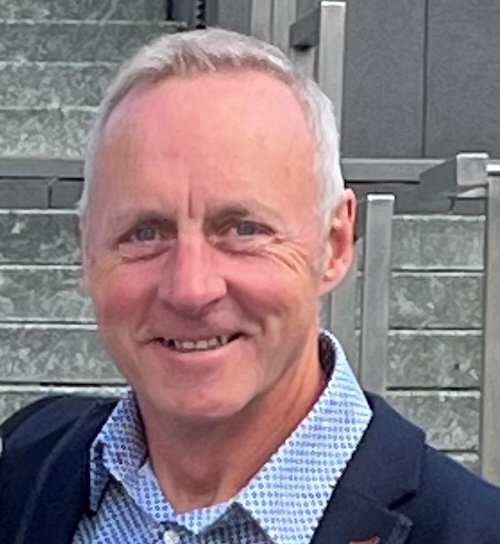
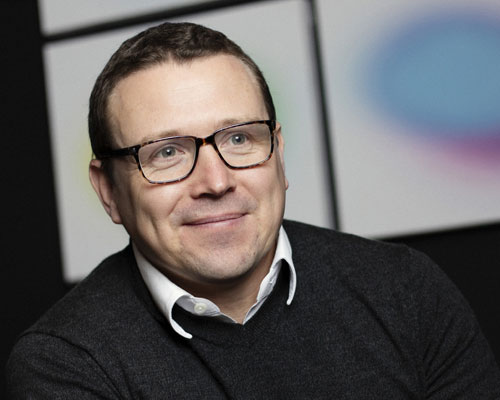
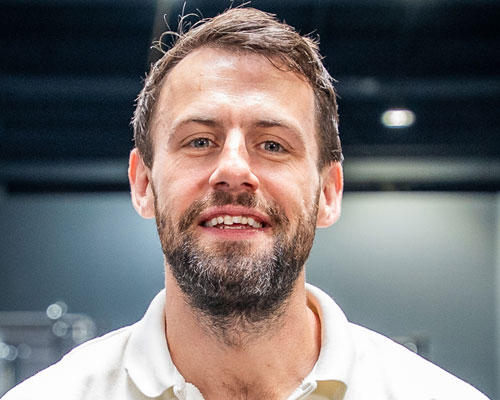
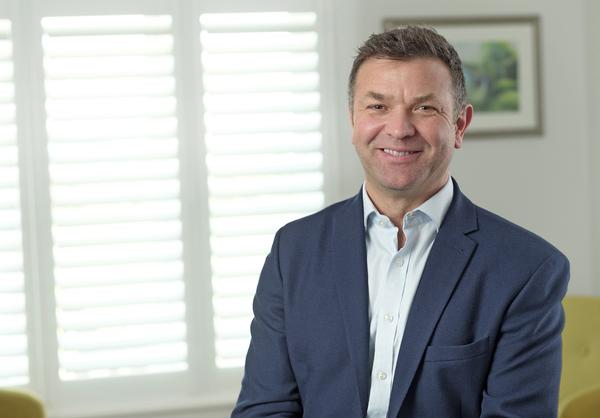
Jamie Bunce is developing the wellness retirement village model in the UK
Assuming normal market conditions return after COVID-19, we aim to ramp up the operation and open between eight and 10 new villages a year from 2022

How would you describe the Inspired Villages model?
Rather than old age being a time when people struggle through years of illness, we aim to reduce residents’ physical – as opposed to chronological – age, helping them genuinely enjoy their later years. Our strapline poses the question: “The best years of your life?”

Our goal is to keep residents active and well – socially, physically, mentally and financially. This allows them to look after themselves, in the comfort of their own homes, for a lot longer than they probably would if they were living in a traditional, open market house.

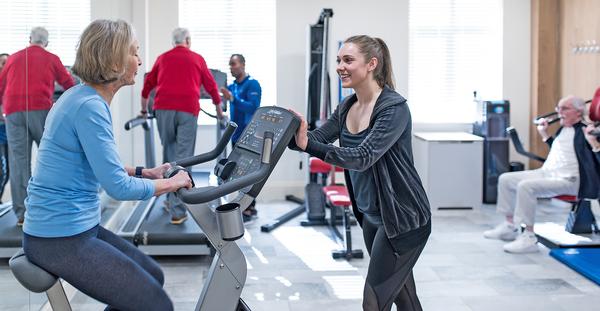
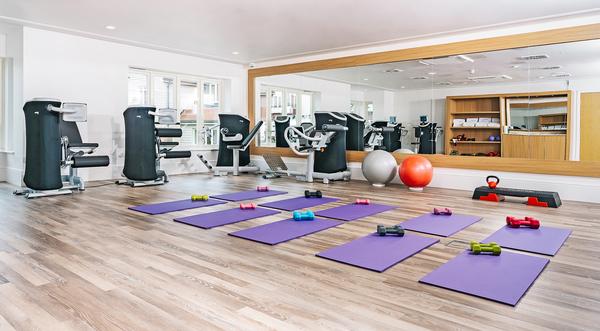
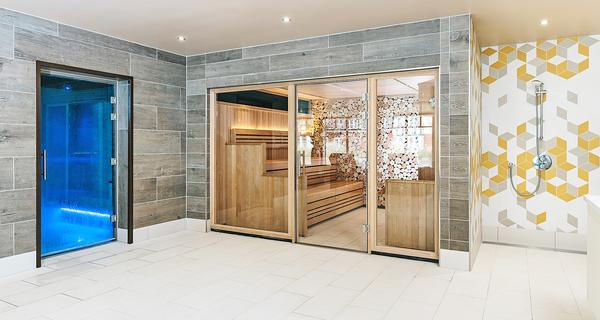
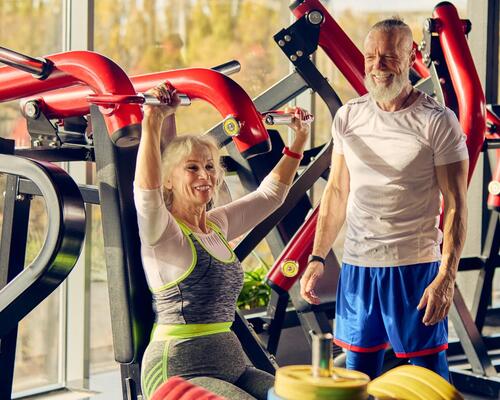
Ours is a lifestyle business: every village has a gym, studio, sauna, steamroom, swimming pools, restaurants, cafés, bars, meeting spaces and libraries.

Access to all of that is included in our package.Customers do pay for meals and drinks out though.

Importantly, we see ourselves as being caring, not carers. Our villages are not care homes nor gated communities: residents and guests are allowed to come and go as they please, at least in normal times. They live their own lives, on their own terms. We’re there if they need us, and we do have some assisted living as well as palliative care for those who already live with us: we can look after people in their own homes for as long as it’s safe for us to do so.

But our primary focus is on people’s health and wellbeing. That’s good for the NHS, for social care, for society – but most importantly, it’s absolutely excellent for the individual, because they feel better about themselves and they get more out of life.

What’s your background?
I’ve come from a retail background and interestingly, I would say the mechanics of retail are very similar to those of retirement villages. You need to create environments people are really proud to live in, that people want to visit and revisit, where people like to spend time.

You also need a very strong operating business that helps deliver service excellence – the sort of standards you would expect from a high-quality hotel. Because our residents are like hotel residents, except they spend on average eight to 10 years with us; hotel residents will typically spend a few nights in a hotel.

What has been the Inspired Villages story so far?
In 2010, myself and three colleagues founded our first retirement operating business. We worked with landowners and other parties to come into the sector, developing villages for other organisations as well as optioning sites for ourselves. We also had a joint venture with Places for People, developing villages at Austin Heath and Gifford Lee.

A pivotal moment came in August 2017, when Legal & General purchased our company and those two sites at Austin Heath and Gifford Lee. We shared a vision with Legal & General – to deliver a much-needed solution to people as they age, an independent living model that was distinctly lacking in the UK – and we formed a partnership to create our retirement communities.

In November 2017, we bought a company – Renaissance Villages – that had four villages, and we still operate those same six villages today. In addition, we have one village under construction and we’re already building the community there. Before people even move in, we get to know them, allowing them to become firm friends of the village.

Assuming normal market conditions return after COVID-19, we aim to ramp up the operation and open between eight and 10 new villages a year from 2022.

How are you ensuring that you don’t get impacted by the COVID-19 care home scandal?
First and foremost we’ve been concentrating on the safety of our residents and colleagues, however, we’ve also recognised the importance of differentiating what we offer compared to care homes, because people deserve clarity on the housing choices they have in their later years.
Our Inspired Voices video, as well as our Virtual Village Centre have been key tools for showing that the lifestyle we offer is very different from what you would expect a care home to deliver.

The retirement villages sector is still nascent in the UK and it’s important for us and our fellow operators to keep talking about what we have to offer – through marketing, the press, social media, speaking in webinars and through word of mouth – to give older people in society the housing choices they deserve.

Why did Legal & General choose to invest?
Legal & General is one of the oldest insurers in the UK – a household name – and its social purpose is strong.

It has a senior living business that looks after 10 million pensioners a week, and it uses its capital to help create communities. Our businesses are therefore very much aligned.

We’re a purpose-led business that wants to do the right thing for people: we put the customer first in every decision we make. It’s that social conscience that led Legal & General to invest in us.

It’s a very active, very long-term investor, which means we can look long-term too. This allows us to make the right decisions for our residents, focusing on positive outcomes at a very customer-centric level.

We consider ourselves very fortunate to have Legal & General’s investment in our company.

What’s your target market?
In planning terms, people always talk about the over-55s, but 55-year-olds don’t want to live in these types of settings. In your late 60s maybe, if you’ve had a health scare, but our youngest residents are generally in their mid-70s.

Our eldest resident is 103 years old. He’s a lovely guy and Legal & General’s pin-up. He goes to the gym three times a week in his three-piece suit.

Each of our villages has around about 200 residents, with a mix of independent and assisted living, and you can either buy or rent, depending on your financial circumstances and goals; if you have a final salary pension, for example, you might want to rent and save your capital for other things.

We operate at the top end of the mid-market, although we’re looking at options to launch a high-quality, mass market concept as soon as the market allows.

What sort of wellbeing programmes do you offer?
Within each of our villages, we have somebody – or a series of people – who are dedicated to the wellness and wellbeing of the residents in the village. Some of them have to be more proactive than others; in some villages, the residents are very active in their own right. But to ensure all remain active, there are professionals within the village whose sole focus is wellness and wellbeing.

These on-site ‘wellness navigators’, as we call them, are able to design a wellbeing programme for every resident on a very personal basis, whether they’ve had a fall, want to get fitter, or want to have the strength to unload a washing machine full of wet clothes.

But it’s all done totally on residents’ terms. One minute our wellness navigators will be doing a gym workout, the next minute they’ll be running a swimming class or leading a walk. Then, in the afternoon, they could be playing Scrabble or having a game of chess. It’s a vocation, not just a job. We match people’s personal purpose to the role they play in the village, and our team are with us because they love what they do.

Tell us more about the physical activity side of things.
This isn’t about people training for a competition, although we did have one lady in her 70s who loved the fact she beat my time in the New York Marathon by 35 minutes! Generally, though, it’s about helping people get the most out of their lives as they get older: we have people living with us whose quality of life has been dramatically enhanced by a new focus on health and wellbeing. We have residents who have come out of mobility scooters and can now walk around the village. We have people who, in their 80s, are learning to swim. These are real-life benefits.

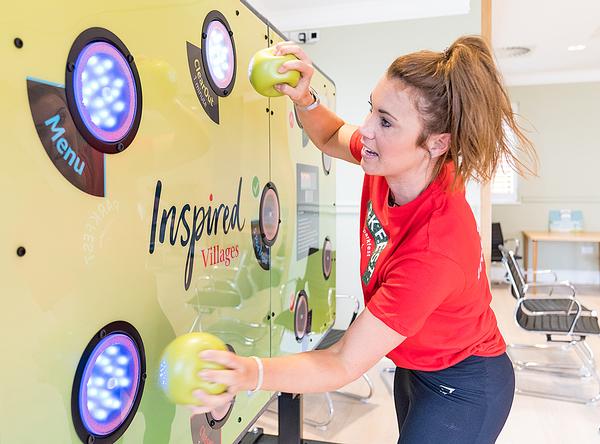
We try to make exercise fun, too. Our gyms – we have one in every village – include Rugged Interactive reaction walls. There was one lady in her 80s who was recommended to do squats: a minimum of 10 was the target. She felt there was no way she could do that, so we put her in front of the reaction wall and asked her to press the lights when they flashed red. She ended up doing 15 squats without even realising it.

We also have inter-generational activities. We held an inaugural cricket match last year, for example, at our village in Warwickshire. We convinced the local cricket team to play our group – comprising residents, residents’ families, staff and our families – and we had an afternoon of cricket. At one point, we had a gentleman in his early 80s who admitted to not having been on a cricket pitch for 50 years. He was batting with a 14-year-old and I could see his biological age decreasing in front of my eyes, such was his joy at getting back in front of the wicket.

That type of thing isn’t difficult to do, and I believe it’s beneficial for the younger generation too: I can see our seniors playing a role in addressing obesity rates among children.

Rather than seeing older age as a steady decline, we’re trying to ensure it’s the best years of our residents’ lives – a time when they’re able to do things they wouldn’t have done before, and when they’re able to do them because they feel much healthier. That’s what aged living should be.

Can you tell us more about the outcomes you’re achieving?
Data shows that, among the residents living in retirement communities like ours, there are 46 per cent fewer GP visits and 31 per cent fewer hospital admissions compared to the national average. They also spend just one to two days in hospital on average, as opposed to two weeks among those living in their own traditional homes in the open market.

And that’s our goal: we know people are living longer; we’re here to help them live better for longer. The pressure we take off the NHS as a result is significant: we calculate that we save the NHS £3,500 a year for every person who lives in our villages.

We’ve also measured the impact of specific interventions. We did a project with hero wellbeing and ukactive at our Milbrook village in Devon, before coronavirus. We gave 31 of our residents a Fitbit and asked them to walk 10,000 steps a day. Between them, they walked 15 million steps in three months.

The average age of this cohort mirrored that of our villages – 79 years old – and this activity programme brought some incredible results for them. Cognitive function went up from 38.2 per cent to 72.4 per cent and their overall wellbeing scores – essentially, how positive and happy they felt – went from 38 per cent to 43 per cent.

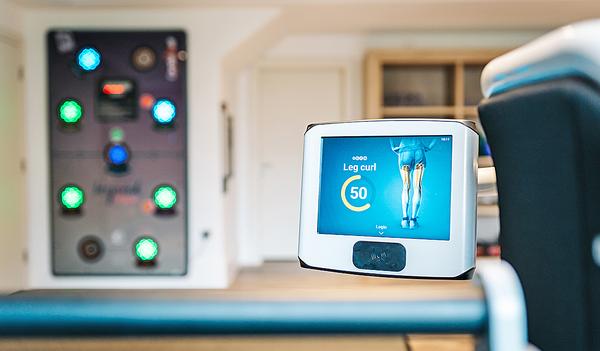
We also measured the impact of the EGYM equipment we installed in our gyms. Among those using it, we saw a 35 per cent increase in core strength over a six-month period. Not only that, but the percentage of residents using the gyms went up from about 10 per cent to over 50 per cent. It’s unintimidating, easy equipment to use.

How have you been controlling the spread of COVID-19 within your villages?
As soon as news broke globally about the spread of the coronavirus we put together a response team that communicated regularly and swiftly and put in place a four-stage plan to protect our residents and our colleagues that aligned with government advice, and at some points, exceeded it.

In essence we created a shield around each of our villages, whereby we closed the villages to external visitors, implemented even stricter hygiene protocols in areas residents can access, delivered groceries and cooked meals to residents’ doorsteps if requested, and created a ‘buddy’ system that meant every resident received a call from a member of our team every day to check in with them.

In keeping with our ethos of promoting holistic wellbeing we’ve also organised socially distanced activities within our extensive grounds or through digital classes to ensure self-isolation isn’t isolating for our residents. To support this, we created a Virtual Village Centre on Facebook that allows our residents, and any over 65s who are interested, to access games, fitness videos, cooking videos, gardening tips and much more, as well as connect with each other. We’ve grown this community to over 7,000 followers.

By doing all of the above, we’ve effectively minimised the need for them to leave the safety of their homes.

To keep our colleagues safe, we were able to easily pivot to home-working for our office-based teams, meanwhile, we only asked a smaller number of our village team members to keep working within the villages. This not only kept them safe, but also minimised the risk of coronavirus being brought into the villages by colleagues moving in and out.

How have your residents been responding to your lockdown operating procedures?
We’re grateful they understood why we introduced the measures and have thanked them for their patience and fortitude in what are very testing times.

We’ve been overwhelmed by the positive response across all our villages from residents who have sent us numerous thank you notes as well as nice gifts for the village teams.

What’s been the impact of COVID-19?
We’ve had three unrelated cases across our villages, which we understand were predominantly linked to unplanned trips to hospitals. This is out of around a thousand residents across the UK and these have not spread further within our communities. For privacy reasons, we cannot share further details on the individual cases.

Research shows that around 5 per cent of the population have been infected by the coronavirus, which would equate to 40 of our residents. We’re grateful to our diligent village teams and co-operative residents for the fact the number of cases in our villages is considerably less than that.

What are your growth plans as a business?
Our partnership with Legal & General has allowed us to move on at quite a rapid pace, with an extensive development pipeline in place, which is fantastic because it will allow us to make a tangible difference to lots more people’s lives. By 2024, we’re looking to get to around 50 villages, looking after around 13,000 residents.

And further to my comments above, obviously that will benefit the NHS too. When we have 13,000 people living in our villages, we know we can save the NHS over £40m a year.

Our main challenge is to change people’s perceptions of what we offer, because it isn’t a common model in the UK yet. The vast majority of people, when they move in, say they wish they’d done it earlier, but at the moment only 0.7 per cent of UK adults over the age of 65 look to live in a retirement setting. That compares to 8 or 9 per cent in the rest of the world.

So, we’re on a myth-busting mission. We want to showcase how living in retirement settings is a really positive part of life.

How has the pandemic impacted your development pipeline?
Retirement villages fill a crucial gap in the housing market by providing specialist housing that enables those in their later years to enjoy healthier, independent lives for longer.

Our success in preventing the spread of coronavirus across our villages thus far is testament to our model, and the fact that April 2020 was our strongest month yet for receiving planning permissions shows that more and more planning committees are recognising the valuable contribution we can make to society.

We received planning permission to develop a £215 million retirement village in Kingswood, Surrey, a £60 million scheme in Turvey, Bedfordshire, and phase two of development at Ledian Gardens, our site in Leeds Village, Kent. On top of that, our partner, Legal & General, acquired a site with planning permission in Caddington, Bedfordshire where we will be building a £120 million retirement village. Altogether, these schemes mean we are on track to deliver 2,500 homes for over-65s over the next six years.

Do you intend to evolve the model?
We will have a growing focus on technology and AI, exploring ways we can use this to enhance social interaction and the support we provide.
We already have high-speed broadband in every village, and we teach IT skills to our residents so they can be cool grandparents. But we can do even more.

In the new villages, on an opt-in basis, we’re trialling ways of using technology to better support residents. We’re looking at algorithms across the village so we can see how people live their lives. If someone puts a kettle on every morning at 7.00am, and then one morning they don’t, that could prompt us to knock on the door and just make sure they’re alright. We’re also looking at harnessing the fall protection alerts on the new Apple Watch, so we can be immediately alerted if someone has a fall.

I’m very keen that technology doesn’t replace hand-holding though. It has to be there to enable a better quality of hand-holding.

Has COVID-19 changed the market?
The pandemic has exposed a lack of options in terms of accommodation and care for older people in this country. I hope very much that care homes get the funding and support they deserve to carry out care for the very vulnerable older people they support – there will always be a place for care homes.

From the perspective of the retirement village sector, I believe that there will be growing awareness that what we offer – an independent lifestyle focused on holistic wellbeing – with discreet, flexible care support on hand if residents desire, is key to alleviating the strain on the social care system.

If you could ask the government for one thing, what would it be?
The UK Government talks about the burden on the National Health Service of our ageing population, but at the moment the UK planning system does not overtly support our sector. We have 18 sites stuck in planning at the moment.

We lobby government regularly, asking it to look at ways to support the creation of such purpose-built environments; demand is only going to increase as the population continues to age.

There’s even the potential to turn these villages into a new style of community hub where people come in from outside to access the services, which could become even broader: children’s day nurseries, a wider leisure offering, hairdressers, shops and so on. This is certainly something Legal & General is looking at through its Future Cities project.

But even the current model can save so much money for the NHS; as I say, Inspired Villages is set to save over £40m a year for the NHS by 2024, and we are just one operator covering one tiny section of the market. Our sector can do so much to help, if government would just support us.

Inspired Villages in numbers

Typical project value: £100m

Villages open: Six

Villages under construction: One

Typical village size: Approximately 200,000sq ft

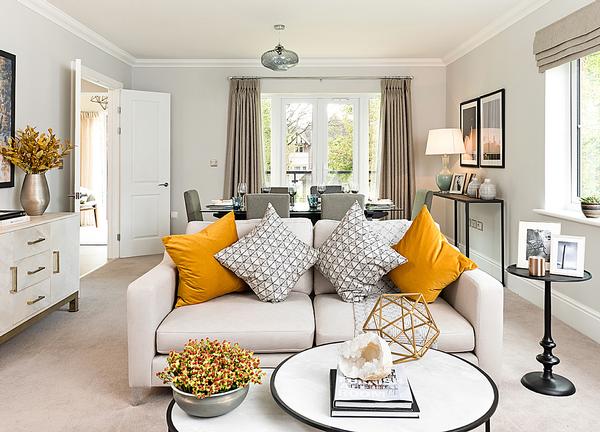
Properties per village: Around 150 single-level apartments

Property price range: £200,000–£1,000,000

Average property price: Around £375,000

Service fees: £5,000–£6,000 a year

Residents per village: Approximately 200

Average age: 79 years

Staffing levels: 35+ team members per village
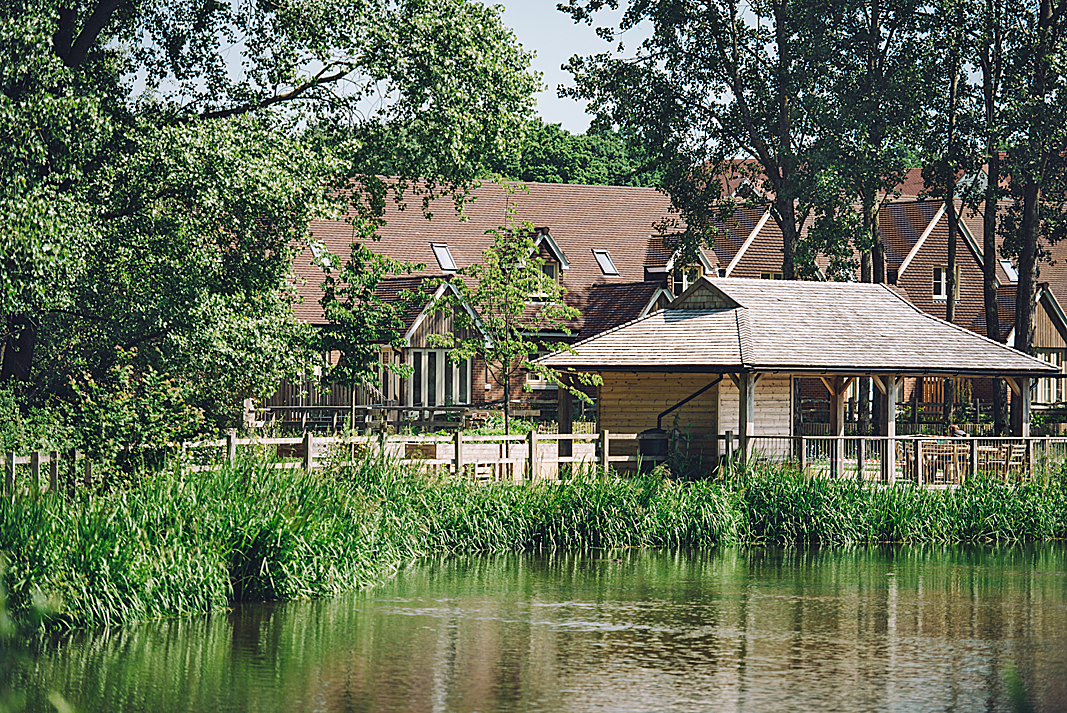
Villages are located in natural settings with plenty of outdoor space
Sign up here to get HCM's weekly ezine and every issue of HCM magazine free on digital.
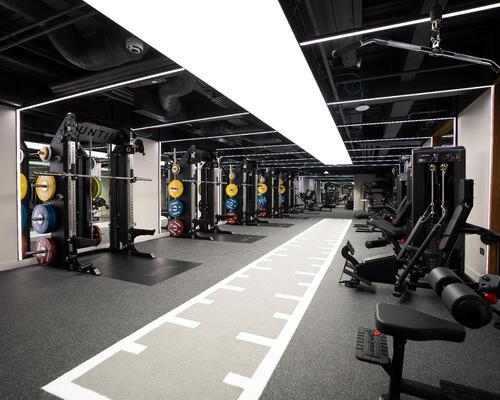
All Inspired Villages have fully equipped gyms with full time staff to encourage engagement
The reaction wall is great for motivation
Installing EGYM equipment led to an increase in gym usage from 10 to 50 per cent
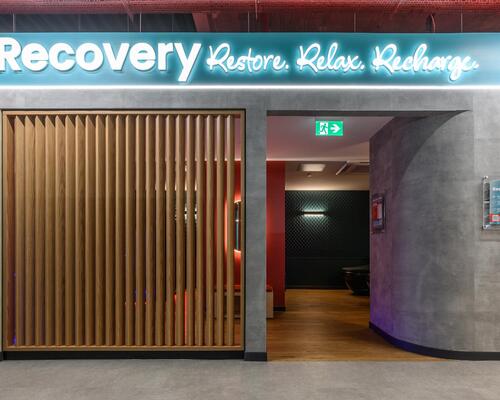
Access to wellness facilities are included in the residential package
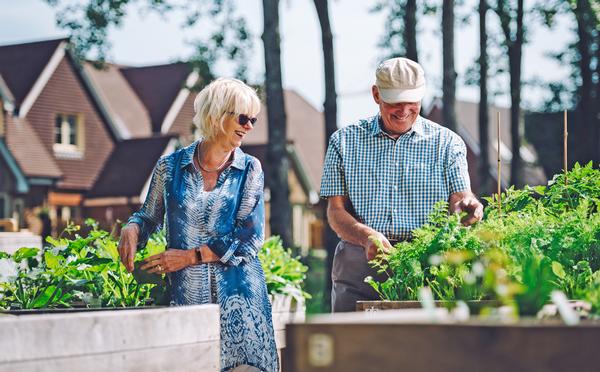
Residents are encouraged to grow their own food
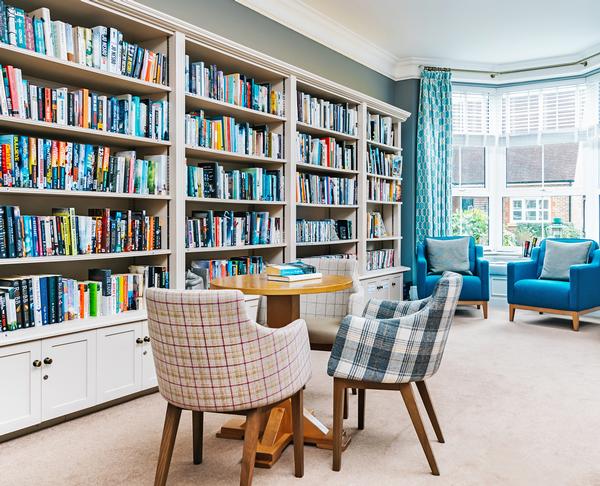
Each village has its own communal library
Villages are based around wellness and health, with facilities to support residents
https://www.leisureopportunities.co.uk/images/2020/243079_400976.jpg
The CEO of retirement village operator Inspired Villages tells HCM about these wellbeing-focused communities
Inspired Villages, Jamie Bunce, retirement villages,,wellbeing, communities
HCM magazine
For every member with a tripod and a big following, there are others irritated at the way equipment is being hogged or wary they’ll be in the background on someone’s Insta feed. Do influencers offer valuable, free marketing or are they just a nuisance? Kath Hudson finds out how operators are responding
HCM magazine
Raphael Cuomo explores the powerful link between addiction, health and behaviour change
HCM magazine
If the health service is to survive, we must recognise that it is a disease service – and that wellbeing rests with us, says the activity advocate and healthy ageing champion. He talks to Kate Cracknell
HCM magazine
HCM People

Stephen Price

Founder, SP&Co Group
Working in public health over the last few years has lit up parts of my brain again
HCM magazine
Small improvements to sleep, diet and physical activity have major benefits for the heart, according to new research from the University of Sydney
HCM promotional features
Sponsored
Third Space partnered with IndigoFitness to deliver a bespoke training space for its new club at The Whiteley
HCM promotional features
Sponsored
SnowDome Fitness has added 50 per cent more space with cutting-edge Technogym solutions
HCM promotional features
Sponsored
Find out how your gym can tap into the corporate wellness boom
HCM promotional features
Sponsored
Starpool supports Olympic champion Marcell Jacobs, says Riccardo Turri
HCM promotional features
Sponsored
David Lloyd is stepping up its commitment to women’s health as it continues to explore what fit-for-purpose looks like for the female population
HCM promotional features
Sponsored
Greg Bradley looks at the shift towards strength training in gyms and advises on how operators can create the ultimate training environment
HCM promotional features
Sponsored
EGYM has opened a new HQ in Paternoster Square, London and revealed a range of new launches
HCM promotional features
Promotion
Performance Health Systems, manufacturer of Power Plate, has a new CEO, with an ambitious vision for the company
HCM promotional features
Sponsored
Active IQ is calling for greater accountability in online fitness advice with the launch of a new trustmark
HCM promotional features
Latest News
Nuffield Health has told HCM that it takes its responsibilities towards its colleagues seriously and ...
Latest News
Technogym has announced the launch of the Run X World Treadmill Championship, the first world ...
Latest News
Shocked by the UK loneliness statistics, charitable trust Mytime Active has been doubling down on ...
Latest News
Portugal’s leading operator, SC Fitness, is celebrating a milestone by reaching 100 gyms.  The company ...
Latest News
Australia’s fast-growing fitness network, Viva Leisure, is adding a low-cost gym brand to its already ...
Latest News
Speedflex has launched a strength training programme for 10 to 16-year-olds, to make it safer, ...
Latest News
Tewinbury Farm Hotel in Hertfordshire, UK is expanding its premium leisure proposition with the launch ...
Latest News

Work is underway in Madrid on one of Europe’s most significant multi-functional complexes, ...

Opinion
promotion
Strength training has moved from the margins to the mainstream.
Opinion: Building smarter strength spaces for today’s operators
Featured supplier news
Featured supplier news: Supporting long-term health: why whole body vibration belongs in clinical settings
As healthcare continues to shift towards prevention, there’s a growing focus on helping people stay active, independent and feeling good for longer.
Featured supplier news
Featured supplier news: Elevate 2026 to mark 10-year anniversary with biggest ever waterfront drinks reception
Elevate is set to celebrate its 10th anniversary in style this June, with organisers confirming the event’s largest-ever drinks reception as registrations continue to run more than 10% ahead of last year.
Company profiles
Company profile: Spirit Commercial Fitness
Spirit Fitness is a premier brand within the Dyaco International Inc. portfolio, a global leader ...
Company profiles
Company profile: CoverMe Ltd
CoverMe Fitness, an app for seamless, on-demand management and cover solutions for sports and fitness ...
Supplier Showcases
Supplier Showcase - From nightclub to health club
Supplier Showcases
Supplier Showcase - Future-proofing
Catalogue Gallery
Click on a catalogue to view it online
Featured press releases
GYMNATION press release: Massive ‘Good Luck’ message appears in Saudi Desert as Green Falcons head to World Cup
Passengers flying out of Riyadh this week have been treated to an extraordinary sight from the skies after GymNation unveiled a giant desert sand mural supporting the Saudi Arabia National Football Team ahead of the FIFA World Cup in the United States.
Featured press releases
BLK BOX press release: BLK BOX strengthens European growth with the appointment of Germany country manager Timo Garrels
BLK BOX is proud to welcome Timo Garrels as Germany country manager, marking another important step in the brand’s continued growth across Europe.
Directory
Spa and beauty equipment
Living Earth Crafts: Spa and beauty equipment
Water experiences and hydrotherapy solutions
Aquaform s.r.l.: Water experiences and hydrotherapy solutions
Hot tubs
MSpa International Ltd: Hot tubs
Fitness tracking platform
SpiviTech: Fitness tracking platform
Industrial washing machines
Miele Company Limited: Industrial washing machines
Lockers
Crown Sports Lockers: Lockers
Property & Tenders
Stratford, East London.
Lee Valley Regional Park Authority
Property & Tenders
Y Felinheli, LL56 4QN
Newmark
Property & Tenders
Diary dates
13-13 Jun 2026
Worldwide, Various,
Diary dates
21-24 Sep 2026
The Langham Huntington Pasadena , Pasadena, United States
Diary dates
06-08 Oct 2026
Messe Stuttgart, Stuttgart, Germany
Diary dates
22-22 Oct 2026
QEII Conference Centre, London,
Diary dates
26-29 Oct 2027
Koelnmesse Exhibition Centre, Cologne, Germany
Diary dates

features

Profile: Jamie Bunce

The CEO of retirement village operator Inspired Villages talks to Kate Cracknell about wellbeing-focused communities and handling the COVID-19 crisis

Published in Health Club Management 2020 issue 7
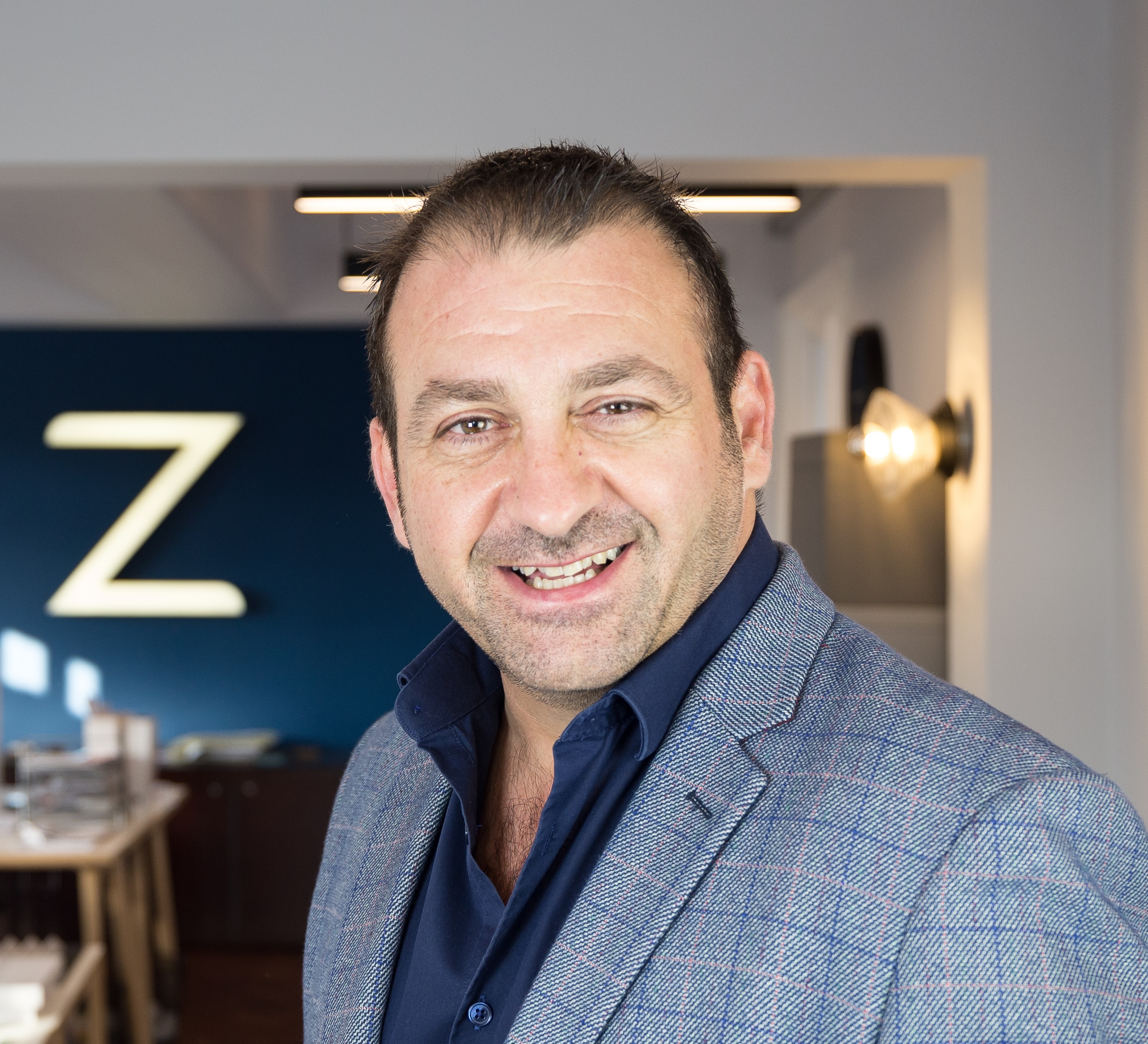
Jamie Bunce is developing the wellness retirement village model in the UK
Assuming normal market conditions return after COVID-19, we aim to ramp up the operation and open between eight and 10 new villages a year from 2022

How would you describe the Inspired Villages model?
Rather than old age being a time when people struggle through years of illness, we aim to reduce residents’ physical – as opposed to chronological – age, helping them genuinely enjoy their later years. Our strapline poses the question: “The best years of your life?”

Our goal is to keep residents active and well – socially, physically, mentally and financially. This allows them to look after themselves, in the comfort of their own homes, for a lot longer than they probably would if they were living in a traditional, open market house.

Ours is a lifestyle business: every village has a gym, studio, sauna, steamroom, swimming pools, restaurants, cafés, bars, meeting spaces and libraries.

Access to all of that is included in our package.Customers do pay for meals and drinks out though.

Importantly, we see ourselves as being caring, not carers. Our villages are not care homes nor gated communities: residents and guests are allowed to come and go as they please, at least in normal times. They live their own lives, on their own terms. We’re there if they need us, and we do have some assisted living as well as palliative care for those who already live with us: we can look after people in their own homes for as long as it’s safe for us to do so.

But our primary focus is on people’s health and wellbeing. That’s good for the NHS, for social care, for society – but most importantly, it’s absolutely excellent for the individual, because they feel better about themselves and they get more out of life.

What’s your background?
I’ve come from a retail background and interestingly, I would say the mechanics of retail are very similar to those of retirement villages. You need to create environments people are really proud to live in, that people want to visit and revisit, where people like to spend time.

You also need a very strong operating business that helps deliver service excellence – the sort of standards you would expect from a high-quality hotel. Because our residents are like hotel residents, except they spend on average eight to 10 years with us; hotel residents will typically spend a few nights in a hotel.

What has been the Inspired Villages story so far?
In 2010, myself and three colleagues founded our first retirement operating business. We worked with landowners and other parties to come into the sector, developing villages for other organisations as well as optioning sites for ourselves. We also had a joint venture with Places for People, developing villages at Austin Heath and Gifford Lee.

A pivotal moment came in August 2017, when Legal & General purchased our company and those two sites at Austin Heath and Gifford Lee. We shared a vision with Legal & General – to deliver a much-needed solution to people as they age, an independent living model that was distinctly lacking in the UK – and we formed a partnership to create our retirement communities.

In November 2017, we bought a company – Renaissance Villages – that had four villages, and we still operate those same six villages today. In addition, we have one village under construction and we’re already building the community there. Before people even move in, we get to know them, allowing them to become firm friends of the village.

Assuming normal market conditions return after COVID-19, we aim to ramp up the operation and open between eight and 10 new villages a year from 2022.

How are you ensuring that you don’t get impacted by the COVID-19 care home scandal?
First and foremost we’ve been concentrating on the safety of our residents and colleagues, however, we’ve also recognised the importance of differentiating what we offer compared to care homes, because people deserve clarity on the housing choices they have in their later years.
Our Inspired Voices video, as well as our Virtual Village Centre have been key tools for showing that the lifestyle we offer is very different from what you would expect a care home to deliver.

The retirement villages sector is still nascent in the UK and it’s important for us and our fellow operators to keep talking about what we have to offer – through marketing, the press, social media, speaking in webinars and through word of mouth – to give older people in society the housing choices they deserve.

Why did Legal & General choose to invest?
Legal & General is one of the oldest insurers in the UK – a household name – and its social purpose is strong.

It has a senior living business that looks after 10 million pensioners a week, and it uses its capital to help create communities. Our businesses are therefore very much aligned.

We’re a purpose-led business that wants to do the right thing for people: we put the customer first in every decision we make. It’s that social conscience that led Legal & General to invest in us.

It’s a very active, very long-term investor, which means we can look long-term too. This allows us to make the right decisions for our residents, focusing on positive outcomes at a very customer-centric level.

We consider ourselves very fortunate to have Legal & General’s investment in our company.

What’s your target market?
In planning terms, people always talk about the over-55s, but 55-year-olds don’t want to live in these types of settings. In your late 60s maybe, if you’ve had a health scare, but our youngest residents are generally in their mid-70s.

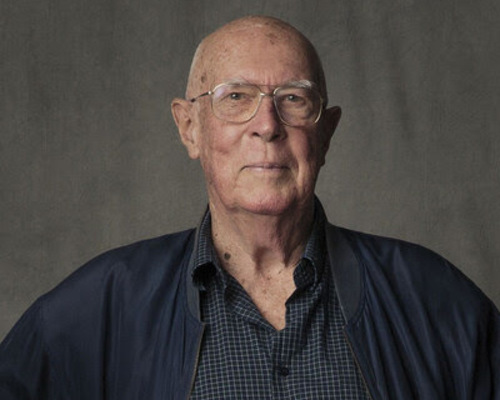
Our eldest resident is 103 years old. He’s a lovely guy and Legal & General’s pin-up. He goes to the gym three times a week in his three-piece suit.

Each of our villages has around about 200 residents, with a mix of independent and assisted living, and you can either buy or rent, depending on your financial circumstances and goals; if you have a final salary pension, for example, you might want to rent and save your capital for other things.

We operate at the top end of the mid-market, although we’re looking at options to launch a high-quality, mass market concept as soon as the market allows.

What sort of wellbeing programmes do you offer?
Within each of our villages, we have somebody – or a series of people – who are dedicated to the wellness and wellbeing of the residents in the village. Some of them have to be more proactive than others; in some villages, the residents are very active in their own right. But to ensure all remain active, there are professionals within the village whose sole focus is wellness and wellbeing.

These on-site ‘wellness navigators’, as we call them, are able to design a wellbeing programme for every resident on a very personal basis, whether they’ve had a fall, want to get fitter, or want to have the strength to unload a washing machine full of wet clothes.

But it’s all done totally on residents’ terms. One minute our wellness navigators will be doing a gym workout, the next minute they’ll be running a swimming class or leading a walk. Then, in the afternoon, they could be playing Scrabble or having a game of chess. It’s a vocation, not just a job. We match people’s personal purpose to the role they play in the village, and our team are with us because they love what they do.

Tell us more about the physical activity side of things.
This isn’t about people training for a competition, although we did have one lady in her 70s who loved the fact she beat my time in the New York Marathon by 35 minutes! Generally, though, it’s about helping people get the most out of their lives as they get older: we have people living with us whose quality of life has been dramatically enhanced by a new focus on health and wellbeing. We have residents who have come out of mobility scooters and can now walk around the village. We have people who, in their 80s, are learning to swim. These are real-life benefits.

We try to make exercise fun, too. Our gyms – we have one in every village – include Rugged Interactive reaction walls. There was one lady in her 80s who was recommended to do squats: a minimum of 10 was the target. She felt there was no way she could do that, so we put her in front of the reaction wall and asked her to press the lights when they flashed red. She ended up doing 15 squats without even realising it.

We also have inter-generational activities. We held an inaugural cricket match last year, for example, at our village in Warwickshire. We convinced the local cricket team to play our group – comprising residents, residents’ families, staff and our families – and we had an afternoon of cricket. At one point, we had a gentleman in his early 80s who admitted to not having been on a cricket pitch for 50 years. He was batting with a 14-year-old and I could see his biological age decreasing in front of my eyes, such was his joy at getting back in front of the wicket.

That type of thing isn’t difficult to do, and I believe it’s beneficial for the younger generation too: I can see our seniors playing a role in addressing obesity rates among children.

Rather than seeing older age as a steady decline, we’re trying to ensure it’s the best years of our residents’ lives – a time when they’re able to do things they wouldn’t have done before, and when they’re able to do them because they feel much healthier. That’s what aged living should be.

Can you tell us more about the outcomes you’re achieving?
Data shows that, among the residents living in retirement communities like ours, there are 46 per cent fewer GP visits and 31 per cent fewer hospital admissions compared to the national average. They also spend just one to two days in hospital on average, as opposed to two weeks among those living in their own traditional homes in the open market.

And that’s our goal: we know people are living longer; we’re here to help them live better for longer. The pressure we take off the NHS as a result is significant: we calculate that we save the NHS £3,500 a year for every person who lives in our villages.

We’ve also measured the impact of specific interventions. We did a project with hero wellbeing and ukactive at our Milbrook village in Devon, before coronavirus. We gave 31 of our residents a Fitbit and asked them to walk 10,000 steps a day. Between them, they walked 15 million steps in three months.

The average age of this cohort mirrored that of our villages – 79 years old – and this activity programme brought some incredible results for them. Cognitive function went up from 38.2 per cent to 72.4 per cent and their overall wellbeing scores – essentially, how positive and happy they felt – went from 38 per cent to 43 per cent.

We also measured the impact of the EGYM equipment we installed in our gyms. Among those using it, we saw a 35 per cent increase in core strength over a six-month period. Not only that, but the percentage of residents using the gyms went up from about 10 per cent to over 50 per cent. It’s unintimidating, easy equipment to use.

How have you been controlling the spread of COVID-19 within your villages?
As soon as news broke globally about the spread of the coronavirus we put together a response team that communicated regularly and swiftly and put in place a four-stage plan to protect our residents and our colleagues that aligned with government advice, and at some points, exceeded it.

In essence we created a shield around each of our villages, whereby we closed the villages to external visitors, implemented even stricter hygiene protocols in areas residents can access, delivered groceries and cooked meals to residents’ doorsteps if requested, and created a ‘buddy’ system that meant every resident received a call from a member of our team every day to check in with them.

In keeping with our ethos of promoting holistic wellbeing we’ve also organised socially distanced activities within our extensive grounds or through digital classes to ensure self-isolation isn’t isolating for our residents. To support this, we created a Virtual Village Centre on Facebook that allows our residents, and any over 65s who are interested, to access games, fitness videos, cooking videos, gardening tips and much more, as well as connect with each other. We’ve grown this community to over 7,000 followers.

By doing all of the above, we’ve effectively minimised the need for them to leave the safety of their homes.

To keep our colleagues safe, we were able to easily pivot to home-working for our office-based teams, meanwhile, we only asked a smaller number of our village team members to keep working within the villages. This not only kept them safe, but also minimised the risk of coronavirus being brought into the villages by colleagues moving in and out.

How have your residents been responding to your lockdown operating procedures?
We’re grateful they understood why we introduced the measures and have thanked them for their patience and fortitude in what are very testing times.

We’ve been overwhelmed by the positive response across all our villages from residents who have sent us numerous thank you notes as well as nice gifts for the village teams.

What’s been the impact of COVID-19?
We’ve had three unrelated cases across our villages, which we understand were predominantly linked to unplanned trips to hospitals. This is out of around a thousand residents across the UK and these have not spread further within our communities. For privacy reasons, we cannot share further details on the individual cases.

Research shows that around 5 per cent of the population have been infected by the coronavirus, which would equate to 40 of our residents. We’re grateful to our diligent village teams and co-operative residents for the fact the number of cases in our villages is considerably less than that.

What are your growth plans as a business?
Our partnership with Legal & General has allowed us to move on at quite a rapid pace, with an extensive development pipeline in place, which is fantastic because it will allow us to make a tangible difference to lots more people’s lives. By 2024, we’re looking to get to around 50 villages, looking after around 13,000 residents.

And further to my comments above, obviously that will benefit the NHS too. When we have 13,000 people living in our villages, we know we can save the NHS over £40m a year.

Our main challenge is to change people’s perceptions of what we offer, because it isn’t a common model in the UK yet. The vast majority of people, when they move in, say they wish they’d done it earlier, but at the moment only 0.7 per cent of UK adults over the age of 65 look to live in a retirement setting. That compares to 8 or 9 per cent in the rest of the world.

So, we’re on a myth-busting mission. We want to showcase how living in retirement settings is a really positive part of life.

How has the pandemic impacted your development pipeline?
Retirement villages fill a crucial gap in the housing market by providing specialist housing that enables those in their later years to enjoy healthier, independent lives for longer.

Our success in preventing the spread of coronavirus across our villages thus far is testament to our model, and the fact that April 2020 was our strongest month yet for receiving planning permissions shows that more and more planning committees are recognising the valuable contribution we can make to society.

We received planning permission to develop a £215 million retirement village in Kingswood, Surrey, a £60 million scheme in Turvey, Bedfordshire, and phase two of development at Ledian Gardens, our site in Leeds Village, Kent. On top of that, our partner, Legal & General, acquired a site with planning permission in Caddington, Bedfordshire where we will be building a £120 million retirement village. Altogether, these schemes mean we are on track to deliver 2,500 homes for over-65s over the next six years.

Do you intend to evolve the model?
We will have a growing focus on technology and AI, exploring ways we can use this to enhance social interaction and the support we provide.
We already have high-speed broadband in every village, and we teach IT skills to our residents so they can be cool grandparents. But we can do even more.

In the new villages, on an opt-in basis, we’re trialling ways of using technology to better support residents. We’re looking at algorithms across the village so we can see how people live their lives. If someone puts a kettle on every morning at 7.00am, and then one morning they don’t, that could prompt us to knock on the door and just make sure they’re alright. We’re also looking at harnessing the fall protection alerts on the new Apple Watch, so we can be immediately alerted if someone has a fall.

I’m very keen that technology doesn’t replace hand-holding though. It has to be there to enable a better quality of hand-holding.

Has COVID-19 changed the market?
The pandemic has exposed a lack of options in terms of accommodation and care for older people in this country. I hope very much that care homes get the funding and support they deserve to carry out care for the very vulnerable older people they support – there will always be a place for care homes.

From the perspective of the retirement village sector, I believe that there will be growing awareness that what we offer – an independent lifestyle focused on holistic wellbeing – with discreet, flexible care support on hand if residents desire, is key to alleviating the strain on the social care system.

If you could ask the government for one thing, what would it be?
The UK Government talks about the burden on the National Health Service of our ageing population, but at the moment the UK planning system does not overtly support our sector. We have 18 sites stuck in planning at the moment.

We lobby government regularly, asking it to look at ways to support the creation of such purpose-built environments; demand is only going to increase as the population continues to age.

There’s even the potential to turn these villages into a new style of community hub where people come in from outside to access the services, which could become even broader: children’s day nurseries, a wider leisure offering, hairdressers, shops and so on. This is certainly something Legal & General is looking at through its Future Cities project.

But even the current model can save so much money for the NHS; as I say, Inspired Villages is set to save over £40m a year for the NHS by 2024, and we are just one operator covering one tiny section of the market. Our sector can do so much to help, if government would just support us.

Inspired Villages in numbers

Typical project value: £100m

Villages open: Six

Villages under construction: One

Typical village size: Approximately 200,000sq ft

Properties per village: Around 150 single-level apartments

Property price range: £200,000–£1,000,000

Average property price: Around £375,000

Service fees: £5,000–£6,000 a year

Residents per village: Approximately 200

Average age: 79 years

Staffing levels: 35+ team members per village
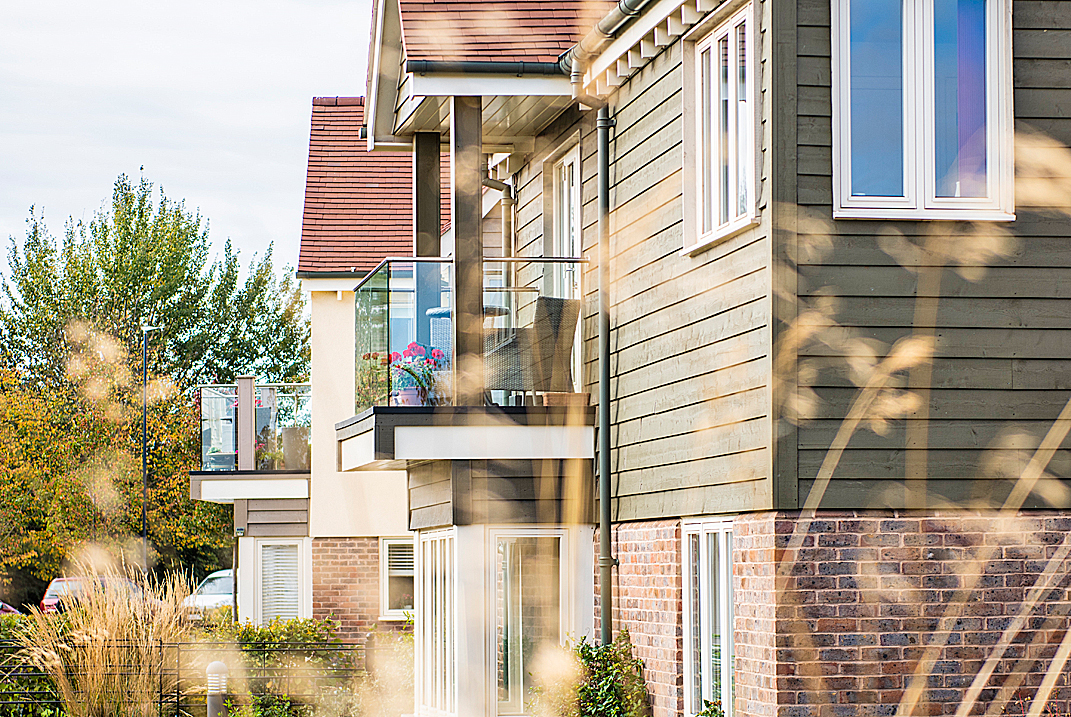
Villages are located in natural settings with plenty of outdoor space
Sign up here to get HCM's weekly ezine and every issue of HCM magazine free on digital.
All Inspired Villages have fully equipped gyms with full time staff to encourage engagement
The reaction wall is great for motivation
Installing EGYM equipment led to an increase in gym usage from 10 to 50 per cent
Access to wellness facilities are included in the residential package
Residents are encouraged to grow their own food
Each village has its own communal library

Villages are based around wellness and health, with facilities to support residents
https://www.leisureopportunities.co.uk/images/2020/243079_400976.jpg
The CEO of retirement village operator Inspired Villages tells HCM about these wellbeing-focused communities
Inspired Villages, Jamie Bunce, retirement villages,,wellbeing, communities
Latest News
Nuffield Health has told HCM that it takes its responsibilities towards its colleagues seriously and ...
Latest News
Technogym has announced the launch of the Run X World Treadmill Championship, the first world ...
Latest News
Shocked by the UK loneliness statistics, charitable trust Mytime Active has been doubling down on ...
Latest News
Portugal’s leading operator, SC Fitness, is celebrating a milestone by reaching 100 gyms.  The company ...
Latest News
Australia’s fast-growing fitness network, Viva Leisure, is adding a low-cost gym brand to its already ...
Latest News
Speedflex has launched a strength training programme for 10 to 16-year-olds, to make it safer, ...
Latest News
Tewinbury Farm Hotel in Hertfordshire, UK is expanding its premium leisure proposition with the launch ...
Latest News

Work is underway in Madrid on one of Europe’s most significant multi-functional complexes, ...

Latest News
PureGym is encouraging people to step away from their screens and go for a walk, ...
Latest News
Small improvements to sleep, diet quality, and physical activity, made in combination lead to a ...
Latest News
Therme Manchester’s 28-acre development, which will include interconnected glass pavilions that measure 65,000sq m, will ...
Opinion
promotion
Strength training has moved from the margins to the mainstream.
Opinion: Building smarter strength spaces for today’s operators
Featured supplier news
Featured supplier news: Supporting long-term health: why whole body vibration belongs in clinical settings
As healthcare continues to shift towards prevention, there’s a growing focus on helping people stay active, independent and feeling good for longer.
Featured supplier news
Featured supplier news: Elevate 2026 to mark 10-year anniversary with biggest ever waterfront drinks reception
Elevate is set to celebrate its 10th anniversary in style this June, with organisers confirming the event’s largest-ever drinks reception as registrations continue to run more than 10% ahead of last year.
Company profiles
Company profile: Spirit Commercial Fitness
Spirit Fitness is a premier brand within the Dyaco International Inc. portfolio, a global leader ...
Company profiles
Company profile: CoverMe Ltd
CoverMe Fitness, an app for seamless, on-demand management and cover solutions for sports and fitness ...
Supplier Showcases
Supplier Showcase - From nightclub to health club
Supplier Showcases
Supplier Showcase - Future-proofing
Catalogue Gallery
Click on a catalogue to view it online
Featured press releases
GYMNATION press release: Massive ‘Good Luck’ message appears in Saudi Desert as Green Falcons head to World Cup

Passengers flying out of Riyadh this week have been treated to an extraordinary sight from the skies after GymNation unveiled a giant desert sand mural supporting the Saudi Arabia National Football Team ahead of the FIFA World Cup in the United States.

Featured press releases
BLK BOX press release: BLK BOX strengthens European growth with the appointment of Germany country manager Timo Garrels
BLK BOX is proud to welcome Timo Garrels as Germany country manager, marking another important step in the brand’s continued growth across Europe.
Directory
Spa and beauty equipment
Living Earth Crafts: Spa and beauty equipment
Water experiences and hydrotherapy solutions
Aquaform s.r.l.: Water experiences and hydrotherapy solutions
Hot tubs
MSpa International Ltd: Hot tubs
Fitness tracking platform
SpiviTech: Fitness tracking platform
Industrial washing machines
Miele Company Limited: Industrial washing machines
Lockers
Crown Sports Lockers: Lockers
Property & Tenders
Stratford, East London.
Lee Valley Regional Park Authority
Property & Tenders
Y Felinheli, LL56 4QN
Newmark
Property & Tenders
Diary dates
13-13 Jun 2026
Worldwide, Various,
Diary dates
21-24 Sep 2026
The Langham Huntington Pasadena , Pasadena, United States
Diary dates
06-08 Oct 2026
Messe Stuttgart, Stuttgart, Germany
Diary dates
22-22 Oct 2026
QEII Conference Centre, London,
Diary dates
26-29 Oct 2027
Koelnmesse Exhibition Centre, Cologne, Germany
Diary dates
Search news, features & products:
Find a supplier:
Elevate Arena
Elevate Arena
Partner sites