























features
Predictions: Forward looking
Growth, consolidation, wellness and more, Kath Hudson asks the experts to share insights into the opportunities they see in 2025




We see 2025 as a year of excitement, optimism and opportunity for the global health and fitness industry, as well as the Health and Fitness Association (HFA). Each passing year shows positive growth and our research indicates that fitness consumers are informed and passionate about what science confirms – exercise benefits physical and mental health.
With events such as the FIFA World Cup, Summer Olympics, Paralympics, and Winter Olympics and Paralympics taking place in the US, our industry has an unparalleled opportunity to showcase the transformative power of physical activity and the link between our industry, these events and athletes.
HFA now has a seat at the table with policy experts and NGOs as an advocate for moving from prescriptive to preventive health care. We have begun outreach to the Trump Administration to ensure the fitness industry will be involved with all discussions about physical health, exercise and mental health, healthcare policy, government operations, and related areas.
HFA is working with the WHO to combat the global epidemic of physical inactivity by aligning with its Global Action Plan on Physical Activity. In partnership with the World Federation of the Sporting Goods Industry (WSFGI), we’re exploring ways to raise awareness of the inactivity crisis and provide actionable solutions and resources for policymakers.
Another trend is the use of GLP-1 prescriptions for weight loss. We expect that over the next five years, obesity will trend downward – an important directional change. HFA is working with policymakers in the US and with global NGOs to ensure this important public health topic is addressed in the proper context. Preventing muscle mass loss and improving cardiovascular health are essential parts of a comprehensive programme of overall health for any consumer using these drugs.
HFA also remains focused on the PHIT Act – our signature US legislative proposal to allow the use of pre-tax dollars for fitness expenses, facility use and youth sports. We also see a great opportunity for Medicare and Medicaid coverage for fitness facility usage to address chronic disease and improve health among seniors and underserved populations.
We’re also working to educate policymakers about the impact on our industry from proposed tariffs and trade deals. We’re concerned that increased tariffs on imported equipment and technology could drive up costs for suppliers and operators both in the US and globally.
Our research is also being stepped up. Following the release of our annual US Health and Fitness Consumer Report and popular Global Report, we also launched a first-of-its-kind consumer survey focusing on Latin America, in partnership with ABC Fitness. This month we’ll be releasing groundbreaking data on price elasticity and impacts on consumer behaviour in 10 key regions around the world.


The German fitness market is in a phase of consolidation. With our new investor, Waterland (since September 2024), LifeFit Group has intensified its efforts to leverage this and grow through a buy-and-build strategy.
What we began with the establishment of the LifeFit Group in 2019 will be further accelerated in 2025. A big focus will be on quickly integrating acquired chains and individual gyms into our Fitness First network while maintaining high standards. We’ll also be exploring the opportunity of expanding into neighbouring countries.
Our industry is in a fantastic position and poised for further growth in the coming year. The driving forces will continue to be an increased awareness of the power of health and fitness among consumers, as well as the boom in strength and functional training and group fitness.
People want to train and are actively seeking community connections. Those who succeed in building and nurturing communities within their clubs will reap the benefits, retaining existing members while also attracting new ones.
Personalised and individual fitness experiences are on the rise, presenting an opportunity to stand out from the competition. Personalised support for prospects and members at digital touchpoints will be popular with customers. This trend towards individualisation will also lead to growth in boutique concepts that provide a bespoke experience.
At the other end of the scale, we also anticipate a growing trend towards clubs with very few staff or no staff. These offer the advantage of affordable and flexible 24/7 training options in smaller towns, allowing fitness enthusiasts to find a gym in their local neighbourhood.
We’ve been noticing an increasingly younger audience – Gen Z – is finding its way into our clubs. With the growing awareness of fitness on social media, this trend is set to continue into 2025.
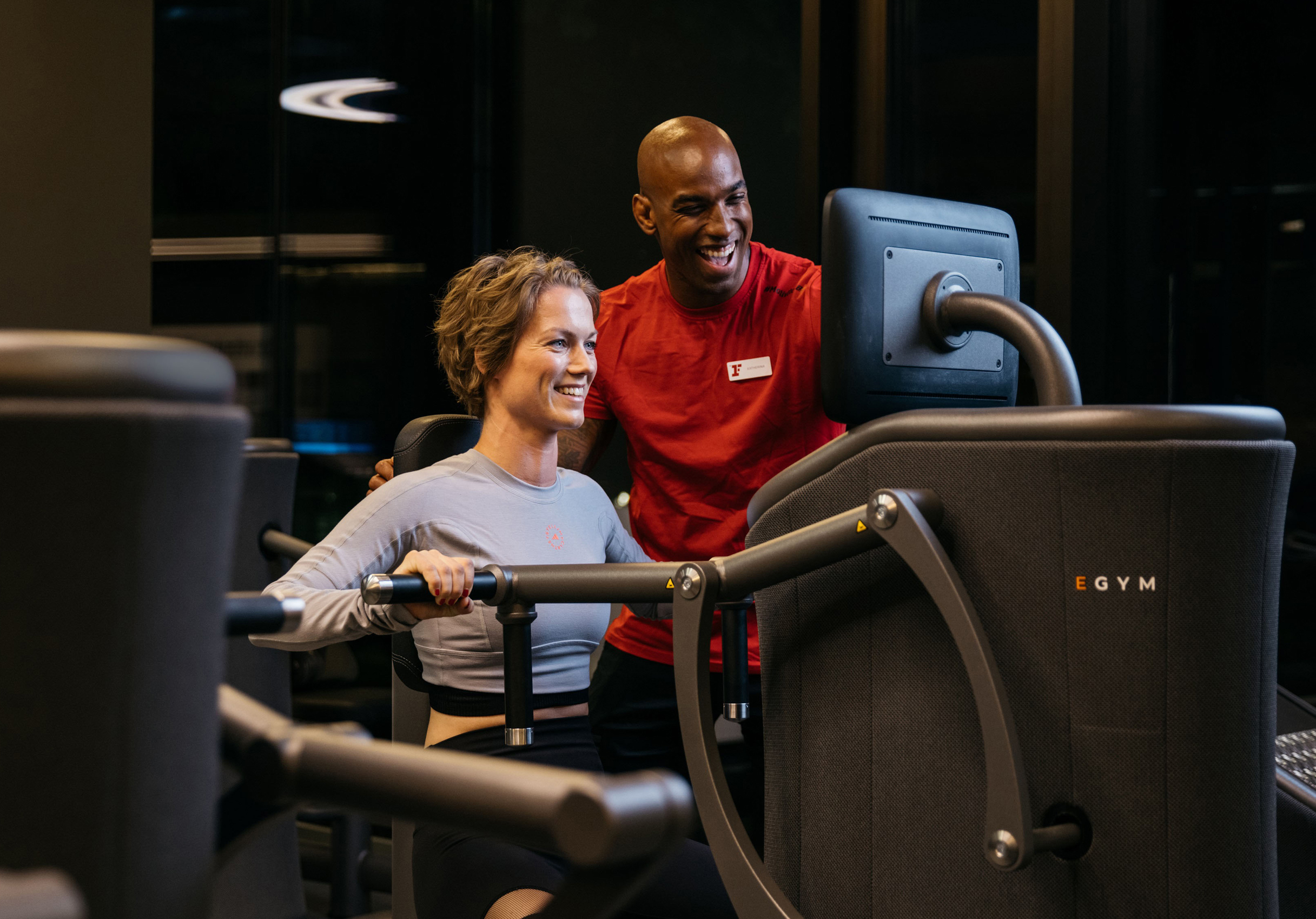

Consumers’ focus on wellness and mental health will continue and – as health club operators – we’re playing a key role in bridging health and fitness. People are visiting our clubs both for tough high-intensity and strength workouts and also to relax and take care of body and mind. Going forward, we expect this demand to increase.
Experience-driven fitness is more important than ever. Consumers are expecting more than just a workout: community, atmosphere and entertainment are all important keys to success.
People have access to more information than ever before about their own body, such as insights into sleep health and how to boost their energy levels. This puts an even greater expectation on operators to ensure high levels of competence among staff and introduce new perspectives and inspiration.
Calm and gentle classes are growing in popularity too and SATS is planning to add to the wellness bundle we introduced in 2024. Our biggest hit is the Aroma Relax class which is a calm yoga class with focus on soft movements, stretches and deep relaxation, supported by essential oils from diffusers. In 2025 we’ll expand our wellness bundle further with a Breathing for Stress Relief class.
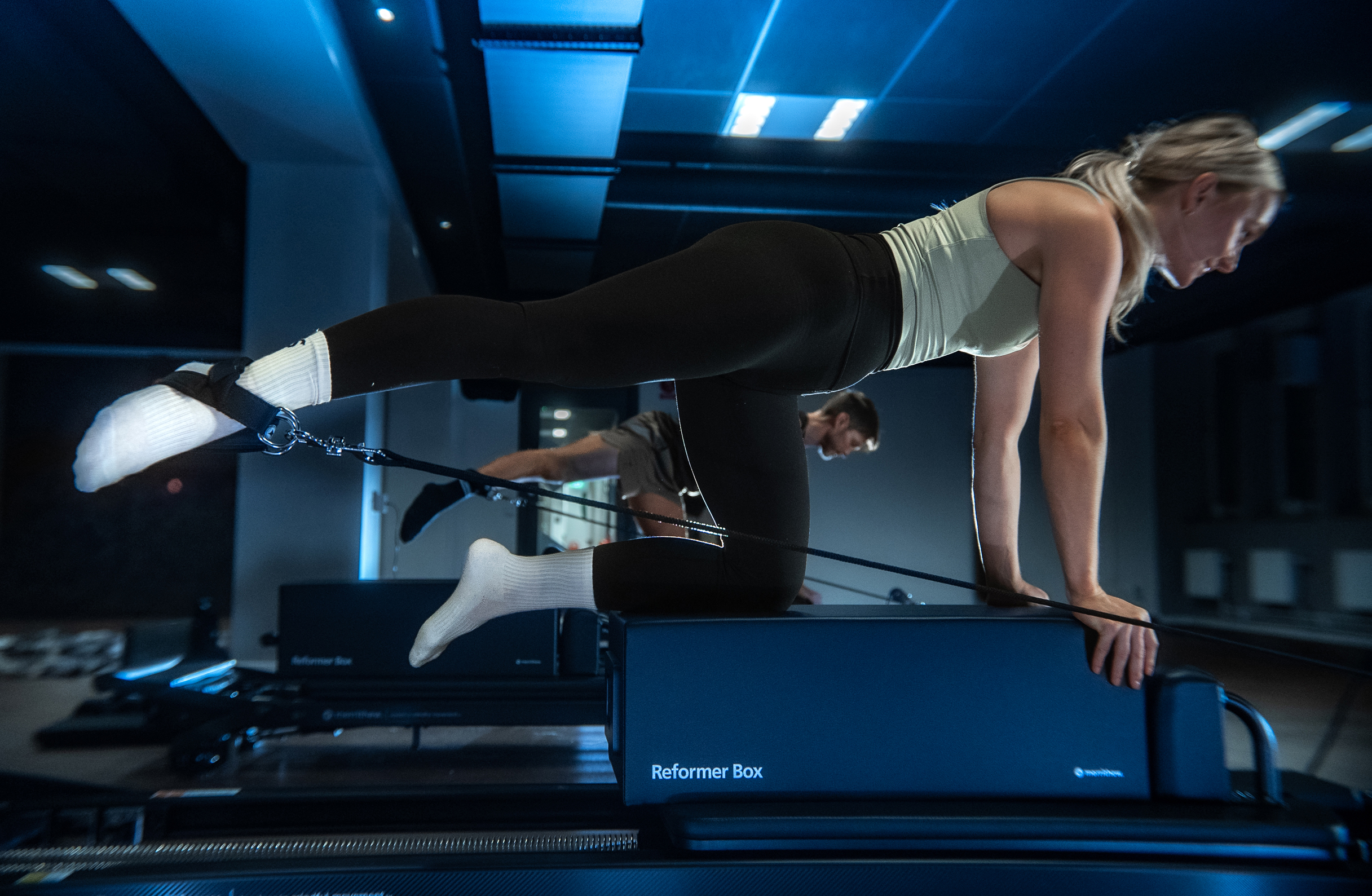
With continued demand for Pilates in all forms, we’re also planning to launch our Reformer concept studio in Q1 2025 with a variety of classes in a modern, flexible, and inspiring studio.

The main things will remain the main things – people want quality experiences, which is about getting the all-important service fundamentals 100 per cent right.
The mega trends of experiences not things, premiumisation and wellness will continue to play out. The growing awareness that inner motivations are as much about mental health and happiness as losing weight will also continue.
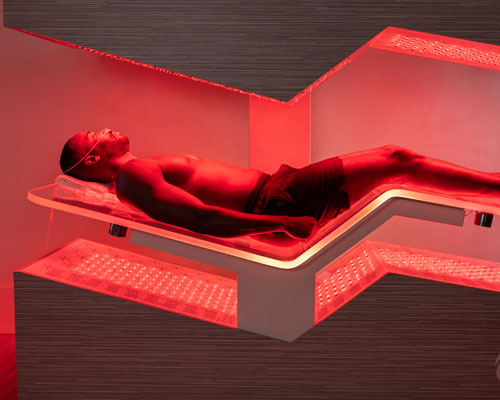
This shapes not only why people come, but also what they look for when they do. They want community and events that are new experiences, while recovery and hot and cold therapy are much in demand. Reformer Pilates is having a massive moment – perhaps it’s the perfect intersection of strength training and mind and body.
Participation in fitness events is at an all time high – whether that be longstanding things such as the London marathon or the more recent Hyrox. Our members are looking for specialist training for these events – such as how to perform better and to prevent injury.
Wearables continue to break through. Our PTs are now as equipped to talk about Heart Rate Variability and sleep as they are about reps, sets and periodisation. This was not a widespread topic five years ago, but it is now and that market will only grow.
Peptides (weight loss drugs) are coming. I was told recently that nine per cent of adults in the US are on them. Whether that’s true or not, there’s no question the market is growing fast – and it brings people to our door who might otherwise not have come. Net net, I think it will be positive for the industry.
Costs continue to increase. In the UK, the recent changes in National Insurance contributions are a kick in the teeth, alongside embedded wage inflation. It will be interesting to see if the price inflation we saw in the sector in 2023 and 2024 continues. If it does, it will spell trouble for some.
Finally, I get the sense of new entrants on the horizon and increasing global expansion for key operators – we know some overseas operators are looking at London and the UK, for example. So it won’t be dull. It never is!
WATCH NOW: Colin Waggett at the HCM Summit 2024

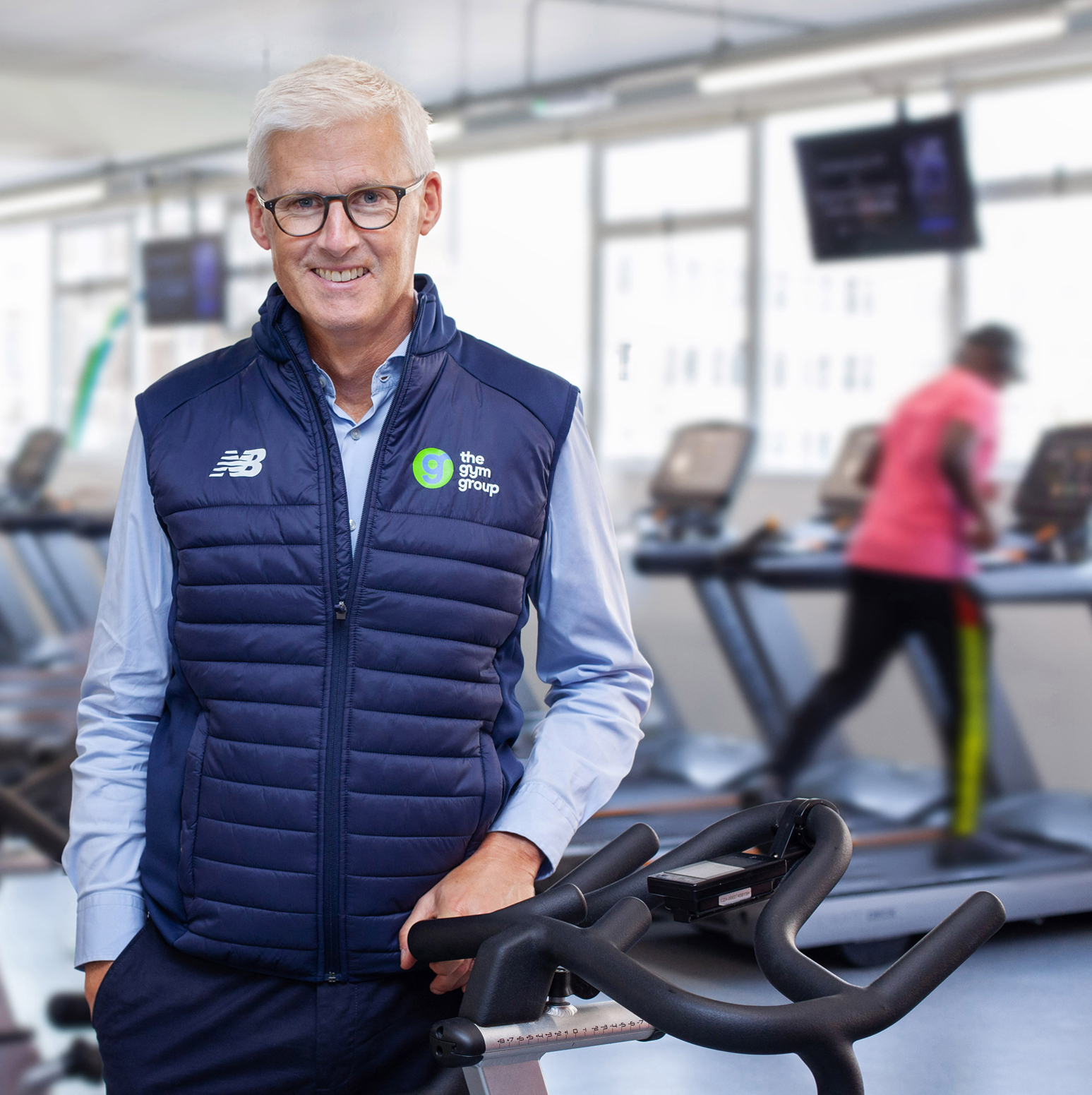
Interest and motivation in health and fitness continues to increase. According to the Leisure DB State of the UK Fitness Industry Report, published in 2024, the UK fitness sector grew by 10 per cent year-on-year, with the high value, low cost segment experiencing the fastest growth.
Younger generations and Gen Z are particularly important to the growth of the sector. A recent survey by The Gym Group (www.hcmmag.com/pubsgyms) revealed that Gen Z gym-goers are already building healthy habits, with 62 per cent exercising twice a week or more. Alongside the fitness benefits, the gym is a place for young people to socialise and gain positive mental wellbeing. We’re really listening to this generation of young gym natives as we evolve.
As demand grows, we’ll continue to build ever more value into our proposition. We’re heading into the new year expanding Hyrox classes to 120 of our gyms, as we become the largest Hyrox training club in the UK. We’re also continuing to focus on how we maintain a great standard in our existing estate by investing in refurbishments and kit upgrades, helping us to maintain our record high customer satisfaction scores.
We made good progress on our Next Chapter growth strategy in 2024 and we’re growing like-for-like revenue and generating free cashflow to organically fund another 50 sites over the next three years.
We had 245 gyms at the end of 2024, having opened 12 new gyms in the year. This positive, sustainable growth helps us fulfil our founding mission to break down barriers to fitness for all, so we can contribute to a fitter, healthier nation. We’re looking forward to 2025 being another positive year of growth.
WATCH NOW: Will Orr at the HCM Summit 2024

Strength training will continue to trend, but the major shift will be towards mental and physical health and longevity. We’ll see the arrival of longevity clinics and the evolution of fit-spa concepts, where fitness meets hot and cold therapy and other recovery methodologies.
It will be about living stronger for longer and through working out, incorporating a mental health practice and balancing physiological load. On top of this, we’ll see more health screening, IV therapies, testosterone replacement therapy, bloodwork and personalised medical interventions. Workouts will continue to become more personalised, supported by tech, wearables and data.
The move to a more wellness-focused consumer will attract a new audience and further increase engagement with those who’ve been on the fence or inconsistent with working out previously.
There's a huge opportunity for the fitness and wellness industry to work more closely with primary care providers to shift the conversation to prevention rather than cure. Gyms and wellbeing centres will also start to attract those who’ve previously only exercised outdoors or in other sports and recreational settings.
There are a couple of obvious challenges. How operators evolve to cater more for wellbeing? How do we cater for seasoned gym-goers as well as new, holistic users? While “Fitness for everyone” is a great message, there are practical considerations. With more money, tech and medicalisation coming into the sector, how do operators stay ahead, current and competitive? Choosing what to focus on will be key going forward.
For Foundry, it's all about coaching, community, and client experience. We’ll continue to offer a stripped-back, no frills gym experience that puts coaching and community at the heart of what we do. This will be supported by our product partners in nutrition, medical screening, food prep, data and technology, to blend the best of an analogue training environment (gym floor), with a comprehensive digital wraparound.

This should be the year when our sector drives strong collective agendas to meet a raft of policy and structural changes.
There was much talk in 2024 that we’re well-placed to meet social, economic and health agendas being developed as one of the UK government’s “mission-led” priorities. However, the failure to get any reference to physical activity in the Get Britain Working White Paper, is a timely reminder that we can’t afford to be complacent.
While we understand the incredible cross-cutting potential of our sector, it's still up to us to convince others of that potential.
Our sector is a significant employer, especially delivering routes to work for young people. Throughout 2025 all eyes will be on employment indicators and skills development opportunities, while we’ll also need to manage upcoming National Insurance cost increases. We will, therefore, need to be active in presenting our employment structures and specialisms, alongside reaffirming our credentials as a vibrant and successful employment sector.
Similarly, failure to get meaningful engagement with health and wellbeing policy will leave us detached from strategic discussion and without a practical foothold in preventative health delivery. The sector needs to demonstrate the breadth and scale of impact to challenge government agencies to support our fight.
We must all engage with and support UK Active’s drive for more data. Without supporting industry data, our voices will be lost once again to other, better presented sectors. We have a compelling story that must be evidenced on a scale that resonates.
Expect Community Leisure UK (alongside Social Enterprise UK) to make a strong case for the independent leisure and cultural trusts and non-profit distributing organisations to be key participants in the co-creation of civil society ambitions for the new government.
A forthcoming government paper will shape plans for continued devolution and possible structural changes to local government. This will potentially touch both county councils and district councils and see the establishment of more elected mayors.
We should expect to see potential changes in areas that impact the wider sector; from planning powers, regional development strategies, housing development and transportation agendas to revised local administration. Throughout this period, we must ensure the future of public leisure, physical activity, libraries and cultural facilities are championed and enhanced.


It’s a challenging macro-economic environment, so all operators will be carefully planning how best to manage rising business costs, including employer National Insurance contributions and the bigger-than-expected rise in minimum wage in the UK. However, we’re optimistic and looking forward to another year of growth and expansion.
The value gym market has proven to be resilient and we’ve got a track record of managing our cost base well during difficult economic times, as well as having a low labour operating model. We’re focused on maintaining operational efficiency and aiming to offset these higher costs through savings and selective price increases. We will, however, never compromise on our commitment to providing excellent value-for-money, which we know is so important to our members and prospects. This is one of the main reasons we’ve been able to attract new gym goers who were previously priced out of the market.
On the gym floor, we expect strength-based training’s popularity to continue as members increasingly recognise its value and importance. This trend has been growing steadily across all demographics since pre-pandemic.
The industry will need to ensure it’s set up to support those using weight loss drugs. Strength training which combats loss of muscle tone is particularly important for users and there’s an obvious role for health clubs to play in supporting members on this journey. We’re actively exploring how best to do this through enhanced PT training and guidance for members.
Overall 2024 was a hugely significant year for PureGym. In August we announced a leadership transition that has seen Humphrey Cobbold become chair and Clive Chesser succeed him as CEO. In November we completed our acquisition of Blink Fitness, transforming our presence in the US market. We also made great progress on UK expansion, opening 44 new sites and our landmark 400th club in Plymouth Derriford.
In 2025 expansion will continue. Specifically in the UK we plan to open between 50-60 new sites – including 12 high-quality locations sourced via the Carpetright administration process – continuing our ambition of full nationwide coverage, even in more rural areas.


The fitness industry continues to evolve, shaped by societal shifts, technological advancements and an enduring focus on health and wellbeing. At Jetts, we’re optimistic and excited about the opportunities on the horizon, while remaining mindful of the challenges our sector must navigate.
Strength training continues to dominate as a key fitness trend, with more people recognising the long-term benefits of building and maintaining muscle for overall health. Alongside this, recovery and wellness solutions such as infrared saunas, mobility-focused classes are growing in popularity, reflecting demand for a holistic approach.
Technology is also playing a pivotal role, particularly in how operators engage with members. AI-driven personalisation, gamification and digital fitness platforms are enhancing the customer experience, making fitness more accessible and tailored. We expect hybrid models combining physical and digital offerings to thrive, catering to diverse consumer needs.
Another trend is the focus on inclusivity and accessibility. From gyms designed for older adults to boutique studios targeting niche communities, the industry is expanding its reach and appeal, ensuring everyone feels welcome.
The opportunities are vast. Fitness continues to be a priority for many, with mental health now a leading motivator. This shift provides an opening for operators to innovate with offerings that emphasise mindfulness, community and mental wellbeing.
The societal push for healthier lifestyles positions our industry as a player in public health, creating opportunities for collaboration with governments, healthcare providers and employers.
Challenges persist. Economic pressures may lead to consumers scrutinising discretionary spending, meaning value and quality will be critical. Operators must strike a balance between affordability and delivering an exceptional experience. Additionally, as demand grows, so does competition, particularly from boutiques and budget operators, making differentiation vital.
We’re committed to staying ahead of these trends and challenges and will continue to expand our network of clubs, both in Australia and internationally. We’re investing in cutting-edge equipment, recovery zones and new training formats to enhance the member experience.
We’re also ensuring our franchise network has the tools and resources to succeed through an ecosystem where franchise owners and members feel valued.
There’s real reason for optimism as we settle into a new year, with exciting developments coming down the tracks.
Last year was one of change in the UK, with the general election marking a significant milestone for the sector and how it’s positioned in the context of a new government, with new priorities.
While national challenges have remained, we’re taking the practical and necessary steps to further cement our sector’s position as a trusted, reliable and essential service that directly supports economic growth and the health of the nation.
Access to data on the sector's performance and identifying key consumer trends will be crucial in supporting growth in the sector and to this end UK Active will be building on its work with research outfit, 4Global. This means UK Active’s operator, supplier and partner members can use data from a single source to attract new revenue and investment.
The physical activity sector has an integral role to play in the developing health agenda, including in relation to weight loss drugs.
Following the UK government’s plans for GLP-1s. We’re working to support the sector to provide wrap-around support services for those taking these medications, as exercise is viewed as an essential component, alongside prescriptions.
UK Active and CIMSPA have also announced a programme of support for members in relation to GLP-1s, while we’ll be continuing to engage with the government to maximise the potential for healthier lifestyle interventions more generally.
We expect the government to set out a clear strategy in 2025, recognising the full role the physical activity sector can play in driving economic growth and improving the nation’s health – major priorities it outlined towards the end of 2024.
UK Active is pressing government departments on the barriers that must be overcome for our sector to play its fullest role, with ongoing opportunities for our sector to demonstrate its strength ahead of the Spending Review in June.

I predict a further shift to holistic wellness over physical fitness this year. For consumers, the concept of fitness has already moved beyond physical exercise to encompass mental wellbeing, nutrition and emotional balance. While exercise will still be at the heart of health clubs, I expect an increasing number of operators to launch inclusive wellness programmes – catering to all backgrounds – supporting stress management and overall emotional wellbeing.
From wearable tech to AI-driven personal training, technology is going to offer even more ways for members to enjoy personalised and data-driven workout experiences. The question for us, as providers, is how we continue to integrate technology at every level to provide members with a seamless, connected and engaging experience.
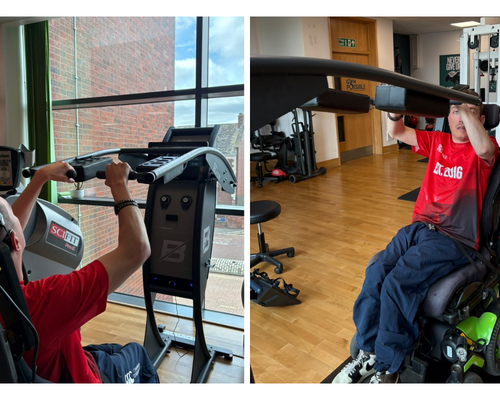
Fitness in 2025 will be even more accessible and inclusive, embracing diversity and adjusting offerings to cater for people of all backgrounds, abilities and body types. We’ve already seen a shift in the way we market our facilities – with more inclusive and representative messaging. I see more operators focusing on adaptive programmes that address health conditions and providing options for those with unique physical needs, including specialised equipment, tailored classes and staff training to ensure everyone feels welcome.
With locations in all of our key markets, Snap Fitness is planning to fast-track growth in the coming year and will be working on technology integration and providing support with all aspects of health, across fitness, nutrition, recovery and mental wellbeing.
We’ll be working on Snap App enhancements with more Fitness On Demand workouts and leveraging the latest technology to help members track their progress. We’re also developing signature group exercise programmes.

2024 has left us feeling excited and optimistic for the future. It was a year of continued growth and diversification within the sector, with trends reflecting changes in consumer preferences, advancements in technology and a focus on wellness.
This year, we’ll be putting an even bigger focus on customer experience and using data and insight to put customers at the heart of everything we do to elevating the experience while supporting retention and loyalty.
With the increasing demand for personalised experiences and tech to support people on their fitness journey, we must create environments to help individuals achieve their goals. The industry needs to continue to monitor the wants and needs of customers and adapt appropriately to deliver. For us, this led to the creation of new partnerships including with EGYM and Speedflex.
We’re imagining a time when wearable technology will seamlessly integrate with medical applications to support the management of overall physical and mental health.
In addition to people looking for personalised experiences and the integration of tech, we expect demand for personal connections to grow, especially with young people viewing exercise as a way to socialise. We’re responsible for making our facilities true community hubs offering support and personal connection.
We can’t ignore continuing pressures on the NHS. As an industry we have a responsibility to support the improvement of national health and wellbeing through access to physical activity.
We must also reach those who are unable to attend our centres for whatever reason. We have a dedicated team who are working to build new programmes and work in partnership with different organisations to deliver a variety of initiatives.
A big focus for Places Leisure this year will be to build our community outreach programmes across the country. We’ll continue to run programmes within our centres aimed at tackling health inequalities, such as the Big Sister Project which we proudly run in partnership with Women in Sport at all of our centres.
WATCH NOW: Belinda Steward at the HCM Summit 2024