









Les Mills
Les Mills
Les Mills
Follow Health Club Management on Twitter Like Health Club Management on Facebook Join the discussion with Health Club Management on LinkedIn
FITNESS, HEALTH, WELLNESS

features

HCM People: Guy LochheadFounder, Bristol Co-operative Gym

The co-operative model is inclusivity in practice
Published in Health Club Management 2022 issue 8
In the co-operative model, members share gym ownership / Photo: Paul Samuel White
According to Self- Determination Theory we have a better sense of wellbeing if three basic psychological needs are met – autonomy, competence and belonging

How did the idea for Bristol Co-operative Gym come about?
When I got in to Olympic lifting, I found myself fascinated by gym culture. I come from an arts background and most of my friends don’t train and are resistant to the idea of gyms, which was something I wanted to explore. I did some research around this, looking at models and statistics around members and the reasons why people join or leave gyms.

I found there were two main reasons for not being a gym member. Either socio/economic – which is not just about cost, but factors including education, income, local area deprivation, age, sex, gender variance and ethnicity. Or cultural – the way the gym environment felt, the lack of guidance, the intimidation factor, the mirrors, lights and music.

It led me to the conclusion that gyms are designed to suit a certain audience and the model isn’t that inclusive, so I thought about what the alternative would look like? What would a gym designed by its members be like?

I like to compare fitness culture with food cultures. Both start around an essential activity – eating and moving – but whereas eating has developed into many rich and varied experiences, the dominant fitness culture has stayed monocultural, particularly weightlifting gyms, and this means that many people feel excluded. A member-run model has the potential to create a diverse range of smaller places which reflect those who use and run them. It’s exciting to imagine all the movement subcultures which could emerge if this model was widely embraced.

How did you get it off the ground?
It took around two years from having the idea in 2014 to renting a grubby community hall by the hour and offering classes for one to six people.

I didn’t know anything about co-operatives but I had a lot of help from the Co-operative Assistance Network and received some funding and support from Co-operatives UK.

How does Bristol Co-operative Gym work?
We think it’s unique as a model: we don’t know of any other gyms which are owned by members and staff. It’s not profit-making and is run by volunteers. The only people who get paid are the coaches. Our fundamental goal is to reach those people who are put off by gym culture – or how they perceive gyms to be.

I believe the co-operative model holds great promise for removing common barriers to gym-based physical activity and hope Bristol Co-operative Gym can become a pioneering example of a new form of community-led centres for physical activity.

Will co-operative gyms gain traction?
I think this concept works for the industry in that below a certain size, it’s a risky business for independent gyms, with a high turnover of members and staff. Being a co-operative reduces that risk and is increasingly viewed as the sustainable answer to independent business survival, from pubs and breweries to dairies and fashion labels.

Co-operatives are also a very broad church, so the model can be tweaked to suit. For example, the founder can take a wage and there can be a vertical hierarchy. There is also funding available for co-operatives which other clubs wouldn’t be able to access.

There’s a lot of talk around inclusion in the industry, but the co-operative model is inclusivity in practise: the ownership is shared, so the power is distributed differently. It’s a club which is owned and operated by members, so it is shaped by them and reflects their needs and interests.

According to Self-Determination Theory we have a better sense of wellbeing if three basic psychological needs are met – autonomy, competence and belonging. So if we feel in control of our lives, able to act and connected to others. The co-operative model meets these needs incredibly well.

Would this model work anywhere?
Bristol does have a strong socially-minded community, which is willing to support independent businesses, and tolerate things like grubby halls! The city already had a few successful co-operative projects, such as the Cube Cinema and the Bristol Bike Project and we’ve had some members from those projects who’ve helped shape the concept.

The Midlands and the North of England also have a rich history of co-operatives so I think it could work there.

What do you offer?
We now have a permanent base and offer classes and small group PT from Mondays to Thursdays in the mornings and evenings and sporadically on weekends.

How much does it cost?
We offer three memberships: £26, £39 and £52 and allow people to choose what they pay according to what they can afford. £26 is as low as we can go and still stay viable, the middle tier is the most popular choice and the highest rate subsidises discounted and free classes and memberships for people who need them. People can join without becoming part of the co-operative.

How much time commitment do people have to give to be a co-operative member?
They have to attend two of the four quarterly meetings and we also have frequent discussions online using Loomio. The average length of time people stay as a co-operative member is 688 days.

Who are your members?
Some come to us just because we’re their local gym, others for our offering of free weights in a coached and non-macho environment. There’s a broad age range, but the majority are from their late 20s to early 40s. We pride ourselves on not assuming gender identity. We do also team up with partners to offer funded sessions for specific groups – for example, with Off the Record, a local youth mental health charity, we offered eight weeks of free weightlifting coaching for some of the young people they work with.

We have 172 active members (we count these as people who came in the last two weeks) and 26 are part of the co-operative. We have three directors who overview all the strategic stuff – one looks after the finances, another is in charge of marketing and social media – then we have sub-groups for projects, such as running the crowdfunder campaign or working on the hall.

We try to use our members’ skill sets. Lots of our most active members come from a data background and are used to working in agile teams, which allows us to move through the operational issues quite quickly. If there are any disagreements we always go back to the constitution and decide in accordance with our aims and values.

How did the co-operative fare through the pandemic?
Our members stayed very loyal to us and we were able to survive the lockdowns largely because many members chose to pay more to keep us going, despite us reducing our membership prices when we went online, which we did because a few of our members lost their jobs. The nature of the model means our members are engaged and feel a sense of loyalty and ownership, so we have a lower rate of churn generally.

How did the crowdfunder campaign go?
Earlier this year, we raised £27,000 to renovate our new studio which has been designed according to what our members want: we took on board members’ feedback as well as that of coaches.

Our architects, 2A1M, are experts in accessible, inclusive and community-engaged approaches to fitness. We looked at the whole customer journey: from how people hear about the gym, to booking, arrival, the welcome, what they first see, the class experience and how they leave.

The feedback was that members wanted a flexible, adaptable space with good sightlines. There were some specifics, like textured floors which are important for those with autism, and space for wheelchair access and adaptive equipment. It’s hard to tick every box, as the needs of user groups vary slightly and can conflict.

Generally, members want a clear, open space that’s not visually overwhelming. They don’t want to be confronted by intense equipment and don’t want mirrors. I’m confident the refreshed environment will be more inclusive and our membership will become increasingly diverse.
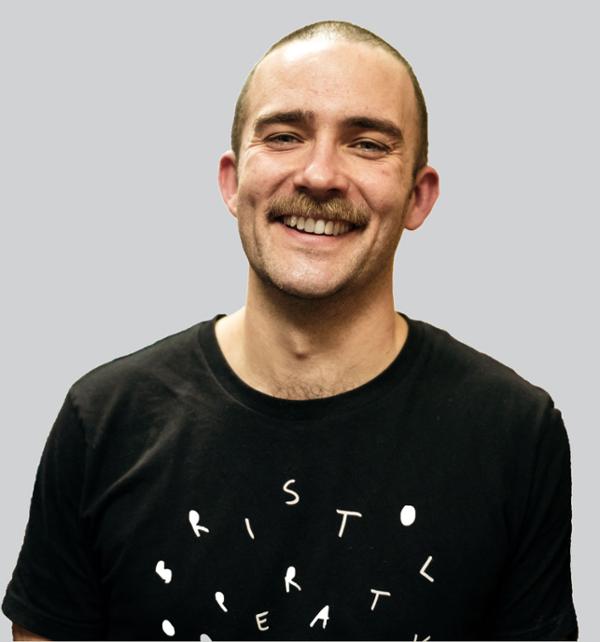
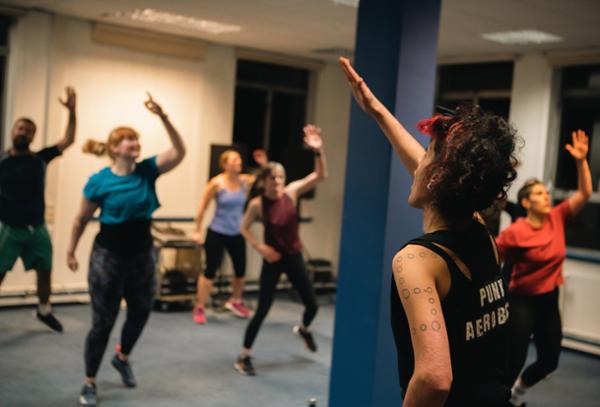
Lochhead established the co-operative in 2014 / Photo: Paul Samuel White
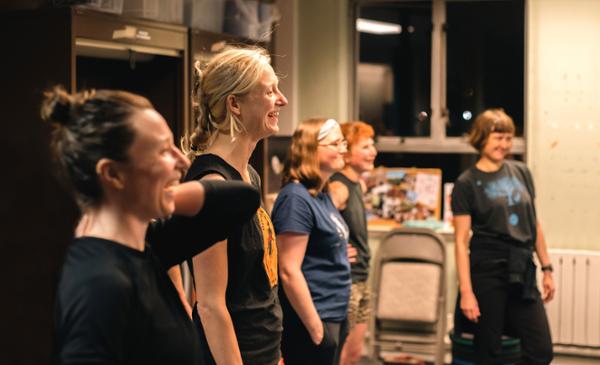
Bristol has a strong socially-minded community which supports independent businesses / Photo: Paul Samuel White
The co-operative now has a permanent base / Photo: Paul Samuel White
Members’ own skillsets contribute to the collective / Photo: Paul Samuel White
https://www.leisureopportunities.co.uk/images/2022/900366_453704.jpg
The founder of the Bristol Co-operative Gym shows us how his club model is creating a more inclusive approach to community health and fitness
HCM magazine
For every member with a tripod and a big following, there are others irritated at the way equipment is being hogged or wary they’ll be in the background on someone’s Insta feed. Do influencers offer valuable, free marketing or are they just a nuisance? Kath Hudson finds out how operators are responding
HCM magazine
Collaborations with the medical profession and greater aspirations around wellbeing are creating a need for more experts in our sector. It’s time to reboot our thinking around the workforce
HCM magazine
Small improvements to sleep, diet and physical activity have major benefits for the heart, according to new research from the University of Sydney
HCM magazine
If the health service is to survive, we must recognise that it is a disease service – and that wellbeing rests with us, says the activity advocate and healthy ageing champion. He talks to Kate Cracknell
HCM magazine
HCM People

Stephen Price

Founder, SP&Co Group
Working in public health over the last few years has lit up parts of my brain again
HCM promotional features
Sponsored
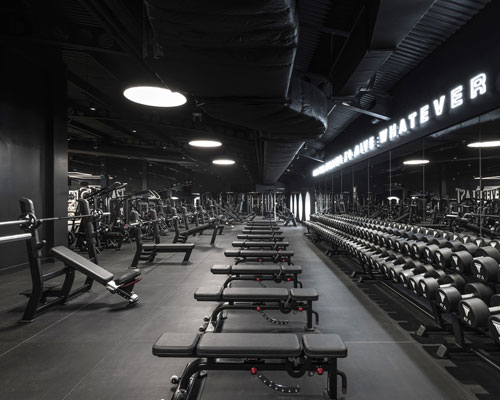
Greg Bradley looks at the shift towards strength training in gyms and advises on how operators can create the ultimate training environment
HCM promotional features
Sponsored
Find out how your gym can tap into the corporate wellness boom
HCM promotional features
Sponsored
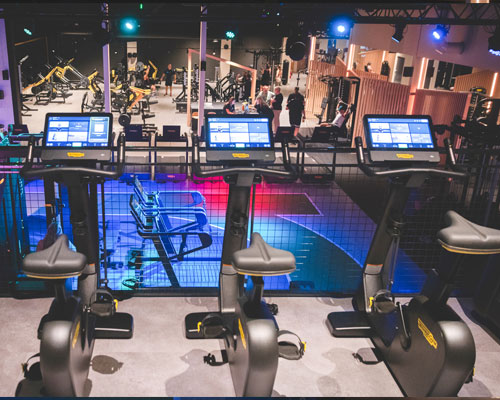
Third Space partnered with IndigoFitness to deliver a bespoke training space for its new club at The Whiteley
HCM promotional features
Sponsored
David Lloyd is stepping up its commitment to women’s health as it continues to explore what fit-for-purpose looks like for the female population
HCM promotional features
Sponsored
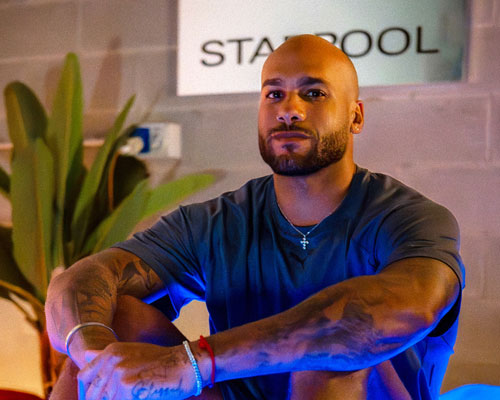
Starpool supports Olympic champion Marcell Jacobs, says Riccardo Turri
HCM promotional features
Sponsored
SnowDome Fitness has added 50 per cent more space with cutting-edge Technogym solutions
HCM promotional features
Sponsored
EGYM has opened a new HQ in Paternoster Square, London and revealed a range of new launches
HCM promotional features
Sponsored
Active IQ is calling for greater accountability in online fitness advice with the launch of a new trustmark
HCM promotional features
Promotion
Performance Health Systems, manufacturer of Power Plate, has a new CEO, with an ambitious vision for the company
HCM promotional features
Latest News
Nuffield Health has told HCM that it takes its responsibilities towards its colleagues seriously and ...
Latest News
Technogym has announced the launch of the Run X World Treadmill Championship, the first world ...
Latest News
Shocked by the UK loneliness statistics, charitable trust Mytime Active has been doubling down on ...
Latest News
Portugal’s leading operator, SC Fitness, is celebrating a milestone by reaching 100 gyms.  The company ...
Latest News
Australia’s fast-growing fitness network, Viva Leisure, is adding a low-cost gym brand to its already ...
Latest News
Speedflex has launched a strength training programme for 10 to 16-year-olds, to make it safer, ...
Latest News
Tewinbury Farm Hotel in Hertfordshire, UK is expanding its premium leisure proposition with the launch ...
Latest News

Work is underway in Madrid on one of Europe’s most significant multi-functional complexes, ...

Opinion
promotion
Strength training has moved from the margins to the mainstream.
Opinion: Building smarter strength spaces for today’s operators
Featured supplier news
Featured supplier news: Elevate 2026 to mark 10-year anniversary with biggest ever waterfront drinks reception
Elevate is set to celebrate its 10th anniversary in style this June, with organisers confirming the event’s largest-ever drinks reception as registrations continue to run more than 10% ahead of last year.
Featured supplier news
Featured supplier news: W3Fit EMEA celebrates its fifth anniversary
Celebrating its milestone 5th anniversary, W3Fit EMEA returns in 2026 with an unmissable gathering of the Health & Fitness industry’s most influential leaders.
Company profiles
Company profile: Xplor Fitness & Leisure
Today’s fitness and leisure brands need technology that powers standout fitness experiences and keeps pace ...
Company profiles
Company profile: Wellhub
Wellhub acts as a corporate sales channel, bringing new, highquality members to your business, by ...
Supplier Showcases
Supplier Showcase - Future-proofing
Catalogue Gallery
Click on a catalogue to view it online
Featured press releases
GYMNATION press release: Massive ‘Good Luck’ message appears in Saudi Desert as Green Falcons head to World Cup
Passengers flying out of Riyadh this week have been treated to an extraordinary sight from the skies after GymNation unveiled a giant desert sand mural supporting the Saudi Arabia National Football Team ahead of the FIFA World Cup in the United States.
Featured press releases
BLK BOX press release: BLK BOX strengthens European growth with the appointment of Germany country manager Timo Garrels
BLK BOX is proud to welcome Timo Garrels as Germany country manager, marking another important step in the brand’s continued growth across Europe.
Directory
Spa and beauty equipment
Living Earth Crafts: Spa and beauty equipment
Industrial washing machines
Miele Company Limited: Industrial washing machines
Fitness tracking platform
SpiviTech: Fitness tracking platform
Lockers
Crown Sports Lockers: Lockers
Water experiences and hydrotherapy solutions
Aquaform s.r.l.: Water experiences and hydrotherapy solutions
Hot tubs
MSpa International Ltd: Hot tubs
Property & Tenders
Stratford, East London.
Lee Valley Regional Park Authority
Property & Tenders
Y Felinheli, LL56 4QN
Newmark
Property & Tenders
Diary dates
13-13 Jun 2026
Worldwide, Various,
Diary dates
21-24 Sep 2026
The Langham Huntington Pasadena , Pasadena, United States
Diary dates
06-08 Oct 2026
Messe Stuttgart, Stuttgart, Germany
Diary dates
22-22 Oct 2026
QEII Conference Centre, London,
Diary dates
26-29 Oct 2027
Koelnmesse Exhibition Centre, Cologne, Germany
Diary dates

features

HCM People: Guy LochheadFounder, Bristol Co-operative Gym

The co-operative model is inclusivity in practice

Published in Health Club Management 2022 issue 8
In the co-operative model, members share gym ownership / Photo: Paul Samuel White
According to Self- Determination Theory we have a better sense of wellbeing if three basic psychological needs are met – autonomy, competence and belonging

How did the idea for Bristol Co-operative Gym come about?
When I got in to Olympic lifting, I found myself fascinated by gym culture. I come from an arts background and most of my friends don’t train and are resistant to the idea of gyms, which was something I wanted to explore. I did some research around this, looking at models and statistics around members and the reasons why people join or leave gyms.

I found there were two main reasons for not being a gym member. Either socio/economic – which is not just about cost, but factors including education, income, local area deprivation, age, sex, gender variance and ethnicity. Or cultural – the way the gym environment felt, the lack of guidance, the intimidation factor, the mirrors, lights and music.

It led me to the conclusion that gyms are designed to suit a certain audience and the model isn’t that inclusive, so I thought about what the alternative would look like? What would a gym designed by its members be like?

I like to compare fitness culture with food cultures. Both start around an essential activity – eating and moving – but whereas eating has developed into many rich and varied experiences, the dominant fitness culture has stayed monocultural, particularly weightlifting gyms, and this means that many people feel excluded. A member-run model has the potential to create a diverse range of smaller places which reflect those who use and run them. It’s exciting to imagine all the movement subcultures which could emerge if this model was widely embraced.

How did you get it off the ground?
It took around two years from having the idea in 2014 to renting a grubby community hall by the hour and offering classes for one to six people.

I didn’t know anything about co-operatives but I had a lot of help from the Co-operative Assistance Network and received some funding and support from Co-operatives UK.

How does Bristol Co-operative Gym work?
We think it’s unique as a model: we don’t know of any other gyms which are owned by members and staff. It’s not profit-making and is run by volunteers. The only people who get paid are the coaches. Our fundamental goal is to reach those people who are put off by gym culture – or how they perceive gyms to be.

I believe the co-operative model holds great promise for removing common barriers to gym-based physical activity and hope Bristol Co-operative Gym can become a pioneering example of a new form of community-led centres for physical activity.

Will co-operative gyms gain traction?
I think this concept works for the industry in that below a certain size, it’s a risky business for independent gyms, with a high turnover of members and staff. Being a co-operative reduces that risk and is increasingly viewed as the sustainable answer to independent business survival, from pubs and breweries to dairies and fashion labels.

Co-operatives are also a very broad church, so the model can be tweaked to suit. For example, the founder can take a wage and there can be a vertical hierarchy. There is also funding available for co-operatives which other clubs wouldn’t be able to access.

There’s a lot of talk around inclusion in the industry, but the co-operative model is inclusivity in practise: the ownership is shared, so the power is distributed differently. It’s a club which is owned and operated by members, so it is shaped by them and reflects their needs and interests.

According to Self-Determination Theory we have a better sense of wellbeing if three basic psychological needs are met – autonomy, competence and belonging. So if we feel in control of our lives, able to act and connected to others. The co-operative model meets these needs incredibly well.

Would this model work anywhere?
Bristol does have a strong socially-minded community, which is willing to support independent businesses, and tolerate things like grubby halls! The city already had a few successful co-operative projects, such as the Cube Cinema and the Bristol Bike Project and we’ve had some members from those projects who’ve helped shape the concept.

The Midlands and the North of England also have a rich history of co-operatives so I think it could work there.

What do you offer?
We now have a permanent base and offer classes and small group PT from Mondays to Thursdays in the mornings and evenings and sporadically on weekends.

How much does it cost?
We offer three memberships: £26, £39 and £52 and allow people to choose what they pay according to what they can afford. £26 is as low as we can go and still stay viable, the middle tier is the most popular choice and the highest rate subsidises discounted and free classes and memberships for people who need them. People can join without becoming part of the co-operative.

How much time commitment do people have to give to be a co-operative member?
They have to attend two of the four quarterly meetings and we also have frequent discussions online using Loomio. The average length of time people stay as a co-operative member is 688 days.

Who are your members?
Some come to us just because we’re their local gym, others for our offering of free weights in a coached and non-macho environment. There’s a broad age range, but the majority are from their late 20s to early 40s. We pride ourselves on not assuming gender identity. We do also team up with partners to offer funded sessions for specific groups – for example, with Off the Record, a local youth mental health charity, we offered eight weeks of free weightlifting coaching for some of the young people they work with.

We have 172 active members (we count these as people who came in the last two weeks) and 26 are part of the co-operative. We have three directors who overview all the strategic stuff – one looks after the finances, another is in charge of marketing and social media – then we have sub-groups for projects, such as running the crowdfunder campaign or working on the hall.

We try to use our members’ skill sets. Lots of our most active members come from a data background and are used to working in agile teams, which allows us to move through the operational issues quite quickly. If there are any disagreements we always go back to the constitution and decide in accordance with our aims and values.

How did the co-operative fare through the pandemic?
Our members stayed very loyal to us and we were able to survive the lockdowns largely because many members chose to pay more to keep us going, despite us reducing our membership prices when we went online, which we did because a few of our members lost their jobs. The nature of the model means our members are engaged and feel a sense of loyalty and ownership, so we have a lower rate of churn generally.

How did the crowdfunder campaign go?
Earlier this year, we raised £27,000 to renovate our new studio which has been designed according to what our members want: we took on board members’ feedback as well as that of coaches.

Our architects, 2A1M, are experts in accessible, inclusive and community-engaged approaches to fitness. We looked at the whole customer journey: from how people hear about the gym, to booking, arrival, the welcome, what they first see, the class experience and how they leave.

The feedback was that members wanted a flexible, adaptable space with good sightlines. There were some specifics, like textured floors which are important for those with autism, and space for wheelchair access and adaptive equipment. It’s hard to tick every box, as the needs of user groups vary slightly and can conflict.

Generally, members want a clear, open space that’s not visually overwhelming. They don’t want to be confronted by intense equipment and don’t want mirrors. I’m confident the refreshed environment will be more inclusive and our membership will become increasingly diverse.
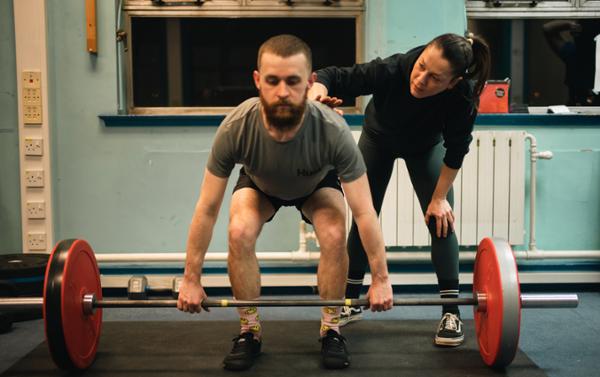
Lochhead established the co-operative in 2014 / Photo: Paul Samuel White
Bristol has a strong socially-minded community which supports independent businesses / Photo: Paul Samuel White
The co-operative now has a permanent base / Photo: Paul Samuel White
Members’ own skillsets contribute to the collective / Photo: Paul Samuel White
https://www.leisureopportunities.co.uk/images/2022/900366_453704.jpg
The founder of the Bristol Co-operative Gym shows us how his club model is creating a more inclusive approach to community health and fitness
Latest News
Nuffield Health has told HCM that it takes its responsibilities towards its colleagues seriously and ...
Latest News
Technogym has announced the launch of the Run X World Treadmill Championship, the first world ...
Latest News
Shocked by the UK loneliness statistics, charitable trust Mytime Active has been doubling down on ...
Latest News
Portugal’s leading operator, SC Fitness, is celebrating a milestone by reaching 100 gyms.  The company ...
Latest News
Australia’s fast-growing fitness network, Viva Leisure, is adding a low-cost gym brand to its already ...
Latest News
Speedflex has launched a strength training programme for 10 to 16-year-olds, to make it safer, ...
Latest News
Tewinbury Farm Hotel in Hertfordshire, UK is expanding its premium leisure proposition with the launch ...
Latest News

Work is underway in Madrid on one of Europe’s most significant multi-functional complexes, ...

Latest News
PureGym is encouraging people to step away from their screens and go for a walk, ...
Latest News
Small improvements to sleep, diet quality, and physical activity, made in combination lead to a ...
Latest News
Therme Manchester’s 28-acre development, which will include interconnected glass pavilions that measure 65,000sq m, will ...
Opinion
promotion
Strength training has moved from the margins to the mainstream.
Opinion: Building smarter strength spaces for today’s operators
Featured supplier news
Featured supplier news: Elevate 2026 to mark 10-year anniversary with biggest ever waterfront drinks reception
Elevate is set to celebrate its 10th anniversary in style this June, with organisers confirming the event’s largest-ever drinks reception as registrations continue to run more than 10% ahead of last year.
Featured supplier news
Featured supplier news: W3Fit EMEA celebrates its fifth anniversary
Celebrating its milestone 5th anniversary, W3Fit EMEA returns in 2026 with an unmissable gathering of the Health & Fitness industry’s most influential leaders.
Company profiles
Company profile: Xplor Fitness & Leisure
Today’s fitness and leisure brands need technology that powers standout fitness experiences and keeps pace ...
Company profiles
Company profile: Wellhub
Wellhub acts as a corporate sales channel, bringing new, highquality members to your business, by ...
Supplier Showcases
Supplier Showcase - Future-proofing
Catalogue Gallery
Click on a catalogue to view it online
Featured press releases
GYMNATION press release: Massive ‘Good Luck’ message appears in Saudi Desert as Green Falcons head to World Cup
Passengers flying out of Riyadh this week have been treated to an extraordinary sight from the skies after GymNation unveiled a giant desert sand mural supporting the Saudi Arabia National Football Team ahead of the FIFA World Cup in the United States.
Featured press releases
BLK BOX press release: BLK BOX strengthens European growth with the appointment of Germany country manager Timo Garrels
BLK BOX is proud to welcome Timo Garrels as Germany country manager, marking another important step in the brand’s continued growth across Europe.

Directory
Spa and beauty equipment
Living Earth Crafts: Spa and beauty equipment
Industrial washing machines
Miele Company Limited: Industrial washing machines
Fitness tracking platform
SpiviTech: Fitness tracking platform
Lockers
Crown Sports Lockers: Lockers
Water experiences and hydrotherapy solutions
Aquaform s.r.l.: Water experiences and hydrotherapy solutions
Hot tubs
MSpa International Ltd: Hot tubs
Property & Tenders
Stratford, East London.
Lee Valley Regional Park Authority
Property & Tenders
Y Felinheli, LL56 4QN
Newmark
Property & Tenders
Diary dates
13-13 Jun 2026
Worldwide, Various,
Diary dates
21-24 Sep 2026
The Langham Huntington Pasadena , Pasadena, United States
Diary dates
06-08 Oct 2026
Messe Stuttgart, Stuttgart, Germany
Diary dates
22-22 Oct 2026
QEII Conference Centre, London,
Diary dates
26-29 Oct 2027
Koelnmesse Exhibition Centre, Cologne, Germany
Diary dates
Search news, features & products:
Find a supplier:
Les Mills
Les Mills
Partner sites