



























features
Gym design: Futureproof
Julie Cramer asks suppliers about their approach to design and the best ways to future- proof the gym floor



During the design process, we ask customers how they want their members to feel and think. This question is the foundation of every project.
We enjoy having that conversation, because although we use tech – such as VR, 3D imagery, and AI drafting – it takes a back seat to designing spaces that resonate with users and create meaningful experiences.
We advise clients they don’t need to buy all the equipment on day one. Gym design evolves, and it’s important to leave room for adjustments.
You won’t fully know how the space will be used in the first three to six months and we recommend purchasing 70-80 per cent of the equipment initially, then waiting for feedback before adding new items – often ones that weren’t on the original list.
It’s an art to balance what you believe will please your existing customers with what will attract new business. Be mindful of big leaps in tech adoption; customers may prefer familiar setups.
Also be savvy with infrastructure changes, from wiring and connectivity to partition walls. We help customers plan three to 10 years ahead for efficient use of time and budget, avoiding repeat jobs later.
More: www.strongerwellness.com
We worked on the community-led Jesse’s House by Little Houses Group, a members-only property in central London.
Preserving the building’s character was a priority during the design process. Despite its size, the space is full of personality, which we aimed to showcase. Early on, creative shifts were made regarding who would use the space and how. Our role was to challenge the customer’s vision and temper the influence of trends, while respecting their ownership of the project.
With a broad user base focused on PT and small group training, the goal was to design an inviting, functional space without flooding it with equipment or cannibalising the use of fitness studios already on site.
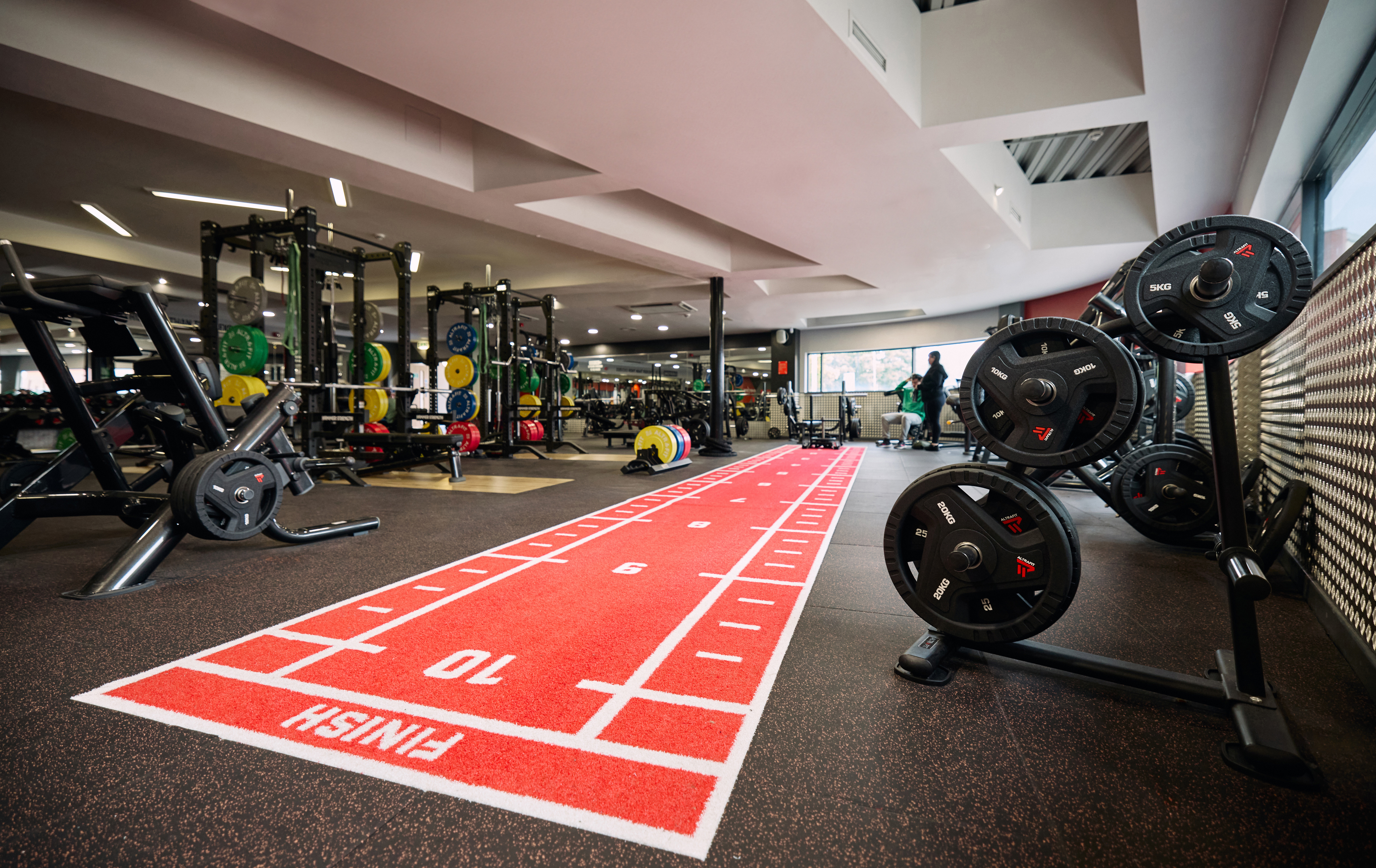
A key consideration is what’s underfoot. We’d recommend avoiding rolled flooring options such as rubber or vinyl. Free weights tiles or functional fitness tiles allow the reconfiguration of the gym space without the cost of having to replace the whole floor.
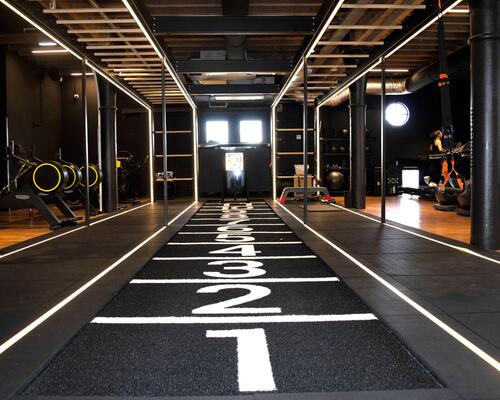
Floor tiles are also a great way of designating spaces for specific activities, enabling the use of different colours, or integrations of things such as sled tracks.
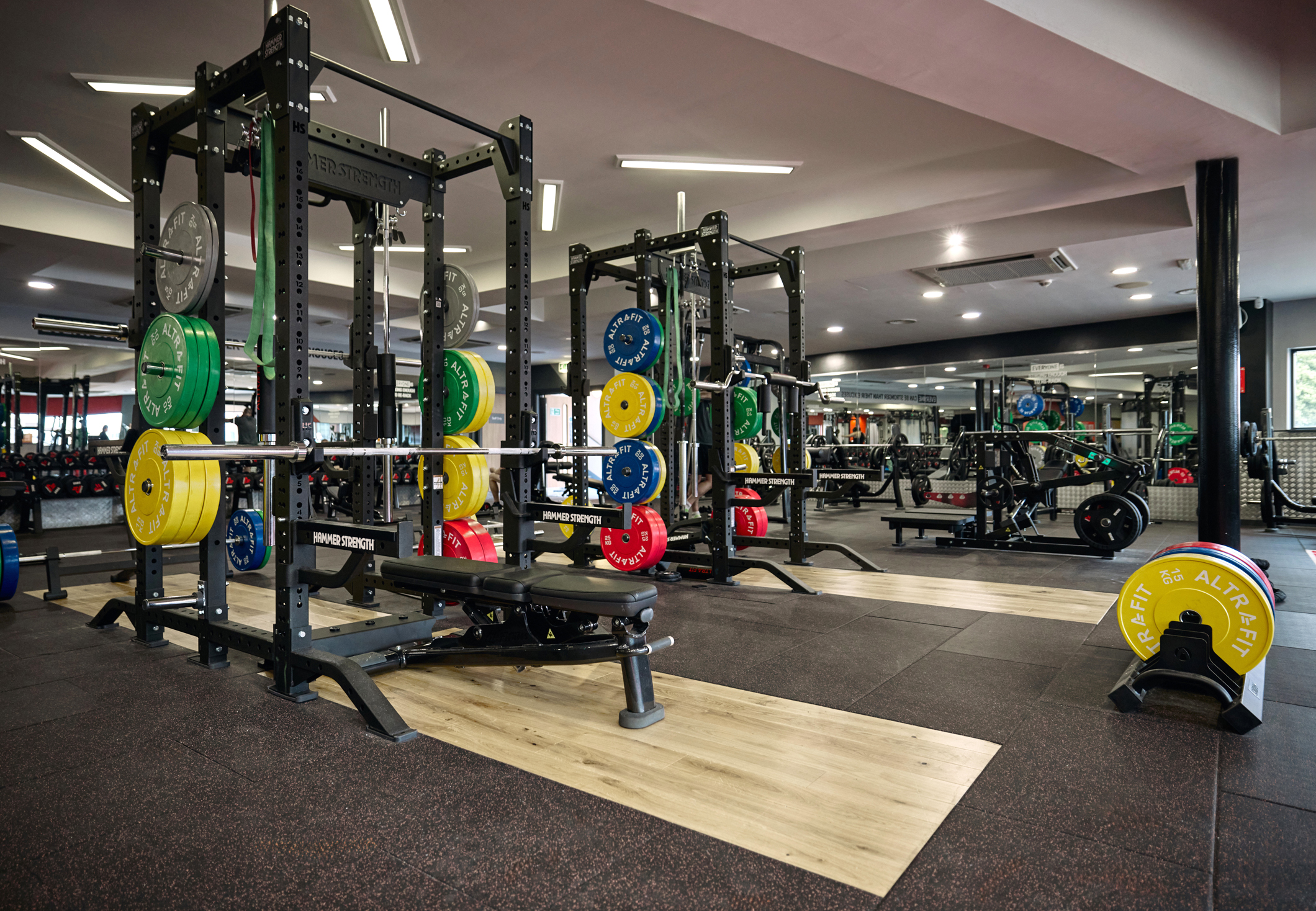
We also install rigs that are modular, allowing them to be increased or decreased in size, altered in shape, or have attachments added to optimise the space without needing to fit a complete new rig.
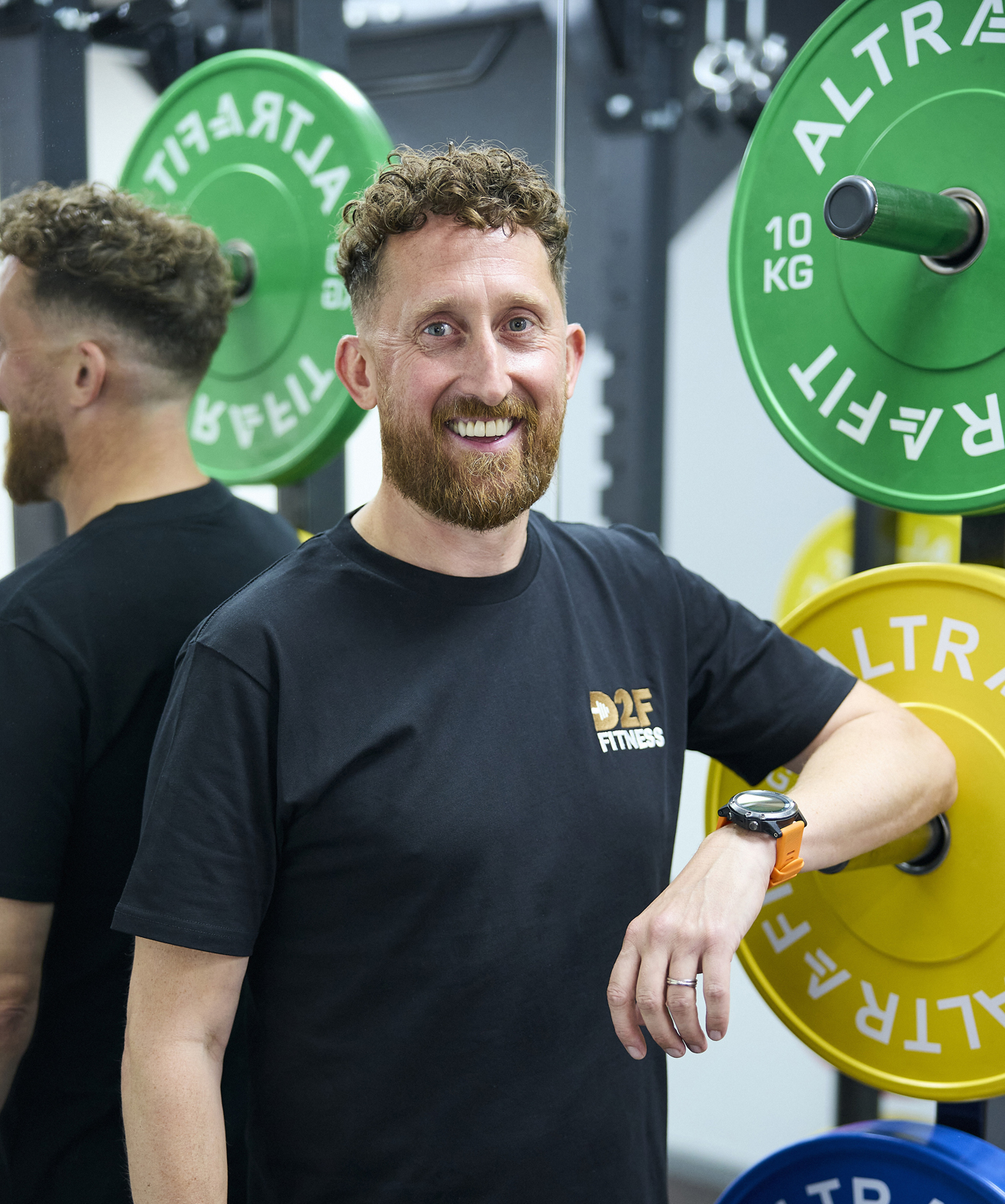
We help clubs future-proof their gyms by creating clear, open spaces to maximise functional training areas. As functional fitness becomes increasingly popular, dedicated spaces allow clubs to move with the trends, rearrange and install the latest kit.
More: www.d2ffitness.com
Everyone Active Sunderland Aquatic Centre has reimagined its two-storey fitness space with designated areas for an Olympic lifting area and a sled track.
Working around the constraints of the building shape and supporting pillars downstairs, we kitted it out with dumbbells, barbells, plate-loaded machines and weight trees.
Upstairs we integrated functional equipment such as Altrafit Power Bags, slam and med balls and plyometric boxes, along with more dumbbells. This enabled two levels of functional training separate from the cardiovascular area to meet the client’s brief.

We prioritise three things: accessibility, versatility and growth potential.
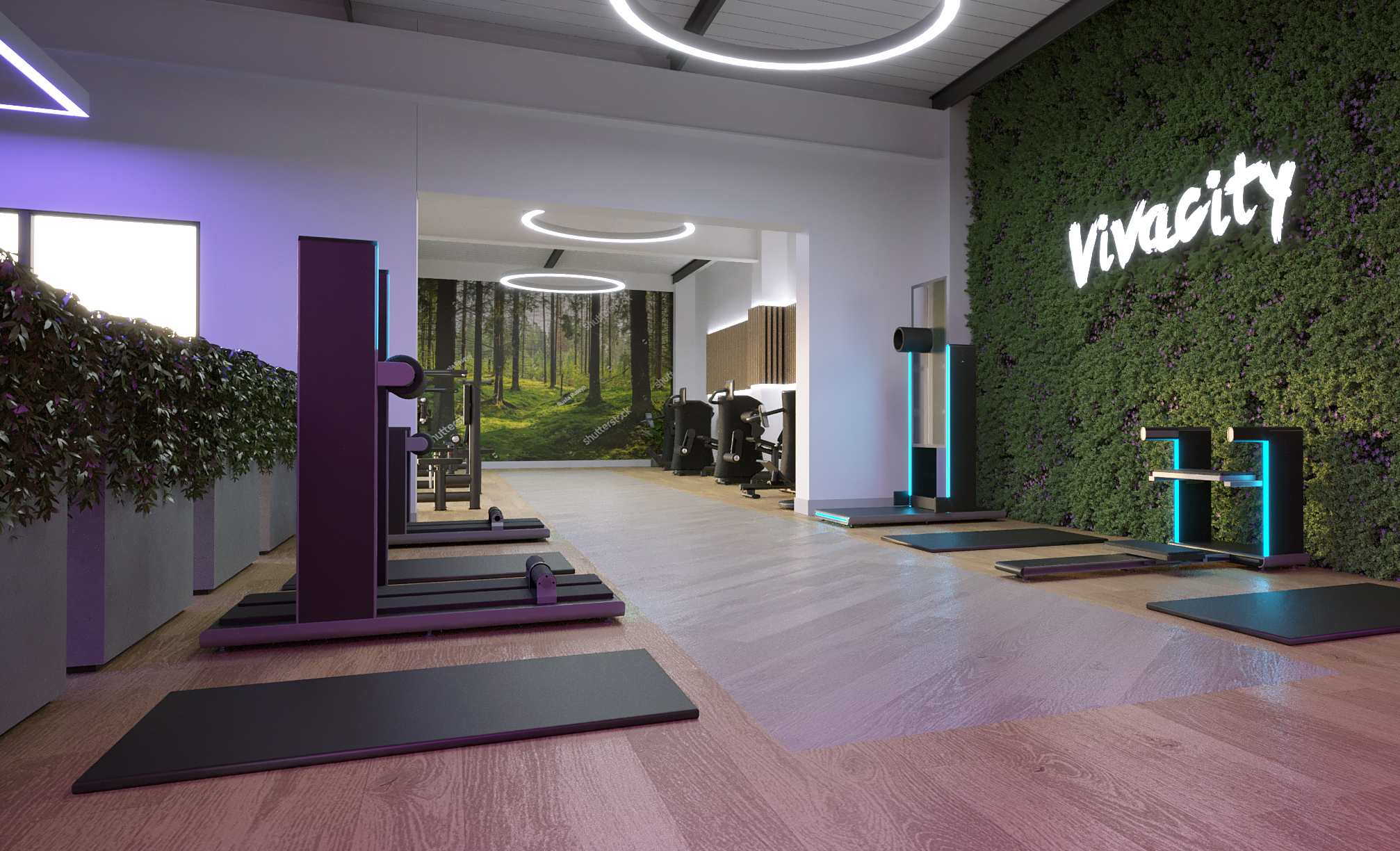
Our creative process begins with understanding client needs and space constraints. We utilise 3D renders to visualise layouts, ensuring equipment placement maximises flow and user experience. These digital tools allow us to experiment with configurations, ensuring the design is functional, aesthetically pleasing and future-proofed.
We design gyms to be inclusive, ensuring all areas are accessible for users of varying abilities. This approach anticipates changing needs, such as ageing members or those with disabilities, allowing all facilities to remain welcoming for everyone.
We plan for adaptable power, lighting and flooring to support evolving fitness trends. This allows for easy reconfiguration of the space and equipment, ensuring the club can quickly adapt to shifts in consumer preferences.
Our designs also incorporate space for expansion, allowing new equipment or zones to be added as membership increases or demand for specific activities grows. This approach ensures the gym can scale to meet future needs without significant overhauls.
More: www.pulsefitness.com
We’re proud of our recent installation at BFPO Dhekelia Station in Cyprus, where we equipped multiple locations, including the 1st Battalion The Rifles.
The brief required equipment to support core fitness standards, with a focus on strength and conditioning.
The challenge of serving various fitness needs in military settings was addressed by incorporating durable, adaptable solutions.
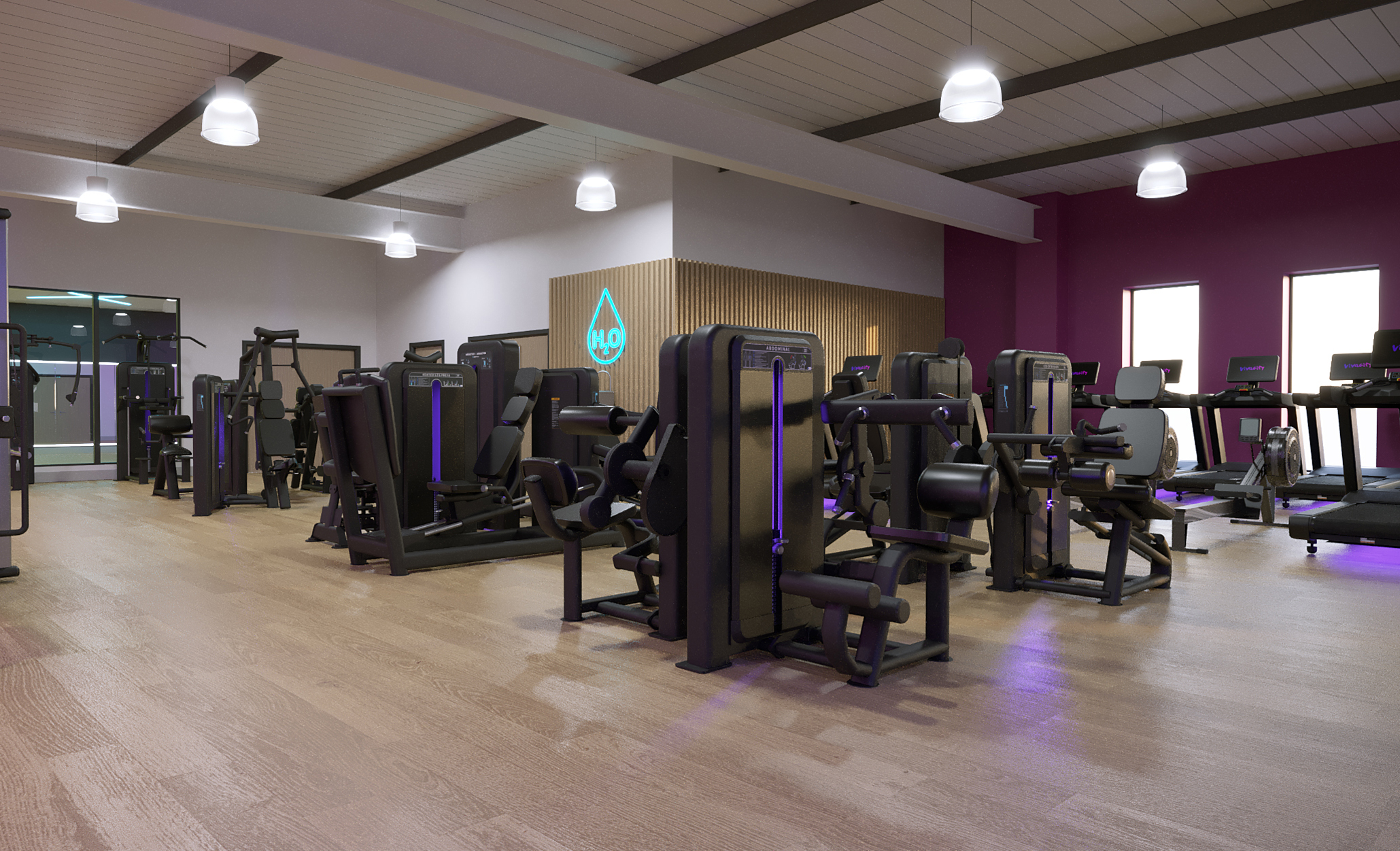
I like to train in a facility to understand how it flows, observing how other members use the space.
If you don’t do this, you can miss the smaller areas members use that you wouldn’t perhaps design yourself, but these quirks give a facility the character members love.
I’m a big fan of usage data, but often the staff will have all the answers you need if you ask the right questions.
Demographic profiling is important.
Understand your catchment and design for the members you have now (and wish to keep), as well as the members you want to attract.
I always encourage clients to resist filling every inch of their club with kit, no matter how much budget they have. Allow the gym to grow and evolve as members interact with it.
More: www.matrixfitness.com
We’ve just completed one of our most challenging, yet enjoyable gym refurbishments at The University of Warwick. When you’re handed one of the most impressive university facilities in the sector and asked to improve it, you know you need to produce something special, which we believe we have.
It was even more challenging, because certain areas could not be changed, but through understanding members’ needs we were able to be accurate with equipment selection, creative with new training zones and design-led with the fit-out elements of the space.
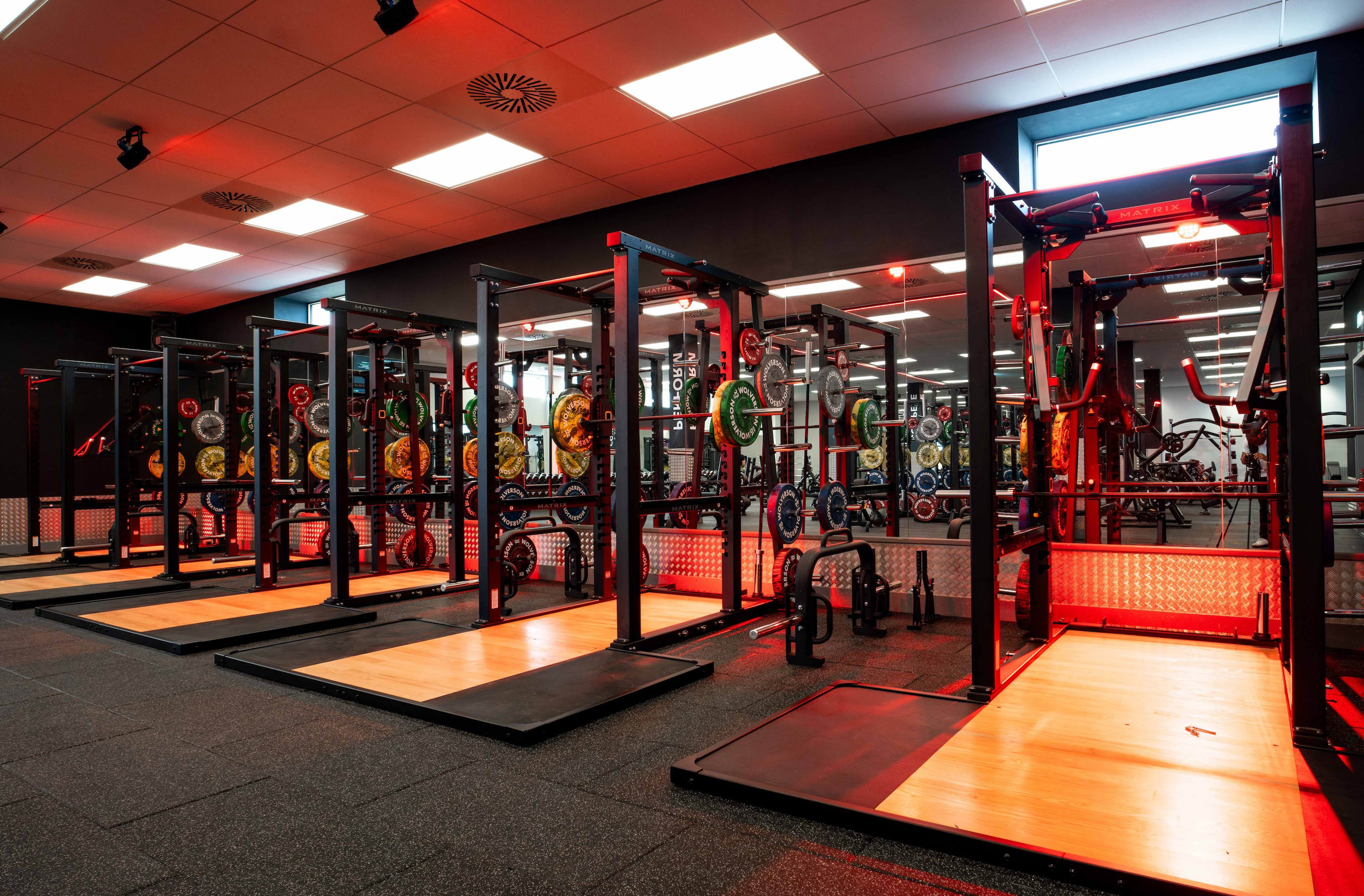
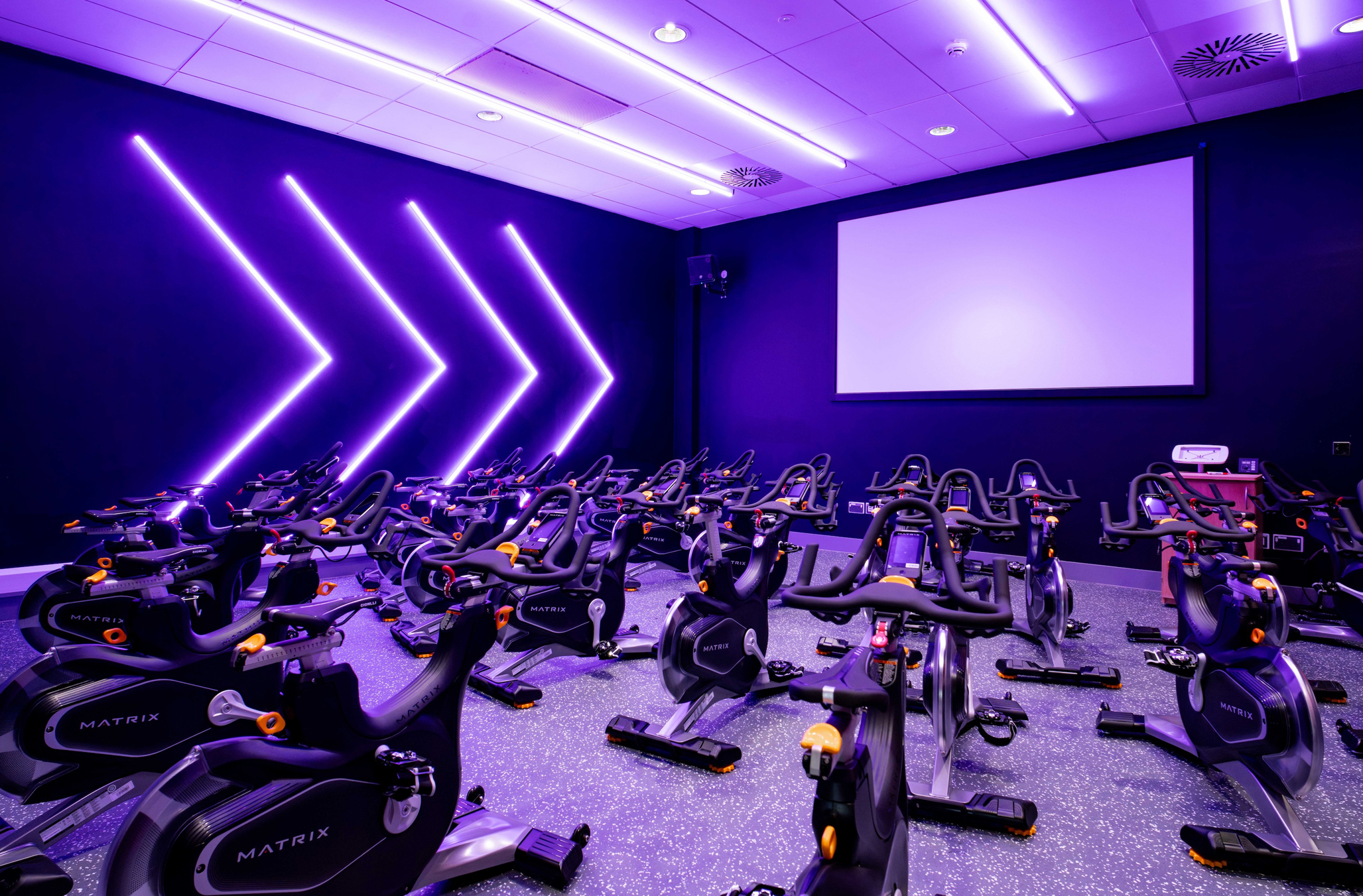

Plan for the future by researching innovative equipment and designing in phases. By incorporating emerging fitness trends into your layout and allowing for seamless updates in future phases, you’re more likely to stay ahead of consumer demand.
Having a clear understanding of your brand’s vision and knowing your demographic are essential. The more aligned your layout and equipment choices are with the aspirations and needs of your target audience, the fewer adjustments you’ll need to make.
When future-proofing club layouts, flexibility and foresight are key. I always recommend leaving room on the gym floor during phase one installation, allowing space-use needs to evolve with changing training habits and user preferences.
An open layout not only prevents the fitness space from feeling cluttered, but also serves as a versatile area to deliver functional training.
The ultimate goal is to create designs with functionality and scalability for the future.
More: www.indigofitness.com
We’ve become a Third Space partner by delivering custom solutions that meet its standards for quality and innovation.
Equipment is tailored – from HIIT storage units to turf rigs – and we integrate each element, to work with and around the club’s architecture, ensuring a fit that enhances aesthetics and usability.
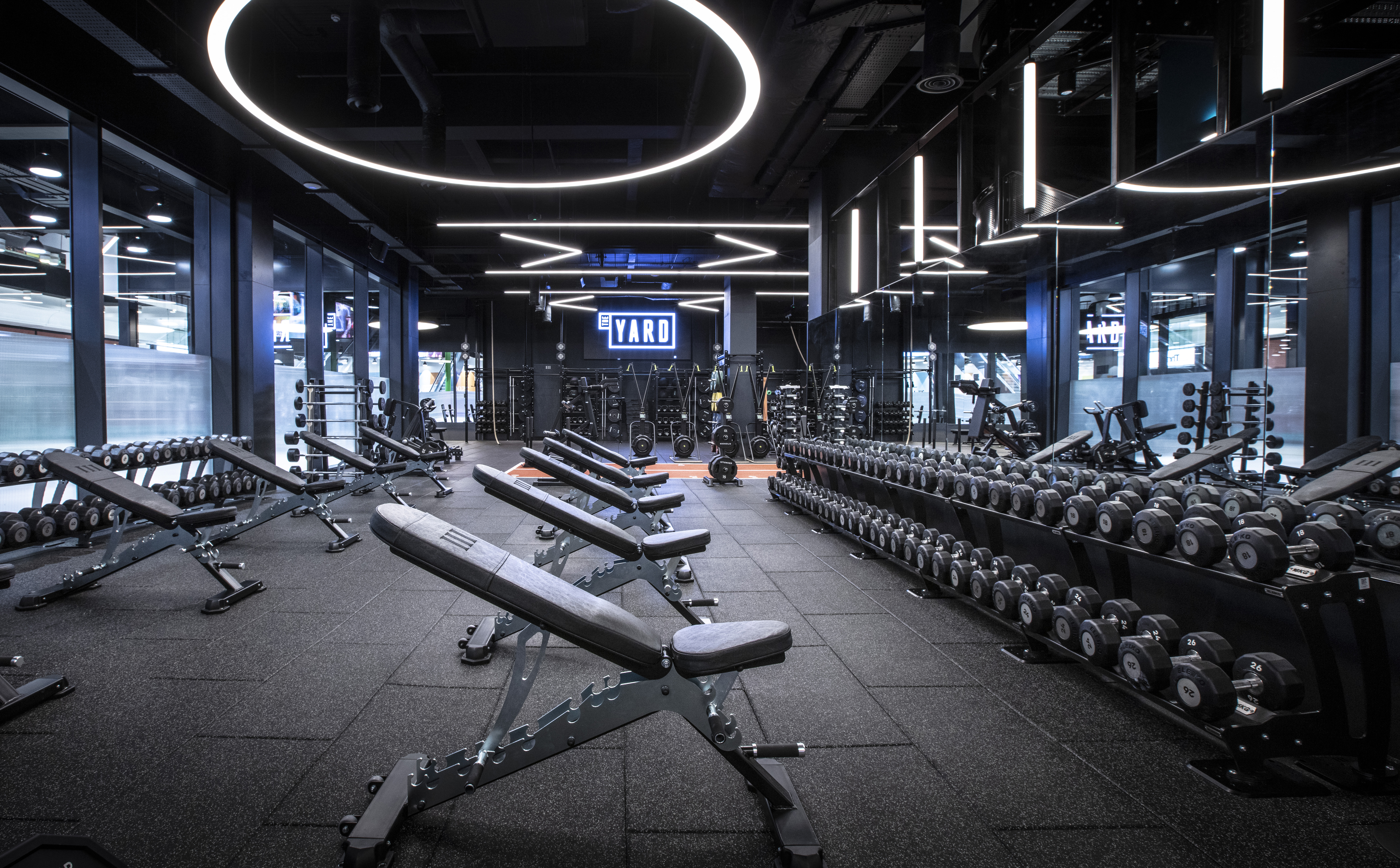
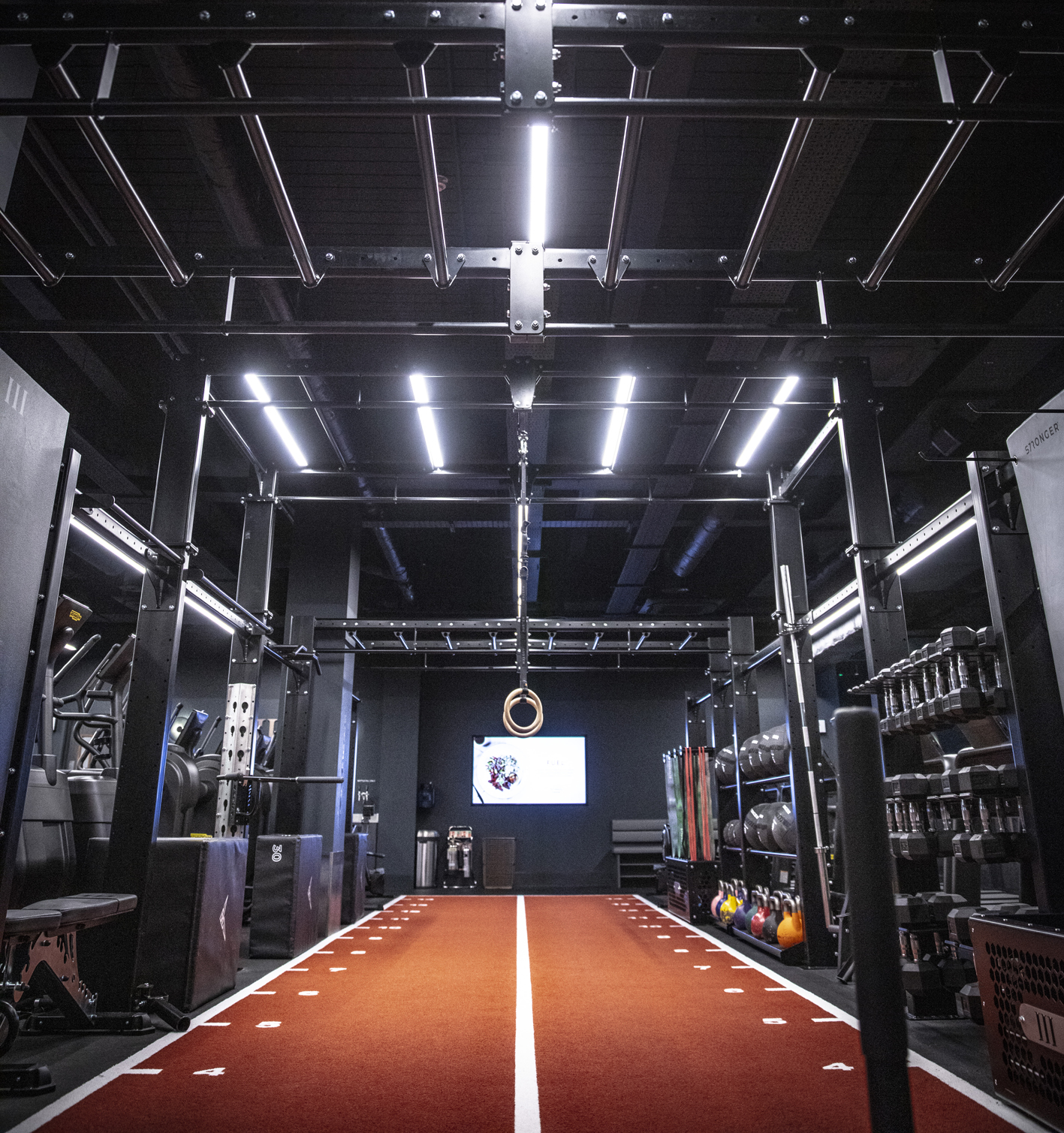
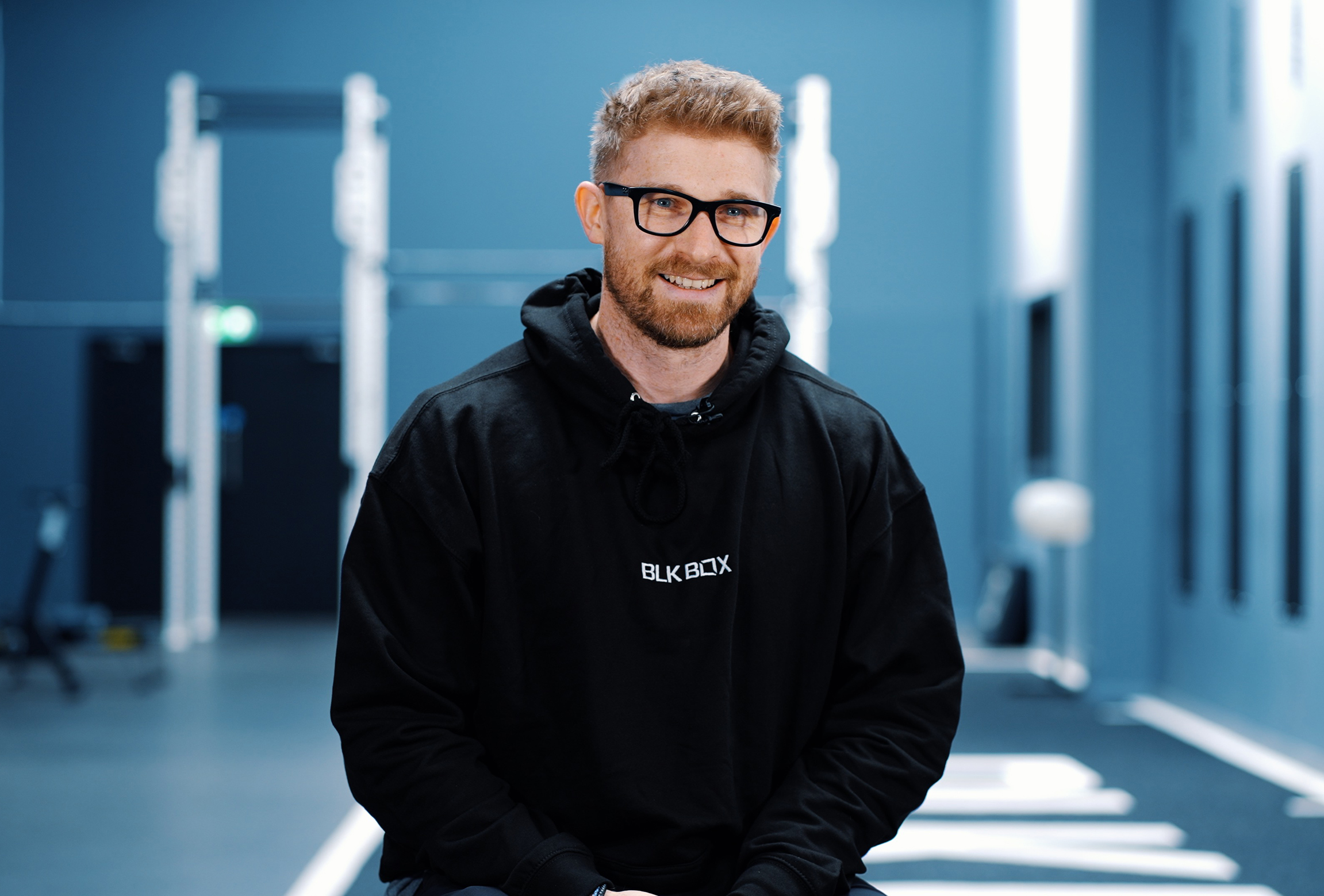
The health and fitness industry is constantly changing and training zones are required to flex to meet the latest trends.
Designing multifunctional areas that accommodate various activities, from group classes to personal training, ensures spaces remain relevant and effective in meeting consumer demand.
Functional storage is essential in gym design, delivering on efficiency and enabling better organisation to enhance the user experience. Solutions such as modular shelving, built-in squat racks or even cable stacks keep equipment neatly arranged and easily accessible, while incorporating strength training. This maximises floor space and minimises clutter, ensuring a clean and inviting environment.
This approach not only improves functionality, but also supports a streamlined workout experience, reflecting modern, practical design principles and future-proofing the space.
Adding modular equipment allows for easy reconfiguration, ensuring facilities can quickly pivot to new trends or user preferences.
Our creative process involves taking a deep dive into client needs to find the most fitting design/equipment solution, while incorporating the latest design trends. Tools such as 3D CAD design software and video walk-through technology visualises layouts and the athlete’s journey through a space to ensure optimal space utilisation before designs are finalised.
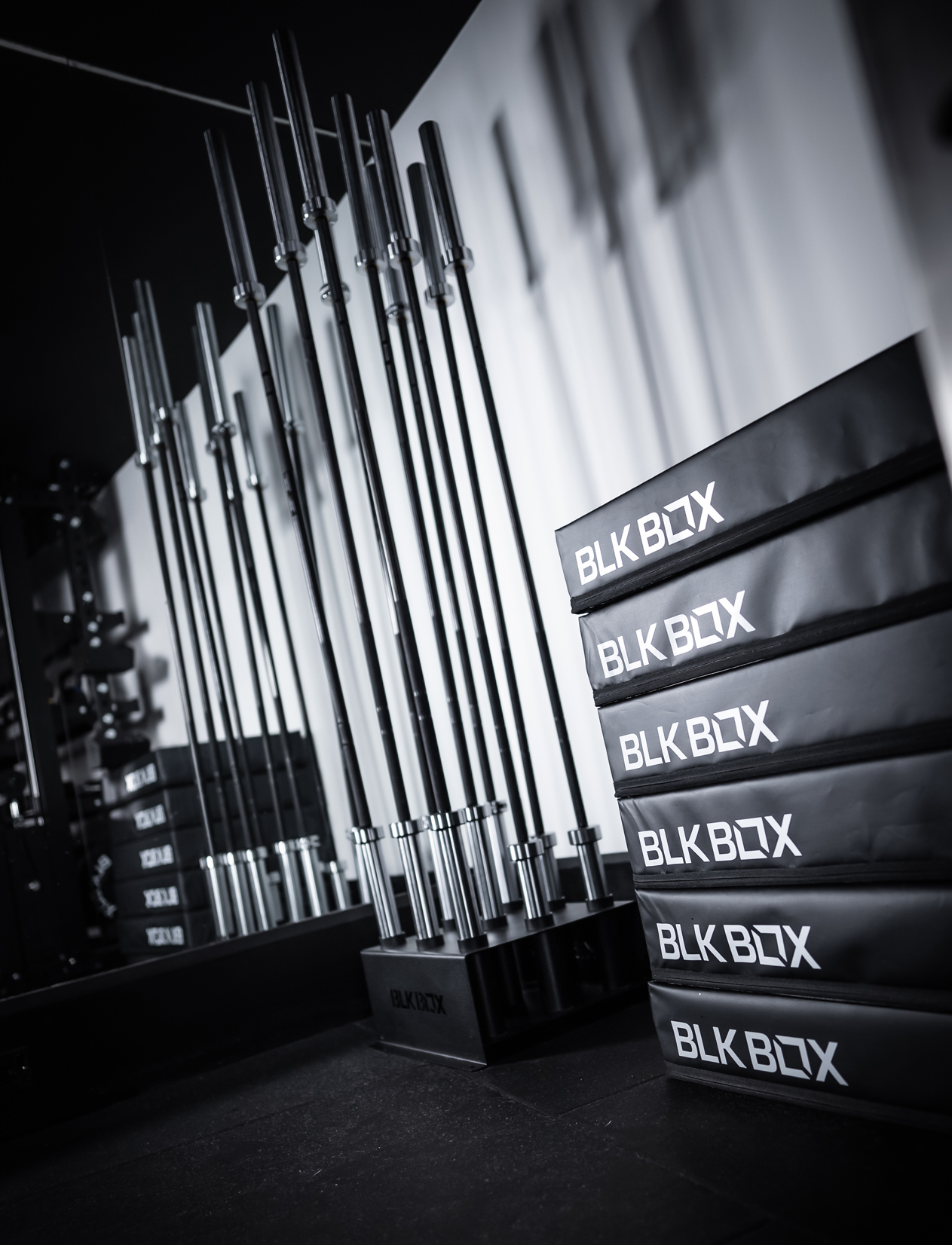
More: www.blkboxfitness.com
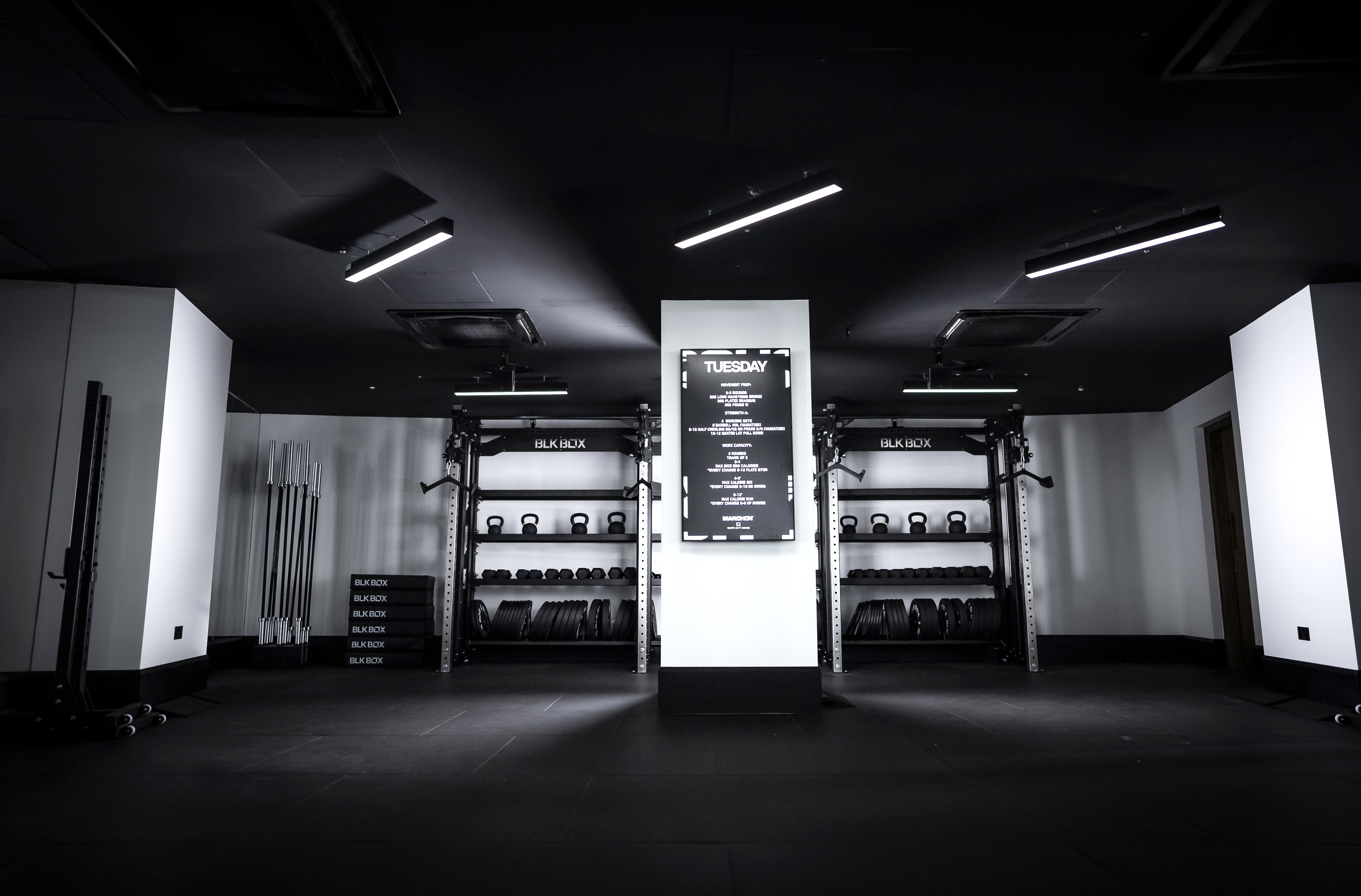
We recently completed a project for White City House, part of the Soho House group, where we optimised the layout by incorporating modular strength equipment and functional storage and creating a dynamic training zone.
This design met the client’s brief for flexibility and style, while addressing challenges such as space constraints, by using smart functional storage solutions and maximising floorplan efficiency.


Private investment company Franchise Equity Partners has acquired Bravo Fit, the Planet Fitness ...

Midtown Athletic Club has launched a new community tennis initiative honouring the legacy ...
Urban Gym Group has entered the Irish market with the acquisition of Iconic ...
Total Fitness has released new research revealing how the expectations and motivations of ...