


















Elevate Arena
Elevate Arena
Elevate Arena
Follow Health Club Management on Twitter Like Health Club Management on Facebook Join the discussion with Health Club Management on LinkedIn
FITNESS, HEALTH, WELLNESS

features

Ask an expert: Excessive exercisers

With physical inactivity at worringly high levels, committed gym members are to be applauded. But how should operators respond when members appear to be exercising excessively? Kath Hudson asks the experts if it’s best to turn a blind eye or to intervene

By Kath Hudson | Published in Health Club Management 2017 issue 11
Regularly exercising beyond exhaustion can have a negative impact on the body / Photo: SHUTTERSTOCK.COM

Research has long shown that exercise has a wide range of benefits and can improve some conditions, such as depression and high blood pressure, more effectively than medication. Furthermore, many people successfully use sport and exercise as a positive tool to deal with grief, loneliness, divorce and other major life changes.

However, exercise can become addictive and have a negative impact on a person’s body, health and life if carried out excessively. Writing in the British Medical Journal, physiologist Dr Cathy Zanker, who has obsessive compulsive disorder (OCD), said that her condition drove her to work out in a very precise manner every day: the same treadmill, same cycle ergometer, same spot in the pool, come what may and to the point of exhaustion. With four degrees in biomedical science, she was aware that she was overexercising, but she was also fighting the “punishing voices” of OCD and anorexia nervosa.

Overexercising and undereating frequently thrive off one another, especially if someone is using exercise to burn lots of calories or achieve a specific weight. However, this is common practice among elite athletes. Speaking in the June issue of Health Club Management, former international rower, Zac Purchase, said that in order to maintain his race weight he was restricted to just 1,000 to 1,500 calories a day, despite training intensely for four or five hours each day.

Few operators would intervene if Zac Purchase was training tirelessly in their gym. But what if a member of the public is using your gym multiple times a day, has lost visible amounts of weight and/or seems to be punishing themselves through exercise?

Legally, gym staff are not obliged to intervene if they think someone is overexercising or has an eating disorder, but do operators have a moral duty of care? And if you do choose to broach this difficult subject, which team member should do it and how?

Sol Gilbert,

Owner,

Underground Gym
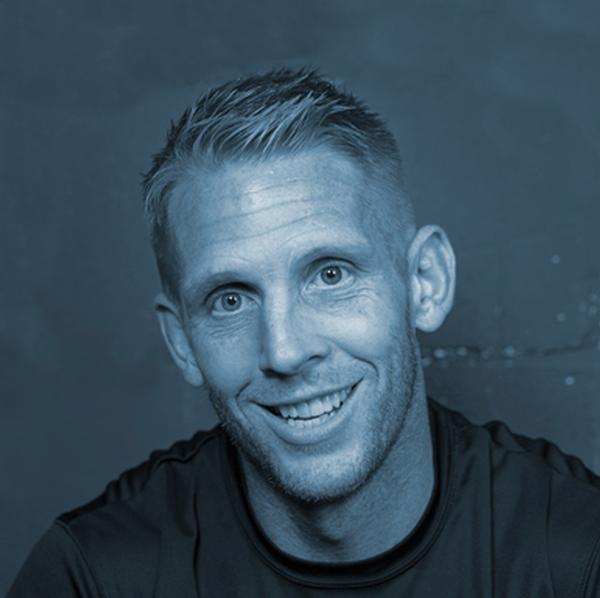
Sol Gilbert
Sol Gilbert

As a gym owner, I feel it’s a matter of ethics to intervene if I think someone is endangering their health by overexercising, undereating or performing an exercise badly. We’re in the health business and I pride myself on ensuring people do things effectively. However, if an intervention is made it needs to be from someone in authority, or a PT who is working with the client.

Some of my members come to the gym twice a day. They do cardio in the morning and resistance training in the evening. So they are training a lot and there is a correlation between overtraining and undereating. However, it’s a tricky one because a lot of elite athletes do the same, and some of my overtraining members are sports-specific athletes.

I spend a lot of time on the gym floor, to gauge what is happening. If I suspect people are showing unhealthy behaviours, I will approach them and ask questions about what they're doing, but in a friendly way. I’ll base my advice on research and science about the importance of rest, recovery and good nutrition.

People generally don’t welcome the intervention, which is why you have to know your science. Occasionally I have had to tell them that I’m going to restrict them to one session a day. If they don’t take my advice I will ask them to find another a gym that has a more relaxed approach.

I once had a member with a severe weight disorder, who was very frail. I engaged her in conversation and told her how many calories she should be eating. She didn’t react well and I had to remind her that I was coming from a good place, rather than a negative one. I referred her back to the doctor and said I would need a doctor’s report if she was going to continue coming to the gym. She stopped coming.

I’m aware that dealing with eating disorders is beyond my professional capabilities, so I’m a big believer in referring on and telling people to seek appropriate professional advice. I’m aware I can’t cure them, but from a moral standpoint, I won’t enable their behaviour in my gym.

"I have had to tell overexercisers that I’m going to restrict them to one session a day and if they don’t take my advice I will ask them to find another a gym that has a more relaxed approach"

Some highly motivated gym-goers may push themselves too hard / Photo: SHUTTERSTOCK.COM

Dr Carl Lavie,

Medical director of cardiac rehabilitation and preventative cardiology,

John Ochsner Heart and Vascular Institute

Dr Carl Lavie
Dr Carl Lavie

As a doctor, I don’t think it's appropriate for a gym professional to intervene by offering advice where it hasn't been requested, unless the individual concerned is placing others at risk or having an acute medical emergency. However, if the person is working with a PT, they have contracted their services and are seeking their advice. In this scenario, I think it's appropriate to intervene.

If symptoms are acute this could call for a medical intervention or advising the person to see a physician for sub-acute symptoms. The PT may also talk to the individual about reducing their training time and intensity to lessen the potential harm that could come from overtraining – either for health reasons or to improve performance.

There is considerable scientific debate regarding the risks of overexercising, and although these risks are relatively small, I still believe there are risks, especially of developing atrial fibrillation. However, the risks of heart attack and dying are relatively low, so I don’t tell patients that they have to cut down. Instead I explain the pros and cons of higher versus lower doses of exercise.

I try to emphasise that the maximum health benefits of exercise are typically achieved at quite low levels, so large amounts of exercise are not needed for good health. Of course, most people who do very high levels of exercise do so for non-health reasons, including competition, ego, fun, stress relief and friendships.

"If the person is working with a PT, they have contracted their services and are seeking their advice. In this scenario, I think it's appropriate to intervene"

PTs can advise clients on the role of rest and recovery in an effective exercise regime / Photo: SHUTTERSTOCK.COM

Deanne Jade,

Founder,

National Centre for Eating Disorders

Deanne Jade
Deanne Jade

It’s very difficult for gyms to intervene in the case of an eating disorder for a number of reasons. If someone is suffering from bulimia or compulsive eating, this is not always apparent. And if they think someone is undereating this involves making a judgement about their size. Furthermore, most gym staff don’t have any knowledge of eating disorders and are therefore unqualified to intervene.

The most far reaching thing a gym could do is to write into their mission statement and contracts that they have a right to intervene if they have a concern about someone’s health. This would make it easy to raise issues and have a friendly chat, although it could deter potential members from joining a gym.

It would also be very useful to have literature, like posters and leaflets around, regarding eating disorders and to hold awareness raising talks. I would love all gym staff to be trained in the psychology of eating disorders, body image and exercise addiction, because gyms often have many people suffering from these illnesses as their members. Failing this, it would be great if a member of staff could call a hotline or signpost gym-goers to an expert if they have a concern.

Gyms also need to think about their own marketing material. Always using thin, lycra-clad people in promotional pictures and videos can be alienating and doesn’t encourage people to make peace with themselves and food.

"I would love all gym staff to be trained in the psychology of eating disorders and exercise addiction"

Matt Sanderson,

Co-founder,

Triathlon Coach UK
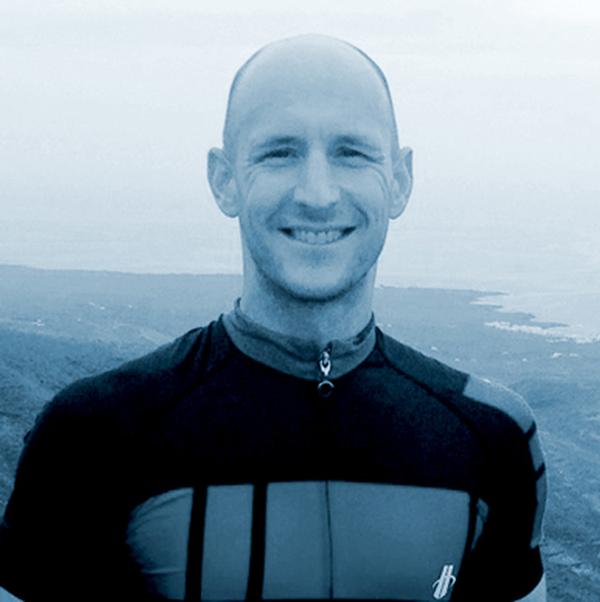
Matt Sanderson
Matt Sanderson

As a former health club owner and now a specialist triathlon coach, I have frequently seen both clients and members of staff show traits of overtraining and undereating. The easiest thing is to turn a blind eye, because people don’t like to be challenged; however, from a moral point of view, I'm not able to do this.

If you do decide to intervene, it’s important to have a private conversation with the person, and you need to be prepared to receive a negative reaction and potentially lose the member or the employee. It isn’t easy, but that’s better than seeing someone put their health at risk.

As a triathlon coach, where people are specifically paying for advice on training and nutrition, it is much easier to broach the subject and for them to accept it. Our clients are all amateur triathletes with similar characteristics: responsible jobs, partners and families, high achieving and often analytical about data. Triathlon is an absorbing sport and it can bring out negative, compulsive behaviours, such as putting too much scrutiny on nutrition to achieve race weight, or feelings of guilt if they miss a session followed by playing catch up and then overdoing it. Our athletes keep food and training diaries, which show that some have to train at 4.45am, before going to work from 7am to 6pm and then training again in the evening. While this is possible on occasion, if done regularly, it often leads to overtraining as recovery time is reduced.

Fortunately, we usually have some stats to back up our comments – we can look at the client's performance as training sessions are automatically uploaded from their Garmin device. This provides detail on heart rate, power and training time. We also commonly want to know additional data on their sleeping patterns. If there are noticeable changes, we directly tell the person that he or she needs more rest or to eat more nutritious food.

Our clients like the structure that triathlon and training gives them, and they feel fantastic when they are race fit. However, we always encourage them to back right off for at least one month a year – they can run, but leave the Garmin at home and they can have bike rides for fun with the slow friend who they drop when they’re in serious training! ,null

"If you do decide to intervene, it’s important to have a private conversation, and you need to be prepared
to receive a negative reaction"


A private and friendly conversation is best when discussing overexercising / Photo: SHUTTERSTOCK.COM
Sign up here to get HCM's weekly ezine and every issue of HCM magazine free on digital.
Generational researcher Denise Villa
Generation Z-ers have grown up in a health-aware age and understand the benefits of an active lifestyle / PHOTO: SHUTTERSTOCK.COM
https://www.leisureopportunities.co.uk/images/227728_322179.jpg
While inactivity is the pressing issue of our time, the problem of excessive exercise should not be overlooked. How should operators deal with this sensitive issue? We ask the experts...
Kath Hudson, Journalist, Leisure Media Sol Gilbert, Underground Gym: owner Deanne Jade, National Centre for Eating Disorders: founder Dr Carl Lavie, John Ochsner Heart and Vascular Institute: medical director of cardiac rehabilitation and preventative cardiology Matt Sanderson, Triathlon Coach UK: co-founder,Excessive exercisers, overexercisers, eating disorders, operators, exercise addiction
HCM magazine
HCM People

Stephen Price

Founder, SP&Co Group
Working in public health over the last few years has lit up parts of my brain again
HCM magazine
For every member with a tripod and a big following, there are others irritated at the way equipment is being hogged or wary they’ll be in the background on someone’s Insta feed. Do influencers offer valuable, free marketing or are they just a nuisance? Kath Hudson finds out how operators are responding
HCM magazine
Collaborations with the medical profession and greater aspirations around wellbeing are creating a need for more experts in our sector. It’s time to reboot our thinking around the workforce
HCM magazine
I experienced a blissful feeling of joy I hadn’t felt since I was a kid
HCM magazine
As the entrepreneur who started Wexer, Fresh Fitness, Fitness DK and Repeat, as well as being a former elite athlete, Rasmus Ingerslev’s life looked perfect from the outside, but onthe inside it was a different story. He talks to Kath Hudson about healing old wounds
HCM promotional features
Sponsored
David Lloyd is stepping up its commitment to women’s health as it continues to explore what fit-for-purpose looks like for the female population
HCM promotional features
Sponsored
Greg Bradley looks at the shift towards strength training in gyms and advises on how operators can create the ultimate training environment
HCM promotional features
Sponsored
SnowDome Fitness has added 50 per cent more space with cutting-edge Technogym solutions
HCM promotional features
Sponsored
Third Space partnered with IndigoFitness to deliver a bespoke training space for its new club at The Whiteley
HCM promotional features
Sponsored
Starpool supports Olympic champion Marcell Jacobs, says Riccardo Turri
HCM promotional features
Sponsored
Find out how your gym can tap into the corporate wellness boom
HCM promotional features
Sponsored
EGYM has opened a new HQ in Paternoster Square, London and revealed a range of new launches
HCM promotional features
Sponsored
Active IQ is calling for greater accountability in online fitness advice with the launch of a new trustmark
HCM promotional features
Sponsored
The industry is embracing consumer-facing tech. Now it’s time to streamline back-of-house systems with Orbit4, says Daniel Jones
HCM promotional features
Latest News
Australia’s fast-growing fitness network, Viva Leisure, is adding a low-cost gym brand to its already ...
Latest News
Speedflex has launched a strength training programme for 10 to 16-year-olds, to make it safer, ...
Latest News
Tewinbury Farm Hotel in Hertfordshire, UK is expanding its premium leisure proposition with the launch ...
Latest News

Work is underway in Madrid on one of Europe’s most significant multi-functional complexes, ...

Latest News
PureGym is encouraging people to step away from their screens and go for a walk, ...
Latest News
Small improvements to sleep, diet quality, and physical activity, made in combination lead to a ...
Latest News
Therme Manchester’s 28-acre development, which will include interconnected glass pavilions that measure 65,000sq m, will ...
Latest News
The Yard Gym (TYG) is to become Nike Training’s official global training partner in a ...
Opinion
promotion
Strength training has moved from the margins to the mainstream.
Opinion: Building smarter strength spaces for today’s operators
Featured supplier news
Featured supplier news: W3Fit EMEA celebrates its fifth anniversary
Celebrating its milestone 5th anniversary, W3Fit EMEA returns in 2026 with an unmissable gathering of the Health & Fitness industry’s most influential leaders.
Featured supplier news
Featured supplier news: Supporting long-term health: why whole body vibration belongs in clinical settings
As healthcare continues to shift towards prevention, there’s a growing focus on helping people stay active, independent and feeling good for longer.
Company profiles
Company profile: FIBO
FIBO pursues the vision of a strong and healthy society and as a global network ...
Company profiles
Company profile: Elevate
The UK's largest annual trade event dedicated to physical activity, health, and performance...
Supplier Showcases
Supplier Showcase - From nightclub to health club
Supplier Showcases
Supplier Showcase - Future-proofing
Catalogue Gallery
Click on a catalogue to view it online
Featured press releases
ukactive press release: Are they Fit for Office? UK Active and Technogym throw down the gauntlet to MPs
Hundreds of staff, MPs and Peers from across Westminster have signed up for the Fit for Office parliamentary physical activity challenge, which takes place throughout June and is hosted by ukactive and Technogym.
Featured press releases
Innerva press release: Lex Leisure’s power-assisted exercise suite smashes targets in record time
Crook Log Leisure Centre has more than doubled the membership target for its new power- assisted exercise suite in less than six months.
Directory
Spa and beauty equipment
Living Earth Crafts: Spa and beauty equipment
Water experiences and hydrotherapy solutions
Aquaform s.r.l.: Water experiences and hydrotherapy solutions
Hot tubs
MSpa International Ltd: Hot tubs
Fitness tracking platform
SpiviTech: Fitness tracking platform
Lockers
Crown Sports Lockers: Lockers
Industrial washing machines
Miele Company Limited: Industrial washing machines
Property & Tenders
Stratford, East London.
Lee Valley Regional Park Authority
Property & Tenders
Y Felinheli, LL56 4QN
Newmark
Property & Tenders
Diary dates
13-13 Jun 2026
Worldwide, Various,
Diary dates
21-24 Sep 2026
The Langham Huntington Pasadena , Pasadena, United States
Diary dates
06-08 Oct 2026
Messe Stuttgart, Stuttgart, Germany
Diary dates
22-22 Oct 2026
QEII Conference Centre, London,
Diary dates
26-29 Oct 2027
Koelnmesse Exhibition Centre, Cologne, Germany
Diary dates

features

Ask an expert: Excessive exercisers

With physical inactivity at worringly high levels, committed gym members are to be applauded. But how should operators respond when members appear to be exercising excessively? Kath Hudson asks the experts if it’s best to turn a blind eye or to intervene

By Kath Hudson | Published in Health Club Management 2017 issue 11
Regularly exercising beyond exhaustion can have a negative impact on the body / Photo: SHUTTERSTOCK.COM

Research has long shown that exercise has a wide range of benefits and can improve some conditions, such as depression and high blood pressure, more effectively than medication. Furthermore, many people successfully use sport and exercise as a positive tool to deal with grief, loneliness, divorce and other major life changes.

However, exercise can become addictive and have a negative impact on a person’s body, health and life if carried out excessively. Writing in the British Medical Journal, physiologist Dr Cathy Zanker, who has obsessive compulsive disorder (OCD), said that her condition drove her to work out in a very precise manner every day: the same treadmill, same cycle ergometer, same spot in the pool, come what may and to the point of exhaustion. With four degrees in biomedical science, she was aware that she was overexercising, but she was also fighting the “punishing voices” of OCD and anorexia nervosa.

Overexercising and undereating frequently thrive off one another, especially if someone is using exercise to burn lots of calories or achieve a specific weight. However, this is common practice among elite athletes. Speaking in the June issue of Health Club Management, former international rower, Zac Purchase, said that in order to maintain his race weight he was restricted to just 1,000 to 1,500 calories a day, despite training intensely for four or five hours each day.

Few operators would intervene if Zac Purchase was training tirelessly in their gym. But what if a member of the public is using your gym multiple times a day, has lost visible amounts of weight and/or seems to be punishing themselves through exercise?

Legally, gym staff are not obliged to intervene if they think someone is overexercising or has an eating disorder, but do operators have a moral duty of care? And if you do choose to broach this difficult subject, which team member should do it and how?

Sol Gilbert,

Owner,

Underground Gym

Sol Gilbert
Sol Gilbert

As a gym owner, I feel it’s a matter of ethics to intervene if I think someone is endangering their health by overexercising, undereating or performing an exercise badly. We’re in the health business and I pride myself on ensuring people do things effectively. However, if an intervention is made it needs to be from someone in authority, or a PT who is working with the client.

Some of my members come to the gym twice a day. They do cardio in the morning and resistance training in the evening. So they are training a lot and there is a correlation between overtraining and undereating. However, it’s a tricky one because a lot of elite athletes do the same, and some of my overtraining members are sports-specific athletes.

I spend a lot of time on the gym floor, to gauge what is happening. If I suspect people are showing unhealthy behaviours, I will approach them and ask questions about what they're doing, but in a friendly way. I’ll base my advice on research and science about the importance of rest, recovery and good nutrition.

People generally don’t welcome the intervention, which is why you have to know your science. Occasionally I have had to tell them that I’m going to restrict them to one session a day. If they don’t take my advice I will ask them to find another a gym that has a more relaxed approach.

I once had a member with a severe weight disorder, who was very frail. I engaged her in conversation and told her how many calories she should be eating. She didn’t react well and I had to remind her that I was coming from a good place, rather than a negative one. I referred her back to the doctor and said I would need a doctor’s report if she was going to continue coming to the gym. She stopped coming.

I’m aware that dealing with eating disorders is beyond my professional capabilities, so I’m a big believer in referring on and telling people to seek appropriate professional advice. I’m aware I can’t cure them, but from a moral standpoint, I won’t enable their behaviour in my gym.

"I have had to tell overexercisers that I’m going to restrict them to one session a day and if they don’t take my advice I will ask them to find another a gym that has a more relaxed approach"

Some highly motivated gym-goers may push themselves too hard / Photo: SHUTTERSTOCK.COM

Dr Carl Lavie,

Medical director of cardiac rehabilitation and preventative cardiology,

John Ochsner Heart and Vascular Institute

Dr Carl Lavie
Dr Carl Lavie

As a doctor, I don’t think it's appropriate for a gym professional to intervene by offering advice where it hasn't been requested, unless the individual concerned is placing others at risk or having an acute medical emergency. However, if the person is working with a PT, they have contracted their services and are seeking their advice. In this scenario, I think it's appropriate to intervene.

If symptoms are acute this could call for a medical intervention or advising the person to see a physician for sub-acute symptoms. The PT may also talk to the individual about reducing their training time and intensity to lessen the potential harm that could come from overtraining – either for health reasons or to improve performance.

There is considerable scientific debate regarding the risks of overexercising, and although these risks are relatively small, I still believe there are risks, especially of developing atrial fibrillation. However, the risks of heart attack and dying are relatively low, so I don’t tell patients that they have to cut down. Instead I explain the pros and cons of higher versus lower doses of exercise.

I try to emphasise that the maximum health benefits of exercise are typically achieved at quite low levels, so large amounts of exercise are not needed for good health. Of course, most people who do very high levels of exercise do so for non-health reasons, including competition, ego, fun, stress relief and friendships.

"If the person is working with a PT, they have contracted their services and are seeking their advice. In this scenario, I think it's appropriate to intervene"

PTs can advise clients on the role of rest and recovery in an effective exercise regime / Photo: SHUTTERSTOCK.COM

Deanne Jade,

Founder,

National Centre for Eating Disorders

Deanne Jade
Deanne Jade

It’s very difficult for gyms to intervene in the case of an eating disorder for a number of reasons. If someone is suffering from bulimia or compulsive eating, this is not always apparent. And if they think someone is undereating this involves making a judgement about their size. Furthermore, most gym staff don’t have any knowledge of eating disorders and are therefore unqualified to intervene.

The most far reaching thing a gym could do is to write into their mission statement and contracts that they have a right to intervene if they have a concern about someone’s health. This would make it easy to raise issues and have a friendly chat, although it could deter potential members from joining a gym.

It would also be very useful to have literature, like posters and leaflets around, regarding eating disorders and to hold awareness raising talks. I would love all gym staff to be trained in the psychology of eating disorders, body image and exercise addiction, because gyms often have many people suffering from these illnesses as their members. Failing this, it would be great if a member of staff could call a hotline or signpost gym-goers to an expert if they have a concern.

Gyms also need to think about their own marketing material. Always using thin, lycra-clad people in promotional pictures and videos can be alienating and doesn’t encourage people to make peace with themselves and food.

"I would love all gym staff to be trained in the psychology of eating disorders and exercise addiction"

Matt Sanderson,

Co-founder,

Triathlon Coach UK

Matt Sanderson
Matt Sanderson

As a former health club owner and now a specialist triathlon coach, I have frequently seen both clients and members of staff show traits of overtraining and undereating. The easiest thing is to turn a blind eye, because people don’t like to be challenged; however, from a moral point of view, I'm not able to do this.

If you do decide to intervene, it’s important to have a private conversation with the person, and you need to be prepared to receive a negative reaction and potentially lose the member or the employee. It isn’t easy, but that’s better than seeing someone put their health at risk.

As a triathlon coach, where people are specifically paying for advice on training and nutrition, it is much easier to broach the subject and for them to accept it. Our clients are all amateur triathletes with similar characteristics: responsible jobs, partners and families, high achieving and often analytical about data. Triathlon is an absorbing sport and it can bring out negative, compulsive behaviours, such as putting too much scrutiny on nutrition to achieve race weight, or feelings of guilt if they miss a session followed by playing catch up and then overdoing it. Our athletes keep food and training diaries, which show that some have to train at 4.45am, before going to work from 7am to 6pm and then training again in the evening. While this is possible on occasion, if done regularly, it often leads to overtraining as recovery time is reduced.

Fortunately, we usually have some stats to back up our comments – we can look at the client's performance as training sessions are automatically uploaded from their Garmin device. This provides detail on heart rate, power and training time. We also commonly want to know additional data on their sleeping patterns. If there are noticeable changes, we directly tell the person that he or she needs more rest or to eat more nutritious food.

Our clients like the structure that triathlon and training gives them, and they feel fantastic when they are race fit. However, we always encourage them to back right off for at least one month a year – they can run, but leave the Garmin at home and they can have bike rides for fun with the slow friend who they drop when they’re in serious training! ,null

"If you do decide to intervene, it’s important to have a private conversation, and you need to be prepared
to receive a negative reaction"

A private and friendly conversation is best when discussing overexercising / Photo: SHUTTERSTOCK.COM
Sign up here to get HCM's weekly ezine and every issue of HCM magazine free on digital.
Generational researcher Denise Villa
Generation Z-ers have grown up in a health-aware age and understand the benefits of an active lifestyle / PHOTO: SHUTTERSTOCK.COM
https://www.leisureopportunities.co.uk/images/227728_322179.jpg
While inactivity is the pressing issue of our time, the problem of excessive exercise should not be overlooked. How should operators deal with this sensitive issue? We ask the experts...
Kath Hudson, Journalist, Leisure Media Sol Gilbert, Underground Gym: owner Deanne Jade, National Centre for Eating Disorders: founder Dr Carl Lavie, John Ochsner Heart and Vascular Institute: medical director of cardiac rehabilitation and preventative cardiology Matt Sanderson, Triathlon Coach UK: co-founder,Excessive exercisers, overexercisers, eating disorders, operators, exercise addiction
Latest News
Australia’s fast-growing fitness network, Viva Leisure, is adding a low-cost gym brand to its already ...
Latest News
Speedflex has launched a strength training programme for 10 to 16-year-olds, to make it safer, ...
Latest News
Tewinbury Farm Hotel in Hertfordshire, UK is expanding its premium leisure proposition with the launch ...
Latest News

Work is underway in Madrid on one of Europe’s most significant multi-functional complexes, ...

Latest News
PureGym is encouraging people to step away from their screens and go for a walk, ...
Latest News
Small improvements to sleep, diet quality, and physical activity, made in combination lead to a ...
Latest News
Therme Manchester’s 28-acre development, which will include interconnected glass pavilions that measure 65,000sq m, will ...
Latest News
The Yard Gym (TYG) is to become Nike Training’s official global training partner in a ...
Latest News
Everlast Gyms' York site has reopened following a refurbishment to bring it up to the ...
Latest News
Luxury hospitality and wellness pioneer Jeremy McCarthy has launched Leisure Alchemy, a digital platform that ...
Latest News
A contrast therapy and breathwork facility called Reset has opened in Islington, London, in the ...
Opinion
promotion
Strength training has moved from the margins to the mainstream.
Opinion: Building smarter strength spaces for today’s operators
Featured supplier news
Featured supplier news: W3Fit EMEA celebrates its fifth anniversary
Celebrating its milestone 5th anniversary, W3Fit EMEA returns in 2026 with an unmissable gathering of the Health & Fitness industry’s most influential leaders.
Featured supplier news
Featured supplier news: Supporting long-term health: why whole body vibration belongs in clinical settings
As healthcare continues to shift towards prevention, there’s a growing focus on helping people stay active, independent and feeling good for longer.
Company profiles
Company profile: FIBO
FIBO pursues the vision of a strong and healthy society and as a global network ...
Company profiles
Company profile: Elevate
The UK's largest annual trade event dedicated to physical activity, health, and performance...
Supplier Showcases
Supplier Showcase - From nightclub to health club
Supplier Showcases
Supplier Showcase - Future-proofing
Catalogue Gallery
Click on a catalogue to view it online
Featured press releases
ukactive press release: Are they Fit for Office? UK Active and Technogym throw down the gauntlet to MPs
Hundreds of staff, MPs and Peers from across Westminster have signed up for the Fit for Office parliamentary physical activity challenge, which takes place throughout June and is hosted by ukactive and Technogym.
Featured press releases
Innerva press release: Lex Leisure’s power-assisted exercise suite smashes targets in record time
Crook Log Leisure Centre has more than doubled the membership target for its new power- assisted exercise suite in less than six months.
Directory
Spa and beauty equipment
Living Earth Crafts: Spa and beauty equipment
Water experiences and hydrotherapy solutions
Aquaform s.r.l.: Water experiences and hydrotherapy solutions
Hot tubs
MSpa International Ltd: Hot tubs
Fitness tracking platform
SpiviTech: Fitness tracking platform
Lockers
Crown Sports Lockers: Lockers
Industrial washing machines
Miele Company Limited: Industrial washing machines
Property & Tenders
Stratford, East London.
Lee Valley Regional Park Authority
Property & Tenders
Y Felinheli, LL56 4QN
Newmark
Property & Tenders
Diary dates
13-13 Jun 2026
Worldwide, Various,
Diary dates
21-24 Sep 2026
The Langham Huntington Pasadena , Pasadena, United States
Diary dates
06-08 Oct 2026
Messe Stuttgart, Stuttgart, Germany
Diary dates
22-22 Oct 2026
QEII Conference Centre, London,
Diary dates
26-29 Oct 2027
Koelnmesse Exhibition Centre, Cologne, Germany
Diary dates
Search news, features & products:
Find a supplier:
Elevate Arena
Elevate Arena
Partner sites