




























Gold company profile

Power Plate
Power Plate's range of products include whole
body vibration platforms, targeted
vibration products and the ground
breaking REV, combining to create a
broad and compelling offering of health,
fitness and wellness solutions to health
clubs and fitness facilities worldwide
Find out more about Power Plate here...
Find out more about Power Plate here...
Power Plate: News and press releases
02 Jun 2026
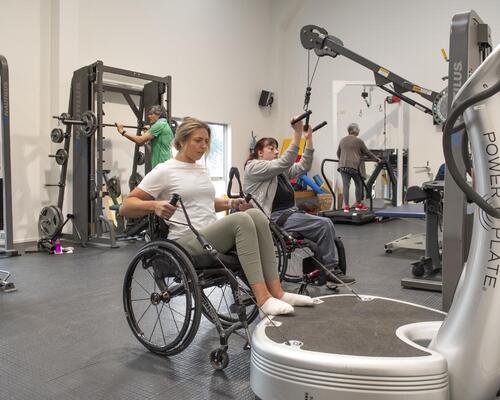
As healthcare continues to shift towards prevention, there’s a growing focus on helping
people stay active, independent and feeling good for longer.
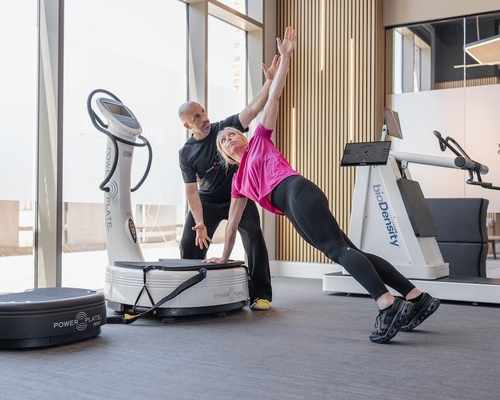
PRESS RELEASE: Supporting women through every life phase
20 May 2026
How vibration training fits into the women’s health conversation Women make up half the
population.
27 Jan 2026
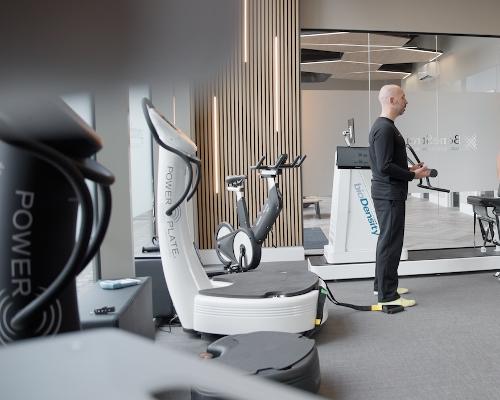
Walk into any gym today and you’ll sense a change in the conversation – a shift in members’
goals.
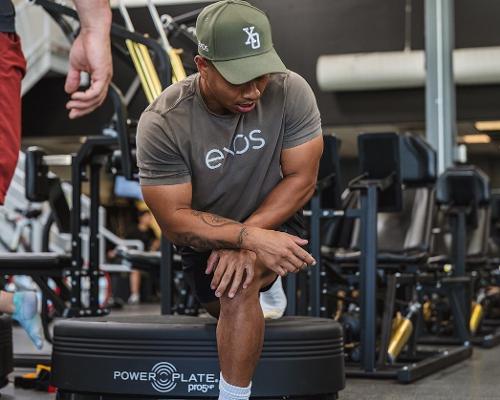
PRESS RELEASE: Power Plate forms strategic partnership with Exos to advance the future of human performance
08 Sep 2025
Power Plate, the global leader in vibration technology and flagship brand of Performance
Health Systems LLC, and Exos, the world-renowned pioneer in human performance, announce a
strategic partnership.
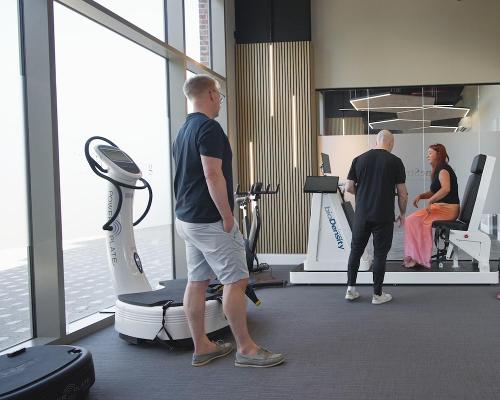
PRESS RELEASE: From scan to strength: a new era in bone health
14 Jul 2025
Performance Health Systems introduces a scalable, evidence-led solution for musculoskeletal
decline.
03 Jun 2025
Biohacking: a wellness revolution
Biohacking is rapidly becoming the new buzzword in fitness, just as ‘recovery’ was a few
years ago. But this time, it’s bigger.

21 Oct 2024
Steve Wright, Power Plate’s VP of UK & EMEA, firmly believes the boutique and studio
fitness sector is primed to explode in popularity as Gen Z and Millennials seek more
intimate fitness experiences including specific recovery components that focus on their
health and longevity priorities.

25 Sep 2024
Power Plate has been recognised with the Plus X Innovation Award for Technology, Sports and
Lifestyle for its my7 model vibration platform.
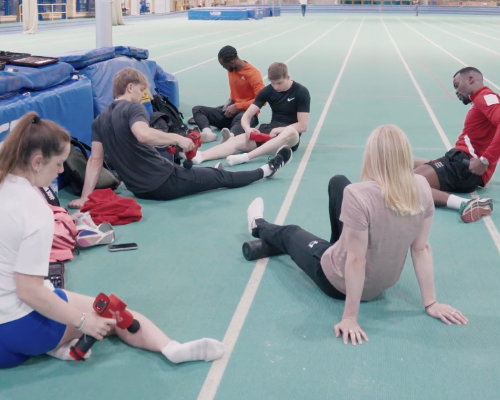
PRESS RELEASE: Targeted vibration for athlete mobilisation and recovery
04 Jul 2024
Gareth Walton has over 20 years’ experience as a performance coach, working with athletes
across a wide range of sports at various levels, from youth athletes and recreational
enthusiasts to professional sports teams and Olympic athletes.
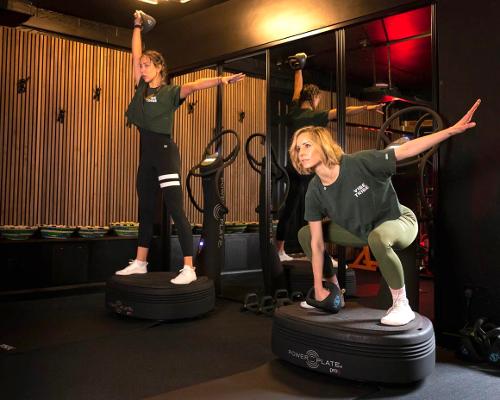
PRESS RELEASE: Whole body vibration as a platform for every class
29 Apr 2024
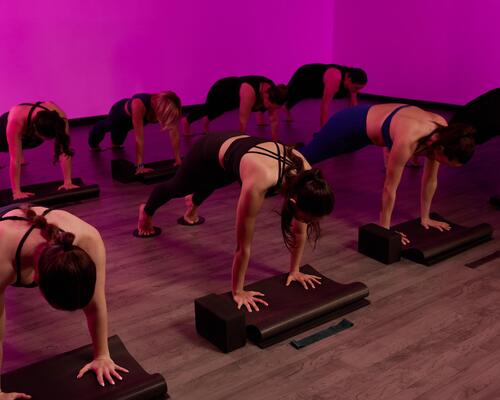
Imagine a boutique group exercise studio in which every class takes place on a Power Plate
platform. You’ve imagined Vibe Tribe in Beaconsfield.
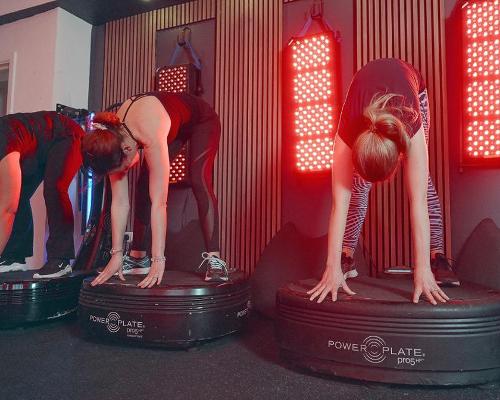
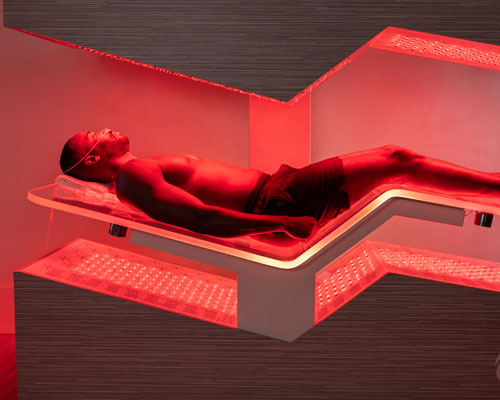
PRESS RELEASE: Power plate + red light therapy: life-changing ‘biostacking’
19 Apr 2024
“We combine Power Plate and red light therapy in all our small group classes,” says Natt
Summers, founder and owner of Accomplish Fitness in Hungerford, Berkshire.
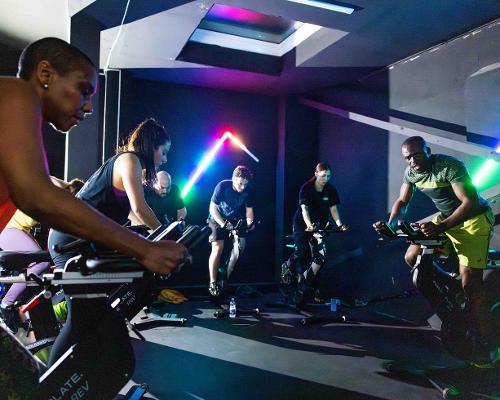
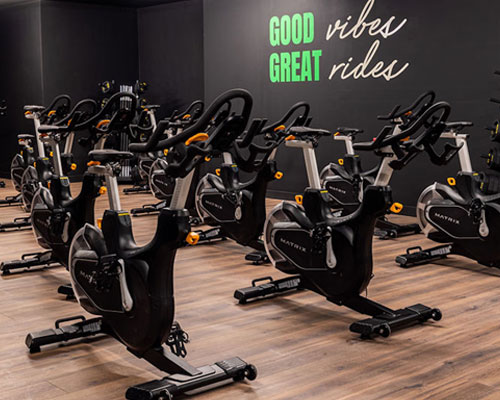
PRESS RELEASE: Vibration adds intensity to Indoor Cycling Classes
25 Mar 2024
Located in Dalston, in the London borough of Hackney, Leap Fit Studio is the brainchild of
husband and wife team JJ and Amy Jegede – JJ a former Great Britain international and three-
time British long jump champion, Amy a specialist in pre- and post-natal exercise.
Power Plate: featured in our publications
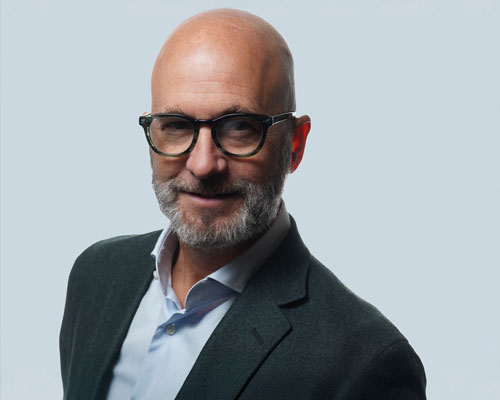
Sponsored: Power Plate
Health Club Management 2026 issue 3
Performance Health Systems, manufacturer of Power Plate,
has a new CEO, with an ambitious vision for the company
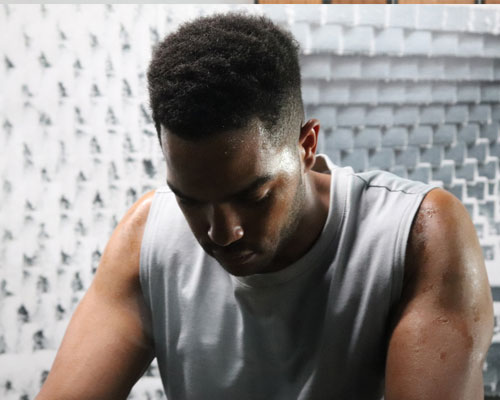
Recovery: Recovery heroes
Health Club Management 2026 issue 3
Tech-driven recovery is
an essential part of the
wellness journey. Suppliers
talk to Julie Cramer about
hero products and
what’s coming next

Recovery: Unlocking potential
Health Club Management 2023 issue 8
Vibration and percussive therapies are growing in popularity,
but many health clubs have yet to capitalise on this science-
backed technology. Steph Eaves explores the opportunity
About Power Plate
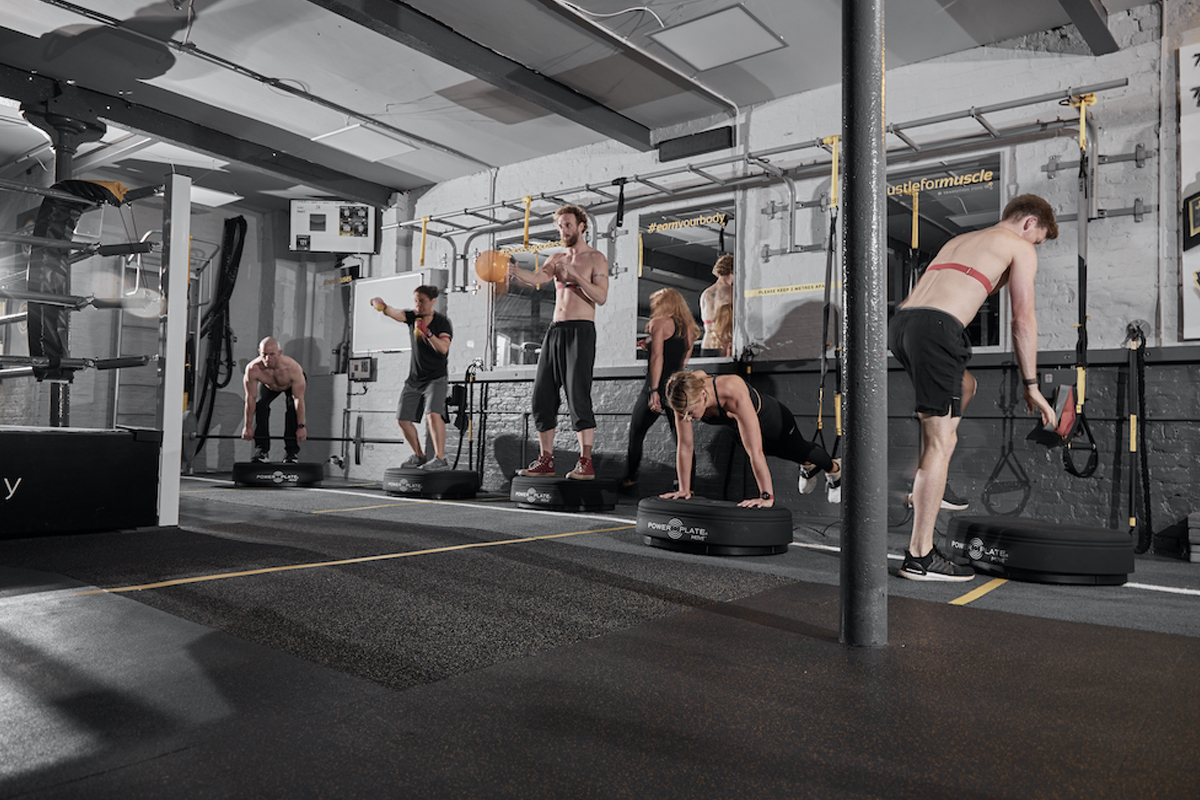
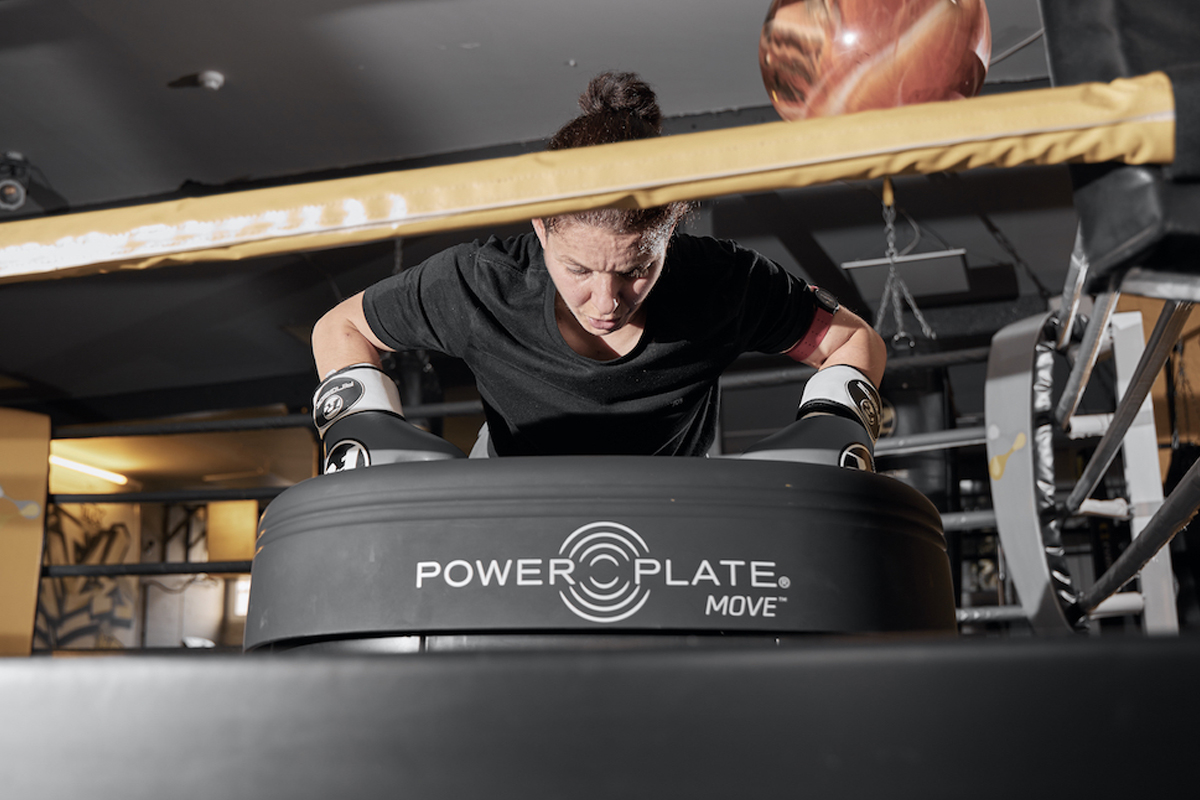
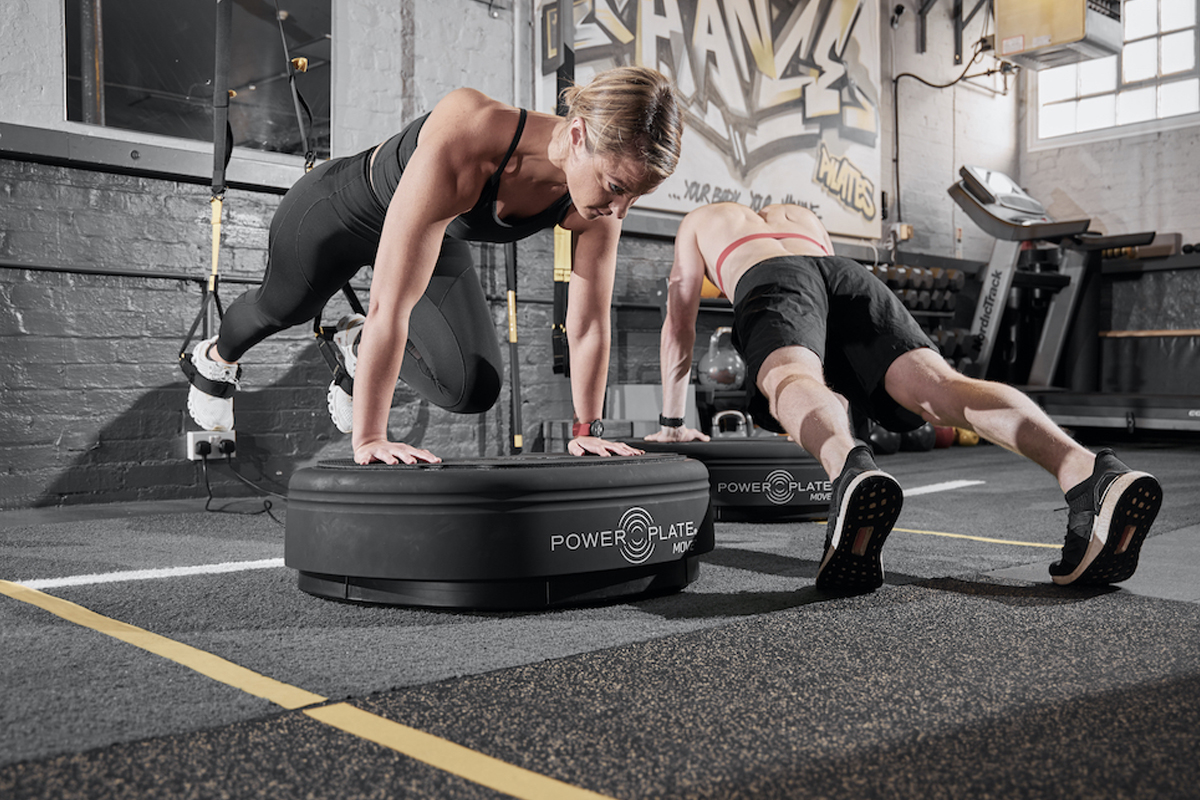
Power Plate is owned, manufactured and distributed by U.S. based Performance Health Systems LLC, a global company delivering advanced technology solutions through health and wellness equipment.
Product range and services
Our range of products include whole body vibration platforms, targeted vibration products and the ground breaking REV, combining to create a broad and compelling offering of health, fitness and wellness solutions to health clubs and fitness facilities worldwide.
USPs
Power Plate’s patented PrecisionWave Technology delivers unique harmonic vibration that helps users feel better whilst stimulating natural reflexes, increasing muscle activation and improving circulation. Power Plate delivers accelerated health, fitness, wellness and recovery results.
REV™ and PrecisionWave™ are registered Trade Marks of Power Plate
case study: THE DIALS: GIVING INDEPENDENCE TO PEOPLE IN LATER LIFE
“Across all sectors and ages, people’s perceptions of Power Plate must change,” says Brett Jenkins, wellbeing development manager for The Dials – an independent living scheme for the over-55s.
“From schools to gyms and private studios, hospitals and physiotherapy clinics to retirement settings and care homes, Power Plate is one of the best interventions to support a wide range of medical and wellbeing goals. The sooner you can get Power Plate into people’s lives, the better – but the problem is a skills gap. People don’t always know how to unleash its power,” adds Jenkins.
There is no such skills gap at The Dials. Conceived as a new generation of retirement community, wellbeing sits at the heart of everything – the foundation of a connected, inclusive, independent lifestyle for residents – and, says wellbeing advisor Charlotte Bacciochi, Power Plate is “centre stage”.
She confirms: "No other tool could sell the dream of independence to our residents in the same way as Power Plate. With the support of an instructor who genuinely cares, this core piece of equipment moves people from fear to confidence in the space of a week.”
The best you can be
The Dials’ approach to wellbeing centres on Be Well 360 – an inclusive, holistic, personalised programme in which the health and wellbeing needs of each resident are assessed and individually addressed.
Be Well 360 spans five areas of wellbeing: Be Active involves group fitness in the communal lounge, Fitbit goal-setting and live and recorded workshops, with one-to-one support also available; Take Notice is about being present in the moment and includes things like meditation, relaxation and yoga; Learn includes digital skills coaching, plus on-site events and talks; Give includes activities such as volunteering and helping others with technology; and Connect is all about community and social connection.
At the start of the programme, each resident receives an Independent Living Outcome Star assessment as well as a SMART health assessment. This includes functional tests to establish upper body strength, lower body strength and balance – grip strength, for example, and how long people can stand, including on one leg – as well as medical tests ranging from BMI to cholesterol, blood glucose to blood pressure.
The results contribute to a calculation of each resident’s biological age and form the basis of a realistic action plan that’s bespoke to each individual. This might include anything from gentle stretching and seated exercises to relaxation and meditation techniques, dietary advice, weight-loss programmes and so much more.
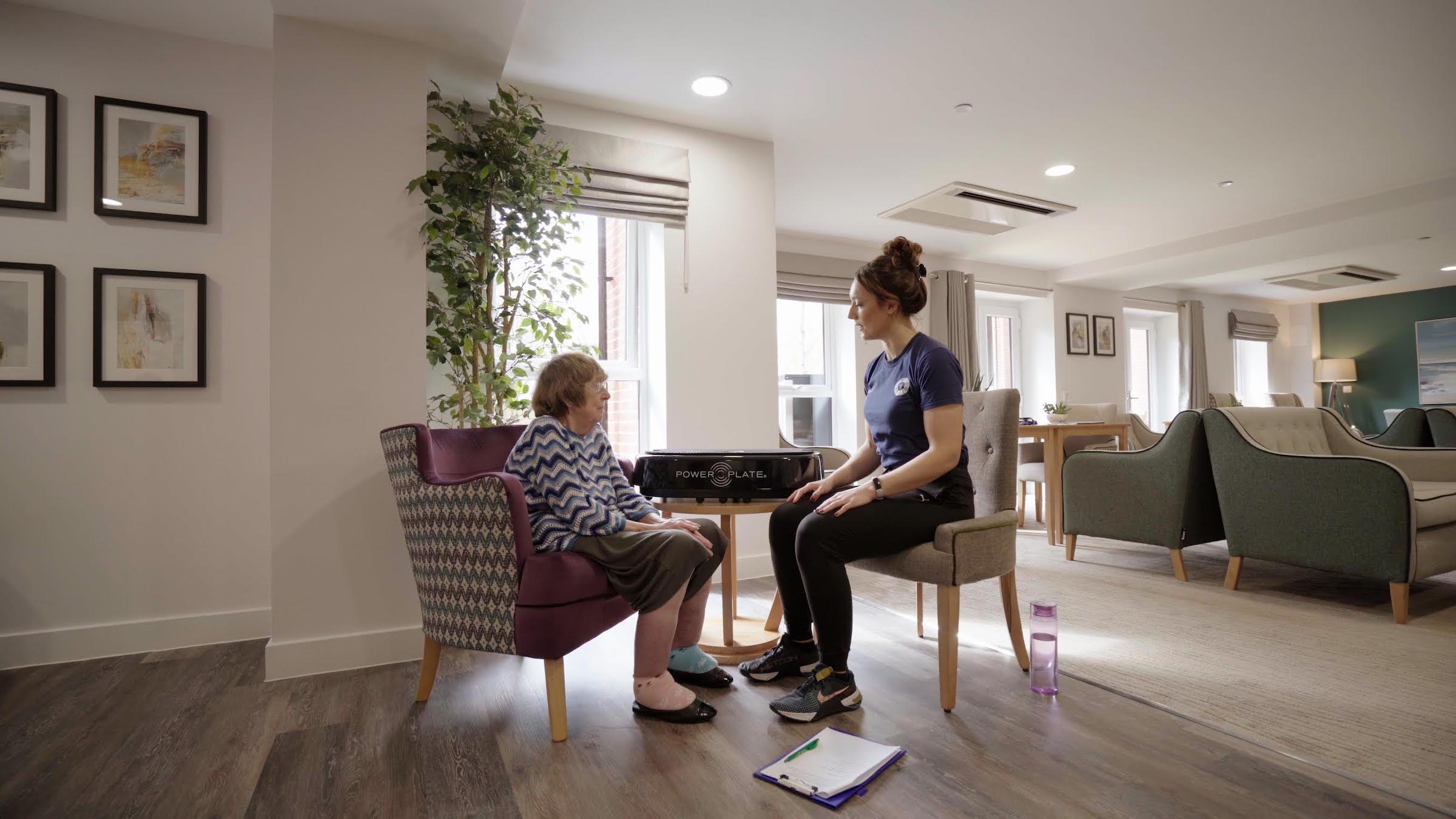
It’s also very likely to include Power Plate – especially where residents require one-to-one intervention – with The Dials equipped with a personal Power Plate, Power Plate Move and Power Plate Pulse.
The idea, explains Jenkins, is to help everyone be the best they can be. “Perfection doesn’t exist, but we compare people’s results to the benchmarks for their age and then try to work with them to bring them up to this level – and ideally beyond.”
Simple moves, big results
“Much of the work we do with Power Plate revolves around falls prevention and strength and conditioning in later life,” says Bacciochi. “We use simple moves – calf raises and so on – to loosen joints and get muscles moving that have been static for perhaps decades. This can stop people dragging their feet, so helps prevent falls, and the results are fast-tracked when you add vibration.”
Power Plate brings other benefits too, she adds: “It improves hand-eye co-ordination, helps balance left and right brain, improves circulation and heart rate, reduces anxiety, builds confidence… All the benefits of exercise and more.
“When people start a session they’re often quite subdued, but as the minutes go by they start chatting and end the session feeling far more positive. They’ve had that endorphin release without even realising they’ve been exercising.”
“We’re also seeing residents become less reliant on medication, while their GP visits become less frequent,” adds Jenkins. “Six-monthly surveys also show measures such as life satisfaction, happiness and anxiety all improving significantly. Of course, that isn’t solely down to Power Plate, but it’s a crucial part of it. I believe Power Plate has a key role to play in addressing the nation’s healthcare crisis.”
Transformational results
Bacciochi is now conducting a number of six-week case studies using Power Plate in one-to-one sessions, to evidence the direct impact of this piece of equipment.
One female resident had a fractured arm, which left her low in confidence and fearful of leaving the flat, and her husband in charge of everything from domestic chores to her personal care.
Bacciochi spent weeks one and two visiting her at home, building her confidence and strength to enable her to use the communal areas. Says Jenkins: “The portability of the personal Power Plate means we can take it into people’s homes and work with them there. The setting and how you present exercise is key, and starting in residents’ homes makes them feel comfortable and safe.” The programme designed by Bacciochi set out to heal the lady’s fracture faster by promoting new cartilage and bone formation, using the Power Plate for static and dynamic stretches, complemented by basic bodyweight moves. Together, they worked on grip strength, hand and arm mobility, and improved range of motion at the shoulder cuff, elbow joint and wrist following the accident.
On further assessment, Power Plate Pulse was used to treat the frozen shoulder that also resulted from the injury.
By week three, the resident felt strong enough to visit Bacciochi in the wellbeing office rather than requiring a home visit, and by week four she had the confidence to join Move It or Lose It group strength classes. These brought the added benefit of more social contact, which she enjoyed.
By week six, she was helping her husband at home and had returned to doing chores such as washing-up. She had equal 20kg grip strength in both hands – as opposed to 10kg in week one on her injured left side – and could weight bear, including pushing herself out of a chair. She had also progressed from a 30° to a 110° movement in her shoulder, while wrist flexion – previously at 50 per cent following the accident – had returned to normal.
She now exercises twice a week, feels positive about life and – with a 20 per cent improvement in lower body strength and a 70 per cent improvement in upper body strength since she began her Be Well 360 journey – has reduced her risk of balance issues, fractures and falls.
“She’s more confident on her feet with a walking stick, which has boosted her independence,” confirms Bacciochi. “She’s also able to do all her own personal care. She’s back to where she was before the accident, and better. It’s great for both her and her husband.”
Changing people’s lives
In a second case study, Bacciochi is working with another female resident whose decade-old back problem involves two pins in her spine, meaning a regular need for pain relief.
“We do some stretching and rowing motions sitting on the Power Plate,” says Bacciochi. “There’s no quick fix with an injury this historic, but each time I see her, she comes to me standing at a 100° angle and after 30 minutes is standing tall. She tells me she feels like a new person.”
In a third case study, Bacciochi is working with a female resident on her balance and co-ordination. With the resident initially afraid to leave her flat following the pandemic, the first step was home visits, with Bacciochi designing Power Plate sessions that included lateral work and mobility exercises to strengthen the lady’s ankles and legs.
By week three, the resident was attending the main wellbeing room for Power Plate sessions as well as art classes. She is now able to do standing and side-to-side exercises on the Power Plate and, says Bacciochi, “she’s getting the best sleep she’s had in years, as her restless leg symptoms have subsided by doing more specific exercise”.
A second chance at life
Bacciochi is now keen to work with a gentleman resident who has Parkinson’s, creating a six-week programme to relieve his symptoms and improve his walking ability.
She adds: “I also want to run sessions with three or four ladies at a time. The fun and the novelty factor of Power Plate mean I’ll be able to get less active people moving, engaging those who would never come to something like HIIT classes or even chair aerobics.
“Power Plate doesn’t feel like exercise to them. We’ll start just sitting with feet on the plates, then do some standing moves, some side-to-side, break for a chat. It’s simple for me as an instructor, but it will be huge for them.”
Simple in practical terms, perhaps, but the impact of Bacciochi’s approach is significant. “One resident told me it was the first time she’d ever been made to feel her health was important in this way,” she says.
She concludes: “I’m really proud to be with a brand that gives people a second chance in later life and makes them feel they matter. Life doesn’t stop just because they’re in a residential home, and Power Plate is a huge part of that.”
To download a copy of this case study - please click here.
“From schools to gyms and private studios, hospitals and physiotherapy clinics to retirement settings and care homes, Power Plate is one of the best interventions to support a wide range of medical and wellbeing goals. The sooner you can get Power Plate into people’s lives, the better – but the problem is a skills gap. People don’t always know how to unleash its power,” adds Jenkins.
There is no such skills gap at The Dials. Conceived as a new generation of retirement community, wellbeing sits at the heart of everything – the foundation of a connected, inclusive, independent lifestyle for residents – and, says wellbeing advisor Charlotte Bacciochi, Power Plate is “centre stage”.
She confirms: "No other tool could sell the dream of independence to our residents in the same way as Power Plate. With the support of an instructor who genuinely cares, this core piece of equipment moves people from fear to confidence in the space of a week.”
The best you can be
The Dials’ approach to wellbeing centres on Be Well 360 – an inclusive, holistic, personalised programme in which the health and wellbeing needs of each resident are assessed and individually addressed.
Be Well 360 spans five areas of wellbeing: Be Active involves group fitness in the communal lounge, Fitbit goal-setting and live and recorded workshops, with one-to-one support also available; Take Notice is about being present in the moment and includes things like meditation, relaxation and yoga; Learn includes digital skills coaching, plus on-site events and talks; Give includes activities such as volunteering and helping others with technology; and Connect is all about community and social connection.
At the start of the programme, each resident receives an Independent Living Outcome Star assessment as well as a SMART health assessment. This includes functional tests to establish upper body strength, lower body strength and balance – grip strength, for example, and how long people can stand, including on one leg – as well as medical tests ranging from BMI to cholesterol, blood glucose to blood pressure.
The results contribute to a calculation of each resident’s biological age and form the basis of a realistic action plan that’s bespoke to each individual. This might include anything from gentle stretching and seated exercises to relaxation and meditation techniques, dietary advice, weight-loss programmes and so much more.
It’s also very likely to include Power Plate – especially where residents require one-to-one intervention – with The Dials equipped with a personal Power Plate, Power Plate Move and Power Plate Pulse.
The idea, explains Jenkins, is to help everyone be the best they can be. “Perfection doesn’t exist, but we compare people’s results to the benchmarks for their age and then try to work with them to bring them up to this level – and ideally beyond.”
Simple moves, big results
“Much of the work we do with Power Plate revolves around falls prevention and strength and conditioning in later life,” says Bacciochi. “We use simple moves – calf raises and so on – to loosen joints and get muscles moving that have been static for perhaps decades. This can stop people dragging their feet, so helps prevent falls, and the results are fast-tracked when you add vibration.”
Power Plate brings other benefits too, she adds: “It improves hand-eye co-ordination, helps balance left and right brain, improves circulation and heart rate, reduces anxiety, builds confidence… All the benefits of exercise and more.
“When people start a session they’re often quite subdued, but as the minutes go by they start chatting and end the session feeling far more positive. They’ve had that endorphin release without even realising they’ve been exercising.”
“We’re also seeing residents become less reliant on medication, while their GP visits become less frequent,” adds Jenkins. “Six-monthly surveys also show measures such as life satisfaction, happiness and anxiety all improving significantly. Of course, that isn’t solely down to Power Plate, but it’s a crucial part of it. I believe Power Plate has a key role to play in addressing the nation’s healthcare crisis.”
Transformational results
Bacciochi is now conducting a number of six-week case studies using Power Plate in one-to-one sessions, to evidence the direct impact of this piece of equipment.
One female resident had a fractured arm, which left her low in confidence and fearful of leaving the flat, and her husband in charge of everything from domestic chores to her personal care.
Bacciochi spent weeks one and two visiting her at home, building her confidence and strength to enable her to use the communal areas. Says Jenkins: “The portability of the personal Power Plate means we can take it into people’s homes and work with them there. The setting and how you present exercise is key, and starting in residents’ homes makes them feel comfortable and safe.” The programme designed by Bacciochi set out to heal the lady’s fracture faster by promoting new cartilage and bone formation, using the Power Plate for static and dynamic stretches, complemented by basic bodyweight moves. Together, they worked on grip strength, hand and arm mobility, and improved range of motion at the shoulder cuff, elbow joint and wrist following the accident.
On further assessment, Power Plate Pulse was used to treat the frozen shoulder that also resulted from the injury.
By week three, the resident felt strong enough to visit Bacciochi in the wellbeing office rather than requiring a home visit, and by week four she had the confidence to join Move It or Lose It group strength classes. These brought the added benefit of more social contact, which she enjoyed.
By week six, she was helping her husband at home and had returned to doing chores such as washing-up. She had equal 20kg grip strength in both hands – as opposed to 10kg in week one on her injured left side – and could weight bear, including pushing herself out of a chair. She had also progressed from a 30° to a 110° movement in her shoulder, while wrist flexion – previously at 50 per cent following the accident – had returned to normal.
She now exercises twice a week, feels positive about life and – with a 20 per cent improvement in lower body strength and a 70 per cent improvement in upper body strength since she began her Be Well 360 journey – has reduced her risk of balance issues, fractures and falls.
“She’s more confident on her feet with a walking stick, which has boosted her independence,” confirms Bacciochi. “She’s also able to do all her own personal care. She’s back to where she was before the accident, and better. It’s great for both her and her husband.”
Changing people’s lives
In a second case study, Bacciochi is working with another female resident whose decade-old back problem involves two pins in her spine, meaning a regular need for pain relief.
“We do some stretching and rowing motions sitting on the Power Plate,” says Bacciochi. “There’s no quick fix with an injury this historic, but each time I see her, she comes to me standing at a 100° angle and after 30 minutes is standing tall. She tells me she feels like a new person.”
In a third case study, Bacciochi is working with a female resident on her balance and co-ordination. With the resident initially afraid to leave her flat following the pandemic, the first step was home visits, with Bacciochi designing Power Plate sessions that included lateral work and mobility exercises to strengthen the lady’s ankles and legs.
By week three, the resident was attending the main wellbeing room for Power Plate sessions as well as art classes. She is now able to do standing and side-to-side exercises on the Power Plate and, says Bacciochi, “she’s getting the best sleep she’s had in years, as her restless leg symptoms have subsided by doing more specific exercise”.
A second chance at life
Bacciochi is now keen to work with a gentleman resident who has Parkinson’s, creating a six-week programme to relieve his symptoms and improve his walking ability.
She adds: “I also want to run sessions with three or four ladies at a time. The fun and the novelty factor of Power Plate mean I’ll be able to get less active people moving, engaging those who would never come to something like HIIT classes or even chair aerobics.
“Power Plate doesn’t feel like exercise to them. We’ll start just sitting with feet on the plates, then do some standing moves, some side-to-side, break for a chat. It’s simple for me as an instructor, but it will be huge for them.”
Simple in practical terms, perhaps, but the impact of Bacciochi’s approach is significant. “One resident told me it was the first time she’d ever been made to feel her health was important in this way,” she says.
She concludes: “I’m really proud to be with a brand that gives people a second chance in later life and makes them feel they matter. Life doesn’t stop just because they’re in a residential home, and Power Plate is a huge part of that.”
To download a copy of this case study - please click here.
case study: The business of biohacking
Steve Powell – Director of Training and Education, Performance Health Systems
What is biohacking?
Biohacking is a real buzzword in the fitness sector right now, in a similar way that ‘recovery’ was a few years ago. Everyone’s heard of it and has a sense that they ought to be doing something about it – that there’s an opportunity here they should be seizing – but they don’t know how to articulate it. There isn’t a clear view of what biohacking should look like in a gym or health club environment.
So let’s start with a definition. Biohacking is the strategic application of science, technology and lifestyle modifications to enhance biological function and human performance. It is a strategy to achieve the overarching goals of health optimisation and longevity.
With this definition in mind, it’s immediately clear that the science itself isn’t new. It’s the term that’s new – previously we might have simply called it ‘wellness’ – as well as the unprecedented levels of interest among consumers.
People now understand far more about longevity, inflammation, cellular health and so on. They’re looking at their bodies in a totally different way and they’re seeking out technologies that can help them optimise their health. Step forward biohacking.
Can you give some examples of biohacking?
There is a huge diversity of biohacking interventions, all of which go way beyond traditional healthcare models.
Nutrigenomics, for example, is the study of food-gene interactions, looking at how an individual reacts at a cellular level to food and nutrition. Mitochondrial support is another key intervention, with the mitochondria central to ageing; supporting their function reduces oxidative stress and improves energy metabolism.
We also know that chronic inflammation accelerates ageing – and that systemic inflammation can be reduced with biohacking interventions such as fasting and microbiome optimisation. Then there’s photobiomodulation, where light is used to stimulate living things into healing themselves; the increasingly popular red light therapy falls into this biohacking category.
Hormetic stressors are another big one, including cold exposure where we briefly take the body out of homeostasis, triggering an adaptive response at a cellular level before shifting it back. Meanwhile, circadian biology alignment optimises sleep, which lies at the heart of so many cellular responses; you can’t out-cold-plunge bad sleep.
Then there’s VO2 max, which is a measure of our body’s ability to transport and consume oxygen. A functional marker of cardiorespiratory fitness, VO2 max has also been scientifically proven to be a strong, independent predictor of all-cause and disease-specific mortality. To quote Professor Jayson Gifford at Brigham Young University: “Having a low VO2 max has about the same cardiovascular risk as smoking.” The good news is, we can improve VO2 max through targeted physical activity-based biohacking.
The list of interventions goes on and on, but the point is that every modality has a deeper purpose – a deeper physiological and neurophysiological response. Just as one example, cold plunge isn’t simply about jumping in and burning a few brown fat cells. It’s about creating a more resilient body at a cellular level.
You might also have heard the term ‘biostacking’. Rather than simply implementing one biohacking modality, you combine multiple interventions for a magnified impact, whereby 1 + 1 = 3!
What is the focus of biohacking?
Biohacking is about health optimisation and ultimately longevity, although in fact what we’re looking at is healthspan as opposed to lifespan.
Medicine has already helped people live longer. The goal now is to use biohacking to optimise our health, so we can keep living our best lives for longer.
Longevity expert Peter Attia is driving interest and credibility in this field, with his book Outlive: The Science and Art of Longevity exploring the science not just of prolonging life, but of prolonging aliveness.
The key, and what makes all of this so powerful, is the fact that biohacking is rooted in data. For each individual, diagnostics track critical biomarkers such as VO2 max, HRV, bone health, glucose variability and inflammatory levels to provide real-time insights into health status.
Targeted biohacking interventions are then based on these diagnostics. It’s about personalisation of health optimisation, proactively using an individual’s data to refine their physiological, neurological and metabolic processes and with it maximise their potential as a human.
How much impact can biohacking really have?
A growing body of research into epigenetics and cellular metabolism continues to validate biohacking strategies, making them increasingly relevant in both personal health and professional wellness applications.
At Power Plate, we certainly have extensive evidence to prove our status as the original biohacker. Let’s take VO2 max as an example, because it’s probably the most surprising: you might not expect WBV platforms to impact cardiorespiratory fitness.
And yet they do, with research showing WBV training consistently increases VO2 both during and after exercise – and across different populations and settings – highlighting its versatility in enhancing metabolic demand and cardiorespiratory fitness. [See reading list at the end of this Q&A.]
Specifically, WBV increases the metabolic demand on the body, driving a requirement for more oxygen and thus creating an environment in which we can improve VO2 max.
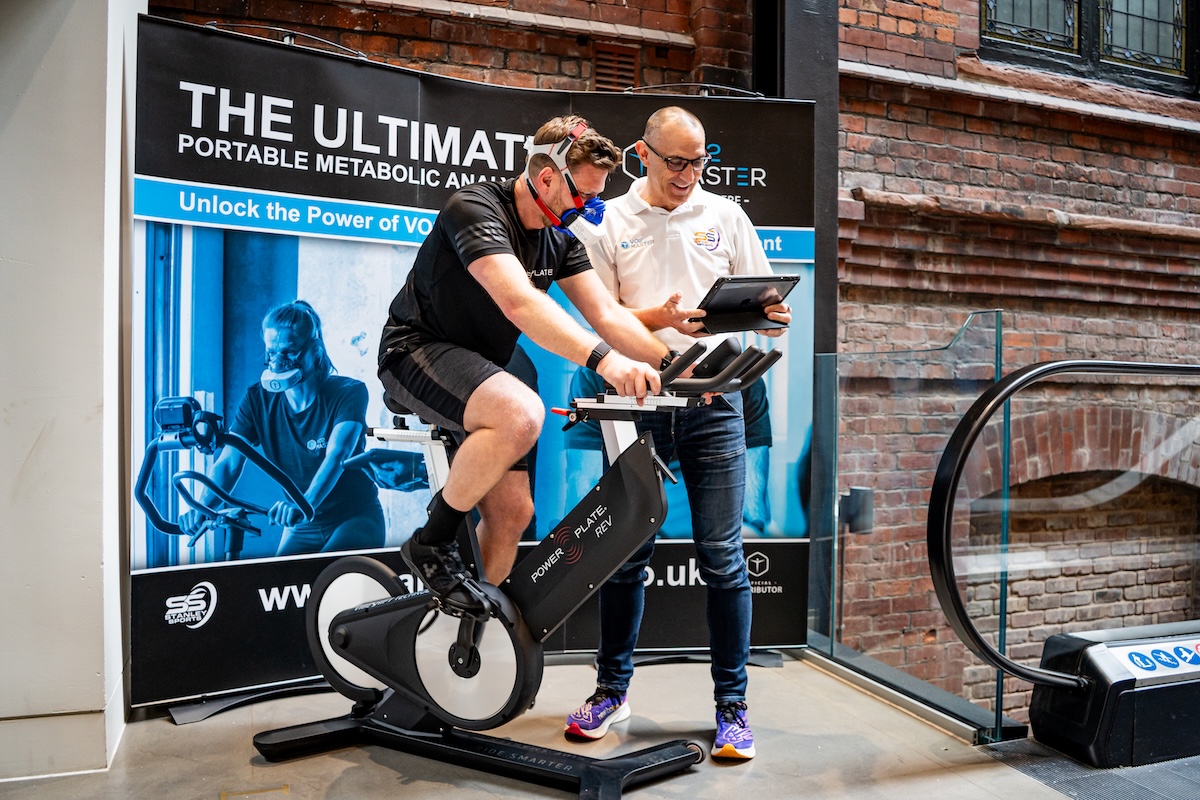
We also have early, small sample research on our new Power Plate REV bike, showing that its self-powered vibration (SPV) gets people to VO2 max sooner than when cycling without vibration.
When you cycle at the correct cadence on the REV, the frequency of the vibration elicits muscle stimulation across the body that correlates with WBV. This increased muscle activation raises metabolic demand both peripherally (in the legs) and centrally (in the heart and lungs).
We’re exploring protocols on the REV at the moment, but we’re already seeing REHIIT (reduced exertion high-intensity interval training) bringing people out of homeostasis through consistent intervals of 8–10 seconds’ work / 16–20 seconds’ rest. This is initiating an adaptive response including mitochondrial biogenesis (an increase in the number of mitochondria).
REV looks set to be a highly time-efficient biohack.
Tell us more about biohacking with WBV.
I previously mentioned Peter Attia, who when talking about the major causes of death and disease in developed nations, uses the term ‘the four horsemen of chronic disease’. By this, he is referring to cardiovascular disease, cancer, neurogenerative disease and metabolic disease (including type 2 diabetes).
Power Plate biohacks three of these four horsemen, with emerging research revealing the potential of WBV as a multifaceted, evidence-based intervention that improves cardiovascular, metabolic and cognitive health. (To that list, we can also add musculoskeletal health.)
We’ve spoken already about how WBV can improve VO2 max, and evidence shows you have a greater likelihood of good cardiovascular health if you have good VO2 max.
Metabolic health once again pivots around VO2 max – it is oxygen that enables the cells of the body to convert food into energy – as well as lean muscle mass. And we have extensive evidence to show how WBV training – either alone or paired with additional resistance and/or endurance training – consistently enhances muscle mass across diverse populations, including older adults, young individuals and clinical groups.
While additional research is required in the field of neurogenerative disease, WBV has demonstrated promising effects on cognitive function and brain health in various populations. Improvements in gait stability and neuroprotection have been observed in conditions such as Parkinson’s disease and post-stroke rehabilitation, for example, while WBV has also demonstrated potential in mitigating cognitive decline and enhancing neuroplasticity.
The biohacking benefits of WBV don’t even end there, either, with interesting evidence around its benefits for inflammation and the immune system, for example.
[Please see reading list for studies on WBV training for cardiovascular, metabolic and cognitive health.]
What’s your advice for gym operators?
The booming interest in biohacking hands gym operators two significant and eminently scalable opportunities: biomarker-driven diagnostics and targeted interventions.
Operators should start looking at how they might integrate these into the fitness environment, both to upgrade and enhance customer/member experiences and to create new revenue streams.
But be strategic about it. Don’t just dive straight in with eye-catching products. Simply latching on to the latest trends without a clear strategy or story will not work; people won’t come just because you build it.
To maximise the opportunities, biohacking requires a full, experiential journey to be developed. We suggest a six-stage approach.
Tell us about the six stages.
First, what is the market opportunity? In gyms, it’s likely to be those in their 50s who are starting to look at ways to live better for longer – but of course, this will vary by site, so do the research.
Next, identify the need. Look at your demographics. What are the problems your members want answers to? And who are you as a business – where can you credibly get involved? Based on this understanding and insight, you should be able to define a headline message that will resonate.
What comes next is still not the product itself – the cold plunges or the red light therapy – but medical-grade diagnostics. The fitness industry isn’t properly tuned in to diagnostics yet, but you can’t provide people with a solution if you haven’t first identified their problem(s).
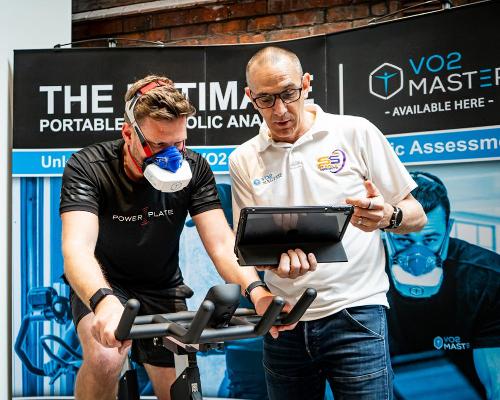
It’s why Power Plate has partnered with Screen My Bones and VO2 Master. It provides us with usable data that allows us to create or signpost people towards specialist interventions. Could your club run a revenue-share screening day with a specialist provider? We’re here to help.
However, solutions must be in place before you offer any diagnostics; if you identify an issue, people’s first question will be ‘what do I do about it?’ This brings us to evidence-based interventions – the solutions you must already have in place to support people as they come through your diagnostics process.
And you will need solutions, plural, because requirements will differ from individual to individual. Product-wise, you might be looking at whole-body vibration, cold plunge, nutritional advice, perhaps a biostacked combination of them all. But remember that one size will not fit all. To offer true solutions, you will need to create tailored programmes around your products.
You will also need to package your interventions up as experiences. My advice: don’t make it too scientific. There’s enough readily available information out there to create fear in people. What gyms can do is soften the edges, creating a positive narrative and becoming trusted destinations not for ‘tests and exercise’, but for early detection, personalised support, movement, improved circulation, enhanced brain function and so on.
Finally, look at ways to monetise all of this. In clinical settings, a bone density scan might cost in the region of £200 – but we’re too nice in the fitness sector. We give far too much away for free or as part of memberships.
When offering medical-grade diagnostics and targeted biohacking solutions in a fitness setting, we should be confident about charging for them.
READING LIST
VO2
Increased VO2 During and After WBV:
A 30-minute WBV session significantly increased VO2 during the exercise (23% higher than without vibration) and for up to 24 hours post-exercise, demonstrating its potential for enhancing oxygen uptake and calorie burn (Hazell & Lemon, 2011).
VO2 Comparisons Between WBV Modalities:
Side-alternating WBV resulted in higher VO2 than synchronous WBV and no vibration during a 20-minute session, indicating the mode of vibration affects metabolic demand (Gojanovic & Henchoz, 2012).
WBV in Sedentary and Athletic Groups:
VO2 increased during WBV in both sedentary and trained individuals, with sedentary individuals showing the highest metabolic response due to their lower baseline fitness (Gojanovic et al., 2014).
VO2 Increases During Resistance Training with WBV:
WBV enhanced oxygen consumption during resistance exercises, with VO2 significantly higher during WBV compared to non-vibration conditions. This indicates WBV increases exercise intensity (Osawa & Oguma, 2011).
WBV Combined with Loads:
Adding WBV to resistance exercises (moderate load) increased VO2 comparable to using heavier weights without vibration. This suggests WBV can be a lower-load alternative for similar metabolic demand (Serravite et al., 2013).
VO2 Peaks During Squat Exercises:
Low-frequency WBV increased VO2 during squat exercises, particularly with certain frequencies. This response varied across muscle groups and was most notable for the gastrocnemius muscle (Yoon et al., 2022).
WBV in Older Adults:
A one-year WBV intervention improved VO2 peak and overall cardiorespiratory fitness in older individuals, demonstrating its potential as an alternative to traditional training (Bogaerts et al., 2009).
Acute VO2 Increases with WBV Pre-Exercise:
WBV before aerobic exercise increased VO2 in the early stages of subsequent activity. Higher vibration frequencies and amplitudes elicited more pronounced metabolic responses (Kang et al., 2016).
VO2 Responses in Stroke Patients:
Both low- and high-intensity WBV protocols significantly increased VO2 in individuals with chronic stroke during exercise, suggesting WBV is safe for this population and may aid rehabilitation (Liao et al., 2015).
WBV Squat Intensity impact on O2 Consumption and Heart Rate.
WBV squats are a moderate-to-vigorous intensity exercise that effectively increases oxygen consumption, especially under higher training weights. This modality is suitable for individuals seeking enhanced metabolic and cardiovascular benefits without excessive cardiac strain. (Qaio et al., 2025)
WBV and Physical Fitness in Young Adults
Significant reduction in BMI and improvement in VO2 max after WBV intervention. WBV exercise positively impacts body composition and cardiorespiratory endurance and is an effective exercise modality for improving health-related physical fitness components in young adults. (Taiwo et al., 2023)
WBV Increases VO2 in Cyclists
WBV increased time spent at ≥90% VO2 max by 26.3% compared to non-vibration conditions and enhanced EMG activity in upper and lower limbs during WBV. WBV effectively enhances the training stimulus for cyclists, improving oxygen uptake and muscle activation. (Duc et al., 2022)
WBV and Energy Expenditure During Squats
WBV significantly increased oxygen consumption and energy expenditure during and after exercise. EPOC was higher in the WBV group, indicating greater energy demand for recovery. WBV is effective in enhancing energy metabolism and fat loss during resistance training. (Huang et al., 2023)
MUSCLE MASS
WBV and Fat-Free Mass in Women:
Over 24 weeks, WBV training significantly increased fat-free mass by 2.2% in previously untrained women, comparable to traditional fitness training (Roelants et al., 2004).
Muscle Mass in Older Men:
A one-year WBV program significantly improved muscle mass (3.4%) and strength in older men, with effects comparable to fitness training (Bogaerts et al., 2007).
Young Adults and Lean Mass:
WBV showed significant improvements in lean muscle mass in young adults, particularly when paired with higher frequencies and external loads (Chen et al., 2017).
WBV for Adolescents and Young Adults with Cerebral Palsy:
A 20-week WBV program increased lean muscle mass and bone density in adolescents with cerebral palsy, enhancing functional mobility (Gusso et al., 2016).
Elderly Women and Sarcopenia:
Ten weeks of WBV training significantly increased muscle strength and thigh muscle cross-sectional area (up to 15.5%) in older women, counteracting sarcopenia (Machado et al., 2009).
Impact on Muscle Recovery:
WBV training aids in muscle recovery by increasing neuromuscular activation and may be combined with other recovery strategies (Kosar et al., 2012).
Long-Term Impact on Elderly Women:
An 8-month WBV intervention maintained muscle mass and prevented significant declines compared to control groups, suggesting WBV can combat age-related muscle loss (Santín-Medeiros et al., 2015).
Muscle Mass in Obese Populations:
WBV, combined with endurance training, improved bioelectrical indicators of muscle mass in obese women, highlighting its potential for combined weight loss and muscle maintenance strategies (Wilms et al., 2012).
Combination of WBV and Resistance Training in Postmenopausal Women:
WBV combined with resistance training enhanced lean body mass gains and reduced fat mass significantly compared to resistance training alone (Fjeldstad et al., 2009).
WBV Meta-Analysis on Lean Mass: A meta-analysis found significant improvements in lean mass with WBV in young adults, though effects varied with vibration parameters (Chen et al., 2017).
BRAIN FUNCTION AND COGNITION
Systematic Review on WBV and Cognition:
WBV can positively influence cognitive function in both healthy individuals and those with cognitive impairments. The effects vary, with some studies showing improvements and others no significant impact. Larger, well-designed studies are needed to confirm efficacy (Wen et al., 2023).
Cognitive Enhancement in Adults:
WBV has shown potential in improving various cognitive functions, including attention and inhibition. However, the optimal WBV protocols for neurocognitive enhancement are still under investigation (Shantakumari & Ahmed, 2023).
Acute Cognitive Improvements in Young Adults:
Two minutes of passive WBV significantly improved attention and inhibition as measured by the Stroop Color-Word Interference Test, suggesting its potential as a cognition-enhancing therapy (Regterschot et al., 2014).
WBV in Senile Dementia:
WBV improved cognitive function and EEG activation in women with mild dementia, suggesting its use as a non-invasive strategy to enhance life quality in neurodegenerative conditions (Kim & Lee, 2018).
Neuroprotective Effects in Mice and Humans:
WBV improved motor performance, reduced arousal-induced activity, and enhanced attention in cognitive tasks, partially mediated by increased cholinergic activity in the brain (Boerema et al., 2018).
Cognition in Parkinson's Disease:
WBV was found to improve gait stability and cognitive performance in Parkinson's patients, although effects on balance and daily activities were limited (Zhao et al., 2023).
Post-Stroke Cognitive Recovery in Rats:
WBV reduced cognitive deficits and inflammation in post-stroke rats, suggesting a role for WBV in post-stroke rehabilitation through neuroinflammation modulation (Kerr et al., 2022).
BDNF and Cognitive Outcomes in Fibromyalgia:
WBV increased brain-derived neurotrophic factor (BDNF) levels and improved cognition and clinical outcomes in women with fibromyalgia, indicating broader potential for WBV in cognitive health (Ribeiro et al., 2021).
What is biohacking?
Biohacking is a real buzzword in the fitness sector right now, in a similar way that ‘recovery’ was a few years ago. Everyone’s heard of it and has a sense that they ought to be doing something about it – that there’s an opportunity here they should be seizing – but they don’t know how to articulate it. There isn’t a clear view of what biohacking should look like in a gym or health club environment.
So let’s start with a definition. Biohacking is the strategic application of science, technology and lifestyle modifications to enhance biological function and human performance. It is a strategy to achieve the overarching goals of health optimisation and longevity.
With this definition in mind, it’s immediately clear that the science itself isn’t new. It’s the term that’s new – previously we might have simply called it ‘wellness’ – as well as the unprecedented levels of interest among consumers.
People now understand far more about longevity, inflammation, cellular health and so on. They’re looking at their bodies in a totally different way and they’re seeking out technologies that can help them optimise their health. Step forward biohacking.
Can you give some examples of biohacking?
There is a huge diversity of biohacking interventions, all of which go way beyond traditional healthcare models.
Nutrigenomics, for example, is the study of food-gene interactions, looking at how an individual reacts at a cellular level to food and nutrition. Mitochondrial support is another key intervention, with the mitochondria central to ageing; supporting their function reduces oxidative stress and improves energy metabolism.
We also know that chronic inflammation accelerates ageing – and that systemic inflammation can be reduced with biohacking interventions such as fasting and microbiome optimisation. Then there’s photobiomodulation, where light is used to stimulate living things into healing themselves; the increasingly popular red light therapy falls into this biohacking category.
Hormetic stressors are another big one, including cold exposure where we briefly take the body out of homeostasis, triggering an adaptive response at a cellular level before shifting it back. Meanwhile, circadian biology alignment optimises sleep, which lies at the heart of so many cellular responses; you can’t out-cold-plunge bad sleep.
Then there’s VO2 max, which is a measure of our body’s ability to transport and consume oxygen. A functional marker of cardiorespiratory fitness, VO2 max has also been scientifically proven to be a strong, independent predictor of all-cause and disease-specific mortality. To quote Professor Jayson Gifford at Brigham Young University: “Having a low VO2 max has about the same cardiovascular risk as smoking.” The good news is, we can improve VO2 max through targeted physical activity-based biohacking.
The list of interventions goes on and on, but the point is that every modality has a deeper purpose – a deeper physiological and neurophysiological response. Just as one example, cold plunge isn’t simply about jumping in and burning a few brown fat cells. It’s about creating a more resilient body at a cellular level.
You might also have heard the term ‘biostacking’. Rather than simply implementing one biohacking modality, you combine multiple interventions for a magnified impact, whereby 1 + 1 = 3!
What is the focus of biohacking?
Biohacking is about health optimisation and ultimately longevity, although in fact what we’re looking at is healthspan as opposed to lifespan.
Medicine has already helped people live longer. The goal now is to use biohacking to optimise our health, so we can keep living our best lives for longer.
Longevity expert Peter Attia is driving interest and credibility in this field, with his book Outlive: The Science and Art of Longevity exploring the science not just of prolonging life, but of prolonging aliveness.
The key, and what makes all of this so powerful, is the fact that biohacking is rooted in data. For each individual, diagnostics track critical biomarkers such as VO2 max, HRV, bone health, glucose variability and inflammatory levels to provide real-time insights into health status.
Targeted biohacking interventions are then based on these diagnostics. It’s about personalisation of health optimisation, proactively using an individual’s data to refine their physiological, neurological and metabolic processes and with it maximise their potential as a human.
How much impact can biohacking really have?
A growing body of research into epigenetics and cellular metabolism continues to validate biohacking strategies, making them increasingly relevant in both personal health and professional wellness applications.
At Power Plate, we certainly have extensive evidence to prove our status as the original biohacker. Let’s take VO2 max as an example, because it’s probably the most surprising: you might not expect WBV platforms to impact cardiorespiratory fitness.
And yet they do, with research showing WBV training consistently increases VO2 both during and after exercise – and across different populations and settings – highlighting its versatility in enhancing metabolic demand and cardiorespiratory fitness. [See reading list at the end of this Q&A.]
Specifically, WBV increases the metabolic demand on the body, driving a requirement for more oxygen and thus creating an environment in which we can improve VO2 max.
We also have early, small sample research on our new Power Plate REV bike, showing that its self-powered vibration (SPV) gets people to VO2 max sooner than when cycling without vibration.
When you cycle at the correct cadence on the REV, the frequency of the vibration elicits muscle stimulation across the body that correlates with WBV. This increased muscle activation raises metabolic demand both peripherally (in the legs) and centrally (in the heart and lungs).
We’re exploring protocols on the REV at the moment, but we’re already seeing REHIIT (reduced exertion high-intensity interval training) bringing people out of homeostasis through consistent intervals of 8–10 seconds’ work / 16–20 seconds’ rest. This is initiating an adaptive response including mitochondrial biogenesis (an increase in the number of mitochondria).
REV looks set to be a highly time-efficient biohack.
Tell us more about biohacking with WBV.
I previously mentioned Peter Attia, who when talking about the major causes of death and disease in developed nations, uses the term ‘the four horsemen of chronic disease’. By this, he is referring to cardiovascular disease, cancer, neurogenerative disease and metabolic disease (including type 2 diabetes).
Power Plate biohacks three of these four horsemen, with emerging research revealing the potential of WBV as a multifaceted, evidence-based intervention that improves cardiovascular, metabolic and cognitive health. (To that list, we can also add musculoskeletal health.)
We’ve spoken already about how WBV can improve VO2 max, and evidence shows you have a greater likelihood of good cardiovascular health if you have good VO2 max.
Metabolic health once again pivots around VO2 max – it is oxygen that enables the cells of the body to convert food into energy – as well as lean muscle mass. And we have extensive evidence to show how WBV training – either alone or paired with additional resistance and/or endurance training – consistently enhances muscle mass across diverse populations, including older adults, young individuals and clinical groups.
While additional research is required in the field of neurogenerative disease, WBV has demonstrated promising effects on cognitive function and brain health in various populations. Improvements in gait stability and neuroprotection have been observed in conditions such as Parkinson’s disease and post-stroke rehabilitation, for example, while WBV has also demonstrated potential in mitigating cognitive decline and enhancing neuroplasticity.
The biohacking benefits of WBV don’t even end there, either, with interesting evidence around its benefits for inflammation and the immune system, for example.
[Please see reading list for studies on WBV training for cardiovascular, metabolic and cognitive health.]
What’s your advice for gym operators?
The booming interest in biohacking hands gym operators two significant and eminently scalable opportunities: biomarker-driven diagnostics and targeted interventions.
Operators should start looking at how they might integrate these into the fitness environment, both to upgrade and enhance customer/member experiences and to create new revenue streams.
But be strategic about it. Don’t just dive straight in with eye-catching products. Simply latching on to the latest trends without a clear strategy or story will not work; people won’t come just because you build it.
To maximise the opportunities, biohacking requires a full, experiential journey to be developed. We suggest a six-stage approach.
Tell us about the six stages.
First, what is the market opportunity? In gyms, it’s likely to be those in their 50s who are starting to look at ways to live better for longer – but of course, this will vary by site, so do the research.
Next, identify the need. Look at your demographics. What are the problems your members want answers to? And who are you as a business – where can you credibly get involved? Based on this understanding and insight, you should be able to define a headline message that will resonate.
What comes next is still not the product itself – the cold plunges or the red light therapy – but medical-grade diagnostics. The fitness industry isn’t properly tuned in to diagnostics yet, but you can’t provide people with a solution if you haven’t first identified their problem(s).
It’s why Power Plate has partnered with Screen My Bones and VO2 Master. It provides us with usable data that allows us to create or signpost people towards specialist interventions. Could your club run a revenue-share screening day with a specialist provider? We’re here to help.
However, solutions must be in place before you offer any diagnostics; if you identify an issue, people’s first question will be ‘what do I do about it?’ This brings us to evidence-based interventions – the solutions you must already have in place to support people as they come through your diagnostics process.
And you will need solutions, plural, because requirements will differ from individual to individual. Product-wise, you might be looking at whole-body vibration, cold plunge, nutritional advice, perhaps a biostacked combination of them all. But remember that one size will not fit all. To offer true solutions, you will need to create tailored programmes around your products.
You will also need to package your interventions up as experiences. My advice: don’t make it too scientific. There’s enough readily available information out there to create fear in people. What gyms can do is soften the edges, creating a positive narrative and becoming trusted destinations not for ‘tests and exercise’, but for early detection, personalised support, movement, improved circulation, enhanced brain function and so on.
Finally, look at ways to monetise all of this. In clinical settings, a bone density scan might cost in the region of £200 – but we’re too nice in the fitness sector. We give far too much away for free or as part of memberships.
When offering medical-grade diagnostics and targeted biohacking solutions in a fitness setting, we should be confident about charging for them.
READING LIST
VO2
Increased VO2 During and After WBV:
A 30-minute WBV session significantly increased VO2 during the exercise (23% higher than without vibration) and for up to 24 hours post-exercise, demonstrating its potential for enhancing oxygen uptake and calorie burn (Hazell & Lemon, 2011).
VO2 Comparisons Between WBV Modalities:
Side-alternating WBV resulted in higher VO2 than synchronous WBV and no vibration during a 20-minute session, indicating the mode of vibration affects metabolic demand (Gojanovic & Henchoz, 2012).
WBV in Sedentary and Athletic Groups:
VO2 increased during WBV in both sedentary and trained individuals, with sedentary individuals showing the highest metabolic response due to their lower baseline fitness (Gojanovic et al., 2014).
VO2 Increases During Resistance Training with WBV:
WBV enhanced oxygen consumption during resistance exercises, with VO2 significantly higher during WBV compared to non-vibration conditions. This indicates WBV increases exercise intensity (Osawa & Oguma, 2011).
WBV Combined with Loads:
Adding WBV to resistance exercises (moderate load) increased VO2 comparable to using heavier weights without vibration. This suggests WBV can be a lower-load alternative for similar metabolic demand (Serravite et al., 2013).
VO2 Peaks During Squat Exercises:
Low-frequency WBV increased VO2 during squat exercises, particularly with certain frequencies. This response varied across muscle groups and was most notable for the gastrocnemius muscle (Yoon et al., 2022).
WBV in Older Adults:
A one-year WBV intervention improved VO2 peak and overall cardiorespiratory fitness in older individuals, demonstrating its potential as an alternative to traditional training (Bogaerts et al., 2009).
Acute VO2 Increases with WBV Pre-Exercise:
WBV before aerobic exercise increased VO2 in the early stages of subsequent activity. Higher vibration frequencies and amplitudes elicited more pronounced metabolic responses (Kang et al., 2016).
VO2 Responses in Stroke Patients:
Both low- and high-intensity WBV protocols significantly increased VO2 in individuals with chronic stroke during exercise, suggesting WBV is safe for this population and may aid rehabilitation (Liao et al., 2015).
WBV Squat Intensity impact on O2 Consumption and Heart Rate.
WBV squats are a moderate-to-vigorous intensity exercise that effectively increases oxygen consumption, especially under higher training weights. This modality is suitable for individuals seeking enhanced metabolic and cardiovascular benefits without excessive cardiac strain. (Qaio et al., 2025)
WBV and Physical Fitness in Young Adults
Significant reduction in BMI and improvement in VO2 max after WBV intervention. WBV exercise positively impacts body composition and cardiorespiratory endurance and is an effective exercise modality for improving health-related physical fitness components in young adults. (Taiwo et al., 2023)
WBV Increases VO2 in Cyclists
WBV increased time spent at ≥90% VO2 max by 26.3% compared to non-vibration conditions and enhanced EMG activity in upper and lower limbs during WBV. WBV effectively enhances the training stimulus for cyclists, improving oxygen uptake and muscle activation. (Duc et al., 2022)
WBV and Energy Expenditure During Squats
WBV significantly increased oxygen consumption and energy expenditure during and after exercise. EPOC was higher in the WBV group, indicating greater energy demand for recovery. WBV is effective in enhancing energy metabolism and fat loss during resistance training. (Huang et al., 2023)
MUSCLE MASS
WBV and Fat-Free Mass in Women:
Over 24 weeks, WBV training significantly increased fat-free mass by 2.2% in previously untrained women, comparable to traditional fitness training (Roelants et al., 2004).
Muscle Mass in Older Men:
A one-year WBV program significantly improved muscle mass (3.4%) and strength in older men, with effects comparable to fitness training (Bogaerts et al., 2007).
Young Adults and Lean Mass:
WBV showed significant improvements in lean muscle mass in young adults, particularly when paired with higher frequencies and external loads (Chen et al., 2017).
WBV for Adolescents and Young Adults with Cerebral Palsy:
A 20-week WBV program increased lean muscle mass and bone density in adolescents with cerebral palsy, enhancing functional mobility (Gusso et al., 2016).
Elderly Women and Sarcopenia:
Ten weeks of WBV training significantly increased muscle strength and thigh muscle cross-sectional area (up to 15.5%) in older women, counteracting sarcopenia (Machado et al., 2009).
Impact on Muscle Recovery:
WBV training aids in muscle recovery by increasing neuromuscular activation and may be combined with other recovery strategies (Kosar et al., 2012).
Long-Term Impact on Elderly Women:
An 8-month WBV intervention maintained muscle mass and prevented significant declines compared to control groups, suggesting WBV can combat age-related muscle loss (Santín-Medeiros et al., 2015).
Muscle Mass in Obese Populations:
WBV, combined with endurance training, improved bioelectrical indicators of muscle mass in obese women, highlighting its potential for combined weight loss and muscle maintenance strategies (Wilms et al., 2012).
Combination of WBV and Resistance Training in Postmenopausal Women:
WBV combined with resistance training enhanced lean body mass gains and reduced fat mass significantly compared to resistance training alone (Fjeldstad et al., 2009).
WBV Meta-Analysis on Lean Mass: A meta-analysis found significant improvements in lean mass with WBV in young adults, though effects varied with vibration parameters (Chen et al., 2017).
BRAIN FUNCTION AND COGNITION
Systematic Review on WBV and Cognition:
WBV can positively influence cognitive function in both healthy individuals and those with cognitive impairments. The effects vary, with some studies showing improvements and others no significant impact. Larger, well-designed studies are needed to confirm efficacy (Wen et al., 2023).
Cognitive Enhancement in Adults:
WBV has shown potential in improving various cognitive functions, including attention and inhibition. However, the optimal WBV protocols for neurocognitive enhancement are still under investigation (Shantakumari & Ahmed, 2023).
Acute Cognitive Improvements in Young Adults:
Two minutes of passive WBV significantly improved attention and inhibition as measured by the Stroop Color-Word Interference Test, suggesting its potential as a cognition-enhancing therapy (Regterschot et al., 2014).
WBV in Senile Dementia:
WBV improved cognitive function and EEG activation in women with mild dementia, suggesting its use as a non-invasive strategy to enhance life quality in neurodegenerative conditions (Kim & Lee, 2018).
Neuroprotective Effects in Mice and Humans:
WBV improved motor performance, reduced arousal-induced activity, and enhanced attention in cognitive tasks, partially mediated by increased cholinergic activity in the brain (Boerema et al., 2018).
Cognition in Parkinson's Disease:
WBV was found to improve gait stability and cognitive performance in Parkinson's patients, although effects on balance and daily activities were limited (Zhao et al., 2023).
Post-Stroke Cognitive Recovery in Rats:
WBV reduced cognitive deficits and inflammation in post-stroke rats, suggesting a role for WBV in post-stroke rehabilitation through neuroinflammation modulation (Kerr et al., 2022).
BDNF and Cognitive Outcomes in Fibromyalgia:
WBV increased brain-derived neurotrophic factor (BDNF) levels and improved cognition and clinical outcomes in women with fibromyalgia, indicating broader potential for WBV in cognitive health (Ribeiro et al., 2021).
Power Plate
Tel: +44 (0) 20 7317 5000
Email: [email protected]
Web:
www.powerplate.co.uk


Address:
FORA,
20 Eastbourne Terrace ,
London ,
W2 6LG,
United Kingdom
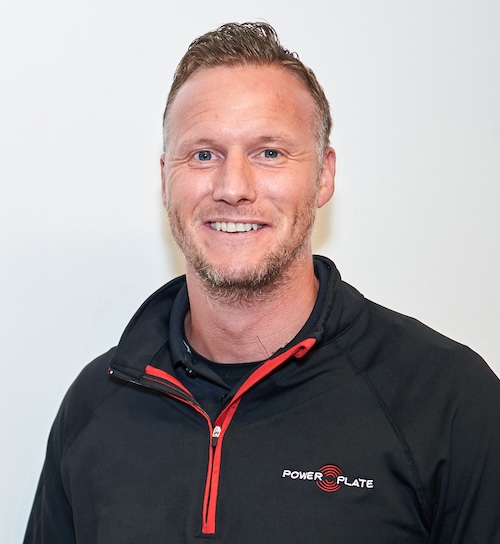
Iain Murray, managing director, UK
Power Plate video gallery:
Key personnel
Iain Murray, managing director, U.K
Key customers
• Accomplish Fitness,
• Everyone Active (SLM),
• Fusion Lifestyle,
• Village Gyms,
• Bannatynes,
• DLL,
• Nuffield Health,
• Anytime Fitness,
• Energie Fitness,
• Radisson Hotels,
• Hilton Hotels,
• Feel Good Fitness,
• Leap Fitness,
• Champneys.
• Everyone Active (SLM),
• Fusion Lifestyle,
• Village Gyms,
• Bannatynes,
• DLL,
• Nuffield Health,
• Anytime Fitness,
• Energie Fitness,
• Radisson Hotels,
• Hilton Hotels,
• Feel Good Fitness,
• Leap Fitness,
• Champneys.
Plans for the next 12 months
Celebrating 25 Years of
Excellence, Power Plate
is excited for 2025!
In addition to several new product introductions that are set to elevate the exercise experience in 2025, we are looking forward to building on our biohacking experience with a continued focus on integrating alternative complementary therapies such as red light therapy (RLT) to enhance longevity, recovery and overall well-being.
Additionally, we look to help health clubs meet member demand for longevity solutions through products and applications that help optimise bone health and VO2 Max, two key markers of human healthspan.
In addition to several new product introductions that are set to elevate the exercise experience in 2025, we are looking forward to building on our biohacking experience with a continued focus on integrating alternative complementary therapies such as red light therapy (RLT) to enhance longevity, recovery and overall well-being.
Additionally, we look to help health clubs meet member demand for longevity solutions through products and applications that help optimise bone health and VO2 Max, two key markers of human healthspan.
Testimonial
“We combine Power Plate and red light therapy in all our small group classes - it is an
incredible tool for people of all levels and I can adjust the vibration to challenge everyone
just the right amount.
We’re also achieving remarkable results by using Power Plate and red light therapy together, accelerating recovery and fitness gains and benefiting people’s bodies and minds in so many different ways.”
– Natt Summers, Accomplish Fitness
We’re also achieving remarkable results by using Power Plate and red light therapy together, accelerating recovery and fitness gains and benefiting people’s bodies and minds in so many different ways.”
– Natt Summers, Accomplish Fitness
Testimonial
“Our vibration-enhanced Revolution classes now deliver group cycling with added revs, literally,” says Jegede. “Our members don’t just get a cardio workout but a strength one too. It’s one of our most effective classes, delivering 45 minutes of intense work that you can really feel.”
– JJ Jegede, Leap Fit Studio, Hackney, London
– JJ Jegede, Leap Fit Studio, Hackney, London
Testimonial
“Power Plate has been the one constant in my exercise routine since I discovered it 14 years ago. As a user, I’ve done lots of research into its benefits and the various ways it can be used and have personally achieved great results. I’m now passionate about helping others access Power Plate in new ways”
– Anna Nasr, Vibe Tribe, Beaconsfield
– Anna Nasr, Vibe Tribe, Beaconsfield
Search news, features & products:
Find a supplier: