








Follow Health Club Management on Twitter Like Health Club Management on Facebook Join the discussion with Health Club Management on LinkedIn
FITNESS, HEALTH, WELLNESS

Latest news

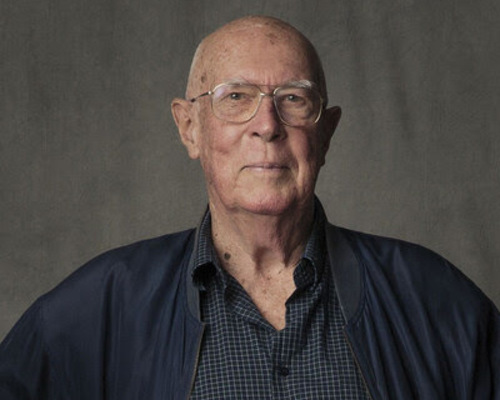
EXCLUSIVE INTERVIEW: Peter Zumthor on the role of emotions in his work, his latest projects and those LACMA renderings
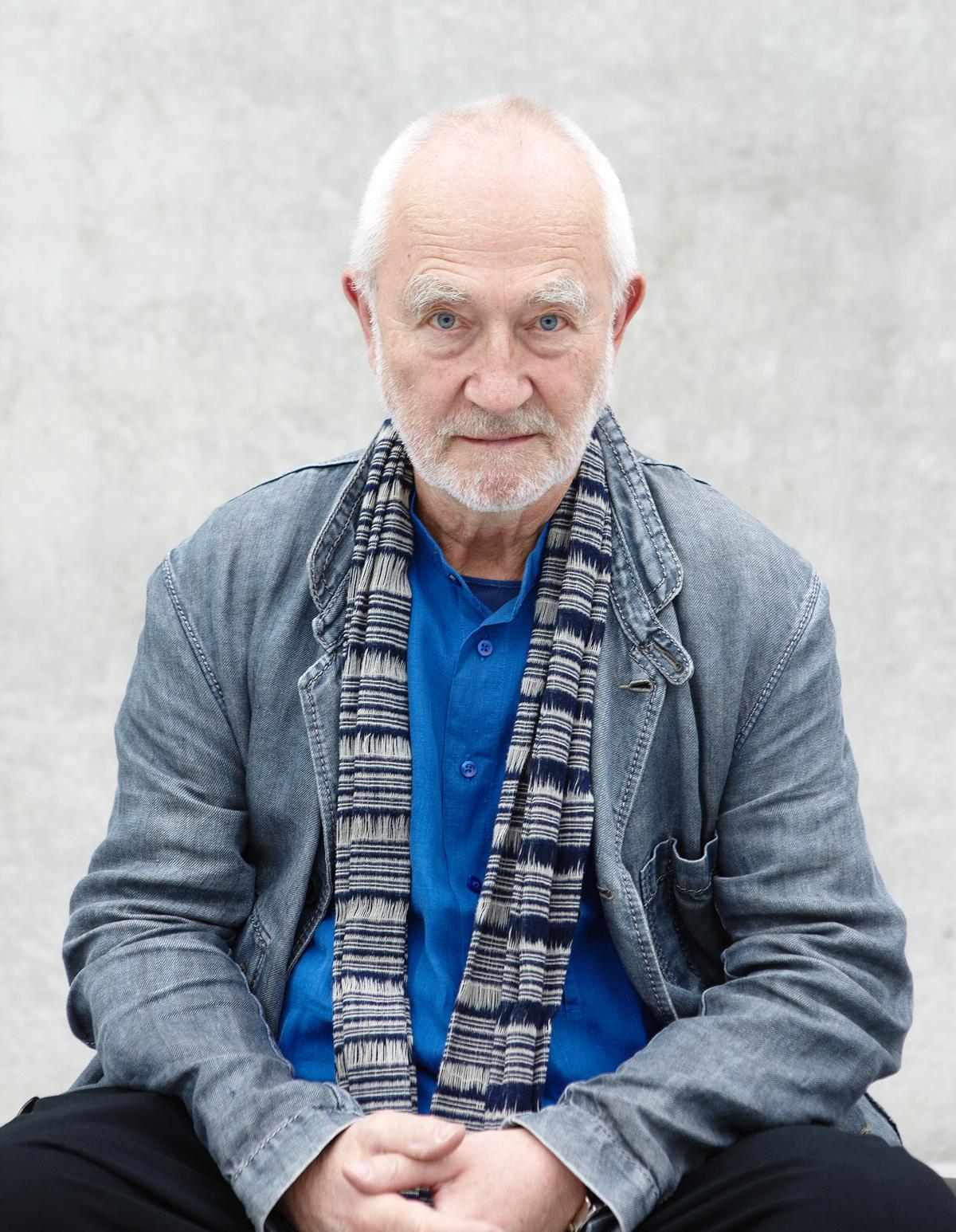
When I look back on my life I love the buildings that speak to me by means of their atmospheric qualities, by means of a feeling of history, of being complete
– Peter Zumthor

Creating buildings that inspire love is about more than just arranging and inventing forms, argues Peter Zumthor in an exclusive interview with CLAD. The influential Pritzker Prize-winning architect – who also runs through the latest on the Los Angeles County Museum of Art (LACMA) and his forthcoming projects in Korea, Germany, Switzerland and the UK – explains how his gift is to “see what’s ugly and doesn’t work in the world, and design things that do work.”

You can read the full feature below. The new issue of CLADmag – our quarterly magazine – is available to read now online and on digital turning pages.

CLAD editor Magali Robathan meets Peter Zumthor

I am waiting to meet Peter Zumthor in the Club Lounge at London's Langham Hotel. He is late, and I am a little apprehensive.

Zumthor is something of a cult figure within architecture. His body of work may be relatively small, but his influence is huge. He is known for his uncompromising approach to his work, for his craftsmanship and his careful use of materials and light, which can be seen in his best known projects, including the Therme Vals thermal baths in Switzerland, the Kunsthaus Bregenz art gallery in Austria and the Kolumba Diocesan Museum in Cologne, Germany. He has been awarded most of the top architectural prizes, including the Pritzker Prize and the RIBA Gold Medal, and is widely admired by his fellow architects, perhaps because he seems to have achieved what so many dream of – completing a small number of carefully-selected projects to his own high standards, with no apparent compromises.

He also operates a little differently to most architects of his stature. He doesn't have a global company with offices in London, New York or Zurich; instead he keeps his practice deliberately small, employing around 30 people, who work from a Zumthor-designed studio in the small town of Haldenstein in the Graubunden region of Switzerland. He doesn't have a website, he doesn't send press releases, he gives very few interviews and he won't speak to journalists on the phone.

When Zumthor finally arrives, he apologises, telling me that he has come straight from a meeting with his client, the director of the Los Angeles County Museum of Art (LACMA). “We have been working intensively. That's why I'm late,” he says.

Zumthor is working on a $600m redevelopment of LACMA, which will see its ageing structures replaced by one large, organically-shaped building, designed to improve visitor flow, functionality and sustainability. It's Zumthor's first major project in the US, and arguably his largest to date.

I start by asking Zumthor how 2016 was for him. “Busy,” he says. “Full of work. It was a very successful year. I could do what I wanted to do; achieve, expand. Actually, for my health it was almost too much work. For at least half the year I was working seven days a week. Soon I will take a vacation.”

As well as the ongoing LACMA project, Zumthor completed the Allmannajuvet zinc mine museum in Sauda, Norway, in September, and was chosen to design an extension to Renzo Piano's Fondation Beyeler Art Museum extension in his home town of Basel. (“This is beautiful,” he says. “It warms my heart to be designing in the town I come from.”) He is also, he tells me, in the early stages of working on two projects in Korea – a small tea house and a large library, archive and exhibition centre– as well as a large scale park project in Munich.
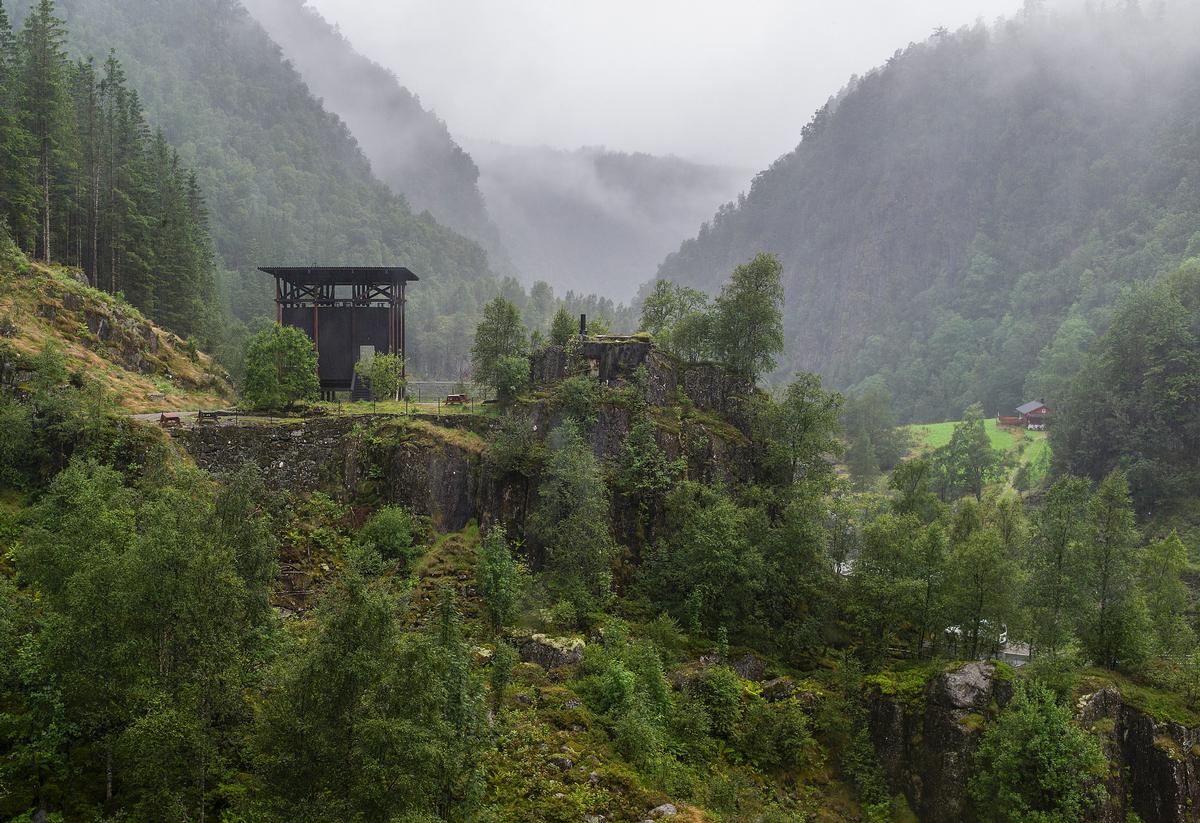
Allmannajuvet zinc mine museum in Sauda, Norway

TAKING IT SLOW

Early in the interview, I ask Zumthor a question. He pauses for a long time, and I make the mistake of interrupting him. He holds up his hand and gives me a stern look.

“Don't say anything!” he says. “I'm thinking! I like to take my time.” He pauses, and looks at me to check I've understood. I nod mutely.

“Okay,” he says, before continuing. This time, I keep quiet, and from this point on, the interview goes smoothly. He measures his words carefully, pauses after my questions to formulate his responses. I slow down to his pace, and I find it helps me to think about his answers, to tune into what he is really saying.

Zumthor is famous for his refusal to be rushed in his work, and has said that he doesn't want to make mistakes by building under a time pressure. I ask him later when a particular project will be finished. “It will take as long as it takes,” he says, simply.

Zumthor's list of completed projects is quite small in part because he takes his time over them, but also because he is very choosy about what he takes on. He is not, he tells me, driven by commercial opportunity.

“I'm a passionate architect,” he says. “Architecture as a business doesn't usually produce good pieces, because if you take it as a business, the result is to make good business, not to make good buildings.” But we all need money, I counter. He shrugs. “We've had times with little money, but I never suffered from that. I never had any serious money problems in my whole life, I've been lucky in that respect.

“Personally, I don't need a lot of money. Maybe for good wine.” He laughs.

“You shouldn't take architecture as a business, you should take it by its core – to try and make beautiful buildings, to be used well.”
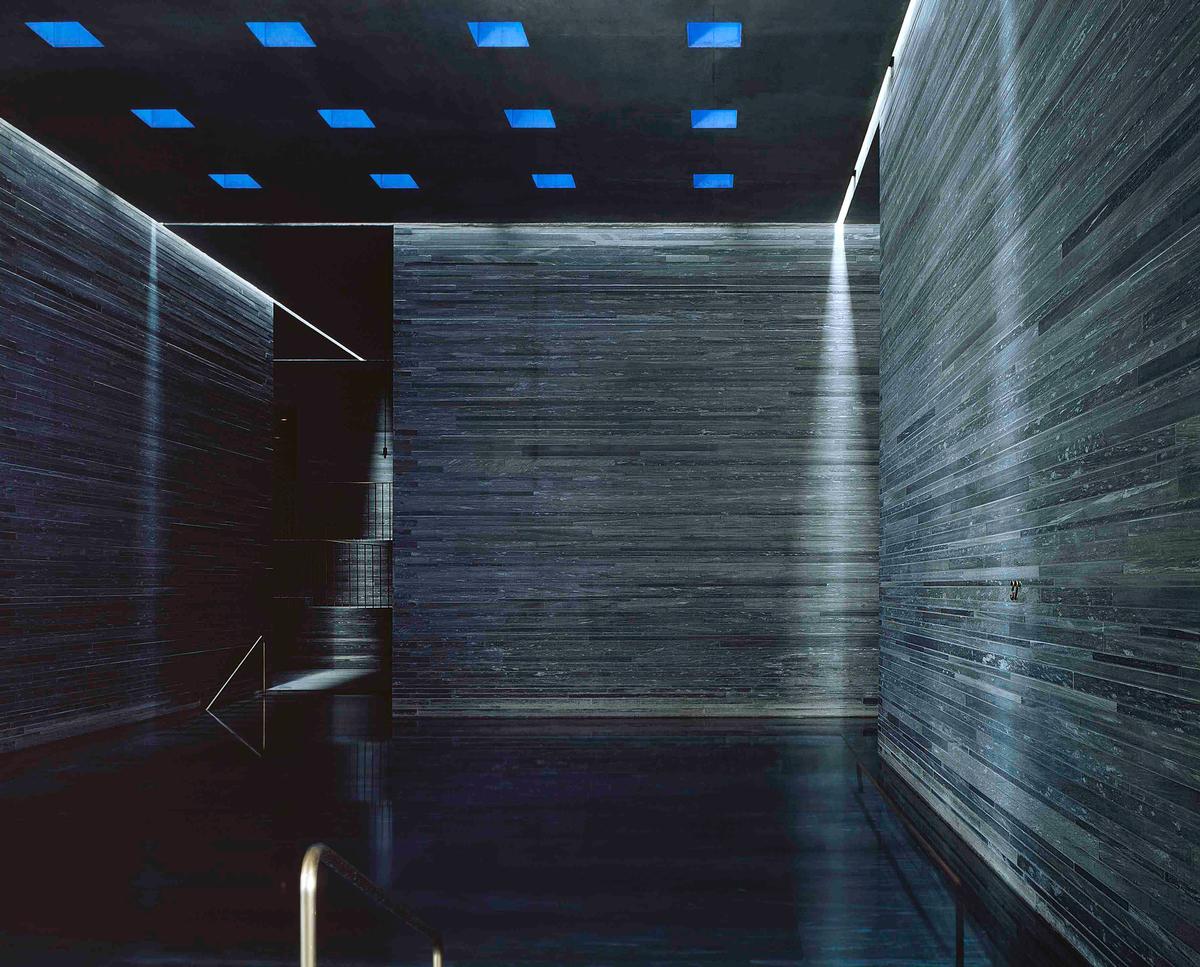
Therme Vals

STARTING OUT

Zumthor was born in 1943 in Basel, Switzerland, the son of a cabinet maker, Oscar Zumthor. The first buildings that really had an impact on him, he tells me, were the buildings of his youth. “My father's house, the first movie theatre I went to, churches, railway stations. I was experiencing architecture before I knew it was architecture.

“I think it’s so important where we grow up. It shapes our relationship to the world.

Zumthor initially trained as a cabinet maker, working alongside his father. “When I started in my father's shop at the age of 20, I wouldn't have dreamed of being an architect,” he says. “This was far away from my thinking, and the thinking of my family. My father once confessed to me that he would have liked to have been an architect, but his mother told him no, we have no money. You have to work'.”

In 1963, Zumthor attended the Kunstgewerbeschule school for applied arts in Basel, before studying industrial design at the Pratt Institute in New York. He then returned to Switzerland, and got a job as building and planning consultant and architectural analyst with the Department for the Preservation of Monuments in Graubünden. In 1978, he set up his own practice in Haldenstein, where he was living with his wife.

His first buildings were all in Switzerland and included several housing projects, a chapel, a small art museum and shelters for a Roman archaeological site. His first high profile project was the Therme Vals spa, built over naturally occurring thermal springs in Graubunden, Switzerland. The thermal baths opened in 1996, and remain one of Zumthor's best loved projects.

It's a beautiful structure, partly submerged into the mountain, built from layers of locally quarried quartzite stone. The combination of light, stone and water creates a quiet but powerful building that was designated as a national monument just two years after opening. “It was a beautiful opportunity to redefine bathing in a hot spring,” says Zumthor.

A year later, his Kunsthaus Bregenz project opened, overlooking Lake Constance in Austria. The glass, steel and cast concrete four storey museum has no visible windows; instead etched glass shingles allow diffused light to illuminate the artworks.

More projects followed, including the Kolumba Museum in Cologne, Germany. The building, which houses the art collection of the Catholic Archdiocese of Cologne, rises from the ruins of an old Gothic church destroyed during the Second World War.

“This was a beautiful opportunity for me to deal with the history of the place, to prove to myself that you can embrace the past and do something which grows out of it, as opposed to making a contrasting building which modern architects sometimes do,” says Zumthor.
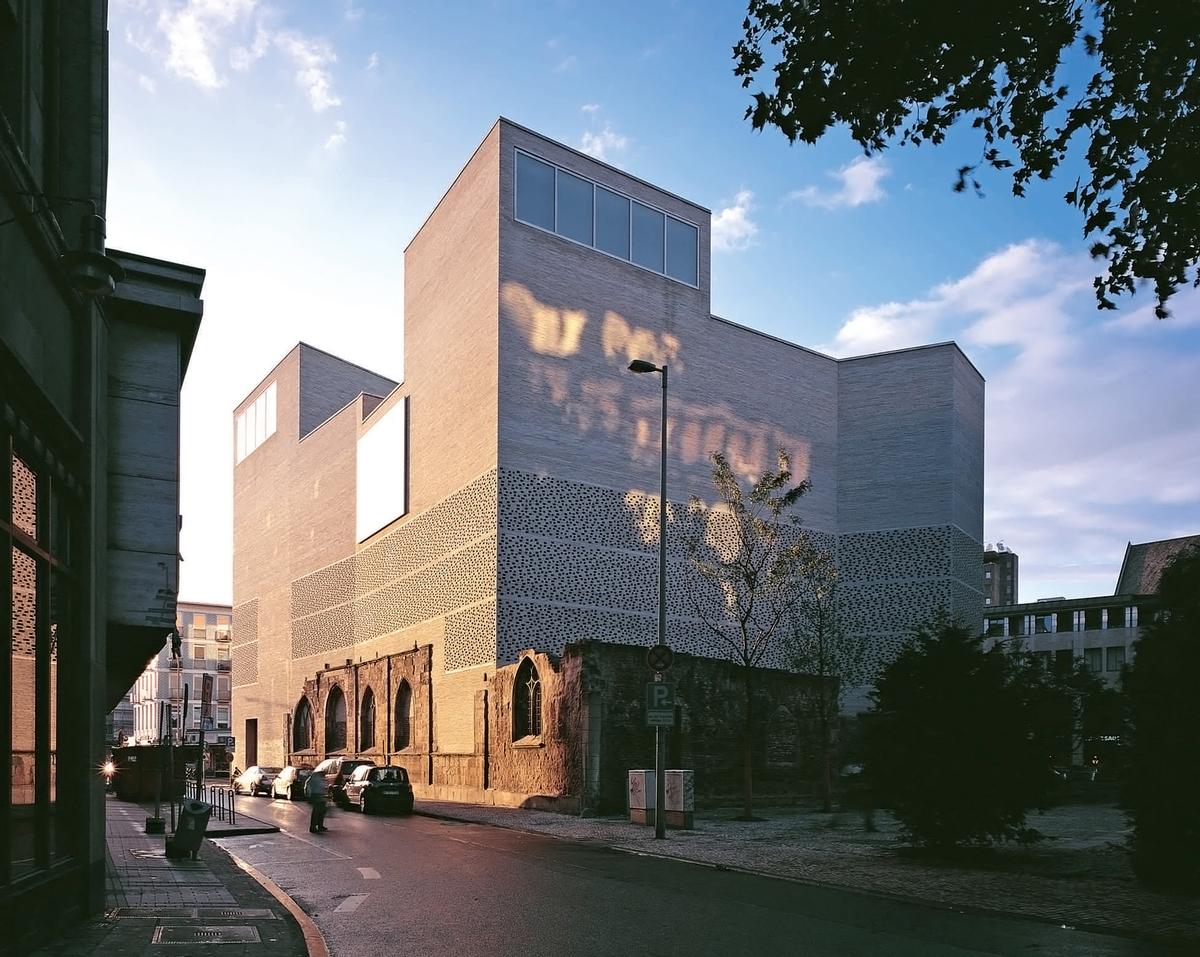
Kolumba Museum

Other projects have included a monument to 91 witches murdered during the 17th century on the island of Vardo in Norway, the 2011 Serpentine Gallery Pavilion in London, and an ongoing project to design a secular retreat in Devon, UK, as part of Alain de Botton's Living Architecture project.

It hasn't all been plain sailing, however. In 1993, Zumthor won a competition to design a museum and documentation centre of the Holocaust in the former Gestapo and SS headquarters in Berlin. Construction was stopped shortly afterwards to funding problems, and Zumthor has cited this as one of the biggest disappointments of his career.

LA COUNTY MUSEUM OF ART

In 2013, Peter Zumthor unveiled his designs for a new home for the LA County Museum of Art (LACMA). His design sees the existing LACMA buildings being demolished and replaced by an elevated, black, organically-shaped structure, inspired by the nearby La Brea tar pits.

A year later, Zumthor and LACMA revealed a revised design, following criticisms by local groups that the original proposals would put the tar pits at risk. The new plans keeps the original structure, but sees it straddling Wiltshire Boulevard instead of encroaching on the pits.

“In a few years, if you look at the building, I would hope you would say, 'ah, this building knows about the tar pits,” says Zumthor, of his aims for the new museum. “Maybe because it's black, maybe because of its organic form. I would like people to look at it and think maybe this building is much older than the other buildings there; that it belongs more to the ancient earth than to the other LA buildings.”

The starting point for the design, says Zumthor, were the objects displayed within the museum.

“The Los Angeles County Museum of Art is basically an encyclopaedic museum of art,” he says. “This means it has a web of objects and paintings. Many of these things were not made for the museum. They have lost their contacts; these objects; you could say they are homeless. I am creating a new home for the homeless objects where they can feel good in their new surroundings.”

It was important for Zumthor to tune into the objects themselves, he continues. “I trust the beauty of the object; I trust that they are telling me something. I’m interested in the feeling of history; the fact that before me there have been generations of people and they have made beautiful objects, and here they come to me. I hear the curators talking, but I trust the beauty of the objects first because explanations change.”

Zumthor's proposals incorporate eight, semi-transparent pavilions, which support the main exhibition level, with access points to the surrounding gardens. The design will also create two and half acres of new public outdoor space, including sculpture gardens, educational spaces and areas for flora and fauna that integrate with the surrounding parkland.

“The museum is not organised in timelines, periods or geographical regions,” he explains. “It's organised like a forest with clearings inside, where we have free choice to go to this clearing, or to the next. I would like to allow an experience of art where people can go and look at the art without didactics, without premature explanations, and make their own experience.”

“The museum is open to the outside; this is very important. You’ll have this almost sacred, sublime kind of experience, but I would also like to accommodate the profane, the dirty, the normal, the everyday.

“You start off down on the ground – this is normal city life – then as you go up you are received in a beautiful big palace for the people. From there you can go to the clearings, and that’s where you have the most intimate and maybe more private experiences of art."

In August 2016, new renderings of the Zumthor's planned LACMA redesign were released. The renders were criticised in some quarters, and Zumthor tells me he was not happy with them.

“These images were created for an environmental review. These are conventional, commercial-looking renderings, which I personally don't like so much,” he says, adding that his studio is currently working on photos taken from models prepared especially for the purpose. “The models allow us to take pictures with natural daylight, the light of the sun, which makes a lot of difference,” he said. “These will explain the building better.”

CREATING EMOTIONAL SPACES

Zumthor has said in the past that his ultimate goal is to “create emotional space” I ask him how he goes about doing this.

“I love buildings,” he says. “When I look back on my life I love the buildings that speak to me by means of their atmospheric qualities, by means of a feeling of history, of being complete.

“This is something basic in life. I look at a person and it’s nice if I could like or love them. It’s a beautiful feeling when I discover that this is a nice relationship. It’s how I experience buildings. In that I’m not alone - everyone shares this idea. I want to make buildings which have the capacity to be loved, that’s all. Nothing special.”

But how does he go about making those buildings, I ask. That's the special part.

“There are many levels,” he says. “As an architect you have to follow the technical levels, the urbanistic levels and so on, but the most important is probably a beautiful unity of use, atmosphere, space. So that the kitchen of my mother looks the kitchen of my mother and not like something strange. It’s about the real thing. That’s what I go for.

“I don’t treat the profession of architecture as a profession of arranging and inventing forms,” he continues. “You don’t hear anything from me like that. These things I want to do need a form, and so I give them this form. I’m extremely sensitive to things which don’t work.”

At this point, Zumthor gestures at the space behind me where the banquette seating meets the wall. “If I look over there and I don’t blur my eyes I can see ‘this meets this, this goes onto this…' I hate everything!” he says. “It’s so bad. Nobody ever cared about this space. Everything is bad...no taste, no talent, pure commerce.

“Many people see what’s ugly and doesn’t work in the world. I have skills and I have talent [to design things that do work]. That’s a gift. Like Roger Federer can play tennis, that’s a gift.” He laughs.
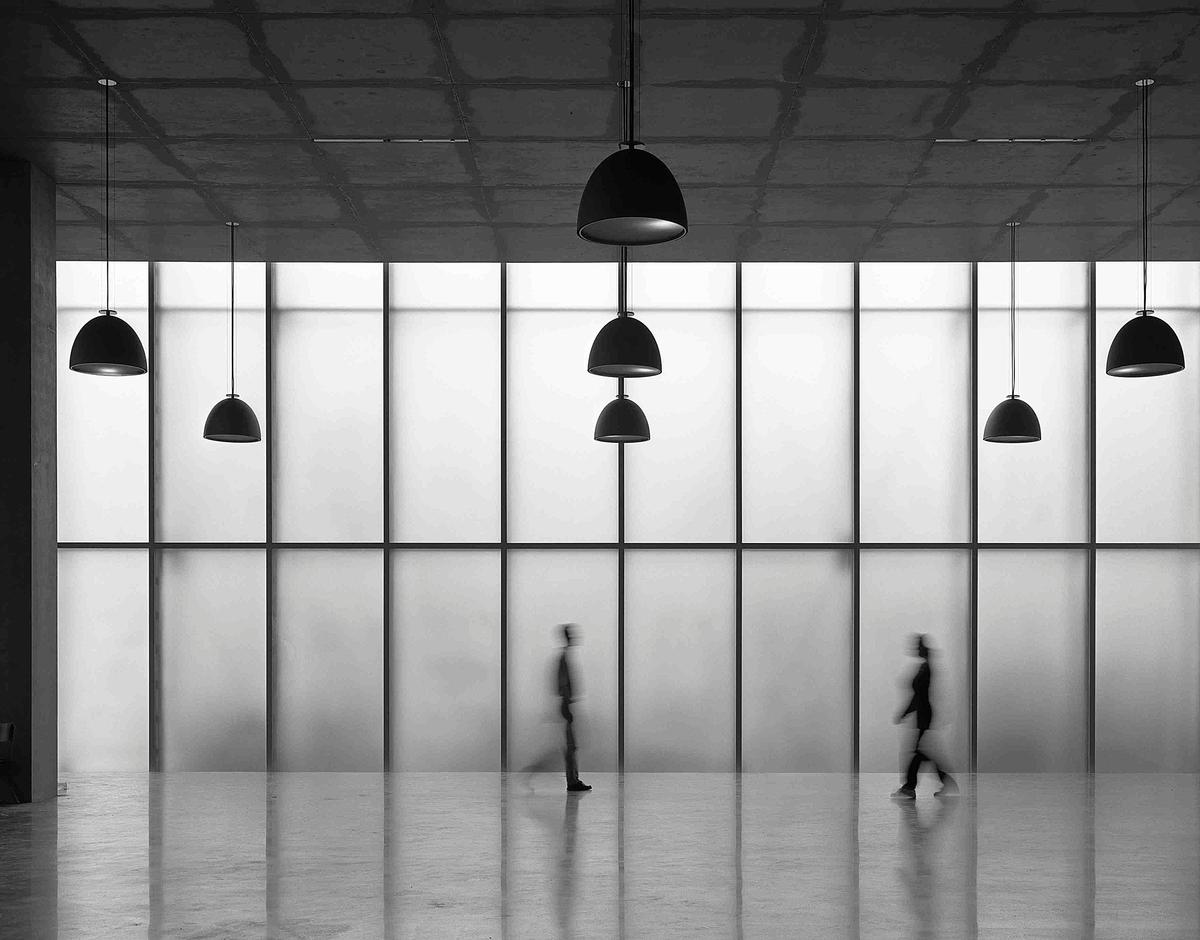
Kunsthaus Bregenz

The next year should also be a busy one for Zumthor. As well as the LACMA project, he is working on designs for a multi million euro extension to the Beyeler Art Museum in Basel, Switzerland, which will add new exhibition and educational facilities to the existing Renzo Piano-designed building.

Other projects include a tea house in Korea, and a building housing a library, exhibition facilities and archives for the Korean poet Ko Un, also in Korea. Zumthor is also working on a large-scale project near Munich called Nantesbuch which he described as a “new form of landscape park. We will invite artists to show their art there, to make site-specific works. We might ask some of them, including myself, to create gardens. We are now in the conceptual stage for that project.”

I have been with Zumthor for around an hour, and he tells me that he has to go straight from our meeting to the airport, to fly back to Switzerland, to his studio in the mountains. Just before he leaves, I ask what his dream future commission would be.

“I would like to build something on the seashore,” he says. “I think the relationship to the sea is beautiful. I have done things with the relationship with the mountains, but not the long horizon of the sea...I like the water, the expanse. It makes me quiet.”

Creating buildings that inspire love is about more than just arranging and inventing forms, argues Peter Zumthor in an exclusive interview with CLAD.
CLD,ARC,DES
THUMB16995_807092.jpg
Latest News
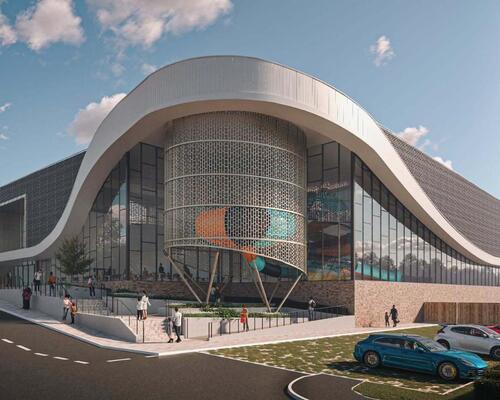
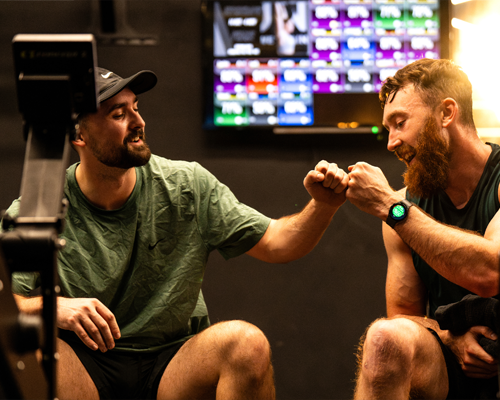
Places Leisure has exchanged contracts to build and operate a flagship £60m water and wellness ...
Latest News
The Republic of Ireland will become the latest market in PureGym’s expanding international portfolio, with ...
Latest News
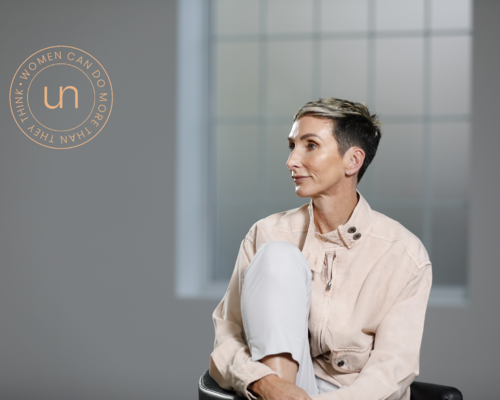
Sophie Lawler, CEO of Total Fitness, has launched a leadership coaching business aimed at helping ...
Latest News
Anytime Fitness opened more than one club a day in 2025 and is on track ...
Latest News
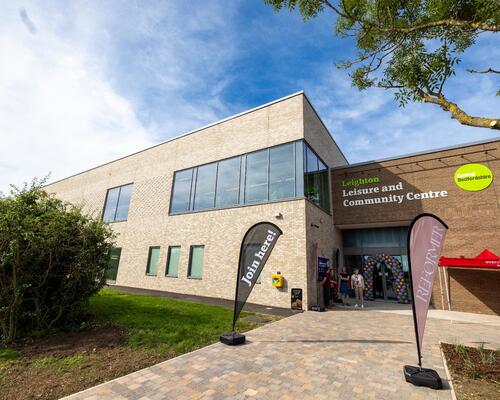
The £33.9 million Leighton Leisure and Community Centre has opened in Leighton Buzzard, UK, creating ...
Latest News
YogaSix, the yoga brand owned by Xponential Fitness, has launched a heated, Pilates-inspired class called ...
Latest News
Walnuts Leisure Centre in Orpington, in the London Borough of Bromley, has reopened following a ...
Latest News
The Gym Group, has announced that it's sustained positive trading momentum has continued through the ...
HCM promotional features
Sponsored
Social fitness the missing link to member engagement, according to a new Myzone report
HCM promotional features
Sponsored
Starpool supports Olympic champion Marcell Jacobs, says Riccardo Turri
HCM promotional features
Sponsored
Find out how your gym can tap into the corporate wellness boom
HCM promotional features
Sponsored
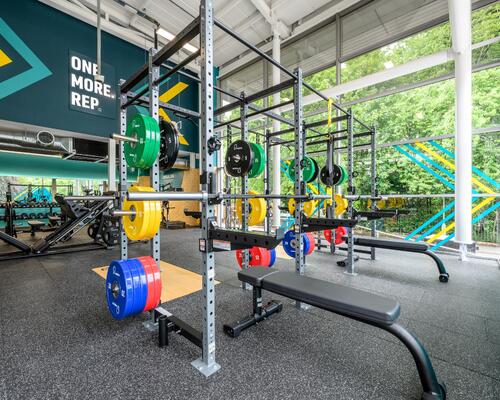
Greg Bradley looks at the shift towards strength training in gyms and advises on how operators can create the ultimate training environment
HCM promotional features
Sponsored
Third Space partnered with IndigoFitness to deliver a bespoke training space for its new club at The Whiteley
HCM promotional features
Sponsored
SnowDome Fitness has added 50 per cent more space with cutting-edge Technogym solutions
HCM promotional features
Sponsored
David Lloyd is stepping up its commitment to women’s health as it continues to explore what fit-for-purpose looks like for the female population
HCM promotional features
Sponsored
EGYM has opened a new HQ in Paternoster Square, London and revealed a range of new launches
HCM promotional features
HCM magazine
As the 20th State of the Industry Report is released, LeisureDB has rebranded to Evolve, as Kath Hudson reports
HCM magazine
New legislation is exposing weakness and potential liabilities in the management of customer data in health clubs, says Andy Chesterman
HCM magazine
We’ve reduced the level of council investment over the last three years by 40 per cent and increased our turnover by 9 per cent
HCM magazine
Software suppliers explain how AI, automation and connected digital experiences can work for the good of operators and consumers
HCM magazine
The new CEO of UK Active talks to HCM about the gym-curious and why he believes the sector can double in size by the end of the next decade
Opinion
promotion
Strength training has moved from the margins to the mainstream.
Opinion: Building smarter strength spaces for today’s operators
Featured supplier news
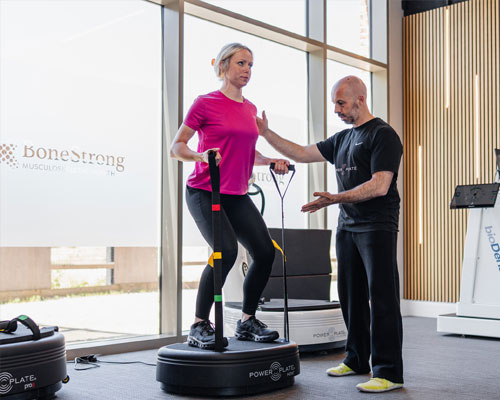
Featured supplier news: Cornerstone Connect helps Active Blackpool tackle health inequalities
Active Blackpool is deploying Cornerstone Connect, a new digital interface allowing disparate information from multiple systems to be aggregated into one dataset, to support its focus on reducing health inequalities and improving healthy life expectancy.
Featured supplier news
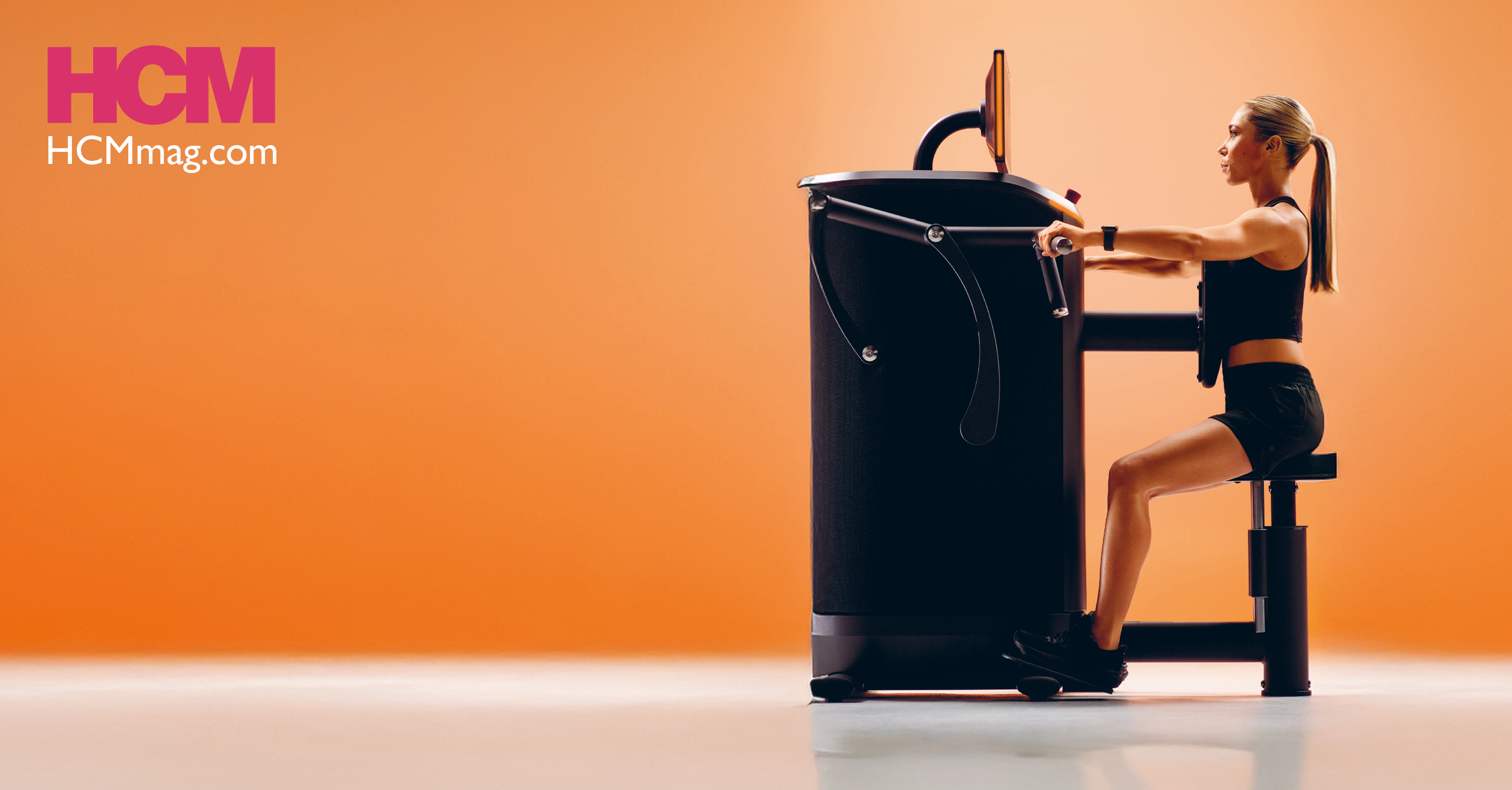
Featured supplier news: CoverMe extends matching service to personal training, rewriting how members and personal trainers connect
CoverMe, the global leader in fitness workforce management, today launches CoverMe PT, an on-demand personal training platform that connects the right personal trainer to the right client in under 10 seconds.
Company profiles
Company profile: Swim England
Swim England was the only governing body of swimming in the world when it was ...
Company profiles
Company profile: JK Group UK and Ireland Plc
JK Group's products are designed and manufactured at our global headquarters in Germany, with a ...
Supplier Showcases
Supplier Showcase - From nightclub to health club
Supplier Showcases
Supplier Showcase - Future-proofing
Catalogue Gallery
Click on a catalogue to view it online
Featured press releases
Alliance Leisure Services (Design, Build and Fund) press release: Studio transformation completed at Burscough Wellbeing and Leisure Hub
Alliance Leisure are proud to have supported West Lancashire Borough Council to deliver a £300,000 studio transformation project at Burscough Wellbeing and Leisure Hub, creating a dedicated group exercise space designed to meet growing demand for fitness
Featured press releases
Pure Energy Music press release: Could you be the last one standing? The new 3½-minute fitness challenge everyone's talking about
#HoldThatBody is a new 3½-minute fitness challenge inviting people everywhere to put their strength, determination and staying power to the test. All you need is a squat or a press- up, one specially engineered soundtrack and the determination not to give up.
Directory
Hot tubs
MSpa International Ltd: Hot tubs
Industrial washing machines
Miele Company Limited: Industrial washing machines
Fitness tracking platform
SpiviTech: Fitness tracking platform
Lockers
Crown Sports Lockers: Lockers
Spa and beauty equipment
Oakworks Inc: Spa and beauty equipment
Water experiences and hydrotherapy solutions
Aquaform s.r.l.: Water experiences and hydrotherapy solutions
Property & Tenders
Stratford, East London.
Lee Valley Regional Park Authority
Property & Tenders
Y Felinheli, LL56 4QN
Newmark
Property & Tenders
Diary dates
21-24 Sep 2026
The Langham Huntington Pasadena , Pasadena, United States
Diary dates
06-08 Oct 2026
Messe Stuttgart, Stuttgart, Germany
Diary dates
22-22 Oct 2026
QEII Conference Centre, London,
Diary dates
26-29 Oct 2027
Koelnmesse Exhibition Centre, Cologne, Germany
Diary dates

Latest news
EXCLUSIVE INTERVIEW: Peter Zumthor on the role of emotions in his work, his latest projects and those LACMA renderings

When I look back on my life I love the buildings that speak to me by means of their atmospheric qualities, by means of a feeling of history, of being complete
– Peter Zumthor

Creating buildings that inspire love is about more than just arranging and inventing forms, argues Peter Zumthor in an exclusive interview with CLAD. The influential Pritzker Prize-winning architect – who also runs through the latest on the Los Angeles County Museum of Art (LACMA) and his forthcoming projects in Korea, Germany, Switzerland and the UK – explains how his gift is to “see what’s ugly and doesn’t work in the world, and design things that do work.”

You can read the full feature below. The new issue of CLADmag – our quarterly magazine – is available to read now online and on digital turning pages.

CLAD editor Magali Robathan meets Peter Zumthor

I am waiting to meet Peter Zumthor in the Club Lounge at London's Langham Hotel. He is late, and I am a little apprehensive.

Zumthor is something of a cult figure within architecture. His body of work may be relatively small, but his influence is huge. He is known for his uncompromising approach to his work, for his craftsmanship and his careful use of materials and light, which can be seen in his best known projects, including the Therme Vals thermal baths in Switzerland, the Kunsthaus Bregenz art gallery in Austria and the Kolumba Diocesan Museum in Cologne, Germany. He has been awarded most of the top architectural prizes, including the Pritzker Prize and the RIBA Gold Medal, and is widely admired by his fellow architects, perhaps because he seems to have achieved what so many dream of – completing a small number of carefully-selected projects to his own high standards, with no apparent compromises.

He also operates a little differently to most architects of his stature. He doesn't have a global company with offices in London, New York or Zurich; instead he keeps his practice deliberately small, employing around 30 people, who work from a Zumthor-designed studio in the small town of Haldenstein in the Graubunden region of Switzerland. He doesn't have a website, he doesn't send press releases, he gives very few interviews and he won't speak to journalists on the phone.

When Zumthor finally arrives, he apologises, telling me that he has come straight from a meeting with his client, the director of the Los Angeles County Museum of Art (LACMA). “We have been working intensively. That's why I'm late,” he says.

Zumthor is working on a $600m redevelopment of LACMA, which will see its ageing structures replaced by one large, organically-shaped building, designed to improve visitor flow, functionality and sustainability. It's Zumthor's first major project in the US, and arguably his largest to date.

I start by asking Zumthor how 2016 was for him. “Busy,” he says. “Full of work. It was a very successful year. I could do what I wanted to do; achieve, expand. Actually, for my health it was almost too much work. For at least half the year I was working seven days a week. Soon I will take a vacation.”

As well as the ongoing LACMA project, Zumthor completed the Allmannajuvet zinc mine museum in Sauda, Norway, in September, and was chosen to design an extension to Renzo Piano's Fondation Beyeler Art Museum extension in his home town of Basel. (“This is beautiful,” he says. “It warms my heart to be designing in the town I come from.”) He is also, he tells me, in the early stages of working on two projects in Korea – a small tea house and a large library, archive and exhibition centre– as well as a large scale park project in Munich.

Allmannajuvet zinc mine museum in Sauda, Norway

TAKING IT SLOW

Early in the interview, I ask Zumthor a question. He pauses for a long time, and I make the mistake of interrupting him. He holds up his hand and gives me a stern look.

“Don't say anything!” he says. “I'm thinking! I like to take my time.” He pauses, and looks at me to check I've understood. I nod mutely.

“Okay,” he says, before continuing. This time, I keep quiet, and from this point on, the interview goes smoothly. He measures his words carefully, pauses after my questions to formulate his responses. I slow down to his pace, and I find it helps me to think about his answers, to tune into what he is really saying.

Zumthor is famous for his refusal to be rushed in his work, and has said that he doesn't want to make mistakes by building under a time pressure. I ask him later when a particular project will be finished. “It will take as long as it takes,” he says, simply.

Zumthor's list of completed projects is quite small in part because he takes his time over them, but also because he is very choosy about what he takes on. He is not, he tells me, driven by commercial opportunity.

“I'm a passionate architect,” he says. “Architecture as a business doesn't usually produce good pieces, because if you take it as a business, the result is to make good business, not to make good buildings.” But we all need money, I counter. He shrugs. “We've had times with little money, but I never suffered from that. I never had any serious money problems in my whole life, I've been lucky in that respect.

“Personally, I don't need a lot of money. Maybe for good wine.” He laughs.

“You shouldn't take architecture as a business, you should take it by its core – to try and make beautiful buildings, to be used well.”

Therme Vals

STARTING OUT

Zumthor was born in 1943 in Basel, Switzerland, the son of a cabinet maker, Oscar Zumthor. The first buildings that really had an impact on him, he tells me, were the buildings of his youth. “My father's house, the first movie theatre I went to, churches, railway stations. I was experiencing architecture before I knew it was architecture.

“I think it’s so important where we grow up. It shapes our relationship to the world.

Zumthor initially trained as a cabinet maker, working alongside his father. “When I started in my father's shop at the age of 20, I wouldn't have dreamed of being an architect,” he says. “This was far away from my thinking, and the thinking of my family. My father once confessed to me that he would have liked to have been an architect, but his mother told him no, we have no money. You have to work'.”

In 1963, Zumthor attended the Kunstgewerbeschule school for applied arts in Basel, before studying industrial design at the Pratt Institute in New York. He then returned to Switzerland, and got a job as building and planning consultant and architectural analyst with the Department for the Preservation of Monuments in Graubünden. In 1978, he set up his own practice in Haldenstein, where he was living with his wife.

His first buildings were all in Switzerland and included several housing projects, a chapel, a small art museum and shelters for a Roman archaeological site. His first high profile project was the Therme Vals spa, built over naturally occurring thermal springs in Graubunden, Switzerland. The thermal baths opened in 1996, and remain one of Zumthor's best loved projects.

It's a beautiful structure, partly submerged into the mountain, built from layers of locally quarried quartzite stone. The combination of light, stone and water creates a quiet but powerful building that was designated as a national monument just two years after opening. “It was a beautiful opportunity to redefine bathing in a hot spring,” says Zumthor.

A year later, his Kunsthaus Bregenz project opened, overlooking Lake Constance in Austria. The glass, steel and cast concrete four storey museum has no visible windows; instead etched glass shingles allow diffused light to illuminate the artworks.

More projects followed, including the Kolumba Museum in Cologne, Germany. The building, which houses the art collection of the Catholic Archdiocese of Cologne, rises from the ruins of an old Gothic church destroyed during the Second World War.

“This was a beautiful opportunity for me to deal with the history of the place, to prove to myself that you can embrace the past and do something which grows out of it, as opposed to making a contrasting building which modern architects sometimes do,” says Zumthor.

Kolumba Museum

Other projects have included a monument to 91 witches murdered during the 17th century on the island of Vardo in Norway, the 2011 Serpentine Gallery Pavilion in London, and an ongoing project to design a secular retreat in Devon, UK, as part of Alain de Botton's Living Architecture project.

It hasn't all been plain sailing, however. In 1993, Zumthor won a competition to design a museum and documentation centre of the Holocaust in the former Gestapo and SS headquarters in Berlin. Construction was stopped shortly afterwards to funding problems, and Zumthor has cited this as one of the biggest disappointments of his career.

LA COUNTY MUSEUM OF ART

In 2013, Peter Zumthor unveiled his designs for a new home for the LA County Museum of Art (LACMA). His design sees the existing LACMA buildings being demolished and replaced by an elevated, black, organically-shaped structure, inspired by the nearby La Brea tar pits.

A year later, Zumthor and LACMA revealed a revised design, following criticisms by local groups that the original proposals would put the tar pits at risk. The new plans keeps the original structure, but sees it straddling Wiltshire Boulevard instead of encroaching on the pits.

“In a few years, if you look at the building, I would hope you would say, 'ah, this building knows about the tar pits,” says Zumthor, of his aims for the new museum. “Maybe because it's black, maybe because of its organic form. I would like people to look at it and think maybe this building is much older than the other buildings there; that it belongs more to the ancient earth than to the other LA buildings.”

The starting point for the design, says Zumthor, were the objects displayed within the museum.

“The Los Angeles County Museum of Art is basically an encyclopaedic museum of art,” he says. “This means it has a web of objects and paintings. Many of these things were not made for the museum. They have lost their contacts; these objects; you could say they are homeless. I am creating a new home for the homeless objects where they can feel good in their new surroundings.”

It was important for Zumthor to tune into the objects themselves, he continues. “I trust the beauty of the object; I trust that they are telling me something. I’m interested in the feeling of history; the fact that before me there have been generations of people and they have made beautiful objects, and here they come to me. I hear the curators talking, but I trust the beauty of the objects first because explanations change.”

Zumthor's proposals incorporate eight, semi-transparent pavilions, which support the main exhibition level, with access points to the surrounding gardens. The design will also create two and half acres of new public outdoor space, including sculpture gardens, educational spaces and areas for flora and fauna that integrate with the surrounding parkland.

“The museum is not organised in timelines, periods or geographical regions,” he explains. “It's organised like a forest with clearings inside, where we have free choice to go to this clearing, or to the next. I would like to allow an experience of art where people can go and look at the art without didactics, without premature explanations, and make their own experience.”

“The museum is open to the outside; this is very important. You’ll have this almost sacred, sublime kind of experience, but I would also like to accommodate the profane, the dirty, the normal, the everyday.

“You start off down on the ground – this is normal city life – then as you go up you are received in a beautiful big palace for the people. From there you can go to the clearings, and that’s where you have the most intimate and maybe more private experiences of art."

In August 2016, new renderings of the Zumthor's planned LACMA redesign were released. The renders were criticised in some quarters, and Zumthor tells me he was not happy with them.

“These images were created for an environmental review. These are conventional, commercial-looking renderings, which I personally don't like so much,” he says, adding that his studio is currently working on photos taken from models prepared especially for the purpose. “The models allow us to take pictures with natural daylight, the light of the sun, which makes a lot of difference,” he said. “These will explain the building better.”

CREATING EMOTIONAL SPACES

Zumthor has said in the past that his ultimate goal is to “create emotional space” I ask him how he goes about doing this.

“I love buildings,” he says. “When I look back on my life I love the buildings that speak to me by means of their atmospheric qualities, by means of a feeling of history, of being complete.

“This is something basic in life. I look at a person and it’s nice if I could like or love them. It’s a beautiful feeling when I discover that this is a nice relationship. It’s how I experience buildings. In that I’m not alone - everyone shares this idea. I want to make buildings which have the capacity to be loved, that’s all. Nothing special.”

But how does he go about making those buildings, I ask. That's the special part.

“There are many levels,” he says. “As an architect you have to follow the technical levels, the urbanistic levels and so on, but the most important is probably a beautiful unity of use, atmosphere, space. So that the kitchen of my mother looks the kitchen of my mother and not like something strange. It’s about the real thing. That’s what I go for.

“I don’t treat the profession of architecture as a profession of arranging and inventing forms,” he continues. “You don’t hear anything from me like that. These things I want to do need a form, and so I give them this form. I’m extremely sensitive to things which don’t work.”

At this point, Zumthor gestures at the space behind me where the banquette seating meets the wall. “If I look over there and I don’t blur my eyes I can see ‘this meets this, this goes onto this…' I hate everything!” he says. “It’s so bad. Nobody ever cared about this space. Everything is bad...no taste, no talent, pure commerce.

“Many people see what’s ugly and doesn’t work in the world. I have skills and I have talent [to design things that do work]. That’s a gift. Like Roger Federer can play tennis, that’s a gift.” He laughs.

Kunsthaus Bregenz

The next year should also be a busy one for Zumthor. As well as the LACMA project, he is working on designs for a multi million euro extension to the Beyeler Art Museum in Basel, Switzerland, which will add new exhibition and educational facilities to the existing Renzo Piano-designed building.

Other projects include a tea house in Korea, and a building housing a library, exhibition facilities and archives for the Korean poet Ko Un, also in Korea. Zumthor is also working on a large-scale project near Munich called Nantesbuch which he described as a “new form of landscape park. We will invite artists to show their art there, to make site-specific works. We might ask some of them, including myself, to create gardens. We are now in the conceptual stage for that project.”

I have been with Zumthor for around an hour, and he tells me that he has to go straight from our meeting to the airport, to fly back to Switzerland, to his studio in the mountains. Just before he leaves, I ask what his dream future commission would be.

“I would like to build something on the seashore,” he says. “I think the relationship to the sea is beautiful. I have done things with the relationship with the mountains, but not the long horizon of the sea...I like the water, the expanse. It makes me quiet.”

Creating buildings that inspire love is about more than just arranging and inventing forms, argues Peter Zumthor in an exclusive interview with CLAD.
CLD,ARC,DES
THUMB16995_807092.jpg

Latest news
Places Leisure has exchanged contracts to build and operate a flagship £60m water and wellness
The Republic of Ireland will become the latest market in PureGym’s expanding international portfolio, with
Sophie Lawler, CEO of Total Fitness, has launched a leadership coaching business aimed at helping
Anytime Fitness opened more than one club a day in 2025 and is on track
The £33.9 million Leighton Leisure and Community Centre has opened in Leighton Buzzard, UK, creating
YogaSix, the yoga brand owned by Xponential Fitness, has launched a heated, Pilates-inspired class called
CoverMe, the global leader in fitness workforce management, today launches CoverMe PT, an on-demand personal
Walnuts Leisure Centre in Orpington, in the London Borough of Bromley, has reopened following a
The Gym Group, has announced that it's sustained positive trading momentum has continued through the
Hyrox has announced it will be working with a second charity in the upcoming season
US low-cost operator, Amped Fitness, has launched a flagship location in Texas, debuting its multi-sensory
Luxury boutique Pilates and wellness studio, X-Club, officially launches a 4,000sq ft flagship at Marylebone
The LifeFit Group continues its buy and build strategy with the acquisition of the Fitness
Active Blackpool is deploying Cornerstone Connect, a new digital interface allowing disparate information from multiple
An ambitious women’s only strength and lifting studio concept is set to launch in Dallas this
Finnish outdoor fitness equipment specialist, Omnigym, has partnered with charity, Emmaüs Solidarité, to launch an
Virgin Active has officially opened its redesigned Mayfair club, unveiling its latest Social Wellness Club
Europe’s largest low-cost operator, Basic-Fit, has agreed to acquire 41 Wellyou clubs in Germany for
Longevity is the most important motivator for today’s exercisers and social connection is key, according
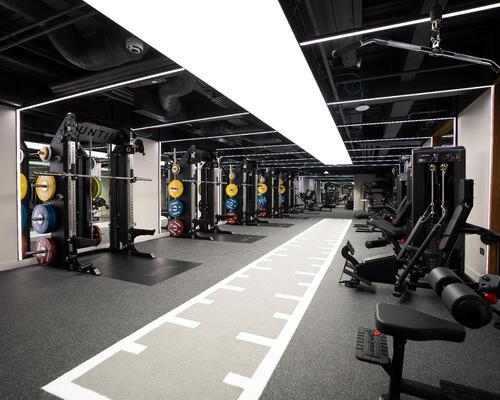
Until has opened its fourth club at Canary Wharf, in the iconic YY London building.
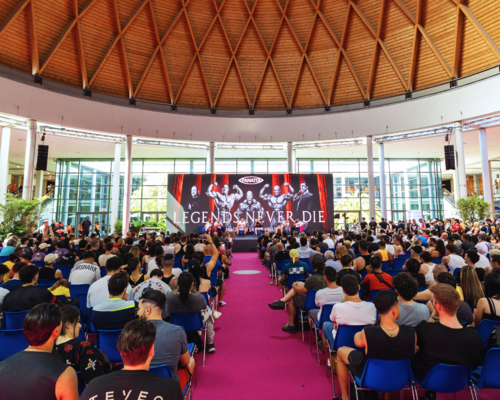
Panatta brought together four of the most influential figures in bodybuilding history on the stage
Ben Allen has been appointed managing director at Common Bond. Having set the company up
Les Mills, whose name became synonymous with one of the world's leading fitness brands, has
1 - 20 of 12,300
HCM promotional features
Sponsored
Social fitness the missing link to member engagement, according to a new Myzone report
HCM promotional features
Sponsored
Starpool supports Olympic champion Marcell Jacobs, says Riccardo Turri
HCM promotional features
Sponsored
Find out how your gym can tap into the corporate wellness boom
HCM promotional features
Sponsored
Greg Bradley looks at the shift towards strength training in gyms and advises on how operators can create the ultimate training environment
HCM promotional features
Sponsored
Third Space partnered with IndigoFitness to deliver a bespoke training space for its new club at The Whiteley
HCM promotional features
Sponsored
SnowDome Fitness has added 50 per cent more space with cutting-edge Technogym solutions
HCM promotional features
Sponsored
David Lloyd is stepping up its commitment to women’s health as it continues to explore what fit-for-purpose looks like for the female population
HCM promotional features
Sponsored
EGYM has opened a new HQ in Paternoster Square, London and revealed a range of new launches
HCM promotional features
HCM magazine
As the 20th State of the Industry Report is released, LeisureDB has rebranded to Evolve, as Kath Hudson reports
HCM magazine
New legislation is exposing weakness and potential liabilities in the management of customer data in health clubs, says Andy Chesterman
HCM magazine
We’ve reduced the level of council investment over the last three years by 40 per cent and increased our turnover by 9 per cent
HCM magazine
Software suppliers explain how AI, automation and connected digital experiences can work for the good of operators and consumers
HCM magazine
The new CEO of UK Active talks to HCM about the gym-curious and why he believes the sector can double in size by the end of the next decade
HCM magazine
World Athletics president, Sebastian Coe talks to Liz Terry about the launch of Run X in partnership with Technogym
HCM magazine
After decades of focusing on adult audiences, operators are starting to engage young people – unlocking growth opportunities while supporting the health and wellbeing of future generations
HCM magazine
A new report puts physical activity at the heart of healthcare, says Muir Gray
HCM magazine
Would you stop selling memberships to prevent your club getting overcrowded? How do you strike the balance between maximising profits and prioritising the member experience? Kath Hudson talks to the experts
HCM magazine
Fuel the debate about issues and opportunities across the industry. We’d love to hear from you. Write to [email protected]
HCM magazine
The fitness industry is mourning the passing of Les Mills, a founding father of fitness, as Kath Hudson reports
HCM magazine
Opinion
promotion
Strength training has moved from the margins to the mainstream.
Opinion: Building smarter strength spaces for today’s operators
Featured supplier news
Featured supplier news: Cornerstone Connect helps Active Blackpool tackle health inequalities
Active Blackpool is deploying Cornerstone Connect, a new digital interface allowing disparate information from multiple systems to be aggregated into one dataset, to support its focus on reducing health inequalities and improving healthy life expectancy.
Featured supplier news
Featured supplier news: CoverMe extends matching service to personal training, rewriting how members and personal trainers connect
CoverMe, the global leader in fitness workforce management, today launches CoverMe PT, an on-demand personal training platform that connects the right personal trainer to the right client in under 10 seconds.
Company profiles
Company profile: Swim England
Swim England was the only governing body of swimming in the world when it was ...
Company profiles
Company profile: JK Group UK and Ireland Plc
JK Group's products are designed and manufactured at our global headquarters in Germany, with a ...
Supplier Showcases
Supplier Showcase - From nightclub to health club
Supplier Showcases
Supplier Showcase - Future-proofing
Catalogue Gallery
Click on a catalogue to view it online
Featured press releases
Alliance Leisure Services (Design, Build and Fund) press release: Studio transformation completed at Burscough Wellbeing and Leisure Hub
Alliance Leisure are proud to have supported West Lancashire Borough Council to deliver a £300,000 studio transformation project at Burscough Wellbeing and Leisure Hub, creating a dedicated group exercise space designed to meet growing demand for fitness
Featured press releases
Pure Energy Music press release: Could you be the last one standing? The new 3½-minute fitness challenge everyone's talking about
#HoldThatBody is a new 3½-minute fitness challenge inviting people everywhere to put their strength, determination and staying power to the test. All you need is a squat or a press- up, one specially engineered soundtrack and the determination not to give up.
Directory
Hot tubs
MSpa International Ltd: Hot tubs
Industrial washing machines
Miele Company Limited: Industrial washing machines
Fitness tracking platform
SpiviTech: Fitness tracking platform
Lockers
Crown Sports Lockers: Lockers
Spa and beauty equipment
Oakworks Inc: Spa and beauty equipment
Water experiences and hydrotherapy solutions
Aquaform s.r.l.: Water experiences and hydrotherapy solutions
Property & Tenders
Stratford, East London.
Lee Valley Regional Park Authority
Property & Tenders
Y Felinheli, LL56 4QN
Newmark
Property & Tenders
Diary dates
21-24 Sep 2026
The Langham Huntington Pasadena , Pasadena, United States
Diary dates
06-08 Oct 2026
Messe Stuttgart, Stuttgart, Germany
Diary dates
22-22 Oct 2026
QEII Conference Centre, London,
Diary dates
26-29 Oct 2027
Koelnmesse Exhibition Centre, Cologne, Germany
Diary dates
Search news, features & products:
Find a supplier:
Partner sites