












Follow Health Club Management on Twitter Like Health Club Management on Facebook Join the discussion with Health Club Management on LinkedIn
FITNESS, HEALTH, WELLNESS

Latest news

WHO report shows increasing activity levels could save Europe €14bn in health costs by 2050

The WHO and OECD have released a new report, Step Up, which analyses the burden of inactivity on the 27 EU member states
Meeting WHO’s recommended minimum of 150 minutes of exercise each week would cut 11.5m new cases of noncommunicable diseases (NCDs) by 2050
Upping to 300 minutes of physical activity per week would prevent a further 16m cases of NCDs
Report states that implementation of physical activity policy packages could save €14bn in health costs by 2050

Almost half of the population of the EU don't exercise or play sport and the impact of this on healthcare services is costing billions, according to a new report.

Step up! Tackling the burden of insufficient physical activity in Europe, from the World Health Organization (WHO) and OECD – with support from the EU – links this lack of physical activity to health decline and economic impact.

It calls on policymakers to step up their policy response to increase physical activity and makes a clear case for why meeting more than the minimum targets would be an effective disease prevention tool carrying a greater health and cost impact.

WHO recommends at least 150 minutes of moderate-intensity exercise each week. According to the report, increasing to this level would prevent 11.5m new cases of noncommunicable diseases (NCDs) by 2050. This includes 3.8m cases of cardiovascular diseases, 3.5m cases of depression, nearly 1m cases of type 2 diabetes and more than 400,000 cases of different cancers.

Raising to minimum levels would also save EU member states 0.6 per cent of their health care budget, on average, a total of nearly €8bn PPP per year. PPP means purchasing power parities – defined as “the rates of currency conversion that try to equalise the purchasing power of different currencies, by eliminating the differences in price levels between countries”.

The report further explains that Germany, Italy and France – which have the greatest healthcare burden from inactivity – will pay out €2bn PPP, €1.3bn PPP and €1bn PPP, respectively, to treat diseases that are caused through a lack of exercise each year between 2022 and 2050.

Citizens engaging in 300 minutes of physical activity per week would prevent a further 16m cases of NCDs.

“Regular physical activity is one of the most important things people can do for a healthy life – not only does it significantly reduce the risk of numerous noncommunicable diseases, but it also improves mental health and increases well-being,” said Dr Kremlin Wickramasinghe, ad interim head of the WHO European Office for the Prevention and Control of Noncommunicable Diseases.

“WHO recommends at least 150 minutes of moderate intensity physical activity per week and every move counts towards better health. Our latest report shows that if everyone in the EU were to meet WHO recommended levels of physical activity, it could prevent more than 10,000 premature deaths each year.”

Breakdown of most vulnerable

The report highlights the three risk factors that increase the risk of chronic diseases: low physical activity, low cardiovascular fitness and sedentary behaviour (such as having a desk job, driving a car or watching TV).

It also provides a breakdown of the most vulnerable demographics and gender differences: only one in five boys compared with one in ten girls meet the WHO recommendations. Out of 17-24 year olds, 73 per cent of men compared with 58 per cent of women meet moderate activity guidelines.

Children and teenagers (age 5-17) should do at least an average of 60 minutes every day of mostly aerobic physical activity. Inactivity is prevalent in adolescents, with less than one in five (17.6 per cent) boys and one in ten (9.6 per cent) girls across the 27 EU member states meeting recommendations in 2018. Adolescents in Italy, France and Portugal engage in the least amount of physical activity.

The report exposes inequalities that exist among socio-economic groups, such as: 24 per cent who consider themselves working class exercise regularly compared with over 51 per cent of upper class.

Policies to up activity and reduce health budget burden

Overall, the report comprises four parts: why physical activity is important; trends and patterns in Europe; the burden of insufficient inactivity; and policy options to increase physical activity. This final section includes examples of schemes that are running in various member states across the EU, which aim to increase the population’s levels of physical activity.

Sports facilities, environmental policies, increased public spending, design and transport policies can all influence health, physical activity and economic outcomes for countries.

It states how previous OECD modelling work showed how physical activity policy packages, including interventions such as prescribing physical activity, investing in active transport and school-based programmes, could lead to significant health gains and savings in health care expenditure.

Implementing such policies make a difference, but are lacking. Wickramasinghe points out that, for example, schemes promoting active travel to school or work are only present in 14 and 17 out of 27 EU member states, respectively.

“Such a package of policies aimed at increasing physical activity, implemented in 36 countries, would prevent 38,000 NCDs per year and save around €14bn in health costs by 2050 – equivalent to the total annual health care expenditure of Greece,” stated the report. “Moreover, for every €1 invested in a physical activity policy package, €1.7 are returned in economic benefits (OECD, 2019[20]).”

Click here to read the full report: www.hcmmag.com/WHO-OECD-StepUpReport2023

Almost half of the European Union (EU) population do not exercise or play sport and the impact of this inactivity on European healthcare services is costing billions.
SAR,PAC,PLY,WAT,SWM,HAF,FIT,IND,PTS,RES,PUB
2023/THUMB350908_570833_727229.jpg
Latest News
An ambitious women’s only strength and lifting studio concept is set to launch in Dallas this ...
Latest News
Finnish outdoor fitness equipment specialist, Omnigym, has partnered with charity, Emmaüs Solidarité, to launch an ...
Latest News
Virgin Active has officially opened its redesigned Mayfair club, unveiling its latest Social Wellness Club ...
Latest News
Europe’s largest low-cost operator, Basic-Fit, has agreed to acquire 41 Wellyou clubs in Germany for ...
Latest News
Longevity is the most important motivator for today’s exercisers and social connection is key, according ...
Latest News
Until has opened its fourth club at Canary Wharf, in the iconic YY London building. ...
Latest News
Ben Allen has been appointed managing director at Common Bond. Having set the company up ...
Latest News
Les Mills, whose name became synonymous with one of the world's leading fitness brands, has ...
HCM promotional features
Sponsored
Greg Bradley looks at the shift towards strength training in gyms and advises on how operators can create the ultimate training environment
HCM promotional features
Sponsored
Third Space partnered with IndigoFitness to deliver a bespoke training space for its new club at The Whiteley
HCM promotional features
Sponsored
SnowDome Fitness has added 50 per cent more space with cutting-edge Technogym solutions
HCM promotional features
Sponsored
Find out how your gym can tap into the corporate wellness boom
HCM promotional features
Sponsored
Starpool supports Olympic champion Marcell Jacobs, says Riccardo Turri
HCM promotional features
Sponsored
David Lloyd is stepping up its commitment to women’s health as it continues to explore what fit-for-purpose looks like for the female population
HCM promotional features
Sponsored
EGYM has opened a new HQ in Paternoster Square, London and revealed a range of new launches
HCM promotional features
Sponsored
Pulse Fitness has created a new health club delivering an elevated wellness experience
HCM promotional features
Promotion
BLK BOX has been reimagining elite performance spaces for more than a decade. Founder and former athlete, Greg Bradley, tells us what it takes
HCM promotional features
HCM magazine
Small improvements to sleep, diet and physical activity have major benefits for the heart, according to new research from the University of Sydney
HCM magazine
Collaborations with the medical profession and greater aspirations around wellbeing are creating a need for more experts in our sector. It’s time to reboot our thinking around the workforce
HCM magazine
Raphael Cuomo explores the powerful link between addiction, health and behaviour change
HCM magazine
Strength training is evolving, driven by changing consumer preferences. Julie Cramer talks to innovators about how their products are meeting this demand
HCM magazine
As the entrepreneur who started Wexer, Fresh Fitness, Fitness DK and Repeat, as well as being a former elite athlete, Rasmus Ingerslev’s life looked perfect from the outside, but onthe inside it was a different story. He talks to Kath Hudson about healing old wounds
Opinion
promotion
Strength training has moved from the margins to the mainstream.
Opinion: Building smarter strength spaces for today’s operators
Featured supplier news
Featured supplier news: CoverMe extends matching service to personal training, rewriting how members and personal trainers connect
CoverMe, the global leader in fitness workforce management, today launches CoverMe PT, an on-demand personal training platform that connects the right personal trainer to the right client in under 10 seconds.
Featured supplier news
Featured supplier news: Cornerstone Connect helps Active Blackpool tackle health inequalities
Active Blackpool is deploying Cornerstone Connect, a new digital interface allowing disparate information from multiple systems to be aggregated into one dataset, to support its focus on reducing health inequalities and improving healthy life expectancy.
Company profiles
Company profile: GLL
GLL
As the UK’s leading provider of both leisure centres and libraries we operate 379 locations ...
Company profiles
Company profile: Swimming Teachers' Association (STA)
The Swimming Teachers’ Association (STA) is a national governing body for swimming and a UK-registered ...
Supplier Showcases
Supplier Showcase - From nightclub to health club
Supplier Showcases
Supplier Showcase - Future-proofing
Catalogue Gallery
Click on a catalogue to view it online
Featured press releases
PSLT press release: New industry report reveals the hidden financial impact of poor equipment servicing across the UK fitness sector
PSLT Fitness Solutions, in partnership with Evolve, has released a new industry report exploring the often-overlooked financial and operational consequences of poor equipment servicing within the UK fitness industry.
Featured press releases
Elevate Arena press release: India is on the move and Elevate is at the heart of it
We are still absolutely buzzing after an incredible couple of days at Excel London!
Directory
Hot tubs
MSpa International Ltd: Hot tubs
Industrial washing machines
Miele Company Limited: Industrial washing machines
Spa and beauty equipment
Oakworks Inc: Spa and beauty equipment
Fitness tracking platform
SpiviTech: Fitness tracking platform
Lockers
Crown Sports Lockers: Lockers
Water experiences and hydrotherapy solutions
Aquaform s.r.l.: Water experiences and hydrotherapy solutions
Property & Tenders
Stratford, East London.
Lee Valley Regional Park Authority
Property & Tenders
Y Felinheli, LL56 4QN
Newmark
Property & Tenders
Diary dates
21-24 Sep 2026
The Langham Huntington Pasadena , Pasadena, United States
Diary dates
06-08 Oct 2026
Messe Stuttgart, Stuttgart, Germany
Diary dates
22-22 Oct 2026
QEII Conference Centre, London,
Diary dates
26-29 Oct 2027
Koelnmesse Exhibition Centre, Cologne, Germany
Diary dates

Latest news

WHO report shows increasing activity levels could save Europe €14bn in health costs by 2050

The WHO and OECD have released a new report, Step Up, which analyses the burden of inactivity on the 27 EU member states
Meeting WHO’s recommended minimum of 150 minutes of exercise each week would cut 11.5m new cases of noncommunicable diseases (NCDs) by 2050
Upping to 300 minutes of physical activity per week would prevent a further 16m cases of NCDs
Report states that implementation of physical activity policy packages could save €14bn in health costs by 2050

Almost half of the population of the EU don't exercise or play sport and the impact of this on healthcare services is costing billions, according to a new report.

Step up! Tackling the burden of insufficient physical activity in Europe, from the World Health Organization (WHO) and OECD – with support from the EU – links this lack of physical activity to health decline and economic impact.

It calls on policymakers to step up their policy response to increase physical activity and makes a clear case for why meeting more than the minimum targets would be an effective disease prevention tool carrying a greater health and cost impact.

WHO recommends at least 150 minutes of moderate-intensity exercise each week. According to the report, increasing to this level would prevent 11.5m new cases of noncommunicable diseases (NCDs) by 2050. This includes 3.8m cases of cardiovascular diseases, 3.5m cases of depression, nearly 1m cases of type 2 diabetes and more than 400,000 cases of different cancers.

Raising to minimum levels would also save EU member states 0.6 per cent of their health care budget, on average, a total of nearly €8bn PPP per year. PPP means purchasing power parities – defined as “the rates of currency conversion that try to equalise the purchasing power of different currencies, by eliminating the differences in price levels between countries”.

The report further explains that Germany, Italy and France – which have the greatest healthcare burden from inactivity – will pay out €2bn PPP, €1.3bn PPP and €1bn PPP, respectively, to treat diseases that are caused through a lack of exercise each year between 2022 and 2050.

Citizens engaging in 300 minutes of physical activity per week would prevent a further 16m cases of NCDs.

“Regular physical activity is one of the most important things people can do for a healthy life – not only does it significantly reduce the risk of numerous noncommunicable diseases, but it also improves mental health and increases well-being,” said Dr Kremlin Wickramasinghe, ad interim head of the WHO European Office for the Prevention and Control of Noncommunicable Diseases.

“WHO recommends at least 150 minutes of moderate intensity physical activity per week and every move counts towards better health. Our latest report shows that if everyone in the EU were to meet WHO recommended levels of physical activity, it could prevent more than 10,000 premature deaths each year.”

Breakdown of most vulnerable

The report highlights the three risk factors that increase the risk of chronic diseases: low physical activity, low cardiovascular fitness and sedentary behaviour (such as having a desk job, driving a car or watching TV).

It also provides a breakdown of the most vulnerable demographics and gender differences: only one in five boys compared with one in ten girls meet the WHO recommendations. Out of 17-24 year olds, 73 per cent of men compared with 58 per cent of women meet moderate activity guidelines.

Children and teenagers (age 5-17) should do at least an average of 60 minutes every day of mostly aerobic physical activity. Inactivity is prevalent in adolescents, with less than one in five (17.6 per cent) boys and one in ten (9.6 per cent) girls across the 27 EU member states meeting recommendations in 2018. Adolescents in Italy, France and Portugal engage in the least amount of physical activity.

The report exposes inequalities that exist among socio-economic groups, such as: 24 per cent who consider themselves working class exercise regularly compared with over 51 per cent of upper class.

Policies to up activity and reduce health budget burden

Overall, the report comprises four parts: why physical activity is important; trends and patterns in Europe; the burden of insufficient inactivity; and policy options to increase physical activity. This final section includes examples of schemes that are running in various member states across the EU, which aim to increase the population’s levels of physical activity.

Sports facilities, environmental policies, increased public spending, design and transport policies can all influence health, physical activity and economic outcomes for countries.

It states how previous OECD modelling work showed how physical activity policy packages, including interventions such as prescribing physical activity, investing in active transport and school-based programmes, could lead to significant health gains and savings in health care expenditure.

Implementing such policies make a difference, but are lacking. Wickramasinghe points out that, for example, schemes promoting active travel to school or work are only present in 14 and 17 out of 27 EU member states, respectively.

“Such a package of policies aimed at increasing physical activity, implemented in 36 countries, would prevent 38,000 NCDs per year and save around €14bn in health costs by 2050 – equivalent to the total annual health care expenditure of Greece,” stated the report. “Moreover, for every €1 invested in a physical activity policy package, €1.7 are returned in economic benefits (OECD, 2019[20]).”

Click here to read the full report: www.hcmmag.com/WHO-OECD-StepUpReport2023

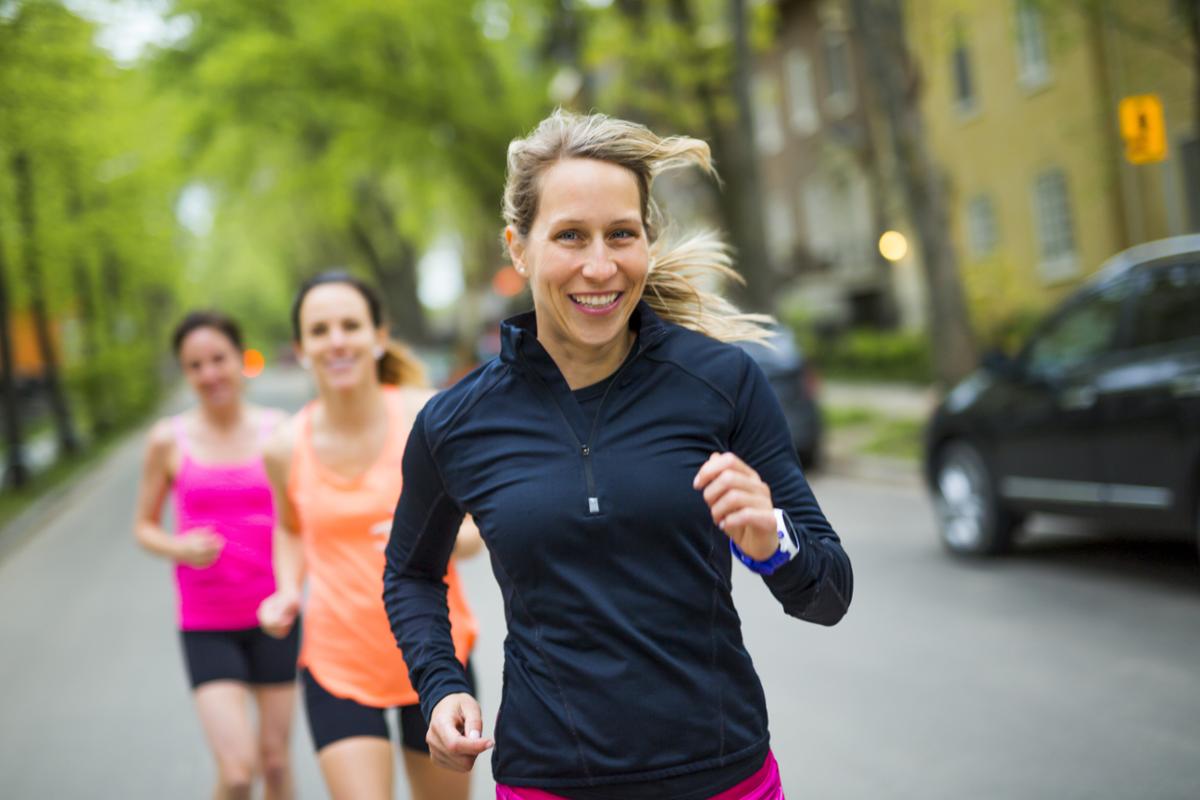
Almost half of the European Union (EU) population do not exercise or play sport and the impact of this inactivity on European healthcare services is costing billions.
SAR,PAC,PLY,WAT,SWM,HAF,FIT,IND,PTS,RES,PUB
2023/THUMB350908_570833_727229.jpg

Latest news

An ambitious women’s only strength and lifting studio concept is set to launch in Dallas this
Finnish outdoor fitness equipment specialist, Omnigym, has partnered with charity, Emmaüs Solidarité, to launch an
Virgin Active has officially opened its redesigned Mayfair club, unveiling its latest Social Wellness Club
Europe’s largest low-cost operator, Basic-Fit, has agreed to acquire 41 Wellyou clubs in Germany for
Longevity is the most important motivator for today’s exercisers and social connection is key, according
Until has opened its fourth club at Canary Wharf, in the iconic YY London building.
CoverMe, the global leader in fitness workforce management, today launches CoverMe PT, an on-demand personal
Ben Allen has been appointed managing director at Common Bond. Having set the company up
Les Mills, whose name became synonymous with one of the world's leading fitness brands, has
People taking GLP-1 weight loss medications such as Ozempic, Wegovy, Mounjaro and Zepbound may be
Low-cost gym operator, PureGym, is trialling recovery zones at two of its UK sites, democratising
In a milestone moment, mental health has become a core part of CIMSPA’s occupational professional
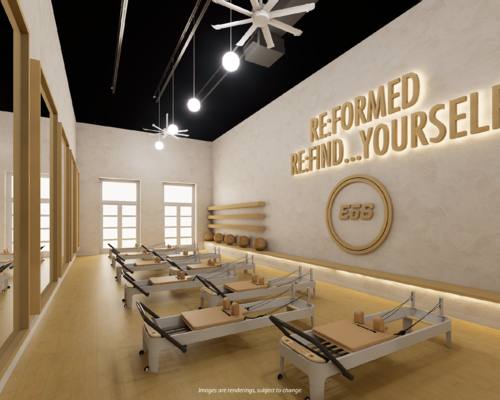
US high-value, low-price chain, Eos Fitness, has announced plans to pilot reformer Pilates in three
Active Blackpool is deploying Cornerstone Connect, a new digital interface allowing disparate information from multiple
Preventive healthcare company Neko Health has added body composition analysis to its full-body health scan
Chequan Lewis is the new CEO of Crunch Fitness, taking over from Jim Rowley, who
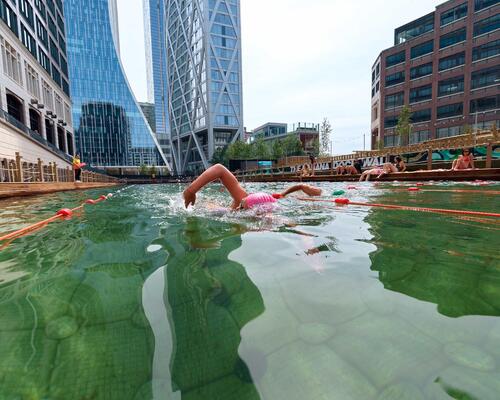
Sea Lanes Canary Wharf has officially opened. The 50-metre, six-lane pool, which uses the natural
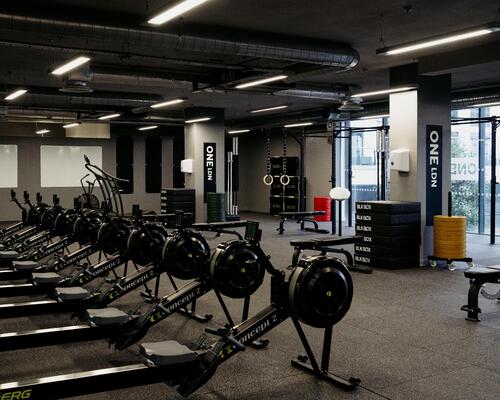
London-based high-performance fitness club, ONE LDN, is raising funds for a multi-site expansion across London,
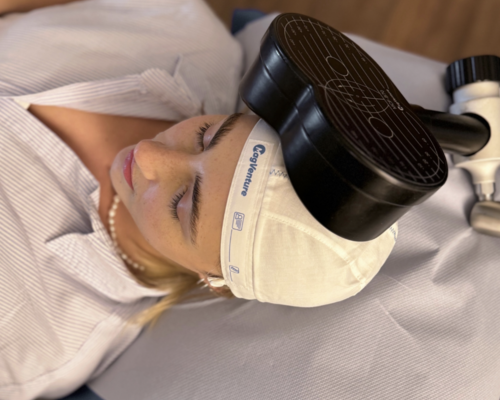
A new brain clinic has opened in London, which uses non-invasive brain stimulation to treat
Good Boost’s digital exercise programmes are helping adults with MSK at a lower cost than
With Prime Minister, Keir Starmer, announcing his resignation this morning and Andy Burnham as a
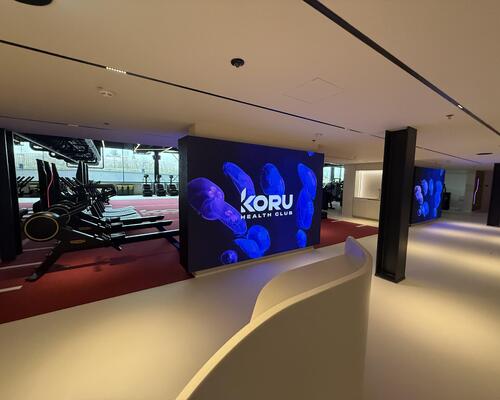
Koru Health Club launched recently within Luxembourg’s multi-experience destination, GRID X, which combines culture, retail
1 - 20 of 12,300
HCM promotional features
Sponsored
Greg Bradley looks at the shift towards strength training in gyms and advises on how operators can create the ultimate training environment
HCM promotional features
Sponsored
Third Space partnered with IndigoFitness to deliver a bespoke training space for its new club at The Whiteley
HCM promotional features
Sponsored
SnowDome Fitness has added 50 per cent more space with cutting-edge Technogym solutions
HCM promotional features
Sponsored
Find out how your gym can tap into the corporate wellness boom
HCM promotional features
Sponsored
Starpool supports Olympic champion Marcell Jacobs, says Riccardo Turri
HCM promotional features
Sponsored
David Lloyd is stepping up its commitment to women’s health as it continues to explore what fit-for-purpose looks like for the female population
HCM promotional features
Sponsored
EGYM has opened a new HQ in Paternoster Square, London and revealed a range of new launches
HCM promotional features
Sponsored
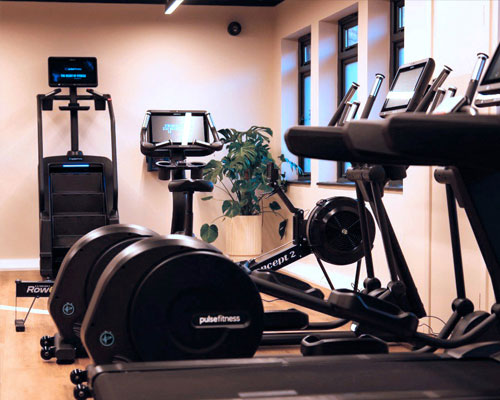
Pulse Fitness has created a new health club delivering an elevated wellness experience
HCM promotional features
Promotion
BLK BOX has been reimagining elite performance spaces for more than a decade. Founder and former athlete, Greg Bradley, tells us what it takes
HCM promotional features
HCM magazine
Small improvements to sleep, diet and physical activity have major benefits for the heart, according to new research from the University of Sydney
HCM magazine
Collaborations with the medical profession and greater aspirations around wellbeing are creating a need for more experts in our sector. It’s time to reboot our thinking around the workforce
HCM magazine
Raphael Cuomo explores the powerful link between addiction, health and behaviour change
HCM magazine
Strength training is evolving, driven by changing consumer preferences. Julie Cramer talks to innovators about how their products are meeting this demand
HCM magazine
As the entrepreneur who started Wexer, Fresh Fitness, Fitness DK and Repeat, as well as being a former elite athlete, Rasmus Ingerslev’s life looked perfect from the outside, but onthe inside it was a different story. He talks to Kath Hudson about healing old wounds
HCM magazine
For every member with a tripod and a big following, there are others irritated at the way equipment is being hogged or wary they’ll be in the background on someone’s Insta feed. Do influencers offer valuable, free marketing or are they just a nuisance? Kath Hudson finds out how operators are responding
HCM magazine
HCM People

Stephen Price

Founder, SP&Co Group
Working in public health over the last few years has lit up parts of my brain again
HCM magazine
If the health service is to survive, we must recognise that it is a disease service – and that wellbeing rests with us, says the activity advocate and healthy ageing champion. He talks to Kate Cracknell
HCM magazine
I experienced a blissful feeling of joy I hadn’t felt since I was a kid
HCM magazine
UK market penetration has risen to 18 per cent – one of the highest globally, yet with 100 per cent of people seeing benefits when they exercise, how high could it go? Kath Hudson asks the experts…
HCM magazine
The Les Mills partnership with Hyrox is something I'm personally really excited about
HCM magazine
Opinion
promotion
Strength training has moved from the margins to the mainstream.
Opinion: Building smarter strength spaces for today’s operators
Featured supplier news

Featured supplier news: CoverMe extends matching service to personal training, rewriting how members and personal trainers connect
CoverMe, the global leader in fitness workforce management, today launches CoverMe PT, an on-demand personal training platform that connects the right personal trainer to the right client in under 10 seconds.
Featured supplier news

Featured supplier news: Cornerstone Connect helps Active Blackpool tackle health inequalities
Active Blackpool is deploying Cornerstone Connect, a new digital interface allowing disparate information from multiple systems to be aggregated into one dataset, to support its focus on reducing health inequalities and improving healthy life expectancy.
Company profiles
Company profile: GLL
GLL
As the UK’s leading provider of both leisure centres and libraries we operate 379 locations ...
Company profiles
Company profile: Swimming Teachers' Association (STA)
The Swimming Teachers’ Association (STA) is a national governing body for swimming and a UK-registered ...
Supplier Showcases
Supplier Showcase - From nightclub to health club
Supplier Showcases
Supplier Showcase - Future-proofing
Catalogue Gallery
Click on a catalogue to view it online
Featured press releases
PSLT press release: New industry report reveals the hidden financial impact of poor equipment servicing across the UK fitness sector
PSLT Fitness Solutions, in partnership with Evolve, has released a new industry report exploring the often-overlooked financial and operational consequences of poor equipment servicing within the UK fitness industry.
Featured press releases
Elevate Arena press release: India is on the move and Elevate is at the heart of it
We are still absolutely buzzing after an incredible couple of days at Excel London!
Directory
Hot tubs
MSpa International Ltd: Hot tubs
Industrial washing machines
Miele Company Limited: Industrial washing machines
Spa and beauty equipment
Oakworks Inc: Spa and beauty equipment
Fitness tracking platform
SpiviTech: Fitness tracking platform
Lockers
Crown Sports Lockers: Lockers
Water experiences and hydrotherapy solutions
Aquaform s.r.l.: Water experiences and hydrotherapy solutions
Property & Tenders
Stratford, East London.
Lee Valley Regional Park Authority
Property & Tenders
Y Felinheli, LL56 4QN
Newmark
Property & Tenders
Diary dates
21-24 Sep 2026
The Langham Huntington Pasadena , Pasadena, United States
Diary dates
06-08 Oct 2026
Messe Stuttgart, Stuttgart, Germany
Diary dates
22-22 Oct 2026
QEII Conference Centre, London,
Diary dates
26-29 Oct 2027
Koelnmesse Exhibition Centre, Cologne, Germany
Diary dates
Search news, features & products:
Find a supplier:
Partner sites