




















features
Specifier: The power of recovery
Once the preserve of elite athletes, recovery is now firmly in the mainstream, with consumers driving demand, as Liz Terry reports


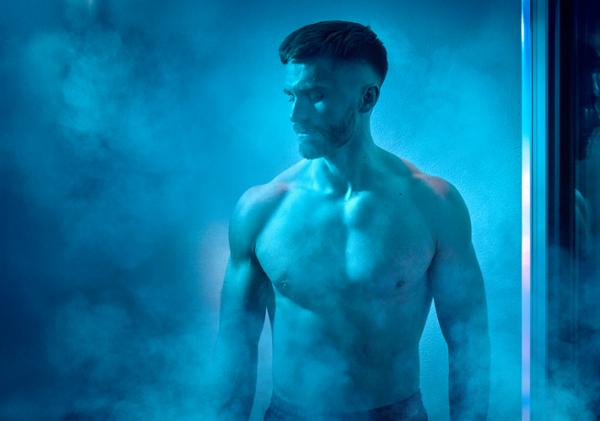
As health clubs, spas and social wellness concepts evolve to meet the expectations of increasingly informed and performance-conscious consumers, investment in recovery facilities and services has become a priority.
Recovery isn’t just an add-on, it’s a commercial opportunity in its own right and done well, it can transform the member experience and create a point of difference in an increasingly crowded marketplace.
Consumers are seeking a more holistic approach to the management of their health and increasingly understanding that physical gains, injury prevention and long-term wellbeing rely as much on healing and recovery as they do on exercise.
Science meets experience
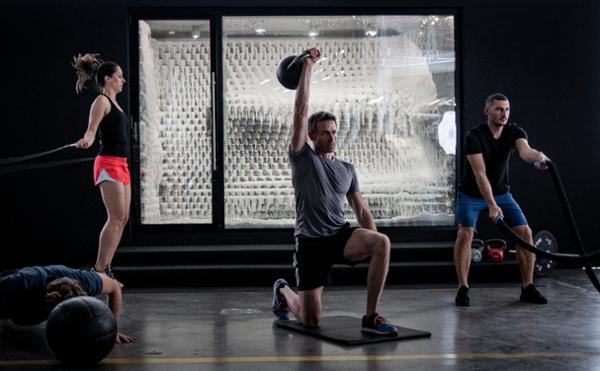
Contrast bathing is one of the most popular and fastest growing recovery modalities, with saunas, warm pools, ice baths, snowrooms and cryotherapy being combined to create a variety of concepts.
Alternating hot and cold stimulates circulation, accelerates the removal of metabolites from the tissues and supports faster recovery.
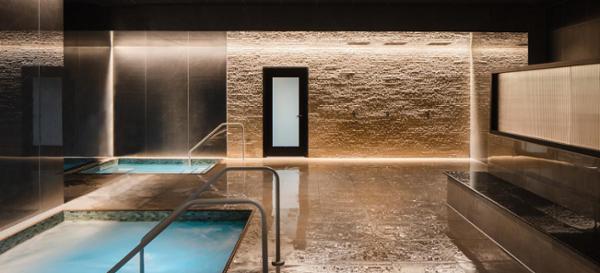
A well-designed contrast bathing area signals to members that they’re entering a premium wellness environment, with hygiene a major consideration for many – ice baths with an accumulation of body hair floating in the water won’t cut it.
Also important is energy-efficient kit, to reduce operating costs and we’re seeing heat from data centres –for example – being reused in health club and leisure settings.
The issue of how cold to go is one operators are grappling with, as some consumers find very low temperatures too hard to handle.
This isn’t an issue with the actual facilities, but with the way they’re being managed, with cold baths set at too low a temperature for many.
This is especially important given the menstrual cycle can impact the way women respond to and are able to tolerate cold at certain times.
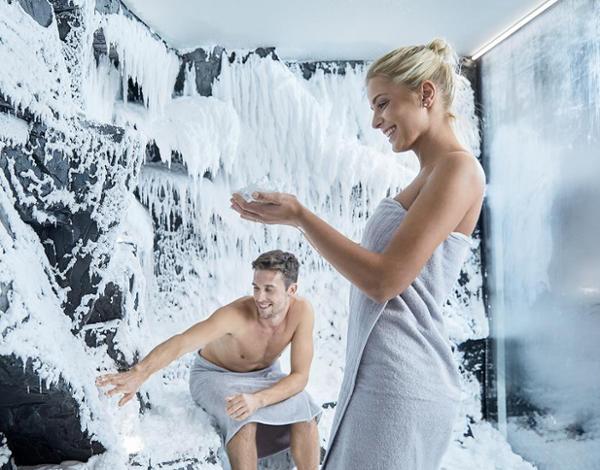
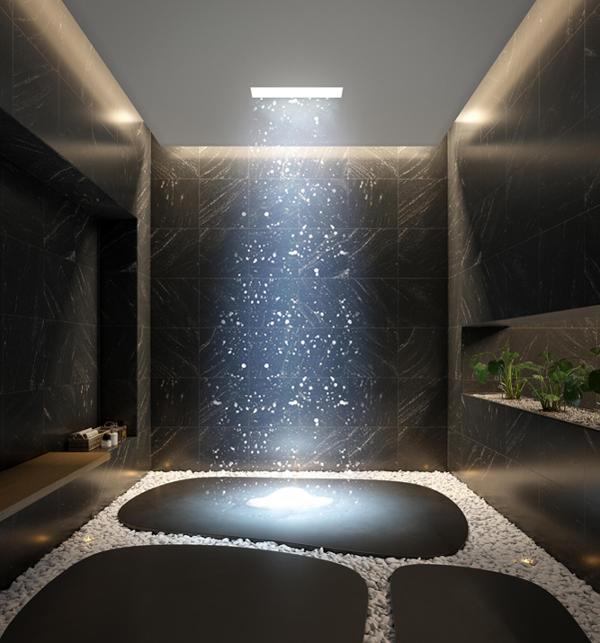
Some operators, such as Third Space in London, are opting for a more forgiving ‘cold’ option to make contrast bathing more accessible, while still being effective. Others are installing equipment such as TechnoAplin’s snowroom (-10º) or showshowers, which deliver falling snow to create a contrast without shocking, while Pure Group in Hong Kong has developed a contrast bathing shower experience for its new Re:set concept.
The aim is to effectively engage consumers with contrast bathing by offering temperatures that work for the majority, while still supporting those who really want a really hardcore ‘cold’ experience.
Supercooling
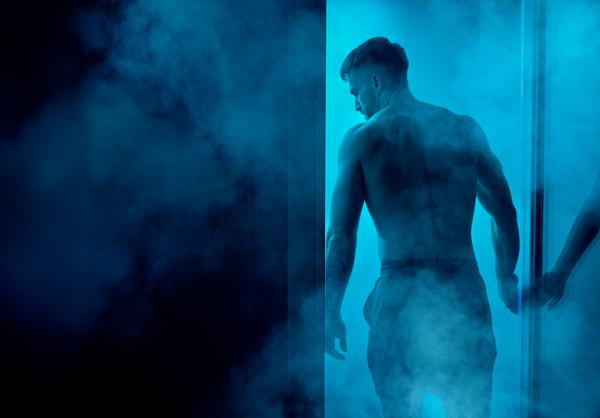
Also emerging is cryotherapy, which exposes the body to temperatures between -110°C and -150°C for 2-4 minutes, triggering the fight-or-flight response, with vasoconstriction and endorphin release reducing inflammation and reperfusion delivering oxygen- and nutrient-rich blood to aid repair and recovery.
Cryotherapy units come in a range of sizes and can be combined with other modalities, such as intermittent vacuum therapy – supplied by Art of Cryo – to deliver new types of recovery.
Automating massage
One of the most powerful modalities, massage, can speed healing and recovery, rebalance the body and resolve adhesions, especially when combined with acupuncture.
Making a therapy room available, staffed by therapists who are trained to work with athletes will elevate a club to another level.
However, regular massage is beyond the budget of many consumers, opening the door for automated and mechanised systems – such as HydroMassage beds by Wellness Space Brands, which are used by Planet Fitness and offer high utilisation without staff costs.
In addition, robot massage systems from companies such as Aescape, Cap Six and Robosculptor (www.hcmmag.com/robotmassage) can deliver convenience for members, while enabling operators to offer a service with lower overheads.
They’ll never beat a great massage from a therapist, but can be an effective add-on and also attractive for people who are less comfortable being touched.
The power of compression
Compression boots, such as Normatec by Hyperice and Therabody’s RecoverAir are becoming a regular sight in gyms, illustrating the commercial appeal of portable, lower-cost tech that can deliver results, as more people become interested in training like an athlete.
With benefits ranging from reduced muscle soreness to faster return-to-training, these products, with their compact footprint, hygienic design and relatively low cost make them an easy entry point into recovery for health clubs.
Tapping the light spectrum
Light therapy – or photobiomodulation – is one of the most exciting growth areas in recovery, as it extends far beyond muscle repair. Proven to deliver results across a number of areas, including anti-ageing, skin rejuvenation, stress reduction and sleep optimisation, it appeals to athletes and members seeking wellness solutions and rehabilitation.
Light therapy uses specific wavelengths of light to stimulate cellular function and accelerate recovery. Red light (around 600–700nm) penetrates superficially, supporting skin repair, circulation and the creation of collagen. Near-infrared light (800–1,000nm) reaches deeper, aiding muscle recovery, reducing inflammation and promoting mitochondrial energy production. Some systems combine red and near-infrared for a synergistic effect. Blue light is also used in some cases for its antimicrobial benefits to improve skin health.
Photobiomodulation can also reduce DOMS, help joint mobility, speed up tissue repair and improve overall wellbeing, making it a versatile recovery tool.
Going hyperbaric
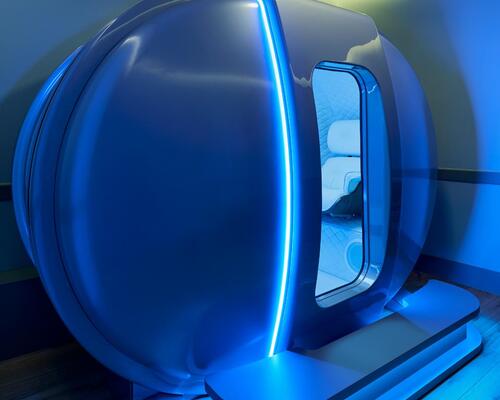
Hyperbaric oxygen therapy (HBOT) chambers, such as the one at Surrenne in London, are beginning to appear as part of high-end recovery offerings. These sealed chambers deliver oxygen at increased atmospheric pressure, enabling more to dissolve in the bloodstream and are believed to accelerate tissue repair, reduce inflammation and support post-exercise recovery.
From an operational point of view, HBOT chambers need dedicated space, medical-grade installation and trained staff. Scheduling needs to be tightly managed, because sessions typically run for between 60 and 90 minutes, impacting throughput when compared with compression or light therapy.
Operators are advised to view HBOT less as a high-throughput offering and more as a premium, service that’s positioned within recovery suites or sold as part of a performance membership.
HBOT is a semi-medical intervention with some associated risks, so trained supervision is essential.
In the recovery zone
All these offerings can be positioned next to rest, stretching or spa areas and supplemented with classes such as breathwork, meditation, pilates, yoga and sound healing to create recovery zones.
By integrating recovery into membership tiers or offering pay-per-use sessions as an upsell, clubs can tap into new revenue sources while also delighting members and supporting their wellness journey.
Liz Terry is editor of HCM
At Third Space we’ve been consistently investing in our gym floor recovery areas with mechanised rollers, Normatec boots, massage guns and so on. We also offer massages across the clubs alongside our sports medical offering of physiotherapy, osteopathy and podiatry.
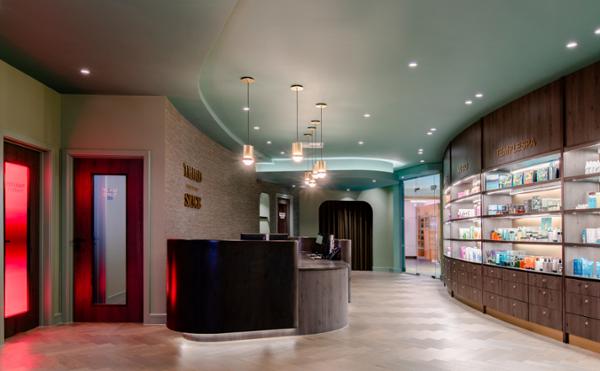
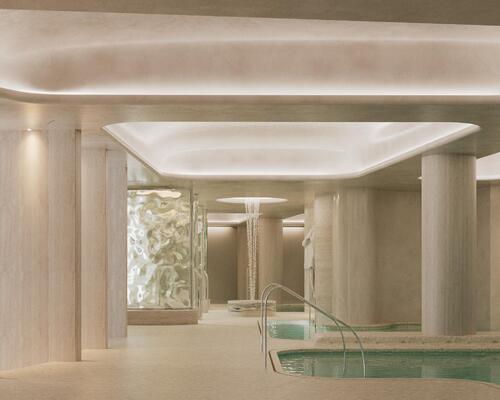
All our clubs have saunas and steamrooms and our latest locations have full spas with multiple saunas, steamrooms, hydro-pools and cold plunge. We also run contrast classes which rotate between the saunaw and the cold plunge.
We just relaunched our Recovery Spa in Canary Wharf, London, which has cutting-edge treatments such as cryotherapy, red light, vibroacoustics and a wide range of massages from sports to sleep as well as relaxing facials.
We offer a Recovery membership to access these treatments regularly and are excited to announce that our new club at The Whiteley will have a Recovery Spa.
Overall we see a continued demand for all recovery services. Over the last few years the utilisation of the saunas and steamrooms has increased dramatically, with over half of members citing them in their top three reasons for joining.
The sauna is now our most used facility, with 69 per cent saying they use it regularly ahead of weight training, leading us to increase the space allocated to it.
We see a similar trend for stretch and recovery gym floor areas and this heightened focus on recovery has resulted in members making additional visits to their club solely for recovery purposes, thereby increasing both their frequency of visits and dwell time. For example, we’ve observed that members from City clubs visit our Wimbledon spa with their partners during weekends. All of this feeds into our space allocation when designing and refurbishing clubs.
Looking ahead, we’re already building a new dedicated luxury spa at our Islington club and are extending cold plunges and ice baths to as many clubs as possible to enable members to enjoy contrast therapy – we have stunning spa spaces coming up at The Whiteley, Chelsea, and Paternoster sites. We also plan to roll out a smaller-format Recovery Spas to a number of other sites.
Growing visitation for recovery is leading us to review our locker quotas for new clubs, adding in ‘drop and go’ lockers for those partaking in activities that don’t need showers.
We’ve also noticed other operators struggling to maintain the cold and cleanliness of their ice baths, so have paced our rollout to ensure we meet our high standards of service.
More: www.thirdspace.london