























Follow Health Club Management on Twitter Like Health Club Management on Facebook Join the discussion with Health Club Management on LinkedIn
FITNESS, HEALTH, WELLNESS

features

Opinion: Time to get moving

Dr Davina Deniszczyc from Nuffield Health says it’s time the sector stepped up to work alongside medics on prevention and cure

Published in Health Club Management 2024 issue 8
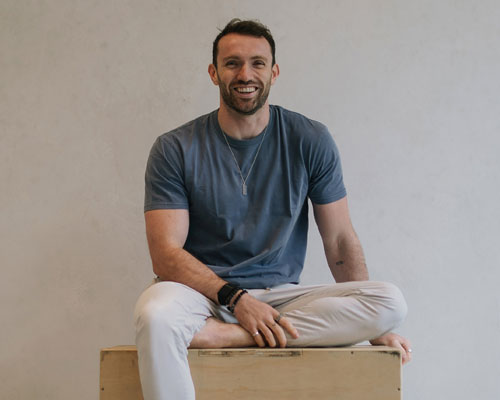
Dr Davina Deniszczyc / photo: Nuffield Health
I firmly believe the industry has a vital role to play in the future of healthcare delivery

The latest UK health data shows 20 million people are living with long-term health conditions and with 2.8 million economically inactive due to long-term sickness and record numbers waiting for medical treatment (www.hcmmag.com/Davina1), the current strain on the healthcare system and the economy is unprecedented.

With a need to find new ways of treating our increasingly sick population and new health secretary, Wes Streeting, prioritising healthcare closer to home (www.hcmmag.com/Davina1a), there’s an opportunity for the fitness and leisure industry to step forward.

We know inactivity is a leading risk factor when it comes to developing long-term health conditions and data from Nuffield Health’s recently published research resort, the Healthier Nation Index (www.hcmmag.com/HNI24) shows three in four Brits aren’t reaching the recommended level of daily exercise to support their health.

With most adults averaging only 83 minutes of moderate exercise a week and one in three not having dedicated any time to vigorous exercise in the last year, pressure on medical services is likely to get worse before it gets better.

Movement for health
But if inactivity is the cause of much ill-health, the good news is that movement – as well as being preventative – can be one of the best cures. In 2019, the UK’s Chief Medical Officers said “if physical activity were a drug, we’d refer to it as a miracle cure, due to the many illnesses it can prevent and help treat,” (www.hcmmag.com/CMOguidelines).

But while the evidence for the effectiveness of movement is overwhelming, many people simply don’t accept this as true and the Healthier Nation Index found almost half the population (47 per cent) don’t believe exercise can help in the treatment or management of long-term health conditions.

This mistrust is something I regularly see play out in my work as a medical doctor and it’s so ingrained in some patients they think the best – or even only way – to fix ailments is through medication.

When they come to see me asking for a pill, I don’t blame them. It’s simply seen by many as an easier option.

However, we forget about the side-effects of many common medications and in doing so, don’t always appreciate the risks. I often find myself repeating the same advice to patients: “start moving more!”

I’m not suggesting people should stop taking medication, but even a little bit of movement could reduce the number of medications they need, as well as improving their symptoms and long-term health, while the recommended levels of exercise can be transformational.

Exercise in non-clinical settings
While medical professionals should always be involved in managing patient care, we also need to help patients understand and accept that healthcare doesn’t always need to be delivered by a doctor in a clinical setting. Personal trainers possess many of the skills and much of the knowledge needed to help people living with long-term conditions to improve their health and make meaningful, lasting lifestyle changes.

The great news? This is already happening, with fitness professionals engaged with preventative, curative and health management interventions. From the programmes we run at Nuffield Health, to the partners involved with UK Active’s MSK Hubs initiative, we see the value fitness professionals can bring when supporting people with health conditions.

It’s not just anecdotal feedback that highlights this – though that feedback is incredibly powerful – as a clinician, I’m all about statistics and evidence and we now have the solid data to prove the efficacy of this work as well.

Our Joint Pain Programme, which is delivered by fitness professionals in gyms and community settings, supported almost 10,000 people across the UK last year in managing chronic pain and joint conditions and has helped 27,000 people since we started.

The clinical improvements in participants’ physical and mental health are evident. But wider than individual health benefits, our monitoring found that participants needed almost a third fewer doctor’s appointments during the period of monitoring. There was also a 47 per cent reduction in sick days taken by people on these programmes.

While delivering musculoskeletal (MSK) interventions is an obvious area of strength for the sector, there are many other conditions we know we can support, from people living with Long-COVID, to those on hormone therapy for prostate cancer. We can also offer things such as enhanced rehabilitation for patients recovering from major surgery.

These are just a few of the areas where we’re working to understand the impact that physical activity can have when delivered in a fitness setting.

More we can do to help
People have been a key to our success at Nuffield Health, especially our incredible rehabilitation specialists. These Level 3 personal trainers – who’ve been upskilled to deliver clinically-designed interventions – have so much to contribute.

By working alongside healthcare professionals, they can transform how care is delivered across multiple areas, from rehabilitation to long-term ‘health condition management’ of things such as chronic pain, musculoskeletal and cardiovascular disease and certain cancers – and from supporting people to ‘wait well’ and stay healthy while waiting for elective surgery, to eliminating the actual need for surgery. The opportunities are exciting and there’s cause for optimism.

The challenges ahead
It would be naïve to not recognise the challenges we face. As a sector we need to be better prepared to receive and manage patients with more complex health needs, as in order for movement programmes to be helpful and avoid harm, they need to be calibrated to the indivudal and delivereed by people with the correct levels of skill, knowledge and training.

We’ve been working with the Faculty of Sports and Exercise Medicine, the governing body for Sport and Exercise Medicine in the UK (www.fsem.ac.uk) to look at this and it’s clear the benefits of movement and physical activity outweigh the risks for people with long-term health conditions (www.hcmmag.com/FSEMinsight).

While there are pockets of good practice across the UK, I believe there needs to be more done to ensure stronger governance, the creation of standardised quality assurance schemes, the development of best practice frameworks and for toolkits to be made available for all providers to benefit from.

All this will come, but it’s worth remembering that we’re still a young sector – the first custom-built leisure facility, Harlow Sports Centre, only opened in the 1960s (www.hcmmag.com/Davina2).

The industry has come a long way in a short time, from the original obsession with performance and aesthetics, to the current focus on health and wellbeing.

There’s huge energy across the sector to drive this change and with this opportunity in front of us, how do we push forwards?

Firstly, we must continue to be vocal. Any changes to how medical providers such as the NHS operate or the ways they refer patients into non-medical settings needs political buy-in. Across the sector we’re witnessing increasing calls on the UK Government to prioritise the role of physical activity to improve the support system for people living with long-term health conditions. These calls include the recent Millions More Moving report by The Richmond Group of Charities (www.hcmmag.com/Davina3) and the #takethelead campaign from the National Sector Partners Group (www.hcmmag.com/Davina4).

At Nuffield Health we’re also calling for the UK government to implement a cross-governmental National Movement Strategy (www.hcmmag.com/Davina5) that goes beyond tackling inactivity to prevent ill health and systematically integrate movement into healthcare treatment pathways, maximising its use in the management and treatment of long-term health conditions.

Alongside this, we must recognise that we’ll always have the biggest impact when our claims are supported by evidence. It’s not only the government and policy makers we must influence – we also need to showcase the quality and value of our sector to doctors and other healthcare professionals.

At Nuffield Health, we’re always led by the data. Our fitness teams use patient questionnaires to track changes in pain levels, function, and wellbeing. We also look at societal factors, such as whether our programmes led to a reduction in sick days taken, care hours needed, and NHS appointments. We qualify these as contributions back to society and last year alone Nuffield’s free programmes contributed the equivalent of £100 million in Social Value back to local communities.

Power of collaboration
Our greatest successes will come through working together, whether that’s through partnerships to reach the communities at risk of health inequalities, or by sharing best practice about how fitness and leisure can better support sicker populations.

I firmly believe the industry has a vital role to play in the future of healthcare delivery. We need to be recognised as key partners in our local health systems, with representation within NHS forums to ensure our value is properly understood and used.

The path ahead won’t necessarily be straightforward, but with the medical profession searching for answers and the new UK government prioritising community-based care, we’re pushing against an open door.

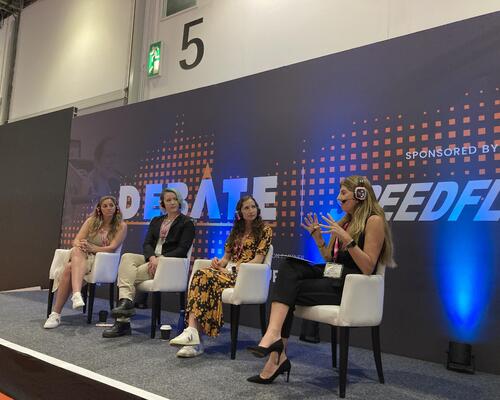
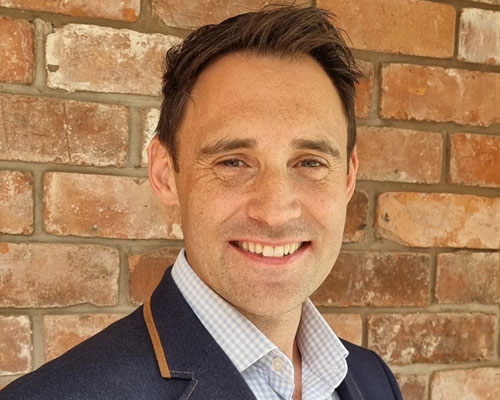
Movement can be one of the best cures according to the Chief Medical Officer / photo: Nuffield Health
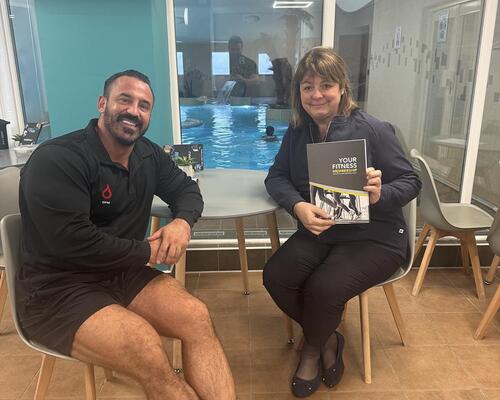
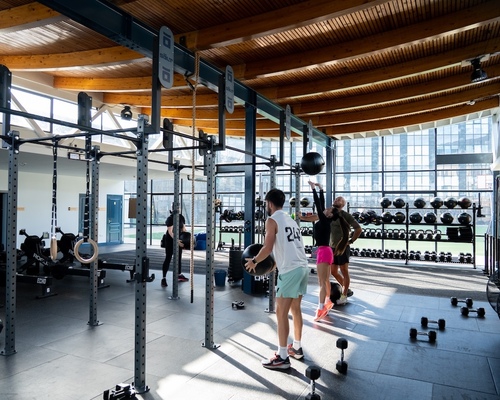
Nuffield Health is a charitable organisation / photo: Nuffield Health
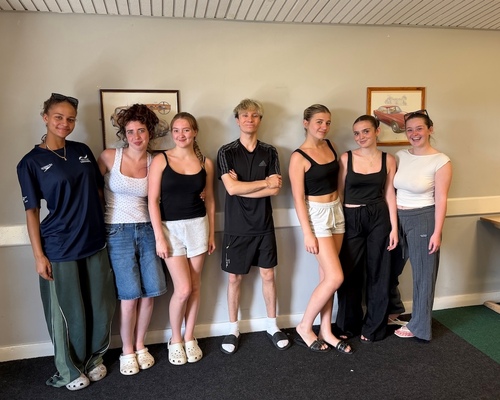
Nuffield’s MSK programmes have helped 27,000 people / photo: Nuffield Health
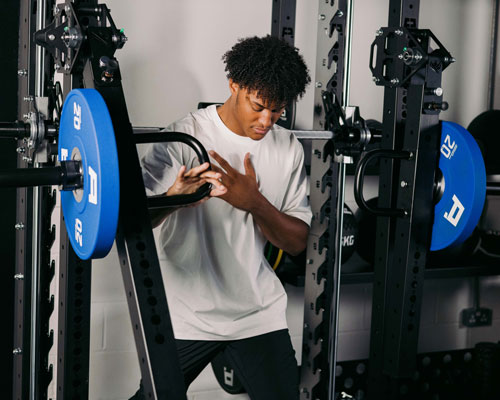
Nuffield has delivered £100 million of social value through its exercise interventions / photo: Nuffield Health
https://www.leisureopportunities.co.uk/images/2024/381102_981840.jpg
Dr Davina Deniszczyc from Nuffield Health says the time is ripe for the sector to step up and work alongside health professionals in prevention and cure for MSK issues, post-surgical rehab, Long COVID and those in treatment for cancer
HCM magazine
Strength training is evolving, driven by changing consumer preferences. Julie Cramer talks to innovators about how their products are meeting this demand
HCM magazine
I experienced a blissful feeling of joy I hadn’t felt since I was a kid
HCM magazine
Small improvements to sleep, diet and physical activity have major benefits for the heart, according to new research from the University of Sydney
HCM magazine
Raphael Cuomo explores the powerful link between addiction, health and behaviour change
HCM magazine
For every member with a tripod and a big following, there are others irritated at the way equipment is being hogged or wary they’ll be in the background on someone’s Insta feed. Do influencers offer valuable, free marketing or are they just a nuisance? Kath Hudson finds out how operators are responding
HCM promotional features
Sponsored
Third Space partnered with IndigoFitness to deliver a bespoke training space for its new club at The Whiteley
HCM promotional features
Sponsored
Greg Bradley looks at the shift towards strength training in gyms and advises on how operators can create the ultimate training environment
HCM promotional features
Sponsored
Starpool supports Olympic champion Marcell Jacobs, says Riccardo Turri
HCM promotional features
Sponsored
SnowDome Fitness has added 50 per cent more space with cutting-edge Technogym solutions
HCM promotional features
Sponsored
David Lloyd is stepping up its commitment to women’s health as it continues to explore what fit-for-purpose looks like for the female population
HCM promotional features
Sponsored
Find out how your gym can tap into the corporate wellness boom
HCM promotional features
Sponsored
EGYM has opened a new HQ in Paternoster Square, London and revealed a range of new launches
HCM promotional features
Sponsored
Active IQ is calling for greater accountability in online fitness advice with the launch of a new trustmark
HCM promotional features
Sponsored
The industry is embracing consumer-facing tech. Now it’s time to streamline back-of-house systems with Orbit4, says Daniel Jones
HCM promotional features
Latest News
Chequan Lewis is the new CEO of Crunch Fitness, taking over from Jim Rowley, who ...
Latest News
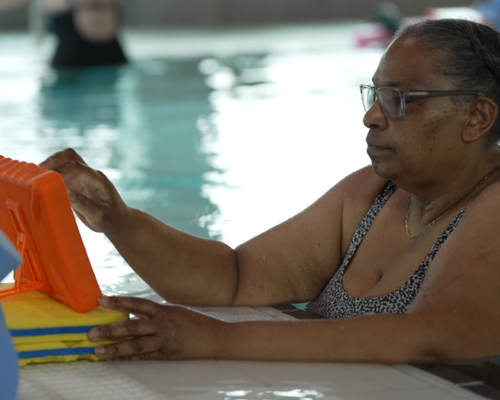
Sea Lanes Canary Wharf has officially opened. The 50-metre, six-lane pool, which uses the natural ...
Latest News
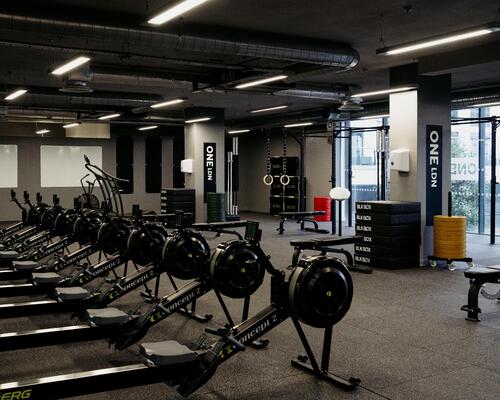
London-based high-performance fitness club, ONE LDN, is raising funds for a multi-site expansion across London, ...
Latest News
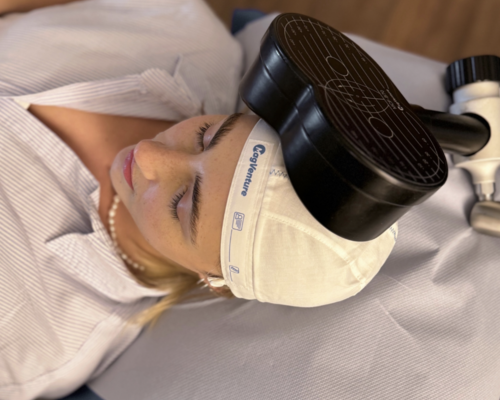
A new brain clinic has opened in London, which uses non-invasive brain stimulation to treat ...
Latest News
Good Boost’s digital exercise programmes are helping adults with MSK at a lower cost than ...
Latest News
With Prime Minister, Keir Starmer, announcing his resignation this morning and Andy Burnham as a ...
Latest News
Koru Health Club launched recently within Luxembourg’s multi-experience destination, GRID X, which combines culture, retail ...
Latest News
Celebrating its 10th anniversary, Elevate has had its busiest show to date, with almost 200 ...
Opinion
promotion
Strength training has moved from the margins to the mainstream.
Opinion: Building smarter strength spaces for today’s operators
Featured supplier news
Featured supplier news: Reaching the people most gyms miss: Bedford Gym & Swim Campaign delivers 410 new members
One of the biggest mistakes the fitness industry still makes is advertising almost exclusively to people who already look and live like gym members.
Featured supplier news
Featured supplier news: Cornerstone Connect helps Active Blackpool tackle health inequalities
Active Blackpool is deploying Cornerstone Connect, a new digital interface allowing disparate information from multiple systems to be aggregated into one dataset, to support its focus on reducing health inequalities and improving healthy life expectancy.
Company profiles
Company profile: Sporty Group AS
With more than 90 fitness centres across the country and more than 130.000 members, Sporty ...
Company profiles
Company profile: Gladstone Software
Gladstone’s software is built to streamline operations, reduce admin burden, and boost engagement. Operators can ...
Supplier Showcases
Supplier Showcase - From nightclub to health club
Supplier Showcases
Supplier Showcase - Future-proofing
Catalogue Gallery
Click on a catalogue to view it online
Featured press releases
BLK BOX press release: Inside the build: Salt 
To bring their concept to life, Salt partnered with BLK BOX to design and equip a facility that would deliver a premium training experience while supporting the needs of a diverse and growing community.
Featured press releases
Swimming Teachers' Association (STA) press release: The Ripple Effect delivers first success as learners qualify and secure employment
STA's The Ripple Effect initiative has reached an important milestone after learners completed the charity's first fully funded swimming teacher training programme, resulting in seven newly qualified swimming teachers.
Directory
Industrial washing machines
Miele Company Limited: Industrial washing machines
Spa and beauty equipment
Living Earth Crafts: Spa and beauty equipment
Hot tubs
MSpa International Ltd: Hot tubs
Fitness tracking platform
SpiviTech: Fitness tracking platform
Lockers
Crown Sports Lockers: Lockers
Water experiences and hydrotherapy solutions
Aquaform s.r.l.: Water experiences and hydrotherapy solutions
Property & Tenders
Stratford, East London.
Lee Valley Regional Park Authority
Property & Tenders
Y Felinheli, LL56 4QN
Newmark
Property & Tenders
Diary dates
21-24 Sep 2026
The Langham Huntington Pasadena , Pasadena, United States
Diary dates
06-08 Oct 2026
Messe Stuttgart, Stuttgart, Germany
Diary dates
22-22 Oct 2026
QEII Conference Centre, London,
Diary dates
26-29 Oct 2027
Koelnmesse Exhibition Centre, Cologne, Germany
Diary dates

features

Opinion: Time to get moving

Dr Davina Deniszczyc from Nuffield Health says it’s time the sector stepped up to work alongside medics on prevention and cure

Published in Health Club Management 2024 issue 8
Dr Davina Deniszczyc / photo: Nuffield Health
I firmly believe the industry has a vital role to play in the future of healthcare delivery

The latest UK health data shows 20 million people are living with long-term health conditions and with 2.8 million economically inactive due to long-term sickness and record numbers waiting for medical treatment (www.hcmmag.com/Davina1), the current strain on the healthcare system and the economy is unprecedented.

With a need to find new ways of treating our increasingly sick population and new health secretary, Wes Streeting, prioritising healthcare closer to home (www.hcmmag.com/Davina1a), there’s an opportunity for the fitness and leisure industry to step forward.

We know inactivity is a leading risk factor when it comes to developing long-term health conditions and data from Nuffield Health’s recently published research resort, the Healthier Nation Index (www.hcmmag.com/HNI24) shows three in four Brits aren’t reaching the recommended level of daily exercise to support their health.

With most adults averaging only 83 minutes of moderate exercise a week and one in three not having dedicated any time to vigorous exercise in the last year, pressure on medical services is likely to get worse before it gets better.

Movement for health
But if inactivity is the cause of much ill-health, the good news is that movement – as well as being preventative – can be one of the best cures. In 2019, the UK’s Chief Medical Officers said “if physical activity were a drug, we’d refer to it as a miracle cure, due to the many illnesses it can prevent and help treat,” (www.hcmmag.com/CMOguidelines).

But while the evidence for the effectiveness of movement is overwhelming, many people simply don’t accept this as true and the Healthier Nation Index found almost half the population (47 per cent) don’t believe exercise can help in the treatment or management of long-term health conditions.

This mistrust is something I regularly see play out in my work as a medical doctor and it’s so ingrained in some patients they think the best – or even only way – to fix ailments is through medication.

When they come to see me asking for a pill, I don’t blame them. It’s simply seen by many as an easier option.

However, we forget about the side-effects of many common medications and in doing so, don’t always appreciate the risks. I often find myself repeating the same advice to patients: “start moving more!”

I’m not suggesting people should stop taking medication, but even a little bit of movement could reduce the number of medications they need, as well as improving their symptoms and long-term health, while the recommended levels of exercise can be transformational.

Exercise in non-clinical settings
While medical professionals should always be involved in managing patient care, we also need to help patients understand and accept that healthcare doesn’t always need to be delivered by a doctor in a clinical setting. Personal trainers possess many of the skills and much of the knowledge needed to help people living with long-term conditions to improve their health and make meaningful, lasting lifestyle changes.

The great news? This is already happening, with fitness professionals engaged with preventative, curative and health management interventions. From the programmes we run at Nuffield Health, to the partners involved with UK Active’s MSK Hubs initiative, we see the value fitness professionals can bring when supporting people with health conditions.

It’s not just anecdotal feedback that highlights this – though that feedback is incredibly powerful – as a clinician, I’m all about statistics and evidence and we now have the solid data to prove the efficacy of this work as well.

Our Joint Pain Programme, which is delivered by fitness professionals in gyms and community settings, supported almost 10,000 people across the UK last year in managing chronic pain and joint conditions and has helped 27,000 people since we started.

The clinical improvements in participants’ physical and mental health are evident. But wider than individual health benefits, our monitoring found that participants needed almost a third fewer doctor’s appointments during the period of monitoring. There was also a 47 per cent reduction in sick days taken by people on these programmes.

While delivering musculoskeletal (MSK) interventions is an obvious area of strength for the sector, there are many other conditions we know we can support, from people living with Long-COVID, to those on hormone therapy for prostate cancer. We can also offer things such as enhanced rehabilitation for patients recovering from major surgery.

These are just a few of the areas where we’re working to understand the impact that physical activity can have when delivered in a fitness setting.

More we can do to help
People have been a key to our success at Nuffield Health, especially our incredible rehabilitation specialists. These Level 3 personal trainers – who’ve been upskilled to deliver clinically-designed interventions – have so much to contribute.

By working alongside healthcare professionals, they can transform how care is delivered across multiple areas, from rehabilitation to long-term ‘health condition management’ of things such as chronic pain, musculoskeletal and cardiovascular disease and certain cancers – and from supporting people to ‘wait well’ and stay healthy while waiting for elective surgery, to eliminating the actual need for surgery. The opportunities are exciting and there’s cause for optimism.

The challenges ahead
It would be naïve to not recognise the challenges we face. As a sector we need to be better prepared to receive and manage patients with more complex health needs, as in order for movement programmes to be helpful and avoid harm, they need to be calibrated to the indivudal and delivereed by people with the correct levels of skill, knowledge and training.

We’ve been working with the Faculty of Sports and Exercise Medicine, the governing body for Sport and Exercise Medicine in the UK (www.fsem.ac.uk) to look at this and it’s clear the benefits of movement and physical activity outweigh the risks for people with long-term health conditions (www.hcmmag.com/FSEMinsight).

While there are pockets of good practice across the UK, I believe there needs to be more done to ensure stronger governance, the creation of standardised quality assurance schemes, the development of best practice frameworks and for toolkits to be made available for all providers to benefit from.

All this will come, but it’s worth remembering that we’re still a young sector – the first custom-built leisure facility, Harlow Sports Centre, only opened in the 1960s (www.hcmmag.com/Davina2).

The industry has come a long way in a short time, from the original obsession with performance and aesthetics, to the current focus on health and wellbeing.

There’s huge energy across the sector to drive this change and with this opportunity in front of us, how do we push forwards?

Firstly, we must continue to be vocal. Any changes to how medical providers such as the NHS operate or the ways they refer patients into non-medical settings needs political buy-in. Across the sector we’re witnessing increasing calls on the UK Government to prioritise the role of physical activity to improve the support system for people living with long-term health conditions. These calls include the recent Millions More Moving report by The Richmond Group of Charities (www.hcmmag.com/Davina3) and the #takethelead campaign from the National Sector Partners Group (www.hcmmag.com/Davina4).

At Nuffield Health we’re also calling for the UK government to implement a cross-governmental National Movement Strategy (www.hcmmag.com/Davina5) that goes beyond tackling inactivity to prevent ill health and systematically integrate movement into healthcare treatment pathways, maximising its use in the management and treatment of long-term health conditions.

Alongside this, we must recognise that we’ll always have the biggest impact when our claims are supported by evidence. It’s not only the government and policy makers we must influence – we also need to showcase the quality and value of our sector to doctors and other healthcare professionals.

At Nuffield Health, we’re always led by the data. Our fitness teams use patient questionnaires to track changes in pain levels, function, and wellbeing. We also look at societal factors, such as whether our programmes led to a reduction in sick days taken, care hours needed, and NHS appointments. We qualify these as contributions back to society and last year alone Nuffield’s free programmes contributed the equivalent of £100 million in Social Value back to local communities.

Power of collaboration
Our greatest successes will come through working together, whether that’s through partnerships to reach the communities at risk of health inequalities, or by sharing best practice about how fitness and leisure can better support sicker populations.

I firmly believe the industry has a vital role to play in the future of healthcare delivery. We need to be recognised as key partners in our local health systems, with representation within NHS forums to ensure our value is properly understood and used.

The path ahead won’t necessarily be straightforward, but with the medical profession searching for answers and the new UK government prioritising community-based care, we’re pushing against an open door.


Movement can be one of the best cures according to the Chief Medical Officer / photo: Nuffield Health
Nuffield Health is a charitable organisation / photo: Nuffield Health
Nuffield’s MSK programmes have helped 27,000 people / photo: Nuffield Health
Nuffield has delivered £100 million of social value through its exercise interventions / photo: Nuffield Health
https://www.leisureopportunities.co.uk/images/2024/381102_981840.jpg
Dr Davina Deniszczyc from Nuffield Health says the time is ripe for the sector to step up and work alongside health professionals in prevention and cure for MSK issues, post-surgical rehab, Long COVID and those in treatment for cancer
Latest News
Chequan Lewis is the new CEO of Crunch Fitness, taking over from Jim Rowley, who ...

Latest News
Sea Lanes Canary Wharf has officially opened. The 50-metre, six-lane pool, which uses the natural ...
Latest News
London-based high-performance fitness club, ONE LDN, is raising funds for a multi-site expansion across London, ...
Latest News
A new brain clinic has opened in London, which uses non-invasive brain stimulation to treat ...
Latest News
Good Boost’s digital exercise programmes are helping adults with MSK at a lower cost than ...
Latest News
With Prime Minister, Keir Starmer, announcing his resignation this morning and Andy Burnham as a ...
Latest News
Koru Health Club launched recently within Luxembourg’s multi-experience destination, GRID X, which combines culture, retail ...
Latest News
Celebrating its 10th anniversary, Elevate has had its busiest show to date, with almost 200 ...
Latest News
A new report from Your Personal Training (YPT) suggests UK gym operators could be missing ...
Latest News
Eighty-four per cent of consumers now say wellness is a top priority in their lives, ...
Latest News
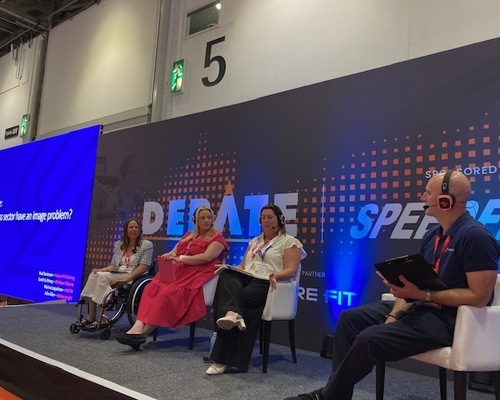
Elevate Arena is underway at London's Excel and the hot topic of AI was the ...
Opinion
promotion
Strength training has moved from the margins to the mainstream.
Opinion: Building smarter strength spaces for today’s operators
Featured supplier news
Featured supplier news: Reaching the people most gyms miss: Bedford Gym & Swim Campaign delivers 410 new members
One of the biggest mistakes the fitness industry still makes is advertising almost exclusively to people who already look and live like gym members.
Featured supplier news
Featured supplier news: Cornerstone Connect helps Active Blackpool tackle health inequalities
Active Blackpool is deploying Cornerstone Connect, a new digital interface allowing disparate information from multiple systems to be aggregated into one dataset, to support its focus on reducing health inequalities and improving healthy life expectancy.
Company profiles
Company profile: Sporty Group AS
With more than 90 fitness centres across the country and more than 130.000 members, Sporty ...
Company profiles
Company profile: Gladstone Software
Gladstone’s software is built to streamline operations, reduce admin burden, and boost engagement. Operators can ...
Supplier Showcases
Supplier Showcase - From nightclub to health club
Supplier Showcases
Supplier Showcase - Future-proofing
Catalogue Gallery
Click on a catalogue to view it online
Featured press releases
BLK BOX press release: Inside the build: Salt 
To bring their concept to life, Salt partnered with BLK BOX to design and equip a facility that would deliver a premium training experience while supporting the needs of a diverse and growing community.
Featured press releases
Swimming Teachers' Association (STA) press release: The Ripple Effect delivers first success as learners qualify and secure employment
STA's The Ripple Effect initiative has reached an important milestone after learners completed the charity's first fully funded swimming teacher training programme, resulting in seven newly qualified swimming teachers.
Directory
Industrial washing machines
Miele Company Limited: Industrial washing machines
Spa and beauty equipment
Living Earth Crafts: Spa and beauty equipment
Hot tubs
MSpa International Ltd: Hot tubs
Fitness tracking platform
SpiviTech: Fitness tracking platform
Lockers
Crown Sports Lockers: Lockers
Water experiences and hydrotherapy solutions
Aquaform s.r.l.: Water experiences and hydrotherapy solutions
Property & Tenders
Stratford, East London.
Lee Valley Regional Park Authority
Property & Tenders
Y Felinheli, LL56 4QN
Newmark
Property & Tenders
Diary dates
21-24 Sep 2026
The Langham Huntington Pasadena , Pasadena, United States
Diary dates
06-08 Oct 2026
Messe Stuttgart, Stuttgart, Germany
Diary dates
22-22 Oct 2026
QEII Conference Centre, London,
Diary dates
26-29 Oct 2027
Koelnmesse Exhibition Centre, Cologne, Germany
Diary dates
Search news, features & products:
Find a supplier:
Partner sites