



















features
Opinion: Everyone's talking about ... contrast therapy
As the contrast therapy trend skyrockets, how can operators make best use of investment while ensuring members have an enjoyable and effective experience, rather than feeling shamed because they can’t tolerate freezing temperatures? Kath Hudson reports


Only 18 months ago contrast therapy and recovery areas were seen as a burgeoning trend, but they’ve swiftly become a must-have.
While alternating heat and cold offers massive benefits for recovery and the nervous system, without instruction there’s the potential for these areas to provoke competitive behaviour and become confusing to use or even dangerous to end users.
As most of the research on contrast bathing has been conducted on men, less is known about how repeated cold plunging affects women’s hormones or stress response, but it is known that women respond differently from men to cold. Men can generate more metabolic heat through shivering and muscle mass, meaning they can tolerate and benefit from colder, longer plunges. Women rely on vasoconstriction, cool faster at rest and find extreme cold more stressful, so often benefit less from very cold plunges.
It’s also important to note that if members are looking to grow muscle, they shouldn’t cold plunge immediately after heavy strength training, as cold exposure suppresses the inflammatory signals needed for muscle growth.
In fact, research by ACE (www.HCMmag.com/ACEwarm) found that immersion in warm water for half an hour after exercise amplifies the effects.
Nothing to do with contrast therapy is self-explanatory, so what are the dos and don’ts of offering a safe, effective and enjoyable experience, to ensure these areas are sound business investments for operators and benefit the health of members?
We ask the experts...
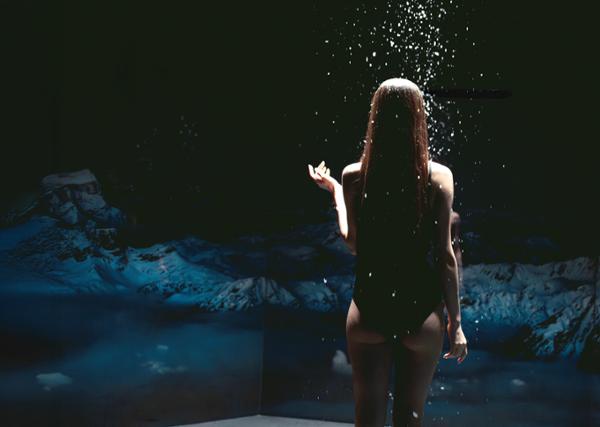
TechnoAlpin’s Snowsky experience involves soft, real snowflakes falling continuously to cool the body quickly while using little water (11 litres an hour).
Unlike some other cold solutions, the snow shower feels natural and gentle, transforming the cool-down phase into an enjoyable and multi-sensory experience.
The benefits of cooling with snow are similar to other cold therapies – from improved circulation and muscle recovery to enhanced relaxation – but being gentle makes it more accessible and appealing for a wider range of people, especially first-time users, women, or anyone who prefers a softer cold experience.
As snow is natural it interacts with the body and creates a harmonious, biophilic experience, without the shock that can come with a cold plunge.
Snowsky can be integrated into a health club or spa, ideally after a hot experience.
The key principle of contrast therapy is balance. It’s not about testing limits or proving toughness, but about creating harmony between heat, cold and recovery so the body feels refreshed rather than depleted.
Preparation is essential. Guests should come well-hydrated for training and sweats – ideally two to three hours beforehand, sipping water with electrolytes. A well-prepared body adapts more smoothly to changes in temperature and manages the intensity of the cold more effectively.
The experience itself should be kept safe, simple and supportive. Short dips in the cold, even just for a few seconds, are often enough when followed by warming and rest. Multiple rounds can be beneficial, but the focus should always be on quality over quantity. What matters most is not how long someone spends in the water, but how they feel during and afterwards. Recovery is especially important, it’s during the resting phase that the body recalibrates and mind and body return to balance in some way.
From a physiological perspective, this rhythm of heat, cold and rest has deeper effects than just relaxation. Time in the sauna stimulates heat shock proteins, which protect cells from stress and support faster recovery. Cold immersion is known to reduce inflammation and can trigger short bursts of growth hormone release as the body reheats, as well as supporting tissue repair and resilience.
The alternation of heat and cold therefore acts not just as a ritual, but as a biological reset sharpening circulation, reducing soreness and helping the body adapt to future stress.
However, contrast therapy should never be turned into a competition and staff should avoid prescribing strict timings. Sensitivity to heat and cold varies widely and ego-driven challenges can overshadow the benefits. Guests should also avoid contrast therapy when unwell. Like training, it’s most effective when the body is already healthy and resilient.
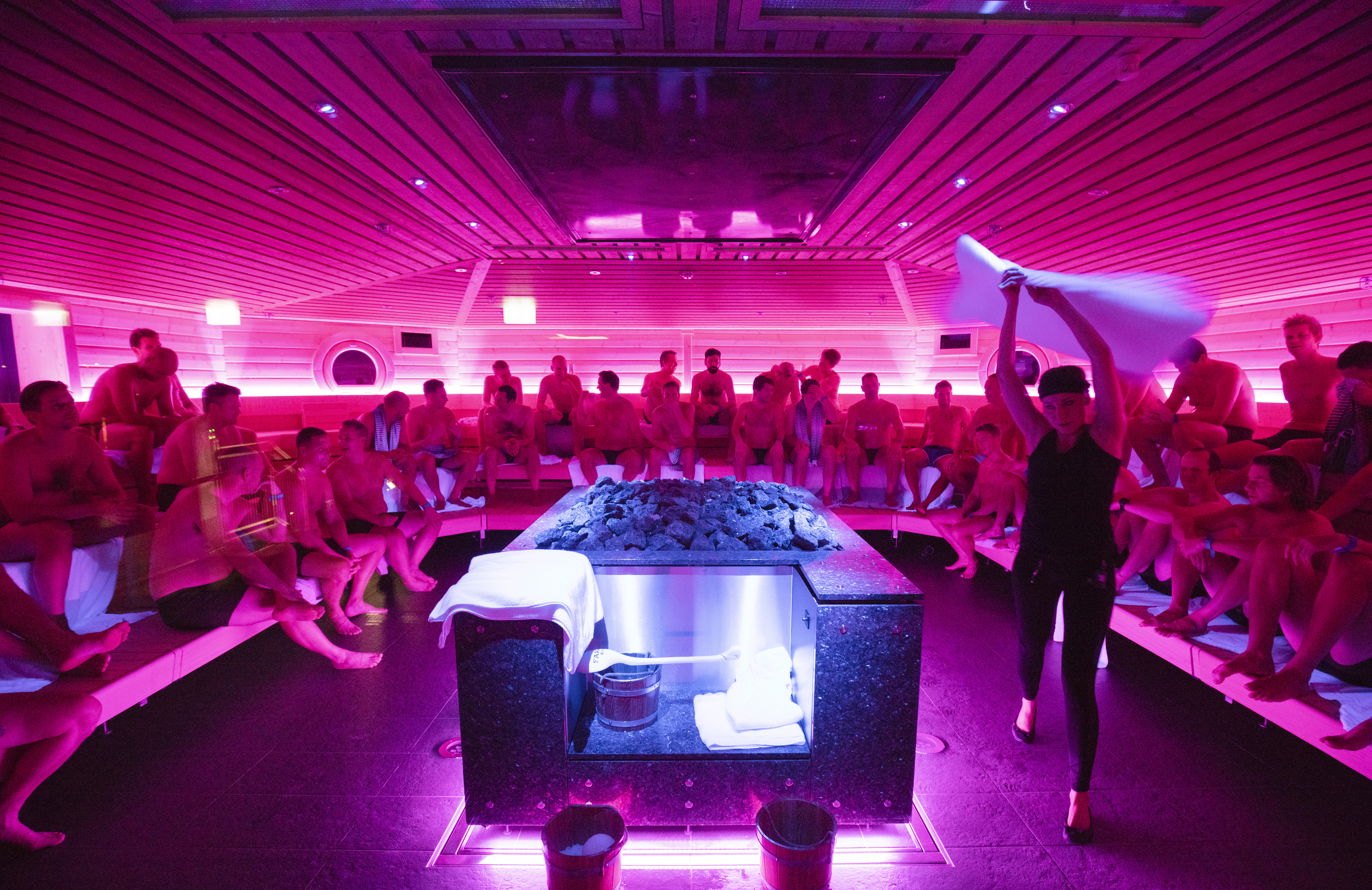
At Farris Bad we take guests through the whole cycle of heat, cold and rest. The guidance begins in the sauna, with saunamasters helping people settle into the steam, connect with their breathing and notice the gradual build-up of temperature.
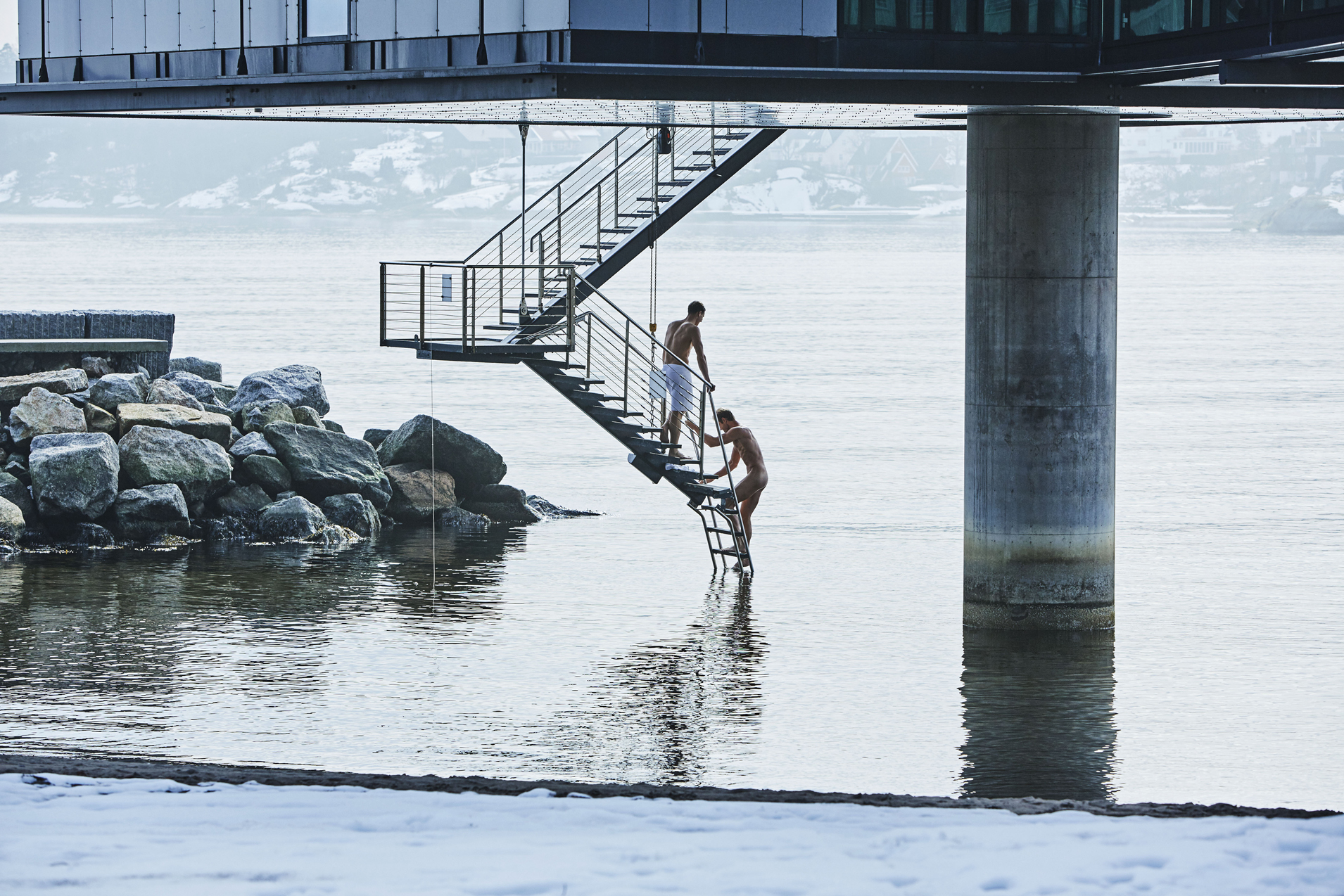
When it’s time for cold immersion, our sauna masters always go with the guests into the Skagerrak ocean. We never talk about seconds or minutes. Instead, we invite guests to notice the surroundings, the stars above, the air on their skin, their breathing, the rhythm of the sea. The essence of the process is not to follow the clock, but to be in the moment.
Then comes the most important part: rest. After heat and cold, lying down and slowing down allows the body to find its own rhythm again. This is where the deepest benefits of contrast therapy are felt, as energy and balance return.
Everyone’s tolerance is unique. The best approach is to provide options: offering plunge pools or showers at different temperatures, along with education that encourages guests to self-regulate. Many spas do this by creating a spectrum of experiences, from very cold plunges to softer cooling showers, so each person can find their own level.
For people new to contrast therapy, the key is safety and support. Facilities could offer cold plunges of around 10-12 degrees rather than two to five. In the cold, small steps are best. Going in with a guide or joining with friends makes it easier and more enjoyable. Even a quick dip can be enough, because the real magic happens afterwards in the resting phase.
For beginners, social and guided experiences are often the most encouraging way to start. A trusted guide or saunamaster creates a sense of safety and connection, which helps guests discover contrast therapy as a practice of balance rather than endurance.
In essence, contrast therapy works best when people are supported to listen inwardly instead of pushing outwardly. That’s when the benefits are at their most powerful – not only for the mind, but for the body on a cellular level.
A successful contrast therapy offering is built on safety, structure and expert guidance. Members must be made aware of any health considerations, such as cardiovascular conditions, before participating and should be advised on timing and hydration. Our instructors encourage members to listen to their bodies, pace themselves and prioritise comfort over ego.
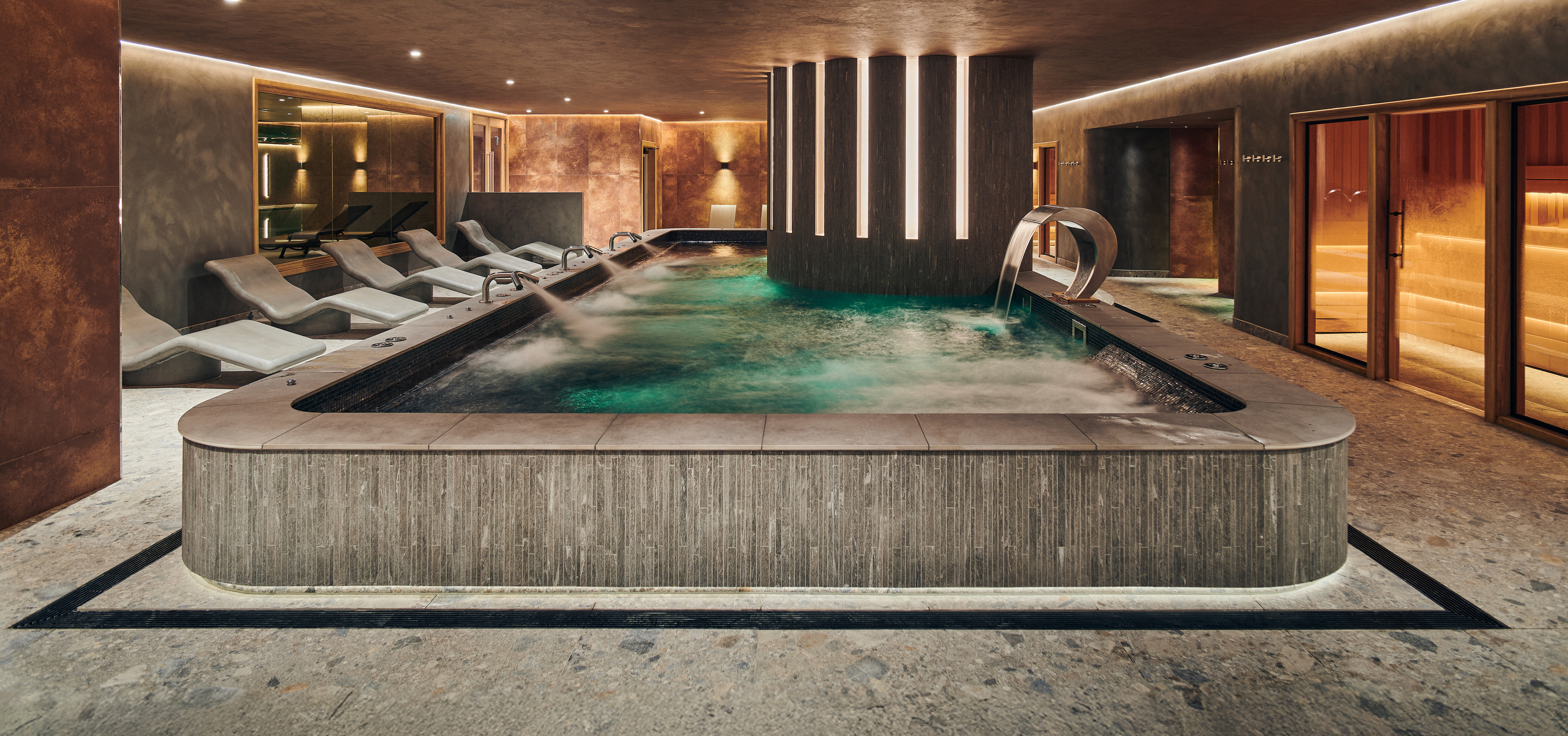
Third Space offers two cold therapy experiences. The Wimbledon club has a cold plunge pool within the wet spa, positioned next to the saunas. Comfortably accommodating up to eight people, it has a sociable, community-driven atmosphere.
The new recovery spa at our Canary Wharf club features whole-body cryotherapy – a quick, dry and highly-controlled cold exposure. In just two to four minutes, the cryotherapy chamber surrounds the body with extremely cold, dry air (-110 °C to -140 °C), rapidly cooling the skin to trigger vasoconstriction, reduce inflammation and release endorphins.
Many find the dry cold more tolerable than water immersion, making it particularly accessible for newcomers. While the cold plunge uses direct water contact to penetrate deeper into muscle tissues – delivering a more intense, sustained recovery effect – cryotherapy offers a faster, less immersive option that still delivers powerful benefits.
Due to factors such as body composition, hormonal cycles and circulation, women experience cold exposure differently, so it might be appropriate to start with shorter immersions or a gradual entry to build tolerance safely. For cryotherapy, we adjust session times to deliver maximum benefit without unnecessary discomfort. Our coaches actively monitor each participant, provide clear guidance, and teach controlled breathing techniques to help manage the body’s response.
Following the success of our pilot series earlier this year, we’re excited to have launched our guided sauna and cold plunge classes in October. Tailored for those who are new to contrast therapy, these sessions provide expert coaching through a structured sequence of two sauna rounds and at least two cold plunges.
Members are introduced to breathwork techniques to help them adapt to the cold, activate the parasympathetic nervous system and experience profound calming benefits. Throughout the session, instructors share insights into the science and benefits of contrast therapy, lead participants through a guided stretch and adjust plunge durations to suit individual comfort levels. Many members tell us that the community aspect of these sessions is what they enjoy most, creating a sense of connection and camaraderie that you don’t often find in a typical spa setting.
I wouldn’t recommend alcohol during or after a contrast therapy session. Both heat exposure and alcohol are dehydrating and combined can lead to fluid loss and electrolyte imbalance. Alcohol is also a vasodilator and in contrast therapy we alternate between vasodilation in the heat and vasoconstriction in the cold – adding alcohol to the mix can confuse the cardiovascular system making it harder to regulate blood pressure and body temperature.
Contrast therapy is already a cardiovascular stressor – in a good, hormetic way – but alcohol increases heart rate and may exacerbate that strain, raising risk for arrhythmia in susceptible people. If serving any refreshments I would recommend electrolytes or decaffeinated herbal teas. Another important factor is hygiene, to maintain the highest standards, Third Space has plumbed in the baths and filters the water.
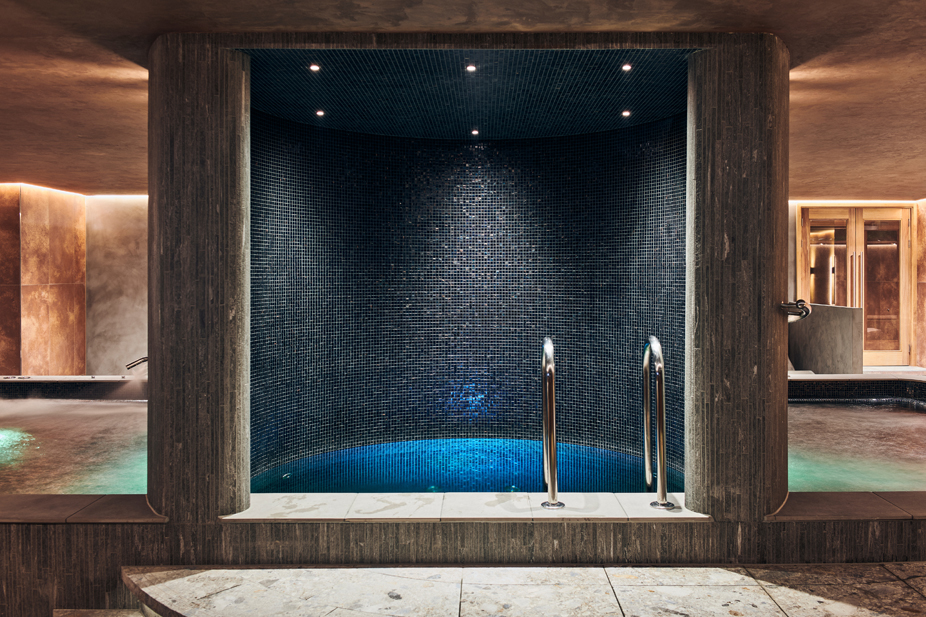

Recovery is still new for many consumers, so our job is to make it safe, inspiring and accessible. We want people to make it part of their lifestyle, not just try it once, because that’s how recovery will become as mainstream as fitness.
There are a number of important considerations to providing an effective and enjoyable contrast therapy experience. A range of modalities should be offered so people can combine heat, cold, compression, red light and more in a way that works for them. Don’t leave people unguided in the beginning: fully trained staff and clear protocols are essential to make every session safe, effective and purposeful.
Re:set by Pure offers unique progressive cold showers with four stages, plus individual cold plunges. This gives people the choice of gradual adaptation or an instant full immersion, depending on their goals and comfort level. Our progressive cold shower sequence has an exit after the second stage, so anyone can finish their contrast journey in a way that’s right for their physiology. It’s about inclusion and flexibility, not one-size-fits-all.
We use a body meter which asks questions about customers’ physical and mental health, sleep quality and nutrition in order to smartly recommend which protocols they should undertake on that day to get the best results without over-stressing their body.
Every newcomer does a coached trial first. We want them to understand why each modality matters and how to combine them best. From there we encourage people to join group sessions or take private sessions before going solo, so they build knowledge, confidence and routine.
Guidance is key. Individuals get far more benefit when they understand the science and the sequencing. That’s why our coaches are always on hand – to empower people to get the most out of their recovery. People go solo once they have the knowledge and confidence to do so. We also offer a selection of group Re:set classes - with the best protocols for various needs, such as pre and post-workout, better sleep, jet lag and evening relaxation.
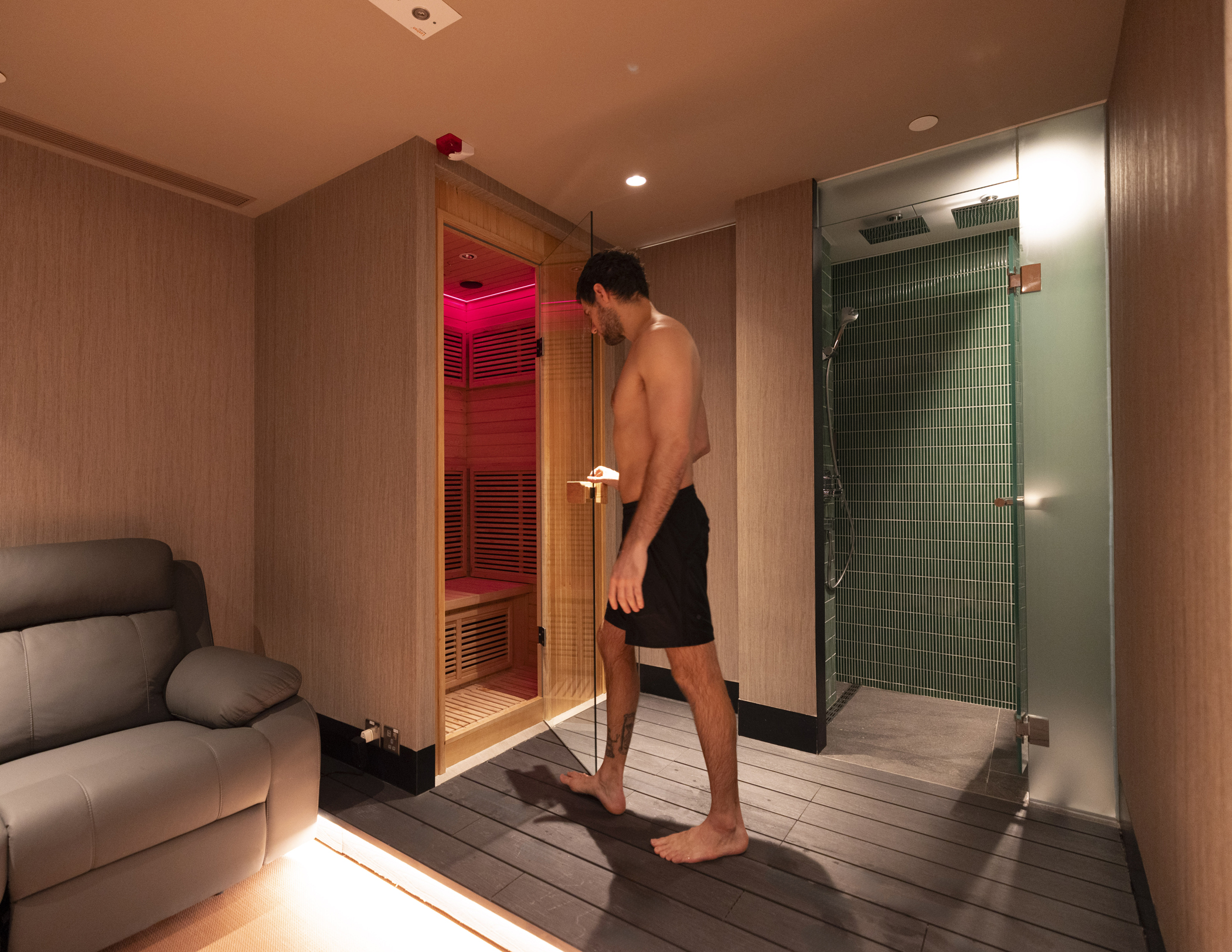

Personalisation matters when it comes to contrast therapy. There are also some physiological differences between men and women: men tend to have more muscle mass and higher heat production, while women have slightly more insulation, variable temperature sensitivity and more noticeable hormonal cycles.
This means how women experience the cold naturally fluctuates through the month. On some days, a gentler, slightly warmer immersion might feel right; on others, the full cold can feel invigorating. The best experience isn’t about colder or longer, it’s about tuning in and meeting the cold in a way that serves the individual. Cold exposure should be adaptive, intuitive and led by the nervous system, not a rulebook.
When starting out, around 7 to 10°C for about a minute is a great place to begin. As the body and mind adapts there can be progression to colder and longer immersions. But it should never be competitive or forced.
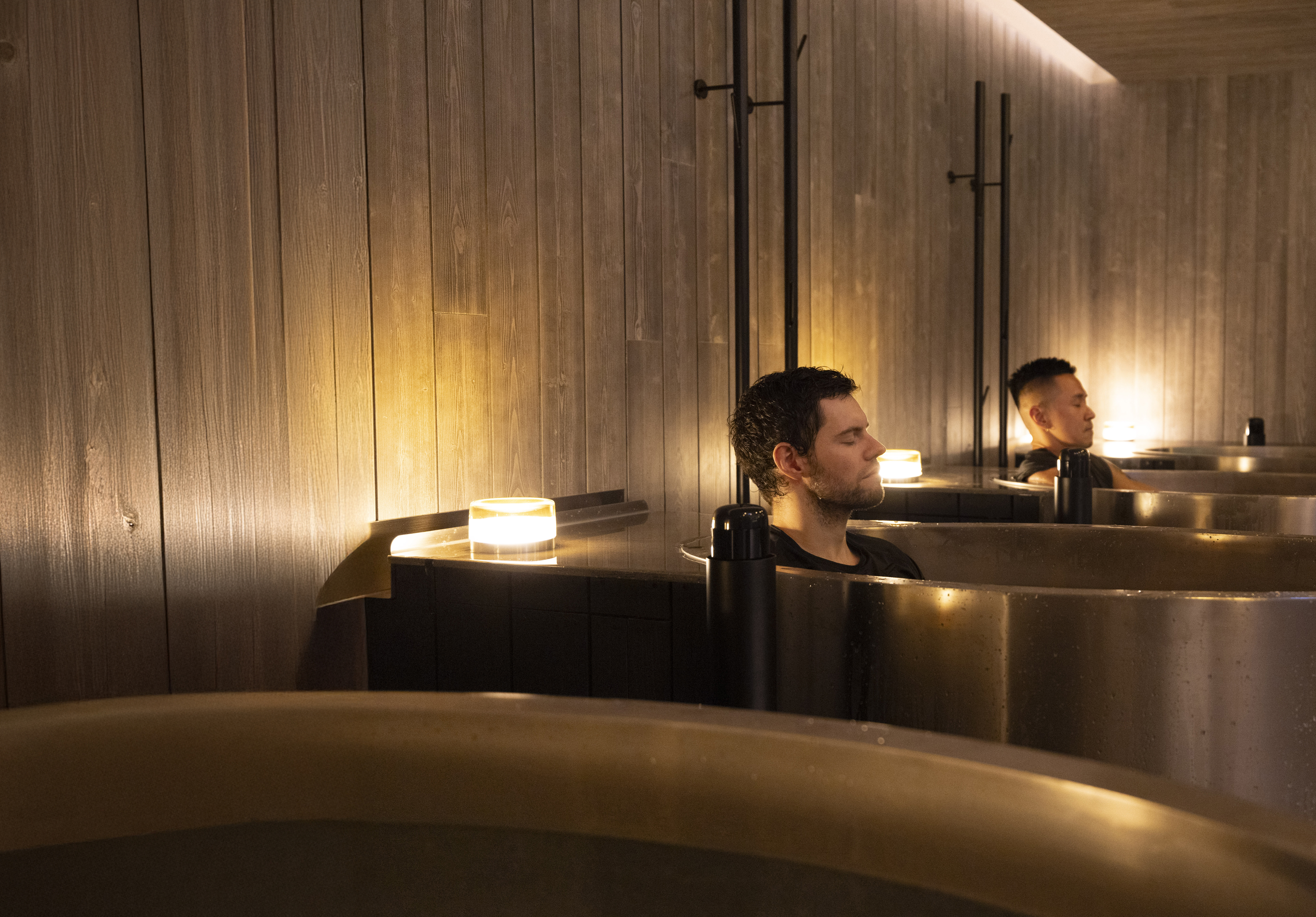
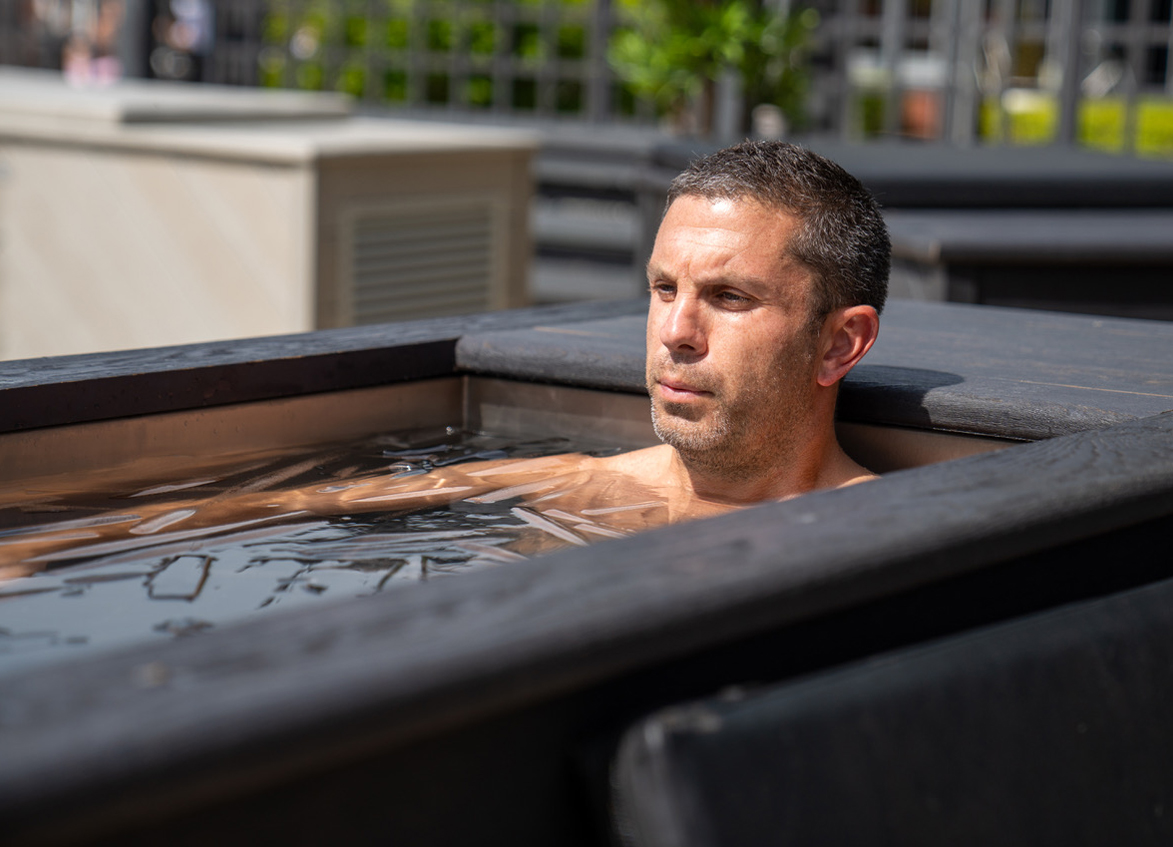
Multiple units give the flexibility to serve different experience levels at the same time with minimal friction. As the member base becomes more experienced with cold immersion, demand naturally shifts toward colder temperatures, but there will always be new members starting their journey. The key is matching your infrastructure to your audience.
Intention shapes the experience of cold immersion: why is more important than how cold or how long. Some days are about building resilience and leaning into controlled stress; other days are about calming the system and recovery. Both are equally valuable.
Members should know the goal isn’t to conquer the cold; it’s to listen, adapt and learn from it. Every day is different. Not every day is a 10k day. Meet the cold exactly as you are, and let it teach you what you need.
Cold immersion is no longer a wellness trend – it’s becoming core infrastructure. We’re working with some of the industry’s leading operators, including David Lloyd Leisure and Village Hotels, which have integrated cold it as core infrastructure rather than a nice-to-have. They’re seeing it drive acquisition and retention, especially when paired with regular recovery programming, classes and member education.
The operators doing it best are treating contrast therapy like any other training pillar: with intention, consistency and the specialist equipment.
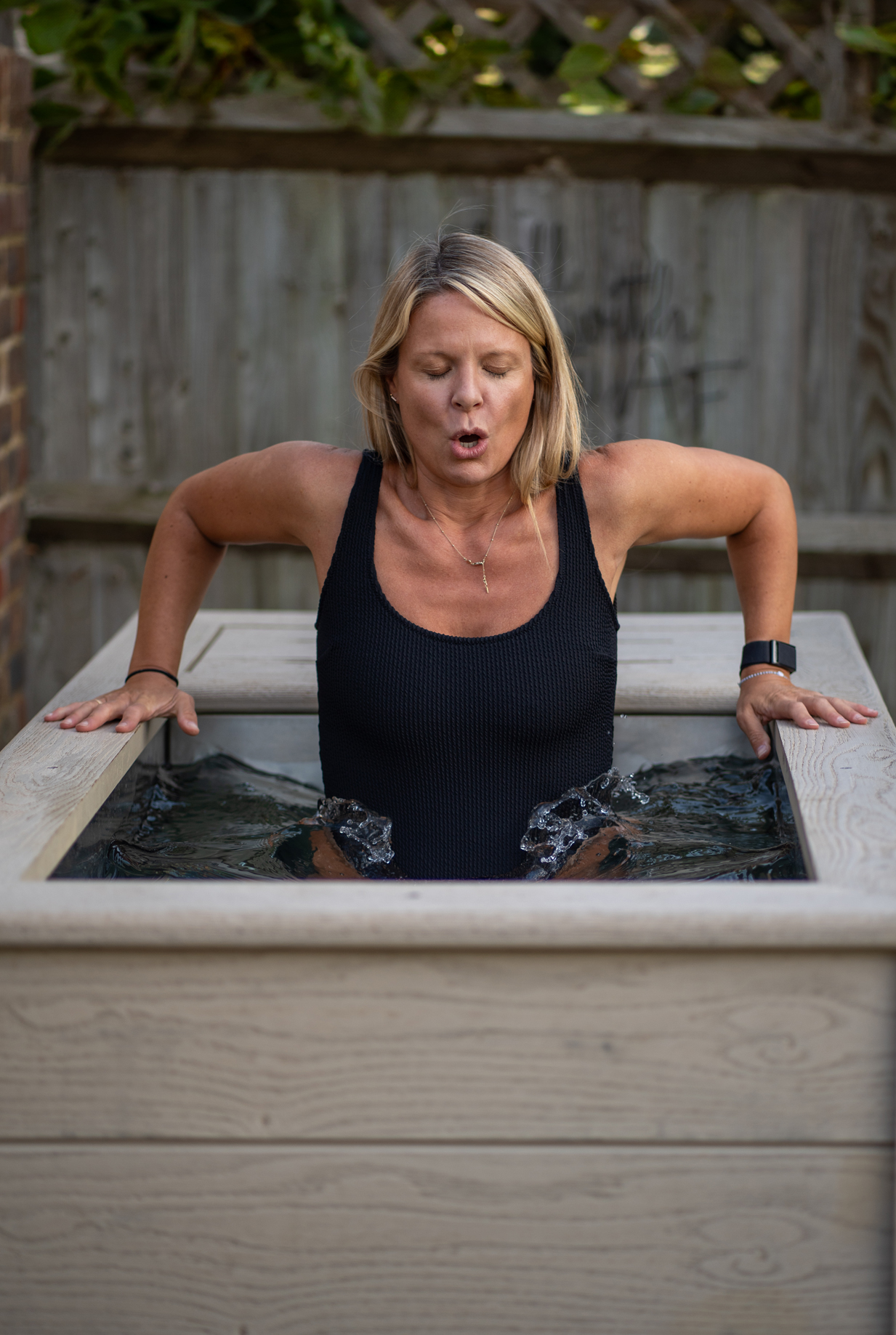

One thing we’re consistently seeing across the market is that people are wanting a relatively mild starting point when they’re first discovering cold immersion.
People tend to start off around 10 degrees and can explore lower temperatures when their body relaxes and their heart rate slows. The key is to build up slowly, just as when lifting in the gym. It’s also important to do the hot part first and finish cold.
It’s possible for a venue to offer the choice of different temperatures with just one cold water immersion bath, but only if they have a rigorous advance booking system, because the reality is that you can only change temperature up or down by about 3 to 4 degrees per hour. The models that make their own ice can be even slower. So realistically if you’re expecting beginner and experienced users in the same day then you’ll need more than one unit. With three units, for example, you can have one constantly set around 10 degrees, one set at 5 and one around zero, so all kinds of customers are covered.
The tech behind the best ice baths is really complicated, especially the ability to make their own ice and control the thickness of the ice sheet for the perfect snap. But what operators and their customers see has to be the opposite of complex: they want a consistent customer experience, with maximum uptime and usability. Behind the scenes we need to make sure we can gather the data we need to stay ahead of any necessary maintenance and also have the connectivity for remote monitoring.


Work is underway in Madrid on one of Europe’s most significant multi-functional complexes, ...