
















GET HCM
magazine
Sign up for the FREE digital edition of HCM magazine and also get the HCM ezine and breaking news email alerts.
Not right now, thanksclose this window I've already subscribed!
Follow Health Club Management on Twitter Like Health Club Management on Facebook Join the discussion with Health Club Management on LinkedIn
FITNESS, HEALTH, WELLNESS

features

Customer experience: Joe Pine & Jim Gilmore

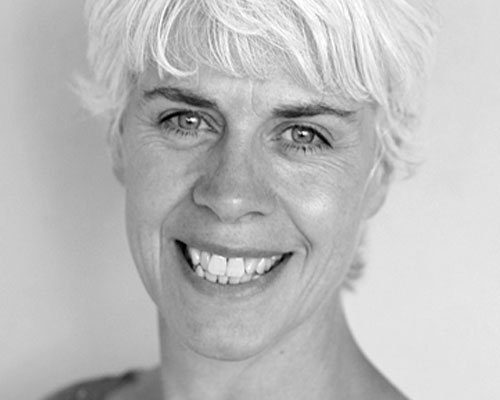
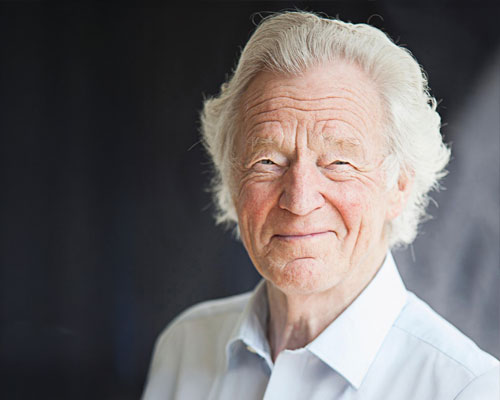
They wrote the manual on themed experiences, and 15 years later Joe Pine and Jim Gilmore are still creating lightbulb moments for businesses looking to attract consumers in authentic, engaging ways. They talk to Julie Cramer about their work, vision, and standing out in the digital age

By Julie Cramer | Published in Health Club Management 2013 issue 10

It’s been almost 15 years since authors and business partners Joe Pine and Jim Gilmore penned the title The Experience Economy – Work is Theatre and Every Business a Stage, and in doing so defined a new economic phenomenon.

At that time, in the late 90s, themed restaurants and giant amusement parks might have been the most popular ‘experiences’ being sold to the public. However, Pine and Gilmore were able to cut through the layers to identify and articulate a trend that has today become embedded across many sectors – from computer companies like Apple and Dell to coffee chains like Starbucks, as well as individual entrepreneurs.

Pine says: “When we wrote the book in 1999, we talked about it as the nascent experience economy – we couldn’t quite say it was actually here, but you could see all the elements. It was growing faster than the agrarian, industrial and service economies and was going to overshadow them. Now we can say it is here: [in Western markets] it’s the predominant source of GDP growth and job creation and the primary economic offering.”

Pine and Gilmore’s first collaborative work has since been translated into 16 different languages. In 2011, the edition was updated to reflect the new influences from technology and social media, and draw on many more examples of what customers now consider an ‘experience’ – and how businesses go about creating them.

Time as currency
The main premise of the Pine and Gilmore philosophy is that “goods and services are no longer enough”, and that all businesses must learn to “orchestrate memorable events for their customers that engage each one of them in an inherently personal way”.

Gilmore adds: “Services are delivered on demand and are transactional, while experiences are staged over a duration of time. With services, people want to spend less time with you – they want to get out of the dry cleaners, the car wash or the grocery store as fast as they can. But for experiences, time is really the currency – it’s all about how customers can spend more time with you.”

A hotel, for example, can either be an experience or just a service, depending on how it’s offered to customers – and how they perceive it. Are guests paying for the time they spend in the hotel, or merely for a bundle of activities to be performed? Do they pay a room rate for the services or a day rate for an experience? Similarly with a gym, are members getting in, working out and leaving as quickly as possible, or are they relaxing and spending time in what they feel to be their ‘club’ – their third place?

Theory into practice
The partnership between Pine and Gilmore has clearly stood the test of time, and renews itself with new ideas and vigour each year. The pair first communicated when Pine published his book, Mass Customization, in 1992 and Gilmore wrote him a letter about it. “My first thought was, oh shoot, someone has gone and written the book!” says Gilmore. When Pine left his job at IBM six months later, he ended up being engaged as a consultant by Gilmore, who has a background in logistics consulting. By 1996, the pair had formed a partnership and were writing The Experience Economy.

But Pine and Gilmore are far from being academic theorisers. They’ve spent the past decade and a half of their business partnership working with companies across North America, and increasingly across the world, advising them on how to apply a range of principles to stage engaging experiences.

Under their consultancy brand, Strategic Horizons LLP, they undertake speaking engagements, offer workshops, run a global certification programme, create ‘learning excursions’ for individual companies, and lecture at colleges and universities. Their flagship product is the annual thinkAbout event, which takes place in a different city each year and which is personally designed by Pine and Gilmore to bring delegates a highly interactive, immersive and thought-provoking two-day tour round the ‘Experience Economy’ of a chosen city.

Since its inaugural event in Gilmore’s hometown of Cleveland, Ohio, in 1998, thinkAbout has taken followers of the Experience Economy to such places as Hollywood, Las Vegas, Baltimore and Nashville. Last year the event – which also names the top 10 experiences of the year in the US, and gives the top one the ‘Experience Stager of the Year’ (EXPY) award – was in San Francisco, while at last month’s event delegates explored the streets of Washington DC in pursuit of experiences par excellence.

Distilling the essence
The pair maintain that theming is still a key part of staging an experience today, but it now has to be much more subtle – even subliminal. As Gilmore says: “What’s lacking in many of today’s environments is an organising principle. The theme is the essence of an experience – and if you have to tell people what it is, then it’s not a very sophisticated theme.
“Every time Francis Ford Coppola shot a movie, he always had a single word he’d refer to. Whether it was deciding on what kind of raincoat or wine to use in a scene, he’d go back to that single word, which represented the essence of the film.”

To show this perfectly applied in a business setting, Pine and Gilmore use the example of Joie de Vivre Hotels and the company’s founder Chip Conley – a past recipient of a Strategic Horizons’ EXPY award.

In the late 80s, Conley bought a rundown motel called the Phoenix in San Francisco’s Tenderloin district, and decided to theme it around Rolling Stone magazine. But instead of being an overt homage to what many considered a bible of rock music, Conley went through past magazines and extracted five principles that he believed summed up the essence of the publication.

Pine says: “Those principles were adventurous, hip, funky, irreverent and young-at-heart. Conley felt, if he could capture the sense of the magazine in this way, then every one who loved it would naturally love his hotel. And it worked. Without ever having to put an oversized rock guitar in the lobby, the Phoenix became THE place for rock bands to stay when they played San Francisco.”

Conley went on to create other venues, such as the Hotel Rex, themed around New Yorker magazine, and the Hotel Carlton, themed around National Geographic, and now has a large portfolio of chic boutique hotels, restaurants and spas around the US.

Creating a theme
Pine and Gilmore’s formula for creating memorable experiences revolves around their own THEME acronym:
Theme the experience – design around a dominant organising principle
Harmonise impressions with positive cues – intentionally create memories with signals from the space (set) or staff (ensemble)
Eliminate negative cues – remove whatever runs counter to the theme or desired impressions
Mix memorabilia – let guests attach memories to physical objects they actually use in the experience
Engage all five senses – richly stage all sensory phenomena

Out of these, says Gilmore, eliminating negative cues could be the most simple to address, yet is the most commonly overlooked. “Anything that doesn’t contribute to the theme is a negative cue. It might be something as simple as an overflowing waste paper basket, or a staff member who does not smile.”

As a model of good practice, Gilmore cites the example of the John Robert’s chain of hair salons in Ohio, US, which from its launch in the 90s was focused on creating a very personal guest experience. New customers are always given a white gown to wear, while regular customers are given black ones, enabling staff to tailor their handling and greeting of a client without that client ever knowing they’ve been signposted. Similarly, instead of the receptionist having to tell a stylist their next client has arrived within earshot of a current client – potentially creating the negative cue of making them feel rushed – the stylist is buzzed via a device hidden in their pocket.

Brave new world
Of course, the world has moved on rapidly since the original publication of The Experience Economy, and now social media is responsible for creating a whole other layer of consumer experience.

Pine explains: “You learn about a place much more readily from other people now. Your first impression may not come from discovering it yourself, but from friends or complete strangers.

“Online ratings can flavour your experience before you even get there – they can set the bar so high that you’re disappointed, set it low so you actually have a better experience, or set a bar which means you decide not to try the place at all. Social media can really be used to improve the experience, but companies have to pay attention to it and respond.”

Pine says one only has to consider the now-celebrated example of musician and plane passenger Dave Carroll, who had no offer of compensation from United Airlines when luggage handlers broke his guitar. So instead he took to YouTube with a song of complaint entitled United Breaks Guitars.

“The song went viral within hours and attracted over 12 million hits on YouTube. It’s estimated that United’s stock price dropped 15 per cent as a result. That’s the power of social media!” says Pine.

Interestingly, while Pine is passionate about new technologies (he more recently co-authored a book with Kim Korn entitled Infinite Possibility – Creating Customer Value on the Digital Frontier), Gilmore confesses to being averse to such “anti-social” pursuits as Twitter and doesn’t even own a mobile phone. Like many successful business partnerships, the two men’s personalities and skillsets seem complementary rather than similar. “He likes cigars, I don’t. He’d spend leisure time at Disney, I wouldn’t,” jokes Gilmore.

Of the two, Pine is the one who naturally keeps abreast of what’s happening in the marketplace, with “a keen set of antennae to spot things of significance,” as Gilmore puts it. He, on the other hand, is the more inventive, creative type, coming up with fresh ideas for business exercises and workshops and facilitating group dynamics. “I’m more playful and highly strung. He’s calmer and more academic,” Gilmore adds.

Quest for authenticity
Despite Gilmore’s light-hearted protestations over the proliferation of technology (he takes note of how many people today live “three screens deep” with laptop, tablet and smartphone in hand, little noticing their immediate surroundings), the pair know only too well that the Experience Economy must contend with digital realities.

Pine says: “It’s increasingly difficult to get people’s attention as they spend more time online or in virtual worlds. In the future, we’ll see more and more the fusing of the real and the virtual, or we might lose customers to technology altogether.”

Conversely, as the push into virtuality marches on, Pine and Gilmore also recognise that customers still want to feel they are experiencing authenticity. In Authenticity – What Consumers Really Want, they wrote: “In an increasingly unreal world, consumers choose to buy or not to buy based on how real they perceive an offering. Business today, therefore, is all about being real, original, genuine, sincere and authentic.”

According to Pine, this brings us to the “final offering” of the progression of economic value – from commodities to goods and on to services and experiences – which, he says, is something that’s really only just starting to happen. And this is when experiences start guiding life transformations.

“Places like fitness clubs are one step ahead in that they’re already in the business of transformation. People mostly don’t go for the one-hour workout – they go for the transformation it will bring.

“But I like to remind leisure businesses: you used to own the Experience Economy – until everyone else started getting into your business.

“Clients are going to start paying other companies to help them achieve their aspirations. In financial services, for example, there will be less focus on the money itself and more focus on how companies can show people what to do with that money to create the transformations they seek.

“Operators must find ways of enhancing their experiences if they are to continue to compete.”

Spelling and superheroes

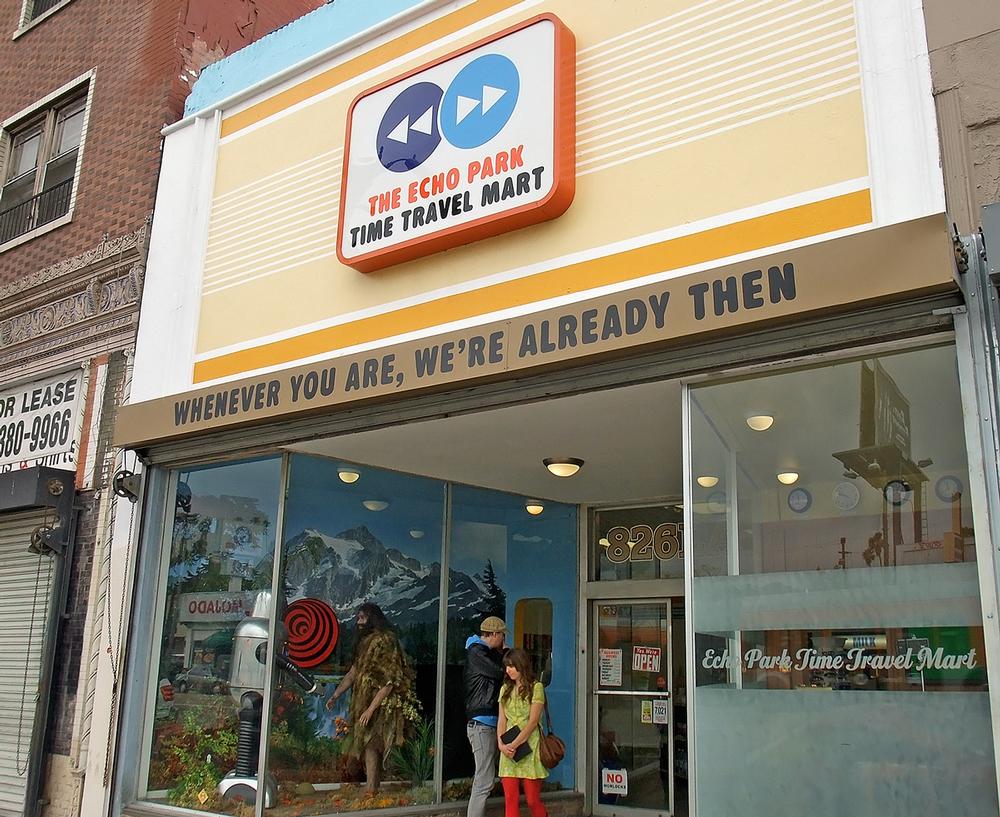
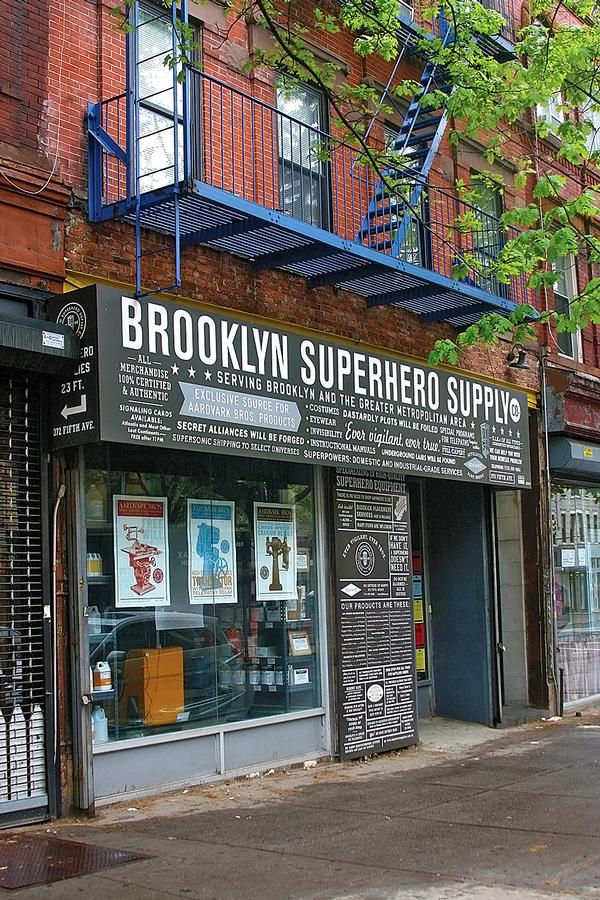
Non-profit organisation 826 National won the EXPY award last year for its writing and tutoring centres, which help under-resourced students aged six to 18 years to explore their creativity and improve their literacy. All centres feature a little store out front – the Brooklyn centre has a Superheroes store, for example – which helps reduce the stigma for kids having to walk in for extra tutoring.

Case study: Get real, get virtual

In his most recent book, Infinite Possibility – Creating Customer Value on the Digital Frontier (2011), Joe Pine identifies the problem of “the migration of virtuality”.

He adds: “People bring all this technology with them and they’re just a click away from leaving your experience. How do you get them to engage with their technology so they are more fully immersed in your experience?”

He cites the Kim Possible World Showcase Adventure that launched at Disney’s Epcot centre last year. “For teens and tweens, Epcot is the most boring part, but this exhibit used digital technology to allow them to go on an adventure within Epcot that had nothing to do with the park itself.”

Kids were given special mobile phones and used the technology to find clues around the park as if they were in an episode with the TV character, leading to a special area where they got to save the day from Dr Evil.
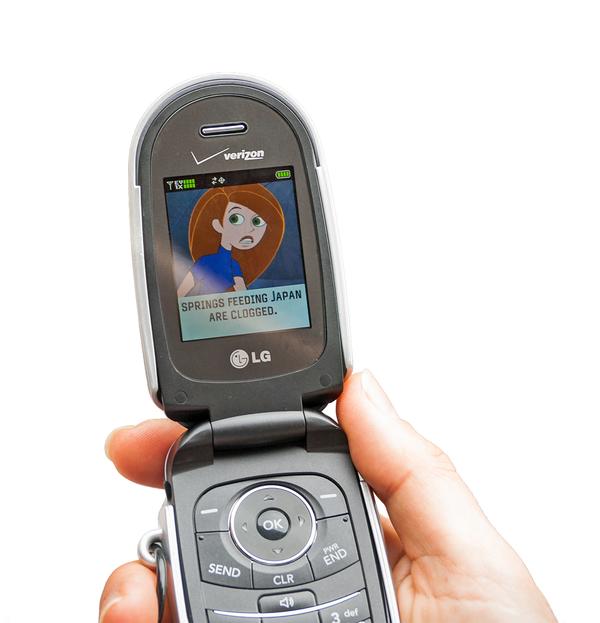
Get real, get virtual / Photo: flickr/Peter E Lee

Case study: What’s the story?

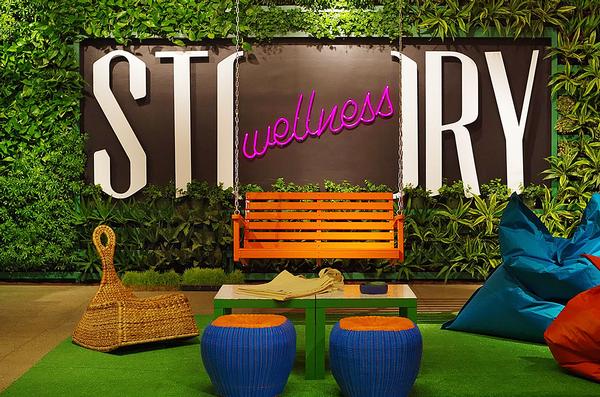
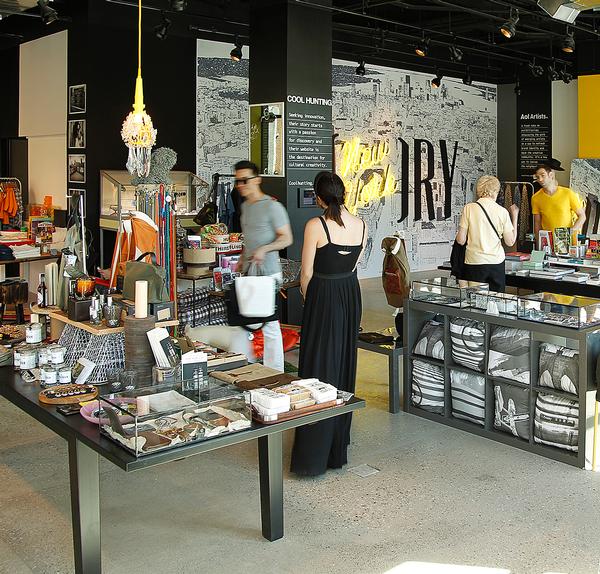
Pine and Gilmore say the buzz they get from their jobs is seeing their clients “get it”, changing their mindset, and doing things differently as a result. One past participant of their thinkAbout event is former brand consultant Rachel Shechtman, who recently opened the retail space STORY on New York’s 10th Avenue. Described as “a retail space that has the point of view of a magazine, changes like a gallery and sells things like a store” the 2,000sq ft site is like one imaginative, revolving pop-up shop. Every four to eight weeks, STORY changes all its merchandise, design, fixtures and re-invents the store around a new theme.
What’s the story?
What’s the story?
What’s the story?
What’s the story?
Sign up here to get HCM's weekly ezine and every issue of HCM magazine free on digital.
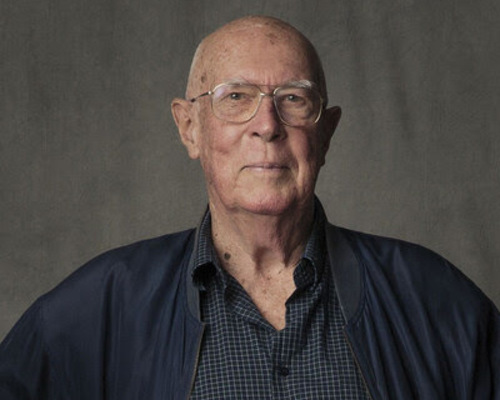
Joe Pine & Jim Gilmore
Writing and tutoring centres
https://www.leisureopportunities.co.uk/images/HCM2013_10customer.gif
Fifteen years after penning The Experience Economy, Pine and Gilmore are still inspiring businesses to create original and memorable customer experiences
The Experience Economy, Pine and Gilmore,,customer experience
HCM magazine
HCM People

Stephen Price

Founder, SP&Co Group
Working in public health over the last few years has lit up parts of my brain again
HCM magazine
Collaborations with the medical profession and greater aspirations around wellbeing are creating a need for more experts in our sector. It’s time to reboot our thinking around the workforce
HCM magazine
If the health service is to survive, we must recognise that it is a disease service – and that wellbeing rests with us, says the activity advocate and healthy ageing champion. He talks to Kate Cracknell
HCM magazine
I experienced a blissful feeling of joy I hadn’t felt since I was a kid
HCM magazine
Strength training is evolving, driven by changing consumer preferences. Julie Cramer talks to innovators about how their products are meeting this demand
HCM promotional features
Sponsored
SnowDome Fitness has added 50 per cent more space with cutting-edge Technogym solutions
HCM promotional features
Sponsored
Find out how your gym can tap into the corporate wellness boom
HCM promotional features
Sponsored
Third Space partnered with IndigoFitness to deliver a bespoke training space for its new club at The Whiteley
HCM promotional features
Sponsored
Starpool supports Olympic champion Marcell Jacobs, says Riccardo Turri
HCM promotional features
Sponsored
Greg Bradley looks at the shift towards strength training in gyms and advises on how operators can create the ultimate training environment
HCM promotional features
Sponsored
David Lloyd is stepping up its commitment to women’s health as it continues to explore what fit-for-purpose looks like for the female population
HCM promotional features
Sponsored
EGYM has opened a new HQ in Paternoster Square, London and revealed a range of new launches
HCM promotional features
Sponsored
The industry is embracing consumer-facing tech. Now it’s time to streamline back-of-house systems with Orbit4, says Daniel Jones
HCM promotional features
Promotion
Performance Health Systems, manufacturer of Power Plate, has a new CEO, with an ambitious vision for the company
HCM promotional features
Latest News
Ben Allen has been appointed managing director at Common Bond. Having set the company up ...
Latest News
Les Mills, whose name became synonymous with one of the world's leading fitness brands, has ...
Latest News
People taking GLP-1 weight loss medications such as Ozempic, Wegovy, Mounjaro and Zepbound may be ...
Latest News
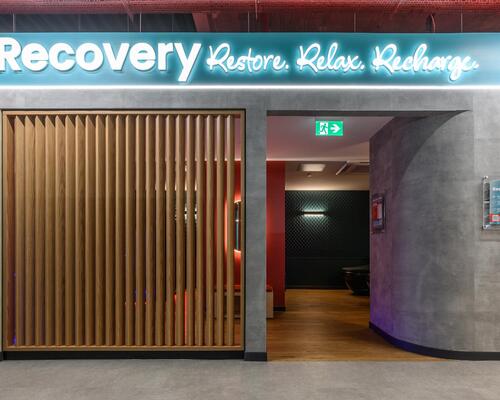
Low-cost gym operator, PureGym, is trialling recovery zones at two of its UK sites, democratising ...
Latest News
In a milestone moment, mental health has become a core part of CIMSPA’s occupational professional ...
Latest News
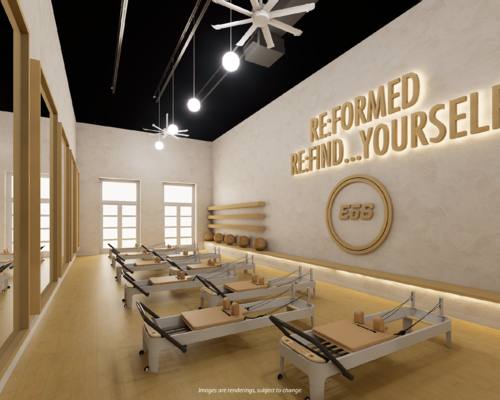
US high-value, low-price chain, Eos Fitness, has announced plans to pilot reformer Pilates in three ...
Latest News
Preventive healthcare company Neko Health has added body composition analysis to its full-body health scan ...
Latest News
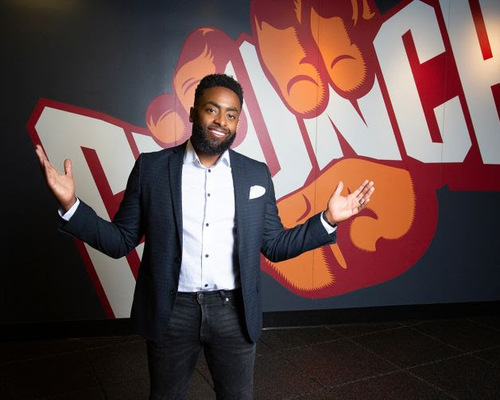
Chequan Lewis is the new CEO of Crunch Fitness, taking over from Jim Rowley, who ...
Opinion
promotion
Strength training has moved from the margins to the mainstream.
Opinion: Building smarter strength spaces for today’s operators
Featured supplier news
Featured supplier news: Cornerstone Connect helps Active Blackpool tackle health inequalities
Active Blackpool is deploying Cornerstone Connect, a new digital interface allowing disparate information from multiple systems to be aggregated into one dataset, to support its focus on reducing health inequalities and improving healthy life expectancy.
Featured supplier news
Featured supplier news: Reaching the people most gyms miss: Bedford Gym & Swim Campaign delivers 410 new members
One of the biggest mistakes the fitness industry still makes is advertising almost exclusively to people who already look and live like gym members.
Company profiles
Company profile: FIBO
FIBO pursues the vision of a strong and healthy society and as a global network ...
Company profiles
Company profile: Shua Fitness
Founded in 1996, Shua integrates intelligent technology, sports science, and premium fitness equipment to deliver ...
Supplier Showcases
Supplier Showcase - From nightclub to health club
Supplier Showcases
Supplier Showcase - Future-proofing
Catalogue Gallery
Click on a catalogue to view it online
Featured press releases
Swimming Teachers' Association (STA) press release: STA Safeguarding programme for aquatic professionals awarded CIMSPA endorsement and CPD points
STA is pleased to announce that its Safeguarding Children and Adults at Risk CPD has been endorsed by the Chartered Institute for the Management of Sport and Physical Activity (CIMSPA) against both the Safeguarding and Protecting Children and Safeguarding Adults technical specialism professional standards.
Featured press releases
Swim England press release: Swim England launches new Learn to Swim Growth Plan to support aquatic programme expansion
Swim England has strengthened its sector-leading Business Solutions offer with the launch of its Learn to Swim Growth Plan, designed to help aquatic providers unlock sustainable programme growth.
Directory
Fitness tracking platform
SpiviTech: Fitness tracking platform
Water experiences and hydrotherapy solutions
Aquaform s.r.l.: Water experiences and hydrotherapy solutions
Industrial washing machines
Miele Company Limited: Industrial washing machines
Hot tubs
MSpa International Ltd: Hot tubs
Spa and beauty equipment
Oakworks Inc: Spa and beauty equipment
Lockers
Crown Sports Lockers: Lockers
Property & Tenders
Stratford, East London.
Lee Valley Regional Park Authority
Property & Tenders
Y Felinheli, LL56 4QN
Newmark
Property & Tenders
Diary dates
21-24 Sep 2026
The Langham Huntington Pasadena , Pasadena, United States
Diary dates
06-08 Oct 2026
Messe Stuttgart, Stuttgart, Germany
Diary dates
22-22 Oct 2026
QEII Conference Centre, London,
Diary dates
26-29 Oct 2027
Koelnmesse Exhibition Centre, Cologne, Germany
Diary dates

features

Customer experience: Joe Pine & Jim Gilmore

They wrote the manual on themed experiences, and 15 years later Joe Pine and Jim Gilmore are still creating lightbulb moments for businesses looking to attract consumers in authentic, engaging ways. They talk to Julie Cramer about their work, vision, and standing out in the digital age

By Julie Cramer | Published in Health Club Management 2013 issue 10

It’s been almost 15 years since authors and business partners Joe Pine and Jim Gilmore penned the title The Experience Economy – Work is Theatre and Every Business a Stage, and in doing so defined a new economic phenomenon.

At that time, in the late 90s, themed restaurants and giant amusement parks might have been the most popular ‘experiences’ being sold to the public. However, Pine and Gilmore were able to cut through the layers to identify and articulate a trend that has today become embedded across many sectors – from computer companies like Apple and Dell to coffee chains like Starbucks, as well as individual entrepreneurs.

Pine says: “When we wrote the book in 1999, we talked about it as the nascent experience economy – we couldn’t quite say it was actually here, but you could see all the elements. It was growing faster than the agrarian, industrial and service economies and was going to overshadow them. Now we can say it is here: [in Western markets] it’s the predominant source of GDP growth and job creation and the primary economic offering.”

Pine and Gilmore’s first collaborative work has since been translated into 16 different languages. In 2011, the edition was updated to reflect the new influences from technology and social media, and draw on many more examples of what customers now consider an ‘experience’ – and how businesses go about creating them.

Time as currency
The main premise of the Pine and Gilmore philosophy is that “goods and services are no longer enough”, and that all businesses must learn to “orchestrate memorable events for their customers that engage each one of them in an inherently personal way”.

Gilmore adds: “Services are delivered on demand and are transactional, while experiences are staged over a duration of time. With services, people want to spend less time with you – they want to get out of the dry cleaners, the car wash or the grocery store as fast as they can. But for experiences, time is really the currency – it’s all about how customers can spend more time with you.”

A hotel, for example, can either be an experience or just a service, depending on how it’s offered to customers – and how they perceive it. Are guests paying for the time they spend in the hotel, or merely for a bundle of activities to be performed? Do they pay a room rate for the services or a day rate for an experience? Similarly with a gym, are members getting in, working out and leaving as quickly as possible, or are they relaxing and spending time in what they feel to be their ‘club’ – their third place?

Theory into practice
The partnership between Pine and Gilmore has clearly stood the test of time, and renews itself with new ideas and vigour each year. The pair first communicated when Pine published his book, Mass Customization, in 1992 and Gilmore wrote him a letter about it. “My first thought was, oh shoot, someone has gone and written the book!” says Gilmore. When Pine left his job at IBM six months later, he ended up being engaged as a consultant by Gilmore, who has a background in logistics consulting. By 1996, the pair had formed a partnership and were writing The Experience Economy.

But Pine and Gilmore are far from being academic theorisers. They’ve spent the past decade and a half of their business partnership working with companies across North America, and increasingly across the world, advising them on how to apply a range of principles to stage engaging experiences.

Under their consultancy brand, Strategic Horizons LLP, they undertake speaking engagements, offer workshops, run a global certification programme, create ‘learning excursions’ for individual companies, and lecture at colleges and universities. Their flagship product is the annual thinkAbout event, which takes place in a different city each year and which is personally designed by Pine and Gilmore to bring delegates a highly interactive, immersive and thought-provoking two-day tour round the ‘Experience Economy’ of a chosen city.

Since its inaugural event in Gilmore’s hometown of Cleveland, Ohio, in 1998, thinkAbout has taken followers of the Experience Economy to such places as Hollywood, Las Vegas, Baltimore and Nashville. Last year the event – which also names the top 10 experiences of the year in the US, and gives the top one the ‘Experience Stager of the Year’ (EXPY) award – was in San Francisco, while at last month’s event delegates explored the streets of Washington DC in pursuit of experiences par excellence.

Distilling the essence
The pair maintain that theming is still a key part of staging an experience today, but it now has to be much more subtle – even subliminal. As Gilmore says: “What’s lacking in many of today’s environments is an organising principle. The theme is the essence of an experience – and if you have to tell people what it is, then it’s not a very sophisticated theme.
“Every time Francis Ford Coppola shot a movie, he always had a single word he’d refer to. Whether it was deciding on what kind of raincoat or wine to use in a scene, he’d go back to that single word, which represented the essence of the film.”

To show this perfectly applied in a business setting, Pine and Gilmore use the example of Joie de Vivre Hotels and the company’s founder Chip Conley – a past recipient of a Strategic Horizons’ EXPY award.

In the late 80s, Conley bought a rundown motel called the Phoenix in San Francisco’s Tenderloin district, and decided to theme it around Rolling Stone magazine. But instead of being an overt homage to what many considered a bible of rock music, Conley went through past magazines and extracted five principles that he believed summed up the essence of the publication.

Pine says: “Those principles were adventurous, hip, funky, irreverent and young-at-heart. Conley felt, if he could capture the sense of the magazine in this way, then every one who loved it would naturally love his hotel. And it worked. Without ever having to put an oversized rock guitar in the lobby, the Phoenix became THE place for rock bands to stay when they played San Francisco.”

Conley went on to create other venues, such as the Hotel Rex, themed around New Yorker magazine, and the Hotel Carlton, themed around National Geographic, and now has a large portfolio of chic boutique hotels, restaurants and spas around the US.

Creating a theme
Pine and Gilmore’s formula for creating memorable experiences revolves around their own THEME acronym:
Theme the experience – design around a dominant organising principle
Harmonise impressions with positive cues – intentionally create memories with signals from the space (set) or staff (ensemble)
Eliminate negative cues – remove whatever runs counter to the theme or desired impressions
Mix memorabilia – let guests attach memories to physical objects they actually use in the experience
Engage all five senses – richly stage all sensory phenomena

Out of these, says Gilmore, eliminating negative cues could be the most simple to address, yet is the most commonly overlooked. “Anything that doesn’t contribute to the theme is a negative cue. It might be something as simple as an overflowing waste paper basket, or a staff member who does not smile.”

As a model of good practice, Gilmore cites the example of the John Robert’s chain of hair salons in Ohio, US, which from its launch in the 90s was focused on creating a very personal guest experience. New customers are always given a white gown to wear, while regular customers are given black ones, enabling staff to tailor their handling and greeting of a client without that client ever knowing they’ve been signposted. Similarly, instead of the receptionist having to tell a stylist their next client has arrived within earshot of a current client – potentially creating the negative cue of making them feel rushed – the stylist is buzzed via a device hidden in their pocket.

Brave new world
Of course, the world has moved on rapidly since the original publication of The Experience Economy, and now social media is responsible for creating a whole other layer of consumer experience.

Pine explains: “You learn about a place much more readily from other people now. Your first impression may not come from discovering it yourself, but from friends or complete strangers.

“Online ratings can flavour your experience before you even get there – they can set the bar so high that you’re disappointed, set it low so you actually have a better experience, or set a bar which means you decide not to try the place at all. Social media can really be used to improve the experience, but companies have to pay attention to it and respond.”

Pine says one only has to consider the now-celebrated example of musician and plane passenger Dave Carroll, who had no offer of compensation from United Airlines when luggage handlers broke his guitar. So instead he took to YouTube with a song of complaint entitled United Breaks Guitars.

“The song went viral within hours and attracted over 12 million hits on YouTube. It’s estimated that United’s stock price dropped 15 per cent as a result. That’s the power of social media!” says Pine.

Interestingly, while Pine is passionate about new technologies (he more recently co-authored a book with Kim Korn entitled Infinite Possibility – Creating Customer Value on the Digital Frontier), Gilmore confesses to being averse to such “anti-social” pursuits as Twitter and doesn’t even own a mobile phone. Like many successful business partnerships, the two men’s personalities and skillsets seem complementary rather than similar. “He likes cigars, I don’t. He’d spend leisure time at Disney, I wouldn’t,” jokes Gilmore.

Of the two, Pine is the one who naturally keeps abreast of what’s happening in the marketplace, with “a keen set of antennae to spot things of significance,” as Gilmore puts it. He, on the other hand, is the more inventive, creative type, coming up with fresh ideas for business exercises and workshops and facilitating group dynamics. “I’m more playful and highly strung. He’s calmer and more academic,” Gilmore adds.

Quest for authenticity
Despite Gilmore’s light-hearted protestations over the proliferation of technology (he takes note of how many people today live “three screens deep” with laptop, tablet and smartphone in hand, little noticing their immediate surroundings), the pair know only too well that the Experience Economy must contend with digital realities.

Pine says: “It’s increasingly difficult to get people’s attention as they spend more time online or in virtual worlds. In the future, we’ll see more and more the fusing of the real and the virtual, or we might lose customers to technology altogether.”

Conversely, as the push into virtuality marches on, Pine and Gilmore also recognise that customers still want to feel they are experiencing authenticity. In Authenticity – What Consumers Really Want, they wrote: “In an increasingly unreal world, consumers choose to buy or not to buy based on how real they perceive an offering. Business today, therefore, is all about being real, original, genuine, sincere and authentic.”

According to Pine, this brings us to the “final offering” of the progression of economic value – from commodities to goods and on to services and experiences – which, he says, is something that’s really only just starting to happen. And this is when experiences start guiding life transformations.

“Places like fitness clubs are one step ahead in that they’re already in the business of transformation. People mostly don’t go for the one-hour workout – they go for the transformation it will bring.

“But I like to remind leisure businesses: you used to own the Experience Economy – until everyone else started getting into your business.

“Clients are going to start paying other companies to help them achieve their aspirations. In financial services, for example, there will be less focus on the money itself and more focus on how companies can show people what to do with that money to create the transformations they seek.

“Operators must find ways of enhancing their experiences if they are to continue to compete.”

Spelling and superheroes

Non-profit organisation 826 National won the EXPY award last year for its writing and tutoring centres, which help under-resourced students aged six to 18 years to explore their creativity and improve their literacy. All centres feature a little store out front – the Brooklyn centre has a Superheroes store, for example – which helps reduce the stigma for kids having to walk in for extra tutoring.

Case study: Get real, get virtual

In his most recent book, Infinite Possibility – Creating Customer Value on the Digital Frontier (2011), Joe Pine identifies the problem of “the migration of virtuality”.

He adds: “People bring all this technology with them and they’re just a click away from leaving your experience. How do you get them to engage with their technology so they are more fully immersed in your experience?”

He cites the Kim Possible World Showcase Adventure that launched at Disney’s Epcot centre last year. “For teens and tweens, Epcot is the most boring part, but this exhibit used digital technology to allow them to go on an adventure within Epcot that had nothing to do with the park itself.”

Kids were given special mobile phones and used the technology to find clues around the park as if they were in an episode with the TV character, leading to a special area where they got to save the day from Dr Evil.

Get real, get virtual / Photo: flickr/Peter E Lee

Case study: What’s the story?

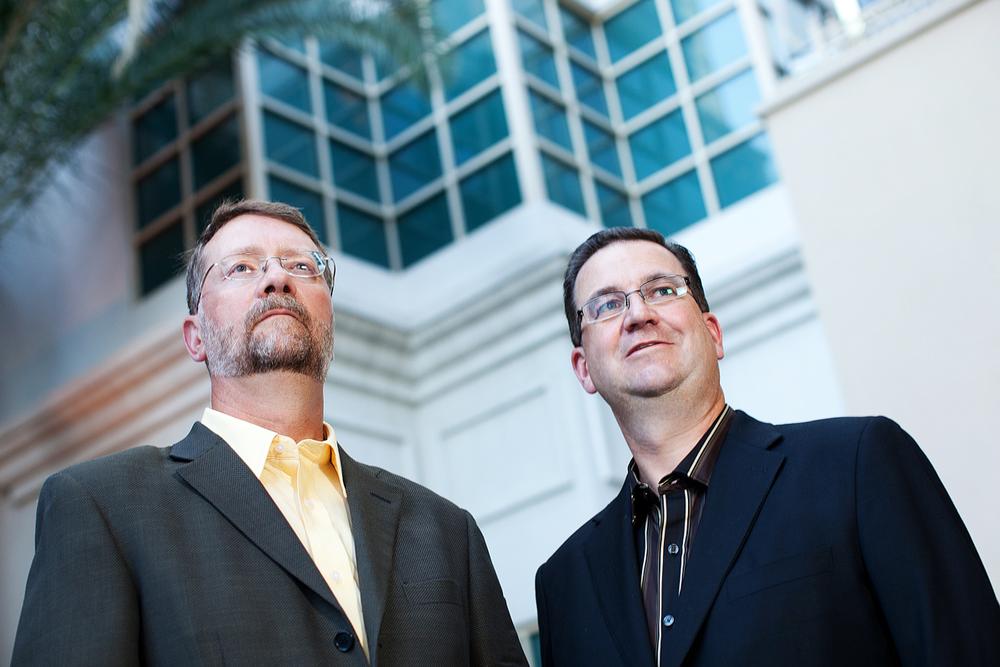
Pine and Gilmore say the buzz they get from their jobs is seeing their clients “get it”, changing their mindset, and doing things differently as a result. One past participant of their thinkAbout event is former brand consultant Rachel Shechtman, who recently opened the retail space STORY on New York’s 10th Avenue. Described as “a retail space that has the point of view of a magazine, changes like a gallery and sells things like a store” the 2,000sq ft site is like one imaginative, revolving pop-up shop. Every four to eight weeks, STORY changes all its merchandise, design, fixtures and re-invents the store around a new theme.
What’s the story?
What’s the story?
What’s the story?
What’s the story?
Sign up here to get HCM's weekly ezine and every issue of HCM magazine free on digital.

Joe Pine & Jim Gilmore
Writing and tutoring centres
https://www.leisureopportunities.co.uk/images/HCM2013_10customer.gif
Fifteen years after penning The Experience Economy, Pine and Gilmore are still inspiring businesses to create original and memorable customer experiences
The Experience Economy, Pine and Gilmore,,customer experience
Latest News
Ben Allen has been appointed managing director at Common Bond. Having set the company up ...
Latest News
Les Mills, whose name became synonymous with one of the world's leading fitness brands, has ...
Latest News
People taking GLP-1 weight loss medications such as Ozempic, Wegovy, Mounjaro and Zepbound may be ...
Latest News
Low-cost gym operator, PureGym, is trialling recovery zones at two of its UK sites, democratising ...
Latest News
In a milestone moment, mental health has become a core part of CIMSPA’s occupational professional ...
Latest News
US high-value, low-price chain, Eos Fitness, has announced plans to pilot reformer Pilates in three ...
Latest News
Preventive healthcare company Neko Health has added body composition analysis to its full-body health scan ...
Latest News
Chequan Lewis is the new CEO of Crunch Fitness, taking over from Jim Rowley, who ...
Latest News
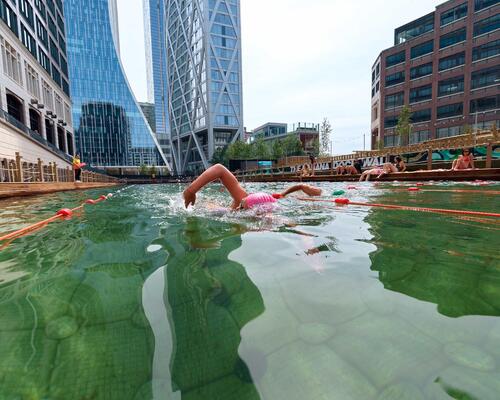
Sea Lanes Canary Wharf has officially opened. The 50-metre, six-lane pool, which uses the natural ...
Latest News
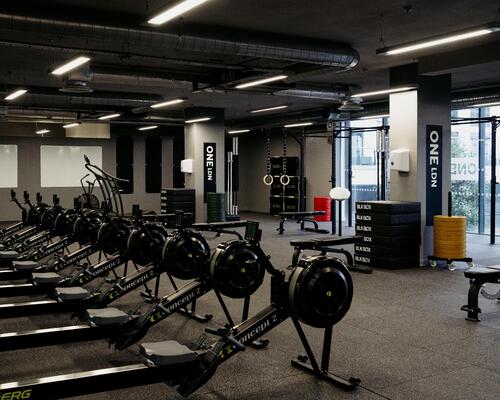
London-based high-performance fitness club, ONE LDN, is raising funds for a multi-site expansion across London, ...
Latest News
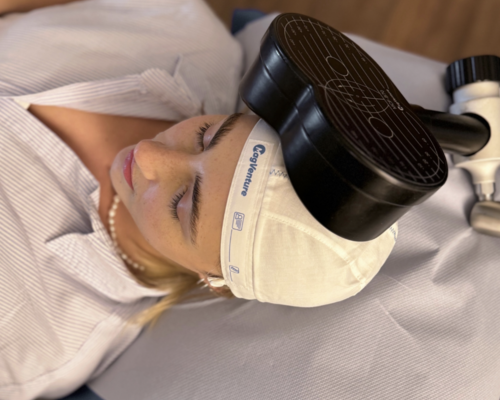
A new brain clinic has opened in London, which uses non-invasive brain stimulation to treat ...
Opinion
promotion
Strength training has moved from the margins to the mainstream.
Opinion: Building smarter strength spaces for today’s operators
Featured supplier news
Featured supplier news: Cornerstone Connect helps Active Blackpool tackle health inequalities
Active Blackpool is deploying Cornerstone Connect, a new digital interface allowing disparate information from multiple systems to be aggregated into one dataset, to support its focus on reducing health inequalities and improving healthy life expectancy.
Featured supplier news
Featured supplier news: Reaching the people most gyms miss: Bedford Gym & Swim Campaign delivers 410 new members
One of the biggest mistakes the fitness industry still makes is advertising almost exclusively to people who already look and live like gym members.
Company profiles
Company profile: FIBO
FIBO pursues the vision of a strong and healthy society and as a global network ...
Company profiles
Company profile: Shua Fitness
Founded in 1996, Shua integrates intelligent technology, sports science, and premium fitness equipment to deliver ...
Supplier Showcases
Supplier Showcase - From nightclub to health club
Supplier Showcases
Supplier Showcase - Future-proofing
Catalogue Gallery
Click on a catalogue to view it online
Featured press releases
Swimming Teachers' Association (STA) press release: STA Safeguarding programme for aquatic professionals awarded CIMSPA endorsement and CPD points
STA is pleased to announce that its Safeguarding Children and Adults at Risk CPD has been endorsed by the Chartered Institute for the Management of Sport and Physical Activity (CIMSPA) against both the Safeguarding and Protecting Children and Safeguarding Adults technical specialism professional standards.
Featured press releases
Swim England press release: Swim England launches new Learn to Swim Growth Plan to support aquatic programme expansion
Swim England has strengthened its sector-leading Business Solutions offer with the launch of its Learn to Swim Growth Plan, designed to help aquatic providers unlock sustainable programme growth.
Directory
Fitness tracking platform
SpiviTech: Fitness tracking platform
Water experiences and hydrotherapy solutions
Aquaform s.r.l.: Water experiences and hydrotherapy solutions
Industrial washing machines
Miele Company Limited: Industrial washing machines
Hot tubs
MSpa International Ltd: Hot tubs
Spa and beauty equipment
Oakworks Inc: Spa and beauty equipment
Lockers
Crown Sports Lockers: Lockers
Property & Tenders
Stratford, East London.
Lee Valley Regional Park Authority
Property & Tenders
Y Felinheli, LL56 4QN
Newmark
Property & Tenders
Diary dates
21-24 Sep 2026
The Langham Huntington Pasadena , Pasadena, United States
Diary dates
06-08 Oct 2026
Messe Stuttgart, Stuttgart, Germany
Diary dates
22-22 Oct 2026
QEII Conference Centre, London,
Diary dates
26-29 Oct 2027
Koelnmesse Exhibition Centre, Cologne, Germany
Diary dates
Search news, features & products:
Find a supplier:
Partner sites