













The Leisure Media Company Ltd
Follow Health Club Management on Twitter Like Health Club Management on Facebook Join the discussion with Health Club Management on LinkedIn
FITNESS, HEALTH, WELLNESS

features

Interview: Mike Kelly

Professor Mike Kelly, director of the Centre of Public Health Excellence at NICE, tells Julie Cramer why the organisation is determined to get GPs prescribing exercise and physical activity

By Julie Cramer | Published in Health Club Management 2013 issue 2
people get the message about diet, but the dangers of inactivity are not widely understood, especially the protective benefits

“We’re not talking about a new virus or germ – it’s something within our grasp to do something about, in a fairly straightforward kind of way,” says Mike Kelly, director of the Centre of Public Health Excellence at NICE (the National Institute for Health and Clinical Excellence).

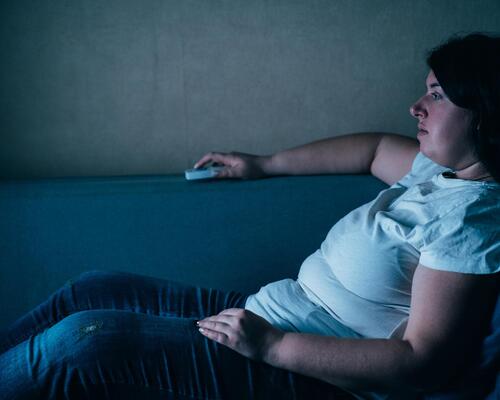
Kelly is not referring to some infectious disease requiring the attention of the medical community, but to the newly-defined set of lifestyle diseases – Type 2 diabetes, cardiovascular disease, hypertension – that are linked to obesity and physical inactivity and which now urgently require a wider approach.

“We’re facing an epidemic of non-communicable diseases related to the way we live our lives – the diets we consume, the physical activity we don’t do,” says Kelly. “It’s not that we [as leaders] don’t know what to do. It’s the fact that we haven’t so far taken a systematic approach across the whole of society.”

The grim predictions by government health officials are that by 2050, more than half of the adult population in England will be obese. Current trends show that 26 per cent of adults and 16 per cent of children are now classed as obese – a condition that can have grave consequences for their long-term health, as well as placing a huge cost burden on the NHS (currently over £5bn a year and rising rapidly).

In its role as health watchdog, NICE is there to offer independent, evidence-based guidance on ways to prevent and treat illness and poor health, not only to the NHS but also to local authorities and anyone with responsibilities in healthcare, public health and social care.

Kelly says the kind of scientific evidence and data related to lifestyle diseases that NICE has been reviewing in recent years is now pointing to one very significant conclusion: “The evidence about the benefits of physical activity and the disbenefits of not being active are now scientifically utterly compelling. The issue is now one of implementation.

“We can argue about exactly how much physical activity, plus there’s an ongoing debate about weight loss and physical activity [calories in or calories out], but the problem is not a scientific one – it’s the will to make it happen”.

GP framework
NICE has therefore recently taken the significant step of recommending that physical activity be included in the QOF (Quality and Outcomes Framework) indicators for GPs. GPs are currently incentivised financially to optimise and record treatment to patients for a range of health issues such as asthma, mental health, diabetes, coronary heart disease and hypertension. Exercise is not currently on the list of incentivised treatments, but given what is known about its physical and mental benefits, offering patients exercise advice would be a major step forward.

Kelly explains: “QOF is a complex system that doesn’t involve NICE directly. NICE lines up the sort of things that could go into the QOF and then the Department of Health in the four home countries and representatives from the medical profession negotiate on them. But given the compelling evidence, physical activity is something that we will be continuing to push to the foreground as a candidate for QOF.”

The changing political health landscape is another area where Kelly sees more opportunities. Health powers will become devolved with the advent of the Health and Social Care Act, and the formation of health and wellbeing boards within local authorities on 1 April 2013 will present more ways to tackle the issue.

Kelly says: “The changes to local authorities’ responsibilities represent the biggest change in public health since the 1970s. I believe there’s a really big appetite to do it well. Effectively, prevention of heart disease and diabetes become the responsibility of the local authorities.”

To assist, Kelly says NICE will publish a series of public health briefings to help identify things local authorities can do quite quickly to improve the public health agenda.

Firstly, the institute has published a new pathway aimed at policy makers, commissioners, practitioners and other professionals, setting out how communities can help prevent overweight and obesity. These include schemes to prevent harmful drinking, nutrition advice and the appointment of local ‘obesity champions’.

Lifestyle changes
While targeted campaigns aimed at reducing salt in packaged foods, as well as the traffic light food labelling system, may be achieving traction, Kelly says much more needs to be done on a systematic basis to fully integrate changes into people’s lifestyles: “People get the message about diet, although they still find it difficult to follow a good diet, but the dangers of inactivity are not widely understood, especially the protective benefits.”

To get people moving, there’s a new set of guidelines on walking and cycling, in which NICE is advising people to make shorter journeys by foot or bicycle rather than by car. Whether it’s walking to school, work or the corner shop, the message is that these small journeys can really have a positive and accumulative effect on health.

To encourage these changes, however, Kelly says it will be up to the local authorities to modify the built environment to make it more amenable to daily physical activity: “Many things that make walking and cycling easier are within their grasp because they control traffic flow, planning regulations and so on.”

Kelly insists he is not talking about expensive infrastructure changes, but simple things to remove barriers – for example, employers offering showers at work for employees who cycle, secure parking spaces for bicycles, and for walkers, safer pavements and well-lit streets.

He admits the UK is some way off the level of the Netherlands with its enthusiastic cycling habits, but upholds as good examples cities like York and Oxford which are especially cycle-friendly, and central London’s rent-a-bike scheme.

While some solutions may seem relatively easy, Kelly also points out that things will only work if all parties are on board. “We all have to own this problem and not assume that obesity is someone else’s problem – it’s not just for doctors to sort out.

“It requires concerted efforts involving the medical profession, government, the food industry, the exercise industry, planners of transport systems, as well as all of us taking responsibility for our own health too.”

Joining forces
The increasing dialogue between the medical and fitness industries is one that Kelly welcomes, and it’s a rapprochement that he sees as vital to the future.

“There are a number of medical and fitness leaders around the country who are working tirelessly to make this happen, and I’m optimistic that we’re moving in the right direction. It’s very likely that, in the next five to 10 years, we’ll see more of this work incorporated into the medical curriculum and the training of GPs.”

Many experts have drawn a parallel between the detrimental effects of smoking and the dangers of a sedentary lifestyle. After the publication of the Doll and Hill study into the link between smoking and lung cancer in the early 1950s, Kelly says that most doctors changed their own smoking habits almost overnight: “Even today it’s still very rare to see a doctor, in the UK at least, who is a smoker. They’ve been fantastic role models for us all.

“GPs have been one of the major ways we’ve achieved success in the cessation of smoking. It leads us to assume that if they can become as single-minded in their recommendation of physical activity, they could play a very important part in the whole process.”

Carrots and sticks
An added complication with treating the so-called lifestyle diseases is that they involve tackling the complex issue of human behaviour. To this end, Kelly says NICE is currently updating its 2007 guidelines on behaviour change. “It’s one thing to resolve to change your behaviour and quite another to have continuing beneficial behaviour,” he explains.

In terms of such behaviour modification, Kelly seems to be in favour of both the carrot and the stick. “Nudge is one of the approaches, because it picks up on an important dimension in human behaviour: our response to cues in our environment which don’t require much perception or cognitive activity.

“But nudge isn’t the whole story. We’re also rational-thinking human beings and need information on which to base our decisions. Sometimes we can’t be nudged without the right kind of framework being put in place.”

To return to the case of smoking, Kelly points out that across the decades there have been some very effective public education campaigns, a gradual ‘denormalising’ of the act of smoking, increasingly fearful advertising, the banning of ads on cigarette packets, and ultimately the ban on smoking in public places.

“All of these things together have led to a remarkable improvement in people’s health with regards to heart disease, cancer and chest illnesses,” he says. But these changes took 60 years to happen and Kelly acknowledges that with the obesity and lifestyle disease ‘time-bomb’, we cannot afford to spend as long forming a solution.

He admits it may take a while for some GPs and other professionals to embrace the message of physical activity, but says: “The decisive change hasn’t happened yet – it’s been a rather slow burn – but I’m optimistic we’re talking about the medicine of the future.”

Briefing: Professor Kelly

Professor Kelly is director of the Centre of Public Health Excellence at NICE, where he leads on the development of public health guidance. He is a public health practitioner, researcher and academic. He studied Social Science at the University of York, has a Masters degree in Sociology from the University of Leicester, and undertook his PhD in the Department of Psychiatry at the University of Dundee.

His interests include evidence-based approaches to health improvement, coronary heart disease prevention, chronic illness, disability, physical activity, health inequalities, behaviour change, social identity and community involvement in health promotion.
Sign up here to get HCM's weekly ezine and every issue of HCM magazine free on digital.
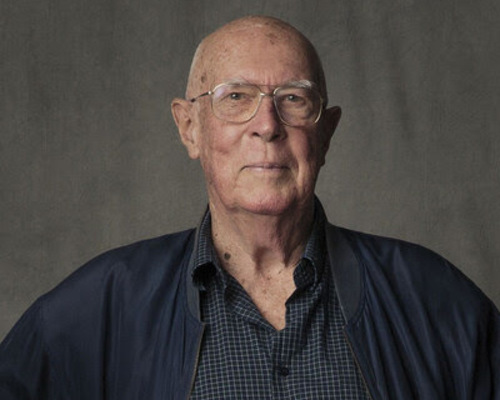
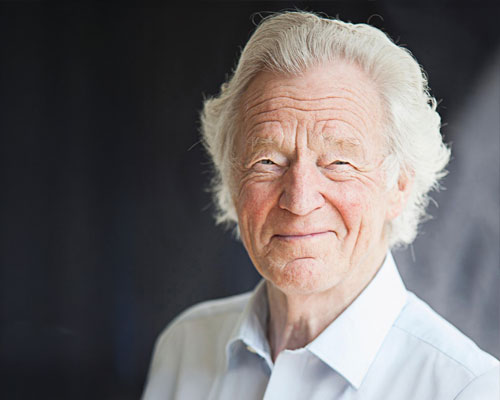
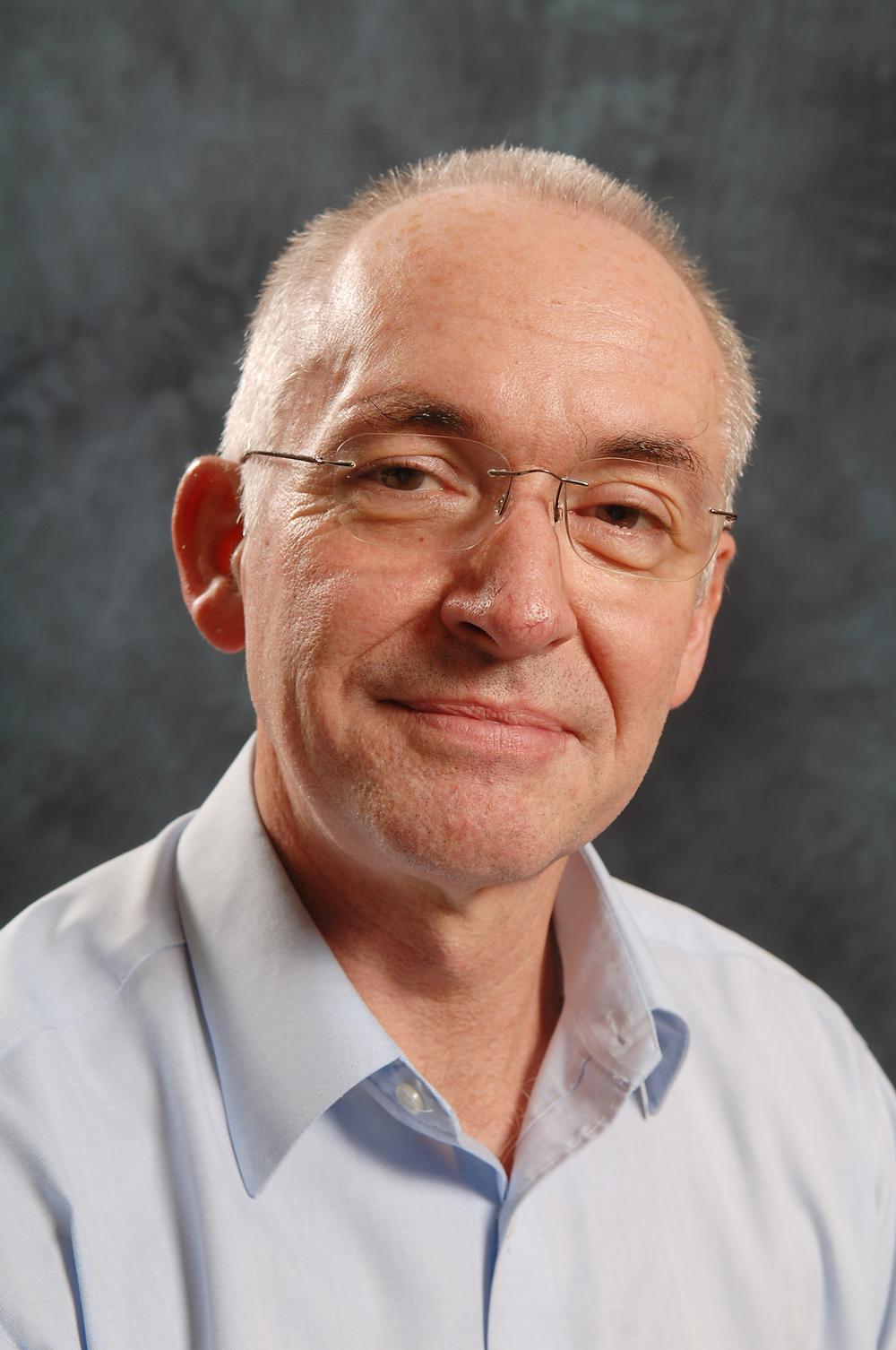
Professor Mike Kelly, director of the Centre of Public Health Excellence at NICE
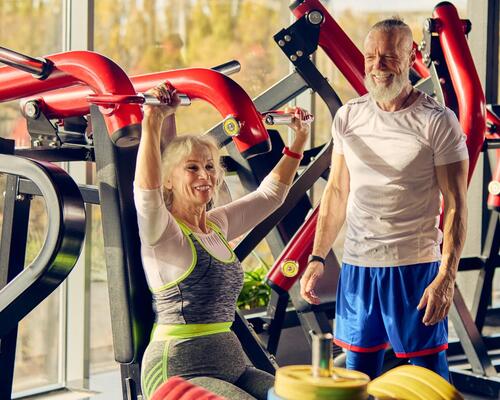
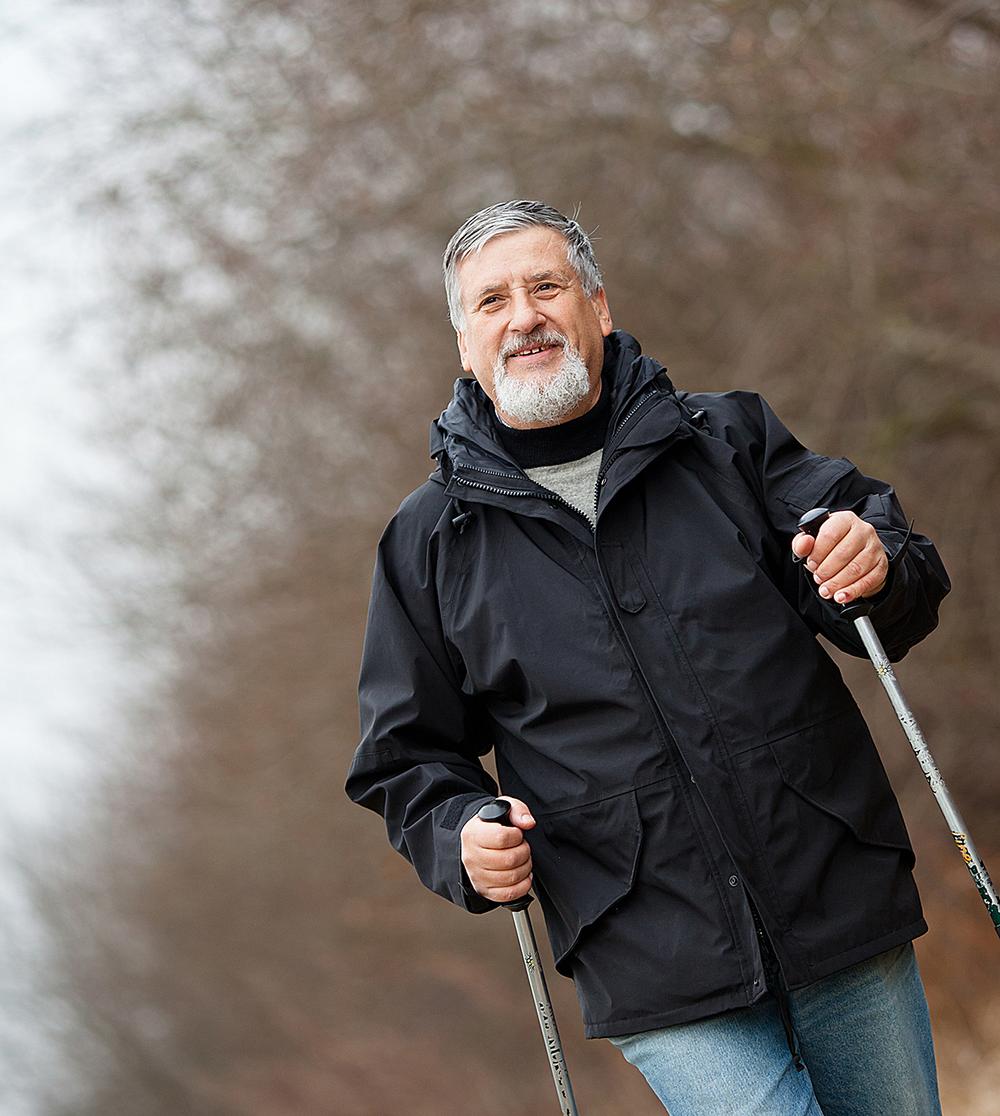
Should we expect exercise advice from GPs? / © l i g h t p o e t/shutterstock.com
People need to be more informed on the risk of conditions like diabetes / © dmitry zubarev/shutterstock.com
Kelly says there is now “compelling” evidence about the benefits of exercise / © Diego Cervo/shutterstock.com
https://www.leisureopportunities.co.uk/images/HCM2013_2interview2.gif
The director of public health at NICE tells Julie Cramer why the organisation is determined to get GPs prescribing exercise
Professor Mike Kelly, director of the Centre of Public Health Excellence at NICE,GPs prescribing exercise
HCM magazine
HCM People

Jamie Clements

The Breath Coach
I experienced a blissful feeling of joy I hadn’t felt since I was a kid
HCM magazine
If the health service is to survive, we must recognise that it is a disease service – and that wellbeing rests with us, says the activity advocate and healthy ageing champion. He talks to Kate Cracknell
HCM magazine
For every member with a tripod and a big following, there are others irritated at the way equipment is being hogged or wary they’ll be in the background on someone’s Insta feed. Do influencers offer valuable, free marketing or are they just a nuisance? Kath Hudson finds out how operators are responding
HCM magazine
Collaborations with the medical profession and greater aspirations around wellbeing are creating a need for more experts in our sector. It’s time to reboot our thinking around the workforce
HCM magazine
HCM People

Stephen Price

Founder, SP&Co Group
Working in public health over the last few years has lit up parts of my brain again
HCM promotional features
Sponsored
David Lloyd is stepping up its commitment to women’s health as it continues to explore what fit-for-purpose looks like for the female population
HCM promotional features
Sponsored
Third Space partnered with IndigoFitness to deliver a bespoke training space for its new club at The Whiteley
HCM promotional features
Sponsored
Greg Bradley looks at the shift towards strength training in gyms and advises on how operators can create the ultimate training environment
HCM promotional features
Sponsored
Starpool supports Olympic champion Marcell Jacobs, says Riccardo Turri
HCM promotional features
Sponsored
SnowDome Fitness has added 50 per cent more space with cutting-edge Technogym solutions
HCM promotional features
Sponsored
Find out how your gym can tap into the corporate wellness boom
HCM promotional features
Sponsored
EGYM has opened a new HQ in Paternoster Square, London and revealed a range of new launches
HCM promotional features
Sponsored
Pulse Fitness has created a new health club delivering an elevated wellness experience
HCM promotional features
Promotion
Performance Health Systems, manufacturer of Power Plate, has a new CEO, with an ambitious vision for the company
HCM promotional features
Latest News
Nuffield Health has told HCM that it takes its responsibilities towards its colleagues seriously and ...
Latest News
Technogym has announced the launch of the Run X World Treadmill Championship, the first world ...
Latest News
Shocked by the UK loneliness statistics, charitable trust Mytime Active has been doubling down on ...
Latest News
Portugal’s leading operator, SC Fitness, is celebrating a milestone by reaching 100 gyms.  The company ...
Latest News
Australia’s fast-growing fitness network, Viva Leisure, is adding a low-cost gym brand to its already ...
Latest News
Speedflex has launched a strength training programme for 10 to 16-year-olds, to make it safer, ...
Latest News
Tewinbury Farm Hotel in Hertfordshire, UK is expanding its premium leisure proposition with the launch ...
Latest News

Work is underway in Madrid on one of Europe’s most significant multi-functional complexes, ...

Opinion
promotion
Strength training has moved from the margins to the mainstream.
Opinion: Building smarter strength spaces for today’s operators
Featured supplier news
Featured supplier news: Reaching the people most gyms miss: Bedford Gym & Swim Campaign delivers 410 new members
One of the biggest mistakes the fitness industry still makes is advertising almost exclusively to people who already look and live like gym members.
Featured supplier news
Featured supplier news: W3Fit EMEA celebrates its fifth anniversary
Celebrating its milestone 5th anniversary, W3Fit EMEA returns in 2026 with an unmissable gathering of the Health & Fitness industry’s most influential leaders.
Company profiles
Company profile: Taylor Made Designs
Taylor Made Designs offer health clubs a fully-managed end-to-end service. From garment design to sourcing, ...
Company profiles
Company profile: Kemitron GmbH
Kemitron is a German family-owned company specialising in the development and manufacture of high-quality products ...
Supplier Showcases
Supplier Showcase - Future-proofing
Catalogue Gallery
Click on a catalogue to view it online
Featured press releases
GYMNATION press release: Massive ‘Good Luck’ message appears in Saudi Desert as Green Falcons head to World Cup
Passengers flying out of Riyadh this week have been treated to an extraordinary sight from the skies after GymNation unveiled a giant desert sand mural supporting the Saudi Arabia National Football Team ahead of the FIFA World Cup in the United States.
Featured press releases
BLK BOX press release: BLK BOX strengthens European growth with the appointment of Germany country manager Timo Garrels
BLK BOX is proud to welcome Timo Garrels as Germany country manager, marking another important step in the brand’s continued growth across Europe.
Directory
Industrial washing machines
Miele Company Limited: Industrial washing machines
Lockers
Crown Sports Lockers: Lockers
Fitness tracking platform
SpiviTech: Fitness tracking platform
Water experiences and hydrotherapy solutions
Aquaform s.r.l.: Water experiences and hydrotherapy solutions
Spa and beauty equipment
Oakworks Inc: Spa and beauty equipment
Hot tubs
MSpa International Ltd: Hot tubs
Property & Tenders
Stratford, East London.
Lee Valley Regional Park Authority
Property & Tenders
Y Felinheli, LL56 4QN
Newmark
Property & Tenders
Diary dates
13-13 Jun 2026
Worldwide, Various,
Diary dates
21-24 Sep 2026
The Langham Huntington Pasadena , Pasadena, United States
Diary dates
06-08 Oct 2026
Messe Stuttgart, Stuttgart, Germany
Diary dates
22-22 Oct 2026
QEII Conference Centre, London,
Diary dates
26-29 Oct 2027
Koelnmesse Exhibition Centre, Cologne, Germany
Diary dates

features

Interview: Mike Kelly

Professor Mike Kelly, director of the Centre of Public Health Excellence at NICE, tells Julie Cramer why the organisation is determined to get GPs prescribing exercise and physical activity

By Julie Cramer | Published in Health Club Management 2013 issue 2
people get the message about diet, but the dangers of inactivity are not widely understood, especially the protective benefits

“We’re not talking about a new virus or germ – it’s something within our grasp to do something about, in a fairly straightforward kind of way,” says Mike Kelly, director of the Centre of Public Health Excellence at NICE (the National Institute for Health and Clinical Excellence).

Kelly is not referring to some infectious disease requiring the attention of the medical community, but to the newly-defined set of lifestyle diseases – Type 2 diabetes, cardiovascular disease, hypertension – that are linked to obesity and physical inactivity and which now urgently require a wider approach.

“We’re facing an epidemic of non-communicable diseases related to the way we live our lives – the diets we consume, the physical activity we don’t do,” says Kelly. “It’s not that we [as leaders] don’t know what to do. It’s the fact that we haven’t so far taken a systematic approach across the whole of society.”

The grim predictions by government health officials are that by 2050, more than half of the adult population in England will be obese. Current trends show that 26 per cent of adults and 16 per cent of children are now classed as obese – a condition that can have grave consequences for their long-term health, as well as placing a huge cost burden on the NHS (currently over £5bn a year and rising rapidly).

In its role as health watchdog, NICE is there to offer independent, evidence-based guidance on ways to prevent and treat illness and poor health, not only to the NHS but also to local authorities and anyone with responsibilities in healthcare, public health and social care.

Kelly says the kind of scientific evidence and data related to lifestyle diseases that NICE has been reviewing in recent years is now pointing to one very significant conclusion: “The evidence about the benefits of physical activity and the disbenefits of not being active are now scientifically utterly compelling. The issue is now one of implementation.

“We can argue about exactly how much physical activity, plus there’s an ongoing debate about weight loss and physical activity [calories in or calories out], but the problem is not a scientific one – it’s the will to make it happen”.

GP framework
NICE has therefore recently taken the significant step of recommending that physical activity be included in the QOF (Quality and Outcomes Framework) indicators for GPs. GPs are currently incentivised financially to optimise and record treatment to patients for a range of health issues such as asthma, mental health, diabetes, coronary heart disease and hypertension. Exercise is not currently on the list of incentivised treatments, but given what is known about its physical and mental benefits, offering patients exercise advice would be a major step forward.

Kelly explains: “QOF is a complex system that doesn’t involve NICE directly. NICE lines up the sort of things that could go into the QOF and then the Department of Health in the four home countries and representatives from the medical profession negotiate on them. But given the compelling evidence, physical activity is something that we will be continuing to push to the foreground as a candidate for QOF.”

The changing political health landscape is another area where Kelly sees more opportunities. Health powers will become devolved with the advent of the Health and Social Care Act, and the formation of health and wellbeing boards within local authorities on 1 April 2013 will present more ways to tackle the issue.

Kelly says: “The changes to local authorities’ responsibilities represent the biggest change in public health since the 1970s. I believe there’s a really big appetite to do it well. Effectively, prevention of heart disease and diabetes become the responsibility of the local authorities.”

To assist, Kelly says NICE will publish a series of public health briefings to help identify things local authorities can do quite quickly to improve the public health agenda.

Firstly, the institute has published a new pathway aimed at policy makers, commissioners, practitioners and other professionals, setting out how communities can help prevent overweight and obesity. These include schemes to prevent harmful drinking, nutrition advice and the appointment of local ‘obesity champions’.

Lifestyle changes
While targeted campaigns aimed at reducing salt in packaged foods, as well as the traffic light food labelling system, may be achieving traction, Kelly says much more needs to be done on a systematic basis to fully integrate changes into people’s lifestyles: “People get the message about diet, although they still find it difficult to follow a good diet, but the dangers of inactivity are not widely understood, especially the protective benefits.”

To get people moving, there’s a new set of guidelines on walking and cycling, in which NICE is advising people to make shorter journeys by foot or bicycle rather than by car. Whether it’s walking to school, work or the corner shop, the message is that these small journeys can really have a positive and accumulative effect on health.

To encourage these changes, however, Kelly says it will be up to the local authorities to modify the built environment to make it more amenable to daily physical activity: “Many things that make walking and cycling easier are within their grasp because they control traffic flow, planning regulations and so on.”

Kelly insists he is not talking about expensive infrastructure changes, but simple things to remove barriers – for example, employers offering showers at work for employees who cycle, secure parking spaces for bicycles, and for walkers, safer pavements and well-lit streets.

He admits the UK is some way off the level of the Netherlands with its enthusiastic cycling habits, but upholds as good examples cities like York and Oxford which are especially cycle-friendly, and central London’s rent-a-bike scheme.

While some solutions may seem relatively easy, Kelly also points out that things will only work if all parties are on board. “We all have to own this problem and not assume that obesity is someone else’s problem – it’s not just for doctors to sort out.

“It requires concerted efforts involving the medical profession, government, the food industry, the exercise industry, planners of transport systems, as well as all of us taking responsibility for our own health too.”

Joining forces
The increasing dialogue between the medical and fitness industries is one that Kelly welcomes, and it’s a rapprochement that he sees as vital to the future.

“There are a number of medical and fitness leaders around the country who are working tirelessly to make this happen, and I’m optimistic that we’re moving in the right direction. It’s very likely that, in the next five to 10 years, we’ll see more of this work incorporated into the medical curriculum and the training of GPs.”

Many experts have drawn a parallel between the detrimental effects of smoking and the dangers of a sedentary lifestyle. After the publication of the Doll and Hill study into the link between smoking and lung cancer in the early 1950s, Kelly says that most doctors changed their own smoking habits almost overnight: “Even today it’s still very rare to see a doctor, in the UK at least, who is a smoker. They’ve been fantastic role models for us all.

“GPs have been one of the major ways we’ve achieved success in the cessation of smoking. It leads us to assume that if they can become as single-minded in their recommendation of physical activity, they could play a very important part in the whole process.”

Carrots and sticks
An added complication with treating the so-called lifestyle diseases is that they involve tackling the complex issue of human behaviour. To this end, Kelly says NICE is currently updating its 2007 guidelines on behaviour change. “It’s one thing to resolve to change your behaviour and quite another to have continuing beneficial behaviour,” he explains.

In terms of such behaviour modification, Kelly seems to be in favour of both the carrot and the stick. “Nudge is one of the approaches, because it picks up on an important dimension in human behaviour: our response to cues in our environment which don’t require much perception or cognitive activity.

“But nudge isn’t the whole story. We’re also rational-thinking human beings and need information on which to base our decisions. Sometimes we can’t be nudged without the right kind of framework being put in place.”

To return to the case of smoking, Kelly points out that across the decades there have been some very effective public education campaigns, a gradual ‘denormalising’ of the act of smoking, increasingly fearful advertising, the banning of ads on cigarette packets, and ultimately the ban on smoking in public places.

“All of these things together have led to a remarkable improvement in people’s health with regards to heart disease, cancer and chest illnesses,” he says. But these changes took 60 years to happen and Kelly acknowledges that with the obesity and lifestyle disease ‘time-bomb’, we cannot afford to spend as long forming a solution.

He admits it may take a while for some GPs and other professionals to embrace the message of physical activity, but says: “The decisive change hasn’t happened yet – it’s been a rather slow burn – but I’m optimistic we’re talking about the medicine of the future.”

Briefing: Professor Kelly

Professor Kelly is director of the Centre of Public Health Excellence at NICE, where he leads on the development of public health guidance. He is a public health practitioner, researcher and academic. He studied Social Science at the University of York, has a Masters degree in Sociology from the University of Leicester, and undertook his PhD in the Department of Psychiatry at the University of Dundee.

His interests include evidence-based approaches to health improvement, coronary heart disease prevention, chronic illness, disability, physical activity, health inequalities, behaviour change, social identity and community involvement in health promotion.

Sign up here to get HCM's weekly ezine and every issue of HCM magazine free on digital.
Professor Mike Kelly, director of the Centre of Public Health Excellence at NICE
Should we expect exercise advice from GPs? / © l i g h t p o e t/shutterstock.com
People need to be more informed on the risk of conditions like diabetes / © dmitry zubarev/shutterstock.com
Kelly says there is now “compelling” evidence about the benefits of exercise / © Diego Cervo/shutterstock.com
https://www.leisureopportunities.co.uk/images/HCM2013_2interview2.gif
The director of public health at NICE tells Julie Cramer why the organisation is determined to get GPs prescribing exercise
Professor Mike Kelly, director of the Centre of Public Health Excellence at NICE,GPs prescribing exercise
Latest News
Nuffield Health has told HCM that it takes its responsibilities towards its colleagues seriously and ...
Latest News
Technogym has announced the launch of the Run X World Treadmill Championship, the first world ...
Latest News
Shocked by the UK loneliness statistics, charitable trust Mytime Active has been doubling down on ...
Latest News
Portugal’s leading operator, SC Fitness, is celebrating a milestone by reaching 100 gyms.  The company ...
Latest News
Australia’s fast-growing fitness network, Viva Leisure, is adding a low-cost gym brand to its already ...
Latest News
Speedflex has launched a strength training programme for 10 to 16-year-olds, to make it safer, ...
Latest News
Tewinbury Farm Hotel in Hertfordshire, UK is expanding its premium leisure proposition with the launch ...
Latest News

Work is underway in Madrid on one of Europe’s most significant multi-functional complexes, ...

Latest News
PureGym is encouraging people to step away from their screens and go for a walk, ...
Latest News
Small improvements to sleep, diet quality, and physical activity, made in combination lead to a ...
Latest News
Therme Manchester’s 28-acre development, which will include interconnected glass pavilions that measure 65,000sq m, will ...
Opinion
promotion
Strength training has moved from the margins to the mainstream.
Opinion: Building smarter strength spaces for today’s operators
Featured supplier news
Featured supplier news: Reaching the people most gyms miss: Bedford Gym & Swim Campaign delivers 410 new members
One of the biggest mistakes the fitness industry still makes is advertising almost exclusively to people who already look and live like gym members.
Featured supplier news
Featured supplier news: W3Fit EMEA celebrates its fifth anniversary
Celebrating its milestone 5th anniversary, W3Fit EMEA returns in 2026 with an unmissable gathering of the Health & Fitness industry’s most influential leaders.
Company profiles
Company profile: Taylor Made Designs
Taylor Made Designs offer health clubs a fully-managed end-to-end service. From garment design to sourcing, ...
Company profiles
Company profile: Kemitron GmbH
Kemitron is a German family-owned company specialising in the development and manufacture of high-quality products ...
Supplier Showcases
Supplier Showcase - Future-proofing
Catalogue Gallery
Click on a catalogue to view it online
Featured press releases
GYMNATION press release: Massive ‘Good Luck’ message appears in Saudi Desert as Green Falcons head to World Cup
Passengers flying out of Riyadh this week have been treated to an extraordinary sight from the skies after GymNation unveiled a giant desert sand mural supporting the Saudi Arabia National Football Team ahead of the FIFA World Cup in the United States.
Featured press releases
BLK BOX press release: BLK BOX strengthens European growth with the appointment of Germany country manager Timo Garrels
BLK BOX is proud to welcome Timo Garrels as Germany country manager, marking another important step in the brand’s continued growth across Europe.
Directory
Industrial washing machines
Miele Company Limited: Industrial washing machines
Lockers
Crown Sports Lockers: Lockers
Fitness tracking platform
SpiviTech: Fitness tracking platform
Water experiences and hydrotherapy solutions
Aquaform s.r.l.: Water experiences and hydrotherapy solutions
Spa and beauty equipment
Oakworks Inc: Spa and beauty equipment
Hot tubs
MSpa International Ltd: Hot tubs
Property & Tenders
Stratford, East London.

Lee Valley Regional Park Authority
Property & Tenders
Y Felinheli, LL56 4QN
Newmark
Property & Tenders
Diary dates
13-13 Jun 2026
Worldwide, Various,
Diary dates
21-24 Sep 2026
The Langham Huntington Pasadena , Pasadena, United States
Diary dates
06-08 Oct 2026
Messe Stuttgart, Stuttgart, Germany
Diary dates
22-22 Oct 2026
QEII Conference Centre, London,
Diary dates
26-29 Oct 2027
Koelnmesse Exhibition Centre, Cologne, Germany
Diary dates
Search news, features & products:
Find a supplier:
The Leisure Media Company Ltd
Partner sites