











GET HCM
magazine
Sign up for the FREE digital edition of HCM magazine and also get the HCM ezine and breaking news email alerts.
Not right now, thanksclose this window I've already subscribed!
EGYM
EGYM
EGYM
Follow Health Club Management on Twitter Like Health Club Management on Facebook Join the discussion with Health Club Management on LinkedIn
FITNESS, HEALTH, WELLNESS

features

Interview: Lynne & Victor Brick

They might put it down to learning on the job, but behind this modesty lies one of the fitness industry’s success stories: industry veterans who – from a humble start in in the 80s – are one of the largest Planet Fitness franchisees. Kate Cracknell reports
By Kate Cracknell | Published in Health Club Management 2019 issue 2
Lynne & Victor Brick
It would be suicidal to start from scratch today, in this hyper-competitive industry, but back in 1985, people flocked to us. All we heard was: ‘A health club? Oh my gosh, what’s that?

We had good timing,” the Bricks tell me, modestly, as they begin their story. “It would be suicidal to start from scratch today, in this hyper-competitive industry, but back in 1985, people flocked to us. All we heard was: ‘A health club? Oh my gosh, what’s that?’

“There were only a few brands in the market: Gold’s Gym, Bally’s, Jack LaLanne. Health clubs were just starting to move from being a novelty to being mainstream; we had about three competitors in a five-mile radius.”

Lynne takes up the story: “We actually started out in business in 1982. It was just around the time when aerobics was emerging, and we were renting racquetball court space where I taught 20 classes a week.”

“Meanwhile, I was stuffing fliers in mailboxes and on car windshields,” says Victor. “We had this great little business that was making US$300–400 a month. Then, in 1985, Lynne became pregnant with our second child. She was our star instructor, and although she still taught into her ninth month of pregnancy, we knew she wouldn’t be able to do as much – and with the model we had – renting space – we couldn’t afford to pay for instructors.

“So, we had a choice to make: either give up on the thing we loved – fitness – because our business would have gone away without our star, or get serious and put a stake in the ground with an actual location. So, we bit the bullet. We felt that if we wanted to make a proper living, we couldn’t just play at it, renting space and just offering aerobics. We had to go all-in.”

“We went to look at the Padonia Fitness Center in Baltimore in April 1985, and in August we bought it, creating the first Brick Bodies club,” says Lynne. “In the October, our son was born.”

“Our parents gave us the money to buy the club and we cried ourselves to sleep every night for the first month, because we thought we were going to go broke,” adds Victor. “But we hung in and turned the club around. We were one of the first full-service clubs not only in Baltimore but in the US; our club was ranked in the top 25 clubs in the country at the time. In the meantime, all those aerobic-only studios… disappeared.”

20 years later
“We grew the chain organically,” explains Victor. “We were like a lot of people in the fitness industry in that we got into the business because we loved it. We didn’t really have business acumen and we took the longest time to figure out the finances. We’d wait until a club was successful – until we were generating cashflow – and then we’d buy another club and build that up, which would take two or three years.

“Of course, what the big guys do is just go out and get US$100m, so they can open 50 or 100 of these things, but we didn’t. We built Brick Bodies up to seven clubs over a 20-year period, and every club was like pushing a rock uphill, because we were under-financed.

“That’s the biggest change I see in the fitness industry now: these young people come up with a new concept and they get capital to launch it, as opposed to the old days when you were always under-financed.”

He continues: “The early days of Brick Bodies was, in effect, a training programme for us – a winnowing process until we finally came up with a model that worked for that brand. We believe that model is the big club model.

“The real turning point came when we opened our first big club in 2013. It got to 12,000 members and has been one of the most successful clubs in the United States.

“We finally realised that’s the model for Brick Bodies: the health clubs that we build now are 50,000–60,000sq ft. It took us 20 years to figure that out!

“We’ve since reduced the number of clubs we operate: we now have just four, retaining the bigger ones.

We firmly believe that a full-service health and fitness club has to be just that – full-service – so we got rid of the smaller clubs we opened because of convenience rather than a strategy.

“We’re also preparing to open another full-sized club and we’ll continue to grow the Brick Bodies brand within the Baltimore area – but we haven’t set a goal yet in terms of number of clubs, because we’ve only just decided we do indeed want to expand.”

The next generation
But while Lynne and Victor remain shareholders, they will no longer be spearheading that growth. Lynne explains: “At the beginning of 2015, our daughter Vicki was named CEO of Brick Bodies. She’s now in the process of redesigning the business to be hip and cool and cutting edge again.

“The new clubs will have multiple pools, multiple group exercise and small group training rooms, and will focus heavily on group training. Vicki is bringing boutique concepts into each of those group exercise spaces, creating mini-tribes under one roof. She’s also taking out some of the basketball court space to create a huge personal training centre with turf and all sorts of new tools. She’s reshaping the company.”

“How you fail in business is slowly at first, then very quickly,” Victor reflects. “Brick Bodies was ticking along, still doing fine, but it wasn’t quite like the old days when people would roll down their windows and shout out to tell us how much they liked our commercials. It was good still, but no longer great. And that creeps up on you – as did the fact that we, our members and our staff were getting older. The group exercise instructors still had full classes, but it was always the same people and they were doing the same programme they’d done for 20 years.

“We started losing momentum slowly at first, but then we realised we had to do something. We had to preserve the USP of Brick Bodies: the fact it’s a local, family-run company in Baltimore – a place that treats you right and where everyone knows your name. But we also needed to be innovative and cutting edge, constantly adapting and experimenting. That’s where Vicki’s come in.”

He laughs: “In the end, nobody wants to work out at your parents’ club. That side of the industry… it’s passed us by to a certain degree. The full-service industry is a young person’s game. You need to be part of the tech generation. You have to be up on the latest and greatest programming, travelling the world to see new concepts in action. It used to be that a new programme would come out every couple of years. Now it’s every couple of months. Vicki has the energy to keep up with all that and give Brick Bodies the attention it deserves to grow and thrive.”

The other 85 per cent
It’s also the case that Lynne and Victor have their hands more than full with their other business: they’re one of the largest franchisees of low-cost gym brand Planet Fitness, operating over 60 of the chain’s 1,600+ clubs.

“To give you an idea of the size of Planet Fitness, it has over 12 million members,” says Victor. “That’s more than 4 per cent of the US population. That gives you an idea of how compelling this value proposition is and how appealing it is to the average person. That many people – they’re not all fit, they’re not all lifers. They don’t all want to be able to bench-press 300lbs. They’re just average people coming in.”

He rewinds to the beginning: “We got involved in Planet Fitness 11 years ago because I grew tired of being Mr Lynne Brick! Lynne was one of the world’s top group exercise instructors and was on the IHRSA board, and I went to Boston with her when she had a board meeting. I went to see a Planet Fitness club with a friend of mine, expecting cheap equipment and lots of muscle heads – that’s what you expect for US$10 a month, right? But it was a very nice facility: clean, good equipment, a lot of nice normal people. I turned to my friend and said: ‘This is an ATM. These guys are printing money.’

“And again, it was all about timing: at that point, there were fewer than 100 Planet Fitness clubs across the US. So, I spoke to Lynne – I don’t do anything without consulting with my lovely wife – to see what she thought about getting involved.”

Lynne takes up the story: “We went to see some of their corporate clubs – the original Planet Fitness clubs – and what impressed me most was how many women were working out there, even without any group exercise on offer. That intrigued me. I also saw people of all different ages, stages, shapes, sizes, abilities, disabilities… and everyone seemed so happy. It really did seem to attract the other 85 per cent. We realised we had to go for it.”

“At Brick Bodies, we’d been chasing that other 85 per cent the same as everybody else,” acknowledges Victor. “We were all just beating each other up over the next offer, the next deal, the next discount, the next great programme... but it was all just more of the same. When we saw Planet Fitness, we realised that they had it figured out. Everyone was laughing at them for doing things differently, but they were getting the people we’d been chasing for the last 25+ years.”

Doing things differently
So how exactly is Planet Fitness achieving this? Victor explains: “There are five fears of a prospective new member, which we remember using an acronym: AKISS.

“A is physique anxiety. K is looking like a klutz: feeling un-coordinated in a class, for example. I is fear of isolation: all those beautiful people and you’re hanging out on your own. S is fear of feeling stupid, being on a piece of equipment and not knowing how to use it. And S is fear of the hard sell. Planet Fitness is the only club group that addresses all five.” He continues: “We’re criticised for not letting people wear thongs and midriffs and all that, but we don’t want new members to feel anxious or intimidated by these beautiful people.

“There are other details to address physique anxiety too, like our dumbbells only go up to 75lbs and we have no flat-back benches; we don’t want muscle-heads in the club monopolising the equipment. We also have a Lunk Alarm which goes off if you drop your weights – and if someone does drop their weights, we go over and talk to them. It all goes towards creating an environment that makes people comfortable.

“We’re also criticised for not offering group exercise, but it comes down to fear of being a klutz: we don’t want anyone feeling they can’t do things because they’re un-coordinated.

“Fear of isolation. People laugh at us for the pizza nights and the bagel mornings once a month – but one piece of pizza once a month isn’t going to kill you, and these events are so important for getting members to chat to staff, and members to chat to each other. They’re effectively parties.

“Then there’s the fear of feeling stupid. At Planet Fitness, you don’t have to pay for a PT to get advice. We don’t even offer personal training: all our training is free. We have a trainer on the floor much more than we do at Brick Bodies, and they’ll show you how to use the equipment so you don’t feel stupid. Plus, we only have three lines of equipment across all our gyms, so you quickly become familiar with how it all works.”

“Also included in the US$10 a month membership is our small group training offering. We strongly emphasise fitness at Planet Fitness,” adds Lynne. “These functional training sessions also build member-to-member connection, which is one of the keys to retention: members who are actively engaged in our fitness experiences are close to 30 per cent more likely to stay as a member.”

“There’s always a method to the madness,” confirms Victor. “What might look like a weakness is in fact the brand’s strength.”

He concludes: “Finally, fear of the hard sell. There are no sales people at Planet. You come in, we show you around – but then we send you home to join online if you decide you’d like to. Lots of low-cost operators do that now, but we’ve always done it.

“And if you compare us to other low-cost gyms generally, well, there are plenty of other operators who offer membership at US$10 a month – probably 30 different models in the US. And there’s no single big thing that makes us better. It’s a bunch of little things that make Planet Fitness appealing to the average person, and we have a head-start of 12 million members who are bringing their 12 million friends.”

Investment, not expense
But while it’s clear the Bricks are very happy to follow Planet Fitness’s mould-breaking approach – the cumulative, positive impact of small details done differently – it’s also evident they’ve taken things up a notch at their 60+ locations.

“We take everything to another level,” confirms Victor. “We put in the wow. We don’t scrimp. We look at things as an investment, not an expense.

“We were the 11th franchisee: we’ve been on a first-name basis with the Planet Fitness leadership since day one. We have the utmost respect for them and they have the utmost respect for us. We know what we have to do, what they expect of us, but we also know where we can add our own value. Because everything is value added – none of it goes against the brand. We aren’t slipping in extra services to make a couple of extra bucks on the side. We just go value-add.

“For example, we run a staff competition to see who can run the most innovative pizza night, with a US$1,000 prize each month. People think that’s crazy, but what’s US$1,000 for culture and morale and energy in the clubs?”

“We go for the wow factor in our design too,” adds Lynne. “Our lobbies are luxurious and welcoming, and act as great social spaces for things like those pizza nights.”

Victor agrees: “When we first started building Planets, for all franchisees – not just us – it was about keeping costs down. We thought to ourselves: ‘It’s a budget club. Members don’t expect much.’ But now Lynne and I have realised the more we can wow members, within reason of course, the more compelling the value proposition. It’s a learning we’ve brought from operating full-service health clubs, which can be an advantage – provided that you don’t come in thinking you know everything.

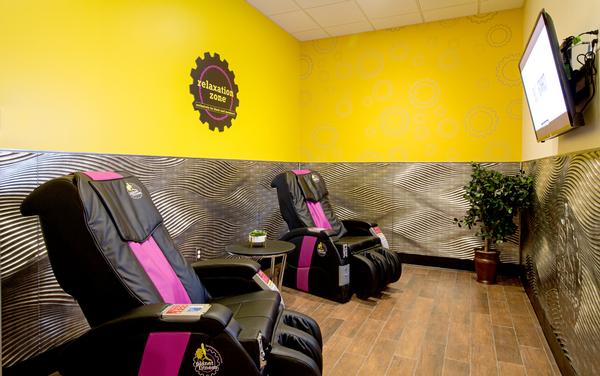
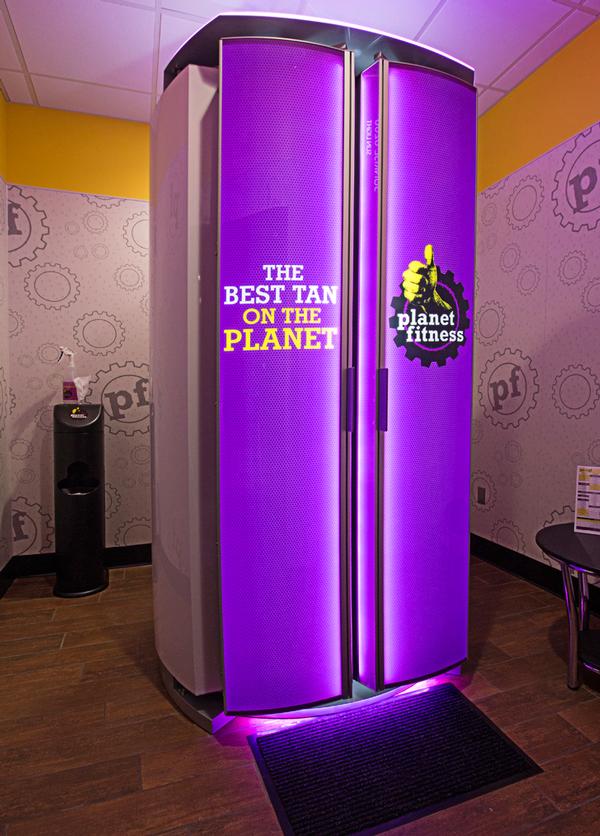
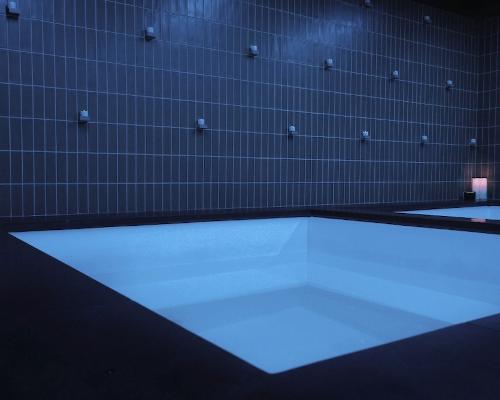
“So yes, we’ve created really nice lobbies, really nice locker rooms, and we’ve also built bigger clubs to allow for the luxury of space. We’ve worked with a feng shui specialist to design our clubs to be as warm and inviting as possible. And we’ve invested in creating Black Card Spa areas that far exceed minimum requirements, with hydro-massage beds, anti-ageing red light therapy units and so on. As a result, our Black Card members – who pay US$21.99 a month and also enjoy other benefits such as unlimited guest privileges, reciprocity across the whole Planet Fitness group, and 50 per cent off drinks – account for 55 per cent of our membership.

“When people walk in to our clubs, the first thing they say is ‘wow’. And that’s really what we try to achieve throughout the business.

“We’re big on acronyms, and probably the most important in our culture is WHIM. It stands for World-class, Humorous, Inspirational and Memorable, and I can honestly say it’s 100 per cent Victor Brick – I haven’t borrowed it from anywhere else. I just realised that’s how we want to do everything.

“That’s how we build our clubs, how we market ourselves, how we train our staff and do team buildings, how we do our Christmas parties and our grand openings… We do every grand opening wearing a tuxedo and a gown respectively, and then Lynne teaches a class for members and staff in her gown and I take it in a tuxedo.”

‘Big Hairy Audacious Goals’
With 60-plus clubs already, how much bigger do the Bricks want their Planet portfolio to get, I ask? “Here’s another acronym,” says Victor. “BHAG: Big Hairy Audacious Goal.

“I said to Lynne that we should make a goal of 100–150 clubs and she asked how likely we were to get there. I said almost certainly we could get there, to which she replied: ‘Well, it isn’t a BHAG then, is it?’” They both grin, and then Lynne adds: “I said at least 200–300 clubs.” Victor looks at her in mock shock: “That’s the first time that I’ve heard 300 – I thought it was 200 clubs!”

“Keep in mind,” he adds, “that we were going to borrow money to open three clubs, use the cash flow from those to open 10, then sell. That was the plan.”

“The original plan,” clarifies Lynne, with a smile that reflects just what a strong partnership this powerhouse duo really is.

“The thing is, it’s a phenomenal time to be in the fitness industry,” Victor concludes. “It’s reached its tipping point. The one thing we all need to keep in mind is simplicity: it’s often the most important factor for people in this busy world.

“I see things happening now that aren’t sustainable as a business model, but more importantly aren’t sustainable for members either. We must keep it simple so the average person can do it – because in the end, we exist to make a difference to people’s lives. We’ll be judged on what we give back to society.”

The John W Brick Foundation

The John W Brick Foundation was established by the Bricks in 2015, in memory of Victor’s older brother who suffered from schizophrenia.

Its website spells out a clear but broad mission ‘to fund, conduct and promote evidence-based research on how holistic treatments – such as exercise, nutrition and healthy lifestyle choices, and mind-body practices – benefit mental health’.

Victor says: “When we started, we were naïve enough to think we could do a definitive study – kind of like discovering penicillin – to show once and for all how important exercise and movement is to improving mental health.

“We now realise there’s no finish line: it’s an ongoing endeavour. So we’ve refined our focus to start with depression and depressive symptoms, because this is a stage almost everyone goes through, whatever mental health issues they might have.

“We just believe there has to be another way besides medication, and we need the weight of research to prove it beyond all doubt” - Lynne Brick

“We’re currently funding a two-year, gold standard study with the University of California, testing three different forms of movement – HIIT, meditation and the Wim Hof method – to see what effect they have on depression. Because everybody knows exercise helps, but what form of exercise, for how long, at what level, and how do the different forms of movement affect different people? That hasn’t actually been proven and we intended to change that.

“Our ultimate goal is for insurance companies to start paying for fitness programming for mental health – just as they pay for smoking cessation programmes – and for mental institutions, hospitals and mental health hubs around the world to start incorporating formal fitness programmes; currently they still don’t.

“Quite simply, we want the science that gives us legitimacy, so we can become advocates for movement for mental health. We want to change the way people treat mental health.”

Lynne agrees: “We just believe there has to be another way besides medication, and we need the weight of research to prove it beyond all doubt.”

She adds: “Our Big Hairy Audacious Goal for the foundation is to shift public opinion. Smoking was only eliminated in restaurants and public places when, in light of the research showing smoking can cause cancer, the public demanded it. We want to bring about the same shift of public opinion around movement for mental health. It will take a long time to achieve all this, but we hope we get to see it in our lifetime.”
Sign up here to get HCM's weekly ezine and every issue of HCM magazine free on digital.
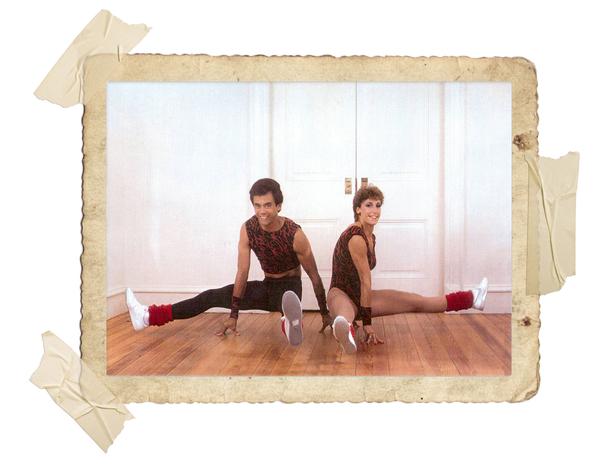
The Bricks started out in the 1980s at the time when aerobics was starting to explode in popularity
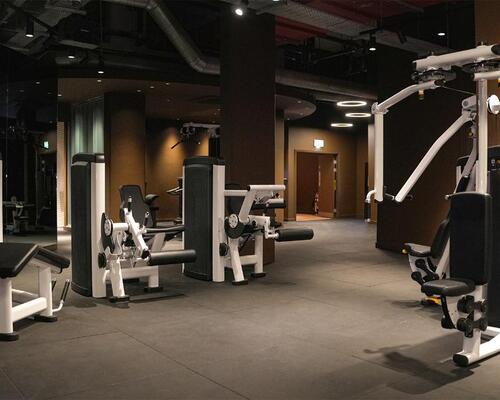
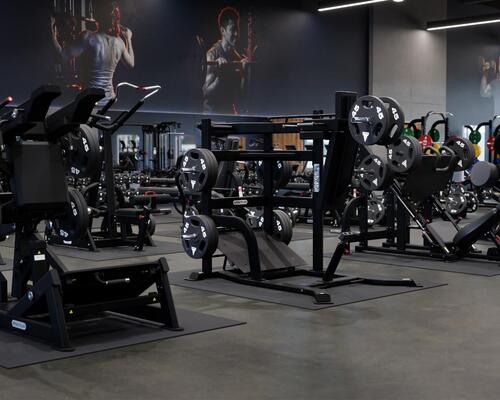
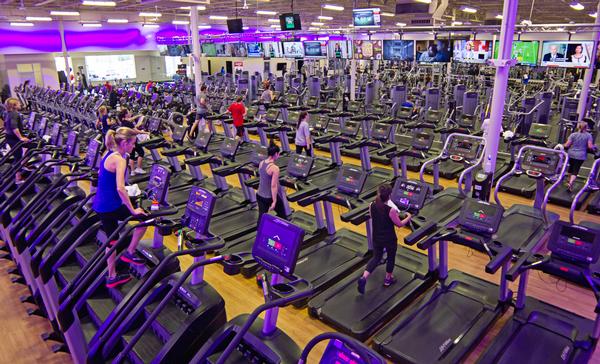
Brick Bodies Pedonia has a massive gym floor
The Bricks’ daughter Vicki (centre) is now CEO of Brick Bodies and is in the process of reshaping and modernising the entire company
The revamp of the Brick Bodies clubs includes embracing the latest trends in health and wellness
With 60-plus clubs already in the Planet Fitness stable, the Bricks are now focused on expanding to as many as 200-300 clubs in the future
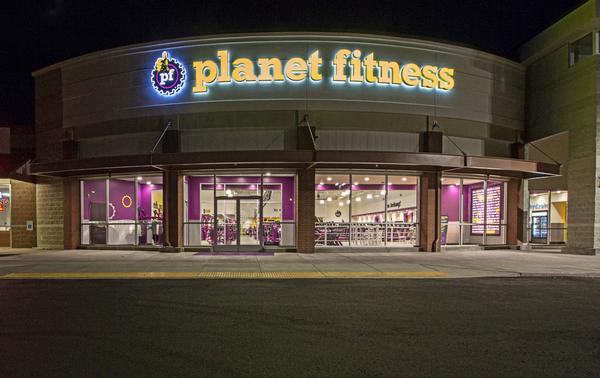
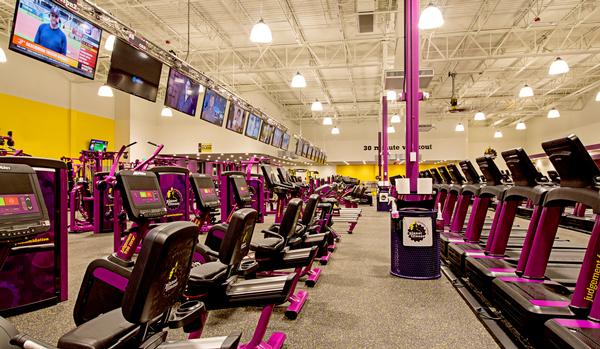
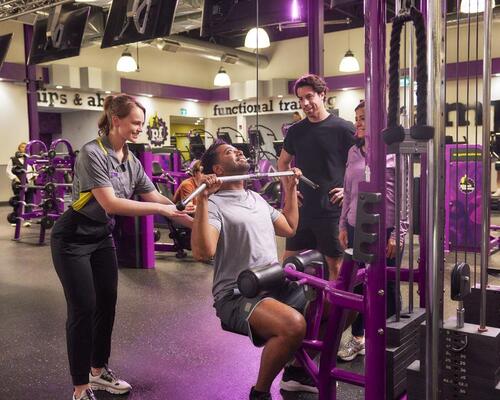
Planet Fitness clubs attract a wide demographic and offer facilities that are beyond the value of the membership, which is priced at just $10 per month
The Bricks focus on small details, done differently, in their clubs
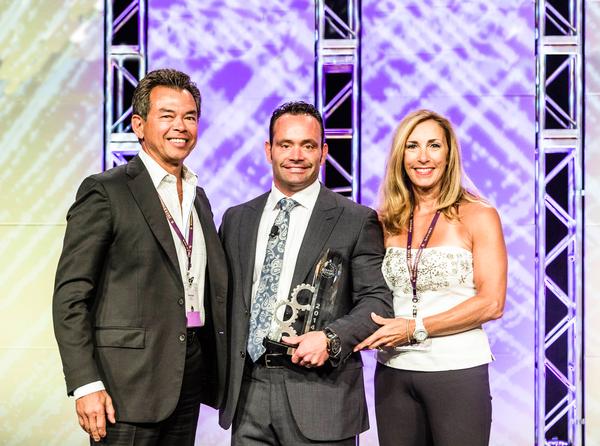
The Bricks won the inaugural Planet Fitness franchisee of the year award
https://www.leisureopportunities.co.uk/images/imagesX/723771_27366.jpg
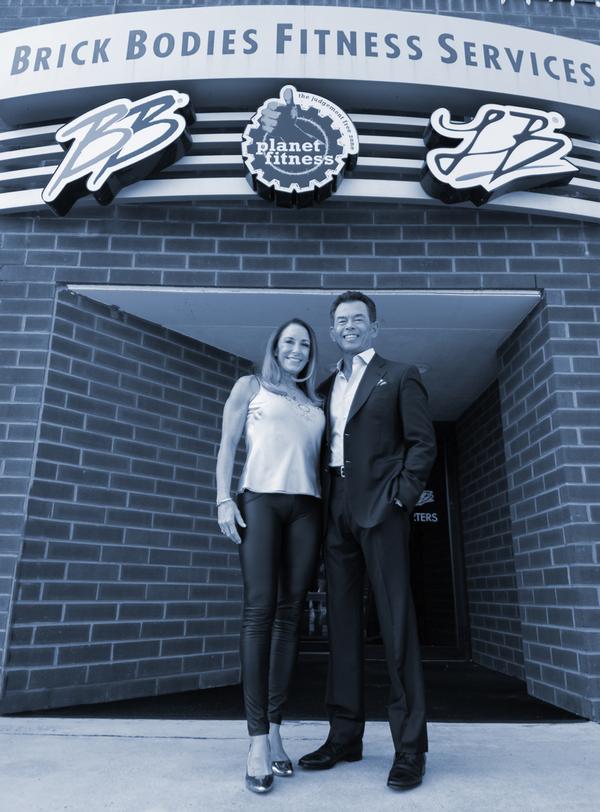
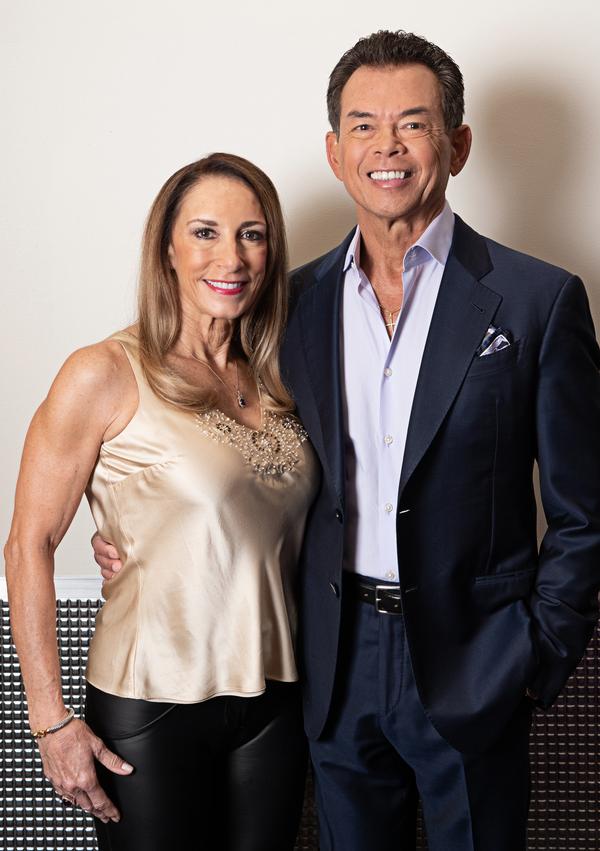
'It would be suicidal to start from scratch today, in this hyper-competitive industry. But back in 1985, people flocked to us' – Lynne and Victor Brick discuss their journey to becoming one of the largest Planet Fitness franchisees
Lynne & Victor Brick, Planet Fitness,Lynne Brick, Victor Brick, Planet Fitness franchisees, The John W Brick Foundation,
HCM magazine
HCM People

Jamie Clements

The Breath Coach
I experienced a blissful feeling of joy I hadn’t felt since I was a kid
HCM magazine
Raphael Cuomo explores the powerful link between addiction, health and behaviour change
HCM magazine
Strength training is evolving, driven by changing consumer preferences. Julie Cramer talks to innovators about how their products are meeting this demand
HCM magazine
If the health service is to survive, we must recognise that it is a disease service – and that wellbeing rests with us, says the activity advocate and healthy ageing champion. He talks to Kate Cracknell
HCM magazine
HCM People

Stephen Price

Founder, SP&Co Group
Working in public health over the last few years has lit up parts of my brain again
HCM promotional features
Sponsored
SnowDome Fitness has added 50 per cent more space with cutting-edge Technogym solutions
HCM promotional features
Sponsored
David Lloyd is stepping up its commitment to women’s health as it continues to explore what fit-for-purpose looks like for the female population
HCM promotional features
Sponsored
Find out how your gym can tap into the corporate wellness boom
HCM promotional features
Sponsored
Third Space partnered with IndigoFitness to deliver a bespoke training space for its new club at The Whiteley
HCM promotional features
Sponsored
Starpool supports Olympic champion Marcell Jacobs, says Riccardo Turri
HCM promotional features
Sponsored
Greg Bradley looks at the shift towards strength training in gyms and advises on how operators can create the ultimate training environment
HCM promotional features
Sponsored
EGYM has opened a new HQ in Paternoster Square, London and revealed a range of new launches
HCM promotional features
Sponsored
Pulse Fitness has created a new health club delivering an elevated wellness experience
HCM promotional features
Promotion
BLK BOX has been reimagining elite performance spaces for more than a decade. Founder and former athlete, Greg Bradley, tells us what it takes
HCM promotional features
Latest News
PureGym Group has announced that group chief financial officer, Alex Wood, is taking over the ...
Latest News
Independent operator, Fitness Worx Gyms, is introducing private blood testing as a service to members. ...
Latest News
International industry lobbying associations are calling for physical activity and strength training to be deeply ...
Latest News
Global group exercise specialist, Les Mills, is inviting operators to sign up to its Workout ...
Latest News
Global luxury hospitality brand, Six Senses, has partnered with longevity healthcare provider, HUM2N, to launch ...
Latest News
Premium London health club, KX Chelsea, is gearing up to unveil its most significant redevelopment ...
Latest News
Researchers in the US have identified an antibody which could greatly reduce the loss of ...
Latest News
Peloton has made the strategic acquisition of Pilates start-up, Skōp, to support the expansion of ...
Opinion
promotion
Strength training has moved from the margins to the mainstream.
Opinion: Building smarter strength spaces for today’s operators
Featured supplier news
Featured supplier news: CoverMe extends matching service to personal training, rewriting how members and personal trainers connect
CoverMe, the global leader in fitness workforce management, today launches CoverMe PT, an on-demand personal training platform that connects the right personal trainer to the right client in under 10 seconds.
Featured supplier news
Featured supplier news: Reaching the people most gyms miss: Bedford Gym & Swim Campaign delivers 410 new members
One of the biggest mistakes the fitness industry still makes is advertising almost exclusively to people who already look and live like gym members.
Company profiles
Company profile: Everyone Active
Everyone Active's aim is to get communities active, engaged and entertained through our wide-ranging activities ...
Company profiles
Company profile: Wellhub
Wellhub acts as a corporate sales channel, bringing new, highquality members to your business, by ...
Supplier Showcases
Supplier Showcase - Future-proofing
Catalogue Gallery
Click on a catalogue to view it online
Featured press releases
Everyone Active press release: Everyone Active celebrates Summer Solstice and International Yoga Day with wellness events across UK
A nationwide celebration for the upcoming Summer Solstice and International Yoga Day will take place at Everyone Active facilities across the country on Friday, 19 June 2026.
Featured press releases
Zynk Design press release: Gym lighting design: how to specify lighting that motivates members
Gym lighting design is one of the most underrated tools an operator has, and one of the most commonly mishandled.
Directory
Fitness tracking platform
SpiviTech: Fitness tracking platform
Lockers
Crown Sports Lockers: Lockers
Hot tubs
MSpa International Ltd: Hot tubs
Water experiences and hydrotherapy solutions
Aquaform s.r.l.: Water experiences and hydrotherapy solutions
Spa and beauty equipment
Living Earth Crafts: Spa and beauty equipment
Industrial washing machines
Miele Company Limited: Industrial washing machines
Property & Tenders
Stratford, East London.
Lee Valley Regional Park Authority
Property & Tenders
Y Felinheli, LL56 4QN
Newmark
Property & Tenders
Diary dates
22-23 Jun 2026
WX Wakefield , Wakefield, United Kingdom
Diary dates
21-24 Sep 2026
The Langham Huntington Pasadena , Pasadena, United States
Diary dates
06-08 Oct 2026
Messe Stuttgart, Stuttgart, Germany
Diary dates
22-22 Oct 2026
QEII Conference Centre, London,
Diary dates
26-29 Oct 2027
Koelnmesse Exhibition Centre, Cologne, Germany
Diary dates

features

Interview: Lynne & Victor Brick

They might put it down to learning on the job, but behind this modesty lies one of the fitness industry’s success stories: industry veterans who – from a humble start in in the 80s – are one of the largest Planet Fitness franchisees. Kate Cracknell reports

By Kate Cracknell | Published in Health Club Management 2019 issue 2
Lynne & Victor Brick
It would be suicidal to start from scratch today, in this hyper-competitive industry, but back in 1985, people flocked to us. All we heard was: ‘A health club? Oh my gosh, what’s that?

We had good timing,” the Bricks tell me, modestly, as they begin their story. “It would be suicidal to start from scratch today, in this hyper-competitive industry, but back in 1985, people flocked to us. All we heard was: ‘A health club? Oh my gosh, what’s that?’

“There were only a few brands in the market: Gold’s Gym, Bally’s, Jack LaLanne. Health clubs were just starting to move from being a novelty to being mainstream; we had about three competitors in a five-mile radius.”

Lynne takes up the story: “We actually started out in business in 1982. It was just around the time when aerobics was emerging, and we were renting racquetball court space where I taught 20 classes a week.”

“Meanwhile, I was stuffing fliers in mailboxes and on car windshields,” says Victor. “We had this great little business that was making US$300–400 a month. Then, in 1985, Lynne became pregnant with our second child. She was our star instructor, and although she still taught into her ninth month of pregnancy, we knew she wouldn’t be able to do as much – and with the model we had – renting space – we couldn’t afford to pay for instructors.

“So, we had a choice to make: either give up on the thing we loved – fitness – because our business would have gone away without our star, or get serious and put a stake in the ground with an actual location. So, we bit the bullet. We felt that if we wanted to make a proper living, we couldn’t just play at it, renting space and just offering aerobics. We had to go all-in.”

“We went to look at the Padonia Fitness Center in Baltimore in April 1985, and in August we bought it, creating the first Brick Bodies club,” says Lynne. “In the October, our son was born.”

“Our parents gave us the money to buy the club and we cried ourselves to sleep every night for the first month, because we thought we were going to go broke,” adds Victor. “But we hung in and turned the club around. We were one of the first full-service clubs not only in Baltimore but in the US; our club was ranked in the top 25 clubs in the country at the time. In the meantime, all those aerobic-only studios… disappeared.”

20 years later
“We grew the chain organically,” explains Victor. “We were like a lot of people in the fitness industry in that we got into the business because we loved it. We didn’t really have business acumen and we took the longest time to figure out the finances. We’d wait until a club was successful – until we were generating cashflow – and then we’d buy another club and build that up, which would take two or three years.

“Of course, what the big guys do is just go out and get US$100m, so they can open 50 or 100 of these things, but we didn’t. We built Brick Bodies up to seven clubs over a 20-year period, and every club was like pushing a rock uphill, because we were under-financed.

“That’s the biggest change I see in the fitness industry now: these young people come up with a new concept and they get capital to launch it, as opposed to the old days when you were always under-financed.”

He continues: “The early days of Brick Bodies was, in effect, a training programme for us – a winnowing process until we finally came up with a model that worked for that brand. We believe that model is the big club model.

“The real turning point came when we opened our first big club in 2013. It got to 12,000 members and has been one of the most successful clubs in the United States.

“We finally realised that’s the model for Brick Bodies: the health clubs that we build now are 50,000–60,000sq ft. It took us 20 years to figure that out!

“We’ve since reduced the number of clubs we operate: we now have just four, retaining the bigger ones.

We firmly believe that a full-service health and fitness club has to be just that – full-service – so we got rid of the smaller clubs we opened because of convenience rather than a strategy.

“We’re also preparing to open another full-sized club and we’ll continue to grow the Brick Bodies brand within the Baltimore area – but we haven’t set a goal yet in terms of number of clubs, because we’ve only just decided we do indeed want to expand.”

The next generation
But while Lynne and Victor remain shareholders, they will no longer be spearheading that growth. Lynne explains: “At the beginning of 2015, our daughter Vicki was named CEO of Brick Bodies. She’s now in the process of redesigning the business to be hip and cool and cutting edge again.

“The new clubs will have multiple pools, multiple group exercise and small group training rooms, and will focus heavily on group training. Vicki is bringing boutique concepts into each of those group exercise spaces, creating mini-tribes under one roof. She’s also taking out some of the basketball court space to create a huge personal training centre with turf and all sorts of new tools. She’s reshaping the company.”

“How you fail in business is slowly at first, then very quickly,” Victor reflects. “Brick Bodies was ticking along, still doing fine, but it wasn’t quite like the old days when people would roll down their windows and shout out to tell us how much they liked our commercials. It was good still, but no longer great. And that creeps up on you – as did the fact that we, our members and our staff were getting older. The group exercise instructors still had full classes, but it was always the same people and they were doing the same programme they’d done for 20 years.

“We started losing momentum slowly at first, but then we realised we had to do something. We had to preserve the USP of Brick Bodies: the fact it’s a local, family-run company in Baltimore – a place that treats you right and where everyone knows your name. But we also needed to be innovative and cutting edge, constantly adapting and experimenting. That’s where Vicki’s come in.”

He laughs: “In the end, nobody wants to work out at your parents’ club. That side of the industry… it’s passed us by to a certain degree. The full-service industry is a young person’s game. You need to be part of the tech generation. You have to be up on the latest and greatest programming, travelling the world to see new concepts in action. It used to be that a new programme would come out every couple of years. Now it’s every couple of months. Vicki has the energy to keep up with all that and give Brick Bodies the attention it deserves to grow and thrive.”

The other 85 per cent
It’s also the case that Lynne and Victor have their hands more than full with their other business: they’re one of the largest franchisees of low-cost gym brand Planet Fitness, operating over 60 of the chain’s 1,600+ clubs.

“To give you an idea of the size of Planet Fitness, it has over 12 million members,” says Victor. “That’s more than 4 per cent of the US population. That gives you an idea of how compelling this value proposition is and how appealing it is to the average person. That many people – they’re not all fit, they’re not all lifers. They don’t all want to be able to bench-press 300lbs. They’re just average people coming in.”

He rewinds to the beginning: “We got involved in Planet Fitness 11 years ago because I grew tired of being Mr Lynne Brick! Lynne was one of the world’s top group exercise instructors and was on the IHRSA board, and I went to Boston with her when she had a board meeting. I went to see a Planet Fitness club with a friend of mine, expecting cheap equipment and lots of muscle heads – that’s what you expect for US$10 a month, right? But it was a very nice facility: clean, good equipment, a lot of nice normal people. I turned to my friend and said: ‘This is an ATM. These guys are printing money.’

“And again, it was all about timing: at that point, there were fewer than 100 Planet Fitness clubs across the US. So, I spoke to Lynne – I don’t do anything without consulting with my lovely wife – to see what she thought about getting involved.”

Lynne takes up the story: “We went to see some of their corporate clubs – the original Planet Fitness clubs – and what impressed me most was how many women were working out there, even without any group exercise on offer. That intrigued me. I also saw people of all different ages, stages, shapes, sizes, abilities, disabilities… and everyone seemed so happy. It really did seem to attract the other 85 per cent. We realised we had to go for it.”

“At Brick Bodies, we’d been chasing that other 85 per cent the same as everybody else,” acknowledges Victor. “We were all just beating each other up over the next offer, the next deal, the next discount, the next great programme... but it was all just more of the same. When we saw Planet Fitness, we realised that they had it figured out. Everyone was laughing at them for doing things differently, but they were getting the people we’d been chasing for the last 25+ years.”

Doing things differently
So how exactly is Planet Fitness achieving this? Victor explains: “There are five fears of a prospective new member, which we remember using an acronym: AKISS.

“A is physique anxiety. K is looking like a klutz: feeling un-coordinated in a class, for example. I is fear of isolation: all those beautiful people and you’re hanging out on your own. S is fear of feeling stupid, being on a piece of equipment and not knowing how to use it. And S is fear of the hard sell. Planet Fitness is the only club group that addresses all five.” He continues: “We’re criticised for not letting people wear thongs and midriffs and all that, but we don’t want new members to feel anxious or intimidated by these beautiful people.

“There are other details to address physique anxiety too, like our dumbbells only go up to 75lbs and we have no flat-back benches; we don’t want muscle-heads in the club monopolising the equipment. We also have a Lunk Alarm which goes off if you drop your weights – and if someone does drop their weights, we go over and talk to them. It all goes towards creating an environment that makes people comfortable.

“We’re also criticised for not offering group exercise, but it comes down to fear of being a klutz: we don’t want anyone feeling they can’t do things because they’re un-coordinated.

“Fear of isolation. People laugh at us for the pizza nights and the bagel mornings once a month – but one piece of pizza once a month isn’t going to kill you, and these events are so important for getting members to chat to staff, and members to chat to each other. They’re effectively parties.

“Then there’s the fear of feeling stupid. At Planet Fitness, you don’t have to pay for a PT to get advice. We don’t even offer personal training: all our training is free. We have a trainer on the floor much more than we do at Brick Bodies, and they’ll show you how to use the equipment so you don’t feel stupid. Plus, we only have three lines of equipment across all our gyms, so you quickly become familiar with how it all works.”

“Also included in the US$10 a month membership is our small group training offering. We strongly emphasise fitness at Planet Fitness,” adds Lynne. “These functional training sessions also build member-to-member connection, which is one of the keys to retention: members who are actively engaged in our fitness experiences are close to 30 per cent more likely to stay as a member.”

“There’s always a method to the madness,” confirms Victor. “What might look like a weakness is in fact the brand’s strength.”

He concludes: “Finally, fear of the hard sell. There are no sales people at Planet. You come in, we show you around – but then we send you home to join online if you decide you’d like to. Lots of low-cost operators do that now, but we’ve always done it.

“And if you compare us to other low-cost gyms generally, well, there are plenty of other operators who offer membership at US$10 a month – probably 30 different models in the US. And there’s no single big thing that makes us better. It’s a bunch of little things that make Planet Fitness appealing to the average person, and we have a head-start of 12 million members who are bringing their 12 million friends.”

Investment, not expense
But while it’s clear the Bricks are very happy to follow Planet Fitness’s mould-breaking approach – the cumulative, positive impact of small details done differently – it’s also evident they’ve taken things up a notch at their 60+ locations.

“We take everything to another level,” confirms Victor. “We put in the wow. We don’t scrimp. We look at things as an investment, not an expense.

“We were the 11th franchisee: we’ve been on a first-name basis with the Planet Fitness leadership since day one. We have the utmost respect for them and they have the utmost respect for us. We know what we have to do, what they expect of us, but we also know where we can add our own value. Because everything is value added – none of it goes against the brand. We aren’t slipping in extra services to make a couple of extra bucks on the side. We just go value-add.

“For example, we run a staff competition to see who can run the most innovative pizza night, with a US$1,000 prize each month. People think that’s crazy, but what’s US$1,000 for culture and morale and energy in the clubs?”

“We go for the wow factor in our design too,” adds Lynne. “Our lobbies are luxurious and welcoming, and act as great social spaces for things like those pizza nights.”

Victor agrees: “When we first started building Planets, for all franchisees – not just us – it was about keeping costs down. We thought to ourselves: ‘It’s a budget club. Members don’t expect much.’ But now Lynne and I have realised the more we can wow members, within reason of course, the more compelling the value proposition. It’s a learning we’ve brought from operating full-service health clubs, which can be an advantage – provided that you don’t come in thinking you know everything.

“So yes, we’ve created really nice lobbies, really nice locker rooms, and we’ve also built bigger clubs to allow for the luxury of space. We’ve worked with a feng shui specialist to design our clubs to be as warm and inviting as possible. And we’ve invested in creating Black Card Spa areas that far exceed minimum requirements, with hydro-massage beds, anti-ageing red light therapy units and so on. As a result, our Black Card members – who pay US$21.99 a month and also enjoy other benefits such as unlimited guest privileges, reciprocity across the whole Planet Fitness group, and 50 per cent off drinks – account for 55 per cent of our membership.

“When people walk in to our clubs, the first thing they say is ‘wow’. And that’s really what we try to achieve throughout the business.

“We’re big on acronyms, and probably the most important in our culture is WHIM. It stands for World-class, Humorous, Inspirational and Memorable, and I can honestly say it’s 100 per cent Victor Brick – I haven’t borrowed it from anywhere else. I just realised that’s how we want to do everything.

“That’s how we build our clubs, how we market ourselves, how we train our staff and do team buildings, how we do our Christmas parties and our grand openings… We do every grand opening wearing a tuxedo and a gown respectively, and then Lynne teaches a class for members and staff in her gown and I take it in a tuxedo.”

‘Big Hairy Audacious Goals’
With 60-plus clubs already, how much bigger do the Bricks want their Planet portfolio to get, I ask? “Here’s another acronym,” says Victor. “BHAG: Big Hairy Audacious Goal.

“I said to Lynne that we should make a goal of 100–150 clubs and she asked how likely we were to get there. I said almost certainly we could get there, to which she replied: ‘Well, it isn’t a BHAG then, is it?’” They both grin, and then Lynne adds: “I said at least 200–300 clubs.” Victor looks at her in mock shock: “That’s the first time that I’ve heard 300 – I thought it was 200 clubs!”

“Keep in mind,” he adds, “that we were going to borrow money to open three clubs, use the cash flow from those to open 10, then sell. That was the plan.”

“The original plan,” clarifies Lynne, with a smile that reflects just what a strong partnership this powerhouse duo really is.

“The thing is, it’s a phenomenal time to be in the fitness industry,” Victor concludes. “It’s reached its tipping point. The one thing we all need to keep in mind is simplicity: it’s often the most important factor for people in this busy world.

“I see things happening now that aren’t sustainable as a business model, but more importantly aren’t sustainable for members either. We must keep it simple so the average person can do it – because in the end, we exist to make a difference to people’s lives. We’ll be judged on what we give back to society.”

The John W Brick Foundation

The John W Brick Foundation was established by the Bricks in 2015, in memory of Victor’s older brother who suffered from schizophrenia.

Its website spells out a clear but broad mission ‘to fund, conduct and promote evidence-based research on how holistic treatments – such as exercise, nutrition and healthy lifestyle choices, and mind-body practices – benefit mental health’.

Victor says: “When we started, we were naïve enough to think we could do a definitive study – kind of like discovering penicillin – to show once and for all how important exercise and movement is to improving mental health.

“We now realise there’s no finish line: it’s an ongoing endeavour. So we’ve refined our focus to start with depression and depressive symptoms, because this is a stage almost everyone goes through, whatever mental health issues they might have.

“We just believe there has to be another way besides medication, and we need the weight of research to prove it beyond all doubt” - Lynne Brick

“We’re currently funding a two-year, gold standard study with the University of California, testing three different forms of movement – HIIT, meditation and the Wim Hof method – to see what effect they have on depression. Because everybody knows exercise helps, but what form of exercise, for how long, at what level, and how do the different forms of movement affect different people? That hasn’t actually been proven and we intended to change that.

“Our ultimate goal is for insurance companies to start paying for fitness programming for mental health – just as they pay for smoking cessation programmes – and for mental institutions, hospitals and mental health hubs around the world to start incorporating formal fitness programmes; currently they still don’t.

“Quite simply, we want the science that gives us legitimacy, so we can become advocates for movement for mental health. We want to change the way people treat mental health.”

Lynne agrees: “We just believe there has to be another way besides medication, and we need the weight of research to prove it beyond all doubt.”

She adds: “Our Big Hairy Audacious Goal for the foundation is to shift public opinion. Smoking was only eliminated in restaurants and public places when, in light of the research showing smoking can cause cancer, the public demanded it. We want to bring about the same shift of public opinion around movement for mental health. It will take a long time to achieve all this, but we hope we get to see it in our lifetime.”
Sign up here to get HCM's weekly ezine and every issue of HCM magazine free on digital.
The Bricks started out in the 1980s at the time when aerobics was starting to explode in popularity
Brick Bodies Pedonia has a massive gym floor
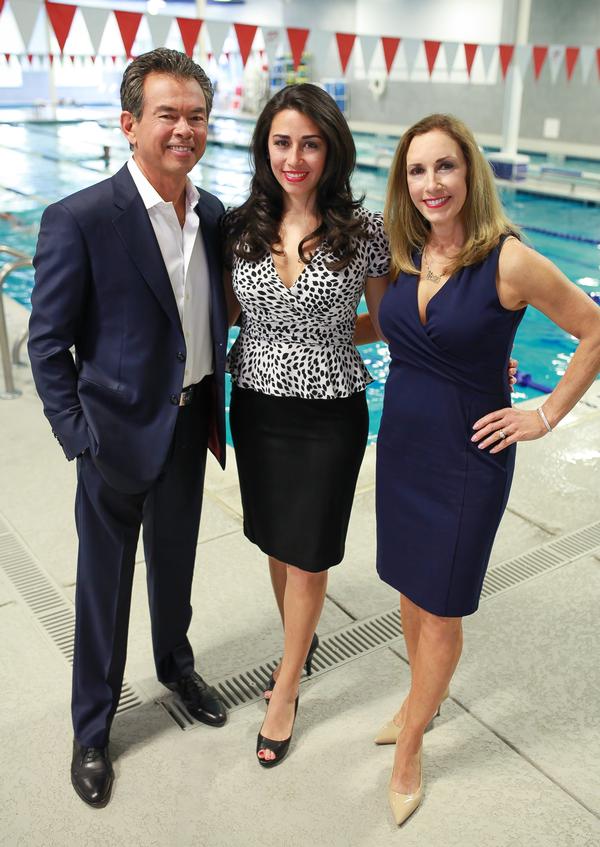
The Bricks’ daughter Vicki (centre) is now CEO of Brick Bodies and is in the process of reshaping and modernising the entire company
The revamp of the Brick Bodies clubs includes embracing the latest trends in health and wellness
With 60-plus clubs already in the Planet Fitness stable, the Bricks are now focused on expanding to as many as 200-300 clubs in the future
Planet Fitness clubs attract a wide demographic and offer facilities that are beyond the value of the membership, which is priced at just $10 per month
The Bricks focus on small details, done differently, in their clubs
The Bricks won the inaugural Planet Fitness franchisee of the year award
https://www.leisureopportunities.co.uk/images/imagesX/723771_27366.jpg
'It would be suicidal to start from scratch today, in this hyper-competitive industry. But back in 1985, people flocked to us' – Lynne and Victor Brick discuss their journey to becoming one of the largest Planet Fitness franchisees
Lynne & Victor Brick, Planet Fitness,Lynne Brick, Victor Brick, Planet Fitness franchisees, The John W Brick Foundation,
Latest News
PureGym Group has announced that group chief financial officer, Alex Wood, is taking over the ...
Latest News
Independent operator, Fitness Worx Gyms, is introducing private blood testing as a service to members. ...
Latest News
International industry lobbying associations are calling for physical activity and strength training to be deeply ...
Latest News
Global group exercise specialist, Les Mills, is inviting operators to sign up to its Workout ...
Latest News
Global luxury hospitality brand, Six Senses, has partnered with longevity healthcare provider, HUM2N, to launch ...
Latest News
Premium London health club, KX Chelsea, is gearing up to unveil its most significant redevelopment ...
Latest News
Researchers in the US have identified an antibody which could greatly reduce the loss of ...
Latest News
Peloton has made the strategic acquisition of Pilates start-up, Skōp, to support the expansion of ...
Latest News
Crunch Fitness has announced the launch of Crunch Reform Pilates – its own reformer concept ...
Latest News
The 20th State of the Industry Report from LeisureDB has revealed a resilient, expanding and ...
Latest News
Purpose Brands has announced its entry into the Italian market, having sold the franchise rights ...
Opinion
promotion
Strength training has moved from the margins to the mainstream.
Opinion: Building smarter strength spaces for today’s operators
Featured supplier news
Featured supplier news: CoverMe extends matching service to personal training, rewriting how members and personal trainers connect
CoverMe, the global leader in fitness workforce management, today launches CoverMe PT, an on-demand personal training platform that connects the right personal trainer to the right client in under 10 seconds.
Featured supplier news
Featured supplier news: Reaching the people most gyms miss: Bedford Gym & Swim Campaign delivers 410 new members
One of the biggest mistakes the fitness industry still makes is advertising almost exclusively to people who already look and live like gym members.
Company profiles
Company profile: Everyone Active
Everyone Active's aim is to get communities active, engaged and entertained through our wide-ranging activities ...
Company profiles
Company profile: Wellhub
Wellhub acts as a corporate sales channel, bringing new, highquality members to your business, by ...
Supplier Showcases
Supplier Showcase - Future-proofing
Catalogue Gallery
Click on a catalogue to view it online
Featured press releases
Everyone Active press release: Everyone Active celebrates Summer Solstice and International Yoga Day with wellness events across UK
A nationwide celebration for the upcoming Summer Solstice and International Yoga Day will take place at Everyone Active facilities across the country on Friday, 19 June 2026.
Featured press releases
Zynk Design press release: Gym lighting design: how to specify lighting that motivates members
Gym lighting design is one of the most underrated tools an operator has, and one of the most commonly mishandled.
Directory
Fitness tracking platform
SpiviTech: Fitness tracking platform
Lockers
Crown Sports Lockers: Lockers
Hot tubs
MSpa International Ltd: Hot tubs
Water experiences and hydrotherapy solutions
Aquaform s.r.l.: Water experiences and hydrotherapy solutions
Spa and beauty equipment
Living Earth Crafts: Spa and beauty equipment
Industrial washing machines
Miele Company Limited: Industrial washing machines
Property & Tenders
Stratford, East London.
Lee Valley Regional Park Authority
Property & Tenders
Y Felinheli, LL56 4QN
Newmark
Property & Tenders
Diary dates
22-23 Jun 2026
WX Wakefield , Wakefield, United Kingdom
Diary dates
21-24 Sep 2026
The Langham Huntington Pasadena , Pasadena, United States
Diary dates
06-08 Oct 2026
Messe Stuttgart, Stuttgart, Germany
Diary dates
22-22 Oct 2026
QEII Conference Centre, London,
Diary dates
26-29 Oct 2027
Koelnmesse Exhibition Centre, Cologne, Germany
Diary dates
Search news, features & products:
Find a supplier:
EGYM
EGYM
Partner sites