















features
The way I see it
Are cardio and mid-market clubs making a comeback? What impact are GLP-1s having and what more can be done to tackle the enduring issue of gymtimidation? Kath Hudson asks senior global leaders about top trends and issues



Is the mid-market back?
I absolutely believe the mid-market is back and stronger than ever. Consumers are looking for value, but value today means more than low price. It means access to premium equipment, recovery, classes and community at a price that feels fair.
As the sector matures, operators that deliver a full-service experience efficiently will win. At 24 Hour Fitness, we’re leaning into that space by investing in remodels, premium amenities and expanded offerings while keeping pricing accessible and competitive.
Will cardio make a comeback?
Cardio never really left, but the way people engage with it is evolving. We’re encouraging balance through small-group training, programming that integrates intervals and strength, and creating more engaging cardio experiences. Our goal is to make cardio feel purposeful and performance-driven rather than repetitive.
What has the impact of GLP-1s been so far?
We view GLP-1s as an opportunity to educate members on the role resistance training and conditioning play in healthspan.
Medication doesn’t build muscle, improve bone density, or support long-term functional health. GLP-1s have sparked important conversations around weight management and metabolic health and from our perspective, they reinforce the importance of structured fitness.
Are you tackling gymtimidation?
We focus on creating welcoming environments, investing in knowledgeable team members and offering small-group training that lowers the barrier to entry.
Every new member can take part in a JumpStart personal training session with one of our certified personal trainers to help them set their plan.
Through our app, 24GO, we offer a four-week Smart Start plan that provides guided workouts and routines for members at the beginning of their fitness journey or for anyone looking for a reset.
Members understand that progress depends not just on how hard you train, but how well you recover
Recovery and Pilates are two of the hottest trends, where will they go?
Recovery is quickly becoming foundational rather than optional. Members understand that progress depends not just on how hard you train, but how well you recover. That’s why we’ve rolled out Recovery24 across many of our gyms, giving members access to dedicated recovery spaces and tools that support muscle repair, mobility and overall wellness.
We’ve also introduced Reformer24, bringing reformer-based Pilates programming into some of our clubs to meet growing demand for low-impact, high-intensity training. Together, these offerings reflect our belief that the future of fitness is balanced, integrating strength, conditioning, recovery, and mobility under one roof.
What led to you joining the industry?
Fitness has been a lifelong passion. I joined 24 Hour Fitness as a member in the early 1990s and built my career in consumer-focused businesses over nearly three decades.
The opportunity to lead a brand that had personally impacted my life was incredibly meaningful. I’m driven by helping people build healthier, stronger versions of themselves.
What are your non-negotiable wellness habits?
Consistency is my number one rule. I train regularly, prioritise strength and conditioning and stay active outside the gym through martial arts and outdoor activities.
I also protect time with my family and focus on sustainable habits. Health is not about extremes. It is about disciplined, daily practices that compound over time.

Will cardio make a comeback?
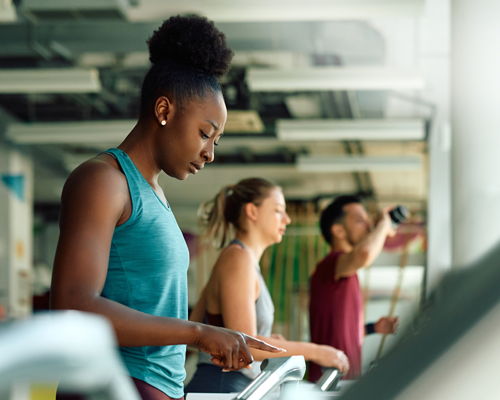
Over the last decade we’ve seen a shift away from cardio, driven by the growing popularity of strength training and increasing recognition of the myriad health benefits of exercise beyond weight loss.
We’ve seen this shift slow down, with treadmills becoming a little busier in recent years, due to the rise in outdoor running, run clubs and people training for competitive fitness events that include a running element. However, the shift is small, and it seems unlikely that cardio will ever be as popular as it once was.
We’re exploring what Relax and Recover zones could look like and piloting reformer studios at a handful of Danish gyms
What impact are GLP-1s having?
It’s undeniable that uptake of GLP-1s is increasing and PureGym has always maintained that as long as these medications are used responsibly they present an opportunity, not a threat for gyms. We’ve heard from many new members that they now feel able to come to the gym because the medication is making them think more about health and wellness and it’s giving them a newfound confidence to exercise.
However, given that up to one third of the weight lost can be muscle, regular strength training is essential while using GLP-1s. As an industry we need to do more to increase awareness of the importance of regular exercise alongside the medication usage.
Are you addressing gymtimidation?
Part of the solution is to ensure everyone has access to support and guidance, which PureGym provides through brilliant gym teams, personal training sessions, dedicated classes and workouts on the app.
We’ve also started rolling out Women’s Workout Spaces in our larger gyms, which offer a comfortable, welcoming, private area sitting alongside the main gym, giving female members more choice in how and where they work out.
We’ve had a really positive response to the areas, with many women saying they now feel more confident and supported to exercise.
Recovery and Pilates are hot trends, where will they go?
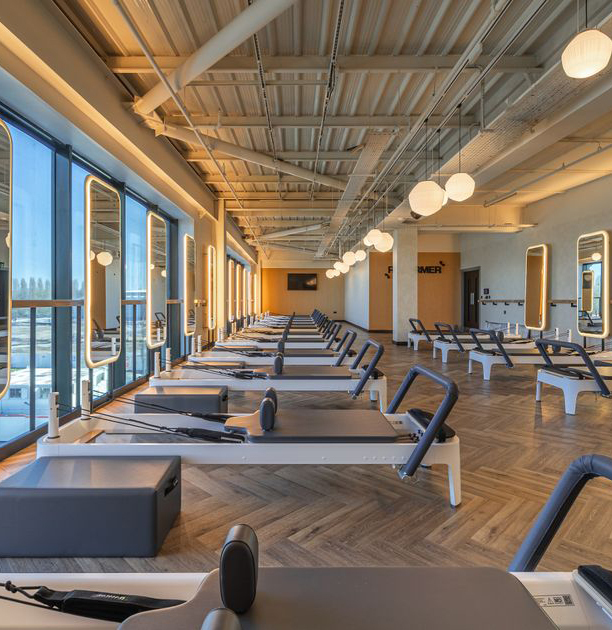
PureGym is always keeping an eye on the latest trends and has seen huge growth in demand for reformer Pilates and increasing awareness of the importance of recovery. Traditionally these services have been confined to premium operators but we’ve never been satisfied sticking with the status quo, so we’re in the process of exploring how to offer new concepts for members in a cost-effective way.
We’re exploring what Relax and Recover zones could look like and piloting reformer studios at a handful of Danish gyms, providing a service that’s in high demand at a more affordable price vs the market. It’s very early days so we’ll continue to assess member feedback and feasibility before rolling out more widely.
What led to you joining the industry?
Some might call it fate… I call it a happy accident. I’d spent 15 years working my way up within general management and operations at some of the big value retailers and supermarkets.
Hospitality was the next logical step but then the PureGym opportunity came across my desk and I’ve never looked back. The last eight years have been incredible – motivating, challenging and hugely fulfilling. I’m excited for what’s ahead!
Will cardio make a comeback?
Cardio has never gone away; it’s just evolved. Today it’s less about cardio versus strength and more about intelligent programming that balances endurance, strength, mobility and recovery.
Consumers, particularly Gen Zers, are intentional about their training and look for workouts that deliver measurable results while fitting into a wellness lifestyle.
Across our portfolio we encourage cross-training as part of the member journey. Pilates and strength-based workouts build muscular endurance and control, while yoga and stretching enhance recovery and longevity. Gen Zers value variety and community, so we focus on programming purposeful workouts. When members see results and feel good physically, mentally, and socially, balance happens naturally.
What is the future for holistic wellness in clubs?
We’re seeing holistic wellness extend far beyond physical fitness. People want better sleep, lower stress, mental clarity and connections alongside their workouts.
Breathwork and meditation are part of that mix, but so are mobility, recovery and community-driven formats. Across our brands, breath and control are integrated heavily into most sessions, regardless of modality.
Even at BFT – which offers a strength-based workout – classes emphasise breath, form and mindful effort to deliver physical and mental benefits simultaneously. Our studio teams are planning additional classes to better reflect the growing importance of holistic wellness in gyms and I see the future of fitness moving toward full integration with healthcare and prevention, with studios measured by tangible outcomes for long-term health.
Our studio teams are planning additional classes to better reflect the growing importance of holistic wellness in gyms
Recovery and Pilates are two of the hottest trends, where will they go?
Recovery and Pilates are not trending; they are permanent shifts in how people think about fitness. Consumers are more educated about longevity and understand that to stay active for decades, they need to protect joints, improve mobility and train intelligently, so demand for low-impact workouts keeps growing.
Recovery is following the same path. Assisted stretching and mobility work used to feel optional but are now becoming essential. We’re responding with ongoing investment in instructor development, operational excellence and focused growth of our concepts: Club Pilates, Pure Barre, YogaSix, BFT and StretchLab. Peak classes fill quickly and international markets are expanding for these brands, so quality and consistency are key.
What led to you joining the industry?
I started my career in healthcare consulting before going to business school. I then worked at Abercrombie and Fitch in financial planning and analysis, moved into store finance and operations, and eventually took my first CFO role at GNC from 2008 to 2014, where I closely followed fitness industry trends.
I held C-suite roles in various industries before joining Xponential Fitness in August 2025.
Fitness has always been a part of my life, and my time at GNC gave me a strong understanding of the health and wellness space, making Xponential a natural fit when the opportunity came up. I’m drawn to the industry’s direct connection to people’s health and wellbeing. This was also my first opportunity to work in a franchise model, adding a new layer of scale and impact that’s exciting to me.
What are your non-negotiable wellness habits?
I try to work out every morning – doing a good mix of strength training and aerobic training.
That gets the blood flowing and gets me in the right headspace every day.
What’s the future for holistic wellness in gyms?
We’re seeing many members place higher value on breathwork and meditation and incorporating them into their routines. To satisfy this increasing demand we’ve reviewed our programming and where demand is high, we’ve increased capacity.
We’ve also introduced more technology to our centres which allows us to offer our customers a more holistic approach to their health.
We’re increasingly seeing individuals who are losing weight through GLP‑1 medications gaining the confidence to step into our leisure centres
What has the impact of GLP-1s been so far?
The rise in GLP‑1 medications over the last 18 months has been drastic, creating significant shifts in member behaviour and the opportunity for us to support and educate more people. We’re increasingly seeing individuals who are losing weight through GLP‑1 medications gaining the confidence to step into our leisure centres, often for the first time, which presents a powerful moment for us to engage and support them.
As a sector, we have an opportunity to become a support system for these individuals, helping them build long‑term healthy habits that contribute to a healthier and more sustainable lifestyle and many operators are now providing programmes and specialised support for those taking weight‑loss medications.
Are you addressing gymtimidation?
Battling gymtimidation can be resolved by ensuring you provide the right customer experience from the moment someone starts their search, all the way through to the point they’re a customer. We do this by making our centres easy to find online and our website easy to navigate. Once someone is ready to make the step to consider joining one of our centres, we make sure our staff are well trained and offer a friendly welcome.
We also embed best practice across our business by offering structured inductions, beginner-friendly classes and programmes, accessible instructors and a culture that celebrates inclusion.
Recovery and Pilates are two of the hottest trends, where will they go?
Recovery and reformer Pilates continue to see exponential growth with no signs of slowing down, driven partly by the desire for fitness options that support injury prevention, functional movement and overall wellbeing. Pilates is going to be a big focus for Places Leisure this year and we have lots of exciting work in our pipeline. To satisfy some of the demand from our customers we’ve already started to expand our recovery-focused offerings and integrate more Pilates-inspired content across our group exercise classes.
What led to you joining the industry?
Throughout my career in the hospitality industry, I’ve been driven by a genuine passion for creating spaces where people feel valued, supported and encouraged to be their best selves. Stepping into this role feels like a natural progression of that purpose.
What truly drew me to Places Leisure was our profound commitment to Because Community Matters, a purpose that goes far beyond words.
What are your non-negotiable wellness habits?
Maintaining my wellbeing is something I approach with intention and consistency. Each day begins with a morning walk that clears my mind and sets me up positively for whatever lies ahead. I build on this with a weekly personal training session, supported by additional movement throughout the week.
My weekly choir rehearsal and performances bring joy, balance and connection, and prioritising good sleep and spending meaningful time with friends helps me stay grounded, refreshed and ready to give my best.

Is the mid-market back?
The mid-market is very much back. However, with the rising cost of living and consumers under financial pressure, operators shouldn’t be hiking prices for the sake of it, but investing in facilities and member experience to create a clear, value-add proposition that’s worth the increased fee.
While there will always be those who simply want a warehouse-style gym with high-quality equipment at a lower cost, I think we’re going to see more budget-led operators rethink and level up their offerings to create a more mid-market feel.
Will cardio make a comeback?
Cardio never really went away – it just evolved and took on more modern formats. There’s a huge surge in running happening, especially marathons, as well as the explosion of Hyrox and, more broadly, the focus on daily step count.
We’re seeing the desire to create a social ritual around cardio – whether that’s through classes or run clubs – meaning that while some cardio-centric machines have become less popular, group classes and training concepts have spiked.
Everlast Gyms has created a portfolio of cross-functional fitness destinations that facilitate both solo and group training with signature class concepts.
While some cardio machines have become less popular, group classes and training concepts have spiked
Recovery and Pilates are two of the hottest trends, where will they go?
Demand for both recovery and reformer Pilates is extremely strong and Everlast Gyms has acted quickly and efficiently to meet this demand. This allows us to add value to our membership proposition and in turn creates a fantastic opportunity to generate additional revenue through premium membership tiers and credit-based access. Members recognise and appreciate the benefits of recovery and Pilates and are willing to pay extra for it.
As long as the industry holds its pricing and continues to charge a premium for additional benefits, such as Pilates or recovery, this trend represents a real opportunity to strengthen the benchmark for the UK’s fitness landscape and increase revenue per member per month.
What led to you joining the industry?
After graduating I started a fitness instructor role at a new gym belonging to the world’s biggest gym chain at the time. I quickly became interested in the business and sales side of the industry and ultimately worked my way up through the ranks into management roles.
Over the years I’ve built experience across all levels of the industry – from working on the gym floor as a trainer and managing regional branches to starting, and selling, my own business – all leading me to where I am now.
What are your non-negotiable wellness habits?
It starts with routine – consistently eating well and being mindful of what I put into my body, while prioritising a consistent sleep pattern. I also try to keep my alcohol consumption to a minimum. Not to say that I don’t enjoy a beer here and there, but the key is being intentional with consumption. Growing up, I played a lot of team sports which instilled the habit of staying active. These days I genuinely enjoy being active in whatever form that takes.

Is the mid-market back?
The mid-market is evolving into what we’re calling Premium Value – high-quality clubs and experiences delivered at accessible price points.
As that segment strengthens, we’ll see clearer differences across the sector between premium value operators, boutique studios and high-volume low-price gyms. Scale becomes important because it allows operators to invest in facilities, technology and coaching while still maintaining accessible memberships.
Looking ahead, we expect the future gym to bring strength, cardio, recovery and mindfulness experiences together under one roof
Are you addressing gymtimidation?
Gymtimidation remains one of the biggest barriers for people considering joining a gym. Our focus is on creating welcoming, supportive environments where members feel comfortable starting their fitness journey. This includes structured onboarding, coaching support and guided programmes that help new members build confidence early on.
Group fitness, small group training and instructor-led sessions also play an important role in creating community and making exercise more accessible.
We’re also investing in new club layouts and clearly-defined training zones that are easier for members to navigate. Ultimately, the goal is to ensure they feel supported from their very first visit, regardless of their experience level.
What is the future for holistic wellness in health clubs?
We’re seeing a clear shift where members increasingly view the gym as a complete wellness destination, not just a place to train. Recovery, mental wellbeing and stress management are becoming important parts of a balanced fitness routine.
As a result, we’re exploring the introduction of breathwork classes across our clubs as part of expanding our holistic wellness offering. Modalities such as this complement traditional training by supporting recovery, nervous system regulation and overall wellbeing.
Looking ahead, we expect the future gym to bring strength, cardio, recovery and mindfulness experiences together under one roof. For larger operators, there is a strong opportunity to integrate these experiences into the club environment in a way that makes them accessible to more members.
Recovery and Pilates are two of the hottest trends, where will they go?
We’re seeing strong growth in recovery and mind-body modalities alongside traditional strength training. Reformer Pilates in particular has become a highly popular format that appeals to a broad demographic. We currently offer reformer Pilates in 70 clubs across our full-service portfolio, with more to come, and it continues to perform very strongly. These formats complement traditional gym training by improving mobility, core strength and supporting injury prevention.
Recovery is also becoming a bigger focus as members train more frequently and look for more sustainable training approaches.
Over time, we expect gyms to offer a broader mix of strength, recovery and low-impact training modalities to better support members’ overall wellbeing.
What are your non-negotiable wellness habits?
One of my non-negotiables is maintaining a consistent approach to training and overall health. Strength training has been a long-term foundation for me, originally driven by a desire to improve areas where my natural sporting ability was limited, and over time it’s become central to how I maintain my physical health. I also place a strong emphasis on cardio, which I find important for body composition as well as mental clarity and mindfulness.
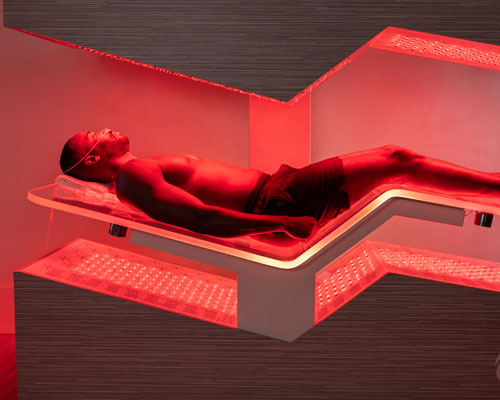
Beyond training, I take a long-term view of health and recovery, incorporating practices such as supplementation and newer modalities like red light therapy to support longevity. For me, it’s about consistency and building habits that support both physical performance and overall wellbeing over time.
Will cardio make a comeback?
We’re seeing a strong development in cardio, particularly within running and cycling, and these are areas we are actively investing in. Among Gen Zers, especially, we see a growing interest in running and endurance-based training.
To meet this demand, we’re expanding our cardio offering by adding more indoor running and cycling classes, as well as developing targeted concepts, such as Run to Race – designed for members who want structured preparation for races.
Are you addressing gymtimidation?
Gymtimidation is something the entire industry needs to take seriously, and lowering the threshold for new members is a key priority for us. Our approach focuses strongly on people, support, and community. Group training plays an important role here. Classes provide guided workouts led by educated instructors, which helps members feel supported and confident, while also creating a strong sense of community.
We also offer initiatives such as PT Trial, where new members can book a free session with a personal trainer where they receive a training programme, a guided tour of the gym and are taught how to use the equipment.
Members can also access training programmes directly in the SATS app, making it easier to get started and follow a structured plan.
Our clubs are also staffed, so members can always ask questions and receive help when they need it.
We work actively to promote an inclusive training culture through our “Healthier and Happier” communication, which aims to make fitness feel accessible to everyone.
We expect reformer Pilates to continue evolving, with new hybrid formats and class concepts that blend Pilates principles with other training trends
What is the future for holistic wellness in health clubs?
We’re seeing strong demand in this area, particularly among our younger members, and we believe holistic wellness will continue to grow as an essential complement to more high-intensity training.
In 2024 we introduced our Wellness Bundle, which brings together a range of calmer class concepts. Since then, we’ve continued to monitor participation and adapt this part of the portfolio, based on member feedback and demand.
Today our offering includes classes such as meditation, breathing for stress relief and deep rest. Aroma relax is one of the most popular concepts, a yin yoga-inspired class that combines gentle movement with aromatic oils to create a deeply relaxing experience.
SATS also offers dedicated SATS Yoga studios, which operate as standalone yoga clubs. We’ve also expanded our hot studio offering, opening ten new heated studios over the past year.
Demand for calmer classes in a warm environment has been particularly strong.
Recovery and Pilates are two of the hottest trends, where will they go?
We expect reformer Pilates to continue evolving, with new hybrid formats and class concepts that blend Pilates principles with other training trends.
At SATS, we’ve introduced reformer studios in selected clubs and within these studios, offer a range of concepts that combine reformer Pilates with other popular training styles such as strength training and HIIT, creating more variety within the reformer category.
We’re seeing particularly strong demand among younger members for efficient and dynamic Pilates workouts, such as Pilates HIIT and Power Pilates.
What are your non-negotiable wellness habits?
I need help from great people – my colleagues in SATS.
I’m addicted to group training and typically try to do four to six classes a week, from strength to running and HIIT to yoga.
This gives me a lot of energy and hopefully a longer life with good health.

Is the mid-market back?
Yes, the mid-market is absolutely reasserting itself. Consumers are becoming more value-literate: they don’t just want cheap, and they don’t all want luxury. They want quality, breadth and consistency at a fair price.
This puts pressure on both ends of the market. Budget operators need to evolve beyond access-only models, while premium clubs must clearly justify their price points. For mid-market operators, the opportunity is to deliver a credible full-service experience without unnecessary complexity.
We prioritise having a diverse team that reflects the people who come through our doors
Will cardio also make a comeback?
The rise of hybrid-style training and events like Hyrox has transformed how people engage with cardio. Our cardio areas are as busy as ever, but usage is changing, we’re seeing that cross trainers are waning while the use of treadmills, rowers and ergs is building. This shift is being amplified by our booming boutique HIIT and spin studios, where our offering of shorter, music-led, hybrid strength-cardio sessions delivering energy, structure and measurable outcomes have proved popular.
What’s the future for holistic wellness in health clubs?
People are no longer separating physical fitness from mental wellbeing and expect support for both under one roof. We already offer a broad range of holistic classes and, taking this further, have introduced a dedicated wellness manager whose role is to both elevate our existing offer and expand it, including developing partnerships with local businesses to support workplace wellbeing. We’re also exploring new experiences, such as floating sound baths.
Are you addressing gymtimidation?
As a service-led club, the biggest levers for us are human connection and clarity. Our team is there to actively welcome, support and guide members throughout the club, not just to supervise it.
We prioritise having a diverse team that reflects the people who come through our doors and in addition, we offer clear onboarding, beginner classes and detailed inductions to give people the confidence to keep coming back.
What impact are GLP-1s having?
GLP-1s have accelerated an important conversation about health beyond weight loss. They may reduce barriers to starting exercise for some people, but they also reinforce the importance of strength training, mobility and metabolic health.
For the industry, this is less of a threat and more of a reset: gyms that position themselves as partners in long-term health, behaviour change and confidence will remain essential. Medication doesn’t replace movement – it highlights why structured, supportive environments matter.
We’re perfectly positioned to help people once they transition from taking these medications to ensure they maintain their results. We can even help reduce the side effects, while providing a supportive, social environment.
Recovery and Pilates are two of the hottest trends, where will they go?
Our reformer Pilates classes and our recovery areas are consistently busy and we also work closely with our sister company, Re:Set Mind, Body & Soul – which provides flotation therapy, a cryotherapy chamber and hyperbaric oxygen therapy, while EMS and contrast therapies round out our recovery offering.
What are your non-negotiable wellness habits?
My biggest non-negotiable is time for myself. I spent many years putting everyone and everything else first – something I think a lot of working mums can relate to – and realised how much of myself I’d lost along the way.
Now I make a conscious effort to carve out time just for me, to invest in my own wellbeing.
Will cardio make a comeback?
We talk about the ever-increasing fitness knowledge among gym goers as increasing ‘Fitness IQ’ – people become more informed and engaged about their exercise preferences, and their use of the gym is more rounded and balanced. Demand for strength equipment continues to grow, but cardio stills plays its part, particularly with functional fitness and the popularity of fitness events such as Hyrox.
What has been the impact of GLP-1s on the industry so far?
While the market for GLP-1s is still in its relatively early stages in the UK, the market is expanding fast and provides an opportunity for fitness operators to grow gym memberships.
In the US – which has more advanced uptake of GLP-1s – it was reported by PwC that 30 per cent of people on these medications spend more on their fitness than before and 12 per cent spend more on a personal trainer.
Losing weight can give people the confidence and sense of progress that motivates them to go to the gym, and it’s now widely reported how important exercise is to help people sustain results, preserve muscle mass and develop healthy fitness habits.
The Gym Group has provided training for teams on how best to support members on GLP-1s, with appropriate fitness and strength programmes. We want to help people’s weight loss in a sustainable way and know that gyms can play a vital role in helping people achieve healthy, long-term outcomes while on the treatments and beyond.
30 per cent of people on GLP-1s spend more on their fitness than before
Are you addressing gymtimidation?
We understand that being new to a gym or fitness studio can be daunting and have always sought to offer environments that are welcoming and inclusive.
We consistently score highly in customer satisfaction surveys for our friendly staff.
In the last 18 months we’ve elevated the design and layout experience in our gyms, including better zoning for different preferences. We also rebranded and relaunched Kickstart sessions to increase uptake of introductory gym sessions and support members to feel more confident in the gym. In 2025 we saw a 39 per cent increase in early life Kickstart inductions.
We’ve also made enhancements to our highly rated app, including personalised onboarding for new members and more digital workouts, to support members looking for advice and support.
What led you to the industry?
The Gym Group is my first role in the fitness industry and having worked at other subscription-based businesses – including The Times and RAC, I was excited to apply those experiences to such an established high value, low cost gym operator.
What I love about the sector is that across our operations and support teams, we’re focused on breaking down barriers to ‘fitness for all’ with accessible, affordable fitness.
When visiting our gyms and other operators, I see the passion to help people to become fitter and healthier every day.

Is cardio making a comeback?
Cardio hasn’t fallen out of favour, but the way people want to engage with it has shifted – moving away from solitary endurance towards high-energy, shared experiences that deliver results, while also building connection and motivation.
This is evident in the rise of community-driven experiences such as David Lloyd Leisure’s Blaze Community Games, the continued growth of social run clubs such as DL Run Clubs, and competitive fitness formats such as Hyrox and Athx, which blend cardio, strength and teamwork.
What’s the future of holistic wellness in gyms?
For many members holistic wellness is now a core component of their fitness programme and in 2025 we saw bookings for holistic group exercise classes overtake high energy classes for the first time.
Members are increasingly looking to health clubs to support mental resilience, stress management and recovery alongside physical performance. That demand has shaped the evolution of our Spirit programme. We’ve moved from a blended concept towards more focused experiences, including Spirit sound mediation and Spirit Dance, a meditative movement class through dance. Breathwork is also gaining significant traction and we’re exploring launching it as a standalone class in its own right.
Today’s members aren’t just working out for aesthetics or performance, they’re prioritising mental clarity, emotional resilience and self-care. It’s a positive evolution and one that’s helping redefine the role gyms play in supporting long-term wellbeing.
Bookings for holistic classes have overtaken those for high energy classes
What impact are GLP-1s having on members?
GLP-1 medications have accelerated an important shift in how people think about weight management and health.
We anticipated the rise of GLP-1s early and have equipped our trainers with dedicated education around weight-loss medications so they can safely and effectively support members who are using them.
Our focus is helping those members build muscle, protect metabolic health and maintain overall fitness while they’re on that journey. Ultimately, gyms play a critical role in delivering sustainable, long-term health outcomes, complementing medical interventions and reinforcing the foundations of an active and balanced lifestyle.
Where will the recovery and reformer Pilates trends go?
Reformer Pilates and recovery are a key part of a shift we’re noticing in our members towards prioritising more holistic approaches to their wellbeing.
Last year, we saw a 48 per cent increase in the numbers of members using our spa retreats. Members are increasingly seeking out recovery tools, massage therapies and holistic support and we’re exploring new ways to bring diagnostics and structured recovery programmes into our club. As well as rolling out our spa retreats, we’re introducing more recovery technology such as massage beds and boots.
Pilates is attracting a much wider demographic focused on longevity, injury prevention and movement quality, so we expect Pilates – particularly reformer – to remain one of the fastest-growing categories within our clubs.