

































features
Health: Let's walk more
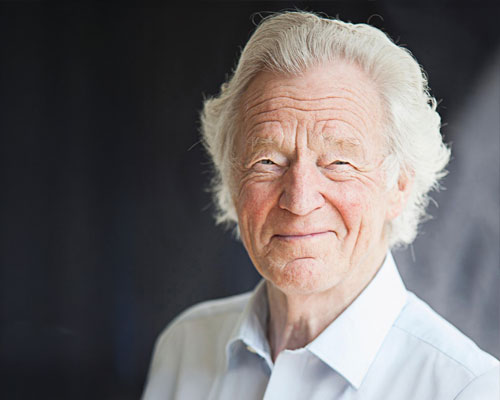
Muir Gray suggests operators encourage members to walk or dance for half an hour on the days they don’t visit their health club or gym



A revolution is underway, with physical activity being recognised as being of vital importance, not only in preventing disease, but also as a therapy.
It’s wonderful to see the publication of the Academy of Medical Royal College’s Report, Exercise the Miracle Cure, showing it’s effective in improving almost all long-term conditions. As a result, we’re increasingly using the word ‘activity’ rather than ‘exercise’ when talking with both public and health professionals.
The term exercise, like the term physical activity emphasises only the physical benefits but it’s now also clear that physical activity has both cognitive benefits – it makes the brain work better and reduces the risk of dementia – and it has emotional benefits, including being a more effective intervention than prescribed drugs for many people who are depressed or anxious.
The fact that there are now over eight million people on anti-depressant medication highlights the need to recognise the cognitive, emotional and physical benefits of exercise and to recognise that gyms and fitness centres are wellbeing services.
Routine prescribing of activity
Discussions have taken place on exercise referral, led by the Faculty of Sport and Exercise Medicine and Sport England and there’s also work being done to inform and enable increased activity which doesn’t require a GP to make a referral in order for people to take part.
Audits of health services have shown that less than half of people at risk of or with vascular disease get offered anything other than pills and only 14 per cent of people with mental health problems are offered anything other than medication.
There is work being done to ‘de-prescribe’ ineffective, often harmful, medication, while also ‘prescribing’ activity for the first time.
In Hertfordshire a new system is being introduced that will automatically generate a ‘prescription’ for movement – namely a letter or a message to a person diagnosed with a condition such as Type 2 diabetes – telling them about resources available online and near their home.
This tech is called W:ISH and does this automatically, because the doctor’s record knows their postcode.
Prescribing walking
Literally as the GP is typing ‘metformin’, the pharma prescription is generated and sent to the pharmacy, while at the same time the activity prescription is being sent. The activity prescription – a form of social prescribing – will also be repeated with a dose of knowledge and encouragement with every repeat drug prescription.
It’s also being proposed that the name of the ‘drug budget’ should be changed to ‘therapy budget’ to enable a shift in mindset from resourcing drugs to non-drug therapy.
A link to a local health club or leisure centre will be included in the information sent with the exercise prescription issued by the W:ISH system and encouragement, provided to the person with the health condition – whatever it may be.
It’s important to note that we’re using the word, ‘person’ rather than ‘patient’. This is part of a cultural revolution in which the person – usually called the patient – will be seen as a partner with the NHS in tackling their long term health condition.
Brisk walking
One of the non-drug therapies being promoted by a campaign called Let’s Walk More, will be walking, particularly brisk walking. This will run from the first day of spring – 21 March – each year.
Brisk walking means walking at a rate at which breathing comes a little faster, but not so fast that it’s not possible to carry on a conversation – namely exercise of moderate intensity in the international classification.
There is international agreement that at least 30 minutes of exercise at least five times a week is beneficial therapy both for prevention and for the treatment of all common long-term conditions.
A good session at a health club or gym provides this 30 minutes on at least one day a week, but the great advantage of walking is that it can be done without travelling from home and without specialist clothing, apart from a raincoat if it’s pouring, and this can be done in short bursts of five, seven or 10 minutes throughout the day and doesn’t need to take even a single chunk of thirty minutes from a busy schedule.
Walking Plus
Brisk walking can also be easily measured, obviously on specific devices such as the Apple watch, but also using the NHS Active 10 app which is available free of charge and works on every phone, measuring accurately every minute that is walked briskly.
Also included in the W:ISH prescriptions issued by doctors will be information about health walks near the person’s postcode and local authorities are doing excellent work in organising these walks with the Ramblers Association, Living Streets and Parkrun – which now has a walking option – and these wellbeing walks encourage the types of walks that deliver even more emotional benefit, namely, walking with other people, being in a green environment and walking with a purpose, for example, raising money for the World Wildlife Fund.
Walking alone, of course, doesn’t increase all four aspects of fitness. It’s good for stamina and the strength of the legs, but for strength of the core and upper limbs and for suppleness and skill, 10 minutes’ exercise a day is needed to complement and supplement walking.
Of course membership of a gym and health club is a vitally important part in helping people develop their daily programme to increase their strength, suppleness and skill and they already work hard to help members develop a daily schedule.
Let’s walk more!
Two campaigns are driving change. One is, ‘Let’s Dance!’, led by the charismatic broadcaster Angela Rippon, the other, Let’s Walk More, is starting on the first day of spring, as previously mentioned.
It would be transformational if every gym and health club encouraged members to walk briskly or dance for 30 minutes in the days when they don’t come to the gym.
The evidence and the benefits of walking are summarised in my book, Dr Gray’s Walking Cure (www.drgrayswalkingcure.net), published on Amazon, which is a guide that could easily be adapted and tailored for the members of a gym or health and fitness club.
The book contains a chapter on a new initiative, the BNWF or British National Walking Formulary, a concept based on the BNF, or British National Formulary, which has been an essential part of the UK’s health service for many years, being a collection of information about the evidence of the benefit of drugs and how they should be consumed.
The British National Walking Formulary summarises the evidence about non-drug therapy and how one particular non-drug therapy – walking – can be enjoyed to best effect.
More: Let’s Dance! www.lets-dance.org.uk
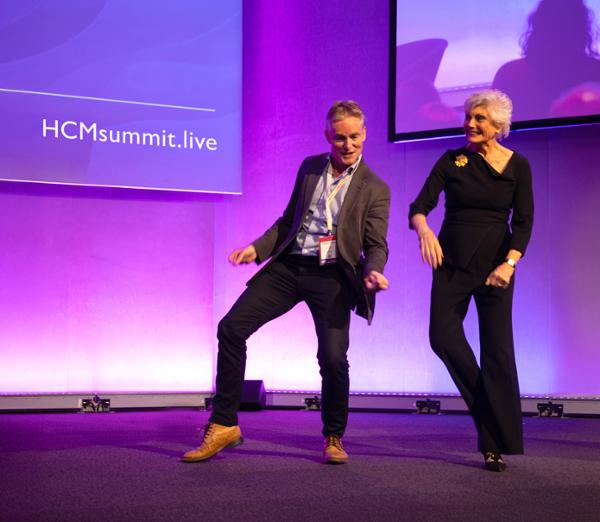
See Angela Rippon speaking at the HCM Summit 2025 by clicking here
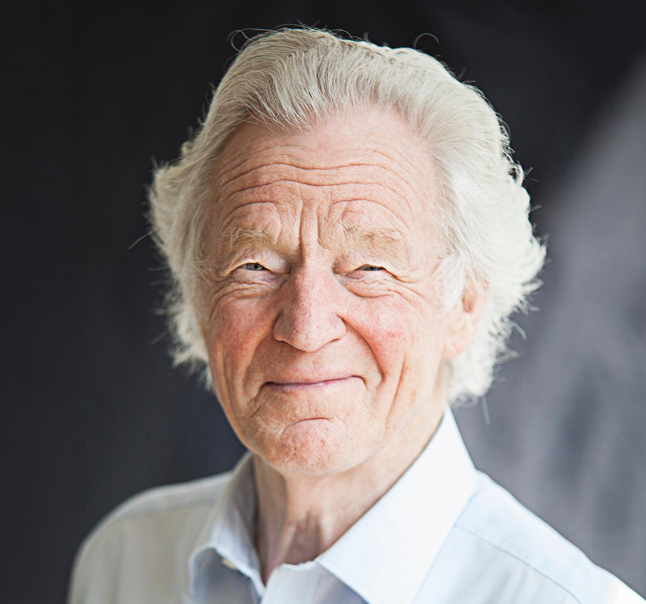
"It would be transformational if health clubs encouraged members to walk briskly or dance for 30 minutes on the days they don’t use the gym" – Muir Gray







Work is underway in Madrid on one of Europe’s most significant multi-functional complexes, ...