
















Elevate Arena
Elevate Arena
Elevate Arena
Follow Health Club Management on Twitter Like Health Club Management on Facebook Join the discussion with Health Club Management on LinkedIn
FITNESS, HEALTH, WELLNESS

features

Feedback: HCM Forum

Fuel the debate about issues and opportunities across the industry. We’d love to hear from you. Write to [email protected]

Published in Health Club Management 2024 issue 9
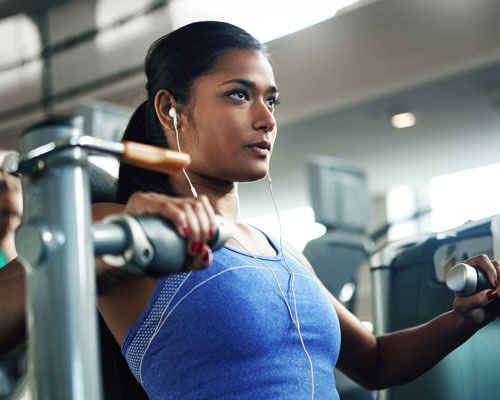
Young people are vulnerable to issues around body image / photo: Shutterstock / LightField Studios
YouTube is changing access to health and fitness content
David Langridge, founder, 1FitLife and FitterStock
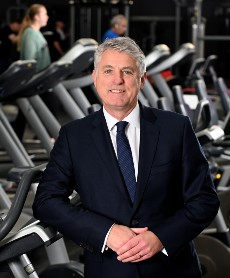
David Langridge / photo: 1FitLife / Ben Ramshaw

I fully support YouTube’s recent decision to limit recommendations of certain health and fitness videos to teenagers, especially those that idealise specific body types.

As a father of two daughters, one of whom is a teenager, I’m acutely aware of how repeated exposure to idealised imagery can deeply affect young people’s self-esteem. In today’s world, social media plays an outsized role in shaping teens’ self-perception, making it essential for platforms such as YouTube to take responsibility for guiding them toward healthier relationships with fitness and body image.

In my professional life, where I’m involved in content creation, I emphasise that there’s no such thing as a perfect body. Humans come in all sorts of different shapes and sizes and true wellness is about feeling strong, confident and healthy. While it’s important for young people to have access to fitness content and be encouraged to stay active, they mustn’t fall into harmful cycles of comparison or unrealistic expectations. YouTube’s decision is a positive step in protecting teens from these risks, but there’s still much more to be done.

Challenges of AI

The growing role of AI-generated content in wellness is another significant concern. As AI continues to grow in influence, there’s a danger fitness content will become less informed and more harmful, especially if it’s not created based on human expertise. Wellness is deeply personal and relying on AI-generated advice will see young people being misled.

AI is also being used to generate images and videos of ‘perfect’ young people, based on someone’s idea of perfection. Right now we can still tell what’s real, but soon that won’t be the case and this will accelerate the prevalence of unrealistic beauty standards and increase pressures on young people as they chase impossible standards that aren’t even human.

The human touch is crucial when it comes to delivering accurate and safe information – especially for young audiences – as the potential impact of unqualified fitness influencers is another major issue.

They may lack the necessary professional qualifications and experience but still hold significant sway over impressionable teens. Almost 50 per cent of teenage girls report frequent concerns about their bodies, a problem exacerbated by the pressure to conform to unrealistic ideals seen on social media.

Research from York University shows that taking just a one-week break from social media can improve self-esteem and body image, underscoring the harmful effects of constant exposure.

Alarmingly, this pressure has also been linked to an increase in elective cosmetic surgeries among teens, illustrating how deep these issues run.

Serious health consequences

Beyond the mental health consequences, there are serious physical health risks. Following advice or workout routines from unqualified influencers can lead to poor technique, overtraining or unsafe practices, resulting in injuries that could have long-term implications, so it’s crucial to counter their allure by elevating expert-led content that fosters body positivity, mental wellness and sustainable health habits.

While I applaud YouTube’s recent decision and those of platforms such as Instagram, which is starting to introduce safety features for teens, such as stricter privacy settings and limiting exposure to sensitive content, these are just the first steps.

The fitness industry should take the lead in creating a more responsible wellness culture.

Soon, young people will be chasing impossible standards that aren’t even human
What action is YouTube taking?

YouTube is to limit recommendations of certain health and fitness videos to teenagers, including those which ‘idealise’ certain body types.

The social media giant says 13- to 17-year-olds will still be able to search for and view fitness-related content, but will not be encouraged into repeated viewing of similar videos. It says it’s acting because of concerns that repeated exposure to such material can lead young people to develop negative beliefs about themselves.

Better education will help gyms retain their new ‘GLP-1 clients’ - Eric Durak, president and founder, Medical Health and Fitness
Eric Durak

I write in reference to your ‘call to action’ to the exercise community regarding GLP-1 medications and the absolute need for people to exercise while using these drugs (HCM issue 6 2024 www.hcmmag.com/GLP1training).

There are a few issues I’m observing while gearing up for the task of training professionals in the industry on the use of exercise and nutrition for those on weight loss drugs.

Firstly, few operators are embracing working with this group yet, but consumers on GLP-1s are already making their way into health clubs and many trainers don’t even know it. Liability issues aside, knowing about this medication and how to optimise exercise could prove to be one of the biggest selling points to position clubs as offering health expertise.

The method of delivery for GLP-1 medications is changing and the next wave of administration will be in small-dose sublinguals taken once or twice per day. This delivery method will bypass some of the side-effects of the injection method and allow for easier exercise training.

GLP-1 medications are now being touted as preventive measures for a number of chronic diseases. Time will tell if this is true, but the same preventive and therapeutic measures may exist with exercise and we’ve known this for decades.

The issue is to get and retain these new members by cultivating a level of emotional intelligence in the profession that recognises the issues related to weight loss and embrace these clients as long-term members of the club.

It’s certainly a challenge for the industry worldwide, but a challenge that should be met, as the benefits are many. However, it all starts with education – of the industry and then the clients.

Consumers on GLP-1s are already making their way into the health club sector
Knowing how to work with GLP-1 clients can be a selling point for clubs
https://www.leisureopportunities.co.uk/images/2024/465732_436011.jpg
David Langridge applauds YouTube for restricting access to toxic fitness content for teenagers. Eric Durak says operators must gear up to welcome GLP-1 users
HCM magazine
Collaborations with the medical profession and greater aspirations around wellbeing are creating a need for more experts in our sector. It’s time to reboot our thinking around the workforce
HCM magazine
As the entrepreneur who started Wexer, Fresh Fitness, Fitness DK and Repeat, as well as being a former elite athlete, Rasmus Ingerslev’s life looked perfect from the outside, but onthe inside it was a different story. He talks to Kath Hudson about healing old wounds
HCM magazine
Raphael Cuomo explores the powerful link between addiction, health and behaviour change
HCM magazine
HCM People

Stephen Price

Founder, SP&Co Group
Working in public health over the last few years has lit up parts of my brain again
HCM magazine
Small improvements to sleep, diet and physical activity have major benefits for the heart, according to new research from the University of Sydney
HCM promotional features
Sponsored
SnowDome Fitness has added 50 per cent more space with cutting-edge Technogym solutions
HCM promotional features
Sponsored
Starpool supports Olympic champion Marcell Jacobs, says Riccardo Turri
HCM promotional features
Sponsored
Third Space partnered with IndigoFitness to deliver a bespoke training space for its new club at The Whiteley
HCM promotional features
Sponsored
David Lloyd is stepping up its commitment to women’s health as it continues to explore what fit-for-purpose looks like for the female population
HCM promotional features
Sponsored
Find out how your gym can tap into the corporate wellness boom
HCM promotional features
Sponsored
Greg Bradley looks at the shift towards strength training in gyms and advises on how operators can create the ultimate training environment
HCM promotional features
Sponsored
EGYM has opened a new HQ in Paternoster Square, London and revealed a range of new launches
HCM promotional features
Sponsored
New launch, Salus House, elevates boutique wellness with high service levels and a partnership with Technogym
HCM promotional features
Promotion
Performance Health Systems, manufacturer of Power Plate, has a new CEO, with an ambitious vision for the company
HCM promotional features
Latest News
Global group exercise specialist, Les Mills, is inviting operators to sign up to its Workout ...
Latest News
Global luxury hospitality brand, Six Senses, has partnered with longevity healthcare provider, HUM2N, to launch ...
Latest News
Premium London health club, KX Chelsea, is gearing up to unveil its most significant redevelopment ...
Latest News
Researchers in the US have identified an antibody which could greatly reduce the loss of ...
Latest News
Peloton has made the strategic acquisition of Pilates start-up, Skōp, to support the expansion of ...
Latest News
Crunch Fitness has announced the launch of Crunch Reform Pilates – its own reformer concept ...
Latest News
The 20th State of the Industry Report from LeisureDB has revealed a resilient, expanding and ...
Latest News
Purpose Brands has announced its entry into the Italian market, having sold the franchise rights ...
Opinion
promotion
Strength training has moved from the margins to the mainstream.
Opinion: Building smarter strength spaces for today’s operators
Featured supplier news
Featured supplier news: Reaching the people most gyms miss: Bedford Gym & Swim Campaign delivers 410 new members
One of the biggest mistakes the fitness industry still makes is advertising almost exclusively to people who already look and live like gym members.
Featured supplier news
Featured supplier news: Supporting long-term health: why whole body vibration belongs in clinical settings
As healthcare continues to shift towards prevention, there’s a growing focus on helping people stay active, independent and feeling good for longer.
Company profiles
Company profile: GLL
GLL
As the UK’s leading provider of both leisure centres and libraries we operate 379 locations ...
Company profiles
Company profile: Taylor Made Designs
Taylor Made Designs offer health clubs a fully-managed end-to-end service. From garment design to sourcing, ...
Supplier Showcases
Supplier Showcase - From nightclub to health club
Supplier Showcases
Supplier Showcase - Future-proofing
Catalogue Gallery
Click on a catalogue to view it online
Featured press releases
ukactive press release: UK Active launches next phase of Digital Futures to support digital maturity across the physical activity sector
UK Active has announced the next phase of its Digital Futures programme, supporting organisations across the physical activity sector to develop their digital capability.
Featured press releases
The Fitness Group press release: The Fitness Group partners with Serco Leisure to deliver education and career pathways across UK leisure facilities
The Fitness Group, the UK's leading fitness education training provider, has announced a strategic partnership with Serco Leisure, one of the UK's leading national operators of leisure centres, destination venues and elite sporting facilities.
Directory
Water experiences and hydrotherapy solutions
Aquaform s.r.l.: Water experiences and hydrotherapy solutions
Lockers
Crown Sports Lockers: Lockers
Hot tubs
MSpa International Ltd: Hot tubs
Fitness tracking platform
SpiviTech: Fitness tracking platform
Industrial washing machines
Miele Company Limited: Industrial washing machines
Spa and beauty equipment
Oakworks Inc: Spa and beauty equipment
Property & Tenders
Stratford, East London.
Lee Valley Regional Park Authority
Property & Tenders
Y Felinheli, LL56 4QN
Newmark
Property & Tenders
Diary dates
21-24 Sep 2026
The Langham Huntington Pasadena , Pasadena, United States
Diary dates
06-08 Oct 2026
Messe Stuttgart, Stuttgart, Germany
Diary dates
22-22 Oct 2026
QEII Conference Centre, London,
Diary dates
26-29 Oct 2027
Koelnmesse Exhibition Centre, Cologne, Germany
Diary dates

features

Feedback: HCM Forum

Fuel the debate about issues and opportunities across the industry. We’d love to hear from you. Write to [email protected]

Published in Health Club Management 2024 issue 9
Young people are vulnerable to issues around body image / photo: Shutterstock / LightField Studios
YouTube is changing access to health and fitness content
David Langridge, founder, 1FitLife and FitterStock
David Langridge / photo: 1FitLife / Ben Ramshaw

I fully support YouTube’s recent decision to limit recommendations of certain health and fitness videos to teenagers, especially those that idealise specific body types.

As a father of two daughters, one of whom is a teenager, I’m acutely aware of how repeated exposure to idealised imagery can deeply affect young people’s self-esteem. In today’s world, social media plays an outsized role in shaping teens’ self-perception, making it essential for platforms such as YouTube to take responsibility for guiding them toward healthier relationships with fitness and body image.

In my professional life, where I’m involved in content creation, I emphasise that there’s no such thing as a perfect body. Humans come in all sorts of different shapes and sizes and true wellness is about feeling strong, confident and healthy. While it’s important for young people to have access to fitness content and be encouraged to stay active, they mustn’t fall into harmful cycles of comparison or unrealistic expectations. YouTube’s decision is a positive step in protecting teens from these risks, but there’s still much more to be done.

Challenges of AI

The growing role of AI-generated content in wellness is another significant concern. As AI continues to grow in influence, there’s a danger fitness content will become less informed and more harmful, especially if it’s not created based on human expertise. Wellness is deeply personal and relying on AI-generated advice will see young people being misled.

AI is also being used to generate images and videos of ‘perfect’ young people, based on someone’s idea of perfection. Right now we can still tell what’s real, but soon that won’t be the case and this will accelerate the prevalence of unrealistic beauty standards and increase pressures on young people as they chase impossible standards that aren’t even human.

The human touch is crucial when it comes to delivering accurate and safe information – especially for young audiences – as the potential impact of unqualified fitness influencers is another major issue.

They may lack the necessary professional qualifications and experience but still hold significant sway over impressionable teens. Almost 50 per cent of teenage girls report frequent concerns about their bodies, a problem exacerbated by the pressure to conform to unrealistic ideals seen on social media.

Research from York University shows that taking just a one-week break from social media can improve self-esteem and body image, underscoring the harmful effects of constant exposure.

Alarmingly, this pressure has also been linked to an increase in elective cosmetic surgeries among teens, illustrating how deep these issues run.

Serious health consequences

Beyond the mental health consequences, there are serious physical health risks. Following advice or workout routines from unqualified influencers can lead to poor technique, overtraining or unsafe practices, resulting in injuries that could have long-term implications, so it’s crucial to counter their allure by elevating expert-led content that fosters body positivity, mental wellness and sustainable health habits.

While I applaud YouTube’s recent decision and those of platforms such as Instagram, which is starting to introduce safety features for teens, such as stricter privacy settings and limiting exposure to sensitive content, these are just the first steps.

The fitness industry should take the lead in creating a more responsible wellness culture.

Soon, young people will be chasing impossible standards that aren’t even human
What action is YouTube taking?

YouTube is to limit recommendations of certain health and fitness videos to teenagers, including those which ‘idealise’ certain body types.

The social media giant says 13- to 17-year-olds will still be able to search for and view fitness-related content, but will not be encouraged into repeated viewing of similar videos. It says it’s acting because of concerns that repeated exposure to such material can lead young people to develop negative beliefs about themselves.

Better education will help gyms retain their new ‘GLP-1 clients’ - Eric Durak, president and founder, Medical Health and Fitness
Eric Durak

I write in reference to your ‘call to action’ to the exercise community regarding GLP-1 medications and the absolute need for people to exercise while using these drugs (HCM issue 6 2024 www.hcmmag.com/GLP1training).

There are a few issues I’m observing while gearing up for the task of training professionals in the industry on the use of exercise and nutrition for those on weight loss drugs.

Firstly, few operators are embracing working with this group yet, but consumers on GLP-1s are already making their way into health clubs and many trainers don’t even know it. Liability issues aside, knowing about this medication and how to optimise exercise could prove to be one of the biggest selling points to position clubs as offering health expertise.

The method of delivery for GLP-1 medications is changing and the next wave of administration will be in small-dose sublinguals taken once or twice per day. This delivery method will bypass some of the side-effects of the injection method and allow for easier exercise training.

GLP-1 medications are now being touted as preventive measures for a number of chronic diseases. Time will tell if this is true, but the same preventive and therapeutic measures may exist with exercise and we’ve known this for decades.

The issue is to get and retain these new members by cultivating a level of emotional intelligence in the profession that recognises the issues related to weight loss and embrace these clients as long-term members of the club.

It’s certainly a challenge for the industry worldwide, but a challenge that should be met, as the benefits are many. However, it all starts with education – of the industry and then the clients.
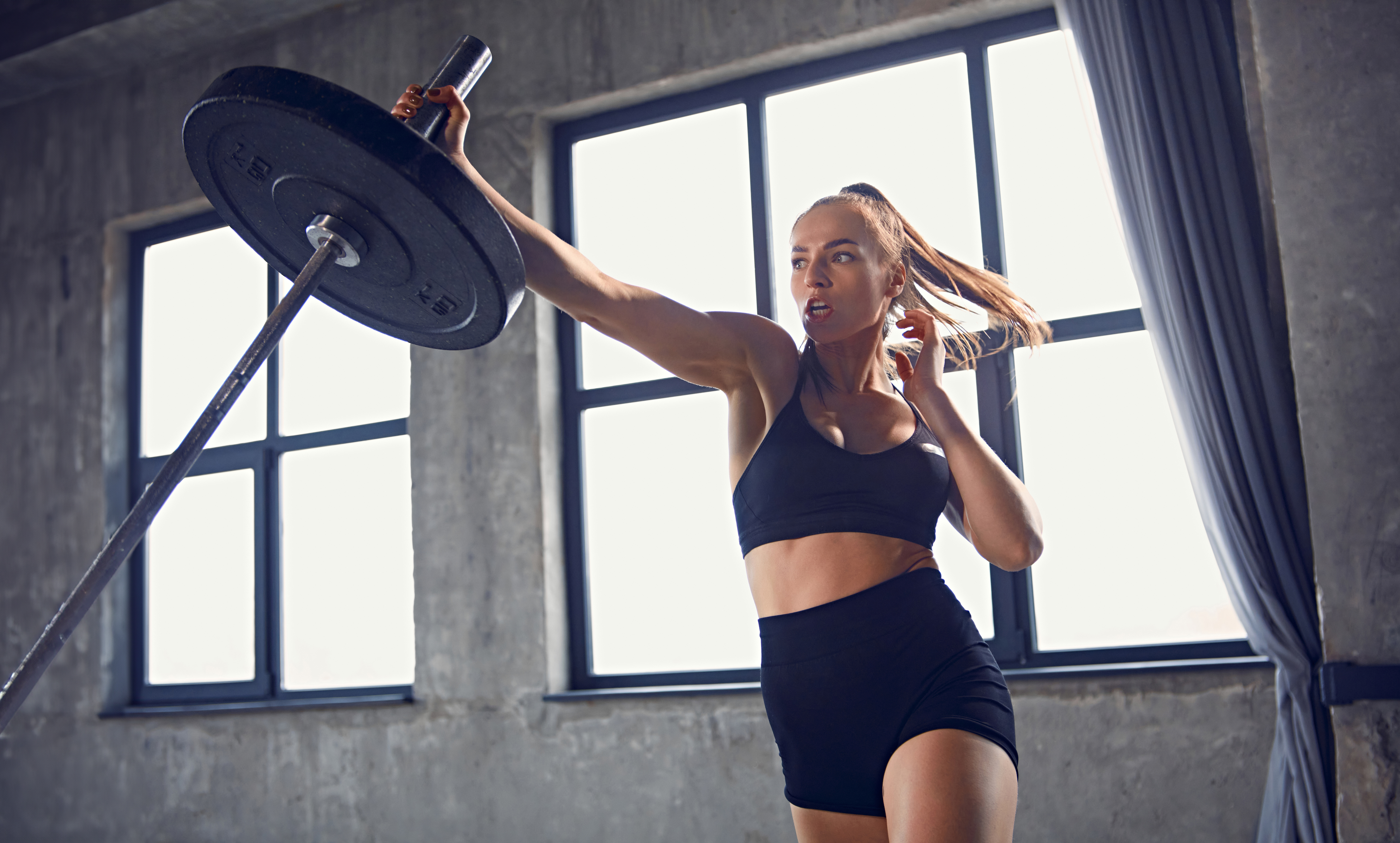

Consumers on GLP-1s are already making their way into the health club sector
Knowing how to work with GLP-1 clients can be a selling point for clubs
https://www.leisureopportunities.co.uk/images/2024/465732_436011.jpg
David Langridge applauds YouTube for restricting access to toxic fitness content for teenagers. Eric Durak says operators must gear up to welcome GLP-1 users
Latest News
Global group exercise specialist, Les Mills, is inviting operators to sign up to its Workout ...

Latest News
Global luxury hospitality brand, Six Senses, has partnered with longevity healthcare provider, HUM2N, to launch ...
Latest News
Premium London health club, KX Chelsea, is gearing up to unveil its most significant redevelopment ...
Latest News
Researchers in the US have identified an antibody which could greatly reduce the loss of ...
Latest News
Peloton has made the strategic acquisition of Pilates start-up, Skōp, to support the expansion of ...
Latest News
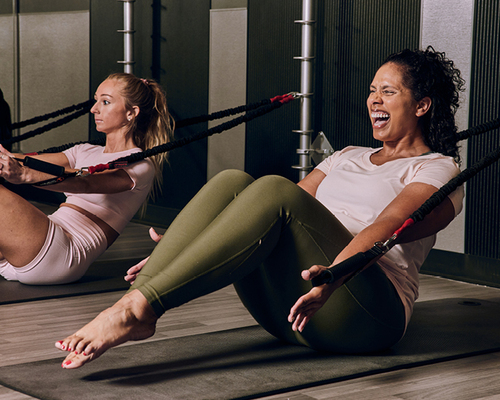
Crunch Fitness has announced the launch of Crunch Reform Pilates – its own reformer concept ...
Latest News
The 20th State of the Industry Report from LeisureDB has revealed a resilient, expanding and ...
Latest News
Purpose Brands has announced its entry into the Italian market, having sold the franchise rights ...
Latest News
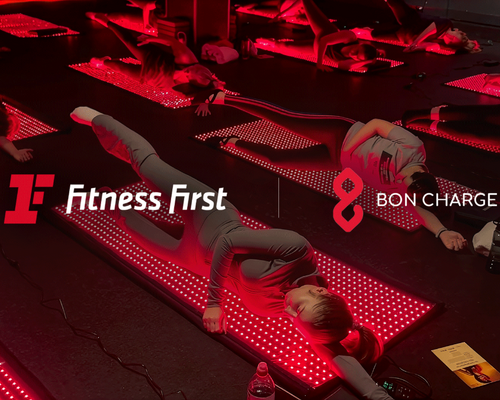
Fitness First UK is integrating red light therapy into its yoga and Pilates classes through ...
Latest News
Nuffield Health has told HCM that it takes its responsibilities towards its colleagues seriously and ...
Latest News
Technogym has announced the launch of the Run X World Treadmill Championship, the first world ...
Opinion
promotion
Strength training has moved from the margins to the mainstream.
Opinion: Building smarter strength spaces for today’s operators
Featured supplier news
Featured supplier news: Reaching the people most gyms miss: Bedford Gym & Swim Campaign delivers 410 new members
One of the biggest mistakes the fitness industry still makes is advertising almost exclusively to people who already look and live like gym members.
Featured supplier news
Featured supplier news: Supporting long-term health: why whole body vibration belongs in clinical settings
As healthcare continues to shift towards prevention, there’s a growing focus on helping people stay active, independent and feeling good for longer.
Company profiles
Company profile: GLL
GLL
As the UK’s leading provider of both leisure centres and libraries we operate 379 locations ...
Company profiles
Company profile: Taylor Made Designs
Taylor Made Designs offer health clubs a fully-managed end-to-end service. From garment design to sourcing, ...
Supplier Showcases
Supplier Showcase - From nightclub to health club
Supplier Showcases
Supplier Showcase - Future-proofing
Catalogue Gallery
Click on a catalogue to view it online
Featured press releases
ukactive press release: UK Active launches next phase of Digital Futures to support digital maturity across the physical activity sector
UK Active has announced the next phase of its Digital Futures programme, supporting organisations across the physical activity sector to develop their digital capability.
Featured press releases
The Fitness Group press release: The Fitness Group partners with Serco Leisure to deliver education and career pathways across UK leisure facilities
The Fitness Group, the UK's leading fitness education training provider, has announced a strategic partnership with Serco Leisure, one of the UK's leading national operators of leisure centres, destination venues and elite sporting facilities.
Directory
Water experiences and hydrotherapy solutions
Aquaform s.r.l.: Water experiences and hydrotherapy solutions
Lockers
Crown Sports Lockers: Lockers
Hot tubs
MSpa International Ltd: Hot tubs
Fitness tracking platform
SpiviTech: Fitness tracking platform
Industrial washing machines
Miele Company Limited: Industrial washing machines
Spa and beauty equipment
Oakworks Inc: Spa and beauty equipment
Property & Tenders
Stratford, East London.
Lee Valley Regional Park Authority
Property & Tenders
Y Felinheli, LL56 4QN
Newmark
Property & Tenders
Diary dates
21-24 Sep 2026
The Langham Huntington Pasadena , Pasadena, United States
Diary dates
06-08 Oct 2026
Messe Stuttgart, Stuttgart, Germany
Diary dates
22-22 Oct 2026
QEII Conference Centre, London,
Diary dates
26-29 Oct 2027
Koelnmesse Exhibition Centre, Cologne, Germany
Diary dates
Search news, features & products:
Find a supplier:
Elevate Arena
Elevate Arena
Partner sites