


























features
Feedback: A weighty matter
Chris Gagliardi, ACE-certified personal trainer, gives guidance on how children can train safely with weights


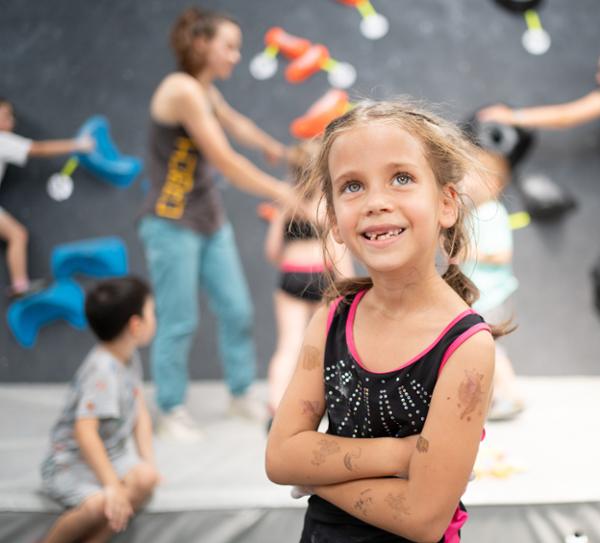
In response to comments in HCM by Stephen Rinaldi on children doing strength training (www.hcmmag.com/childrentraining), it’s important to stress that many of the benefits associated with strength training seen in adults are also observed in children and adolescents, including improved muscular strength and muscular endurance, speed and power, motor skill performance and physical literacy.
We also see a reduced risk of injury – and resistance to injury – improved body composition, respiratory and cardiovascular fitness, blood lipid profile and bone mineral density, as well as optimised performance gains and improved insulin sensitivity in overweight youths.
Also important is improved mental health and an increase in daily levels of spontaneous activity.
Overall guidelines
In general, young people can follow similar guidelines for resistance training as adults, but with an additional emphasis on instruction, supervision and exercise form.
Resistance training activities can be both structured and unstructured. Unstructured muscle strengthening activities include tug-of-war, climbing trees and using playground equipment, while structured activities include body weight exercises such as push-ups, weightlifting, and using resistance bands and suspension trainers.
The age at which participation begins should be determined based on maturity level and ability. In terms of maturity, youth participants should be able to receive and follow instructions and have the capacity to safely perform the activity or exercise. This means different kids can start at different ages and some might first be ready for unstructured activity (play) before they are ready for a more structured routine.
If a child can’t safely follow instructions, the activity is not yet appropriate for them. This doesn’t mean they should do nothing at all, but their starting point or entry into resistance training will be different.
Need for close supervision
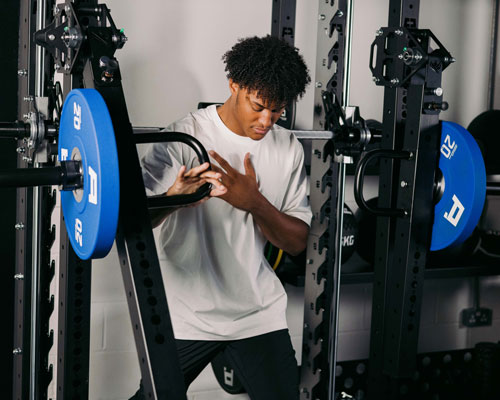
Children doing muscular training should be supervised by qualified adults. This can be a parent, exercise professional, or sport coach, but it’s a lack of appropriate instruction and supervision that can lead to injury. Resistance training itself is not harmful for children but when conducted unsupervised the risk of injury increases.
Muscle strengthening activities are a great opportunity to begin leading a healthy lifestyle and participating in resistance training in the right environment at a young age can have a positive impact on a child’s perception of exercise, so it is important to keep things fun and appeal to their interests.
I’d advise the use of body weight as resistance or eight to 15 sub-maximal repetitions of an exercise to the point of moderate fatigue with good mechanical form. It’s also important to teach children how to properly perform the five primary movement patterns (bend-and-lift, single-leg, pushing, pulling, rotation) using their own body weight before adding a load.
Chris Gagliardi is scientific education content manager at The American Council on Exercise
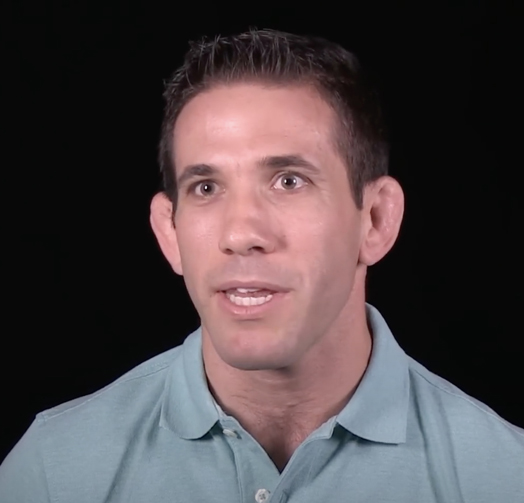
"Muscle strengthening activities are a great opportunity to begin leading a healthy lifestyle" - Chris Gagliardi
1. Children should be properly supervised and use proper exercise technique at all times
Note that traditional exercise machines may not provide the appropriate lever arm for children, and therefore may increase the incidence of injury. Free weights or bodyweight exercises may be preferred
2. Children should never be encouraged to perform single maximal lifts, sudden explosive movements, or to compete with other children while performing muscular training
3. Proper breathing should be taught during exercise movements
4. Encourage children to drink plenty of fluids before, during, and after exercise
5. Tell them they need to communicate with a personal trainer, coach, parent, or teacher if they feel tired or fatigued, or if they feel discomfort or pain
6. Create a dynamic, fun, and age-appropriate muscular training programme