














Les Mills
Les Mills
Les Mills
Follow Health Club Management on Twitter Like Health Club Management on Facebook Join the discussion with Health Club Management on LinkedIn
FITNESS, HEALTH, WELLNESS

features

Driving participation: A warmer welcome

The government’s new strategy on sport aims to increase participation in physical activity among hard-to-reach groups. What can the sport and leisure sector do better to support this goal? Rhianon Howells reports

By Rhianon Howells | Published in Health Club Management 2016 issue 3

The most recent annual report from the National Benchmarking Service (NBS) had both good and bad news for local authority sport and leisure providers. On one hand, it noted a remarkable upswing in the financial efficiency of sport and leisure centres across the country. On the other hand, it found the sector as a whole is still failing dismally to increase participation among some of the most at-need groups.

Specifically, the report found that, while the sector is doing a good job of attracting women, 20- to 59-year-olds and ethnic minorities, it isn’t doing nearly enough to attract 11- to 19-year-olds, people aged over 60, disabled people or those from the lowest socioeconomic groups.

In the light of these conclusions, it’s telling that one of the central goals of the government’s new strategy on sport, announced last December, is to increase participation in sport and physical activity among these very same groups. As well as extending Sport England’s remit to encompass children as young as five, funding will also be targeted at projects supporting all of the above groups.

So what can the physical activity sector do to support this goal of widening participation – and why isn’t it doing it already?

Martyn Allison,

Director, Management Improvement Services & chair,

Quest
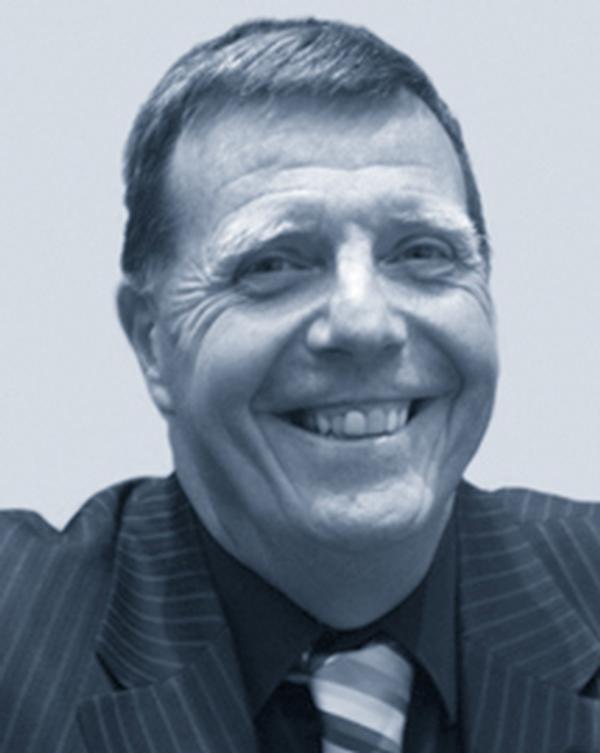
Martyn Allison
Martyn Allison

The sector’s continued failure to widen participation among those most likely to benefit from physical activity – namely children and young people, older people and poorer people – is of real concern.

There’s mounting evidence that better financial performance in the sector is being achieved at the expense of extending participation among these hard-to-reach groups. To survive with less subsidy, contractors are focusing on middle-aged, middle-class and mid- to high-income groups who are able to afford membership schemes. Those most in need get squeezed out.

If some of the surpluses centres are now seeing were reinvested to achieve better social outcomes, this would build a stronger argument for the continuation of subsidies, and may go some way towards redressing the balance. However, constructing contracts that generate good commercial returns and good social outcomes requires rare canny political and managerial leadership. It’s even more challenging when dealing with external operators whose culture is driven by profit.

The financial pressure the industry is now under is only part of the problem. Low participation among hard-to-reach groups dates back to the birth of sports development in the 1970s. The sector has always employed people who are passionate about sport – but the people who need physical activity the most often hate sport. Asking people who love sport to sell it to those who hate it is a real challenge: they don’t know how to do it and they’re not willing to change. Also, facility managers have never been trained to extend the market – only to market to the same people better.

Longer life expectancies, the raising of the pension age and austerity have created a crisis in the health service, and it’s clear resources must be moved into prevention quickly – in particular, into keeping people active longer. But even if we can persuade providers to channel surpluses into widening participation, I’m not convinced our managers or workforce currently have the will or skills to do it. It will require a step change in thinking to overcome decades of inertia.

The government’s new sport strategy focuses on this very problem, calling on the sector to focus on those currently excluded. Sport England is now consulting on how to implement this strategy and I expect we’ll see major shifts in funding priorities, delivery methodologies and measurement techniques across the sector. Perhaps effectiveness will now be valued above efficiency.

"Asking people who love sport to sell it to those who hate it is a real challenge: they don’t know how to do it and they’re not willing to change" - Martyn Allison

Nathaniel Leney,

Divisional sports and community development manager,,

Fusion Lifestyle

Nathaniel Leney
Nathaniel Leney

We’re delighted that our Loughborough Leisure Centre has been identified by NBS as one of the country’s top-performing facilities when it comes to increasing participation among hard-to-reach groups. Fusion Lifestyle works hard to deliver quality sport and wellbeing services that are inclusive and accessible. Sport and community development are key aspects of our organisation, and all departments work together.

In line with this, our internal Leadership and Management Development Programme includes training on how to reduce barriers to participation, with workshops offered in programming, understanding customers, attracting and retaining customers, and marketing segmentation. As managers, this helps us understand how we can adapt our services to encourage targeted groups to visit our sites.

Initiatives include sessions tailored to specific groups – from walking football for the over-60s to women-only swimming sessions, which are particularly important in communities with large BME groups – and free Family Fun Days, where we put on a variety of activities and invite the community to try them out.

We also work closely with community stakeholders. In addition to our Exercise on Referral programme, we partner with local special needs schools to deliver badminton and swimming, and offer a Youth Card Project whereby young offenders can access our facilities, initially accompanied by their social workers but later independently. Thanks to the impact of this project last year, we’ve just received funding for 30 individuals from the police and crime commissioner.

Far from seeing targeted groups as a drain on our resources, we see them as an untapped market, offering a great opportunity to improve people’s lives while also creating loyal members and additional income. While our charitable objectives are as vital to us as maintaining a healthy financial position, it’s essential the organisation generates more income than it spends. Programmes might be initially subsidised, either by Fusion or via external funding, but the longer-term goal is always to make sessions financially sustainable. We do this in several ways, with a focus on increasing participants and using volunteers to cut cost per head.

Although initiatives like Exercise on Referral might at first break even or make a loss, if participants receive great service and see an improvement to their health, they’re more likely to become regulars at our gyms.

"Programmes might be initially subsidised, but the longer-term goal is always to make them financially sustainable in their own right" - Nathaniel Leney
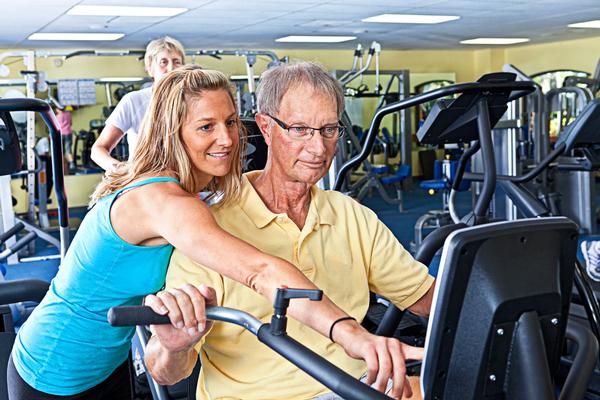
Fusion offers sessions tailored to specific hard-to-reach groups / PHOTOS: ISTOCKPHOTO.COM; Shutterstock.com

Charles Johnston,

Director of property,

Sport England
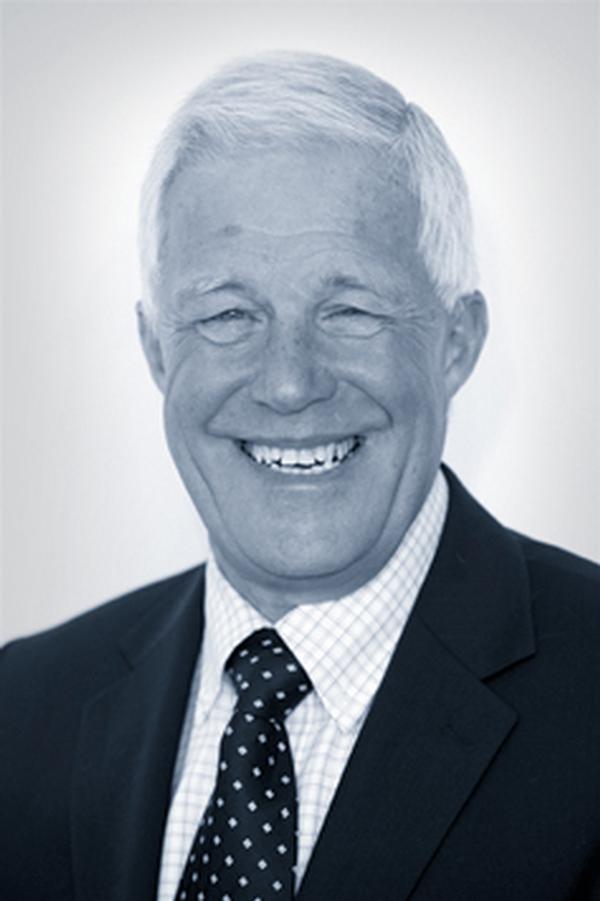
Charles Johnston
Charles Johnston

Sport England strongly believes it’s possible for sport and leisure providers to be financially efficient yet also extend participation and deliver effective social outcomes – even at a time when local authorities are faced with substantial cuts.

To do this, operators first need to deliver a fully commercialised programme of activities, and then look closely at who should be paying for them. This means convincing local government commissioners for health and social care that investing in sport and leisure for certain target groups is a cost-effective alternative to the other interventions they might use to deliver their agendas – for example, drug treatment.

Sport England is currently working with operators and clinicians such as Dr William Bird to collect objective evidence of this. The health pilots we’ve done so far have demonstrated clear benefits, including a great reduction in the need for diabetes treatments and a marked slowdown in the onset of dementia – and associated cost of residential care – among those taking part. But we need to build that case.

One way for sport and leisure providers to achieve greater efficiencies is by co-locating and/or integrating with other community services.

Sport England is currently supporting several such projects through its Strategic Facilities Fund. The aim of this fund is to direct capital investment into local authority projects that commit to growing and sustaining community participation in sport, while also encouraging the applicants and their partners to re-invest themselves.

A good example is Orford Jubilee Neighbourhood Hub in Warrington, which is managed by Livewire, a community interest company (CIC). In addition to sport and leisure facilities, the centre houses a GP practice, a library, a café and even the local police station.

Once inside the hub, people who might never normally set foot in a leisure centre are signing up for activities. There’s also a lot more cross-commissioning, as all the service providers have a clear view of what’s on offer. Through a combination of commercial time and paid-for social programmes, the centre is running at a vastly reduced public subsidy and those commissioning activities within it are getting a very cost-effective intervention.

On average, the centres we’ve helped through the Strategic Facilities Fund have seen their revenue increase by £750,000 a year, due not only to greater efficiencies and higher demand generated by refreshed facilities, but also the in-built social programmes. So far, we’ve had about 15 openings and have 50 in the pipeline, so there’s a great deal of interest in this.

But we mustn’t be naïve. It’s up to us to give local authorities confidence that capital reinvestment in sport and leisure can produce very substantial revenues while also delivering on social goals.

"Capital reinvestment in sport and leisure can produce very substantial revenues while also delivering on social goals" - Charles Johnston

Leisure providers should seek to integrate with community services / PHOTO: ISTOCKPHOTO.COM

Matt Bunnell,

Head of health and wellbeing, ,

Active Stirling

Matt Bunnell
Matt Bunnell

At Active Stirling, we offer a huge range of outdoor and indoor activities to our local community, but like so many other operators, until recently we were struggling to increase or even maintain our membership figures. Historically, we saw seven months of the year with a net loss of members and just five with a net gain, leading to a slight overall reduction each year.

But after shifting our focus last year from selling memberships to widening participation, we’re not only attracting and keeping more people from traditionally hard-to-reach groups, but we’ve also seen a dramatic increase in membership numbers and overall revenue.

Before, we had more than 20 different types of membership; now we have just four, including a groundbreaking new group membership. For just £79 a month, this allows four people (friends or family) to join together on one membership. Working out at just £19.75 per person, this is significantly cheaper than our single adult concessionary rate of £31, and also has added benefits for retention: people don’t quit their membership because they all come together.

Since launching the new memberships, our numbers have risen from around 3,000 to 6,500, of which a staggering 4,000 are group members. And while some people have unsurprisingly moved across from single adult memberships (£38), our net income is still better because they’re bringing new members on board. Overall, attrition is down, retention is up and monthly membership income has increased by 30 per cent.

With regards hard-to-reach groups, our percentage of over-60s has remained at 7-8 per cent, meaning we’ve effectively more than doubled our numbers in this category. The percentage of concessions has also remained stable at 8-9 per cent – another doubling of numbers – and this doesn’t even take into account individuals who qualify for our concessionary adult rate but take out joint or group memberships instead.

In addition, junior memberships have also doubled, and our proportion of female members has risen from 55 per cent to 58 per cent.

Our success proves that it’s possible for leisure operators to broaden participation without hurting the bottom line. It’s just a matter of changing your mindset.

"It’s possible to broaden participation without hurting your bottom line. It’s just a matter of changing your mindset" - Matt Bunnell
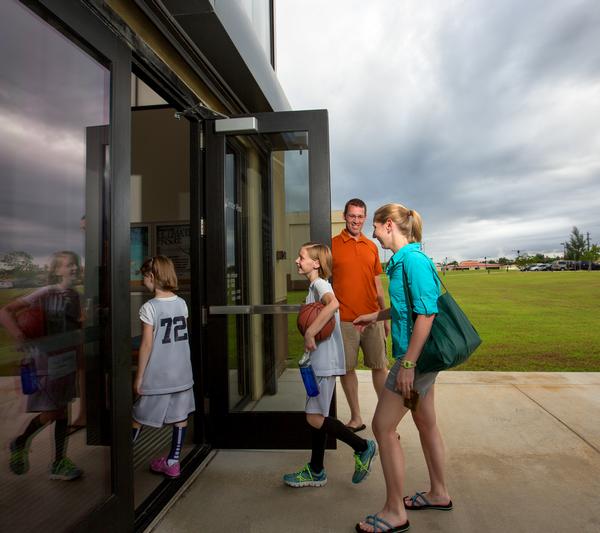

Offering a friends and family group membership has been a big financial and social success / PHOTOS: ISTOCKPHOTO.COM; Shutterstock.com
Sign up here to get HCM's weekly ezine and every issue of HCM magazine free on digital.
Legend’s smartphone app means people have access to the system wherever they are / shutterstock
https://www.leisureopportunities.co.uk/images/HCM2016_3welcome.jpg
How can you attract the hard-to-reach groups, and how do you make this pay?
Rhianon Howells, Journalist Martyn Allison, Director, Management Improvement Services & chair, Quest Nathaniel Leney, Divisional sports and community development manager, Fusion Lifestyle Charles Johnston, Director of property, Sport England Matt Bunnell, Head of health and wellbeing, Active Stirling,Government’s new strategy on sport, increase participation, physical activity, hard-to-reach groups, sport, leisure sector, National Benchmarking Service, Sport england
HCM magazine
As the entrepreneur who started Wexer, Fresh Fitness, Fitness DK and Repeat, as well as being a former elite athlete, Rasmus Ingerslev’s life looked perfect from the outside, but onthe inside it was a different story. He talks to Kath Hudson about healing old wounds
HCM magazine
HCM People

Stephen Price

Founder, SP&Co Group
Working in public health over the last few years has lit up parts of my brain again
HCM magazine
Collaborations with the medical profession and greater aspirations around wellbeing are creating a need for more experts in our sector. It’s time to reboot our thinking around the workforce
HCM magazine
For every member with a tripod and a big following, there are others irritated at the way equipment is being hogged or wary they’ll be in the background on someone’s Insta feed. Do influencers offer valuable, free marketing or are they just a nuisance? Kath Hudson finds out how operators are responding
HCM magazine
I experienced a blissful feeling of joy I hadn’t felt since I was a kid
HCM promotional features
Sponsored
Find out how your gym can tap into the corporate wellness boom
HCM promotional features
Sponsored
Starpool supports Olympic champion Marcell Jacobs, says Riccardo Turri
HCM promotional features
Sponsored
Greg Bradley looks at the shift towards strength training in gyms and advises on how operators can create the ultimate training environment
HCM promotional features
Sponsored
Third Space partnered with IndigoFitness to deliver a bespoke training space for its new club at The Whiteley
HCM promotional features
Sponsored
David Lloyd is stepping up its commitment to women’s health as it continues to explore what fit-for-purpose looks like for the female population
HCM promotional features
Sponsored
SnowDome Fitness has added 50 per cent more space with cutting-edge Technogym solutions
HCM promotional features
Sponsored
EGYM has opened a new HQ in Paternoster Square, London and revealed a range of new launches
HCM promotional features
Promotion
BLK BOX has been reimagining elite performance spaces for more than a decade. Founder and former athlete, Greg Bradley, tells us what it takes
HCM promotional features
Sponsored
New launch, Salus House, elevates boutique wellness with high service levels and a partnership with Technogym
HCM promotional features
Latest News
Australia’s fast-growing fitness network, Viva Leisure, is adding a low-cost gym brand to its already ...
Latest News
Speedflex has launched a strength training programme for 10 to 16-year-olds, to make it safer, ...
Latest News
Tewinbury Farm Hotel in Hertfordshire, UK is expanding its premium leisure proposition with the launch ...
Latest News

Work is underway in Madrid on one of Europe’s most significant multi-functional complexes, ...

Latest News
PureGym is encouraging people to step away from their screens and go for a walk, ...
Latest News
Small improvements to sleep, diet quality, and physical activity, made in combination lead to a ...
Latest News
Therme Manchester’s 28-acre development, which will include interconnected glass pavilions that measure 65,000sq m, will ...
Latest News
The Yard Gym (TYG) is to become Nike Training’s official global training partner in a ...
Opinion
promotion
Strength training has moved from the margins to the mainstream.
Opinion: Building smarter strength spaces for today’s operators
Featured supplier news
Featured supplier news: Reaching the people most gyms miss: Bedford Gym & Swim Campaign delivers 410 new members
One of the biggest mistakes the fitness industry still makes is advertising almost exclusively to people who already look and live like gym members.
Featured supplier news
Featured supplier news: W3Fit EMEA celebrates its fifth anniversary
Celebrating its milestone 5th anniversary, W3Fit EMEA returns in 2026 with an unmissable gathering of the Health & Fitness industry’s most influential leaders.
Company profiles
Company profile: Safe Space Lockers
We provide a full turn-key solution for clients from design and consultation, through to bespoke ...
Company profiles
Company profile: EGYM UK Ltd
EGYM partners with companies to improve employee health by providing access to fitness and health ...
Supplier Showcases
Supplier Showcase - From nightclub to health club
Supplier Showcases
Supplier Showcase - Future-proofing
Catalogue Gallery
Click on a catalogue to view it online
Featured press releases
ukactive press release: Are they Fit for Office? UK Active and Technogym throw down the gauntlet to MPs
Hundreds of staff, MPs and Peers from across Westminster have signed up for the Fit for Office parliamentary physical activity challenge, which takes place throughout June and is hosted by ukactive and Technogym.
Featured press releases
Innerva press release: Lex Leisure’s power-assisted exercise suite smashes targets in record time
Crook Log Leisure Centre has more than doubled the membership target for its new power- assisted exercise suite in less than six months.
Directory
Industrial washing machines
Miele Company Limited: Industrial washing machines
Lockers
Crown Sports Lockers: Lockers
Hot tubs
MSpa International Ltd: Hot tubs
Fitness tracking platform
SpiviTech: Fitness tracking platform
Water experiences and hydrotherapy solutions
Aquaform s.r.l.: Water experiences and hydrotherapy solutions
Spa and beauty equipment
Living Earth Crafts: Spa and beauty equipment
Property & Tenders
Stratford, East London.
Lee Valley Regional Park Authority
Property & Tenders
Y Felinheli, LL56 4QN
Newmark
Property & Tenders
Diary dates
13-13 Jun 2026
Worldwide, Various,
Diary dates
21-24 Sep 2026
The Langham Huntington Pasadena , Pasadena, United States
Diary dates
06-08 Oct 2026
Messe Stuttgart, Stuttgart, Germany
Diary dates
22-22 Oct 2026
QEII Conference Centre, London,
Diary dates
26-29 Oct 2027
Koelnmesse Exhibition Centre, Cologne, Germany
Diary dates

features

Driving participation: A warmer welcome

The government’s new strategy on sport aims to increase participation in physical activity among hard-to-reach groups. What can the sport and leisure sector do better to support this goal? Rhianon Howells reports

By Rhianon Howells | Published in Health Club Management 2016 issue 3

The most recent annual report from the National Benchmarking Service (NBS) had both good and bad news for local authority sport and leisure providers. On one hand, it noted a remarkable upswing in the financial efficiency of sport and leisure centres across the country. On the other hand, it found the sector as a whole is still failing dismally to increase participation among some of the most at-need groups.

Specifically, the report found that, while the sector is doing a good job of attracting women, 20- to 59-year-olds and ethnic minorities, it isn’t doing nearly enough to attract 11- to 19-year-olds, people aged over 60, disabled people or those from the lowest socioeconomic groups.

In the light of these conclusions, it’s telling that one of the central goals of the government’s new strategy on sport, announced last December, is to increase participation in sport and physical activity among these very same groups. As well as extending Sport England’s remit to encompass children as young as five, funding will also be targeted at projects supporting all of the above groups.

So what can the physical activity sector do to support this goal of widening participation – and why isn’t it doing it already?

Martyn Allison,

Director, Management Improvement Services & chair,

Quest

Martyn Allison
Martyn Allison

The sector’s continued failure to widen participation among those most likely to benefit from physical activity – namely children and young people, older people and poorer people – is of real concern.

There’s mounting evidence that better financial performance in the sector is being achieved at the expense of extending participation among these hard-to-reach groups. To survive with less subsidy, contractors are focusing on middle-aged, middle-class and mid- to high-income groups who are able to afford membership schemes. Those most in need get squeezed out.

If some of the surpluses centres are now seeing were reinvested to achieve better social outcomes, this would build a stronger argument for the continuation of subsidies, and may go some way towards redressing the balance. However, constructing contracts that generate good commercial returns and good social outcomes requires rare canny political and managerial leadership. It’s even more challenging when dealing with external operators whose culture is driven by profit.

The financial pressure the industry is now under is only part of the problem. Low participation among hard-to-reach groups dates back to the birth of sports development in the 1970s. The sector has always employed people who are passionate about sport – but the people who need physical activity the most often hate sport. Asking people who love sport to sell it to those who hate it is a real challenge: they don’t know how to do it and they’re not willing to change. Also, facility managers have never been trained to extend the market – only to market to the same people better.

Longer life expectancies, the raising of the pension age and austerity have created a crisis in the health service, and it’s clear resources must be moved into prevention quickly – in particular, into keeping people active longer. But even if we can persuade providers to channel surpluses into widening participation, I’m not convinced our managers or workforce currently have the will or skills to do it. It will require a step change in thinking to overcome decades of inertia.

The government’s new sport strategy focuses on this very problem, calling on the sector to focus on those currently excluded. Sport England is now consulting on how to implement this strategy and I expect we’ll see major shifts in funding priorities, delivery methodologies and measurement techniques across the sector. Perhaps effectiveness will now be valued above efficiency.

"Asking people who love sport to sell it to those who hate it is a real challenge: they don’t know how to do it and they’re not willing to change" - Martyn Allison

Nathaniel Leney,

Divisional sports and community development manager,,

Fusion Lifestyle

Nathaniel Leney
Nathaniel Leney

We’re delighted that our Loughborough Leisure Centre has been identified by NBS as one of the country’s top-performing facilities when it comes to increasing participation among hard-to-reach groups. Fusion Lifestyle works hard to deliver quality sport and wellbeing services that are inclusive and accessible. Sport and community development are key aspects of our organisation, and all departments work together.

In line with this, our internal Leadership and Management Development Programme includes training on how to reduce barriers to participation, with workshops offered in programming, understanding customers, attracting and retaining customers, and marketing segmentation. As managers, this helps us understand how we can adapt our services to encourage targeted groups to visit our sites.

Initiatives include sessions tailored to specific groups – from walking football for the over-60s to women-only swimming sessions, which are particularly important in communities with large BME groups – and free Family Fun Days, where we put on a variety of activities and invite the community to try them out.

We also work closely with community stakeholders. In addition to our Exercise on Referral programme, we partner with local special needs schools to deliver badminton and swimming, and offer a Youth Card Project whereby young offenders can access our facilities, initially accompanied by their social workers but later independently. Thanks to the impact of this project last year, we’ve just received funding for 30 individuals from the police and crime commissioner.

Far from seeing targeted groups as a drain on our resources, we see them as an untapped market, offering a great opportunity to improve people’s lives while also creating loyal members and additional income. While our charitable objectives are as vital to us as maintaining a healthy financial position, it’s essential the organisation generates more income than it spends. Programmes might be initially subsidised, either by Fusion or via external funding, but the longer-term goal is always to make sessions financially sustainable. We do this in several ways, with a focus on increasing participants and using volunteers to cut cost per head.

Although initiatives like Exercise on Referral might at first break even or make a loss, if participants receive great service and see an improvement to their health, they’re more likely to become regulars at our gyms.

"Programmes might be initially subsidised, but the longer-term goal is always to make them financially sustainable in their own right" - Nathaniel Leney

Fusion offers sessions tailored to specific hard-to-reach groups / PHOTOS: ISTOCKPHOTO.COM; Shutterstock.com

Charles Johnston,

Director of property,

Sport England

Charles Johnston
Charles Johnston

Sport England strongly believes it’s possible for sport and leisure providers to be financially efficient yet also extend participation and deliver effective social outcomes – even at a time when local authorities are faced with substantial cuts.

To do this, operators first need to deliver a fully commercialised programme of activities, and then look closely at who should be paying for them. This means convincing local government commissioners for health and social care that investing in sport and leisure for certain target groups is a cost-effective alternative to the other interventions they might use to deliver their agendas – for example, drug treatment.

Sport England is currently working with operators and clinicians such as Dr William Bird to collect objective evidence of this. The health pilots we’ve done so far have demonstrated clear benefits, including a great reduction in the need for diabetes treatments and a marked slowdown in the onset of dementia – and associated cost of residential care – among those taking part. But we need to build that case.

One way for sport and leisure providers to achieve greater efficiencies is by co-locating and/or integrating with other community services.

Sport England is currently supporting several such projects through its Strategic Facilities Fund. The aim of this fund is to direct capital investment into local authority projects that commit to growing and sustaining community participation in sport, while also encouraging the applicants and their partners to re-invest themselves.

A good example is Orford Jubilee Neighbourhood Hub in Warrington, which is managed by Livewire, a community interest company (CIC). In addition to sport and leisure facilities, the centre houses a GP practice, a library, a café and even the local police station.

Once inside the hub, people who might never normally set foot in a leisure centre are signing up for activities. There’s also a lot more cross-commissioning, as all the service providers have a clear view of what’s on offer. Through a combination of commercial time and paid-for social programmes, the centre is running at a vastly reduced public subsidy and those commissioning activities within it are getting a very cost-effective intervention.

On average, the centres we’ve helped through the Strategic Facilities Fund have seen their revenue increase by £750,000 a year, due not only to greater efficiencies and higher demand generated by refreshed facilities, but also the in-built social programmes. So far, we’ve had about 15 openings and have 50 in the pipeline, so there’s a great deal of interest in this.

But we mustn’t be naïve. It’s up to us to give local authorities confidence that capital reinvestment in sport and leisure can produce very substantial revenues while also delivering on social goals.

"Capital reinvestment in sport and leisure can produce very substantial revenues while also delivering on social goals" - Charles Johnston

Leisure providers should seek to integrate with community services / PHOTO: ISTOCKPHOTO.COM

Matt Bunnell,

Head of health and wellbeing, ,

Active Stirling

Matt Bunnell
Matt Bunnell

At Active Stirling, we offer a huge range of outdoor and indoor activities to our local community, but like so many other operators, until recently we were struggling to increase or even maintain our membership figures. Historically, we saw seven months of the year with a net loss of members and just five with a net gain, leading to a slight overall reduction each year.

But after shifting our focus last year from selling memberships to widening participation, we’re not only attracting and keeping more people from traditionally hard-to-reach groups, but we’ve also seen a dramatic increase in membership numbers and overall revenue.

Before, we had more than 20 different types of membership; now we have just four, including a groundbreaking new group membership. For just £79 a month, this allows four people (friends or family) to join together on one membership. Working out at just £19.75 per person, this is significantly cheaper than our single adult concessionary rate of £31, and also has added benefits for retention: people don’t quit their membership because they all come together.

Since launching the new memberships, our numbers have risen from around 3,000 to 6,500, of which a staggering 4,000 are group members. And while some people have unsurprisingly moved across from single adult memberships (£38), our net income is still better because they’re bringing new members on board. Overall, attrition is down, retention is up and monthly membership income has increased by 30 per cent.

With regards hard-to-reach groups, our percentage of over-60s has remained at 7-8 per cent, meaning we’ve effectively more than doubled our numbers in this category. The percentage of concessions has also remained stable at 8-9 per cent – another doubling of numbers – and this doesn’t even take into account individuals who qualify for our concessionary adult rate but take out joint or group memberships instead.

In addition, junior memberships have also doubled, and our proportion of female members has risen from 55 per cent to 58 per cent.

Our success proves that it’s possible for leisure operators to broaden participation without hurting the bottom line. It’s just a matter of changing your mindset.

"It’s possible to broaden participation without hurting your bottom line. It’s just a matter of changing your mindset" - Matt Bunnell

Offering a friends and family group membership has been a big financial and social success / PHOTOS: ISTOCKPHOTO.COM; Shutterstock.com
Sign up here to get HCM's weekly ezine and every issue of HCM magazine free on digital.
Legend’s smartphone app means people have access to the system wherever they are / shutterstock
https://www.leisureopportunities.co.uk/images/HCM2016_3welcome.jpg
How can you attract the hard-to-reach groups, and how do you make this pay?
Rhianon Howells, Journalist Martyn Allison, Director, Management Improvement Services & chair, Quest Nathaniel Leney, Divisional sports and community development manager, Fusion Lifestyle Charles Johnston, Director of property, Sport England Matt Bunnell, Head of health and wellbeing, Active Stirling,Government’s new strategy on sport, increase participation, physical activity, hard-to-reach groups, sport, leisure sector, National Benchmarking Service, Sport england
Latest News
Australia’s fast-growing fitness network, Viva Leisure, is adding a low-cost gym brand to its already ...
Latest News
Speedflex has launched a strength training programme for 10 to 16-year-olds, to make it safer, ...
Latest News
Tewinbury Farm Hotel in Hertfordshire, UK is expanding its premium leisure proposition with the launch ...
Latest News

Work is underway in Madrid on one of Europe’s most significant multi-functional complexes, ...

Latest News
PureGym is encouraging people to step away from their screens and go for a walk, ...
Latest News
Small improvements to sleep, diet quality, and physical activity, made in combination lead to a ...
Latest News
Therme Manchester’s 28-acre development, which will include interconnected glass pavilions that measure 65,000sq m, will ...
Latest News
The Yard Gym (TYG) is to become Nike Training’s official global training partner in a ...
Latest News
Everlast Gyms' York site has reopened following a refurbishment to bring it up to the ...
Latest News
Luxury hospitality and wellness pioneer Jeremy McCarthy has launched Leisure Alchemy, a digital platform that ...
Latest News
A contrast therapy and breathwork facility called Reset has opened in Islington, London, in the ...
Opinion
promotion
Strength training has moved from the margins to the mainstream.
Opinion: Building smarter strength spaces for today’s operators
Featured supplier news
Featured supplier news: Reaching the people most gyms miss: Bedford Gym & Swim Campaign delivers 410 new members
One of the biggest mistakes the fitness industry still makes is advertising almost exclusively to people who already look and live like gym members.
Featured supplier news
Featured supplier news: W3Fit EMEA celebrates its fifth anniversary
Celebrating its milestone 5th anniversary, W3Fit EMEA returns in 2026 with an unmissable gathering of the Health & Fitness industry’s most influential leaders.
Company profiles
Company profile: Safe Space Lockers
We provide a full turn-key solution for clients from design and consultation, through to bespoke ...
Company profiles
Company profile: EGYM UK Ltd
EGYM partners with companies to improve employee health by providing access to fitness and health ...
Supplier Showcases
Supplier Showcase - From nightclub to health club
Supplier Showcases
Supplier Showcase - Future-proofing
Catalogue Gallery
Click on a catalogue to view it online
Featured press releases
ukactive press release: Are they Fit for Office? UK Active and Technogym throw down the gauntlet to MPs
Hundreds of staff, MPs and Peers from across Westminster have signed up for the Fit for Office parliamentary physical activity challenge, which takes place throughout June and is hosted by ukactive and Technogym.
Featured press releases
Innerva press release: Lex Leisure’s power-assisted exercise suite smashes targets in record time
Crook Log Leisure Centre has more than doubled the membership target for its new power- assisted exercise suite in less than six months.
Directory
Industrial washing machines
Miele Company Limited: Industrial washing machines
Lockers
Crown Sports Lockers: Lockers
Hot tubs
MSpa International Ltd: Hot tubs
Fitness tracking platform
SpiviTech: Fitness tracking platform
Water experiences and hydrotherapy solutions
Aquaform s.r.l.: Water experiences and hydrotherapy solutions
Spa and beauty equipment
Living Earth Crafts: Spa and beauty equipment
Property & Tenders
Stratford, East London.
Lee Valley Regional Park Authority
Property & Tenders
Y Felinheli, LL56 4QN
Newmark
Property & Tenders
Diary dates
13-13 Jun 2026
Worldwide, Various,
Diary dates
21-24 Sep 2026
The Langham Huntington Pasadena , Pasadena, United States
Diary dates
06-08 Oct 2026
Messe Stuttgart, Stuttgart, Germany
Diary dates
22-22 Oct 2026
QEII Conference Centre, London,
Diary dates
26-29 Oct 2027
Koelnmesse Exhibition Centre, Cologne, Germany
Diary dates
Search news, features & products:
Find a supplier:
Les Mills
Les Mills
Partner sites