
























The Leisure Media Company Ltd
Follow Health Club Management on Twitter Like Health Club Management on Facebook Join the discussion with Health Club Management on LinkedIn
FITNESS, HEALTH, WELLNESS

features

Ageing research: Entering the telo-age

In the last three years, telomeres – an indication of cellular ageing – have galvanised medical interest. Jay Williams explains the science behind telomere health and how it can be used in spas and health clubs

By Jay Williams, Author/wellness consultant | Published in Health Club Management 2013 issue 7
When a test reveals an older physiological age, clients are relieved there are ways of slowing telomere shortening through lifestyle changes

Studies into telomeres – DNA structures linked to the ageing of cells – date back eight decades. But since telomeres were the focus of the 2009 Nobel Prize in Physiology or Medicine, they’ve become the centre of attention in scientific communities and are already being used as health biomarkers in spa lifestyle programmes.

Telomeres are caps at the ends of our chromosomes which prevent them from fraying as our cells replicate. As a cell ages, its telomeres become shorter; when they fall below a certain length, the cell can no longer divide and it dies. This cell loss causes ageing in the body.

However, the ageing of our cells doesn’t always match our chronological ageing because, in addition to normal ageing, telomeres can be worn down through an unhealthy and stressful lifestyle. Conversely, it’s also been found that telomerase – an enzyme stimulated by healthy lifestyle changes including enhancing wellbeing – can protect telomeres from shortening and may even lengthen them, effectively reversing the ageing process.

A telomere test can analyse the length of your telomeres to accurately measure your biological age and provide an evaluation of health – ie the longer your telomeres are, the healthier both you and your cells are. It can even show disease risk: cells with shortened telomeres may function poorly and have been linked to age-associated diseases such as osteoporosis and dementia.

Until now, the ability to measure telomere length has only been available through blood tests, but US company Telome Health has now developed the saliva-based TeloTest™. Telome Health has been founded by leading telomere experts (more on that shortly) and the test is exciting news for the health, fitness and wellbeing industry because saliva samples can be easily collected in a test tube at the club or at home. This single test might soon become the gold standard for gauging overall wellbeing, and an opportunity for operators to provide a wellness diagnostic tool.

The power of knowing
Sha Wellness Clinic in Spain is one of the most recent examples of a spa taking advantage of advances in the study of telomeres. In January, it launched a seven-day Anti-Ageing Programme – costing €7,000 (US$9,350, £5,850) – that includes telomere analysis, via blood samples, to diagnose a person’s biological age. This information is then used in lifestyle and nutrition consultations specifically designed to improve the guest’s state of overall health.

Indeed, telomere length is one of the best biomarkers of overall health status, indicating the impact of diet, fitness, toxins and chronic stress. Telome Health, for example, will offer a TeloAge report in which your personal telomere length is presented compared to a healthy control population in your age and gender group, to gauge how you measure up to the healthy average. Repeating the tests over time gives you the best view into how your cells are ageing, and whether your current lifestyle is working for or against you.

At ReNove Med Spa in Delaware, US, Dr Michelle Parsons uses telomere testing to optimise recommendations to clients. She says: “When a test reveals an older physiological age [than their chronological age], clients are relieved to discover there are ways of slowing telomere shortening through lifestyle changes. In this respect it’s not merely a static test, but a useful tool to measure positive change in their health.”

But how do we know all this? And what lifestyle aspects in particular – bad or good – have been proven to have an impact on telomeres?

Landmark research
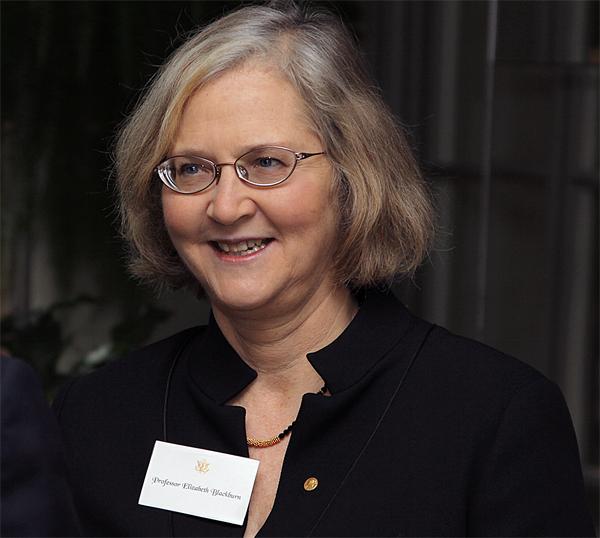
In 1978, Dr Elizabeth Blackburn, an American biological researcher, first described telomeres’ molecular DNA structure. Then, in 1985, she discovered the telomerase enzyme. Blackburn and two colleagues received the 2009 Nobel Prize in Physiology or Medicine for “the discovery of how chromosomes are protected by telomeres and the enzyme telomerase”.

In 1990, renowned biochemist Calvin Harley showed that telomeres shorten progressively in human cells. He was instrumental in demonstrating that this is a cause of cellular ageing, and that telomerase can prevent this action.

In 2004, Elissa Epel – a leader in health psychology and behavioural medicine at the University of California, San Francisco, US – pioneered research that linked stress to immune cell ageing. Epel showed that the perception of stress, as well as actual stressful events or thoughts, is related to telomere shortness and reduced telomerase activity. In plain words, she proved that stress ages you at a cellular level. And in a 2008 study, published in scientific journal The Lancet Oncology, Epel, Blackburn and physician Dr Dean Ornish showed that “lifestyle changes can significantly increase telomerase activity”, with positive changes taking place in just 90 days.

In November 2010, a group of Harvard University researchers published results from a study in Nature. The experiment involved mice that were genetically engineered to lack telomerase, so they aged prematurely and died. In a second group of mice, they turned on the telomerase gene with shocking results. For the first time ever, an aged state of an animal was reversed and the mice effectively became young again.

In the same year, Blackburn, Harley, Epel and molecular biologist Jue Lin co-founded Telome Health in an attempt to widen the reach of telomere testing.

Fast-forward to today’s breaking news. In a large clinical study, the average telomere length was measured in 100,000 patients from Kaiser Permanente, one of America’s biggest care organisations. Using the saliva-based TeloTest, it was found that individuals who had short telomeres had an increased risk of death in a three-year follow-up period. Smoking, heavy alcohol consumption, lower education and poor environment were found to be associated with short telomeres, while moderate exercise was associated with longer telomeres.

The size of the Kaiser study goes a long way towards validating previous findings. There are more than 10,000 peer-reviewed scientific publications already in existence which show that factors such as exercise, more and better sleep, healthy food choices and meditation are linked to preventing telomere shortening. So what does all of this mean for the wellness industry?

Turn back the clock?
Scientific research has revealed that stress is high on the list of factors that can prematurely shorten telomere length. The relaxing nature of spas and the stress-busting benefits of a gym workout make these important elements to improve one’s ageing status – and even reverse the negative effects of premature ageing. Telomere testing – telomere molecular measurement – could be used by operators to demonstrate the impact of their restorative, stress-reducing offering.

Although there are no large, controlled clinical trials published yet, given the multitude of existing studies, it’s possible that the following may be helpful for maintaining or even lengthening telomeres:
- Increasing exercise: Incorporating four to five training sessions each week
- Improving nutrition: Implementing a low-fat diet, with less red and processed meat, and talking to a nutritionist about dietary supplements
- Improving metabolism: Starting a weight-loss programme
- Enhancing wellbeing: Reducing psychological stress and depression and increasing feelings of personal control and purpose in life
- Decreasing stress: Adding yoga and meditation to lifestyle programmes

Opportunities for operators
In June 2012, Epel outlined the potential of telomere health to a host of spa leaders at the annual Global Spa & Wellness Summit (GSWS). She said that “telomere science is just the tip of the iceberg” and that, as the connection between healthy behaviour and the measurable forestalling of disease and cellular ageing grows stronger, “the implications for the spa and wellness industry is profound”.

There are two clear opportunities for health club operators to use telomere diagnostics. Firstly, the technique could be used to help prove the effectiveness of corporate wellness programmes – as well as standard gym memberships in higher-end clubs – as stress-reduction in staff is one of the key goals for corporate employers worldwide. Health clubs and spas have a huge opportunity to tap into the workplace wellness industry which, according to the World Economic Forum, is worth US$30bn-plus (€22.5bn, £18.9bn). Health club operators could, for example, provide TeloAge diagnostic information about employees’ health, with tailored workout, relaxation and nutrition plans for individuals, then repeating the tests to monitor health improvements.

Secondly, operators can latch onto the personalised wellness movement that’s gaining momentum. The World’s Youngest Populations study by Euromonitor showed that, at the beginning of 2012, half of the world’s population was aged over 30 – and a growing number of this demographic have an interest in actively managing their health (see HCM April 13, p39). Knowledge about your health status is empowering, and can lead to a shift towards healthy lifestyle behaviours.

In the Boomers Value Realignment Study, conducted in 2011 by US real estate advisory firm Civano Living, it was reported that 84 per cent of baby boomers in the US are “somewhat to very interested” in health and fitness plans designed for them. Measuring telomere length as an overall health barometer will be a key component in this personalised wellness revolution.

John Kao, chair of the US Institute for Large Scale Innovation, who also spoke at last year’s GSWS, highlighted the fitness and wellness industries’ need to “move from the event-driven model and create much more sustainable connections and experiences”. The ability to benchmark people’s health through telomere testing, followed by a personalised programme – both for workouts within the club and lifestyle choices beyond – with a six-month re-test is an opportune way to stay connected to members. With a simple saliva telomere test, tracking the impact of various fitness and wellness therapies on telomere health is a reality.

As the evidence mounts that health clubs’ wellness approaches can modify telomeres – one of the few changeable parts of the human genome – a natural, major industry opportunity arises.

Jay Williams

spa consultant, Telome Health
Email [email protected]
Phone +1 808 895 8080

Sign up here to get HCM's weekly ezine and every issue of HCM magazine free on digital.
Spain’s Sha Wellness Clinic offers telomere analysis
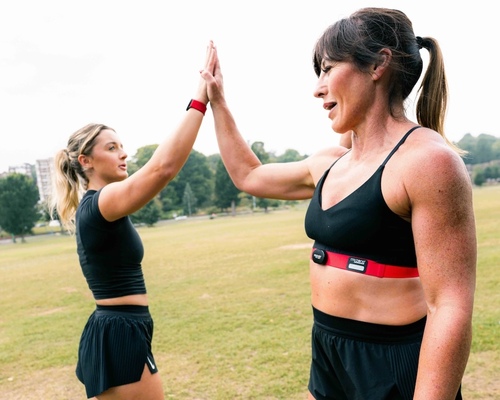
Reducing stress can slow the ageing process
Elizabeth Blackburn was awarded the 2009 Nobel Prize in Physiology or Medicine
https://www.leisureopportunities.co.uk/images/HCM2013_7ageing.gif
Jay Williams examines the science behind telomeres – indicators for cellular ageing – and what it could mean for spas and health clubs
Jay Williams, spa consultant, Telome Health ,Telomeres, cellular ageing, ageing, wellness
HCM magazine
As the entrepreneur who started Wexer, Fresh Fitness, Fitness DK and Repeat, as well as being a former elite athlete, Rasmus Ingerslev’s life looked perfect from the outside, but onthe inside it was a different story. He talks to Kath Hudson about healing old wounds
HCM magazine
HCM People

Stephen Price

Founder, SP&Co Group
Working in public health over the last few years has lit up parts of my brain again
HCM magazine
For every member with a tripod and a big following, there are others irritated at the way equipment is being hogged or wary they’ll be in the background on someone’s Insta feed. Do influencers offer valuable, free marketing or are they just a nuisance? Kath Hudson finds out how operators are responding
HCM magazine
I experienced a blissful feeling of joy I hadn’t felt since I was a kid
HCM magazine
Collaborations with the medical profession and greater aspirations around wellbeing are creating a need for more experts in our sector. It’s time to reboot our thinking around the workforce
HCM promotional features
Sponsored
Starpool supports Olympic champion Marcell Jacobs, says Riccardo Turri
HCM promotional features
Sponsored
Find out how your gym can tap into the corporate wellness boom
HCM promotional features
Sponsored
SnowDome Fitness has added 50 per cent more space with cutting-edge Technogym solutions
HCM promotional features
Sponsored
Third Space partnered with IndigoFitness to deliver a bespoke training space for its new club at The Whiteley
HCM promotional features
Sponsored
Greg Bradley looks at the shift towards strength training in gyms and advises on how operators can create the ultimate training environment
HCM promotional features
Sponsored
David Lloyd is stepping up its commitment to women’s health as it continues to explore what fit-for-purpose looks like for the female population
HCM promotional features
Sponsored
EGYM has opened a new HQ in Paternoster Square, London and revealed a range of new launches
HCM promotional features
Promotion
BLK BOX has been reimagining elite performance spaces for more than a decade. Founder and former athlete, Greg Bradley, tells us what it takes
HCM promotional features
Sponsored
The industry is embracing consumer-facing tech. Now it’s time to streamline back-of-house systems with Orbit4, says Daniel Jones
HCM promotional features
Latest News
Purpose Brands has announced its entry into the Italian market, having sold the franchise rights ...
Latest News
Fitness First UK is integrating red light therapy into its yoga and Pilates classes through ...
Latest News
Nuffield Health has told HCM that it takes its responsibilities towards its colleagues seriously and ...
Latest News
Technogym has announced the launch of the Run X World Treadmill Championship, the first world ...
Latest News
Shocked by the UK loneliness statistics, charitable trust Mytime Active has been doubling down on ...
Latest News
Portugal’s leading operator, SC Fitness, is celebrating a milestone by reaching 100 gyms.  The company ...
Latest News
Australia’s fast-growing fitness network, Viva Leisure, is adding a low-cost gym brand to its already ...
Latest News
Speedflex has launched a strength training programme for 10 to 16-year-olds, to make it safer, ...
Opinion
promotion
Strength training has moved from the margins to the mainstream.
Opinion: Building smarter strength spaces for today’s operators
Featured supplier news
Featured supplier news: Elevate 2026 to mark 10-year anniversary with biggest ever waterfront drinks reception
Elevate is set to celebrate its 10th anniversary in style this June, with organisers confirming the event’s largest-ever drinks reception as registrations continue to run more than 10% ahead of last year.
Featured supplier news
Featured supplier news: Reaching the people most gyms miss: Bedford Gym & Swim Campaign delivers 410 new members
One of the biggest mistakes the fitness industry still makes is advertising almost exclusively to people who already look and live like gym members.
Company profiles
Company profile: Fold
Fold is the company behind the UK's leading at home foldable reformer pilates bed, bringing ...
Company profiles
Company profile: Gharieni Group
With a presence in 140+ countries, Gharieni is trusted by the world’s most prestigious professional ...
Supplier Showcases
Supplier Showcase - From nightclub to health club
Supplier Showcases
Supplier Showcase - Future-proofing
Catalogue Gallery
Click on a catalogue to view it online
Featured press releases
MyZone press release: Myzone global data reveals the building blocks of consistent exercise habits
A major new report from Myzone, the global leader in motivation technology for fitness, reveals how motivation becomes habit and how that transformation drives member retention and long-term business growth.
Featured press releases
GLL press release: GLL highlights the importance of drowning prevention to kids nationally as summer holidays near
School assemblies and water safety messages as part of swim lessons.   The UK's largest public pools and swim school operator, GLL, is providing timely activities during Drowning Prevention Week (13-20 June 2026) to raise awareness of water safety ahead of kids breaking up for the summer holidays.
Directory
Fitness tracking platform
SpiviTech: Fitness tracking platform
Spa and beauty equipment
Living Earth Crafts: Spa and beauty equipment
Water experiences and hydrotherapy solutions
Aquaform s.r.l.: Water experiences and hydrotherapy solutions
Lockers
Crown Sports Lockers: Lockers
Industrial washing machines
Miele Company Limited: Industrial washing machines
Hot tubs
MSpa International Ltd: Hot tubs
Property & Tenders
Stratford, East London.
Lee Valley Regional Park Authority
Property & Tenders
Y Felinheli, LL56 4QN
Newmark
Property & Tenders
Diary dates
13-13 Jun 2026
Worldwide, Various,
Diary dates
21-24 Sep 2026
The Langham Huntington Pasadena , Pasadena, United States
Diary dates
06-08 Oct 2026
Messe Stuttgart, Stuttgart, Germany
Diary dates
22-22 Oct 2026
QEII Conference Centre, London,
Diary dates
26-29 Oct 2027
Koelnmesse Exhibition Centre, Cologne, Germany
Diary dates

features

Ageing research: Entering the telo-age

In the last three years, telomeres – an indication of cellular ageing – have galvanised medical interest. Jay Williams explains the science behind telomere health and how it can be used in spas and health clubs

By Jay Williams, Author/wellness consultant | Published in Health Club Management 2013 issue 7
When a test reveals an older physiological age, clients are relieved there are ways of slowing telomere shortening through lifestyle changes

Studies into telomeres – DNA structures linked to the ageing of cells – date back eight decades. But since telomeres were the focus of the 2009 Nobel Prize in Physiology or Medicine, they’ve become the centre of attention in scientific communities and are already being used as health biomarkers in spa lifestyle programmes.

Telomeres are caps at the ends of our chromosomes which prevent them from fraying as our cells replicate. As a cell ages, its telomeres become shorter; when they fall below a certain length, the cell can no longer divide and it dies. This cell loss causes ageing in the body.

However, the ageing of our cells doesn’t always match our chronological ageing because, in addition to normal ageing, telomeres can be worn down through an unhealthy and stressful lifestyle. Conversely, it’s also been found that telomerase – an enzyme stimulated by healthy lifestyle changes including enhancing wellbeing – can protect telomeres from shortening and may even lengthen them, effectively reversing the ageing process.

A telomere test can analyse the length of your telomeres to accurately measure your biological age and provide an evaluation of health – ie the longer your telomeres are, the healthier both you and your cells are. It can even show disease risk: cells with shortened telomeres may function poorly and have been linked to age-associated diseases such as osteoporosis and dementia.

Until now, the ability to measure telomere length has only been available through blood tests, but US company Telome Health has now developed the saliva-based TeloTest™. Telome Health has been founded by leading telomere experts (more on that shortly) and the test is exciting news for the health, fitness and wellbeing industry because saliva samples can be easily collected in a test tube at the club or at home. This single test might soon become the gold standard for gauging overall wellbeing, and an opportunity for operators to provide a wellness diagnostic tool.

The power of knowing
Sha Wellness Clinic in Spain is one of the most recent examples of a spa taking advantage of advances in the study of telomeres. In January, it launched a seven-day Anti-Ageing Programme – costing €7,000 (US$9,350, £5,850) – that includes telomere analysis, via blood samples, to diagnose a person’s biological age. This information is then used in lifestyle and nutrition consultations specifically designed to improve the guest’s state of overall health.

Indeed, telomere length is one of the best biomarkers of overall health status, indicating the impact of diet, fitness, toxins and chronic stress. Telome Health, for example, will offer a TeloAge report in which your personal telomere length is presented compared to a healthy control population in your age and gender group, to gauge how you measure up to the healthy average. Repeating the tests over time gives you the best view into how your cells are ageing, and whether your current lifestyle is working for or against you.

At ReNove Med Spa in Delaware, US, Dr Michelle Parsons uses telomere testing to optimise recommendations to clients. She says: “When a test reveals an older physiological age [than their chronological age], clients are relieved to discover there are ways of slowing telomere shortening through lifestyle changes. In this respect it’s not merely a static test, but a useful tool to measure positive change in their health.”

But how do we know all this? And what lifestyle aspects in particular – bad or good – have been proven to have an impact on telomeres?

Landmark research
In 1978, Dr Elizabeth Blackburn, an American biological researcher, first described telomeres’ molecular DNA structure. Then, in 1985, she discovered the telomerase enzyme. Blackburn and two colleagues received the 2009 Nobel Prize in Physiology or Medicine for “the discovery of how chromosomes are protected by telomeres and the enzyme telomerase”.

In 1990, renowned biochemist Calvin Harley showed that telomeres shorten progressively in human cells. He was instrumental in demonstrating that this is a cause of cellular ageing, and that telomerase can prevent this action.

In 2004, Elissa Epel – a leader in health psychology and behavioural medicine at the University of California, San Francisco, US – pioneered research that linked stress to immune cell ageing. Epel showed that the perception of stress, as well as actual stressful events or thoughts, is related to telomere shortness and reduced telomerase activity. In plain words, she proved that stress ages you at a cellular level. And in a 2008 study, published in scientific journal The Lancet Oncology, Epel, Blackburn and physician Dr Dean Ornish showed that “lifestyle changes can significantly increase telomerase activity”, with positive changes taking place in just 90 days.

In November 2010, a group of Harvard University researchers published results from a study in Nature. The experiment involved mice that were genetically engineered to lack telomerase, so they aged prematurely and died. In a second group of mice, they turned on the telomerase gene with shocking results. For the first time ever, an aged state of an animal was reversed and the mice effectively became young again.

In the same year, Blackburn, Harley, Epel and molecular biologist Jue Lin co-founded Telome Health in an attempt to widen the reach of telomere testing.

Fast-forward to today’s breaking news. In a large clinical study, the average telomere length was measured in 100,000 patients from Kaiser Permanente, one of America’s biggest care organisations. Using the saliva-based TeloTest, it was found that individuals who had short telomeres had an increased risk of death in a three-year follow-up period. Smoking, heavy alcohol consumption, lower education and poor environment were found to be associated with short telomeres, while moderate exercise was associated with longer telomeres.

The size of the Kaiser study goes a long way towards validating previous findings. There are more than 10,000 peer-reviewed scientific publications already in existence which show that factors such as exercise, more and better sleep, healthy food choices and meditation are linked to preventing telomere shortening. So what does all of this mean for the wellness industry?

Turn back the clock?
Scientific research has revealed that stress is high on the list of factors that can prematurely shorten telomere length. The relaxing nature of spas and the stress-busting benefits of a gym workout make these important elements to improve one’s ageing status – and even reverse the negative effects of premature ageing. Telomere testing – telomere molecular measurement – could be used by operators to demonstrate the impact of their restorative, stress-reducing offering.

Although there are no large, controlled clinical trials published yet, given the multitude of existing studies, it’s possible that the following may be helpful for maintaining or even lengthening telomeres:
- Increasing exercise: Incorporating four to five training sessions each week
- Improving nutrition: Implementing a low-fat diet, with less red and processed meat, and talking to a nutritionist about dietary supplements
- Improving metabolism: Starting a weight-loss programme
- Enhancing wellbeing: Reducing psychological stress and depression and increasing feelings of personal control and purpose in life
- Decreasing stress: Adding yoga and meditation to lifestyle programmes

Opportunities for operators
In June 2012, Epel outlined the potential of telomere health to a host of spa leaders at the annual Global Spa & Wellness Summit (GSWS). She said that “telomere science is just the tip of the iceberg” and that, as the connection between healthy behaviour and the measurable forestalling of disease and cellular ageing grows stronger, “the implications for the spa and wellness industry is profound”.

There are two clear opportunities for health club operators to use telomere diagnostics. Firstly, the technique could be used to help prove the effectiveness of corporate wellness programmes – as well as standard gym memberships in higher-end clubs – as stress-reduction in staff is one of the key goals for corporate employers worldwide. Health clubs and spas have a huge opportunity to tap into the workplace wellness industry which, according to the World Economic Forum, is worth US$30bn-plus (€22.5bn, £18.9bn). Health club operators could, for example, provide TeloAge diagnostic information about employees’ health, with tailored workout, relaxation and nutrition plans for individuals, then repeating the tests to monitor health improvements.

Secondly, operators can latch onto the personalised wellness movement that’s gaining momentum. The World’s Youngest Populations study by Euromonitor showed that, at the beginning of 2012, half of the world’s population was aged over 30 – and a growing number of this demographic have an interest in actively managing their health (see HCM April 13, p39). Knowledge about your health status is empowering, and can lead to a shift towards healthy lifestyle behaviours.

In the Boomers Value Realignment Study, conducted in 2011 by US real estate advisory firm Civano Living, it was reported that 84 per cent of baby boomers in the US are “somewhat to very interested” in health and fitness plans designed for them. Measuring telomere length as an overall health barometer will be a key component in this personalised wellness revolution.

John Kao, chair of the US Institute for Large Scale Innovation, who also spoke at last year’s GSWS, highlighted the fitness and wellness industries’ need to “move from the event-driven model and create much more sustainable connections and experiences”. The ability to benchmark people’s health through telomere testing, followed by a personalised programme – both for workouts within the club and lifestyle choices beyond – with a six-month re-test is an opportune way to stay connected to members. With a simple saliva telomere test, tracking the impact of various fitness and wellness therapies on telomere health is a reality.

As the evidence mounts that health clubs’ wellness approaches can modify telomeres – one of the few changeable parts of the human genome – a natural, major industry opportunity arises.

Jay Williams

spa consultant, Telome Health
Email [email protected]
Phone +1 808 895 8080

Sign up here to get HCM's weekly ezine and every issue of HCM magazine free on digital.
Spain’s Sha Wellness Clinic offers telomere analysis
Reducing stress can slow the ageing process
Elizabeth Blackburn was awarded the 2009 Nobel Prize in Physiology or Medicine
https://www.leisureopportunities.co.uk/images/HCM2013_7ageing.gif
Jay Williams examines the science behind telomeres – indicators for cellular ageing – and what it could mean for spas and health clubs
Jay Williams, spa consultant, Telome Health ,Telomeres, cellular ageing, ageing, wellness
Latest News
Purpose Brands has announced its entry into the Italian market, having sold the franchise rights ...
Latest News
Fitness First UK is integrating red light therapy into its yoga and Pilates classes through ...
Latest News
Nuffield Health has told HCM that it takes its responsibilities towards its colleagues seriously and ...
Latest News
Technogym has announced the launch of the Run X World Treadmill Championship, the first world ...
Latest News
Shocked by the UK loneliness statistics, charitable trust Mytime Active has been doubling down on ...
Latest News
Portugal’s leading operator, SC Fitness, is celebrating a milestone by reaching 100 gyms.  The company ...
Latest News
Australia’s fast-growing fitness network, Viva Leisure, is adding a low-cost gym brand to its already ...
Latest News
Speedflex has launched a strength training programme for 10 to 16-year-olds, to make it safer, ...
Latest News
Tewinbury Farm Hotel in Hertfordshire, UK is expanding its premium leisure proposition with the launch ...
Latest News

Work is underway in Madrid on one of Europe’s most significant multi-functional complexes, ...

Latest News
PureGym is encouraging people to step away from their screens and go for a walk, ...
Opinion
promotion
Strength training has moved from the margins to the mainstream.
Opinion: Building smarter strength spaces for today’s operators
Featured supplier news
Featured supplier news: Elevate 2026 to mark 10-year anniversary with biggest ever waterfront drinks reception
Elevate is set to celebrate its 10th anniversary in style this June, with organisers confirming the event’s largest-ever drinks reception as registrations continue to run more than 10% ahead of last year.
Featured supplier news
Featured supplier news: Reaching the people most gyms miss: Bedford Gym & Swim Campaign delivers 410 new members
One of the biggest mistakes the fitness industry still makes is advertising almost exclusively to people who already look and live like gym members.
Company profiles
Company profile: Fold
Fold is the company behind the UK's leading at home foldable reformer pilates bed, bringing ...
Company profiles
Company profile: Gharieni Group
With a presence in 140+ countries, Gharieni is trusted by the world’s most prestigious professional ...
Supplier Showcases
Supplier Showcase - From nightclub to health club
Supplier Showcases
Supplier Showcase - Future-proofing
Catalogue Gallery
Click on a catalogue to view it online
Featured press releases
MyZone press release: Myzone global data reveals the building blocks of consistent exercise habits
A major new report from Myzone, the global leader in motivation technology for fitness, reveals how motivation becomes habit and how that transformation drives member retention and long-term business growth.
Featured press releases
GLL press release: GLL highlights the importance of drowning prevention to kids nationally as summer holidays near
School assemblies and water safety messages as part of swim lessons.   The UK's largest public pools and swim school operator, GLL, is providing timely activities during Drowning Prevention Week (13-20 June 2026) to raise awareness of water safety ahead of kids breaking up for the summer holidays.
Directory
Fitness tracking platform
SpiviTech: Fitness tracking platform
Spa and beauty equipment
Living Earth Crafts: Spa and beauty equipment
Water experiences and hydrotherapy solutions
Aquaform s.r.l.: Water experiences and hydrotherapy solutions
Lockers
Crown Sports Lockers: Lockers
Industrial washing machines
Miele Company Limited: Industrial washing machines
Hot tubs
MSpa International Ltd: Hot tubs
Property & Tenders
Stratford, East London.
Lee Valley Regional Park Authority
Property & Tenders
Y Felinheli, LL56 4QN
Newmark
Property & Tenders
Diary dates
13-13 Jun 2026
Worldwide, Various,
Diary dates
21-24 Sep 2026
The Langham Huntington Pasadena , Pasadena, United States
Diary dates
06-08 Oct 2026
Messe Stuttgart, Stuttgart, Germany
Diary dates
22-22 Oct 2026
QEII Conference Centre, London,
Diary dates
26-29 Oct 2027
Koelnmesse Exhibition Centre, Cologne, Germany
Diary dates
Search news, features & products:
Find a supplier:
The Leisure Media Company Ltd
Partner sites