


















The Leisure Media Company Ltd
Follow Health Club Management on Twitter Like Health Club Management on Facebook Join the discussion with Health Club Management on LinkedIn
FITNESS, HEALTH, WELLNESS

features

ukactive update: Combating Type 2 Diabetes

New research highlights the role physical activity can play in preventing, managing and treating type 2 diabetes. David Stalker, CEO of ukactive, outlines ways in which this can be put into practice within the sector

By David Stalker, ukactive | Published in Health Club Management 2014 issue 1

Every successful sector invests in strengthening the evidence base for its services, and our sector should be no different. Research can sometimes seem a bit abstract or remote from day-to-day operations within our clubs and leisure centres, but it’s absolutely not. It has to influence what we offer to consumers. What’s more, if we want to expand our offering and therefore our membership base, we have to embed evidence-based practice into the everyday running of our organisations.

Work by the ukactive Research Institute
When we recommend exercise to our clients, members and participants, we have to be confident that what we’re recommending is the best thing to do for their conditions and needs.

The ukactive Research Institute has carried out a piece of work that’s brought together over 5,000 research articles to identify the best mode, intensity, frequency and duration of exercise for the prevention and management of type 2 diabetes using physical activity and exercise.

This research has culminated in a series of evidence-based exercise recommendations that have achieved the recognition of recently being published in Diabetes Metabolism Research and Reviews, so we can be confident of their findings. The recommendations can now be shared with the sector for use in exercise programmes: the prescription and delivery of exercise as a preventative and management tool for type 2 diabetes.

Type 2 diabetes and its impact
We quite likely all know someone who has type 2 diabetes, as it’s increasingly prevalent and starting to be seen as a principal public health concern. The reasons for this are clear: it’s a major cause of blindness and the most common cause of kidney failure in the developed world1.

In 2010, 285 million people worldwide were classified as suffering from the disease – a figure that’s expected to rise to 438 million by 20302. Meanwhile, in the UK, the cost of treatment was estimated in 2010 to be £3.5bn a year3, placing a huge strain on the already heavily burdened National Health Service (NHS).

But to understand how to treat type 2 diabetes and where exercise can come in, we have to understand what causes it. Type 2 diabetes is characterised by raised glucose levels in circulating blood, which is caused by the development of insulin resistance and relative insulin deficiency. This is where the body produces insulin, but the cells in the body become resistant to it and so are unable to use it effectively, ultimately leading to hyperglycaemia.

One of the principal functions of insulin is to regulate the delivery of glucose into cells to provide them with energy. Insulin resistance or reduced insulin sensitivity restricts the ability of muscles to take up and store glucose, resulting in higher levels of glucose circulating in the blood. In a healthy person, insulin is secreted in response to these rising levels. However, if this does not occur or has little effect, blood glucose levels rise, which leads to type 2 diabetes.

How the physical activity sector can help combat this
It is, however, possible to re-sensitise muscles to the effects of insulin. Physical activity and exercise have been proven to increase insulin sensitivity, and this is how the physical activity sector can play an important role in the prevention, management and treatment of diabetes.

Working the muscles during physical activity increases the production of glucose transporter type four (GLUT 4), a protein which in humans is regulated by insulin and which impacts on the amount of glucose absorbed from our bloodstream. By increasing GLUT 4 production, we increase insulin sensitivity4. This means we can use physical activity to maintain or increase insulin sensitivity in individuals at risk of type 2 diabetes, which in turn may help to reduce its incidence. Not only will this have a dramatic impact on the nation’s health, but it will also help with the health of our nation’s coffers.

Our recommendations
The ukactive Research Institute review shows that the more physical activity you do, the higher the increases in insulin sensitivity. This means improvements will continue to increase as the amount of exercise increases, so physical activity recommendations should always be seen as an absolute minimum requirement.

Continuous aerobic exercise is effective in improving insulin sensitivity, while interval training has been shown to be effective at moderate and high intensities, prescribed according to a person’s ability to meet the demands of the exercise.

Resistance training seems to be effective at intensities above 50 per cent of 1 rep max (1RM), and this is reflected in the recommendations for exercise training in participants with type 2 diabetes (see p28). By combining aerobic and resistance training, we can offer an effective strategy for preventing, managing and treating type 2 diabetes.

ukactive Research Institute: Type 2 diabetes exercise recommendations

Preventing type 2 diabetes

Increase physical activity to more than 30 minutes a day, five times a week.

Include high intensity aerobic exercise (more than 75 per cent of VO2) three times a week, combined with strength training in all major muscle groups at 70 per cent 1RM twice a week, separated by more than 24 hours.

For those who have type 2 diabetes (insulin sensitivity improvement)

Increase physical activity to more than 30 minutes a day, five times a week.

Include long duration (more than one hour) moderate intensity aerobic training (60 per cent of VO2 max) three times a week, combined with low intensity and high repetition resistance training (50–60 per cent 1RM) in all major muscle groups twice a week, separated by more than 24 hours.

For those with type 2 diabetes and limited mobility (eg disabled, elderly populations, etc)

Increase physical activity as much as is feasible.
Include low intensity aerobic exercise (40–80 per cent heart rate reserve).

This should be combined with resistance training at low intensity (50–55 per cent 1RM) in all major muscle groups three times a week, separated by more than 24 hours.

REFERENCES

1. National centre for chronic disease prevention and health promotion. National diabetes factsheet. Usa 2011. Atlanta, ga: U.S. Department of health and human services, centers for disease control and prevention, 2011.
2. Hu FB. Globalization of diabetes: The role of diet, lifestyle, and genes. Diabetes Care. 2011;34:1249-1257
3. British national formulary: National centre physical activity and health economics factsheet 2010.
4. Pedersen BK. The diseasome of physical inactivity – and the role of myokines in muscle-fat cross talk. J Physiol. 2009;587:5559-5568
5. Mann, S., Beedie, C., Balducci, S., Zanuso, S., Allgrove, J., Bertiato, F., & Jimenez, A. (2013). Changes in Insulin Sensitivity in Response to Different Modalities of Exercise: a review of the evidence. Diabetes/metabolism research and reviews.
Sign up here to get HCM's weekly ezine and every issue of HCM magazine free on digital.
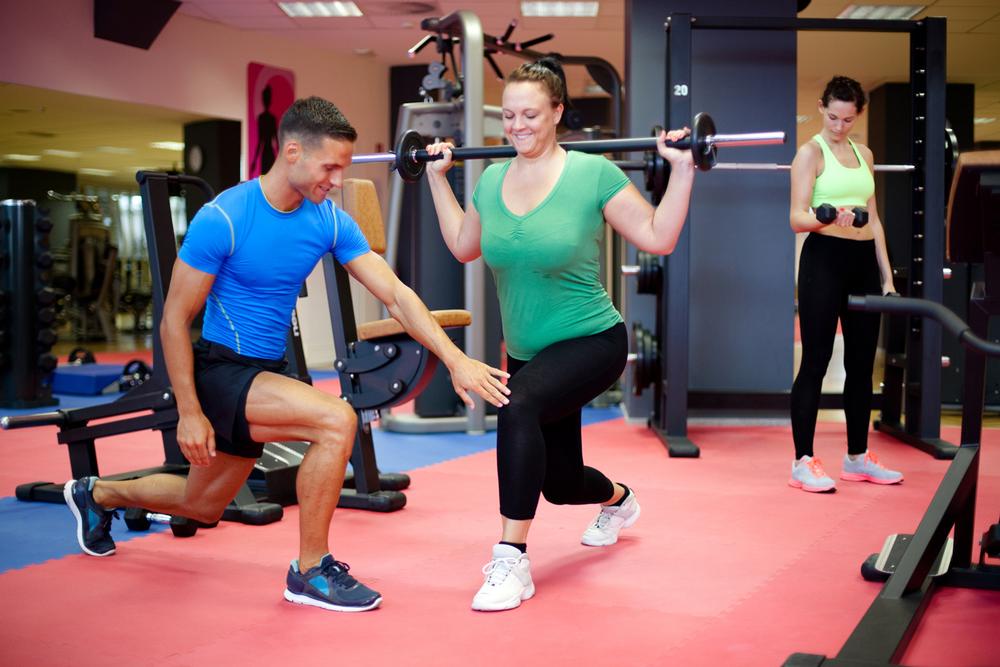
With expert guidance, exercise can be used as a preventative and management tool for type 2 diabetes / photo: shutterstock.com/Peter Bernik Kneschk
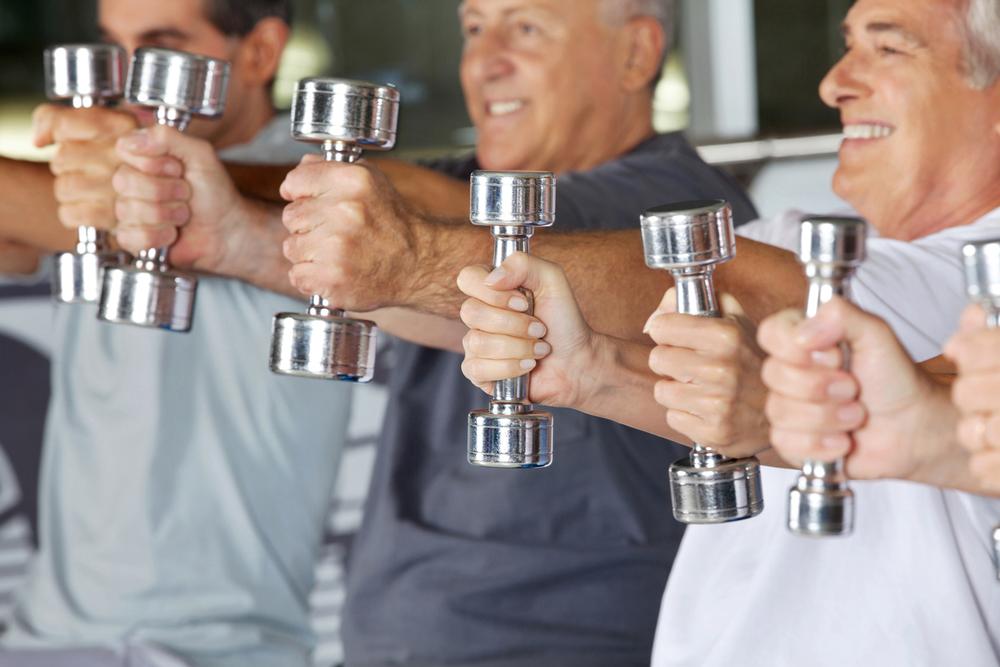
Working the muscles during physical activity increases the production of the glucose transporter type four (GLUT 4), which in turn boosts insulin sensitivity / photo: shutterstock.com/ Robert Kneschke
https://www.leisureopportunities.co.uk/images/HCM2014_1UKact.gif
New research shows how physical activity can help in the prevention and management of type 2 diabetes
David Stalker, CEO of ukactive,Research Institute, type 2 diabetes, lifestyle disease
HCM magazine
Strength training is evolving, driven by changing consumer preferences. Julie Cramer talks to innovators about how their products are meeting this demand
HCM magazine
If the health service is to survive, we must recognise that it is a disease service – and that wellbeing rests with us, says the activity advocate and healthy ageing champion. He talks to Kate Cracknell
HCM magazine
Small improvements to sleep, diet and physical activity have major benefits for the heart, according to new research from the University of Sydney
HCM magazine
Raphael Cuomo explores the powerful link between addiction, health and behaviour change
HCM magazine
I experienced a blissful feeling of joy I hadn’t felt since I was a kid
HCM promotional features
Sponsored
Starpool supports Olympic champion Marcell Jacobs, says Riccardo Turri
HCM promotional features
Sponsored
Third Space partnered with IndigoFitness to deliver a bespoke training space for its new club at The Whiteley
HCM promotional features
Sponsored
SnowDome Fitness has added 50 per cent more space with cutting-edge Technogym solutions
HCM promotional features
Sponsored
Find out how your gym can tap into the corporate wellness boom
HCM promotional features
Sponsored
Greg Bradley looks at the shift towards strength training in gyms and advises on how operators can create the ultimate training environment
HCM promotional features
Sponsored
David Lloyd is stepping up its commitment to women’s health as it continues to explore what fit-for-purpose looks like for the female population
HCM promotional features
Sponsored
EGYM has opened a new HQ in Paternoster Square, London and revealed a range of new launches
HCM promotional features
Sponsored
The industry is embracing consumer-facing tech. Now it’s time to streamline back-of-house systems with Orbit4, says Daniel Jones
HCM promotional features
Sponsored
Active IQ is calling for greater accountability in online fitness advice with the launch of a new trustmark
HCM promotional features
Latest News
Australia’s fast-growing fitness network, Viva Leisure, is adding a low-cost gym brand to its already ...
Latest News
Speedflex has launched a strength training programme for 10 to 16-year-olds, to make it safer, ...
Latest News
Tewinbury Farm Hotel in Hertfordshire, UK is expanding its premium leisure proposition with the launch ...
Latest News

Work is underway in Madrid on one of Europe’s most significant multi-functional complexes, ...

Latest News
PureGym is encouraging people to step away from their screens and go for a walk, ...
Latest News
Small improvements to sleep, diet quality, and physical activity, made in combination lead to a ...
Latest News
Therme Manchester’s 28-acre development, which will include interconnected glass pavilions that measure 65,000sq m, will ...
Latest News
The Yard Gym (TYG) is to become Nike Training’s official global training partner in a ...
Opinion
promotion
Strength training has moved from the margins to the mainstream.
Opinion: Building smarter strength spaces for today’s operators
Featured supplier news
Featured supplier news: W3Fit EMEA celebrates its fifth anniversary
Celebrating its milestone 5th anniversary, W3Fit EMEA returns in 2026 with an unmissable gathering of the Health & Fitness industry’s most influential leaders.
Featured supplier news
Featured supplier news: Elevate 2026 to mark 10-year anniversary with biggest ever waterfront drinks reception
Elevate is set to celebrate its 10th anniversary in style this June, with organisers confirming the event’s largest-ever drinks reception as registrations continue to run more than 10% ahead of last year.
Company profiles
Company profile: Innerva
Innerva are a UK manufacturer of ‘Power Assisted Exercise’ equipment for older adults, those with ...
Company profiles
Company profile: Eleiko Group AB
Eleiko continues to innovate and craft world-class strength equipment designed to help people perform better ...
Supplier Showcases
Supplier Showcase - From nightclub to health club
Supplier Showcases
Supplier Showcase - Future-proofing
Catalogue Gallery
Click on a catalogue to view it online
Featured press releases
ukactive press release: Are they Fit for Office? UK Active and Technogym throw down the gauntlet to MPs
Hundreds of staff, MPs and Peers from across Westminster have signed up for the Fit for Office parliamentary physical activity challenge, which takes place throughout June and is hosted by ukactive and Technogym.
Featured press releases
Innerva press release: Lex Leisure’s power-assisted exercise suite smashes targets in record time
Crook Log Leisure Centre has more than doubled the membership target for its new power- assisted exercise suite in less than six months.
Directory
Fitness tracking platform
SpiviTech: Fitness tracking platform
Water experiences and hydrotherapy solutions
Aquaform s.r.l.: Water experiences and hydrotherapy solutions
Hot tubs
MSpa International Ltd: Hot tubs
Industrial washing machines
Miele Company Limited: Industrial washing machines
Spa and beauty equipment
Living Earth Crafts: Spa and beauty equipment
Lockers
Crown Sports Lockers: Lockers
Property & Tenders
Stratford, East London.
Lee Valley Regional Park Authority
Property & Tenders
Y Felinheli, LL56 4QN
Newmark
Property & Tenders
Diary dates
13-13 Jun 2026
Worldwide, Various,
Diary dates
21-24 Sep 2026
The Langham Huntington Pasadena , Pasadena, United States
Diary dates
06-08 Oct 2026
Messe Stuttgart, Stuttgart, Germany
Diary dates
22-22 Oct 2026
QEII Conference Centre, London,
Diary dates
26-29 Oct 2027
Koelnmesse Exhibition Centre, Cologne, Germany
Diary dates

features

ukactive update: Combating Type 2 Diabetes

New research highlights the role physical activity can play in preventing, managing and treating type 2 diabetes. David Stalker, CEO of ukactive, outlines ways in which this can be put into practice within the sector

By David Stalker, ukactive | Published in Health Club Management 2014 issue 1

Every successful sector invests in strengthening the evidence base for its services, and our sector should be no different. Research can sometimes seem a bit abstract or remote from day-to-day operations within our clubs and leisure centres, but it’s absolutely not. It has to influence what we offer to consumers. What’s more, if we want to expand our offering and therefore our membership base, we have to embed evidence-based practice into the everyday running of our organisations.

Work by the ukactive Research Institute
When we recommend exercise to our clients, members and participants, we have to be confident that what we’re recommending is the best thing to do for their conditions and needs.

The ukactive Research Institute has carried out a piece of work that’s brought together over 5,000 research articles to identify the best mode, intensity, frequency and duration of exercise for the prevention and management of type 2 diabetes using physical activity and exercise.

This research has culminated in a series of evidence-based exercise recommendations that have achieved the recognition of recently being published in Diabetes Metabolism Research and Reviews, so we can be confident of their findings. The recommendations can now be shared with the sector for use in exercise programmes: the prescription and delivery of exercise as a preventative and management tool for type 2 diabetes.

Type 2 diabetes and its impact
We quite likely all know someone who has type 2 diabetes, as it’s increasingly prevalent and starting to be seen as a principal public health concern. The reasons for this are clear: it’s a major cause of blindness and the most common cause of kidney failure in the developed world1.

In 2010, 285 million people worldwide were classified as suffering from the disease – a figure that’s expected to rise to 438 million by 20302. Meanwhile, in the UK, the cost of treatment was estimated in 2010 to be £3.5bn a year3, placing a huge strain on the already heavily burdened National Health Service (NHS).

But to understand how to treat type 2 diabetes and where exercise can come in, we have to understand what causes it. Type 2 diabetes is characterised by raised glucose levels in circulating blood, which is caused by the development of insulin resistance and relative insulin deficiency. This is where the body produces insulin, but the cells in the body become resistant to it and so are unable to use it effectively, ultimately leading to hyperglycaemia.

One of the principal functions of insulin is to regulate the delivery of glucose into cells to provide them with energy. Insulin resistance or reduced insulin sensitivity restricts the ability of muscles to take up and store glucose, resulting in higher levels of glucose circulating in the blood. In a healthy person, insulin is secreted in response to these rising levels. However, if this does not occur or has little effect, blood glucose levels rise, which leads to type 2 diabetes.

How the physical activity sector can help combat this
It is, however, possible to re-sensitise muscles to the effects of insulin. Physical activity and exercise have been proven to increase insulin sensitivity, and this is how the physical activity sector can play an important role in the prevention, management and treatment of diabetes.

Working the muscles during physical activity increases the production of glucose transporter type four (GLUT 4), a protein which in humans is regulated by insulin and which impacts on the amount of glucose absorbed from our bloodstream. By increasing GLUT 4 production, we increase insulin sensitivity4. This means we can use physical activity to maintain or increase insulin sensitivity in individuals at risk of type 2 diabetes, which in turn may help to reduce its incidence. Not only will this have a dramatic impact on the nation’s health, but it will also help with the health of our nation’s coffers.

Our recommendations
The ukactive Research Institute review shows that the more physical activity you do, the higher the increases in insulin sensitivity. This means improvements will continue to increase as the amount of exercise increases, so physical activity recommendations should always be seen as an absolute minimum requirement.

Continuous aerobic exercise is effective in improving insulin sensitivity, while interval training has been shown to be effective at moderate and high intensities, prescribed according to a person’s ability to meet the demands of the exercise.

Resistance training seems to be effective at intensities above 50 per cent of 1 rep max (1RM), and this is reflected in the recommendations for exercise training in participants with type 2 diabetes (see p28). By combining aerobic and resistance training, we can offer an effective strategy for preventing, managing and treating type 2 diabetes.

ukactive Research Institute: Type 2 diabetes exercise recommendations

Preventing type 2 diabetes

Increase physical activity to more than 30 minutes a day, five times a week.

Include high intensity aerobic exercise (more than 75 per cent of VO2) three times a week, combined with strength training in all major muscle groups at 70 per cent 1RM twice a week, separated by more than 24 hours.

For those who have type 2 diabetes (insulin sensitivity improvement)

Increase physical activity to more than 30 minutes a day, five times a week.

Include long duration (more than one hour) moderate intensity aerobic training (60 per cent of VO2 max) three times a week, combined with low intensity and high repetition resistance training (50–60 per cent 1RM) in all major muscle groups twice a week, separated by more than 24 hours.

For those with type 2 diabetes and limited mobility (eg disabled, elderly populations, etc)

Increase physical activity as much as is feasible.
Include low intensity aerobic exercise (40–80 per cent heart rate reserve).

This should be combined with resistance training at low intensity (50–55 per cent 1RM) in all major muscle groups three times a week, separated by more than 24 hours.

REFERENCES

1. National centre for chronic disease prevention and health promotion. National diabetes factsheet. Usa 2011. Atlanta, ga: U.S. Department of health and human services, centers for disease control and prevention, 2011.
2. Hu FB. Globalization of diabetes: The role of diet, lifestyle, and genes. Diabetes Care. 2011;34:1249-1257
3. British national formulary: National centre physical activity and health economics factsheet 2010.
4. Pedersen BK. The diseasome of physical inactivity – and the role of myokines in muscle-fat cross talk. J Physiol. 2009;587:5559-5568
5. Mann, S., Beedie, C., Balducci, S., Zanuso, S., Allgrove, J., Bertiato, F., & Jimenez, A. (2013). Changes in Insulin Sensitivity in Response to Different Modalities of Exercise: a review of the evidence. Diabetes/metabolism research and reviews.

Sign up here to get HCM's weekly ezine and every issue of HCM magazine free on digital.
With expert guidance, exercise can be used as a preventative and management tool for type 2 diabetes / photo: shutterstock.com/Peter Bernik Kneschk
Working the muscles during physical activity increases the production of the glucose transporter type four (GLUT 4), which in turn boosts insulin sensitivity / photo: shutterstock.com/ Robert Kneschke
https://www.leisureopportunities.co.uk/images/HCM2014_1UKact.gif
New research shows how physical activity can help in the prevention and management of type 2 diabetes
David Stalker, CEO of ukactive,Research Institute, type 2 diabetes, lifestyle disease
Latest News
Australia’s fast-growing fitness network, Viva Leisure, is adding a low-cost gym brand to its already ...
Latest News
Speedflex has launched a strength training programme for 10 to 16-year-olds, to make it safer, ...
Latest News
Tewinbury Farm Hotel in Hertfordshire, UK is expanding its premium leisure proposition with the launch ...
Latest News

Work is underway in Madrid on one of Europe’s most significant multi-functional complexes, ...

Latest News
PureGym is encouraging people to step away from their screens and go for a walk, ...
Latest News
Small improvements to sleep, diet quality, and physical activity, made in combination lead to a ...
Latest News
Therme Manchester’s 28-acre development, which will include interconnected glass pavilions that measure 65,000sq m, will ...
Latest News
The Yard Gym (TYG) is to become Nike Training’s official global training partner in a ...
Latest News
Everlast Gyms' York site has reopened following a refurbishment to bring it up to the ...
Latest News
Luxury hospitality and wellness pioneer Jeremy McCarthy has launched Leisure Alchemy, a digital platform that ...
Latest News
A contrast therapy and breathwork facility called Reset has opened in Islington, London, in the ...
Opinion
promotion
Strength training has moved from the margins to the mainstream.
Opinion: Building smarter strength spaces for today’s operators
Featured supplier news
Featured supplier news: W3Fit EMEA celebrates its fifth anniversary
Celebrating its milestone 5th anniversary, W3Fit EMEA returns in 2026 with an unmissable gathering of the Health & Fitness industry’s most influential leaders.

Featured supplier news
Featured supplier news: Elevate 2026 to mark 10-year anniversary with biggest ever waterfront drinks reception
Elevate is set to celebrate its 10th anniversary in style this June, with organisers confirming the event’s largest-ever drinks reception as registrations continue to run more than 10% ahead of last year.
Company profiles
Company profile: Innerva
Innerva are a UK manufacturer of ‘Power Assisted Exercise’ equipment for older adults, those with ...
Company profiles
Company profile: Eleiko Group AB
Eleiko continues to innovate and craft world-class strength equipment designed to help people perform better ...
Supplier Showcases
Supplier Showcase - From nightclub to health club
Supplier Showcases
Supplier Showcase - Future-proofing
Catalogue Gallery
Click on a catalogue to view it online
Featured press releases
ukactive press release: Are they Fit for Office? UK Active and Technogym throw down the gauntlet to MPs
Hundreds of staff, MPs and Peers from across Westminster have signed up for the Fit for Office parliamentary physical activity challenge, which takes place throughout June and is hosted by ukactive and Technogym.
Featured press releases
Innerva press release: Lex Leisure’s power-assisted exercise suite smashes targets in record time
Crook Log Leisure Centre has more than doubled the membership target for its new power- assisted exercise suite in less than six months.
Directory
Fitness tracking platform
SpiviTech: Fitness tracking platform
Water experiences and hydrotherapy solutions
Aquaform s.r.l.: Water experiences and hydrotherapy solutions
Hot tubs
MSpa International Ltd: Hot tubs
Industrial washing machines
Miele Company Limited: Industrial washing machines
Spa and beauty equipment
Living Earth Crafts: Spa and beauty equipment
Lockers
Crown Sports Lockers: Lockers
Property & Tenders
Stratford, East London.
Lee Valley Regional Park Authority
Property & Tenders
Y Felinheli, LL56 4QN
Newmark
Property & Tenders
Diary dates
13-13 Jun 2026
Worldwide, Various,
Diary dates
21-24 Sep 2026
The Langham Huntington Pasadena , Pasadena, United States
Diary dates
06-08 Oct 2026
Messe Stuttgart, Stuttgart, Germany
Diary dates
22-22 Oct 2026
QEII Conference Centre, London,
Diary dates
26-29 Oct 2027
Koelnmesse Exhibition Centre, Cologne, Germany
Diary dates
Search news, features & products:
Find a supplier:
The Leisure Media Company Ltd
Partner sites