














GET HCM
magazine
Sign up for the FREE digital edition of HCM magazine and also get the HCM ezine and breaking news email alerts.
Not right now, thanksclose this window I've already subscribed!
We Work Well Events
We Work Well Events
We Work Well Events
Follow Health Club Management on Twitter Like Health Club Management on Facebook Join the discussion with Health Club Management on LinkedIn
FITNESS, HEALTH, WELLNESS

features

Talking point: Too much of a good thing

High Intensity Interval Training (HIIT) is now an industry favourite, but it can lead to injury for instructors and members. Kath Hudson asks the experts how to keep this workout safe
By Kath Hudson | Published in Health Club Management 2017 issue 9
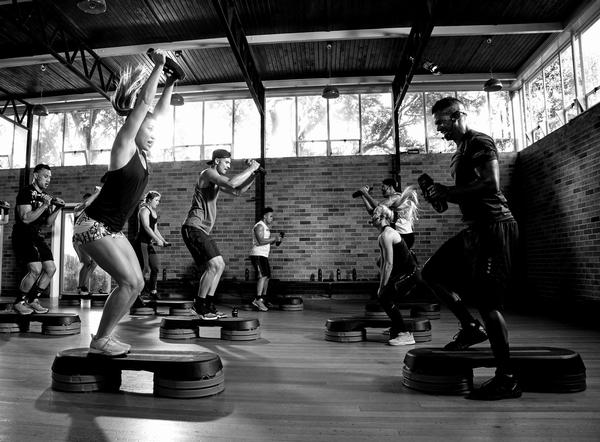
Currently there is no data quantifying how much extra load HIIT classes put on the body

Created as a tool for training athletes, HIIT has achieved success in gyms through classes that aim to help members hit 85 per cent of their maximum heart rate, interspersed with periods of rest or active recovery. Classes are high energy, fun and often short, which adds to their popularity.

Used appropriately, HIIT classes can deliver many health gains for participants, including weight loss, improved aerobic fitness and metabolic adaptations, such as improved mitochondrial function.

Although your members might love HIIT, you shouldn’t let them come every day. Experts advise that the average member should participate in no more than two classes a week to avoid injury. The same applies to less fit instructors who need to be mindful of the number of HIIT classes they teach.

So what do you need to bear in mind when running a HIIT programme? How can you make sure instructors and members gain the benefits of HIIT, without risking injury or burn out? And how should HIIT be used within members’ personalised programmes for optimum benefit?

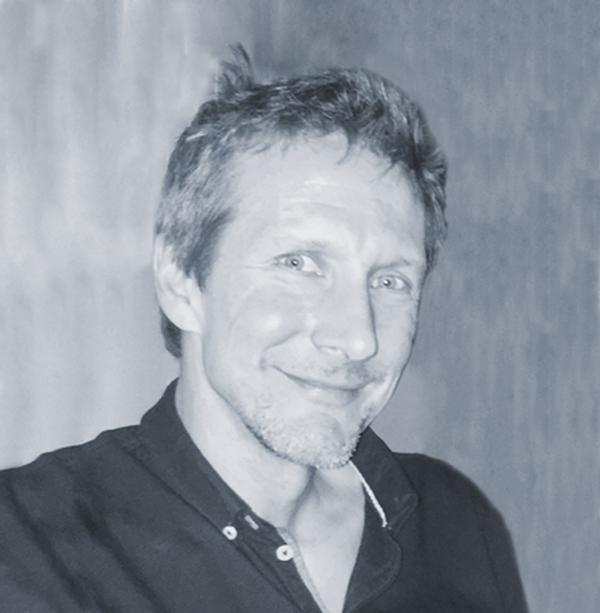
Stephen Seiler,

Faculty of Health and Sport Sciences ,

University of Agder, Norway
Stephen Seiler
Stephen Seiler

My research is primarily on how elite athletes train for endurance, and I’ve become known for the 80/20 rule: that high intensity training should make up 20 per cent of a weekly training programme, with the other 80 per cent completed at lower intensity. Elite athletes have the discipline to stick to this, but many other members fall into the intensity black hole: going too hard on the low intensity sessions and then not having the energy to push themselves on the high intensity workouts.

Nobody, including instructors, should be doing more than two HIIT classes per week. However, as trainers are not reaching the same intensities as those in their class, they can teach more classes than that, particularly with spinning, where it’s easy to modify the effort, while still keeping up the energy in class.

What is crucial is that instructors warm up properly before they come to class, so that they’re able to demonstrate the moves safely. In my opinion, their main injury risk would be if they let their ego get the better of them and try to impress members by lifting heavy loads in a Crossfit class when they’re not properly warmed up.

There are more risks to participants than instructors with HIIT, so it’s vital to make sure everyone warms up and cools down properly, is coached to perform the moves correctly and stays hydrated. However, with these provisos, the risks to both instructor and participant are low – the risks involved with not exercising are higher.

HIIT is an effective workout: the group format is motivating and it’s easy to market the short classes that fit neatly into a lunch hour. However, the fitness industry should be educating its clients on how to use it effectively.

In my opinion, nobody really gains anything from doing more than two HIIT classes a week and high intensity sessions also need to be supported by longer, low heart rate sessions, such as an easy run or spin class.

Operators also need to bear in mind that sustainable programmes over time give clients the best long-term results. An individual needs to do a mix of activity for which they can maintain their motivation week after week and it’s hard to do this with purely short, hard sessions.

“Many members fall into the intensity black hole: going too hard on low intensity sessions, then not having the energy to push HIIT workouts”

Steve Tansey,

Head of research and development UK,

Les Mills

Steve Tansey
Steve Tansey

Although there isn’t currently research to quantify how much more load HIIT puts on the body compared to a regular exercise class, the additional challenges include a higher heart rate and greater tension on the muscles and skeleton.

To ensure participants get the best out of this short but high intensity workout, our coaching model focuses on personal observation, correction where needed and encouragement.

Our Les Mills HIIT concept – called Les Mills GRIT – requires instructors to only participate in around 60 per cent of the workout, spending time coaching individuals in the class, so they’re not subject to the same intensities.

We train instructors to start the block of exercises and get the energy going, before moving to the floor to instruct and then finish the block with the class. This way they have the camaraderie and relationship with the class, and can spot those that need more coaching, without reaching the same levels of intensity and so not getting fatigued.

With this model, our instructors could teach up to six or seven HIIT classes a week, as they’re not hitting the same peaks of heart rate.

The programme has been scientifically put together to be accessible and safe, and we test what happens to the body during each exercise.

Progressions and regressions, adaptations and alternatives are taught for every exercise, so they’re inclusive and cater for all abilities and learning styles. We don’t use competition in our classes, because this can lead to participants performing exercises too quickly and losing form, which in turn can lead to injury.

“With our model, instructors could teach up to six or seven HIIT classes a week, as they’re not hitting the same peaks of heart rate as participants.”

Natalie Constanti,

Zumba: Master trainer ,

STRONG
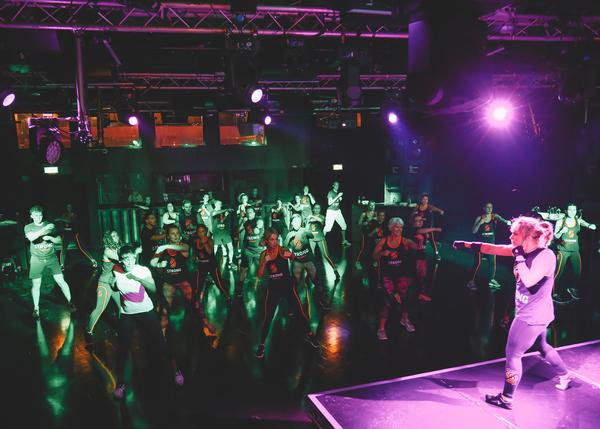
Instructors must implement their own self care plan to prevent injury

HIIT is an effective way to train, however, many of the class formats include exercises that can repeatedly strain the same areas of the body.

When I was a self-employed instructor, delivering up to 22 classes a week, many of which were HIIT type formats, areas of my body started to feel the strain and became unbalanced, due to repetitive back-to-back plyometric training. My quadriceps became over developed and fatigued due to quad dominant exercises.

I realised if I was going to have longevity as a fitness professional, I needed to put a self care programme into place: something that would build strength and stability around my vulnerable areas, while improving mobility, balance and joint function to decrease the potential for injury.

I follow a three step protocol, involving prehab, recovery and strength training (see below). I recommend all instructors do this to keep themselves injury free.

Zumba has put together a new HIIT programme, called STRONG by Zumba, which has been designed with a focus on sustainability for both the instructors and participants. Each ‘quadrant’ of the workout has been designed to achieve a specific outcome, with intensity gradually building.

The class is not designed around back-to-back intervals; we implement active recovery after every high intensity movement, so participants can drive into the next high intensity move without comprising their form and alignment.

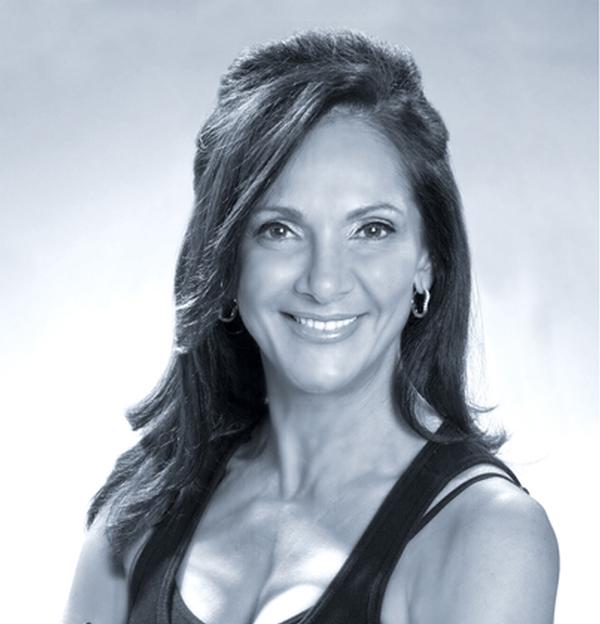
Ellen Latham,

Physiologist, designer and founder,

The Orangetheory workout
Ellen Latham
Ellen Latham

There isn’t an upper limit to how many classes our instructors can teach because at all times they’re focusing on coaching the class. They wouldn’t be able to look after 28 participants if they were doing the workout themselves – we want them to be continually monitoring participants’ heart rates, form and technique to make sure everyone is performing the movements correctly and at the right intensity.

This workout was devised, by myself, to bring about metabolic change on a cellular level and is safe to do for decades – I’m 61 and we have people coming in their 70s and 80s. We advise our members to work to the 80/20 rule. They could come two or three times a week, but they should also be doing other activities: strength training if they want to build muscle mass and also low heart rate exercise like yoga and pilates. We tell our members that this is their “multi-vitamin” and they mustn’t overuse it, whereas their other exercise is a singular vitamin, which they can take more regularly.

Instructors should also take a multi-disciplinary approach to ensure that they remain in balance. I’m a big advocate of pilates to keep the internal structural muscles strong.

The outside muscles are worked in the gym, but it’s really important to keep working the internal muscles as well, including the pelvis, shoulder girdle and spine. You realise this when you get to your 50s and 60s! ,null

“We advise our members to work to the 80/20 rule. They could come two or three times a week, but they should also be doing other activities”
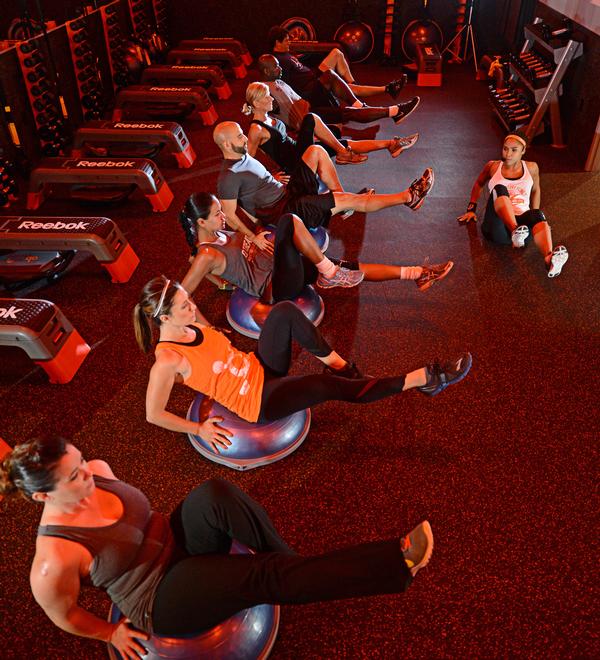
Members should mix their HIIT classes with low heart rate exercise classes

Natalie Constanti’s self-care protocols

The STRONG by Zumba master trainer takes us through her professional self care programme
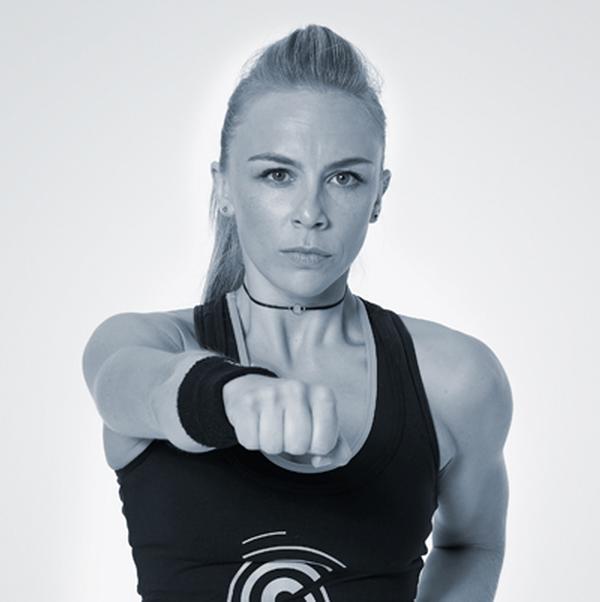
Natalie Constanti
Natalie Constanti

Prehab
Every morning I take each joint through its full range of movement. This provides information to the nervous system that my body knows I have joints ready to be used. It’s also a self assessment, as I can identify if there’s an area that needs more attention.

Recovery
This is important to make sure I’m physically capable of performing my job.

For example, for over-fatigued quadriceps, I use trigger point massage or a foam roller to release tension, followed by a couch stretch to release the quads and hip flexors. I also use PNF (Proprioceptive Neuromuscular Facilitation).

Working out
Training for your job as a fitness professional is important and you need to be smart. I follow a strength training programme and have a coach who carefully programmes my workout plans, taking into consideration my workload and the type of classes I teach.,null

“I realised if I was to have longevity as a fitness professional, I needed to put a self care plan into place”

Sign up here to get HCM's weekly ezine and every issue of HCM magazine free on digital.
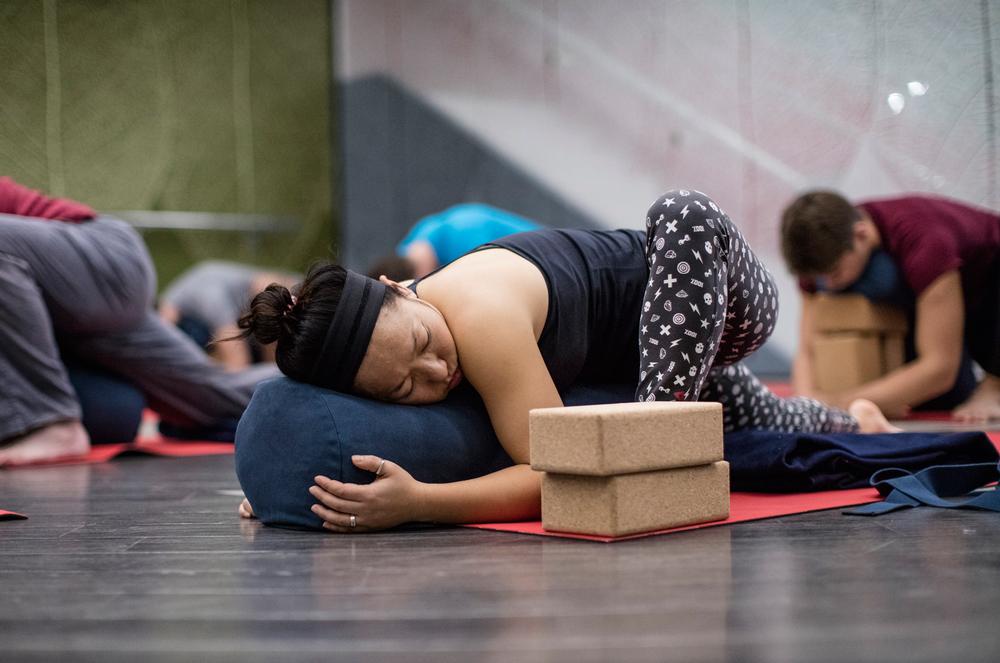
Virgin Active’s Calm by Candlelight class uses deep stretching to calm and de-stress
Users of the zero gravity EnergyPod can recharge with a 20-minute nap
https://www.leisureopportunities.co.uk/images/645896_508548.jpg
Is too much HIIT putting your instructors and members at risk? We asked the experts...
Stephen Seiler, University of Agder, Norway: Faculty of Health and Sport Sciences Steve Tansey, Les Mills: head of research and development UK Natalie Constanti, Zumba: Master trainer STRONG Ellen Latham, Physiologist, designer and founder the Orangetheory workout ,HIIT, gym classes, Stephen Seiler, Steve Tansey, Natalie Constanti,Ellen Latham,
HCM magazine
As the entrepreneur who started Wexer, Fresh Fitness, Fitness DK and Repeat, as well as being a former elite athlete, Rasmus Ingerslev’s life looked perfect from the outside, but onthe inside it was a different story. He talks to Kath Hudson about healing old wounds
HCM magazine
I experienced a blissful feeling of joy I hadn’t felt since I was a kid
HCM magazine
If the health service is to survive, we must recognise that it is a disease service – and that wellbeing rests with us, says the activity advocate and healthy ageing champion. He talks to Kate Cracknell
HCM magazine
Strength training is evolving, driven by changing consumer preferences. Julie Cramer talks to innovators about how their products are meeting this demand
HCM magazine
Small improvements to sleep, diet and physical activity have major benefits for the heart, according to new research from the University of Sydney
HCM promotional features
Sponsored
Starpool supports Olympic champion Marcell Jacobs, says Riccardo Turri
HCM promotional features
Sponsored
Third Space partnered with IndigoFitness to deliver a bespoke training space for its new club at The Whiteley
HCM promotional features
Sponsored
David Lloyd is stepping up its commitment to women’s health as it continues to explore what fit-for-purpose looks like for the female population
HCM promotional features
Sponsored
Find out how your gym can tap into the corporate wellness boom
HCM promotional features
Sponsored
SnowDome Fitness has added 50 per cent more space with cutting-edge Technogym solutions
HCM promotional features
Sponsored
Greg Bradley looks at the shift towards strength training in gyms and advises on how operators can create the ultimate training environment
HCM promotional features
Sponsored
EGYM has opened a new HQ in Paternoster Square, London and revealed a range of new launches
HCM promotional features
Promotion
BLK BOX has been reimagining elite performance spaces for more than a decade. Founder and former athlete, Greg Bradley, tells us what it takes
HCM promotional features
Sponsored
The industry is embracing consumer-facing tech. Now it’s time to streamline back-of-house systems with Orbit4, says Daniel Jones
HCM promotional features
Latest News
Australia’s fast-growing fitness network, Viva Leisure, is adding a low-cost gym brand to its already ...
Latest News
Speedflex has launched a strength training programme for 10 to 16-year-olds, to make it safer, ...
Latest News
Tewinbury Farm Hotel in Hertfordshire, UK is expanding its premium leisure proposition with the launch ...
Latest News

Work is underway in Madrid on one of Europe’s most significant multi-functional complexes, ...

Latest News
PureGym is encouraging people to step away from their screens and go for a walk, ...
Latest News
Small improvements to sleep, diet quality, and physical activity, made in combination lead to a ...
Latest News
Therme Manchester’s 28-acre development, which will include interconnected glass pavilions that measure 65,000sq m, will ...
Latest News
The Yard Gym (TYG) is to become Nike Training’s official global training partner in a ...
Opinion
promotion
Strength training has moved from the margins to the mainstream.
Opinion: Building smarter strength spaces for today’s operators
Featured supplier news
Featured supplier news: Elevate 2026 to mark 10-year anniversary with biggest ever waterfront drinks reception
Elevate is set to celebrate its 10th anniversary in style this June, with organisers confirming the event’s largest-ever drinks reception as registrations continue to run more than 10% ahead of last year.
Featured supplier news
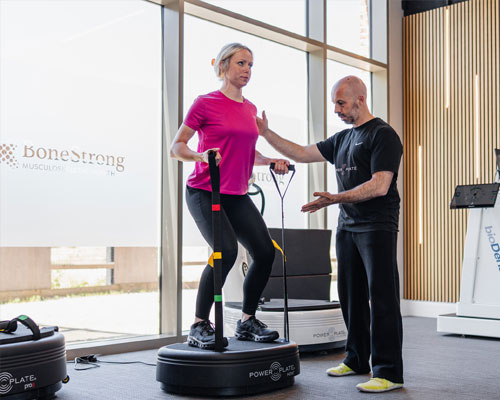
Featured supplier news: Supporting long-term health: why whole body vibration belongs in clinical settings
As healthcare continues to shift towards prevention, there’s a growing focus on helping people stay active, independent and feeling good for longer.
Company profiles
Company profile: Matrix Fitness
Matrix provides equipment to facilities in all market sectors including private health clubs, residential housing, ...
Company profiles
Company profile: BLK BOX
BLK BOX - where precision meets strength, and innovation never stops in the pursuit of ...
Supplier Showcases
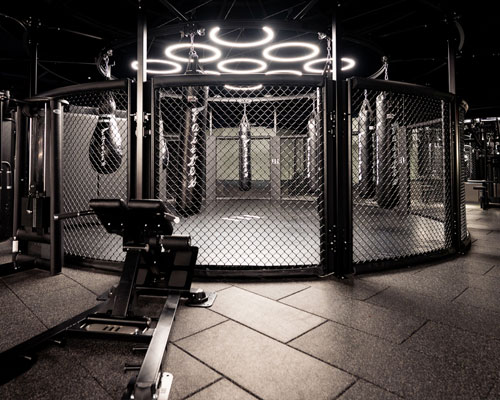
Supplier Showcase - From nightclub to health club
Supplier Showcases
Supplier Showcase - Future-proofing
Catalogue Gallery
Click on a catalogue to view it online
Featured press releases
ukactive press release: Are they Fit for Office? UK Active and Technogym throw down the gauntlet to MPs
Hundreds of staff, MPs and Peers from across Westminster have signed up for the Fit for Office parliamentary physical activity challenge, which takes place throughout June and is hosted by ukactive and Technogym.
Featured press releases
Innerva press release: Lex Leisure’s power-assisted exercise suite smashes targets in record time
Crook Log Leisure Centre has more than doubled the membership target for its new power- assisted exercise suite in less than six months.
Directory
Water experiences and hydrotherapy solutions
Aquaform s.r.l.: Water experiences and hydrotherapy solutions
Industrial washing machines
Miele Company Limited: Industrial washing machines
Spa and beauty equipment
Living Earth Crafts: Spa and beauty equipment
Hot tubs
MSpa International Ltd: Hot tubs
Lockers
Crown Sports Lockers: Lockers
Fitness tracking platform
SpiviTech: Fitness tracking platform
Property & Tenders
Stratford, East London.
Lee Valley Regional Park Authority
Property & Tenders
Y Felinheli, LL56 4QN
Newmark
Property & Tenders
Diary dates
13-13 Jun 2026
Worldwide, Various,
Diary dates
21-24 Sep 2026
The Langham Huntington Pasadena , Pasadena, United States
Diary dates
06-08 Oct 2026
Messe Stuttgart, Stuttgart, Germany
Diary dates
22-22 Oct 2026
QEII Conference Centre, London,
Diary dates
26-29 Oct 2027
Koelnmesse Exhibition Centre, Cologne, Germany
Diary dates

features

Talking point: Too much of a good thing

High Intensity Interval Training (HIIT) is now an industry favourite, but it can lead to injury for instructors and members. Kath Hudson asks the experts how to keep this workout safe

By Kath Hudson | Published in Health Club Management 2017 issue 9
Currently there is no data quantifying how much extra load HIIT classes put on the body

Created as a tool for training athletes, HIIT has achieved success in gyms through classes that aim to help members hit 85 per cent of their maximum heart rate, interspersed with periods of rest or active recovery. Classes are high energy, fun and often short, which adds to their popularity.

Used appropriately, HIIT classes can deliver many health gains for participants, including weight loss, improved aerobic fitness and metabolic adaptations, such as improved mitochondrial function.

Although your members might love HIIT, you shouldn’t let them come every day. Experts advise that the average member should participate in no more than two classes a week to avoid injury. The same applies to less fit instructors who need to be mindful of the number of HIIT classes they teach.

So what do you need to bear in mind when running a HIIT programme? How can you make sure instructors and members gain the benefits of HIIT, without risking injury or burn out? And how should HIIT be used within members’ personalised programmes for optimum benefit?

Stephen Seiler,

Faculty of Health and Sport Sciences ,

University of Agder, Norway

Stephen Seiler
Stephen Seiler

My research is primarily on how elite athletes train for endurance, and I’ve become known for the 80/20 rule: that high intensity training should make up 20 per cent of a weekly training programme, with the other 80 per cent completed at lower intensity. Elite athletes have the discipline to stick to this, but many other members fall into the intensity black hole: going too hard on the low intensity sessions and then not having the energy to push themselves on the high intensity workouts.

Nobody, including instructors, should be doing more than two HIIT classes per week. However, as trainers are not reaching the same intensities as those in their class, they can teach more classes than that, particularly with spinning, where it’s easy to modify the effort, while still keeping up the energy in class.

What is crucial is that instructors warm up properly before they come to class, so that they’re able to demonstrate the moves safely. In my opinion, their main injury risk would be if they let their ego get the better of them and try to impress members by lifting heavy loads in a Crossfit class when they’re not properly warmed up.

There are more risks to participants than instructors with HIIT, so it’s vital to make sure everyone warms up and cools down properly, is coached to perform the moves correctly and stays hydrated. However, with these provisos, the risks to both instructor and participant are low – the risks involved with not exercising are higher.

HIIT is an effective workout: the group format is motivating and it’s easy to market the short classes that fit neatly into a lunch hour. However, the fitness industry should be educating its clients on how to use it effectively.

In my opinion, nobody really gains anything from doing more than two HIIT classes a week and high intensity sessions also need to be supported by longer, low heart rate sessions, such as an easy run or spin class.

Operators also need to bear in mind that sustainable programmes over time give clients the best long-term results. An individual needs to do a mix of activity for which they can maintain their motivation week after week and it’s hard to do this with purely short, hard sessions.

“Many members fall into the intensity black hole: going too hard on low intensity sessions, then not having the energy to push HIIT workouts”

Steve Tansey,

Head of research and development UK,

Les Mills

Steve Tansey
Steve Tansey

Although there isn’t currently research to quantify how much more load HIIT puts on the body compared to a regular exercise class, the additional challenges include a higher heart rate and greater tension on the muscles and skeleton.

To ensure participants get the best out of this short but high intensity workout, our coaching model focuses on personal observation, correction where needed and encouragement.

Our Les Mills HIIT concept – called Les Mills GRIT – requires instructors to only participate in around 60 per cent of the workout, spending time coaching individuals in the class, so they’re not subject to the same intensities.

We train instructors to start the block of exercises and get the energy going, before moving to the floor to instruct and then finish the block with the class. This way they have the camaraderie and relationship with the class, and can spot those that need more coaching, without reaching the same levels of intensity and so not getting fatigued.

With this model, our instructors could teach up to six or seven HIIT classes a week, as they’re not hitting the same peaks of heart rate.

The programme has been scientifically put together to be accessible and safe, and we test what happens to the body during each exercise.

Progressions and regressions, adaptations and alternatives are taught for every exercise, so they’re inclusive and cater for all abilities and learning styles. We don’t use competition in our classes, because this can lead to participants performing exercises too quickly and losing form, which in turn can lead to injury.

“With our model, instructors could teach up to six or seven HIIT classes a week, as they’re not hitting the same peaks of heart rate as participants.”

Natalie Constanti,

Zumba: Master trainer ,

STRONG

Instructors must implement their own self care plan to prevent injury

HIIT is an effective way to train, however, many of the class formats include exercises that can repeatedly strain the same areas of the body.

When I was a self-employed instructor, delivering up to 22 classes a week, many of which were HIIT type formats, areas of my body started to feel the strain and became unbalanced, due to repetitive back-to-back plyometric training. My quadriceps became over developed and fatigued due to quad dominant exercises.

I realised if I was going to have longevity as a fitness professional, I needed to put a self care programme into place: something that would build strength and stability around my vulnerable areas, while improving mobility, balance and joint function to decrease the potential for injury.

I follow a three step protocol, involving prehab, recovery and strength training (see below). I recommend all instructors do this to keep themselves injury free.

Zumba has put together a new HIIT programme, called STRONG by Zumba, which has been designed with a focus on sustainability for both the instructors and participants. Each ‘quadrant’ of the workout has been designed to achieve a specific outcome, with intensity gradually building.

The class is not designed around back-to-back intervals; we implement active recovery after every high intensity movement, so participants can drive into the next high intensity move without comprising their form and alignment.

Ellen Latham,

Physiologist, designer and founder,

The Orangetheory workout

Ellen Latham
Ellen Latham

There isn’t an upper limit to how many classes our instructors can teach because at all times they’re focusing on coaching the class. They wouldn’t be able to look after 28 participants if they were doing the workout themselves – we want them to be continually monitoring participants’ heart rates, form and technique to make sure everyone is performing the movements correctly and at the right intensity.

This workout was devised, by myself, to bring about metabolic change on a cellular level and is safe to do for decades – I’m 61 and we have people coming in their 70s and 80s. We advise our members to work to the 80/20 rule. They could come two or three times a week, but they should also be doing other activities: strength training if they want to build muscle mass and also low heart rate exercise like yoga and pilates. We tell our members that this is their “multi-vitamin” and they mustn’t overuse it, whereas their other exercise is a singular vitamin, which they can take more regularly.

Instructors should also take a multi-disciplinary approach to ensure that they remain in balance. I’m a big advocate of pilates to keep the internal structural muscles strong.

The outside muscles are worked in the gym, but it’s really important to keep working the internal muscles as well, including the pelvis, shoulder girdle and spine. You realise this when you get to your 50s and 60s! ,null

“We advise our members to work to the 80/20 rule. They could come two or three times a week, but they should also be doing other activities”

Members should mix their HIIT classes with low heart rate exercise classes

Natalie Constanti’s self-care protocols

The STRONG by Zumba master trainer takes us through her professional self care programme

Natalie Constanti
Natalie Constanti

Prehab
Every morning I take each joint through its full range of movement. This provides information to the nervous system that my body knows I have joints ready to be used. It’s also a self assessment, as I can identify if there’s an area that needs more attention.

Recovery
This is important to make sure I’m physically capable of performing my job.

For example, for over-fatigued quadriceps, I use trigger point massage or a foam roller to release tension, followed by a couch stretch to release the quads and hip flexors. I also use PNF (Proprioceptive Neuromuscular Facilitation).

Working out
Training for your job as a fitness professional is important and you need to be smart. I follow a strength training programme and have a coach who carefully programmes my workout plans, taking into consideration my workload and the type of classes I teach.,null

“I realised if I was to have longevity as a fitness professional, I needed to put a self care plan into place”

Sign up here to get HCM's weekly ezine and every issue of HCM magazine free on digital.
Virgin Active’s Calm by Candlelight class uses deep stretching to calm and de-stress
Users of the zero gravity EnergyPod can recharge with a 20-minute nap
https://www.leisureopportunities.co.uk/images/645896_508548.jpg
Is too much HIIT putting your instructors and members at risk? We asked the experts...
Stephen Seiler, University of Agder, Norway: Faculty of Health and Sport Sciences Steve Tansey, Les Mills: head of research and development UK Natalie Constanti, Zumba: Master trainer STRONG Ellen Latham, Physiologist, designer and founder the Orangetheory workout ,HIIT, gym classes, Stephen Seiler, Steve Tansey, Natalie Constanti,Ellen Latham,
Latest News
Australia’s fast-growing fitness network, Viva Leisure, is adding a low-cost gym brand to its already ...
Latest News
Speedflex has launched a strength training programme for 10 to 16-year-olds, to make it safer, ...
Latest News
Tewinbury Farm Hotel in Hertfordshire, UK is expanding its premium leisure proposition with the launch ...
Latest News

Work is underway in Madrid on one of Europe’s most significant multi-functional complexes, ...

Latest News
PureGym is encouraging people to step away from their screens and go for a walk, ...
Latest News
Small improvements to sleep, diet quality, and physical activity, made in combination lead to a ...
Latest News
Therme Manchester’s 28-acre development, which will include interconnected glass pavilions that measure 65,000sq m, will ...
Latest News
The Yard Gym (TYG) is to become Nike Training’s official global training partner in a ...
Latest News
Everlast Gyms' York site has reopened following a refurbishment to bring it up to the ...
Latest News
Luxury hospitality and wellness pioneer Jeremy McCarthy has launched Leisure Alchemy, a digital platform that ...
Latest News
A contrast therapy and breathwork facility called Reset has opened in Islington, London, in the ...
Opinion
promotion
Strength training has moved from the margins to the mainstream.
Opinion: Building smarter strength spaces for today’s operators
Featured supplier news
Featured supplier news: Elevate 2026 to mark 10-year anniversary with biggest ever waterfront drinks reception
Elevate is set to celebrate its 10th anniversary in style this June, with organisers confirming the event’s largest-ever drinks reception as registrations continue to run more than 10% ahead of last year.
Featured supplier news
Featured supplier news: Supporting long-term health: why whole body vibration belongs in clinical settings
As healthcare continues to shift towards prevention, there’s a growing focus on helping people stay active, independent and feeling good for longer.
Company profiles
Company profile: Matrix Fitness
Matrix provides equipment to facilities in all market sectors including private health clubs, residential housing, ...
Company profiles
Company profile: BLK BOX
BLK BOX - where precision meets strength, and innovation never stops in the pursuit of ...
Supplier Showcases
Supplier Showcase - From nightclub to health club
Supplier Showcases
Supplier Showcase - Future-proofing
Catalogue Gallery
Click on a catalogue to view it online
Featured press releases
ukactive press release: Are they Fit for Office? UK Active and Technogym throw down the gauntlet to MPs
Hundreds of staff, MPs and Peers from across Westminster have signed up for the Fit for Office parliamentary physical activity challenge, which takes place throughout June and is hosted by ukactive and Technogym.
Featured press releases
Innerva press release: Lex Leisure’s power-assisted exercise suite smashes targets in record time
Crook Log Leisure Centre has more than doubled the membership target for its new power- assisted exercise suite in less than six months.
Directory
Water experiences and hydrotherapy solutions
Aquaform s.r.l.: Water experiences and hydrotherapy solutions
Industrial washing machines
Miele Company Limited: Industrial washing machines
Spa and beauty equipment
Living Earth Crafts: Spa and beauty equipment
Hot tubs
MSpa International Ltd: Hot tubs
Lockers
Crown Sports Lockers: Lockers
Fitness tracking platform
SpiviTech: Fitness tracking platform
Property & Tenders
Stratford, East London.
Lee Valley Regional Park Authority
Property & Tenders
Y Felinheli, LL56 4QN
Newmark
Property & Tenders
Diary dates
13-13 Jun 2026
Worldwide, Various,
Diary dates
21-24 Sep 2026
The Langham Huntington Pasadena , Pasadena, United States
Diary dates
06-08 Oct 2026
Messe Stuttgart, Stuttgart, Germany
Diary dates
22-22 Oct 2026
QEII Conference Centre, London,
Diary dates
26-29 Oct 2027
Koelnmesse Exhibition Centre, Cologne, Germany
Diary dates
Search news, features & products:
Find a supplier:
We Work Well Events
We Work Well Events
Partner sites