

















GET HCM
magazine
Sign up for the FREE digital edition of HCM magazine and also get the HCM ezine and breaking news email alerts.
Not right now, thanksclose this window I've already subscribed!
Follow Health Club Management on Twitter Like Health Club Management on Facebook Join the discussion with Health Club Management on LinkedIn
FITNESS, HEALTH, WELLNESS

features

Talking point: Switching to prevention

Plans unveiled by Health Secretary, Matt Hancock, for the NHS to focus on prevention have been warmly welcomed by the industry, but can this become a reality and what role can we play? Kath Hudson reports
By Kath Hudson | Published in Health Club Management 2019 issue 1
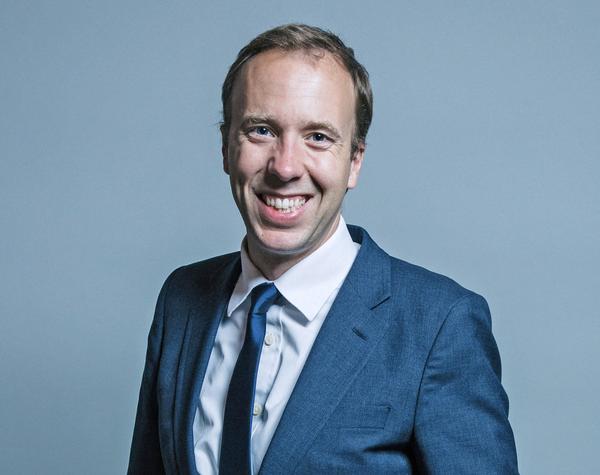
Matt Hancock / PHOTO: Chris McAndrew / UK Parliament

In his green paper, Prevention is better than cure, and the recent NHS Long Term Plan, Matt Hancock announced that he wants to improve life expectancy, as well as lessen the burden of long term conditions on the NHS, by encouraging people to take personal responsibility for their own health and then be able to manage their conditions if they do fall ill. “It’s about people choosing to look after themselves better, staying active and stopping smoking. Making better choices by limiting alcohol, sugar, salt and fat,” says Hancock.

It might sound like a no-brainer, but getting from the current situation, where two thirds of the NHS budget of £116bn a year is spent treating long-term conditions – with obesity, inactivity and co-morbidities increasing – will be a far from easy task and require significant investment.

With facilities, services and know-how, the health and fitness industry is well placed to contribute, but will the government recognise this? Will there be sufficient investment for this change of focus and is the vision workable? HCM asks the experts.

Steven Ward, ukactive: CEO
Steven Ward

We welcome the Secretary of State for Health and Social Care’s continued commitment to putting the preventative agenda at the heart of health policy. Hancock has reiterated the government’s intention to transform public health and these targets rightly focus on health creation through exercise and nutrition, rather than a negative and hopeless focus on condition management.

Nonetheless, a transformation of public health can’t happen without investment, and we’re facing a £1bn cut in the public health budget for 2019/20, according to the Health Foundation’s analysis. As government re-evaluates its priorities for the next five years in the upcoming spending review, the preventative agenda, and the role of our sector, must feature centrally in the NHS Long Term Plan. To stem the tide of preventable diseases which are burdening our health and social services, there must be more investment in prevention.

We’ve set out some opportunities with which the Secretary of State could make an immediate impact on public health. Firstly, we need to reimagine schools as community hubs which are focused on health and wellbeing, as well as education.

It’s staggering that 40 per cent of community sports facilities are behind school gates. ukactive’s Generation Inactive 2 report recommends that government develops outward-facing and sustainable schools-as-community hubs, with integrated health, education and social care provision for children and family engagement.

Secondly, we should be building wellness hubs using private finance to transform the UK’s ageing leisure centres into modern centres which see the co-location of leisure, health and community services under one roof.

Sport England’s funding model shows wellness hubs could achieve a 30 per cent reduction in capital build cost and a 40 per cent improvement in efficiency.

Finally, we’re calling for the implementation of a Workout from Work scheme, extending the Cycle to Work scheme to include other fitness equipment and gym memberships – which would see 209,000 inactive Britons take up physical activity.

“Clearly, the role of the physical activity sector in the preventative health agenda is vital. What we must see from Government is a clear commitment to working with our sector to provide the preventative frontline for the NHS”

This scheme has received backing from a coalition of business groups, health leaders and leisure operators, who have signed a joint letter which is currently being considered by the Chancellor.

Independent analysis shows a cost-to-benefit ratio of 2.6 to one, bringing significant cost savings to the NHS, improved workplace productivity and reduced premature mortality.

Clearly, the role of the physical activity sector in the preventative health agenda is vital. We have the facilities, infrastructure and skills to support public health across the country, by keeping people healthier and happier for longer. We must now see a clear commitment from government to working with our sector to provide the preventative frontline for the NHS.
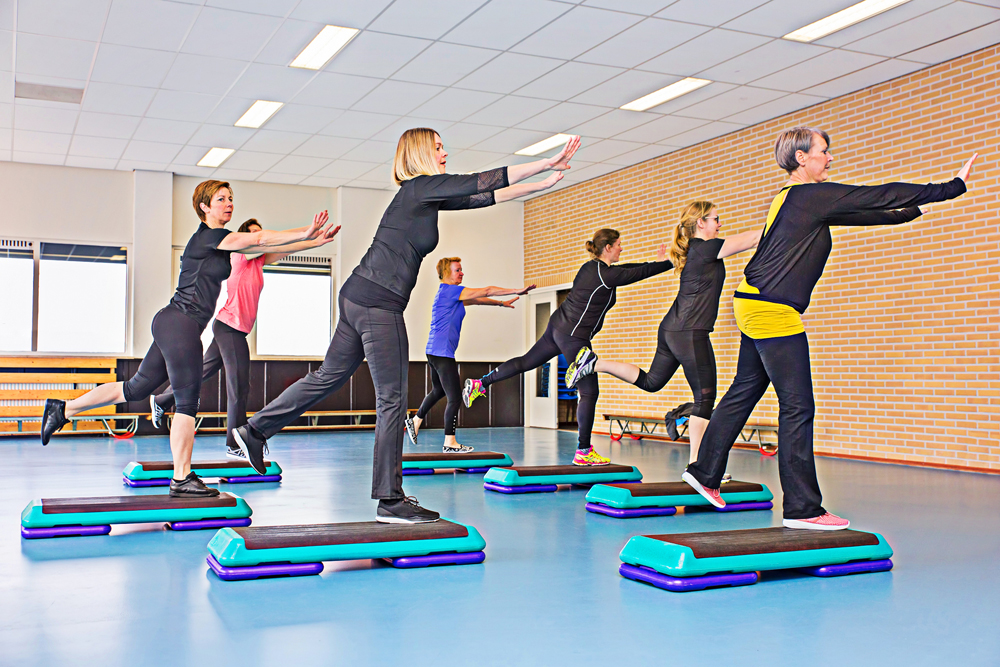

The ageing stock of leisure centres could be turned into wellness hubs through private finance PHOTO: SHUTTERSTOCK/Ben Schonewille
Sir Muir Gray, NHS National Knowledge Service: Director
Sir Muir Gray

It’s heartening to see that prevention is now regarded as relevant and it’s good to have a strategy. The next thing to do is to deliver it.

Most of my work – and where I think the fitness industry now needs to focus – is on people who already have long-term health conditions in their 60s, 70s, 80s and 90s.

There is a big overlap between those who are ageing and those who have long-term health conditions: 40 per cent of over 40s; 50 per cent of over 50s; and 60 per cent of over 60s. The more long-term conditions an individual has, the more exercise they need to do. As people get older, they need to exercise more.

Targeting an older demographic represents a good business opportunity for the health and fitness sector, as lots of these people are wealthy. I’m working with ukactive on a number of measures to encourage clubs to think differently about this age group, in terms of their marketing, design and offering.

Eighty per cent of health club members are aged 20 to 40, which is good, because many of them have sedentary jobs, so will potentially be at high risk of developing health problems in the future. However, a very small proportion of the over 60s are active, and this represents a huge opportunity. I think there could be some quick wins in this age group.

“I’d like to see £100m being switched from the drug budget to the fitness budget and for the NHS and the fitness industry to work together. There are 57,000 trainers and 51,000 physiotherapists currently working separately. ‘I want to bring those communities together”

For example, after 12 weeks of strength training, 90-year-olds can show noticeable improvements – and having better strength would lead to them having increased resilience to falls and illness.

I’d like to see £100m being switched from the drug budget to the fitness budget and for the NHS and the fitness industry to work together. There are 57,000 trainers and 51,000 physiotherapists currently working separately. I want to bring those communities together.

Encouragingly, a lot is already happening, such as Moving Medicine, an initiative between Sport England and Public Health England, to get the medical industry to understand the importance of activity and recommend it to their patients.


As people age, they need encouragement to exercise more, not less PHOTO: SHUTTERSTOCK/ALPA PROD
Dr Subhash Pokhrel, Brunel University: Head of Clinical Sciences Department
Dr Subhash Pokhrel

The preventative healthcare vision is a welcome step, but it’s not yet clear whether adequate investment will follow to allow it to work. The nature of preventative measures is such that the benefits accrue in the distant future – possibly under another government – unlike treatment, where benefits can be seen immediately.

A number of proposals in the government’s prevention vision centre around people taking personal responsibility for making lifestyle changes, such as quitting smoking and losing weight. People generally need support to make these changes, so investments that support people in making healthy lifestyle habits would create quick gains.

Such opportunities can lie in a very wide spectrum of complexity and investment. For example, research shows that people who cycle to work are five times more likely to meet the recommended levels of physical activity, and so prevent several long term conditions, such as heart disease.

However, in order to make cycling to work a social norm, a range of infrastructure investment is needed, from creating cycle paths to installing showers at workplaces.

“Price still remains a barrier to many people and not everyone has easy access to affordable workouts. My research has shown that financial incentives, such as subsidising the price of a particular physical activity, can help to improve participation levels”

The government’s vision articulates the role for local authorities to invest in supporting healthy living, including getting people to move more, so it makes sense for private operators to join forces with local authorities, to ensure more people have access to facilities.

Price still remains a barrier to many people and not everyone has easy access to affordable workouts. My research has shown that financial incentives, such as subsidising the price of a particular physical activity, can help to improve participation levels.


Investment in cycle paths could help encourage more cycling to work PHOTO: SHUTTERSTOCK/goga18128
Philip Newborough, Bridges Fund Management: Head of Property Funds
Philip Newborough

The NHS is suffering from a tidal wave of people piling into A&E and secondary care, so it makes perfect sense to focus on prevention, social care and primary care. The question is, how to do it? In my opinion, the smartest way is through social outcome contracts, which takes away the risk from commissioning services.

Bridges Fund Management is involved with a number of successful contracts of this nature: we invest in prevention and get paid according to the outcome. For example, Ways to Wellness is a pilot underway with the NHS CCG in Newcastle, which aims to work with 10,000 patients who suffer from long-term conditions which could be improved by a healthier lifestyle.

The interventions are non-medical and include education – particularly around nutrition and supporting patients to be more active. It’s tailored individually, so the exercise may be fishing or dance classes.

“Healthier Devon targets 3,500 people at risk of developing type II diabetes, and educates them about nutrition, cooking skills and exercise”

Two years in, we’ve worked with 3,000 patients and are meeting our outcomes. Firstly, patients report that they’re feeling three times better. Secondly, the NHS is saving an average of 20 per cent a year.

Over the seven-year period it’s expected to generate £11m in secondary care cost savings and £14m in other public service savings.

Another project we’re funding is Healthier Devon, designed by Devon County Council for pre-diabetic people. Diabetes-related treatment uses up 10 per cent of the NHS budget. In Devon alone there are 79,000 people at risk of developing type II diabetes and this number is increasing nationally by 3 per cent. Healthier Devon targets 3,500 at-risk people, and educates them about nutrition, cooking skills and exercise, with support to change their behaviour.

Health and lifestyle interventions with at-risk groups can bring large savings to the NHS PHOTO: SHUTTERSTOCK/MONKEY BUSINESS IMAGES
• According to The National Archives…
  • Around 15 million people in England have a long term condition and use 50 per cent of GP appointments and 70 per cent of in-patient beds.
  • The number of people with co-morbidities is expected to rise by one third in the next 10 years.
  • Long-term conditions fall more heavily on the poorest in society – with those in social class V (unskilled occupations) being 60 per cent more likely to have one than those in social class I (professional occupations).
Sign up here to get HCM's weekly ezine and every issue of HCM magazine free on digital.
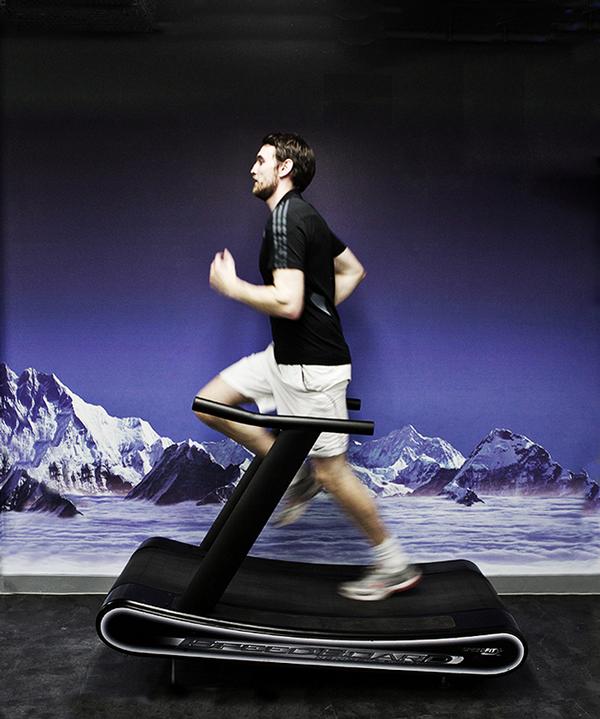
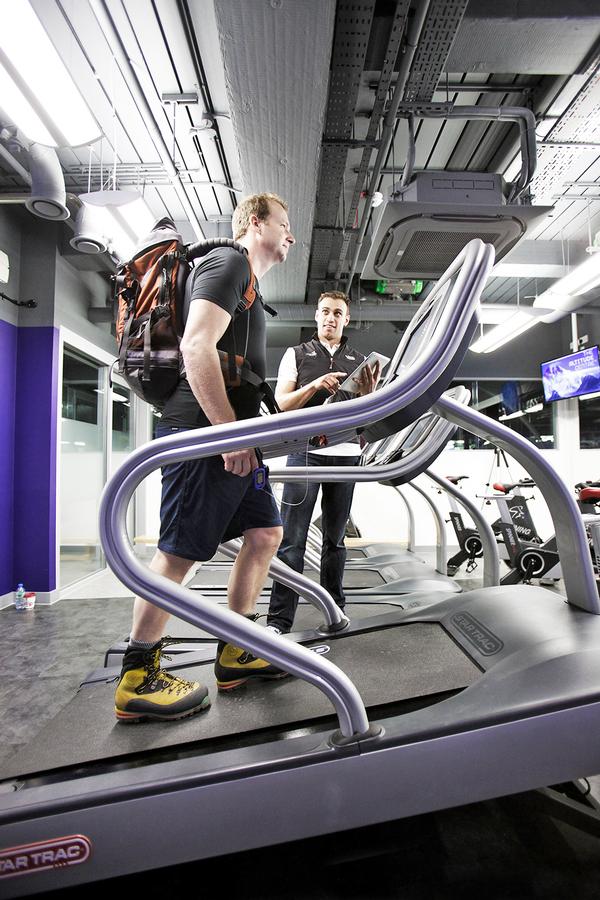
One of the groups showing an interest in altitude training is people who are planning mountain expeditions, for instance to Mount Kilimanjaro or Everest
Mo Farah has benefitted from altitude training / shutterstock
Alistair Brownlee has benefitted from altitude training / shutterstock
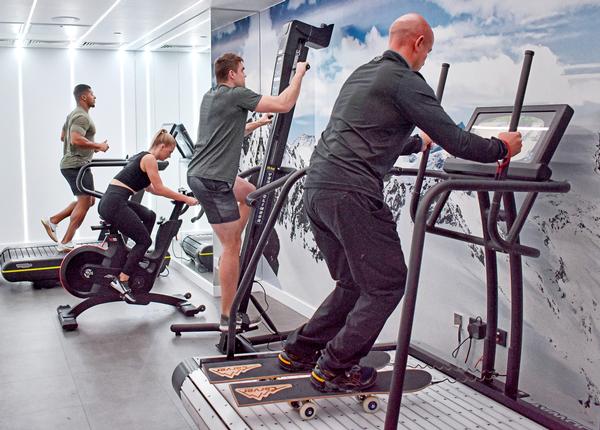
Third Space’s hypoxic chamber
Loughborough University’s hotel featuring altitude bedrooms
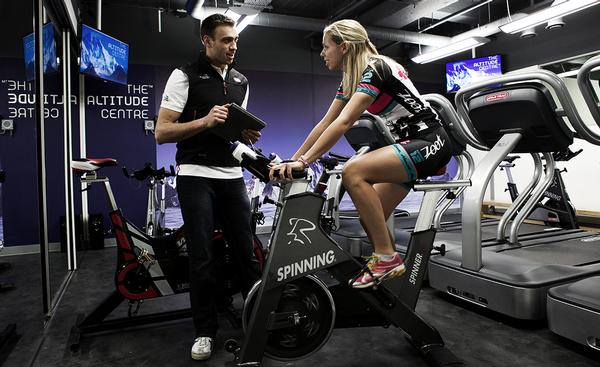
The Altitude Centre
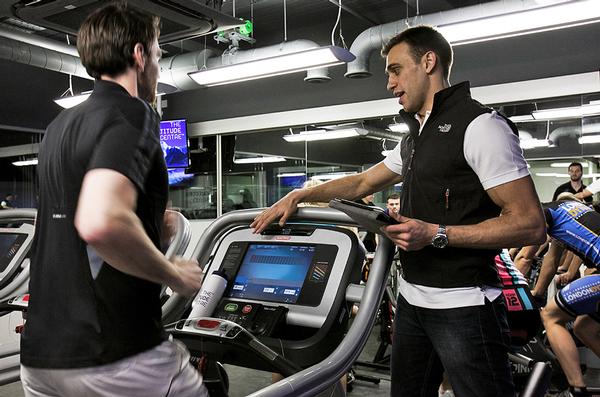
The Altitude Centre
https://www.leisureopportunities.co.uk/images/imagesX/997915_766792.jpg
Is Health Secretary Matt Hancock's switch to prevention deliverable? We ask four industry experts...
Matt Hancock, Health secretary,Matt Hancock, Health secretary, prevention, NHS,
HCM magazine
For every member with a tripod and a big following, there are others irritated at the way equipment is being hogged or wary they’ll be in the background on someone’s Insta feed. Do influencers offer valuable, free marketing or are they just a nuisance? Kath Hudson finds out how operators are responding
HCM magazine
As the entrepreneur who started Wexer, Fresh Fitness, Fitness DK and Repeat, as well as being a former elite athlete, Rasmus Ingerslev’s life looked perfect from the outside, but onthe inside it was a different story. He talks to Kath Hudson about healing old wounds
HCM magazine
Raphael Cuomo explores the powerful link between addiction, health and behaviour change
HCM magazine
Collaborations with the medical profession and greater aspirations around wellbeing are creating a need for more experts in our sector. It’s time to reboot our thinking around the workforce
HCM magazine
Small improvements to sleep, diet and physical activity have major benefits for the heart, according to new research from the University of Sydney
HCM promotional features
Sponsored
Third Space partnered with IndigoFitness to deliver a bespoke training space for its new club at The Whiteley
HCM promotional features
Sponsored
Find out how your gym can tap into the corporate wellness boom
HCM promotional features
Sponsored
Greg Bradley looks at the shift towards strength training in gyms and advises on how operators can create the ultimate training environment
HCM promotional features
Sponsored
David Lloyd is stepping up its commitment to women’s health as it continues to explore what fit-for-purpose looks like for the female population
HCM promotional features
Sponsored
Starpool supports Olympic champion Marcell Jacobs, says Riccardo Turri
HCM promotional features
Sponsored
SnowDome Fitness has added 50 per cent more space with cutting-edge Technogym solutions
HCM promotional features
Sponsored
EGYM has opened a new HQ in Paternoster Square, London and revealed a range of new launches
HCM promotional features
Sponsored
New launch, Salus House, elevates boutique wellness with high service levels and a partnership with Technogym
HCM promotional features
Sponsored
Pulse Fitness has created a new health club delivering an elevated wellness experience
HCM promotional features
Latest News
Abu Dhabi-based investment firm Mubadala Capital has made a binding, fully financed €1 billion offer ...
Latest News
In a milestone moment, mental health has become a core part of CIMSPA’s occupational professional ...
Latest News
US high-value, low-price chain, Eos Fitness, has announced plans to pilot reformer Pilates in three ...
Latest News
Preventive healthcare company Neko Health has added body composition analysis to its full-body health scan ...
Latest News
Chequan Lewis is the new CEO of Crunch Fitness, taking over from Jim Rowley, who ...
Latest News
Sea Lanes Canary Wharf has officially opened. The 50-metre, six-lane pool, which uses the natural ...
Latest News
London-based high-performance fitness club, ONE LDN, is raising funds for a multi-site expansion across London, ...
Latest News
A new brain clinic has opened in London, which uses non-invasive brain stimulation to treat ...
Opinion
promotion
Strength training has moved from the margins to the mainstream.
Opinion: Building smarter strength spaces for today’s operators
Featured supplier news
Featured supplier news: Cornerstone Connect helps Active Blackpool tackle health inequalities
Active Blackpool is deploying Cornerstone Connect, a new digital interface allowing disparate information from multiple systems to be aggregated into one dataset, to support its focus on reducing health inequalities and improving healthy life expectancy.
Featured supplier news
Featured supplier news: Reaching the people most gyms miss: Bedford Gym & Swim Campaign delivers 410 new members
One of the biggest mistakes the fitness industry still makes is advertising almost exclusively to people who already look and live like gym members.
Company profiles
Company profile: Shua Fitness
Founded in 1996, Shua integrates intelligent technology, sports science, and premium fitness equipment to deliver ...
Company profiles
Company profile: Myzone
Myzone is a global pioneer of Motivation Technology (MoTech), redefining fitness by turning behavioural science ...
Supplier Showcases
Supplier Showcase - Future-proofing
Catalogue Gallery
Click on a catalogue to view it online
Featured press releases
CoverMe press release: CoverMe and Jobs In. Fitness partner to create end-to-end talent solution
CoverMe, the UK’s leading fitness workforce management and recruitment platform, now gives operators access to talent for every level of their business, thanks to a new strategic partnership with Jobs In. Fitness.
Featured press releases
BLK BOX press release: Inside the build: Salt 
To bring their concept to life, Salt partnered with BLK BOX to design and equip a facility that would deliver a premium training experience while supporting the needs of a diverse and growing community.
Directory
Water experiences and hydrotherapy solutions
Aquaform s.r.l.: Water experiences and hydrotherapy solutions
Hot tubs
MSpa International Ltd: Hot tubs
Spa and beauty equipment
Oakworks Inc: Spa and beauty equipment
Lockers
Crown Sports Lockers: Lockers
Fitness tracking platform
SpiviTech: Fitness tracking platform
Industrial washing machines
Miele Company Limited: Industrial washing machines
Property & Tenders
Stratford, East London.
Lee Valley Regional Park Authority
Property & Tenders
Y Felinheli, LL56 4QN
Newmark
Property & Tenders
Diary dates
21-24 Sep 2026
The Langham Huntington Pasadena , Pasadena, United States
Diary dates
06-08 Oct 2026
Messe Stuttgart, Stuttgart, Germany
Diary dates
22-22 Oct 2026
QEII Conference Centre, London,
Diary dates
26-29 Oct 2027
Koelnmesse Exhibition Centre, Cologne, Germany
Diary dates

features

Talking point: Switching to prevention

Plans unveiled by Health Secretary, Matt Hancock, for the NHS to focus on prevention have been warmly welcomed by the industry, but can this become a reality and what role can we play? Kath Hudson reports

By Kath Hudson | Published in Health Club Management 2019 issue 1
Matt Hancock / PHOTO: Chris McAndrew / UK Parliament

In his green paper, Prevention is better than cure, and the recent NHS Long Term Plan, Matt Hancock announced that he wants to improve life expectancy, as well as lessen the burden of long term conditions on the NHS, by encouraging people to take personal responsibility for their own health and then be able to manage their conditions if they do fall ill. “It’s about people choosing to look after themselves better, staying active and stopping smoking. Making better choices by limiting alcohol, sugar, salt and fat,” says Hancock.

It might sound like a no-brainer, but getting from the current situation, where two thirds of the NHS budget of £116bn a year is spent treating long-term conditions – with obesity, inactivity and co-morbidities increasing – will be a far from easy task and require significant investment.

With facilities, services and know-how, the health and fitness industry is well placed to contribute, but will the government recognise this? Will there be sufficient investment for this change of focus and is the vision workable? HCM asks the experts.

Steven Ward, ukactive: CEO
Steven Ward

We welcome the Secretary of State for Health and Social Care’s continued commitment to putting the preventative agenda at the heart of health policy. Hancock has reiterated the government’s intention to transform public health and these targets rightly focus on health creation through exercise and nutrition, rather than a negative and hopeless focus on condition management.

Nonetheless, a transformation of public health can’t happen without investment, and we’re facing a £1bn cut in the public health budget for 2019/20, according to the Health Foundation’s analysis. As government re-evaluates its priorities for the next five years in the upcoming spending review, the preventative agenda, and the role of our sector, must feature centrally in the NHS Long Term Plan. To stem the tide of preventable diseases which are burdening our health and social services, there must be more investment in prevention.

We’ve set out some opportunities with which the Secretary of State could make an immediate impact on public health. Firstly, we need to reimagine schools as community hubs which are focused on health and wellbeing, as well as education.

It’s staggering that 40 per cent of community sports facilities are behind school gates. ukactive’s Generation Inactive 2 report recommends that government develops outward-facing and sustainable schools-as-community hubs, with integrated health, education and social care provision for children and family engagement.

Secondly, we should be building wellness hubs using private finance to transform the UK’s ageing leisure centres into modern centres which see the co-location of leisure, health and community services under one roof.

Sport England’s funding model shows wellness hubs could achieve a 30 per cent reduction in capital build cost and a 40 per cent improvement in efficiency.

Finally, we’re calling for the implementation of a Workout from Work scheme, extending the Cycle to Work scheme to include other fitness equipment and gym memberships – which would see 209,000 inactive Britons take up physical activity.

“Clearly, the role of the physical activity sector in the preventative health agenda is vital. What we must see from Government is a clear commitment to working with our sector to provide the preventative frontline for the NHS”

This scheme has received backing from a coalition of business groups, health leaders and leisure operators, who have signed a joint letter which is currently being considered by the Chancellor.

Independent analysis shows a cost-to-benefit ratio of 2.6 to one, bringing significant cost savings to the NHS, improved workplace productivity and reduced premature mortality.

Clearly, the role of the physical activity sector in the preventative health agenda is vital. We have the facilities, infrastructure and skills to support public health across the country, by keeping people healthier and happier for longer. We must now see a clear commitment from government to working with our sector to provide the preventative frontline for the NHS.

The ageing stock of leisure centres could be turned into wellness hubs through private finance PHOTO: SHUTTERSTOCK/Ben Schonewille
Sir Muir Gray, NHS National Knowledge Service: Director
Sir Muir Gray

It’s heartening to see that prevention is now regarded as relevant and it’s good to have a strategy. The next thing to do is to deliver it.

Most of my work – and where I think the fitness industry now needs to focus – is on people who already have long-term health conditions in their 60s, 70s, 80s and 90s.

There is a big overlap between those who are ageing and those who have long-term health conditions: 40 per cent of over 40s; 50 per cent of over 50s; and 60 per cent of over 60s. The more long-term conditions an individual has, the more exercise they need to do. As people get older, they need to exercise more.

Targeting an older demographic represents a good business opportunity for the health and fitness sector, as lots of these people are wealthy. I’m working with ukactive on a number of measures to encourage clubs to think differently about this age group, in terms of their marketing, design and offering.

Eighty per cent of health club members are aged 20 to 40, which is good, because many of them have sedentary jobs, so will potentially be at high risk of developing health problems in the future. However, a very small proportion of the over 60s are active, and this represents a huge opportunity. I think there could be some quick wins in this age group.

“I’d like to see £100m being switched from the drug budget to the fitness budget and for the NHS and the fitness industry to work together. There are 57,000 trainers and 51,000 physiotherapists currently working separately. ‘I want to bring those communities together”

For example, after 12 weeks of strength training, 90-year-olds can show noticeable improvements – and having better strength would lead to them having increased resilience to falls and illness.

I’d like to see £100m being switched from the drug budget to the fitness budget and for the NHS and the fitness industry to work together. There are 57,000 trainers and 51,000 physiotherapists currently working separately. I want to bring those communities together.

Encouragingly, a lot is already happening, such as Moving Medicine, an initiative between Sport England and Public Health England, to get the medical industry to understand the importance of activity and recommend it to their patients.

As people age, they need encouragement to exercise more, not less PHOTO: SHUTTERSTOCK/ALPA PROD
Dr Subhash Pokhrel, Brunel University: Head of Clinical Sciences Department
Dr Subhash Pokhrel

The preventative healthcare vision is a welcome step, but it’s not yet clear whether adequate investment will follow to allow it to work. The nature of preventative measures is such that the benefits accrue in the distant future – possibly under another government – unlike treatment, where benefits can be seen immediately.

A number of proposals in the government’s prevention vision centre around people taking personal responsibility for making lifestyle changes, such as quitting smoking and losing weight. People generally need support to make these changes, so investments that support people in making healthy lifestyle habits would create quick gains.

Such opportunities can lie in a very wide spectrum of complexity and investment. For example, research shows that people who cycle to work are five times more likely to meet the recommended levels of physical activity, and so prevent several long term conditions, such as heart disease.

However, in order to make cycling to work a social norm, a range of infrastructure investment is needed, from creating cycle paths to installing showers at workplaces.

“Price still remains a barrier to many people and not everyone has easy access to affordable workouts. My research has shown that financial incentives, such as subsidising the price of a particular physical activity, can help to improve participation levels”

The government’s vision articulates the role for local authorities to invest in supporting healthy living, including getting people to move more, so it makes sense for private operators to join forces with local authorities, to ensure more people have access to facilities.

Price still remains a barrier to many people and not everyone has easy access to affordable workouts. My research has shown that financial incentives, such as subsidising the price of a particular physical activity, can help to improve participation levels.

Investment in cycle paths could help encourage more cycling to work PHOTO: SHUTTERSTOCK/goga18128
Philip Newborough, Bridges Fund Management: Head of Property Funds
Philip Newborough

The NHS is suffering from a tidal wave of people piling into A&E and secondary care, so it makes perfect sense to focus on prevention, social care and primary care. The question is, how to do it? In my opinion, the smartest way is through social outcome contracts, which takes away the risk from commissioning services.

Bridges Fund Management is involved with a number of successful contracts of this nature: we invest in prevention and get paid according to the outcome. For example, Ways to Wellness is a pilot underway with the NHS CCG in Newcastle, which aims to work with 10,000 patients who suffer from long-term conditions which could be improved by a healthier lifestyle.

The interventions are non-medical and include education – particularly around nutrition and supporting patients to be more active. It’s tailored individually, so the exercise may be fishing or dance classes.

“Healthier Devon targets 3,500 people at risk of developing type II diabetes, and educates them about nutrition, cooking skills and exercise”

Two years in, we’ve worked with 3,000 patients and are meeting our outcomes. Firstly, patients report that they’re feeling three times better. Secondly, the NHS is saving an average of 20 per cent a year.

Over the seven-year period it’s expected to generate £11m in secondary care cost savings and £14m in other public service savings.

Another project we’re funding is Healthier Devon, designed by Devon County Council for pre-diabetic people. Diabetes-related treatment uses up 10 per cent of the NHS budget. In Devon alone there are 79,000 people at risk of developing type II diabetes and this number is increasing nationally by 3 per cent. Healthier Devon targets 3,500 at-risk people, and educates them about nutrition, cooking skills and exercise, with support to change their behaviour.

Health and lifestyle interventions with at-risk groups can bring large savings to the NHS PHOTO: SHUTTERSTOCK/MONKEY BUSINESS IMAGES
• According to The National Archives…
  • Around 15 million people in England have a long term condition and use 50 per cent of GP appointments and 70 per cent of in-patient beds.
  • The number of people with co-morbidities is expected to rise by one third in the next 10 years.
  • Long-term conditions fall more heavily on the poorest in society – with those in social class V (unskilled occupations) being 60 per cent more likely to have one than those in social class I (professional occupations).
Sign up here to get HCM's weekly ezine and every issue of HCM magazine free on digital.

One of the groups showing an interest in altitude training is people who are planning mountain expeditions, for instance to Mount Kilimanjaro or Everest
Mo Farah has benefitted from altitude training / shutterstock
Alistair Brownlee has benefitted from altitude training / shutterstock
Third Space’s hypoxic chamber
Loughborough University’s hotel featuring altitude bedrooms
The Altitude Centre
The Altitude Centre
https://www.leisureopportunities.co.uk/images/imagesX/997915_766792.jpg
Is Health Secretary Matt Hancock's switch to prevention deliverable? We ask four industry experts...
Matt Hancock, Health secretary,Matt Hancock, Health secretary, prevention, NHS,
Latest News
Abu Dhabi-based investment firm Mubadala Capital has made a binding, fully financed €1 billion offer ...
Latest News
In a milestone moment, mental health has become a core part of CIMSPA’s occupational professional ...
Latest News
US high-value, low-price chain, Eos Fitness, has announced plans to pilot reformer Pilates in three ...
Latest News
Preventive healthcare company Neko Health has added body composition analysis to its full-body health scan ...
Latest News
Chequan Lewis is the new CEO of Crunch Fitness, taking over from Jim Rowley, who ...
Latest News
Sea Lanes Canary Wharf has officially opened. The 50-metre, six-lane pool, which uses the natural ...
Latest News
London-based high-performance fitness club, ONE LDN, is raising funds for a multi-site expansion across London, ...
Latest News
A new brain clinic has opened in London, which uses non-invasive brain stimulation to treat ...
Latest News
Good Boost’s digital exercise programmes are helping adults with MSK at a lower cost than ...
Latest News
With Prime Minister, Keir Starmer, announcing his resignation this morning and Andy Burnham as a ...
Latest News
Koru Health Club launched recently within Luxembourg’s multi-experience destination, GRID X, which combines culture, retail ...
Opinion
promotion
Strength training has moved from the margins to the mainstream.
Opinion: Building smarter strength spaces for today’s operators
Featured supplier news
Featured supplier news: Cornerstone Connect helps Active Blackpool tackle health inequalities
Active Blackpool is deploying Cornerstone Connect, a new digital interface allowing disparate information from multiple systems to be aggregated into one dataset, to support its focus on reducing health inequalities and improving healthy life expectancy.
Featured supplier news
Featured supplier news: Reaching the people most gyms miss: Bedford Gym & Swim Campaign delivers 410 new members
One of the biggest mistakes the fitness industry still makes is advertising almost exclusively to people who already look and live like gym members.
Company profiles
Company profile: Shua Fitness
Founded in 1996, Shua integrates intelligent technology, sports science, and premium fitness equipment to deliver ...
Company profiles
Company profile: Myzone
Myzone is a global pioneer of Motivation Technology (MoTech), redefining fitness by turning behavioural science ...
Supplier Showcases
Supplier Showcase - Future-proofing
Catalogue Gallery
Click on a catalogue to view it online
Featured press releases
CoverMe press release: CoverMe and Jobs In. Fitness partner to create end-to-end talent solution
CoverMe, the UK’s leading fitness workforce management and recruitment platform, now gives operators access to talent for every level of their business, thanks to a new strategic partnership with Jobs In. Fitness.
Featured press releases
BLK BOX press release: Inside the build: Salt 
To bring their concept to life, Salt partnered with BLK BOX to design and equip a facility that would deliver a premium training experience while supporting the needs of a diverse and growing community.
Directory
Water experiences and hydrotherapy solutions
Aquaform s.r.l.: Water experiences and hydrotherapy solutions
Hot tubs
MSpa International Ltd: Hot tubs
Spa and beauty equipment
Oakworks Inc: Spa and beauty equipment
Lockers
Crown Sports Lockers: Lockers
Fitness tracking platform
SpiviTech: Fitness tracking platform
Industrial washing machines
Miele Company Limited: Industrial washing machines
Property & Tenders
Stratford, East London.
Lee Valley Regional Park Authority
Property & Tenders
Y Felinheli, LL56 4QN
Newmark
Property & Tenders
Diary dates
21-24 Sep 2026
The Langham Huntington Pasadena , Pasadena, United States
Diary dates
06-08 Oct 2026
Messe Stuttgart, Stuttgart, Germany
Diary dates
22-22 Oct 2026
QEII Conference Centre, London,
Diary dates
26-29 Oct 2027
Koelnmesse Exhibition Centre, Cologne, Germany
Diary dates
Search news, features & products:
Find a supplier:
Partner sites