


























features
Talking point: Longevity clinics
Spanning fitness and wellness, longevity clinics sit at the premium end of the market, but is longevity a trend that’s here to stay and is it heading for the mainstream? Kath Hudson reports


The 2023 Future of Wellness report from McKinsey found demand for healthy ageing and longevity services is increasing, with 70 per cent of consumers in the US and UK and 85 per cent in China purchasing a product in this category in the preceding year.
McKinsey notes that by 2030 one in six people in the world will be aged over 60, so there will be a greater focus on healthy aging, with younger people looking for preventative solutions and older people seeking to improve their longevity and healthspan.
Equinox made a spectacular leap into the longevity arena earlier this year with the launch of a US$40,000-a-year membership called Optimize by Equinox in partnership with Dr Mark Hyman’s company, Function Health. This offers an extensive battery of health tests – including stress and ageing, metabolic health and thyroid function – which are then used to inform personalised programmes to boost longevity and healthspan.
Destination wellness brand, Canyon Ranch, is also rolling out a new longevity retreat, starting this November, with 10 dates next year. The four-day programme, Longevity8, launches at Canyon Ranch’s Tucson resort and is inspired by eight principles: integrative medicine, flexibility and fitness, nutrition, sleep, spiritual wellness, mental and emotional health, outdoor activity and strength and endurance.
Attendees will undergo 15 diagnostic tests assessing more than 200 biomarkers, including blood work, cancer screening and genetic testing, as well as scientific evaluations, such as VO2 Max and DEXA Body at the resort’s medical centre. Retreats are priced at US$20,000 per person for the four-night stay.
At the moment these services are only at the top end of the market, but will they filter down to the mainstream? If so, when and how? We ask some of the operators who are creating facilities and services focused on longevity, what their offering looks like and where this trend could take us…
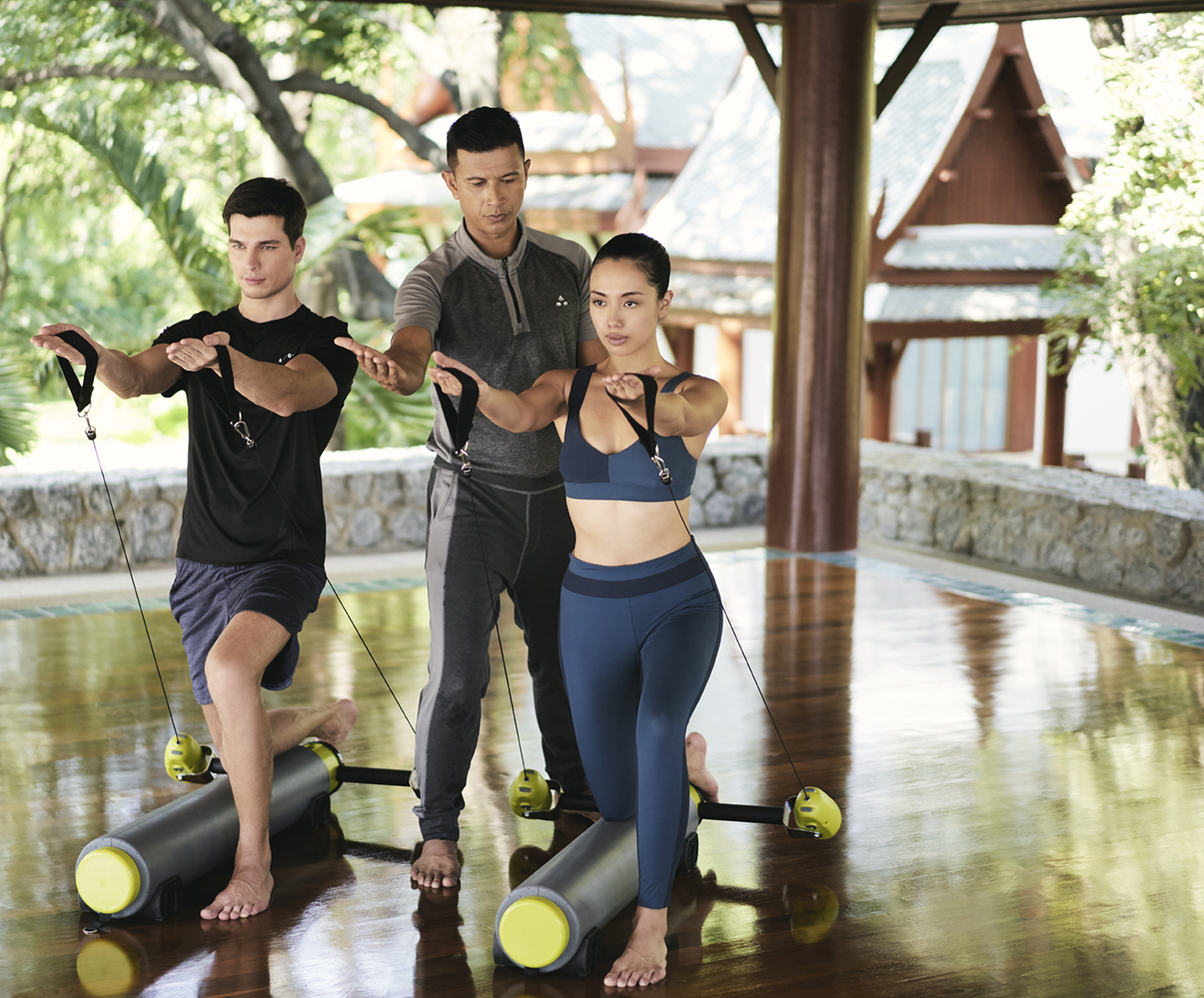
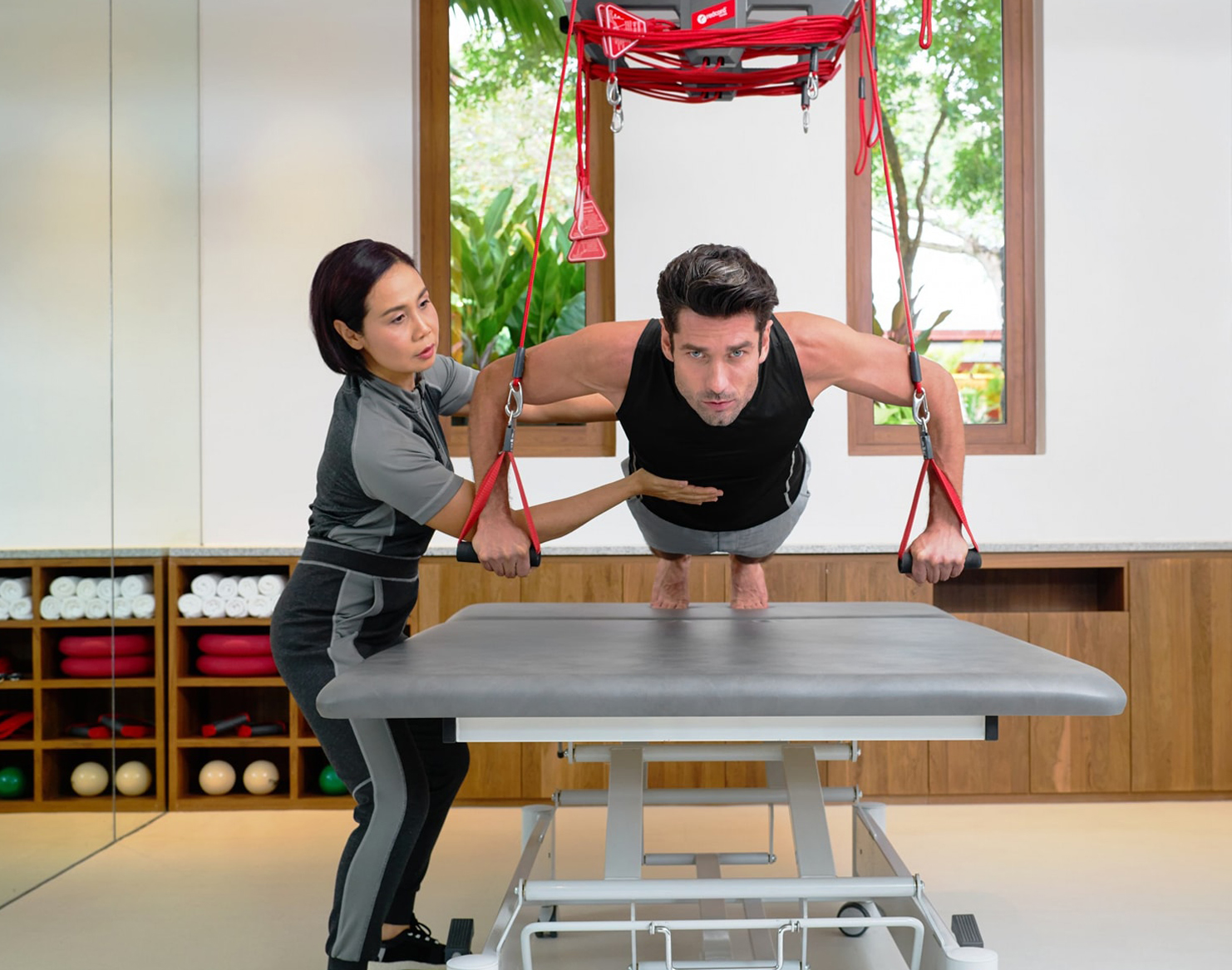
At Chiva-Som Hua Hin our philosophy is to promote longevity through a comprehensive and integrative approach to wellness, combining the best of modern research with traditional holistic practices. Currently we offer 16 specialised retreats, all aiding longevity and creating a path to a healthy lifestyle.
Our retreat stays are based on six modalities of wellness – spa, holistic health, fitness, physiotherapy, aesthetic beauty and nutrition – with each programme tailored to guests’ current needs and goals. The retreats include ageing well, immune resilience, natural renewal and cell vitality, which supports guests who’ve recovered from or are in remission from cancer.
We also offer cutting-edge epigenetic testing designed to offer personalised insights into how lifestyle and environmental factors influence gene expression. Epigenetic testing looks at a person’s biological age, rather than chronological age and can provide insight into how to slow the ageing process through sustainable exercise, nutritional habits and lifestyle modifications tailored to the individual.
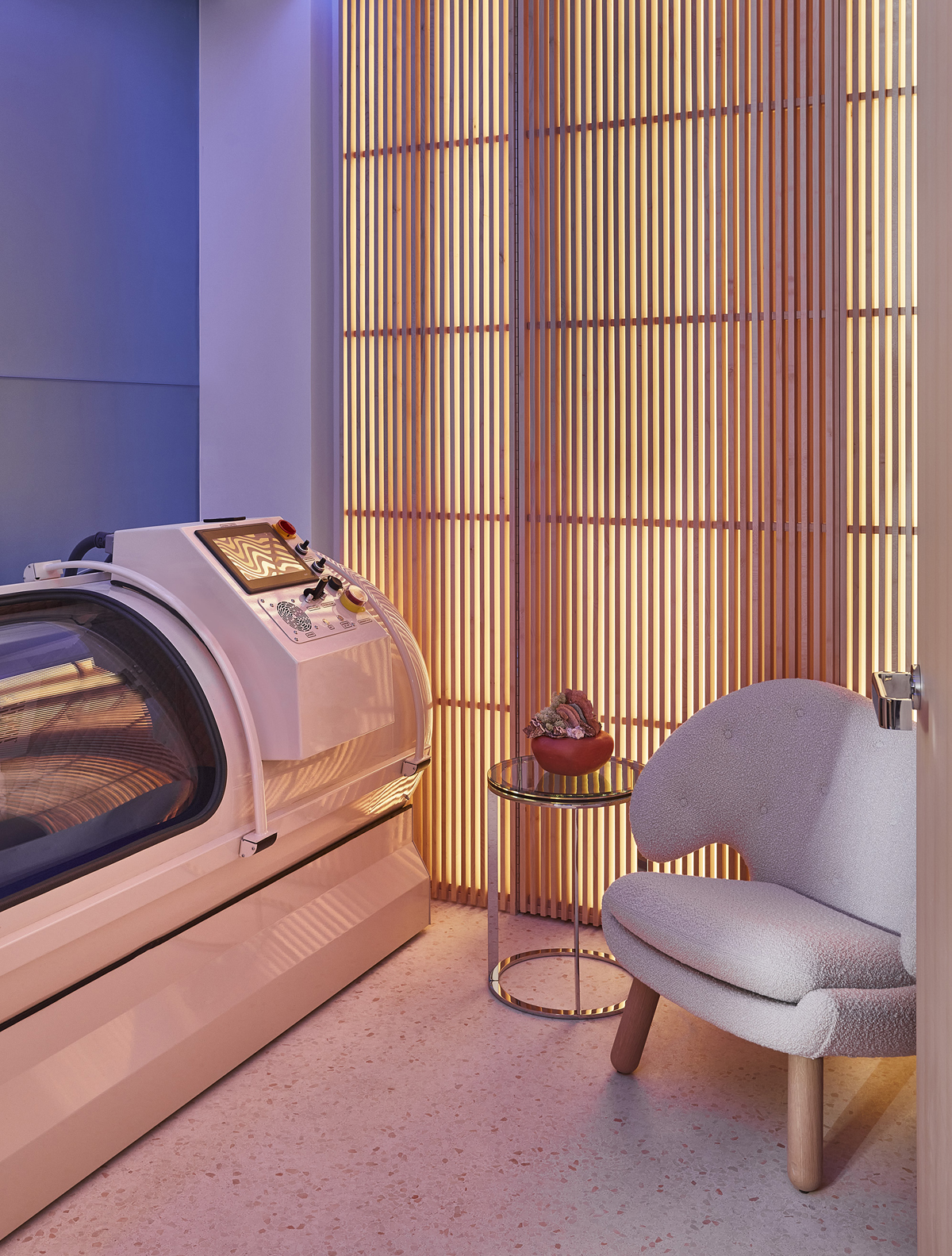
We’ve also launched hyperbaric oxygen treatments, to support blood-oxygen levels, recovery and overall longevity, as well as genomic testing and bone density analysis to further complement guests’ transformative wellness journeys.
The demand for longevity strategies in wellness resorts is increasing, driven by the growing interest in extending lifespan and quality of health through sustainable solutions such as diet, exercise and lifestyle modifications. Recent studies highlight how adopting these habits by midlife can significantly extend one’s lifespan, which is attracting a diverse range of guests to wellness resorts.
Biohacking as a longevity strategy is gaining popularity in wellness resorts, particularly among younger generations eager to explore innovative ways to optimise their health. These individuals are seeking more opportunities to engage with personalised biohacking services – from functional nutrition to physiological data analyses – to enhance their overall wellbeing. Recognising this trend, we’ll be enhancing our use of biohacking methods in the resort.
Longevity strategies are likely to filter down to the mainstream as consumer awareness of the importance of healthy ageing continues to grow. As personalised nutrition, biohacking, sleep quality enhancement and stress management techniques continue to gain traction among consumers, this will drive demand for similar services in everyday public settings, such as health clubs and workplace environments.
Advances in technology and innovative methods of engaging in longevity practices will make these strategies more accessible and affordable to the general population. This shift will encourage a wider adoption of longevity strategies beyond the exclusive environments of wellness resorts.

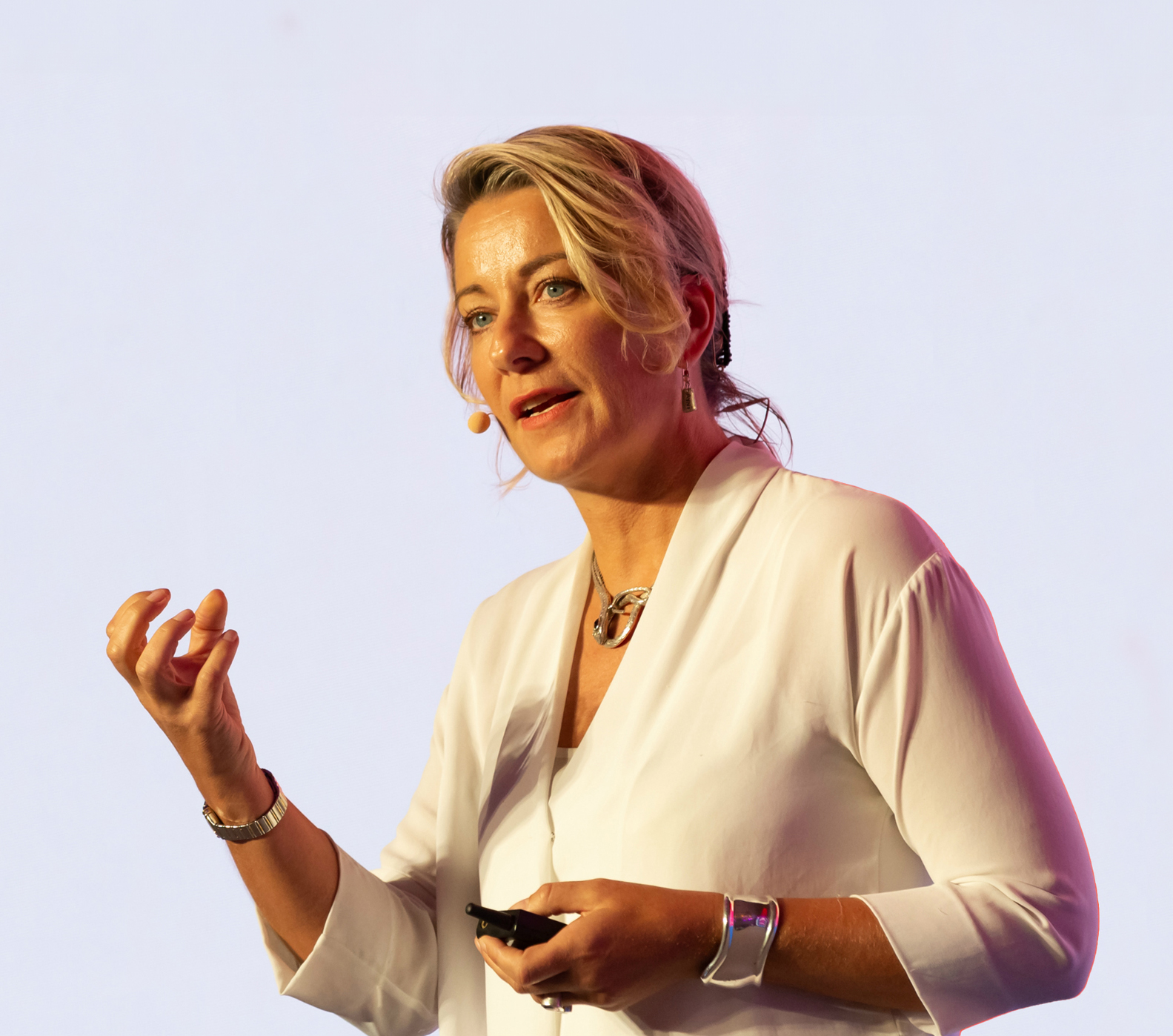
Six Senses understand longevity to be about the future, as opposed to wellness, which is about what we’ve done up to today and are doing right now.
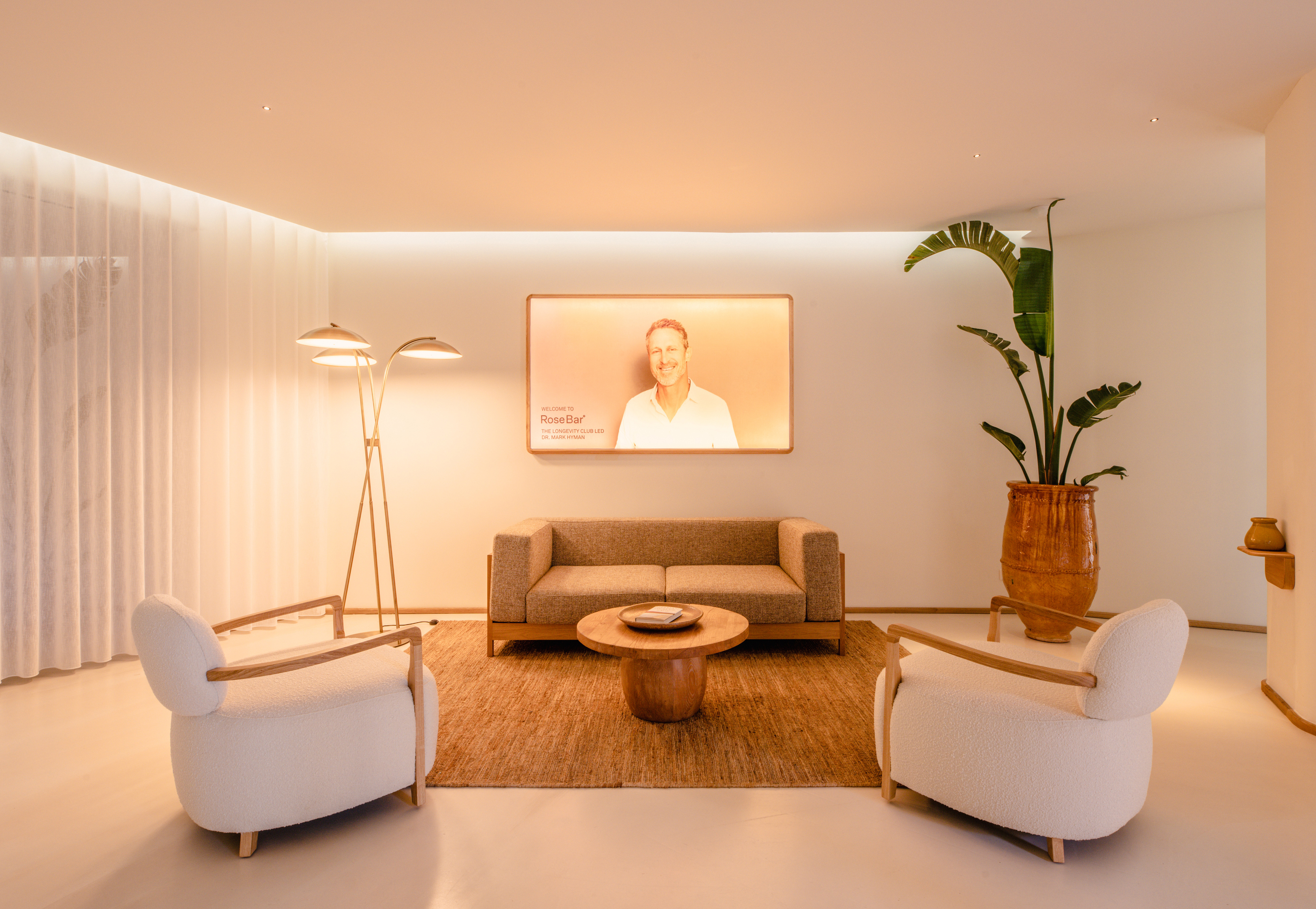
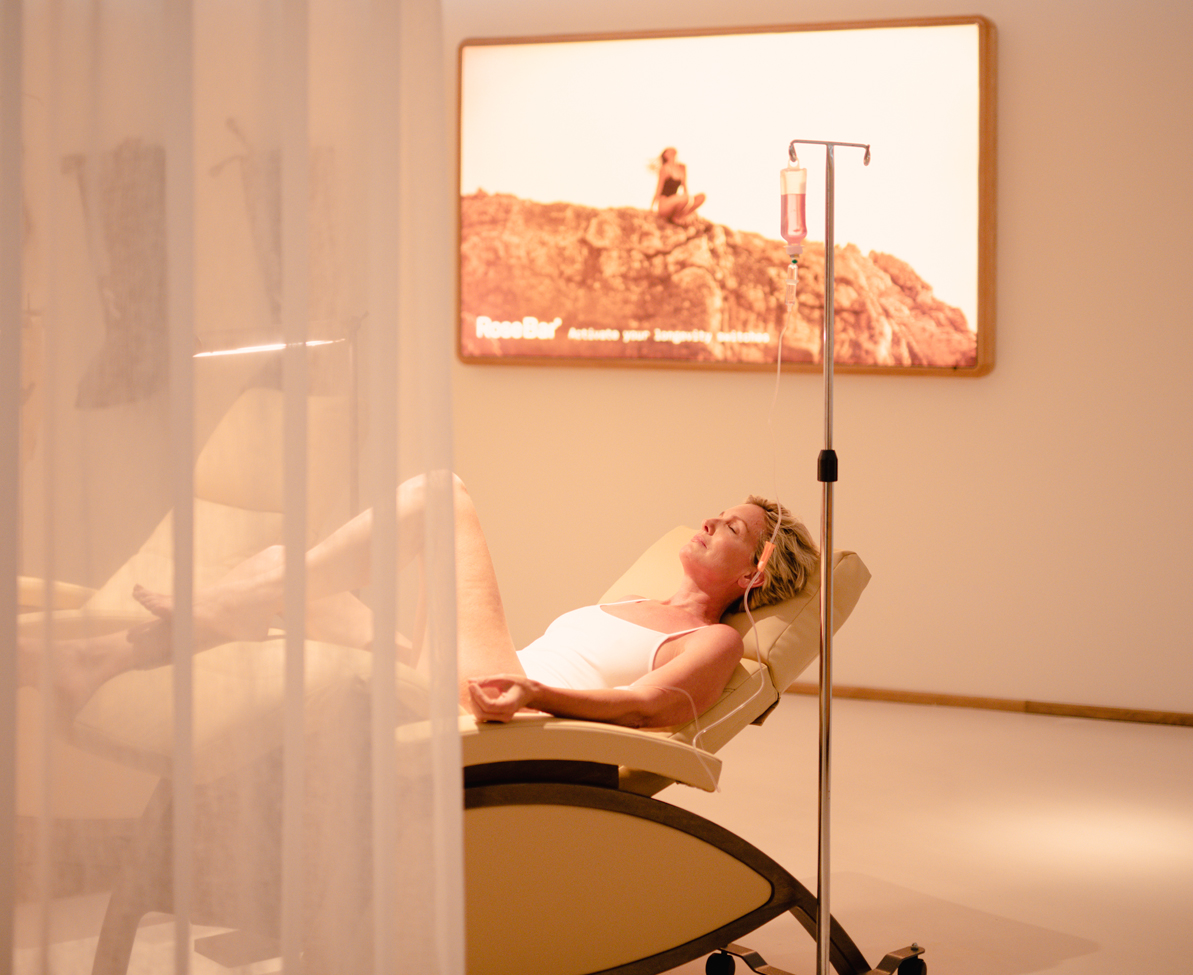
We worked with experts to design our longevity offering and teamed up with Dr Mark Hyman and the Rose Bar longevity club at Six Senses Ibiza and Only Health in Kaplankaya, Turkey to introduce third-party, longevity-focused clinics in 2021.
We’re now in the process of rolling out longevity offerings to other locations: we’ll have a clinic in London when we open our property there in 2025 and there are several others underway. These are all third party clinics, as we don’t want to operate medical facilities.
Six Senses is also launching a longevity programme in Q3 this year. We start with biomarker screening and the use of a continuous glucose monitor to track glucose levels and understand the baseline. Fluctuating glucose is really bad for longevity and high glucose levels are super bad for your health in general. It’s important to learn what makes your blood sugar spike and also how quickly it comes down.
The retreat starts with autophagy: a three- or four-day intermittent fast – with vegan food to minimise protein intake to suppress mTOR signalling – supported with senolytic supplements such as quercetin and fisetin to clean out senescent cells, commonly known as zombie cells. These are old cells that have stopped dividing and many of our diseases come from an accumulation of them in the body. Clearing senescent cells can delay the onset of disease by several years. The average age for disease to start is 63, but if we adopt longevity strategies we can push that back to around 70, which represents a huge difference in life quality.
When we fast for 24 hours we support our stomach, because when it doesn’t have to process food it can focus on cleaning out and building stem cells. Autophagy also boosts the production on Nicotinamide adenine dinucleotide (NAD), a coenzyme that’s vital for metabolism and energy production. Among other things, it converts food to energy, helps to maintain DNA integrity and ensure proper cell function, to protect our bodies from aging and disease.
When we’re born our NAD levels are high and as we age they get lower. After 50 it gets very low and current lifestyles are really good at depleting it. Sirtuins are the soldier cells that feed on NAD and we can keep them sharp by challenging the body via hormesis: a short term stress to wake them up, such as HIIT, hot/cold therapy and fasting. They then play a crucial role in cell survival, energy metabolism, the control of inflammation and healthy ageing.
So our guests start the retreat with ginger and lemon water in the morning and then fast up until lunchtime, when they have a tasty vegan meal. They’ll eat a light, early dinner and fast until the next day.
After three or four days of this intermittent fasting, the focus moves to stimulating the production of the protein mTOR (mammalian target of rapamycin) which controls many cell functions, including cell division and survival and is responsible for the growth of muscle.
We do this by upping guests’ protein intake and working on strategies to build muscle. Loss of muscle mass is a very big problem as people age – especially for menopausal women.
Most people are tired, overstimulated and producing too much cortisol (the stress hormone), so we also do a lot to calm the nervous system and stimulate the vagus nerve, such as breathwork, meditation, somatic experience, hikes and connecting with nature.
The journey to Rebase began six years ago when I faced a severe health crisis that required emergency surgery followed by a very long and gruelling recovery.
My best friend and Rebase co-founder, Waldo Ramsay, supported me every step of the way, making me realise how important maintaining a healthy social life was to my recovery. We became convinced that healing is a collective journey and set out to create a social wellness space that combined the treatments and therapies we found to be the most effective when it comes to de-stressing and recovering from hectic, metropolitan life.
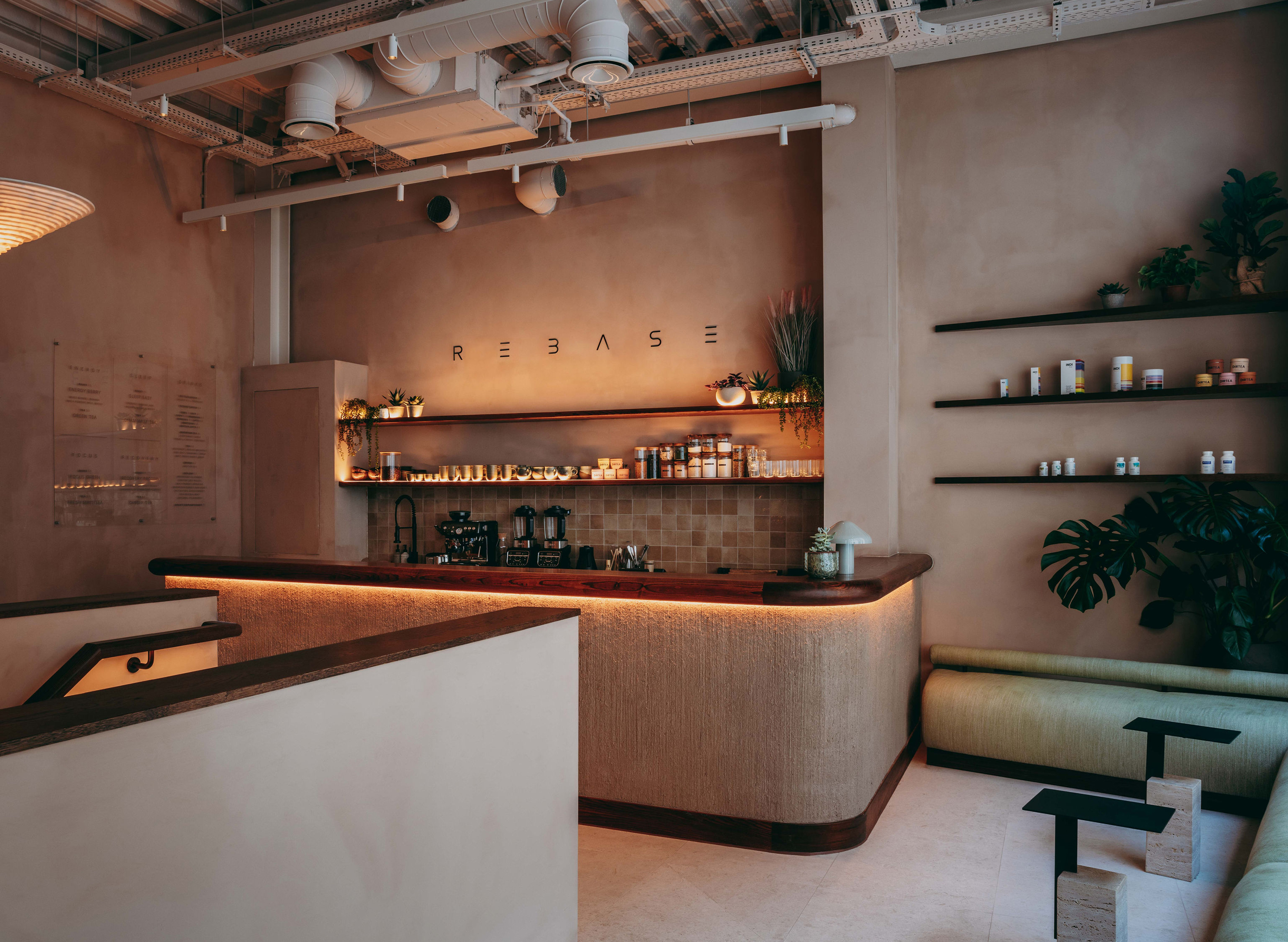
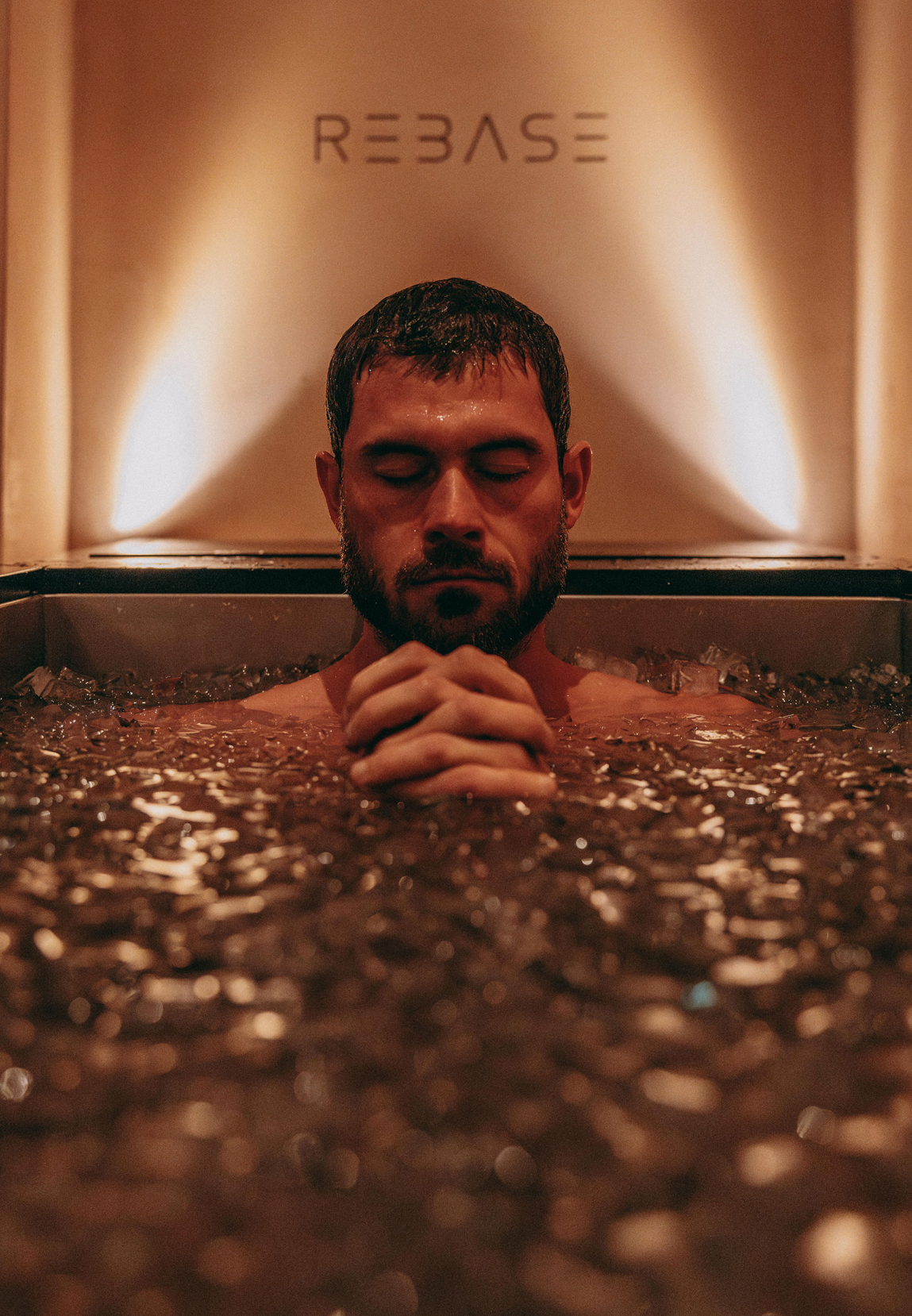
Offering a fusion of ancient practices and modern therapies, Rebase is a community-driven, social hub centred on the myriad of established global traditions of hot and cold therapy. The club offers a range of services, including saunas, ice baths, yoga, hyperbaric oxygen, vitamin infusions and red light therapy. Additionally, Rebase offers an adaptogenic apothecary of health-enhancing beverages such as bone broths, nootropic smoothies and mushroom teas.
By providing a holistic approach to wellness, backed by the latest scientific research, we envision Rebase as an urban-oasis where our members recharge so they can live and perform at their highest level, without getting burned out, injured or over-stressed.
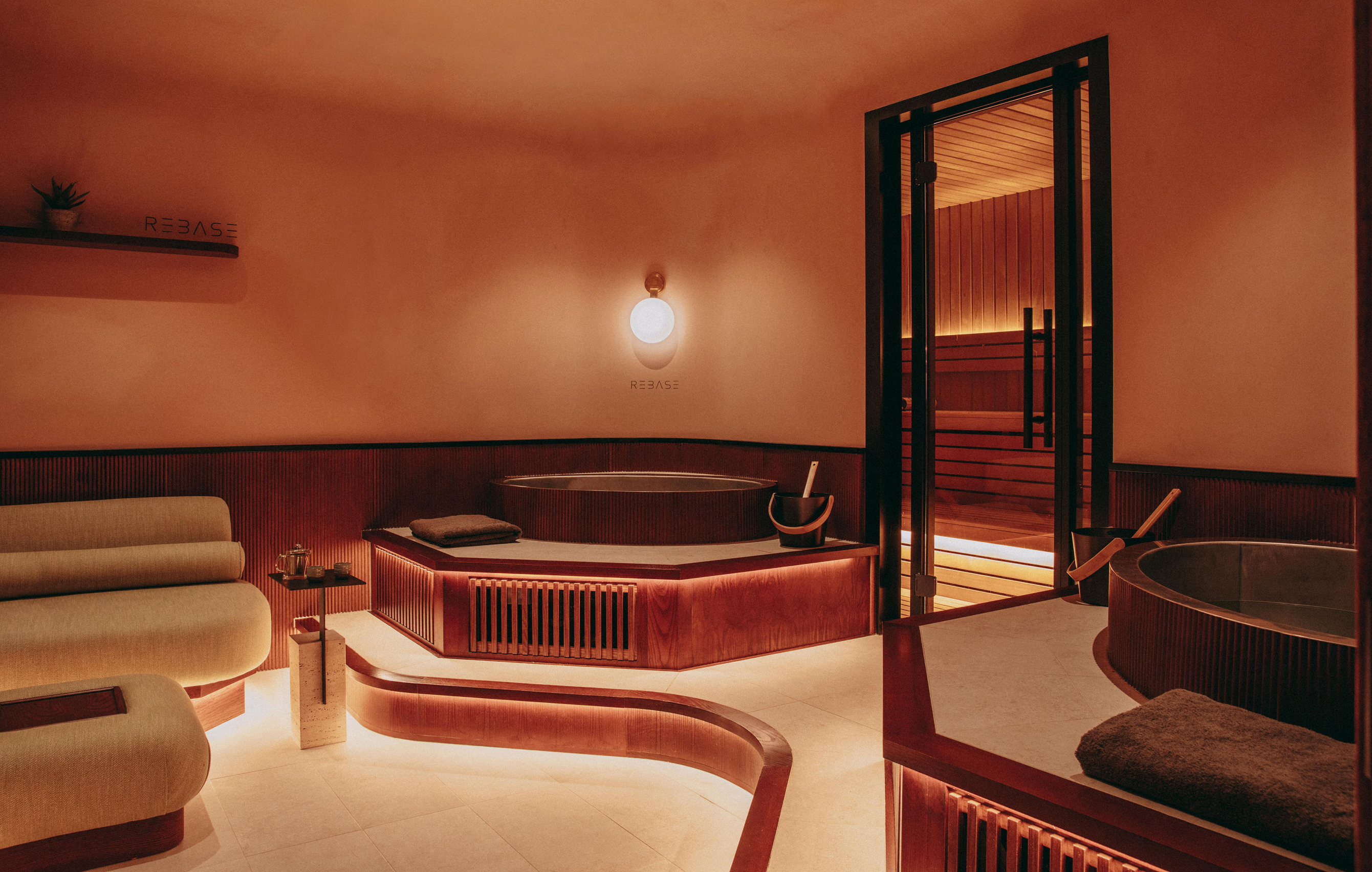
Membership starts at £320 a month and we’ll cap it at 200 to 250. Members have unlimited access to our members’ suite – which has eight ice baths ranging in temperature from five to 12 degrees and a large traditional sauna – and also includes two cryotherapy sessions per month, one hyperbaric oxygen session per month and six guest passes a year, as well as discounts on other services, including manual therapies and osteopathy in the two treatment rooms.
Our classes are a mix of movement, breathwork and guided cold immersion and contrast therapy. Urban Oasis is the most popular and comprises sauna, yoga, ice bath, movement and breathwork. Our evening classes involve sound healing and sleep optimisation.
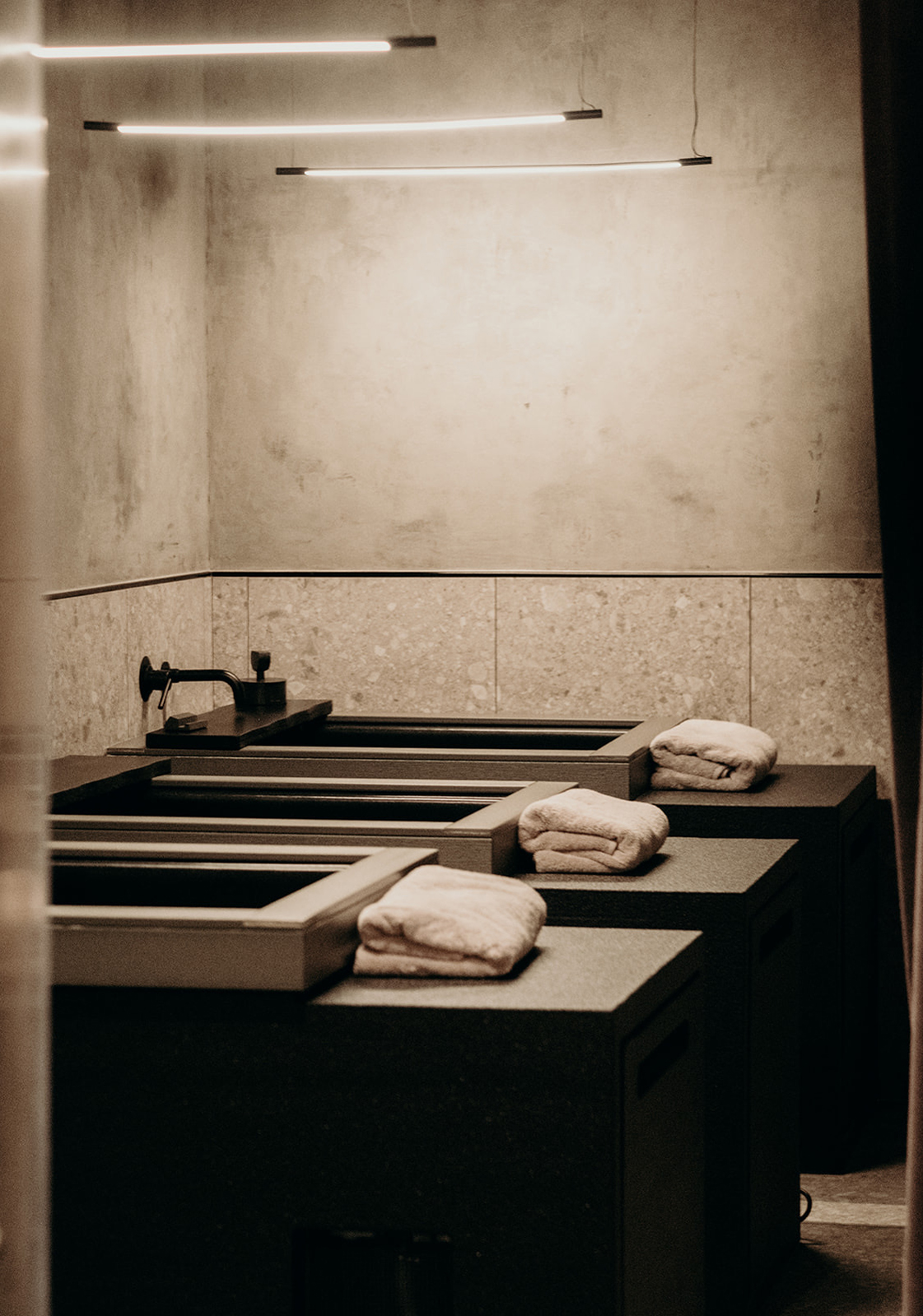
Currently we’re open to non-members, who can book three classes for £60, or rent the four-person hyperbaric oxygen chamber for £160 per hour. The private contrast suites can be rented for 45 or 90 minutes and gives a new spin on socialising: they include an ice bath and infrared or traditional sauna and have a sofa, speaker system and intercom to order drinks. Yoga, massage and stretching can be added on.
We’re noticing a global trend for more people wanting to take control of their health with wellness practices and we plan to open further sites in the UK, including more in London, the Home Counties and further north, in Manchester or Liverpool.
At Grey Wolfe we’re putting the private into private members’ club: when people visit they’re alone, unless they choose to bring a guest. Post-pandemic there’s been a big focus on community, but this is a space where people can come back to themselves, in solitude, and receive one-to-one treatment from our therapists.
Our USP is individual care, we want our members to feel they’re the only person on the planet when they’re with us. They stay up to four hours for a journey of bio-tech and bio-touch. The individual aspect allows people to open up in a way they wouldn’t if there were other people around.
Our members are people who value this privacy. Some of them are famous, we also have a lot of C-suite people, as well as successful middle-aged women who’ve reduced their working hours to prioritise themselves: putting health over wealth.
Many clients find us because they’re searching for biotech, such as infrared saunas and hyperbaric oxygen chambers, or poultice quartz massage (a massage with quartz crystals in poultices performed on a heated quartz bed), but we go deeper and help them find the root cause of their back pain, or sleep issues.
Our focus is healing from the inside-out to create what we call bio-harmony. We get lots of feedback, digital – from our machines– and qualitative, such as the person in their 40s who’s had insomnia for decades, but had a deep sleep after being with us, which has helped their anxiety, performance at work and personal relationships.
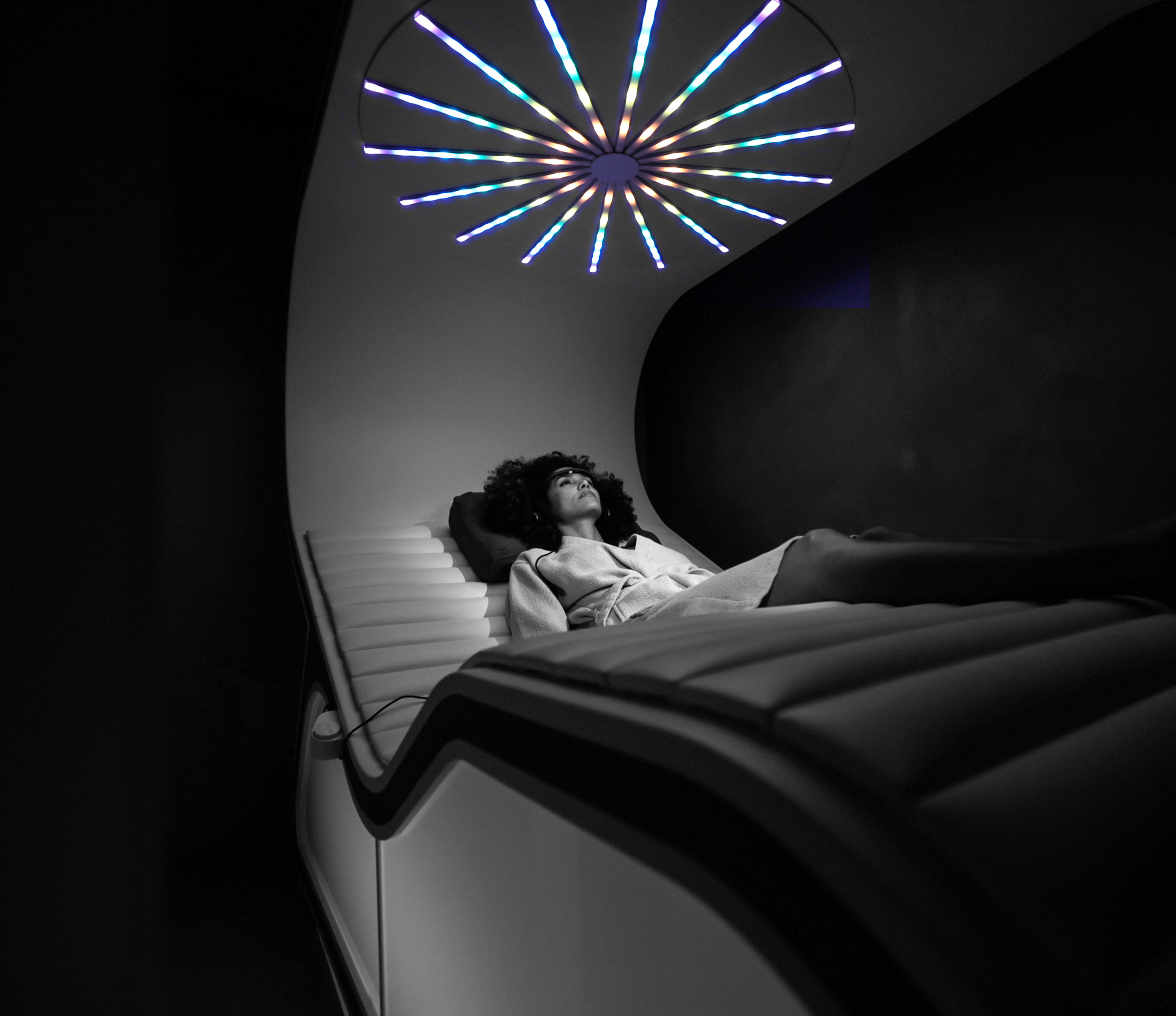
It’s a very gentle space, there’s no workout equipment, it’s not adrenaline-fuelled in any way, it’s all about recovery and the mental, emotional and spiritual. We teach people how to switch off, using equipment such as the Rebalancer Impulse – a comfortable, zero gravity bed with light therapy on which people do breathwork to help them meditate.
At the beginning of each quarter we sit down with our clients and go through their goals and progress and design a four-hour Recharge Journey for them involving biotech and one-to-one therapy. In between these sessions they can follow a prescribed programme, or use the facilities as they wish.
Membership costs £488 a month and includes one Recharge Journey a quarter; eight biotech sessions a month – or more if there’s late availability – and one hands-on treatment a month. Talking and nutrition advice from therapists is included as standard with membership. There’s a joining fee and we encourage people to stay for a year, as that’s most beneficial, but they can leave with three months notice.
It’s a very minimalist environment with natural materials, such as stone and wood. There are no TV screens, or artwork, it’s a blank canvas to allow the mind to wander and to relax and rest. The founder, Sarah Jones St John, wanted to create a place where people can come back to themselves and engage with who they really are, so they can reconnect with their inner self. There’s a strong spiritual element to our offering and in digging into root causes of health issues we address the mental and emotional state, such as inter-generational trauma and the inner critic.
We want to break down the barriers by putting information out there through our blog, social media channels and events for non-members, including breathwork, sound healing and journalling. As our approach is around healing from within, we create the environment for people to rest, recover and learn how to look after themselves. However, a lot of what we offer can be found another way, for example forest bathing or lying in the dark at home and meditating.
We’re already looking at launching Grey Wolf two, three and four. We see them as potentially being concessions in hotels, workplaces, luxury accommodation and even airport lounges. We’d like to open the next site before the end of the year, are in discussions with a couple of hotel providers, which could be an international opportunity. We’ve also designed a corporate package.
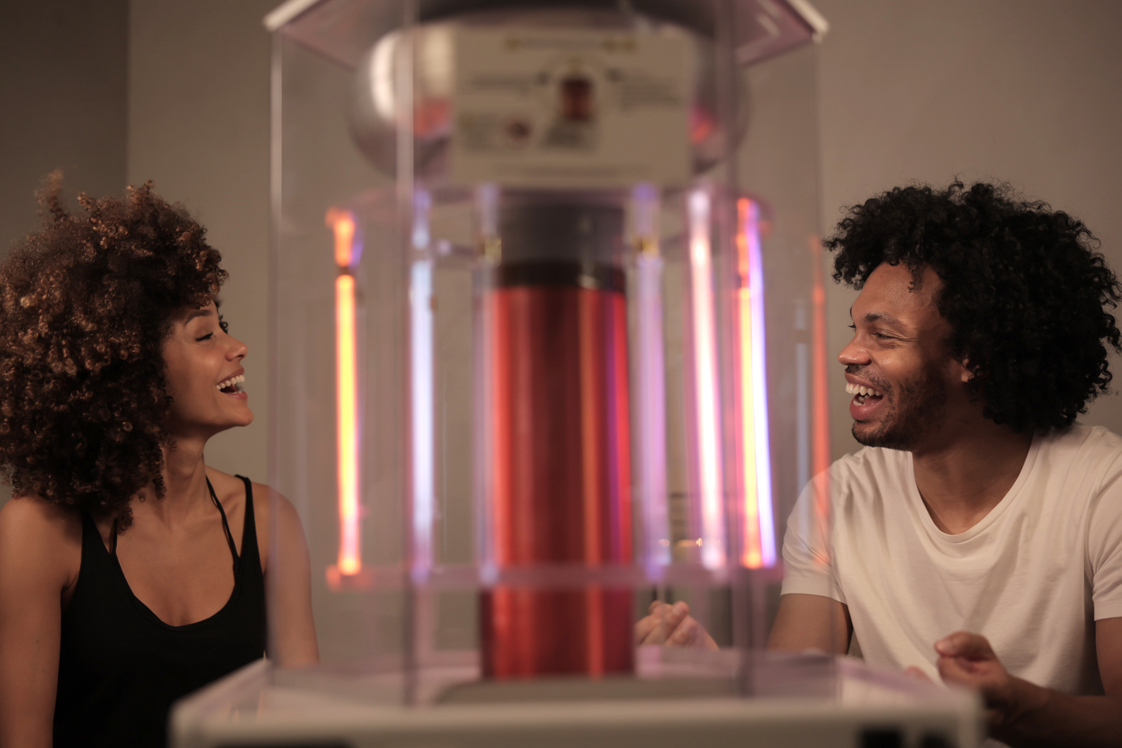
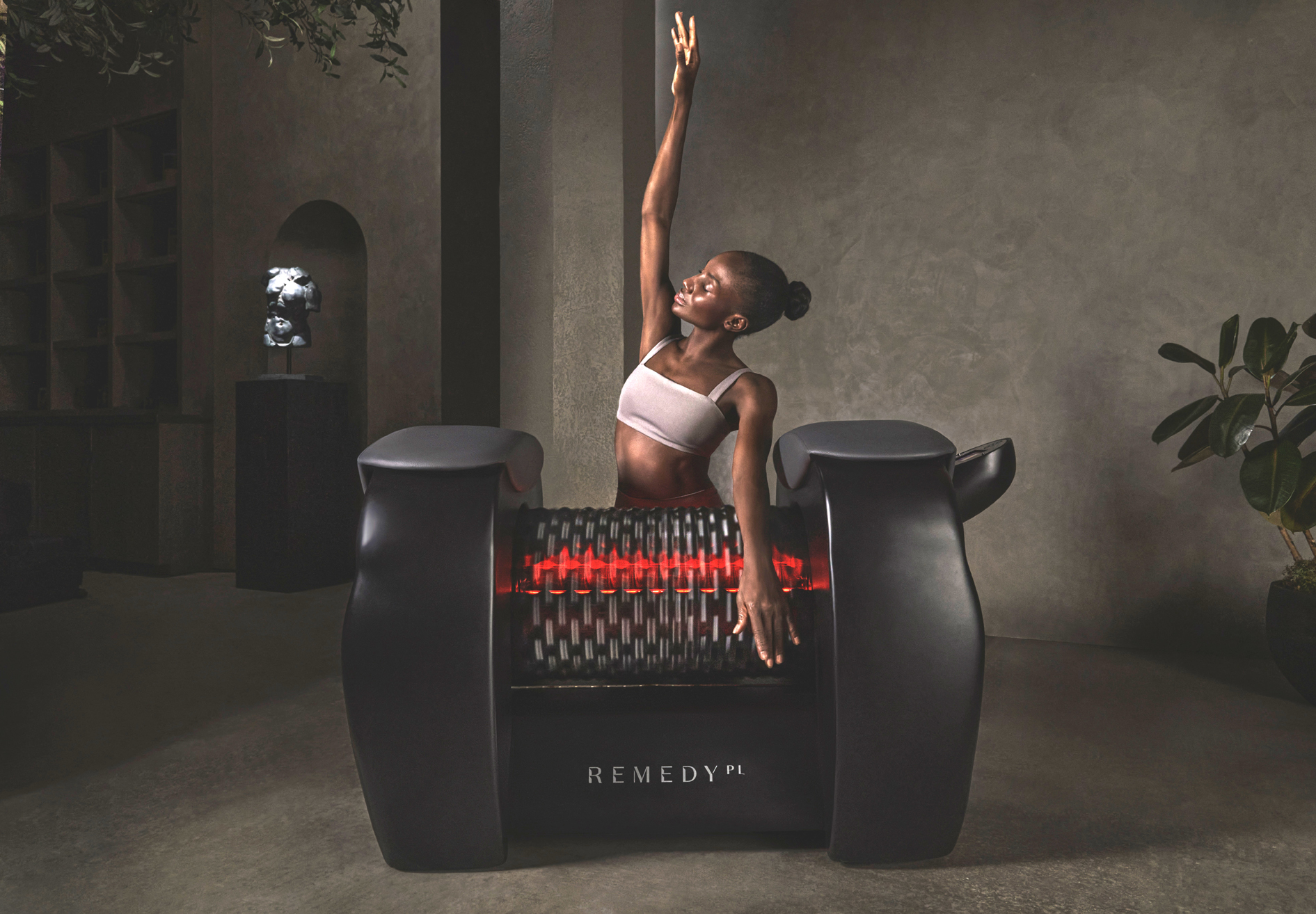
Since the launch of Remedy Place in 2019, we’ve noticed a significant increase in people’s interest in longevity. More individuals are proactively prioritising their health, not just for extending lifespan but for enhancing their quality of life, we’ve particularly noticed an interest in active ageing.
At Remedy Place, we emphasise self-care and preventive measures while giving people a healthy way to socialise. This shift reflects a broader awareness that true longevity isn’t just about adding years to life but having a direct correlation to a successful and happy life.
I believe this interest in longevity is here to stay. As awareness grows about the importance of proactive health investments, people will increasingly focus on tailored self-care strategies rather than just reactive treatments. Additionally, the holistic approach to longevity will gain prominence and will be the first-line of intervention for all things that are not an emergency.
There will no longer be such a focus on symptom solutions – people will know they have to address the root cause and that will always be shifted by lifestyle changes and holistic approaches.
Longevity/self-care/health, whatever you want to call it, will be blended into every aspect of our life and I truly mean every single thing we interact with. Lastly, people will start to understand that success rises out of whoever is the most healthy.
As awareness changes, accessibility will also change. Longevity doesn’t have to be expensive and I think over time there will be many ways and approaches that will bring about broader access. Remedy Place offers a luxury experience that makes people feel better, but you don’t have to go to places like Remedy to be healthy. People just need to learn how their body works and how to take care of it: movement, nutrition, taking care of mental health, improving sleep, breathwork and self-care.
Although Remedy Place will always be a luxury brand, our goal is to use our brand as a platform to provide free education to teach people how to establish their own health independence in the most cost-effective way possible. Earlier this year, we introduced The Framework, a complimentary educational platform providing a roadmap for life across seven pillars of holistic wellness (https://theframework.remedyplace.com).
Remedy Place was the world’s first social wellness club, launched in Los Angeles, followed by New York. There are plans to take the brand global and we’re on track to open two more clubs each year. Our third club, in Soho, NYC, launches in Q3 this year and is the largest yet at 7,400-square-foot. It will offer a full range of innovative wellness experiences, including the debut of AI-powered, deep tissue bodywork, alongside other signature remedies designed to elevate holistic self-care.
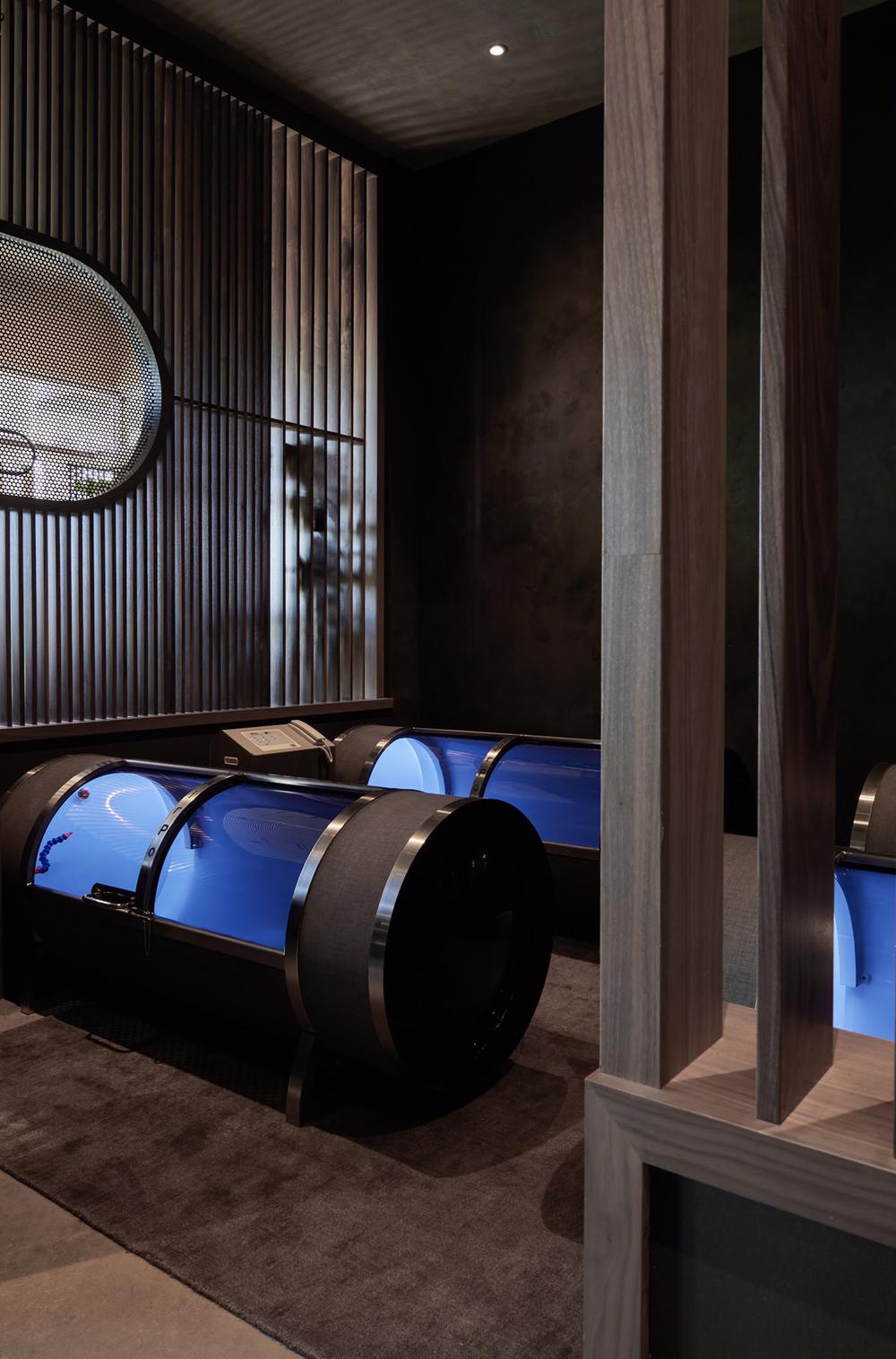
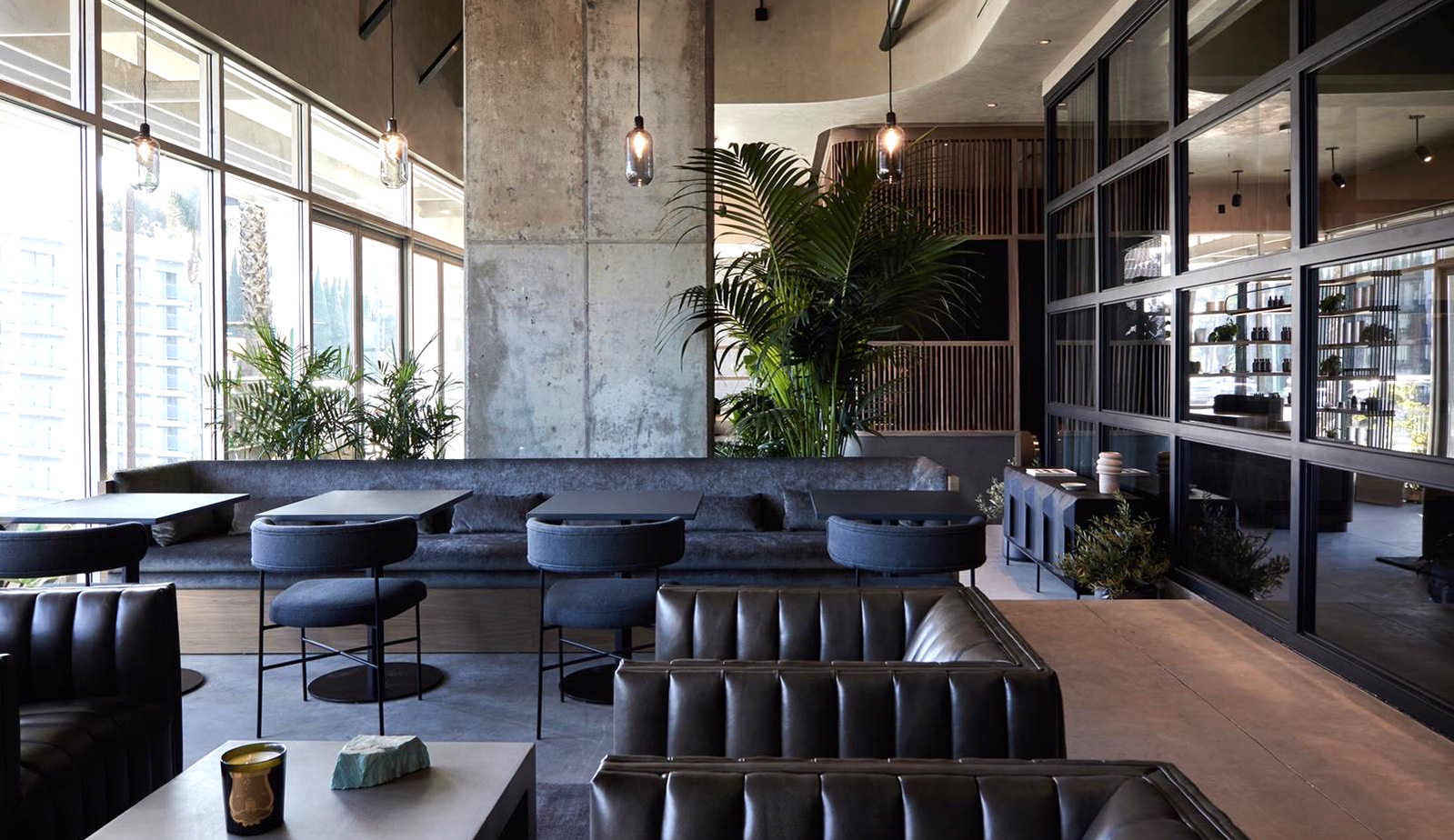
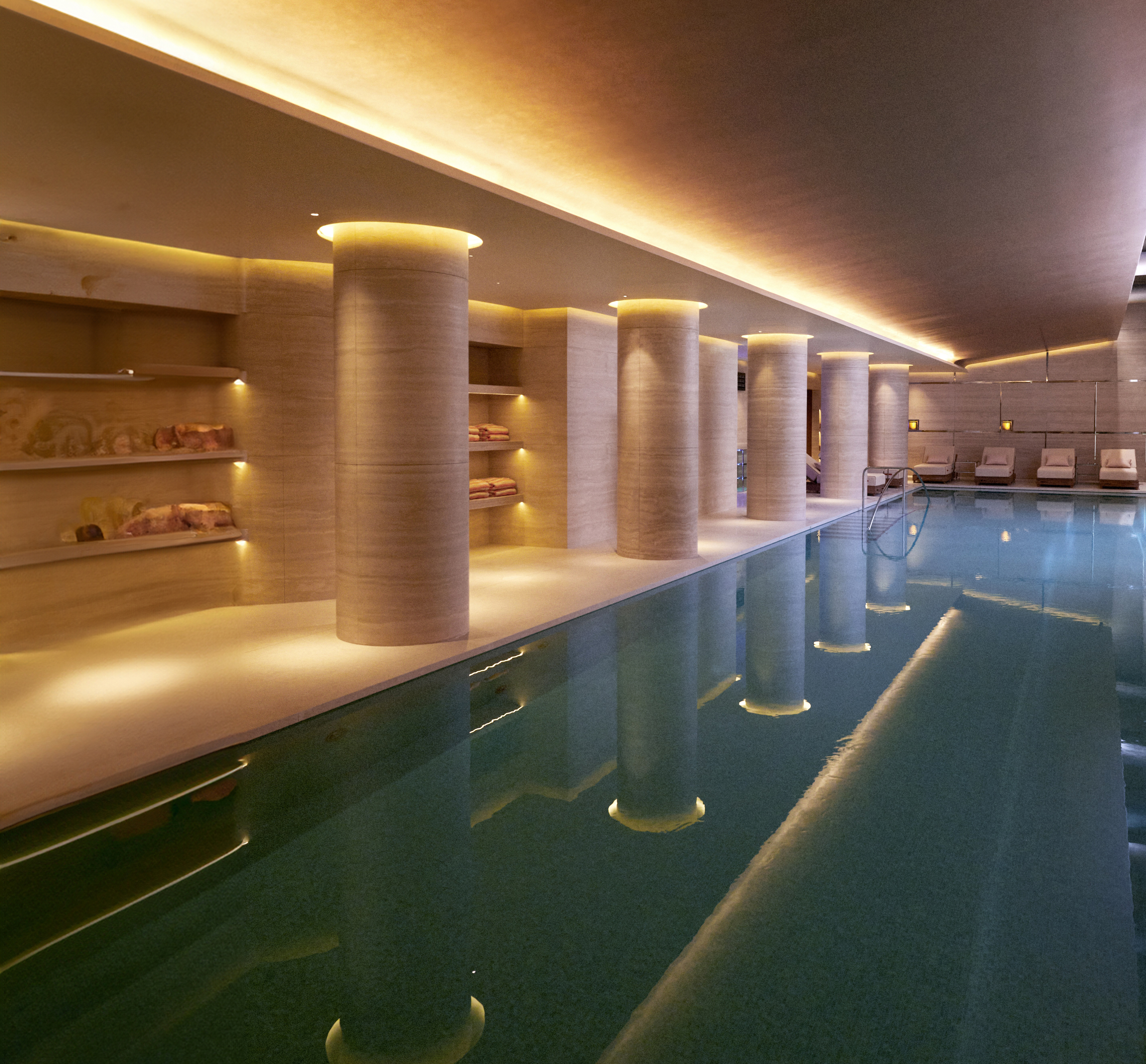
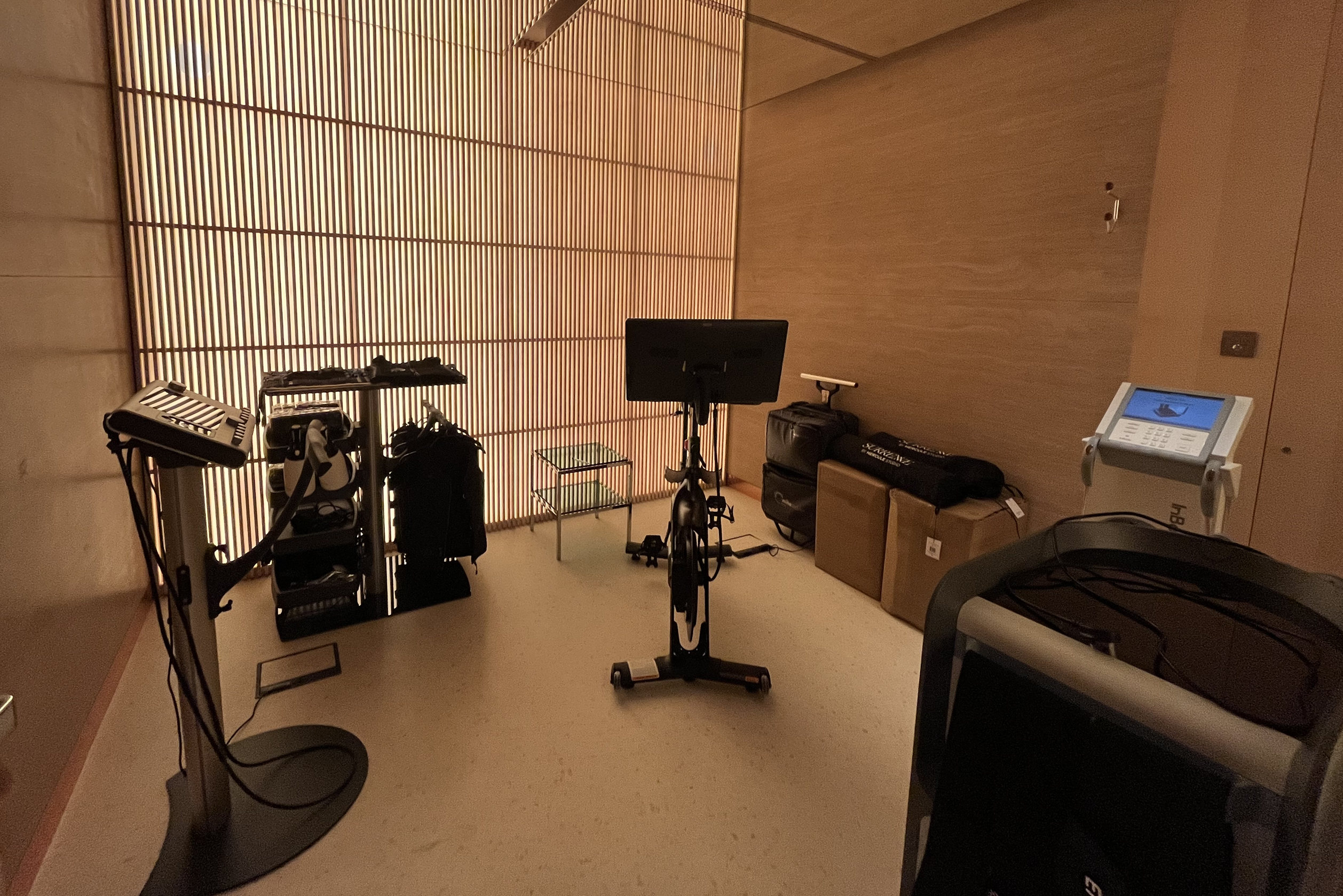
Heralded as London’s next-generation longevity space, Surrenne is a 2,000sq m private members wellness enclave spanning four floors beneath The Emory, an all-suite hotel in Knightsbridge.
Developed by Maybourne Hotel Group, Surrenne has been created as a longevity brand to roll out around the world and Maybourne is already working on five more Surrenne developments at properties in Europe and the US.
Every detail was considered to ensure Surrenne is at the forefront of science, diagnostics, functional medicine, fitness, holistic wellness and preventative medicine. The luxurious setting has been designed to be an antidote to the hardcore science which runs through it: it’s a true body, mind and soul offering, as soon as you step through the door the nervous system enters a calmer state, thanks to the specially-curated soundscapes, lighting and fragrances.
Neuroscientists were used to design these sensory aspects, including a golden lightscape with circadian lighting, an ever-evolving soundscape driven by AI and a bespoke fragrance, all factors proven to enhance wellbeing. Data shows how smell influences neural pathways and these have been very well received.
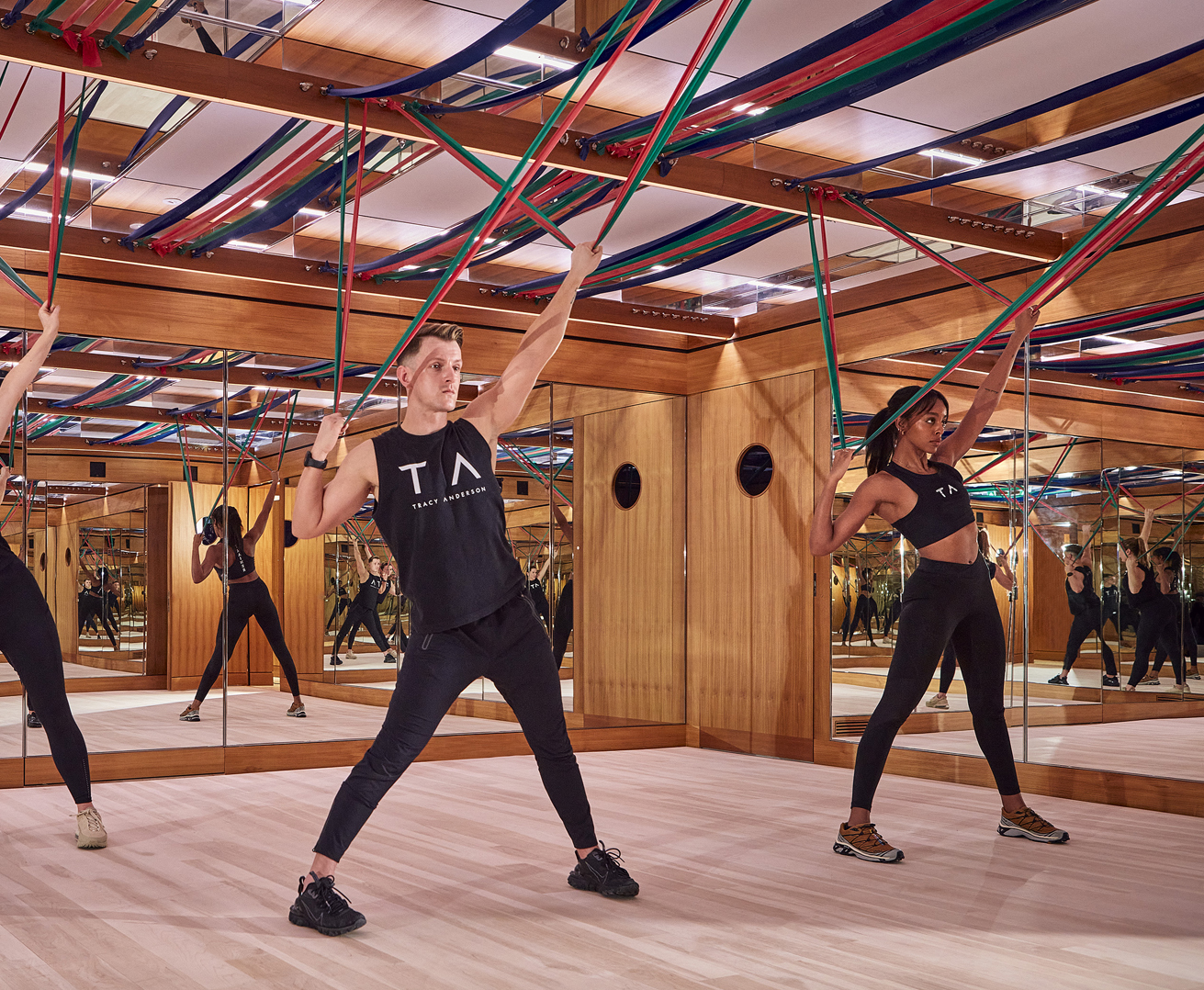
Maybourne partnered with welltech specialist, Virtusan, for the launch period to benefit from its advisory board which includes mindfulness and self-compassion specialist, Dr Shauna Shapiro; professor of neurobiology and podcaster, Dr Andrew Huberman; and Harvard professor of genetics, Dr David Sinclair. Other specialists on board include fitness pioneer Tracy Anderson, nutritionist and functional medicine practitioner, Rose Ferguson and skincare guru and plastic surgeon, Dr Lara Devgan.
Annual membership for the London club costs £10,000 (US$12,662, €11,752), with an additional £5,000 (US$6,331, €5,876) joining fee: 100 were quickly sold. Membership provides access to almost £60,000 (US$76,500, €70,100) worth of treatments and diagnostics every year.
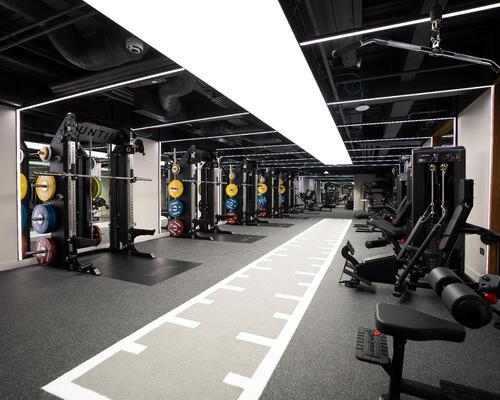
Hotel guests from The Emory and neighbouring hotel, The Berkeley, have access to the wellness facilities that include a thermal pool, sauna, aromatherapy steamroom, snow shower, gym, group exercise studio and the UK’s first Tracy Anderson studio, as well as eight treatment rooms.
Although many members are well-versed in longevity and already have a team of doctors and specialists, Surrenne is brand-agnostic, so our head of medical collaborates with members’ specialists to complement their existing health journey. Along with their day-to-day wellness routine, members can access life-saving diagnostic tests, and then – via our partnership with OneWelbeck – be referred to specialists within 48 hours.
The journey starts with a clinical check-up by 3 Peaks Health and insights are used as the foundation for bespoke, solutions-focused plans created by a team of fitness specialists, nutritionists and physicians. Members have access to an extensive menu of services, ranging from GP consultations, MRIs and blood tests to mammograms, microbiome analysis, chiropractic and epigenetic testing. Advanced medical interventions are available via the OneWelbeck partnership, including brain scans, carotid artery ultrasounds, AI mole mapping and liver function tests.