










Follow Health Club Management on Twitter Like Health Club Management on Facebook Join the discussion with Health Club Management on LinkedIn
FITNESS, HEALTH, WELLNESS

features

Talking Point: Fat shaming

Bristol University has commited to embracing body positivity, creating more inclusive physical activity environments, rejecting diet culture and raising awareness of eating disorders across its sports and fitness provision. Should the rest of the fitness sector follow suit? Kath Hudson reports
Published in Health Club Management 2020 issue 9
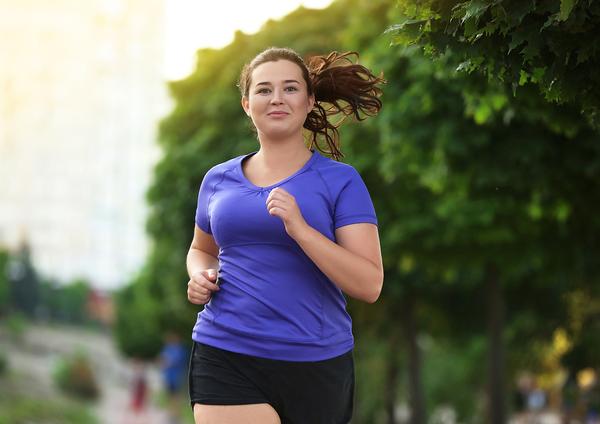
Exercise is being reframed as a way to learn new skills and have fun, rather than as a punishment / SHUTTERSTOCK.COM / Africa Studio

Led by its Student’s Union, Bristol University’s campaign to reject diet culture and weight stigma will see its fitness instructors and sports captains being given bespoke training, which has been created by the university, in collaboration with eating disorder charities, BEAT and WorkEDout.

The training will educate those involved with physical activity in creating inclusive environments and updating language so clichés such as “burn those calories” will become a thing of the past.

The reasons for doing this are twofold: so those who are vulnerable to eating disorders and over-exercise don’t get triggered in a gym environment, and so those who don’t have thin privilege – the ability to go anywhere without being judged for not being the ‘right size’ – feel that they belong too.

Bristol University and WorkEDout are keen for the rest of the industry to follow their lead. With both obesity and eating disorders on the rise and costing the NHS millions each year, and with the issue of obesity-related deaths from COVID-19, should Bristol University’s approach become an industry standard? Could this help get more people active and healthy? We ask the experts…
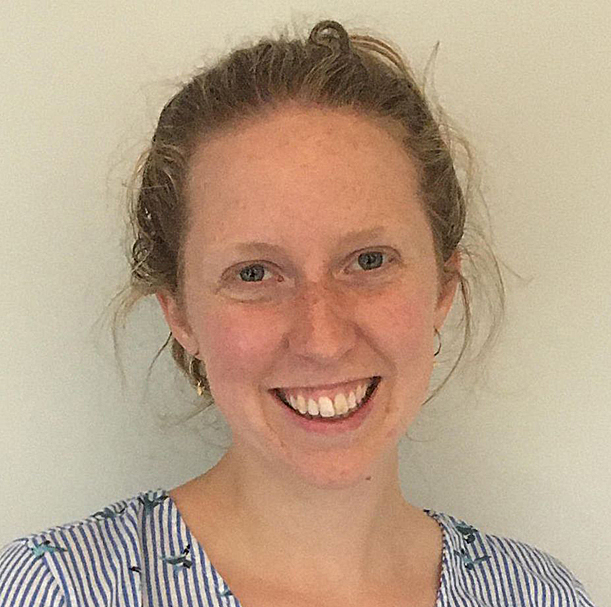
Abbie Jessop
Bristol University: student advisor to Bristol Sports Exercise and Health

The messaging that thin equals healthy is all too prevalent in the fitness industry, cultivating and perpetuating a harmful dialogue with our bodies, putting the focus on aesthetics, rather than strength, skills and power.

Commonly used language such as “let’s burn some calories” or “slim those waists” presents exercise as compensatory and punishing. It also promotes disordered thinking around food and exercise, which can have extremely negative consequences for those who are vulnerable to eating disorders.

When the industry reframes exercise as an opportunity to have fun, learn new skills and strengths, and build a community around health-promoting behaviours, instead of as a remedial necessity or even a punishment, more people will take part and sustain such behaviours. For example, “I’m starting a new class, learning Olympic weightlifting techniques and meeting new people” is a more positive and, crucially, unharmful way of presenting the motivation to exercise.

When the industry reframes exercise as an opportunity to have fun and learn new skills and strengths, instead of as a punishment, more people will take part

At Bristol University, we’re addressing this issue through the provision of a training programme which educates fitness instructors, sports captains and sport society presidents in cultivating inclusive, non-judgmental environments. The training covers weight stigma, diet culture, and the harms of fatphobia on all bodies, particularly when promoted within the fitness industry, as well as explicitly looking at eating disorders and how to spot the signs that someone might have one.

We would like to see fitness qualifications prioritise the cultural and social climate in which professionals practice, by including modules and additional training or accreditation in this area.

Leah Newton
WorkEDout co-founder

I launched the WorkEDout campaign a year ago with fitness instructor Carly Wilkinson in order to raise awareness of eating disorders in the fitness industry and empower fitness professionals to educate themselves to recognise, approach and refer clients with these disorders.

Having personal experience of an eating disorder, which took me to the brink of death, I’m all too aware of how exercise can be a massive trigger for people with eating disorders and how the simple use of language in an exercise class can make individuals feel very unsafe.

There is a lot of stigma and misunderstanding around these illnesses, which are on the increase. Some 1.6m people suffer from eating disorders in the UK, and this is increasing by 7 per cent each year. A survey among Bristol University students found that one in five believed they had started to suffer from an eating disorder since beginning their course. Sadly it is also a condition that kills, claiming 10,200 lives each year.

As gyms and fitness studios have the potential to be triggering environments for those vulnerable to eating disorders, and there is an overall lack of understanding around this, it is incredibly important for the fitness industry to take this issue seriously. We need to challenge the prevalent culture which praises people for exercising and losing weight, as well as the outdated notion of burning calories.

Having personal experience of an eating disorder, which took me to the brink of death, I’m all too aware of how the use of language in an exercise class can make individuals feel very unsafe

With so many other powerful elements of how exercise makes people feel and move, the industry doesn’t need to be powered by diet culture. To help support the industry to change, we are currently exploring options for creating a CPD accredited course for fitness professionals and, going forward, planning to offer in-person and online content. We hope the industry will embrace the change being spearheaded by Bristol University.

Kate Dale
Sport England: campaign lead for This Girl Can

Although everyone in the health and fitness sector wants to offer an inclusive space, it is important that we collectively keep learning and striving to do more – we can never be too inclusive and there are always new members of society to reach out to. Everyone coming through the doors brings memories and baggage, which can make them feel vulnerable.

While the sector has done really well with becoming more inclusive with imagery – representing every type of woman has been at the heart of This Girl Can’s work since its inception in 2015 – I think Bristol University is right in saying that some language has become so entrenched that we don’t even realise we’re using it.

We have to consider that not everyone who walks through the doors of a sport or physical activity facility will be full of confidence about being there – it could have taken months or years of courage to get to that point – so the language we use is incredibly important in laying the foundation for a positive experience.

To give one such example, one woman told a This Girl Can research focus group that she walked out of a leisure centre after being asked by the receptionist “how far can you swim?” Although it was an innocuous and well-meaning question, intended to signpost her to the right pool, as an agrophobic who had been coaxed out of the house by social services, it felt like a judgement. People fear judgement from others, but also often harshly judge themselves.

Eating disorders and over-exercise are both incredibly difficult subjects to broach, so I think it’s a good idea to keep upskilling in this area, so fitness professionals have the confidence and vocabulary to handle these difficult subjects while knowing the signs to look out for and what to do.

Many people view exercise as a punishment they have to do after eating “forbidden calories”, with this often being compounded by a session on the “dreadmill”

It’s also true that many people view exercise as a punishment they have to do after eating “forbidden calories”, with this often being compounded by a session on the “dreadmill” – both of those terms being common to hear serves to enforce just how important it is that we keep pushing to position exercise as an activity that is fun, empowering and which gives you some space.
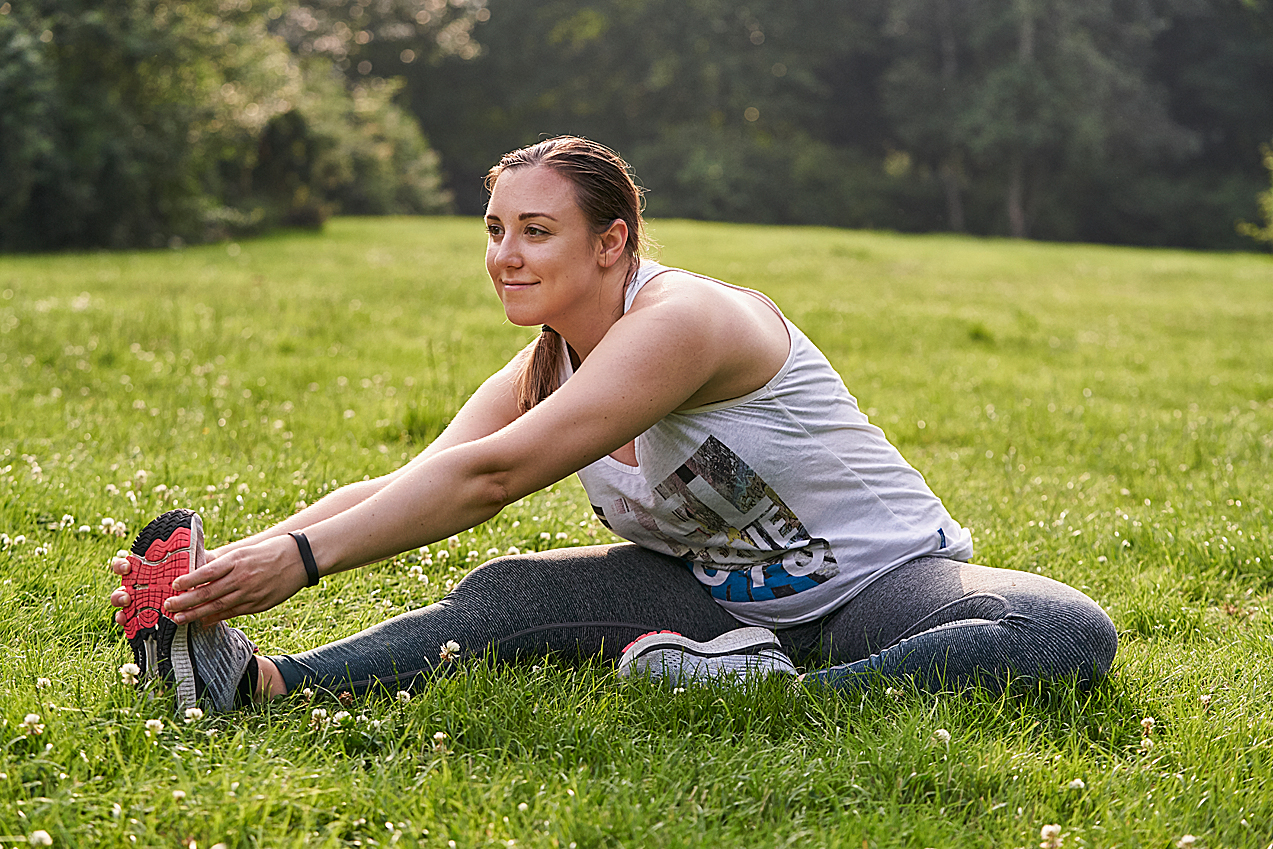
This Girl Can uses imagery that is representative of every type of woman / Photo: sport england/this girl can
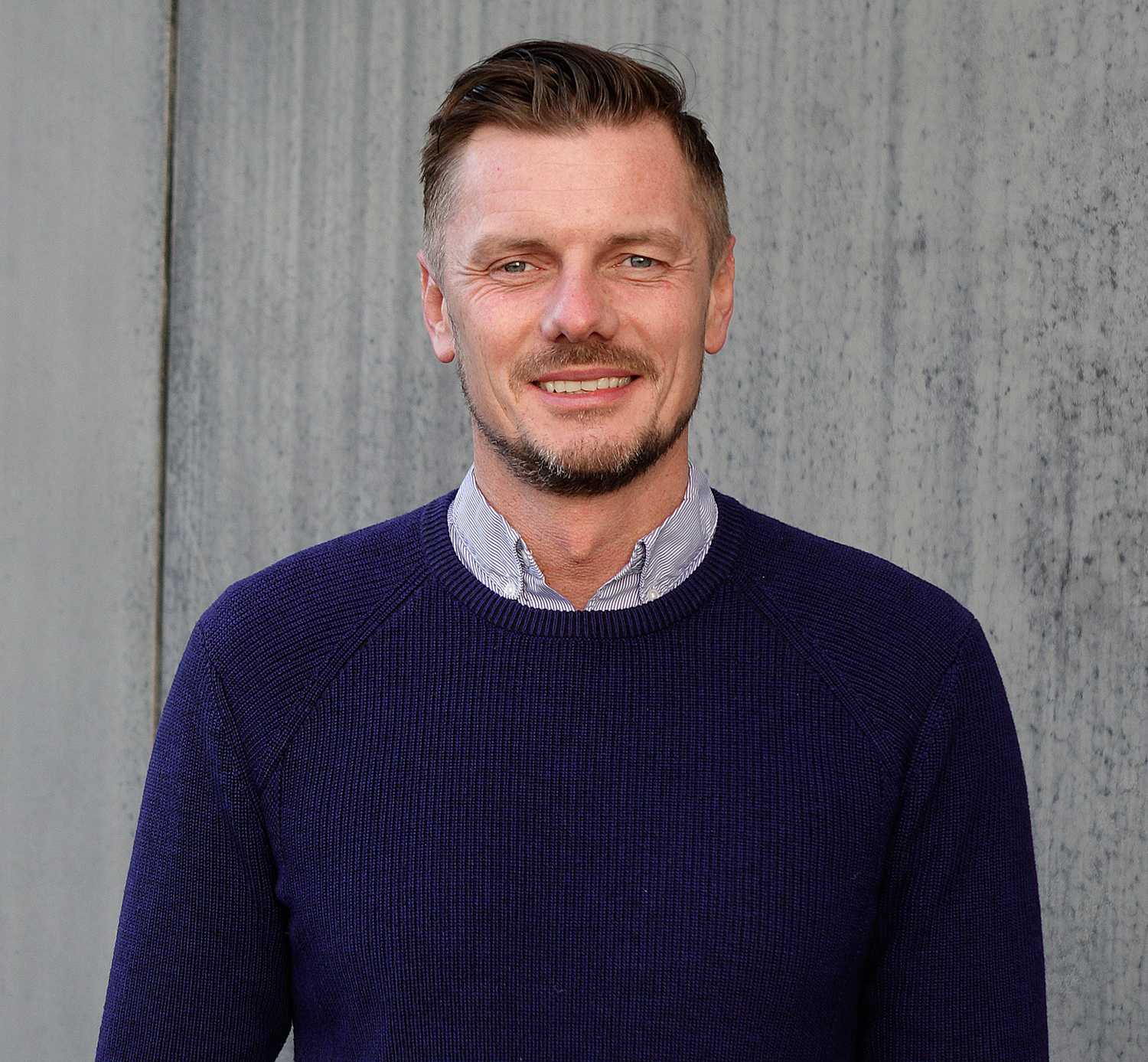
Colin Huffen
CIMSPA: head of education

The training of fitness professionals and the way fitness is offered and consumed is continually evolving, as the industry responds to the need to reach out to all types of customers. CIMSPA will support any organisation wanting to provide additional support and training for fitness professionals and so we offer our support to Bristol University to develop the training in a way that meets an industry-led need and engages with fitness professionals.

It is important not to land the perceived problem at the door of the fitness professional, which would likely alienate them, and so we would support Bristol University in taking a wider look at how they could support the whole industry in addressing the problem they have identified.
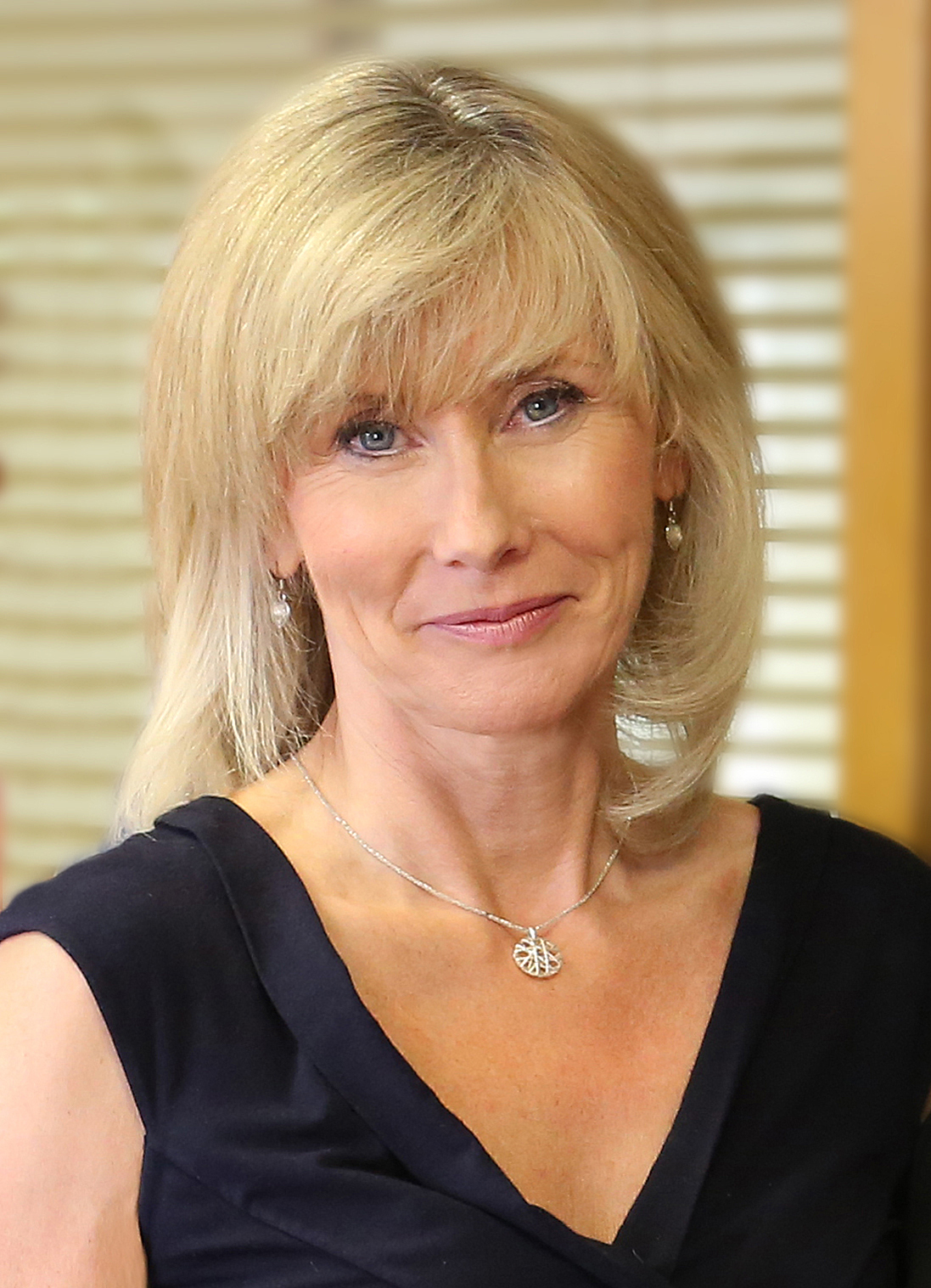
It’s important not to land the perceived problem at the door of the fitness professional, which would likely alienate them
Jenny Patrickson
Active IQ: managing director

The conversation on the gym floor should always aim to avoid using terms like ‘fat’ and ‘thin’ and discussing diet choices in terms of ‘good and bad foods’.

Good instructors and trainers usually emphasise that physical activity is for health, wellbeing and how you feel, not how you look. Group exercise instructors and PTs have a big role to play in creating a non-judgemental environment and setting the right tone at a gym or club.

Understanding the best terminology to use, and avoid, is included in Level 2 and Level 3 qualifications and training, alongside more emphasis on effective communication skills. Over the last few years, we have increased the amount of guidance and content around softer skills and consultation skills so that trainers are able to read and listen to clients more effectively. We have shifted from a paternalistic approach to a consultation approach that is a shared journey with the client. Our qualifications also include elements of motivational interviewing and behaviour change theory to help PTs and instructors support their clients in taking responsibility for their actions and activity.

While of course it’s important to speak to people carefully and non-judgementally, we cannot let things swing too far the other way by letting political correctness stop us from sharing the irrefutable fact that being overweight increases people’s risk of disease.

Of course, ‘fat shaming’ is wrong – but so too is avoiding talking about weight issues altogether

We must ensure instructors and PTs have the necessary skills and confidence to have that important conversation with clients without fear of being criticised. Of course, ‘fat shaming’ is wrong – but so too is avoiding talking about weight issues altogether. By upskilling trainers to understand how to speak to overweight clients in a sensitive and understanding manner and position physical activity and its relationship with food appropriately, we will start to see the tide turn.

Of course, ‘fat shaming’ is wrong – but so too is avoiding talking about weight issues altogether
Marco Coppola
Better: National health and fitness manager

This is an interesting initiative from Bristol University and, as we move forward to tackle obesity, Better would welcome a review of all language, training materials and products in the exercise industry, to ensure there is no stigma and that they focus on the health and wellbeing benefits of exercise, for all ages and body types.

At Better we don’t believe in stigmatising anyone, which is why we use a variety of ages and shapes in our marketing material, reflecting our diverse customer base. Weight alone is not the only determinant of health and wellbeing and we advocate the strong benefits of exercise for healthy weight management, as a mood enhancer, promoting cardiovascular health, boosting confidence and a social opportunity, whatever your shape or size.

Obesity and eating disorders are both conditions that cost the NHS millions of pounds a year and, as a nation, the UK is one of the least active and most unhealthy in Europe. We also now know that obesity is a greater risk factor regarding COVID, so there needs to be an intervention, which must be done in a balanced way. As a result, Better will soon be launching programmes aimed at tackling obesity, due to its role in compounding health inequality in some of our poorest postcodes.

We now know obesity is a risk factor in relation to COVID-19, so there needs to be an intervention, which must be done in a balanced way
Creating a comfortable and inclusive environment at the gym

Earlier this year Sport England surveyed women to see if they would be happy to return to the gym post-lockdown. Although 87 per cent said they felt safe to do so, only 27 per cent of them had actually visited a gym and only 13 per cent a swimming pool. Those surveyed outlined some things which would make them feel more comfortable visiting and create a more inclusive environment.

• A discreet offer from staff to help with equipment (48 per cent)

• A code of conduct in the weights room, such as time limits and re-racking heavy weights after use (36 per cent)

• Hooks by the pool to hang towels to restrict time walking in a swimming costume (44 per cent)

• Women’s only areas/ dedicated swim time for women (36 per cent)

• Fewer full-length mirrors (21 per cent)
https://www.leisureopportunities.co.uk/images/2020/602969_670989.jpg
'The industry needs to reframe exercise as an opportunity to have fun and learn new skills and strengths' says Bristol Uni's Abbie Jessop
HCM magazine
Would you stop selling memberships to prevent your club getting overcrowded? How do you strike the balance between maximising profits and prioritising the member experience? Kath Hudson talks to the experts
HCM magazine
The new CEO of UK Active talks to HCM about the gym-curious and why he believes the sector can double in size by the end of the next decade
HCM magazine
New legislation is exposing weakness and potential liabilities in the management of customer data in health clubs, says Andy Chesterman
HCM magazine
A new report puts physical activity at the heart of healthcare, says Muir Gray
HCM magazine
After decades of focusing on adult audiences, operators are starting to engage young people – unlocking growth opportunities while supporting the health and wellbeing of future generations
HCM promotional features
Sponsored
Social fitness the missing link to member engagement, according to a new Myzone report
HCM promotional features
Sponsored
Third Space partnered with IndigoFitness to deliver a bespoke training space for its new club at The Whiteley
HCM promotional features
Sponsored
Greg Bradley looks at the shift towards strength training in gyms and advises on how operators can create the ultimate training environment
HCM promotional features
Sponsored
Starpool supports Olympic champion Marcell Jacobs, says Riccardo Turri
HCM promotional features
Sponsored
Find out how your gym can tap into the corporate wellness boom
HCM promotional features
Sponsored
SnowDome Fitness has added 50 per cent more space with cutting-edge Technogym solutions
HCM promotional features
Sponsored
David Lloyd is stepping up its commitment to women’s health as it continues to explore what fit-for-purpose looks like for the female population
HCM promotional features
Sponsored
EGYM has opened a new HQ in Paternoster Square, London and revealed a range of new launches
HCM promotional features
Latest News
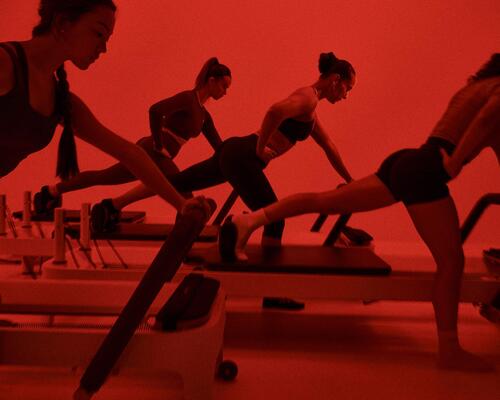
Les Mills has launched a reformer Pilates workout. The 45-minute workout blends traditional reformer movements ...
Latest News
The inaugural HCM Invest event has opened applications for pitching slots ahead of its launch ...
Latest News
Girls in the UK are missing out on 280 million hours of sport every year ...
Latest News
According to research which tracked more than 147,000 people for 30 years, 90-120 minutes of ...
Latest News
Everlast Gyms expands its footprint outside of the UK this month with the imminent launch ...
Latest News
The UK's four Chief Medical Officers have published a refreshed edition of  Physical activity guidelines: ...
Latest News
Places Leisure has exchanged contracts to build and operate a flagship £60m water and wellness ...
Latest News
The Republic of Ireland will become the latest market in PureGym’s expanding international portfolio, with ...
Opinion
promotion
Strength training has moved from the margins to the mainstream.
Opinion: Building smarter strength spaces for today’s operators
Featured supplier news
Featured supplier news: Legends never die: four legends, four philosophies of life
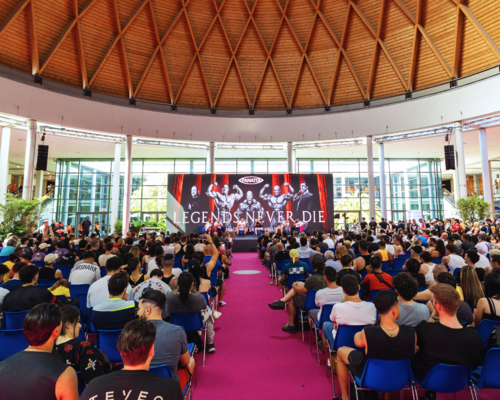
Panatta brought together four of the most influential figures in bodybuilding history on the stage of RiminiWellness 2026: Phil Heath, Lee Haney, Ronnie Coleman and Hany Rambod.
Featured supplier news
Featured supplier news: Introducing a new era of Nautilus Leverage
Strength training has never been more important for member retention, facility differentiation and long-term commercial success.
Company profiles
Company profile: FS Commercial Division
Now the UK’s leading specialist fitness equipment supplier, Fitness Superstore started from humble beginnings in ...
Company profiles
Company profile: Myzone
Myzone is a global pioneer of Motivation Technology (MoTech), redefining fitness by turning behavioural science ...
Supplier Showcases
Supplier Showcase - Future-proofing
Catalogue Gallery
Click on a catalogue to view it online
Featured press releases
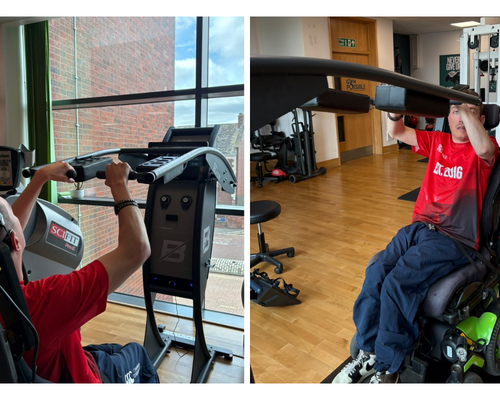
Speedflex (UK press release: Inclusive Fitness in action: The Speedflex Blade at Gym Possible
Following the successful installation of the Speedflex Blade at Gym Possible, the UK based charity gym dedicated to making exercise accessible for people with physical disabilities, the innovative training solution has quickly become one of the facility’s
Featured press releases
BLK BOX press release: Inside the Player Gym at The Open, equipped by BLK BOX
The performance facility at Royal Birkdale gives the world’s leading golfers access to strength, conditioning, mobility and recovery equipment throughout Championship week.
Directory
Industrial washing machines
Miele Company Limited: Industrial washing machines
Water experiences and hydrotherapy solutions
Aquaform s.r.l.: Water experiences and hydrotherapy solutions
Spa and beauty equipment
Oakworks Inc: Spa and beauty equipment
Hot tubs
MSpa International Ltd: Hot tubs
Fitness tracking platform
SpiviTech: Fitness tracking platform
Lockers
Crown Sports Lockers: Lockers
Property & Tenders
Stratford, East London.
Lee Valley Regional Park Authority
Property & Tenders
Y Felinheli, LL56 4QN
Newmark
Property & Tenders
Diary dates
21-24 Sep 2026
The Langham Huntington Pasadena , Pasadena, United States
Diary dates
06-08 Oct 2026
Messe Stuttgart, Stuttgart, Germany
Diary dates
22-22 Oct 2026
QEII Conference Centre, London,
Diary dates
26-29 Oct 2027
Koelnmesse Exhibition Centre, Cologne, Germany
Diary dates

features

Talking Point: Fat shaming

Bristol University has commited to embracing body positivity, creating more inclusive physical activity environments, rejecting diet culture and raising awareness of eating disorders across its sports and fitness provision. Should the rest of the fitness sector follow suit? Kath Hudson reports

Published in Health Club Management 2020 issue 9
Exercise is being reframed as a way to learn new skills and have fun, rather than as a punishment / SHUTTERSTOCK.COM / Africa Studio

Led by its Student’s Union, Bristol University’s campaign to reject diet culture and weight stigma will see its fitness instructors and sports captains being given bespoke training, which has been created by the university, in collaboration with eating disorder charities, BEAT and WorkEDout.

The training will educate those involved with physical activity in creating inclusive environments and updating language so clichés such as “burn those calories” will become a thing of the past.

The reasons for doing this are twofold: so those who are vulnerable to eating disorders and over-exercise don’t get triggered in a gym environment, and so those who don’t have thin privilege – the ability to go anywhere without being judged for not being the ‘right size’ – feel that they belong too.

Bristol University and WorkEDout are keen for the rest of the industry to follow their lead. With both obesity and eating disorders on the rise and costing the NHS millions each year, and with the issue of obesity-related deaths from COVID-19, should Bristol University’s approach become an industry standard? Could this help get more people active and healthy? We ask the experts…

Abbie Jessop
Bristol University: student advisor to Bristol Sports Exercise and Health

The messaging that thin equals healthy is all too prevalent in the fitness industry, cultivating and perpetuating a harmful dialogue with our bodies, putting the focus on aesthetics, rather than strength, skills and power.

Commonly used language such as “let’s burn some calories” or “slim those waists” presents exercise as compensatory and punishing. It also promotes disordered thinking around food and exercise, which can have extremely negative consequences for those who are vulnerable to eating disorders.

When the industry reframes exercise as an opportunity to have fun, learn new skills and strengths, and build a community around health-promoting behaviours, instead of as a remedial necessity or even a punishment, more people will take part and sustain such behaviours. For example, “I’m starting a new class, learning Olympic weightlifting techniques and meeting new people” is a more positive and, crucially, unharmful way of presenting the motivation to exercise.

When the industry reframes exercise as an opportunity to have fun and learn new skills and strengths, instead of as a punishment, more people will take part

At Bristol University, we’re addressing this issue through the provision of a training programme which educates fitness instructors, sports captains and sport society presidents in cultivating inclusive, non-judgmental environments. The training covers weight stigma, diet culture, and the harms of fatphobia on all bodies, particularly when promoted within the fitness industry, as well as explicitly looking at eating disorders and how to spot the signs that someone might have one.

We would like to see fitness qualifications prioritise the cultural and social climate in which professionals practice, by including modules and additional training or accreditation in this area.

Leah Newton
WorkEDout co-founder

I launched the WorkEDout campaign a year ago with fitness instructor Carly Wilkinson in order to raise awareness of eating disorders in the fitness industry and empower fitness professionals to educate themselves to recognise, approach and refer clients with these disorders.

Having personal experience of an eating disorder, which took me to the brink of death, I’m all too aware of how exercise can be a massive trigger for people with eating disorders and how the simple use of language in an exercise class can make individuals feel very unsafe.

There is a lot of stigma and misunderstanding around these illnesses, which are on the increase. Some 1.6m people suffer from eating disorders in the UK, and this is increasing by 7 per cent each year. A survey among Bristol University students found that one in five believed they had started to suffer from an eating disorder since beginning their course. Sadly it is also a condition that kills, claiming 10,200 lives each year.

As gyms and fitness studios have the potential to be triggering environments for those vulnerable to eating disorders, and there is an overall lack of understanding around this, it is incredibly important for the fitness industry to take this issue seriously. We need to challenge the prevalent culture which praises people for exercising and losing weight, as well as the outdated notion of burning calories.

Having personal experience of an eating disorder, which took me to the brink of death, I’m all too aware of how the use of language in an exercise class can make individuals feel very unsafe

With so many other powerful elements of how exercise makes people feel and move, the industry doesn’t need to be powered by diet culture. To help support the industry to change, we are currently exploring options for creating a CPD accredited course for fitness professionals and, going forward, planning to offer in-person and online content. We hope the industry will embrace the change being spearheaded by Bristol University.

Kate Dale
Sport England: campaign lead for This Girl Can

Although everyone in the health and fitness sector wants to offer an inclusive space, it is important that we collectively keep learning and striving to do more – we can never be too inclusive and there are always new members of society to reach out to. Everyone coming through the doors brings memories and baggage, which can make them feel vulnerable.

While the sector has done really well with becoming more inclusive with imagery – representing every type of woman has been at the heart of This Girl Can’s work since its inception in 2015 – I think Bristol University is right in saying that some language has become so entrenched that we don’t even realise we’re using it.

We have to consider that not everyone who walks through the doors of a sport or physical activity facility will be full of confidence about being there – it could have taken months or years of courage to get to that point – so the language we use is incredibly important in laying the foundation for a positive experience.

To give one such example, one woman told a This Girl Can research focus group that she walked out of a leisure centre after being asked by the receptionist “how far can you swim?” Although it was an innocuous and well-meaning question, intended to signpost her to the right pool, as an agrophobic who had been coaxed out of the house by social services, it felt like a judgement. People fear judgement from others, but also often harshly judge themselves.

Eating disorders and over-exercise are both incredibly difficult subjects to broach, so I think it’s a good idea to keep upskilling in this area, so fitness professionals have the confidence and vocabulary to handle these difficult subjects while knowing the signs to look out for and what to do.

Many people view exercise as a punishment they have to do after eating “forbidden calories”, with this often being compounded by a session on the “dreadmill”

It’s also true that many people view exercise as a punishment they have to do after eating “forbidden calories”, with this often being compounded by a session on the “dreadmill” – both of those terms being common to hear serves to enforce just how important it is that we keep pushing to position exercise as an activity that is fun, empowering and which gives you some space.

This Girl Can uses imagery that is representative of every type of woman / Photo: sport england/this girl can
Colin Huffen
CIMSPA: head of education

The training of fitness professionals and the way fitness is offered and consumed is continually evolving, as the industry responds to the need to reach out to all types of customers. CIMSPA will support any organisation wanting to provide additional support and training for fitness professionals and so we offer our support to Bristol University to develop the training in a way that meets an industry-led need and engages with fitness professionals.

It is important not to land the perceived problem at the door of the fitness professional, which would likely alienate them, and so we would support Bristol University in taking a wider look at how they could support the whole industry in addressing the problem they have identified.

It’s important not to land the perceived problem at the door of the fitness professional, which would likely alienate them
Jenny Patrickson
Active IQ: managing director

The conversation on the gym floor should always aim to avoid using terms like ‘fat’ and ‘thin’ and discussing diet choices in terms of ‘good and bad foods’.

Good instructors and trainers usually emphasise that physical activity is for health, wellbeing and how you feel, not how you look. Group exercise instructors and PTs have a big role to play in creating a non-judgemental environment and setting the right tone at a gym or club.

Understanding the best terminology to use, and avoid, is included in Level 2 and Level 3 qualifications and training, alongside more emphasis on effective communication skills. Over the last few years, we have increased the amount of guidance and content around softer skills and consultation skills so that trainers are able to read and listen to clients more effectively. We have shifted from a paternalistic approach to a consultation approach that is a shared journey with the client. Our qualifications also include elements of motivational interviewing and behaviour change theory to help PTs and instructors support their clients in taking responsibility for their actions and activity.

While of course it’s important to speak to people carefully and non-judgementally, we cannot let things swing too far the other way by letting political correctness stop us from sharing the irrefutable fact that being overweight increases people’s risk of disease.

Of course, ‘fat shaming’ is wrong – but so too is avoiding talking about weight issues altogether

We must ensure instructors and PTs have the necessary skills and confidence to have that important conversation with clients without fear of being criticised. Of course, ‘fat shaming’ is wrong – but so too is avoiding talking about weight issues altogether. By upskilling trainers to understand how to speak to overweight clients in a sensitive and understanding manner and position physical activity and its relationship with food appropriately, we will start to see the tide turn.

Of course, ‘fat shaming’ is wrong – but so too is avoiding talking about weight issues altogether
Marco Coppola
Better: National health and fitness manager

This is an interesting initiative from Bristol University and, as we move forward to tackle obesity, Better would welcome a review of all language, training materials and products in the exercise industry, to ensure there is no stigma and that they focus on the health and wellbeing benefits of exercise, for all ages and body types.

At Better we don’t believe in stigmatising anyone, which is why we use a variety of ages and shapes in our marketing material, reflecting our diverse customer base. Weight alone is not the only determinant of health and wellbeing and we advocate the strong benefits of exercise for healthy weight management, as a mood enhancer, promoting cardiovascular health, boosting confidence and a social opportunity, whatever your shape or size.

Obesity and eating disorders are both conditions that cost the NHS millions of pounds a year and, as a nation, the UK is one of the least active and most unhealthy in Europe. We also now know that obesity is a greater risk factor regarding COVID, so there needs to be an intervention, which must be done in a balanced way. As a result, Better will soon be launching programmes aimed at tackling obesity, due to its role in compounding health inequality in some of our poorest postcodes.

We now know obesity is a risk factor in relation to COVID-19, so there needs to be an intervention, which must be done in a balanced way
Creating a comfortable and inclusive environment at the gym

Earlier this year Sport England surveyed women to see if they would be happy to return to the gym post-lockdown. Although 87 per cent said they felt safe to do so, only 27 per cent of them had actually visited a gym and only 13 per cent a swimming pool. Those surveyed outlined some things which would make them feel more comfortable visiting and create a more inclusive environment.

• A discreet offer from staff to help with equipment (48 per cent)

• A code of conduct in the weights room, such as time limits and re-racking heavy weights after use (36 per cent)

• Hooks by the pool to hang towels to restrict time walking in a swimming costume (44 per cent)

• Women’s only areas/ dedicated swim time for women (36 per cent)

• Fewer full-length mirrors (21 per cent)

https://www.leisureopportunities.co.uk/images/2020/602969_670989.jpg
'The industry needs to reframe exercise as an opportunity to have fun and learn new skills and strengths' says Bristol Uni's Abbie Jessop
Latest News
Les Mills has launched a reformer Pilates workout. The 45-minute workout blends traditional reformer movements ...
Latest News
The inaugural HCM Invest event has opened applications for pitching slots ahead of its launch ...
Latest News
Girls in the UK are missing out on 280 million hours of sport every year ...
Latest News
According to research which tracked more than 147,000 people for 30 years, 90-120 minutes of ...
Latest News
Everlast Gyms expands its footprint outside of the UK this month with the imminent launch ...
Latest News
The UK's four Chief Medical Officers have published a refreshed edition of  Physical activity guidelines: ...
Latest News
Places Leisure has exchanged contracts to build and operate a flagship £60m water and wellness ...
Latest News
The Republic of Ireland will become the latest market in PureGym’s expanding international portfolio, with ...
Latest News
Sophie Lawler, CEO of Total Fitness, has launched a leadership coaching business aimed at helping ...
Latest News
Anytime Fitness reaches a milestone this week with the launch of its 6000th site. The ...
Latest News
The £33.9 million Leighton Leisure and Community Centre has opened in Leighton Buzzard, UK, creating ...
Opinion
promotion
Strength training has moved from the margins to the mainstream.
Opinion: Building smarter strength spaces for today’s operators
Featured supplier news
Featured supplier news: Legends never die: four legends, four philosophies of life
Panatta brought together four of the most influential figures in bodybuilding history on the stage of RiminiWellness 2026: Phil Heath, Lee Haney, Ronnie Coleman and Hany Rambod.
Featured supplier news
Featured supplier news: Introducing a new era of Nautilus Leverage
Strength training has never been more important for member retention, facility differentiation and long-term commercial success.
Company profiles
Company profile: FS Commercial Division
Now the UK’s leading specialist fitness equipment supplier, Fitness Superstore started from humble beginnings in ...
Company profiles
Company profile: Myzone
Myzone is a global pioneer of Motivation Technology (MoTech), redefining fitness by turning behavioural science ...
Supplier Showcases
Supplier Showcase - Future-proofing
Catalogue Gallery
Click on a catalogue to view it online
Featured press releases
Speedflex (UK press release: Inclusive Fitness in action: The Speedflex Blade at Gym Possible
Following the successful installation of the Speedflex Blade at Gym Possible, the UK based charity gym dedicated to making exercise accessible for people with physical disabilities, the innovative training solution has quickly become one of the facility’s
Featured press releases
BLK BOX press release: Inside the Player Gym at The Open, equipped by BLK BOX
The performance facility at Royal Birkdale gives the world’s leading golfers access to strength, conditioning, mobility and recovery equipment throughout Championship week.
Directory
Industrial washing machines
Miele Company Limited: Industrial washing machines
Water experiences and hydrotherapy solutions
Aquaform s.r.l.: Water experiences and hydrotherapy solutions
Spa and beauty equipment
Oakworks Inc: Spa and beauty equipment
Hot tubs
MSpa International Ltd: Hot tubs
Fitness tracking platform
SpiviTech: Fitness tracking platform
Lockers
Crown Sports Lockers: Lockers
Property & Tenders
Stratford, East London.
Lee Valley Regional Park Authority
Property & Tenders
Y Felinheli, LL56 4QN
Newmark
Property & Tenders
Diary dates
21-24 Sep 2026
The Langham Huntington Pasadena , Pasadena, United States
Diary dates
06-08 Oct 2026
Messe Stuttgart, Stuttgart, Germany
Diary dates
22-22 Oct 2026
QEII Conference Centre, London,
Diary dates
26-29 Oct 2027
Koelnmesse Exhibition Centre, Cologne, Germany
Diary dates
Search news, features & products:
Find a supplier:
Partner sites