
























features
Standards: A new benchmark
The Active Standard has been designed to support UK Active members in improving their operations, as Paul Crane explains



The Active Standard (TAS) is a new quality mark developed by UK Active and partners. It’s been designed to help raise standards among members by supporting operators to grow consumer confidence in the safety and inclusivity of their facilities.
The standard is available to UK Active members of all sizes and types – whether from the private or public sector and whether they operate a health club, gym, leisure centre, sports facility, studio, swimming pool, spa or any similar facility.
The baseline certification of the Active Standard provides a simple process to support operators aspiring to meet specific industry standards.
We believe TAS will play a key role in UK Active’s 2030 Vision strategy and beyond (www.hcmmag.com/vision2030) to get more people active by using our members’ facilities and services.
UK Active members have always strived to improve their services and facilities, with a focus on what customers want and need in order to improve their health. This striving has helped many to grow their businesses and reach more people, but we know more is possible.
The bigger picture
The COVID-19 pandemic was a powerful reminder of the importance of health and safety in our sector, especially given our core purpose – to improve health.
During the pandemic, operators showed how effectively they could implement the additional safety protocols required.
It was the sectors’ ability to demonstrate just how seriously it took safety that contributed to facilities opening earlier than many other businesses in the service sector, following England’s second national lockdown.
Today’s regulatory environment remains complex, but our sector is committed to demonstrating good health and safety practices as part of its commitment to consumers, law-makers, policymakers and health partners.
Testing and developing the standard
Since 2020, The Active Standard has been tested with a representative sample of UK Active member operators and assessed by Right Directions (which delivers the Sport England Quest quality scheme), to ensure the certification works for organisations of all types and sizes.
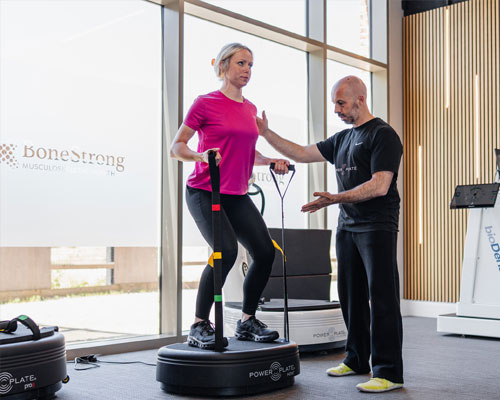
The pilot group also included sites developing musculoskeletal health programmes, to demonstrate how The Active Standard can support the integration of sector functions into certain healthcare pathways within the UK’s health service.
The development of the certification has been supported by UK Active’s standards and legislation committee, meaning some of the industry’s leading experts helped scrutinise the criteria.
Combined with feedback from the pilot study, the syllabus was refined to create an assessment which covers key areas in an accessible, practical way.
The development of The Active Standard also required collaboration between UK Active and its partners Sport England and CIMSPA, as well as EuropeActive and the Royal Netherlands Standardization Institute (NEN) who together deliver the existing Europe-wide FITcert quality standard (www.hcmmag.com/FitCert).
By collaborating with the sector’s standards ecosystem, UK Active is aiming to ensure TAS helps improve the overall landscape and provides a positive route into the standards journey for more of its member operators.
How the assessment works
The assessment involves answering 40 questions based on a syllabus covering four areas. The first is health and safety compliance, where UK Active members must ‘demonstrate and evidence’ that they’re meeting the required health and safety laws and regulations.
This includes carrying out a risk assessment and then demonstrating that safety protocols and ongoing training of staff are in place to foster a culture of vigilance and responsibility for employees and customers.
The second component of the syllabus is the meeting of professional standards, which have been developed in collaboration with CIMSPA. This ensures professionals working in the sector meet recognised benchmarks of competence and that they’ve been qualified by credible and approved training providers. It also demonstrates that the UK Active member is supporting ongoing staff development.
The third component checks safeguarding measures, assessing how operators are protecting vulnerable individuals from abuse or harm. They need to evidence that they have a dedicated safeguarding ‘lead’ in the team and ensure systems are in place, with relevant policies, staff training and reporting mechanisms organised to address any concerns promptly.
The final component assesses compliance with data protection laws, where UK Active members must demonstrate their commitment to privacy and ethical data handling – this is essential to protecting consumers and avoiding fines.
Sector impact
The Active Standard has been designed to elevate standards across the UK Active membership, helping support operator members to build operational and reputational resilience in an increasingly regulated and complex environment.
It serves as a differentiator for operators that take the appropriate steps to safeguard employees and members.
The standard was conceived as an entry-level certification, meaning that once operators have completed it, they can continue on to higher-level standards through certifications such as the www.FITcert.eu kite marque or the Sport England Quest system, via clear and distinct pathways, without duplication.
A rising tide lifts all boats so by supporting UK Active operator members to take a comprehensive approach to standards and risk management procedures, we can contribute to the fostering of a culture of excellence in the physical activity sector.
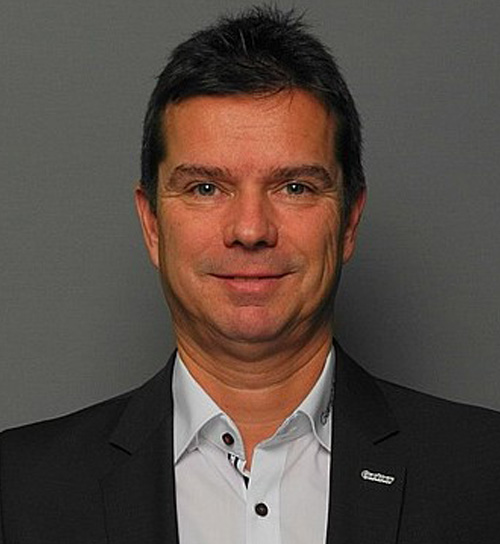
Paul Crane is risk and standards manager at UK Active
More: www.ukactive.com/the-active-standard<
Having The Active Standard shows commitment to safety, inclusion and compliance and we know this is important for many consumers when it comes to them feeling confident and comfortable using facilities.
Commitment to TAS builds trust which can lead to improving brand loyalty and strengthening of overall reputation.
By ensuring they meet essential risk and standards criteria, operators increase their resilience in the face of operational and reputational risks.
Demonstrating commitment to safety and professional standards can help establish new partnerships in the UK – for example, with the NHS and referral services.
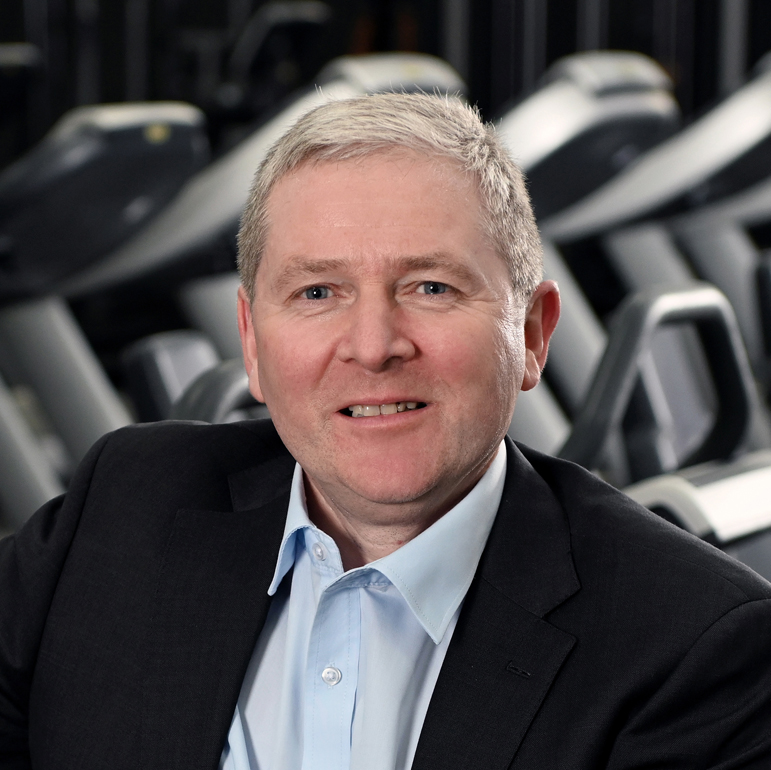
Introducing The Active Standard will significantly enhance the sector’s reputation by establishing a benchmark for safety, ensuring consistency across the UK Active membership, whatever the business model.
The outwardly-facing standard provides a clear message to staff, customers and other partners that there is a culture of safety within the organisation, while adopting a robust quality standard can also improve stakeholder confidence.
Customers are also more likely to trust organisations that demonstrate a commitment to safety and quality, resulting in the potential for increased loyalty and market share. Additionally, employees benefit from clear expectations and a supportive work environment, leading to higher rates of job satisfaction and retention rates.
The new standard dovetails with both Quest and the European FITcert standard, eliminating duplication and bringing more operators into the standards ecosystem.
Chris Hebblewhite is vice chair of the UK Active standards and legislation committee
The Active Standard is now available free of charge to UK Active operator members.
The first wave of operator members to enter the assessment process are being contacted by UK Active to begin their journey, with support provided.
The assessment is carried out online by an independent body and takes around two-and-a-half hours.
Certification lasts for three years before re-assessment is required.
If you’re a member of UK Active and have already achieved either FITcert or Quest, with the assessment being done using an internationally recognised sampling method, you automatically pre-qualify for The Active Standard.
Find out more by emailing: