



















Follow Health Club Management on Twitter Like Health Club Management on Facebook Join the discussion with Health Club Management on LinkedIn
FITNESS, HEALTH, WELLNESS

features

Social strategy: Measure of success

In the new funding landscape, leisure trusts and operators will increasingly have to monitor and demonstrate social return on investment. Julie Cramer reports on the progress being made

By Julie Cramer | Published in Health Club Management 2013 issue 5
SROI tells the story of how change is being created by measuring social, environmental and economic outcomes

On 1 April this year, the public health funding structure took a whole new direction with the introduction of the new Clinical Commissioning Groups and Health and Wellbeing Boards (see HCM April 13, p26 and p30). Just a few months before that, on 31 January 2013, the Public Services (Social Value) Act 2012 came into force, requiring all public bodies to consider how they can improve the economic, social and environmental wellbeing of their local areas through the services they procure. Given the huge benefits that leisure and fitness can bring to the community, it has never been more important for the industry to measure and monitor its successes and find ways to put a value on them.

While it has always been sound and essential business practice to measure return on investment (ROI), the new funding landscape will require that the social returns are also well articulated. For sport and leisure projects, it’s generally accepted that such returns can be anything from improved health, happiness and confidence, to a reduction in crime and greater social inclusion.

Rich Millard, sports development director for DC Leisure – a leisure provider that works with 30 local authorities (see interview, p30) – says: “As we bid for contracts in the future, all leisure providers will have to be able to demonstrate whether the schemes they are delivering will have a positive impact on public health, the community, and particular groups such as young people.

“In the light of the new public health agenda, we have to get better at articulating what we do, because the benefits in terms of preventative health or social engagement are massive.”

Popular methodology
Each leisure organisation will have its own methods for tracking its progress and expressing social value in general terms, but in recent years a defined methodology has emerged that can actually put a monetary value on such benefits: SROI, or Social Return on Investment (see http://lei.sr?a=2A1h4).

This methodology was first recognised in 2009 in the research of Scottish Enterprise and also set out in an HM Treasury paper. To date, very few organisations have produced detailed, accredited reports using this method, but there are workshops available where organisations can learn the basics of the approach and apply them in their own settings.

The SROI Network – a membership organisation – officially promotes the use and development of SROI methodology around the world, trains consultants who can then coach organisations, and accredits SROI reports. It defines the method as follows: “SROI measures change in ways that are relevant to the people or organisations that experience or contribute to it. It tells the story of how change is being created by measuring social, environmental and economic outcomes, and uses monetary values to represent them.

“SROI is about value rather than money. Money is simply a common unit and as such is a useful and widely accepted way of conveying value.”

Nevertheless, giving social benefits a financial value turns it into a powerful language for health and leisure providers. In April 2010, North Lanarkshire Leisure (NLL) – a charitable organisation that delivers sport and recreation in North Lanarkshire – commissioned consultants Baker Tilly to carry out a social impact evaluation on a proportion of its services. The report findings, which were published in December 2010, showed that NLL was delivering benefits to the community amounting to a value of £41m – four times greater than the level of public funding it received, meaning its SROI ratio was defined as 1:4.

NLL chief executive Blane Dodds described the report as “exciting and high impact”, while chair Jim Logue said the results defined the organisation as a “forward-thinking, innovative charity” that had clearly justified its place in the delivery of services to the community.

In June 2012, Edinburgh Leisure made equally eye-catching headlines when it published the findings of its SROI study, also conducted by Baker Tilly. The trust, which manages sport and leisure facilities on behalf of Edinburgh City Council, was found to deliver a return of nearly 3.5 times its funding level – an SROI of at least £32.5m from an investment of around £9m.

The report calculated that healthcare costs saved thanks to Edinburgh Leisure’s activities totalled £25.5m, while individual projects were also measured. For example, the Healthy Active Minds programme for adults with mild to moderate depression was found to deliver benefits worth over £2m a year.

Clearer direction
Edinburgh Leisure’s chief executive John Comiskey says the catalyst for the report came from “a bit of soul-searching from within the organisation” in the face of ever-biting funding cuts. “We needed to be clearer about what we were doing and how we measured the difference we made in terms of getting more people more active,” he adds.

The study – which took around 10 months to complete – focused on seven key business areas that could be easily measured, such as its facilities’ sports pitch use, adult swimming programmes and youth projects. The completed findings represented an in-depth look at around 65 per cent of the trust’s business.

Comiskey says the impact of the report has been manifold. Not only did it give Edinburgh Leisure clarity as an organisation, enabling it to identify and prioritise its efforts and resources, but it also helped motivate staff who could clearly see the results of their hard work. Perhaps above all, it strengthened the trust’s business case for further funding in the eyes of the city council.

Comiskey explains: “It really made us think in a different way. Soon after the study was published, we applied to Edinburgh City Council and gained £600,000 in additional funding for new projects. It gave us a strong selling point at a time when it was getting harder than ever to justify spending.”

The study has also helped Edinburgh Leisure focus attention on social inclusion projects: while projects in areas of deprivation often require a different and more costly delivery, and perhaps reach a limited number of people, they deliver a much higher SROI score when compared to a regular programme, according to Comiskey.

Impacts and outcomes
Edinburgh Leisure and NLL are still very much in a minority of leisure organisations that have calculated SROI data in this way. Both studies were very wide ranging, involving a lengthy process using consultants, and therefore represented a significant financial investment (although given the results they achieved, both organisations would no doubt argue that the payback was far greater than the expenditure).

So what about those who don’t have the budget to invest in an official report – can any sport and leisure operator start measuring SROI on their own, even if only on a small scale? According to Brian Woodcock, senior associate consultant at leading sports and leisure consultancy Continuum, the answer is yes. Woodcock, who is also a member of the SROI Network, says he has seen an upturn in interest in SROI, although most leisure organisations are still at the “conversation stage” for now.

“We help local authorities and leisure organisations plan more robustly to measure outcomes and impacts, and we’ve done a lot of workshops on the topic. SROI is just one of the methodologies, although it can be one of the simplest for organisations to employ themselves,” he says.

According to Woodcock, SROI has been developed and refined to permit a greater understanding of the social benefit and social value generated by everyday projects. For that reason, it doesn’t come with the complicated research protocols that other methods do – methods that are therefore costlier, longer-term or needing to be delivered by the obligatory consultant team.

SROI studies can be evaluative, analysing outcomes that have already happened, or they can be predictive, estimating the social value if outcome targets are met. Woodcock says: “There’s no official benchmark, but generally an SROI ratio of 1:3 and above is considered very good. So if you apply the methodology for a forecast study and the results come back as 1:1, you would probably want to reconsider putting your plan into action.

“The common denominator for comparison is always currency: if you spend £1, what do you get in return? It’s about comparing value in a consistent way – not necessarily putting a value judgement on something, but finding a way to describe it and put a value on it.”

Another area to consider is how to measure results in the longer term – something the fitness and leisure industry as a whole tends not to do consistently, or consistently well. As Comiskey says: “With our report, there was a lot of scepticism about the fact that we may be able to show results for a 12-week programme, but how can we effectively measure what comes after that?”

As a result, Edinburgh Leisure is doing a follow-up study to its original 2012 report that will be published this autumn. Even more significantly, all new projects started after July 2012 are given built-in, longer-term measurement mechanisms from the outset, so Edinburgh Leisure can now measure SROI without external assistance.

Managing resources
The reality for any leisure organisation is that collecting and monitoring this type of data can be costly and time-consuming, and simply nowhere near as straightforward as measuring ROI.

Victoria Chapman is a youth outreach development manager for leisure management company Leisure Connection, which delivers projects such as the POD play bus to engage youngsters in North Kesteven. According to Chapman: “Some projects make a real difference to people’s lives in many ways, from employment, health, wellbeing and mental health to general happiness.

“You can measure people’s enjoyment and whether they’ve learned anything from the experience. However, it would be difficult for one individual to measure the impact on the NHS, for example – if it’s made people more active in the short, medium or long term – or whether you’ve saved the police money by providing a diversionary activity that might have deterred someone from anti-social behaviour or crime. For this reason, you need links with the police and their statistics department, local GP surgeries and health referral programmes, so intelligence can be shared – thereby saving money.”

According to Karen Burrell, sales and marketing director at Freedom Leisure – a not-for-profit leisure trust active in Surrey, Sussex and Kent – the industry must quickly learn to adapt to the new environment and find smarter ways to produce the information it needs. “Local authority partners are increasing their requirement for the trusts managing their facilities to measure SROI, but tracking is often done manually,” she says. “That’s resource-intensive and can be difficult to report. Technology is becoming more important in supporting the measurement of social impact.”

To meet this need, Freedom Leisure is investing in a new software package to manage its health referral programmes. “This isn’t being done to deliver a direct financial return, but it will provide tools to ensure the right people are being referred, given the support they need to get through the programme, and offered pathways to continue with activity after the programme has finished,” explains Burrell. While participants should benefit from the increased efficiency, Freedom Leisure will be also able to reduce its administration time and costs and use the outcome data to help support future funding bids.

Make yourself heard
The question to ask is: in an increasingly competitive funding landscape, can leisure operators really afford not to be paying attention to SROI?

Woodcock says there’s still cynicism among some operators that it’s just going to add to their workload. However, he holds a very different view: “The reason we are where we are is because people didn’t pick up the funding challenge early enough. We reached the stage where funding had got to a critical point and started being reduced, and now it’s almost a reaction mechanism.

“If the industry had acted on this 10 years ago and were able to demonstrate the benefits of X, Y or Z, we may not now be in the position where funding is being removed.”

As the funding challenge gets ever more tricky, the operators who have picked up the SROI baton and are running with it should be ready to shout about their results loud and clear. As Burrell says: “Operators and contractors need to make sure their voices are heard – they can only grab a slice of the funding pot if they are visible and active.”

The seven principles of SROI

1. Involve stakeholders
2. Understand what changes
3. Value the things that matter
4. Only include what is material
5. Do not over-claim
6. Be transparent
7. Verify the result

The six stages of SROI analysis

1. Establishing scope and identifying key stakeholders
2. Mapping outcomes
3. Evidencing outcomes and giving them a value
4. Establishing impact
5. Calculating the SROI
6. Reporting, using and embedding

Sign up here to get HCM's weekly ezine and every issue of HCM magazine free on digital.
Edinburgh Leisure’s various initiatives deliver an SROI of at least £32.5m from an investment of £9m
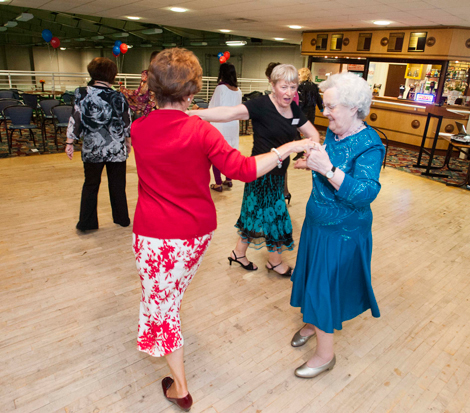
Leisure and fitness can bring huge benefits to a community, but the sector needs to find ways to put a value on this
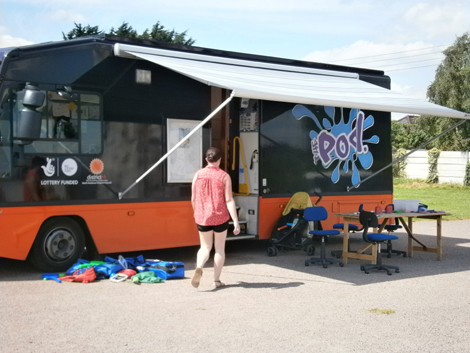
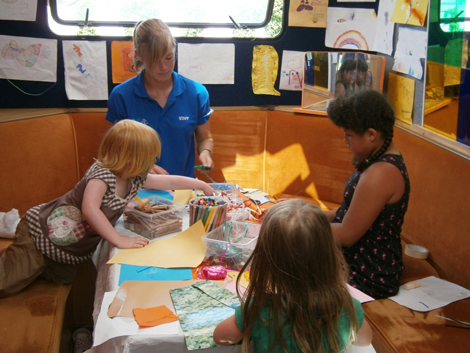
The POD play bus has helped improve the lives of families in 70 communities in North Kesteven, East Midlands
Edinburgh Leisure now builds in long-term measurement mechanics, to assess SROI, in all new projects
https://www.leisureopportunities.co.uk/images/HCM2013_5social.gif
Operators increasingly need to demonstrate social value. Julie Cramer reports on the progress being made
SROI, Edinburgh Leisure, North Lanarkshire Leisure, Leisure Connection, Freedom Leisure,Return on investment, Social Return on Investment, SROI, Edinburgh Leisure, North Lanarkshire Leisure, Leisure Connection, Freedom Leisure
HCM magazine
Software suppliers explain how AI, automation and connected digital experiences can work for the good of operators and consumers
HCM magazine
HCM People

Shaun Grove

Owner, Stride Fitness
My goal was to invest in where fitness is going, not where it’s already been
HCM magazine
World Athletics president, Sebastian Coe talks to Liz Terry about the launch of Run X in partnership with Technogym
HCM magazine
As the 20th State of the Industry Report is released, LeisureDB has rebranded to Evolve, as Kath Hudson reports
HCM magazine
The fitness industry is mourning the passing of Les Mills, a founding father of fitness, as Kath Hudson reports
HCM promotional features
Sponsored
Social fitness the missing link to member engagement, according to a new Myzone report
HCM promotional features
Sponsored
David Lloyd is stepping up its commitment to women’s health as it continues to explore what fit-for-purpose looks like for the female population
HCM promotional features
Sponsored
Starpool supports Olympic champion Marcell Jacobs, says Riccardo Turri
HCM promotional features
Sponsored
Third Space partnered with IndigoFitness to deliver a bespoke training space for its new club at The Whiteley
HCM promotional features
Sponsored
Greg Bradley looks at the shift towards strength training in gyms and advises on how operators can create the ultimate training environment
HCM promotional features
Sponsored
SnowDome Fitness has added 50 per cent more space with cutting-edge Technogym solutions
HCM promotional features
Sponsored
Find out how your gym can tap into the corporate wellness boom
HCM promotional features
Sponsored
EGYM has opened a new HQ in Paternoster Square, London and revealed a range of new launches
HCM promotional features
Latest News

Private investment company Franchise Equity Partners has acquired Bravo Fit, the Planet Fitness ...

Latest News

Midtown Athletic Club has launched a new community tennis initiative honouring the legacy ...

Latest News
Fitness First UK has raised the bar with its latest refurbishment, in Highbury, London, as ...
Latest News
TLee Spas and Wellness has revealed the design for a wellness destination concept for AI ...
Latest News

Urban Gym Group has entered the Irish market with the acquisition of Iconic ...

Latest News

Total Fitness has released new research revealing how the expectations and motivations of ...

Latest News
Wattbike has announced a new integration with EGYM, which enables the bikes to contribute to ...
Latest News
Les Mills has launched a reformer Pilates workout. The 45-minute workout blends traditional reformer movements ...
Opinion
promotion
Strength training has moved from the margins to the mainstream.
Opinion: Building smarter strength spaces for today’s operators
Featured supplier news
Featured supplier news: Introducing a new era of Nautilus Leverage
Strength training has never been more important for member retention, facility differentiation and long-term commercial success.
Featured supplier news
Featured supplier news: Legends never die: four legends, four philosophies of life
Panatta brought together four of the most influential figures in bodybuilding history on the stage of RiminiWellness 2026: Phil Heath, Lee Haney, Ronnie Coleman and Hany Rambod.
Company profiles
Company profile: Zynk - wellness design experts
Zynk are a team of specialist interior architects and designers with more than 25 year’s ...
Company profiles
Company profile: GLL
GLL
As the UK’s leading provider of both leisure centres and libraries we operate 379 locations ...
Supplier Showcases
Supplier Showcase - From nightclub to health club
Supplier Showcases
Supplier Showcase - Future-proofing
Catalogue Gallery
Click on a catalogue to view it online
Featured press releases
GLL press release: Families flock to 'Better' Leisure Centres for weekend of free fun
Heralding the launch of the Commonwealth Games Last weekend’s ‘Team England National Sports Weekend’ (18 and 19 July) held at ‘Better’ leisure centres across the UK was a ‘hit’, with customers of all ages arriving in their legions to try out a selection o
Featured press releases
CET CryoSpas press release: CET CryoSpas and Specialist Pools Services Ltd partner to bring automated Ice Bath Management to the commercial leisure sector
New partnership between CET CryoSpas and Specialist Pools Services Ltd aims to reduce maintenance, improve operational efficiency and help operators meet growing demand for cold water immersion.
Directory
Hot tubs
MSpa International Ltd: Hot tubs
Spa and beauty equipment
Oakworks Inc: Spa and beauty equipment
Lockers
Crown Sports Lockers: Lockers
Industrial washing machines
Miele Company Limited: Industrial washing machines
Water experiences and hydrotherapy solutions
Aquaform s.r.l.: Water experiences and hydrotherapy solutions
Property & Tenders
Stratford, East London.
Lee Valley Regional Park Authority
Property & Tenders
Y Felinheli, LL56 4QN
Newmark
Property & Tenders
Diary dates
21-24 Sep 2026
The Langham Huntington Pasadena , Pasadena, United States
Diary dates
28-29 Sep 2026
Grand Ballroom, METT Singapore, Singapore
Diary dates
06-08 Oct 2026
Messe Stuttgart, Stuttgart, Germany
Diary dates
22-22 Oct 2026
QEII Conference Centre, London,
Diary dates
29-31 Oct 2026
Impact Exhibition & Convention Center Bangkok,Thailand, Bangkok, Thailand
Diary dates
29-31 Oct 2026
IMPACT Exhibition Center, Bangkok, Thailand , Bangkok, Thailand
Diary dates
14-15 Nov 2026
The Kromhouthal , Amsterdam, Netherlands
Diary dates
26-29 Oct 2027
Koelnmesse Exhibition Centre, Cologne, Germany
Diary dates

features

Social strategy: Measure of success

In the new funding landscape, leisure trusts and operators will increasingly have to monitor and demonstrate social return on investment. Julie Cramer reports on the progress being made

By Julie Cramer | Published in Health Club Management 2013 issue 5
SROI tells the story of how change is being created by measuring social, environmental and economic outcomes

On 1 April this year, the public health funding structure took a whole new direction with the introduction of the new Clinical Commissioning Groups and Health and Wellbeing Boards (see HCM April 13, p26 and p30). Just a few months before that, on 31 January 2013, the Public Services (Social Value) Act 2012 came into force, requiring all public bodies to consider how they can improve the economic, social and environmental wellbeing of their local areas through the services they procure. Given the huge benefits that leisure and fitness can bring to the community, it has never been more important for the industry to measure and monitor its successes and find ways to put a value on them.

While it has always been sound and essential business practice to measure return on investment (ROI), the new funding landscape will require that the social returns are also well articulated. For sport and leisure projects, it’s generally accepted that such returns can be anything from improved health, happiness and confidence, to a reduction in crime and greater social inclusion.

Rich Millard, sports development director for DC Leisure – a leisure provider that works with 30 local authorities (see interview, p30) – says: “As we bid for contracts in the future, all leisure providers will have to be able to demonstrate whether the schemes they are delivering will have a positive impact on public health, the community, and particular groups such as young people.

“In the light of the new public health agenda, we have to get better at articulating what we do, because the benefits in terms of preventative health or social engagement are massive.”

Popular methodology
Each leisure organisation will have its own methods for tracking its progress and expressing social value in general terms, but in recent years a defined methodology has emerged that can actually put a monetary value on such benefits: SROI, or Social Return on Investment (see http://lei.sr?a=2A1h4).

This methodology was first recognised in 2009 in the research of Scottish Enterprise and also set out in an HM Treasury paper. To date, very few organisations have produced detailed, accredited reports using this method, but there are workshops available where organisations can learn the basics of the approach and apply them in their own settings.

The SROI Network – a membership organisation – officially promotes the use and development of SROI methodology around the world, trains consultants who can then coach organisations, and accredits SROI reports. It defines the method as follows: “SROI measures change in ways that are relevant to the people or organisations that experience or contribute to it. It tells the story of how change is being created by measuring social, environmental and economic outcomes, and uses monetary values to represent them.

“SROI is about value rather than money. Money is simply a common unit and as such is a useful and widely accepted way of conveying value.”

Nevertheless, giving social benefits a financial value turns it into a powerful language for health and leisure providers. In April 2010, North Lanarkshire Leisure (NLL) – a charitable organisation that delivers sport and recreation in North Lanarkshire – commissioned consultants Baker Tilly to carry out a social impact evaluation on a proportion of its services. The report findings, which were published in December 2010, showed that NLL was delivering benefits to the community amounting to a value of £41m – four times greater than the level of public funding it received, meaning its SROI ratio was defined as 1:4.

NLL chief executive Blane Dodds described the report as “exciting and high impact”, while chair Jim Logue said the results defined the organisation as a “forward-thinking, innovative charity” that had clearly justified its place in the delivery of services to the community.

In June 2012, Edinburgh Leisure made equally eye-catching headlines when it published the findings of its SROI study, also conducted by Baker Tilly. The trust, which manages sport and leisure facilities on behalf of Edinburgh City Council, was found to deliver a return of nearly 3.5 times its funding level – an SROI of at least £32.5m from an investment of around £9m.

The report calculated that healthcare costs saved thanks to Edinburgh Leisure’s activities totalled £25.5m, while individual projects were also measured. For example, the Healthy Active Minds programme for adults with mild to moderate depression was found to deliver benefits worth over £2m a year.

Clearer direction
Edinburgh Leisure’s chief executive John Comiskey says the catalyst for the report came from “a bit of soul-searching from within the organisation” in the face of ever-biting funding cuts. “We needed to be clearer about what we were doing and how we measured the difference we made in terms of getting more people more active,” he adds.

The study – which took around 10 months to complete – focused on seven key business areas that could be easily measured, such as its facilities’ sports pitch use, adult swimming programmes and youth projects. The completed findings represented an in-depth look at around 65 per cent of the trust’s business.

Comiskey says the impact of the report has been manifold. Not only did it give Edinburgh Leisure clarity as an organisation, enabling it to identify and prioritise its efforts and resources, but it also helped motivate staff who could clearly see the results of their hard work. Perhaps above all, it strengthened the trust’s business case for further funding in the eyes of the city council.

Comiskey explains: “It really made us think in a different way. Soon after the study was published, we applied to Edinburgh City Council and gained £600,000 in additional funding for new projects. It gave us a strong selling point at a time when it was getting harder than ever to justify spending.”

The study has also helped Edinburgh Leisure focus attention on social inclusion projects: while projects in areas of deprivation often require a different and more costly delivery, and perhaps reach a limited number of people, they deliver a much higher SROI score when compared to a regular programme, according to Comiskey.

Impacts and outcomes
Edinburgh Leisure and NLL are still very much in a minority of leisure organisations that have calculated SROI data in this way. Both studies were very wide ranging, involving a lengthy process using consultants, and therefore represented a significant financial investment (although given the results they achieved, both organisations would no doubt argue that the payback was far greater than the expenditure).

So what about those who don’t have the budget to invest in an official report – can any sport and leisure operator start measuring SROI on their own, even if only on a small scale? According to Brian Woodcock, senior associate consultant at leading sports and leisure consultancy Continuum, the answer is yes. Woodcock, who is also a member of the SROI Network, says he has seen an upturn in interest in SROI, although most leisure organisations are still at the “conversation stage” for now.

“We help local authorities and leisure organisations plan more robustly to measure outcomes and impacts, and we’ve done a lot of workshops on the topic. SROI is just one of the methodologies, although it can be one of the simplest for organisations to employ themselves,” he says.

According to Woodcock, SROI has been developed and refined to permit a greater understanding of the social benefit and social value generated by everyday projects. For that reason, it doesn’t come with the complicated research protocols that other methods do – methods that are therefore costlier, longer-term or needing to be delivered by the obligatory consultant team.

SROI studies can be evaluative, analysing outcomes that have already happened, or they can be predictive, estimating the social value if outcome targets are met. Woodcock says: “There’s no official benchmark, but generally an SROI ratio of 1:3 and above is considered very good. So if you apply the methodology for a forecast study and the results come back as 1:1, you would probably want to reconsider putting your plan into action.

“The common denominator for comparison is always currency: if you spend £1, what do you get in return? It’s about comparing value in a consistent way – not necessarily putting a value judgement on something, but finding a way to describe it and put a value on it.”

Another area to consider is how to measure results in the longer term – something the fitness and leisure industry as a whole tends not to do consistently, or consistently well. As Comiskey says: “With our report, there was a lot of scepticism about the fact that we may be able to show results for a 12-week programme, but how can we effectively measure what comes after that?”

As a result, Edinburgh Leisure is doing a follow-up study to its original 2012 report that will be published this autumn. Even more significantly, all new projects started after July 2012 are given built-in, longer-term measurement mechanisms from the outset, so Edinburgh Leisure can now measure SROI without external assistance.

Managing resources
The reality for any leisure organisation is that collecting and monitoring this type of data can be costly and time-consuming, and simply nowhere near as straightforward as measuring ROI.

Victoria Chapman is a youth outreach development manager for leisure management company Leisure Connection, which delivers projects such as the POD play bus to engage youngsters in North Kesteven. According to Chapman: “Some projects make a real difference to people’s lives in many ways, from employment, health, wellbeing and mental health to general happiness.

“You can measure people’s enjoyment and whether they’ve learned anything from the experience. However, it would be difficult for one individual to measure the impact on the NHS, for example – if it’s made people more active in the short, medium or long term – or whether you’ve saved the police money by providing a diversionary activity that might have deterred someone from anti-social behaviour or crime. For this reason, you need links with the police and their statistics department, local GP surgeries and health referral programmes, so intelligence can be shared – thereby saving money.”

According to Karen Burrell, sales and marketing director at Freedom Leisure – a not-for-profit leisure trust active in Surrey, Sussex and Kent – the industry must quickly learn to adapt to the new environment and find smarter ways to produce the information it needs. “Local authority partners are increasing their requirement for the trusts managing their facilities to measure SROI, but tracking is often done manually,” she says. “That’s resource-intensive and can be difficult to report. Technology is becoming more important in supporting the measurement of social impact.”

To meet this need, Freedom Leisure is investing in a new software package to manage its health referral programmes. “This isn’t being done to deliver a direct financial return, but it will provide tools to ensure the right people are being referred, given the support they need to get through the programme, and offered pathways to continue with activity after the programme has finished,” explains Burrell. While participants should benefit from the increased efficiency, Freedom Leisure will be also able to reduce its administration time and costs and use the outcome data to help support future funding bids.

Make yourself heard
The question to ask is: in an increasingly competitive funding landscape, can leisure operators really afford not to be paying attention to SROI?

Woodcock says there’s still cynicism among some operators that it’s just going to add to their workload. However, he holds a very different view: “The reason we are where we are is because people didn’t pick up the funding challenge early enough. We reached the stage where funding had got to a critical point and started being reduced, and now it’s almost a reaction mechanism.

“If the industry had acted on this 10 years ago and were able to demonstrate the benefits of X, Y or Z, we may not now be in the position where funding is being removed.”

As the funding challenge gets ever more tricky, the operators who have picked up the SROI baton and are running with it should be ready to shout about their results loud and clear. As Burrell says: “Operators and contractors need to make sure their voices are heard – they can only grab a slice of the funding pot if they are visible and active.”

The seven principles of SROI

1. Involve stakeholders
2. Understand what changes
3. Value the things that matter
4. Only include what is material
5. Do not over-claim
6. Be transparent
7. Verify the result

The six stages of SROI analysis

1. Establishing scope and identifying key stakeholders
2. Mapping outcomes
3. Evidencing outcomes and giving them a value
4. Establishing impact
5. Calculating the SROI
6. Reporting, using and embedding
Sign up here to get HCM's weekly ezine and every issue of HCM magazine free on digital.
Edinburgh Leisure’s various initiatives deliver an SROI of at least £32.5m from an investment of £9m
Leisure and fitness can bring huge benefits to a community, but the sector needs to find ways to put a value on this
The POD play bus has helped improve the lives of families in 70 communities in North Kesteven, East Midlands
Edinburgh Leisure now builds in long-term measurement mechanics, to assess SROI, in all new projects
https://www.leisureopportunities.co.uk/images/HCM2013_5social.gif
Operators increasingly need to demonstrate social value. Julie Cramer reports on the progress being made
SROI, Edinburgh Leisure, North Lanarkshire Leisure, Leisure Connection, Freedom Leisure,Return on investment, Social Return on Investment, SROI, Edinburgh Leisure, North Lanarkshire Leisure, Leisure Connection, Freedom Leisure
Latest News

Private investment company Franchise Equity Partners has acquired Bravo Fit, the Planet Fitness ...

Latest News

Midtown Athletic Club has launched a new community tennis initiative honouring the legacy ...
Latest News
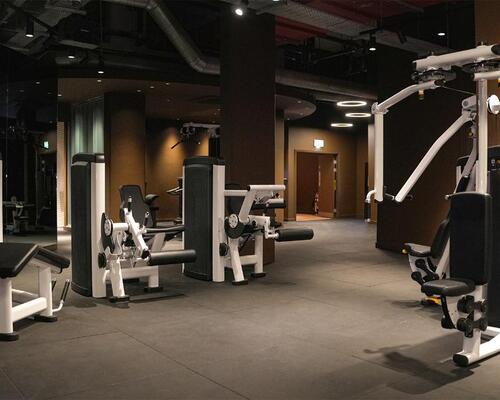
Fitness First UK has raised the bar with its latest refurbishment, in Highbury, London, as ...
Latest News
TLee Spas and Wellness has revealed the design for a wellness destination concept for AI ...
Latest News

Urban Gym Group has entered the Irish market with the acquisition of Iconic ...

Latest News

Total Fitness has released new research revealing how the expectations and motivations of ...

Latest News
Wattbike has announced a new integration with EGYM, which enables the bikes to contribute to ...
Latest News
Les Mills has launched a reformer Pilates workout. The 45-minute workout blends traditional reformer movements ...
Latest News
The inaugural HCM Invest event has opened applications for pitching slots ahead of its launch ...
Latest News
Girls in the UK are missing out on 280 million hours of sport every year ...
Latest News
According to research which tracked more than 147,000 people for 30 years, 90-120 minutes of ...
Opinion
promotion
Strength training has moved from the margins to the mainstream.
Opinion: Building smarter strength spaces for today’s operators
Featured supplier news
Featured supplier news: Introducing a new era of Nautilus Leverage
Strength training has never been more important for member retention, facility differentiation and long-term commercial success.
Featured supplier news
Featured supplier news: Legends never die: four legends, four philosophies of life
Panatta brought together four of the most influential figures in bodybuilding history on the stage of RiminiWellness 2026: Phil Heath, Lee Haney, Ronnie Coleman and Hany Rambod.
Company profiles
Company profile: Zynk - wellness design experts
Zynk are a team of specialist interior architects and designers with more than 25 year’s ...
Company profiles
Company profile: GLL
GLL
As the UK’s leading provider of both leisure centres and libraries we operate 379 locations ...
Supplier Showcases
Supplier Showcase - From nightclub to health club
Supplier Showcases
Supplier Showcase - Future-proofing
Catalogue Gallery
Click on a catalogue to view it online
Featured press releases
GLL press release: Families flock to 'Better' Leisure Centres for weekend of free fun
Heralding the launch of the Commonwealth Games Last weekend’s ‘Team England National Sports Weekend’ (18 and 19 July) held at ‘Better’ leisure centres across the UK was a ‘hit’, with customers of all ages arriving in their legions to try out a selection o
Featured press releases
CET CryoSpas press release: CET CryoSpas and Specialist Pools Services Ltd partner to bring automated Ice Bath Management to the commercial leisure sector
New partnership between CET CryoSpas and Specialist Pools Services Ltd aims to reduce maintenance, improve operational efficiency and help operators meet growing demand for cold water immersion.
Directory
Hot tubs
MSpa International Ltd: Hot tubs
Spa and beauty equipment
Oakworks Inc: Spa and beauty equipment
Lockers
Crown Sports Lockers: Lockers
Industrial washing machines
Miele Company Limited: Industrial washing machines
Water experiences and hydrotherapy solutions
Aquaform s.r.l.: Water experiences and hydrotherapy solutions
Property & Tenders
Stratford, East London.
Lee Valley Regional Park Authority
Property & Tenders
Y Felinheli, LL56 4QN
Newmark
Property & Tenders
Diary dates
21-24 Sep 2026
The Langham Huntington Pasadena , Pasadena, United States
Diary dates
28-29 Sep 2026
Grand Ballroom, METT Singapore, Singapore
Diary dates
06-08 Oct 2026
Messe Stuttgart, Stuttgart, Germany
Diary dates
22-22 Oct 2026
QEII Conference Centre, London,
Diary dates
29-31 Oct 2026
Impact Exhibition & Convention Center Bangkok,Thailand, Bangkok, Thailand
Diary dates
29-31 Oct 2026
IMPACT Exhibition Center, Bangkok, Thailand , Bangkok, Thailand
Diary dates
14-15 Nov 2026
The Kromhouthal , Amsterdam, Netherlands
Diary dates
26-29 Oct 2027
Koelnmesse Exhibition Centre, Cologne, Germany
Diary dates
Search news, features & products:
Find a supplier:
Partner sites