











Follow Health Club Management on Twitter Like Health Club Management on Facebook Join the discussion with Health Club Management on LinkedIn
FITNESS, HEALTH, WELLNESS

features

Policy: Fitness to wellbeing

Muir Gray has a vision for a world where exercise professionals help people live longer, better lives into old age

Published in Health Club Management 2021 issue 1
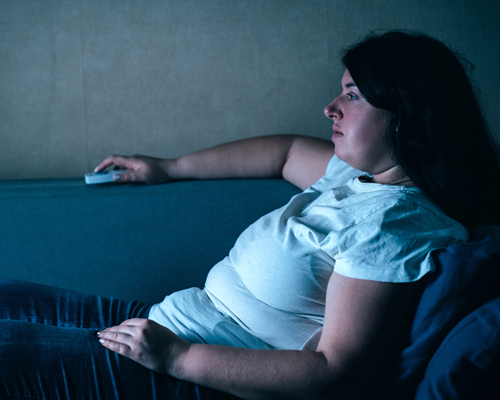
The normal biological ageing process does not cause problems until people are into their late 90s / Photo: AlessandroBiascioli / shutterstock
The industry should change from being focused on fitness and mostly working in real estate, to being a wellbeing industry, working with people of any age or level of health, wherever is needed

Before COVID, we were preparing an article for HCM called the Inverse Gym Law. This was based on a famous article published in The Lancet fifty years ago called the Inverse Care Law in which the author, the late Julian Tudor Hart, demonstrated that the volume and quality of healthcare was inversely related to need.

Our argument was that the fitness industry is also delivering a service that is inversely related to the potential for benefit.

Most of the people working with trainers and using gyms and fitness centres are young people, whereas the benefit that can be obtained from these resources increases with every decade of life that passes.

This is because the fitness gap opens up for most people in their early twenties when they get their first job – usually a sitting job – and their first car and that gap grows progressively wider until it reaches a point when it means the individual will drop below what has been called The Line, namely the level of ability where they can no longer carry out crucial tasks such as getting to the toilet in time.

The complicating factor is that the normal biological ageing process – which by itself does not cause problems until people are into their late 90s – does reduce resilience. This means that with each decade that goes by, fitness and ability are lost faster and are more difficult to recover.

However the evidence is clear that people of any age, no matter how many long-term conditions they may have, can close the fitness gap if they undertake the right exercise regime.

Although deprivation remains a huge problem, many older people are well off financially and so – pre-pandemic – represented an untapped market for the fitness industry, but then along came COVID-19.

Learning from the pandemic
Older people are at greater risk from coronavirus infection and for this reason are advised to practice what was initially called socially distancing – namely to avoid interaction with other, younger people, although it was emphasised in the prime minister’s first speech that getting out for exercise was very important.

COVID-19 has had a huge impact on older people in terms of fatalities, particularly in care homes, but what has emerged – more importantly – is the impact of lockdown on their health and this has been called the deconditioning pandemic, or the second pandemic.

The impact of this deconditioning is dramatically revealed in recent reports by AgeUK and the Centre for Ageing Better. One quarter of older people cannot walk as far and one fifth feel less steady on their feet and there have also been huge psychological impacts in terms of isolation and depression, which are both risk factors for dementia.

The need for reconditioning
Evidence shows people can regain lost ability, no matter their age or the number of conditions they have, but how can this reconditioning be brought about?

Social care bears a great burden as a result of deconditioning among older people, but is prevented from taking action by the current ‘culture of care’, which to most people means doing things FOR others.

This approach was laid down in 1948 in the National Assistance Act, which made it clear that younger people with special needs, “the crippled, deaf, dumb and blind”, needed education to overcome their difficulties, whereas the aged simply needed ‘practical assistance”, either at home or in care homes.

As a result, a culture developed which assumed that every problem was due to ageing and could be solved by just doing things for people.

Persistent culture
The Social Care Act of 2014 was much more enlightened and Section 2 emphasises the need to prevent the need for social care, but the culture has not changed.

The NHS is, by definition, a health service but in practice it is a National Disease Service and of course it has a vitally important role to play in, for example, treating stroke and providing joint replacement – two examples of the miracles of the second healthcare revolution – the high-tech revolution. The first being the Public Health Revolution of the 19th century.

With additional problems posed by COVID-19, it’s unlikely the NHS will be able to rise to the challenge of reconditioning the elderly, which should actually be the first step in the development of a completely different approach and culture to help people live longer, better and have a shorter period of multi-morbidity and dependency at the end of life.

The opportunity
In a major project organised by the Oxfordshire Activity Partnership, seventeen Active Partnerships are working towards a common set of objectives to help people live longer, better and to change the culture from a culture of care to a culture of enablement – or perhaps we could even use the term coaching – based on a definition of coaching as being activities to help people close the gap between potential and performance.

The key workforce are PTs and this means that the sector formerly known as the fitness industry is playing a key role in promoting wellbeing.

The term fitness of course is an accurate term, but it is so deeply associated with younger people that to change the culture it is better to use another term, and wellbeing is probably the single best term to use.

I believe the industry should change its brand from being a fitness industry, mostly working in real estate, to a wellbeing industry, working with people of any age or any level of health, either individually or in groups – online as well as in buildings.
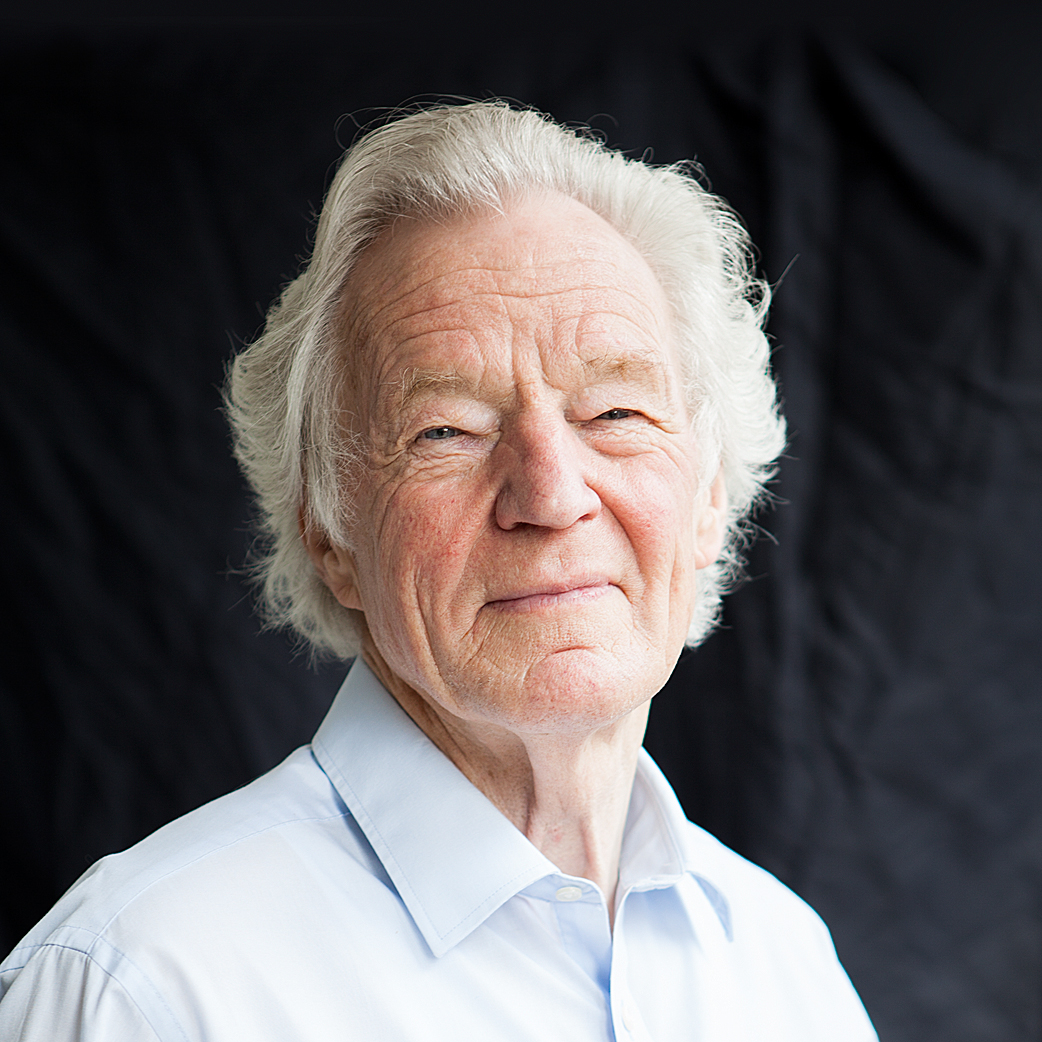
Muir Gray is director of the optimal ageing programme at Oxford, a member of Active Oxfordshire and an Honorary Fellow of the Faculty of Sport and Exercise Medicine
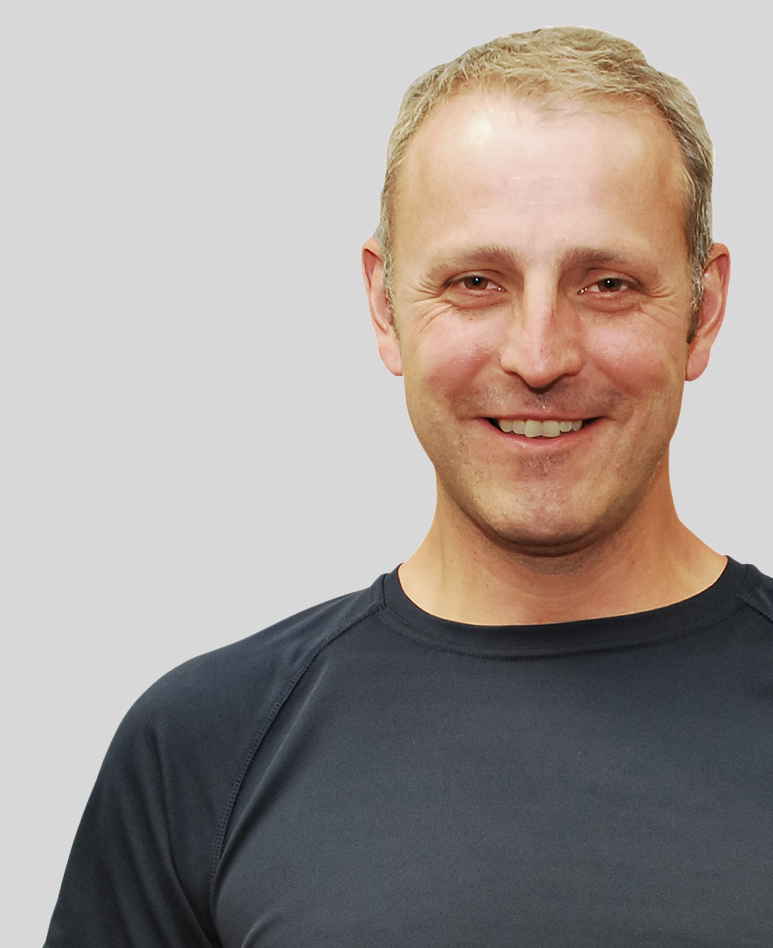
Opinion: Kenny Butler – ukactive

Gyms, pools and leisure centres are essential places for the health and wellbeing of older adults, where they achieve not only greater physical activity levels, but also improved social connections, generating health, economic and social value.

The industry has proven these places are COVID-secure and that they’re more important than ever in this new chapter in the fight against COVID-19.

These places deliver 66 per cent of cancer rehabilitation and all the nation’s GP Exercise on Referral services. They’re also where 17.1m people reach the recommended levels of activity each week – second only to walking.

The industry now has a partnership with NHS England through social prescribing, and has put itself forward to help with the backlog of rehabilitation for elective surgeries and other rehabilitation needs in an ever-growing deconditioning crisis.

This industry is an essential service in the prevention and treatment of disease, as well as enhancing the physical and mental health of the nation.
Sign up here to get HCM's weekly ezine and every issue of HCM magazine free on digital.
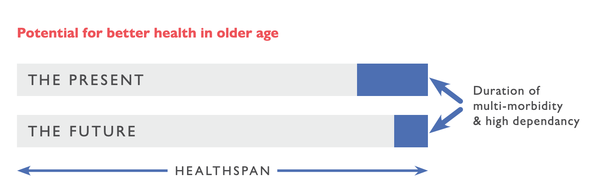
Exercise interventions can shorten the period of dependency at the end of life / Photo: CGN089/shutterstock
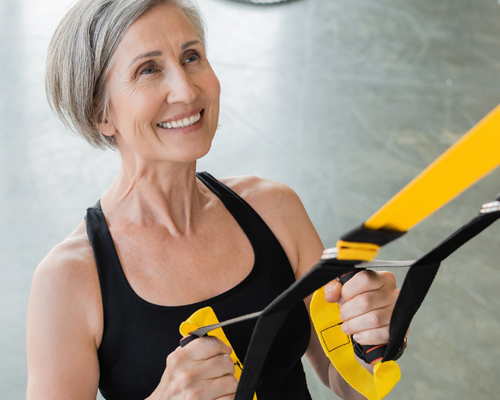
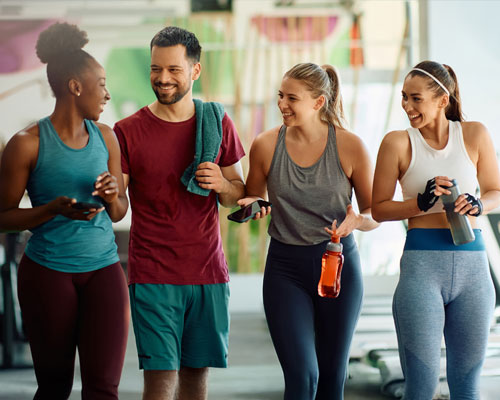
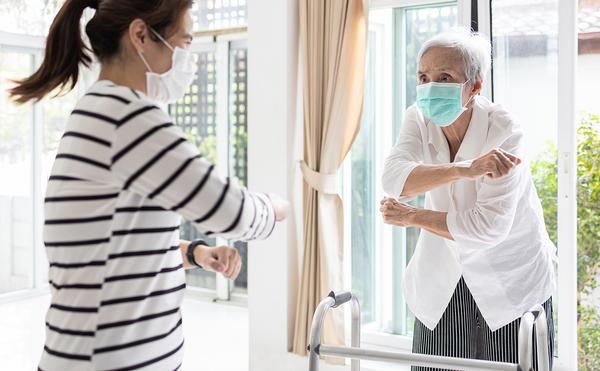
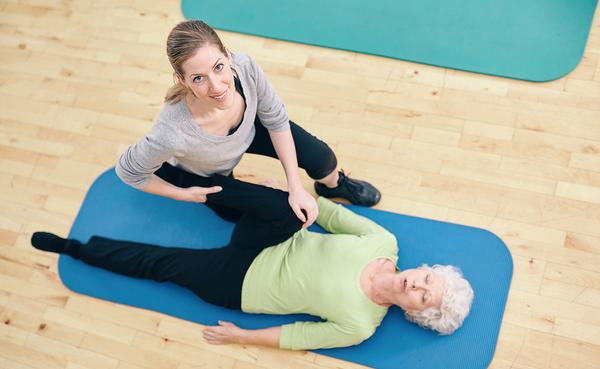
The fitness industry can play a key role in promoting wellbeing in older people / Photo: Jacob Lund/shutterstock
https://www.leisureopportunities.co.uk/images/2021/718719_859199.jpg
Muir Gray argues the industry needs a change of focus to optimise its potential
Muir Grey, ageing, optimal ageing programme, Kenny Butler, ukactive,wellbeing, fitness
HCM magazine
If the health service is to survive, we must recognise that it is a disease service – and that wellbeing rests with us, says the activity advocate and healthy ageing champion. He talks to Kate Cracknell
HCM magazine
HCM People

Stephen Price

Founder, SP&Co Group
Working in public health over the last few years has lit up parts of my brain again
HCM magazine
Strength training is evolving, driven by changing consumer preferences. Julie Cramer talks to innovators about how their products are meeting this demand
HCM magazine
Collaborations with the medical profession and greater aspirations around wellbeing are creating a need for more experts in our sector. It’s time to reboot our thinking around the workforce
HCM magazine
Small improvements to sleep, diet and physical activity have major benefits for the heart, according to new research from the University of Sydney
HCM promotional features
Sponsored
David Lloyd is stepping up its commitment to women’s health as it continues to explore what fit-for-purpose looks like for the female population
HCM promotional features
Sponsored
Starpool supports Olympic champion Marcell Jacobs, says Riccardo Turri
HCM promotional features
Sponsored
Greg Bradley looks at the shift towards strength training in gyms and advises on how operators can create the ultimate training environment
HCM promotional features
Sponsored
Find out how your gym can tap into the corporate wellness boom
HCM promotional features
Sponsored
SnowDome Fitness has added 50 per cent more space with cutting-edge Technogym solutions
HCM promotional features
Sponsored
Third Space partnered with IndigoFitness to deliver a bespoke training space for its new club at The Whiteley
HCM promotional features
Sponsored
EGYM has opened a new HQ in Paternoster Square, London and revealed a range of new launches
HCM promotional features
Sponsored
The industry is embracing consumer-facing tech. Now it’s time to streamline back-of-house systems with Orbit4, says Daniel Jones
HCM promotional features
Sponsored
New launch, Salus House, elevates boutique wellness with high service levels and a partnership with Technogym
HCM promotional features
Latest News
People taking GLP-1 weight loss medications such as Ozempic, Wegovy, Mounjaro and Zepbound may be ...
Latest News
Low-cost gym operator, PureGym, is trialling recovery zones at two of its UK sites, democratising ...
Latest News
In a milestone moment, mental health has become a core part of CIMSPA’s occupational professional ...
Latest News
US high-value, low-price chain, Eos Fitness, has announced plans to pilot reformer Pilates in three ...
Latest News
Preventive healthcare company Neko Health has added body composition analysis to its full-body health scan ...
Latest News
Chequan Lewis is the new CEO of Crunch Fitness, taking over from Jim Rowley, who ...
Latest News
Sea Lanes Canary Wharf has officially opened. The 50-metre, six-lane pool, which uses the natural ...
Latest News
London-based high-performance fitness club, ONE LDN, is raising funds for a multi-site expansion across London, ...
Opinion
promotion
Strength training has moved from the margins to the mainstream.
Opinion: Building smarter strength spaces for today’s operators
Featured supplier news
Featured supplier news: Cornerstone Connect helps Active Blackpool tackle health inequalities
Active Blackpool is deploying Cornerstone Connect, a new digital interface allowing disparate information from multiple systems to be aggregated into one dataset, to support its focus on reducing health inequalities and improving healthy life expectancy.
Featured supplier news
Featured supplier news: Supporting long-term health: why whole body vibration belongs in clinical settings
As healthcare continues to shift towards prevention, there’s a growing focus on helping people stay active, independent and feeling good for longer.
Company profiles
Company profile: Speedflex (UK & Ireland) Limited
Speedflex offers safe and effective, high intensity, low impact HIIT training in a variety of ...
Company profiles
Company profile: GLL
GLL
As the UK’s leading provider of both leisure centres and libraries we operate 379 locations ...
Supplier Showcases
Supplier Showcase - From nightclub to health club
Supplier Showcases
Supplier Showcase - Future-proofing
Catalogue Gallery
Click on a catalogue to view it online
Featured press releases
Swim England press release: Swim England launches new Learn to Swim Growth Plan to support aquatic programme expansion
Swim England has strengthened its sector-leading Business Solutions offer with the launch of its Learn to Swim Growth Plan, designed to help aquatic providers unlock sustainable programme growth.
Featured press releases
CoverMe Ltd press release: CoverMe and Jobs In. Fitness partner to create end-to-end talent solution
CoverMe, the UK’s leading fitness workforce management and recruitment platform, has partnered with Jobs In. Fitness, the specialist executive search and advisory firm for the fitness and wellbeing sector, to give operators a single route to talent at every level – from frontline staffing to C-suite.
Directory
Hot tubs
MSpa International Ltd: Hot tubs
Water experiences and hydrotherapy solutions
Aquaform s.r.l.: Water experiences and hydrotherapy solutions
Spa and beauty equipment
Living Earth Crafts: Spa and beauty equipment
Lockers
Crown Sports Lockers: Lockers
Industrial washing machines
Miele Company Limited: Industrial washing machines
Fitness tracking platform
SpiviTech: Fitness tracking platform
Property & Tenders
Stratford, East London.
Lee Valley Regional Park Authority
Property & Tenders
Y Felinheli, LL56 4QN
Newmark
Property & Tenders
Diary dates
21-24 Sep 2026
The Langham Huntington Pasadena , Pasadena, United States
Diary dates
06-08 Oct 2026
Messe Stuttgart, Stuttgart, Germany
Diary dates
22-22 Oct 2026
QEII Conference Centre, London,
Diary dates
26-29 Oct 2027
Koelnmesse Exhibition Centre, Cologne, Germany
Diary dates

features

Policy: Fitness to wellbeing

Muir Gray has a vision for a world where exercise professionals help people live longer, better lives into old age

Published in Health Club Management 2021 issue 1
The normal biological ageing process does not cause problems until people are into their late 90s / Photo: AlessandroBiascioli / shutterstock
The industry should change from being focused on fitness and mostly working in real estate, to being a wellbeing industry, working with people of any age or level of health, wherever is needed

Before COVID, we were preparing an article for HCM called the Inverse Gym Law. This was based on a famous article published in The Lancet fifty years ago called the Inverse Care Law in which the author, the late Julian Tudor Hart, demonstrated that the volume and quality of healthcare was inversely related to need.

Our argument was that the fitness industry is also delivering a service that is inversely related to the potential for benefit.

Most of the people working with trainers and using gyms and fitness centres are young people, whereas the benefit that can be obtained from these resources increases with every decade of life that passes.

This is because the fitness gap opens up for most people in their early twenties when they get their first job – usually a sitting job – and their first car and that gap grows progressively wider until it reaches a point when it means the individual will drop below what has been called The Line, namely the level of ability where they can no longer carry out crucial tasks such as getting to the toilet in time.

The complicating factor is that the normal biological ageing process – which by itself does not cause problems until people are into their late 90s – does reduce resilience. This means that with each decade that goes by, fitness and ability are lost faster and are more difficult to recover.

However the evidence is clear that people of any age, no matter how many long-term conditions they may have, can close the fitness gap if they undertake the right exercise regime.

Although deprivation remains a huge problem, many older people are well off financially and so – pre-pandemic – represented an untapped market for the fitness industry, but then along came COVID-19.

Learning from the pandemic
Older people are at greater risk from coronavirus infection and for this reason are advised to practice what was initially called socially distancing – namely to avoid interaction with other, younger people, although it was emphasised in the prime minister’s first speech that getting out for exercise was very important.

COVID-19 has had a huge impact on older people in terms of fatalities, particularly in care homes, but what has emerged – more importantly – is the impact of lockdown on their health and this has been called the deconditioning pandemic, or the second pandemic.

The impact of this deconditioning is dramatically revealed in recent reports by AgeUK and the Centre for Ageing Better. One quarter of older people cannot walk as far and one fifth feel less steady on their feet and there have also been huge psychological impacts in terms of isolation and depression, which are both risk factors for dementia.

The need for reconditioning
Evidence shows people can regain lost ability, no matter their age or the number of conditions they have, but how can this reconditioning be brought about?

Social care bears a great burden as a result of deconditioning among older people, but is prevented from taking action by the current ‘culture of care’, which to most people means doing things FOR others.

This approach was laid down in 1948 in the National Assistance Act, which made it clear that younger people with special needs, “the crippled, deaf, dumb and blind”, needed education to overcome their difficulties, whereas the aged simply needed ‘practical assistance”, either at home or in care homes.

As a result, a culture developed which assumed that every problem was due to ageing and could be solved by just doing things for people.

Persistent culture
The Social Care Act of 2014 was much more enlightened and Section 2 emphasises the need to prevent the need for social care, but the culture has not changed.

The NHS is, by definition, a health service but in practice it is a National Disease Service and of course it has a vitally important role to play in, for example, treating stroke and providing joint replacement – two examples of the miracles of the second healthcare revolution – the high-tech revolution. The first being the Public Health Revolution of the 19th century.

With additional problems posed by COVID-19, it’s unlikely the NHS will be able to rise to the challenge of reconditioning the elderly, which should actually be the first step in the development of a completely different approach and culture to help people live longer, better and have a shorter period of multi-morbidity and dependency at the end of life.

The opportunity
In a major project organised by the Oxfordshire Activity Partnership, seventeen Active Partnerships are working towards a common set of objectives to help people live longer, better and to change the culture from a culture of care to a culture of enablement – or perhaps we could even use the term coaching – based on a definition of coaching as being activities to help people close the gap between potential and performance.

The key workforce are PTs and this means that the sector formerly known as the fitness industry is playing a key role in promoting wellbeing.

The term fitness of course is an accurate term, but it is so deeply associated with younger people that to change the culture it is better to use another term, and wellbeing is probably the single best term to use.

I believe the industry should change its brand from being a fitness industry, mostly working in real estate, to a wellbeing industry, working with people of any age or any level of health, either individually or in groups – online as well as in buildings.

Muir Gray is director of the optimal ageing programme at Oxford, a member of Active Oxfordshire and an Honorary Fellow of the Faculty of Sport and Exercise Medicine

Opinion: Kenny Butler – ukactive

Gyms, pools and leisure centres are essential places for the health and wellbeing of older adults, where they achieve not only greater physical activity levels, but also improved social connections, generating health, economic and social value.

The industry has proven these places are COVID-secure and that they’re more important than ever in this new chapter in the fight against COVID-19.

These places deliver 66 per cent of cancer rehabilitation and all the nation’s GP Exercise on Referral services. They’re also where 17.1m people reach the recommended levels of activity each week – second only to walking.

The industry now has a partnership with NHS England through social prescribing, and has put itself forward to help with the backlog of rehabilitation for elective surgeries and other rehabilitation needs in an ever-growing deconditioning crisis.

This industry is an essential service in the prevention and treatment of disease, as well as enhancing the physical and mental health of the nation.
Sign up here to get HCM's weekly ezine and every issue of HCM magazine free on digital.
Exercise interventions can shorten the period of dependency at the end of life / Photo: CGN089/shutterstock
The fitness industry can play a key role in promoting wellbeing in older people / Photo: Jacob Lund/shutterstock
https://www.leisureopportunities.co.uk/images/2021/718719_859199.jpg
Muir Gray argues the industry needs a change of focus to optimise its potential
Muir Grey, ageing, optimal ageing programme, Kenny Butler, ukactive,wellbeing, fitness
Latest News
People taking GLP-1 weight loss medications such as Ozempic, Wegovy, Mounjaro and Zepbound may be ...
Latest News
Low-cost gym operator, PureGym, is trialling recovery zones at two of its UK sites, democratising ...
Latest News
In a milestone moment, mental health has become a core part of CIMSPA’s occupational professional ...
Latest News
US high-value, low-price chain, Eos Fitness, has announced plans to pilot reformer Pilates in three ...
Latest News
Preventive healthcare company Neko Health has added body composition analysis to its full-body health scan ...
Latest News
Chequan Lewis is the new CEO of Crunch Fitness, taking over from Jim Rowley, who ...
Latest News
Sea Lanes Canary Wharf has officially opened. The 50-metre, six-lane pool, which uses the natural ...
Latest News
London-based high-performance fitness club, ONE LDN, is raising funds for a multi-site expansion across London, ...
Latest News
A new brain clinic has opened in London, which uses non-invasive brain stimulation to treat ...
Latest News
Good Boost’s digital exercise programmes are helping adults with MSK at a lower cost than ...
Latest News
With Prime Minister, Keir Starmer, announcing his resignation this morning and Andy Burnham as a ...
Opinion
promotion
Strength training has moved from the margins to the mainstream.
Opinion: Building smarter strength spaces for today’s operators
Featured supplier news
Featured supplier news: Cornerstone Connect helps Active Blackpool tackle health inequalities
Active Blackpool is deploying Cornerstone Connect, a new digital interface allowing disparate information from multiple systems to be aggregated into one dataset, to support its focus on reducing health inequalities and improving healthy life expectancy.
Featured supplier news
Featured supplier news: Supporting long-term health: why whole body vibration belongs in clinical settings
As healthcare continues to shift towards prevention, there’s a growing focus on helping people stay active, independent and feeling good for longer.
Company profiles
Company profile: Speedflex (UK & Ireland) Limited
Speedflex offers safe and effective, high intensity, low impact HIIT training in a variety of ...
Company profiles
Company profile: GLL
GLL
As the UK’s leading provider of both leisure centres and libraries we operate 379 locations ...
Supplier Showcases
Supplier Showcase - From nightclub to health club
Supplier Showcases
Supplier Showcase - Future-proofing
Catalogue Gallery
Click on a catalogue to view it online
Featured press releases
Swim England press release: Swim England launches new Learn to Swim Growth Plan to support aquatic programme expansion
Swim England has strengthened its sector-leading Business Solutions offer with the launch of its Learn to Swim Growth Plan, designed to help aquatic providers unlock sustainable programme growth.
Featured press releases
CoverMe Ltd press release: CoverMe and Jobs In. Fitness partner to create end-to-end talent solution
CoverMe, the UK’s leading fitness workforce management and recruitment platform, has partnered with Jobs In. Fitness, the specialist executive search and advisory firm for the fitness and wellbeing sector, to give operators a single route to talent at every level – from frontline staffing to C-suite.
Directory
Hot tubs
MSpa International Ltd: Hot tubs
Water experiences and hydrotherapy solutions
Aquaform s.r.l.: Water experiences and hydrotherapy solutions
Spa and beauty equipment
Living Earth Crafts: Spa and beauty equipment
Lockers
Crown Sports Lockers: Lockers
Industrial washing machines
Miele Company Limited: Industrial washing machines
Fitness tracking platform
SpiviTech: Fitness tracking platform
Property & Tenders
Stratford, East London.

Lee Valley Regional Park Authority
Property & Tenders
Y Felinheli, LL56 4QN
Newmark
Property & Tenders
Diary dates
21-24 Sep 2026
The Langham Huntington Pasadena , Pasadena, United States
Diary dates
06-08 Oct 2026
Messe Stuttgart, Stuttgart, Germany
Diary dates
22-22 Oct 2026
QEII Conference Centre, London,
Diary dates
26-29 Oct 2027
Koelnmesse Exhibition Centre, Cologne, Germany
Diary dates
Search news, features & products:
Find a supplier:
Partner sites