

















Follow Health Club Management on Twitter Like Health Club Management on Facebook Join the discussion with Health Club Management on LinkedIn
FITNESS, HEALTH, WELLNESS

features

Nutrition & obesity: Good fat

Could brown fat offer a lifeline in battling obesity – and if so, how do we activate it in our bodies? Kate Cracknell offers a summary of the latest research

By Kate Cracknell | Published in Health Club Management 2015 issue 10
Some people have a different kind of fat in their bodies, helping them burn calories rather than storing them

White or brown, bad or good? We’re not talking about the nutritional value of sliced bread here – we’re talking fat, with a raft of research emerging over the last few years that challenges all our preconceptions.

Up until just a few years ago, it was thought that adults only ever had ‘bad’ fat – the normal white fat that stores calories, meaning you’ll put on weight if you have too much of it.

However, over the last few years we’ve begun to understand that some people have a different kind of fat in their bodies – a fat that might actually help them lose weight by burning calories rather than storing them.

Step forward brown fat. Until recently this was thought to be present only in children, but in 2009 it was discovered that, although it dwindles with age, brown fat is still active in up to 7.5 per cent of adults. While white fat primarily stores energy as triglycerides, brown fat dissipates chemical energy as heat; the more brown fat you have, the more weight you can lose, the faster your metabolism will be and the better your insulin sensitivity, leading to lower risk of type 2 diabetes.

Even better, it’s been shown that energy-storing white fat has the capacity to transform into energy-burning brown-like fat – cue rising numbers of research studies as scientists strive to find more ways to turn white fat into brown fat.

But it may not prove to be a magic bullet to treat obesity, warns Jan Nedergaard, a physiologist at Stockholm University in Sweden. He believes stimulating brown fat is more likely to help keep healthy people from becoming fat, rather than making obese people skinny: “Everybody would like to take a fat person and make him slim, but that demands a high-burning capacity that brown fat probably doesn’t have.”

Nevertheless, with the mindset that prevention is in any case better than cure, we take a look at some of the studies that are starting to shed light on this fascinating topic.

Beige is the new brown

It’s not quite brown fat, but in July 2012, a Harvard Medical School study published in the journal Cell reported the discovery of beige fat – another type of fat that’s present in “most or all human beings”, which has the ability to both store and burn calories.

The scientists discovered that beige fat is similar to brown fat in some ways. Both contain iron, which gives them their distinctive colour, and both have an abundance of mitochondria – a part of the cell that is able to produce heat and burn calories.

However, there were also some significant differences. Brown fat cells give off high levels of UCP1 – a protein that mitochondria need to produce heat and burn calories. In comparison, beige fat cells usually express low levels of UCP1.

But this is where physical activity comes in, because it was also discovered that beige fat could be stimulated to produce a lot of UCPI when exposed to irisin – a hormone released by muscles during exercise or when muscles shiver due to exposure to cold temperatures.

It was also found that the cells differ from each other genetically. Brown fat cells originate from muscle stem cells. In comparison, beige fat cells emerge from white fat cells – making it possible for them to store fat when levels of UCP1 are low, but burn it when muscles release irisin through exercise.
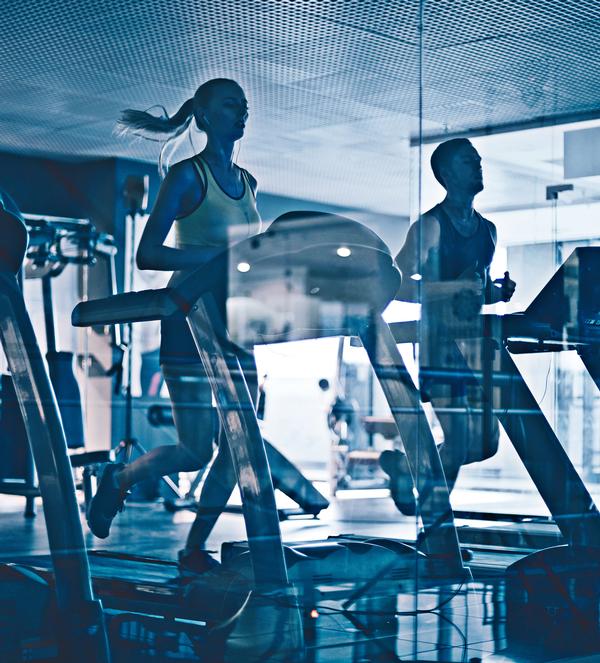
Exercise can cause white fat cells to turn beige and burn calories / PHOTO: .shutterstock.com

Hot & cold

Exposure to cold and consumption of chemicals found in chilies seem to increase the number and activity of brown fat cells, according to a 2013 Japanese study published in the Journal of Clinical Investigation. Subjects who were exposed to cold also had fewer white fat cells at the end of the study.

Researchers exposed eight people with little or no brown fat cells to moderately low temperatures (17 degrees Celsius) for two hours each day over the course of six weeks. Compared with the control subjects who went about their normal lives, the cold-exposed people had about 5 per cent less body fat at the end of the study, and they also burned more energy when exposed to cold.

The researchers also looked at people who ate capsinoids, normally found in chili peppers, for six weeks. They burned more energy than the control group when exposed to cold, but didn’t lose any more white fat than the control group.

However, a previous 12-week study found this longer period of capsinoid ingestion led to significant body fat decreases in mildly obese people. Capsinoids appear to induce brown fat in the same way as the cold, by ‘capturing’ the same cellular system that the body’s nervous system uses to increase heat production, according to lead researcher Takeshi Yoneshiro.
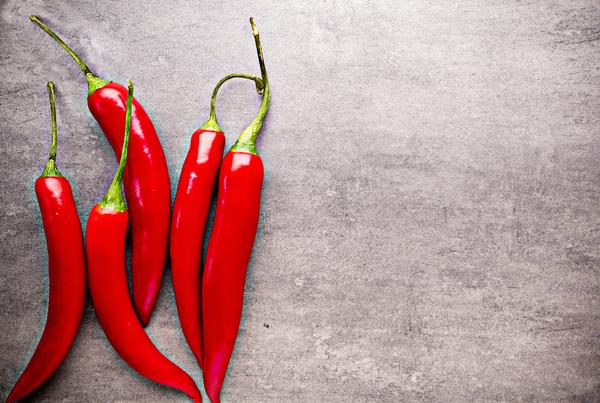
Hot & cold / PHOTO: .shutterstock.com

How the brain is able to ‘brown’ fat

A 2014 Yale School of Medicine study, published in the journal Cell, uncovered a molecular process in the brain known to control eating that transforms white fat into brown fat. Researchers demonstrated that neurons controlling hunger and appetite in the brain control the ‘browning’ of white fat.

Working on mice, the team stimulated this browning process from the brain and found it protected the animals from becoming obese on a high-fat diet. The team then studied the molecular changes in hunger-promoting neurons in the hypothalamus and found the attachment of a unique sugar – called O-GlcNAc – to potassium ion channels acts as a switch to control brain activity to burn fat.

“Our studies reveal white fat ‘browning’ as a highly dynamic physiological process that the brain controls,” said lead author Xiaoyong Yang. “We observed that food deprivation dominates over cold exposure in neural control of white fat browning. This regulatory system may be evolutionarily important, as it can reduce heat production to maintain energy balance when we’re hungry. Modulating this brain-to-fat connection represents a potential novel strategy to combat obesity and associated illnesses.”
Stimulating the fat browning process from brain could help prevent obesity – even among those on a high-fat diet / PHOTOS: .shutterstock.com

Brown fat ‘talks back’ to the brain

Brown fat tissue serves as an organ that communicates with the brain through sensory nerves, to inform how much fat we have and how much we’ve lost while the brown fat is generating heat, according to a 2015 Georgia State University study recently published in The Journal of Neuroscience.

Researchers found that brown fat tissue ‘talks back’ to the brain by activating sensory nerves – nerves that increased their activity in response to chemical activation and heat generation.

“Brown fat is an active organ that’s relatively important for metabolism – and we’ve found a new pathway of its communication,” says the study author Johnny Garretson.

“As brown fat gets hotter and starts to generate heat – doing good things for our body – it increases our metabolism and helps us burn white fat. As it’s getting hotter, the lab found that it tells the brain it’s getting hotter. We think this is some type of feedback, like a thermostat, and as it gets hotter it probably controls how the brain is talking back to it.”

This signals the existence of a feedback loop between brown fat tissue and the brain via the nervous system, which could become a tool in the fight against obesity.

A possible new drug

An experimental drug has been found to speed up metabolism and burn off fat cells, according to a 2015 study conducted on hundreds of mice by the Houston Methodist Research Institute.

Dubbed ‘GC-1’, the drug works by activating the receptors for the thyroid hormone, which play a role in regulating the metabolism – the body’s conversion of food into energy.

“CG-1 dramatically increases the metabolic rate, essentially converting white fat into a fat like calorie-burning brown fat,” says the study’s author Kevin Phillips PhD.
In the study, both genetically obese mice and those with diet-induced obesity received GC-1 treatment daily. The genetically obese mice lost weight and more than 50 per cent of their fat mass in approximately two weeks. They also showed anti-diabetic markers, such as a six-fold improvement in insulin sensitivity – how well the body clears glucose from the bloodstream. Mice with diet-induced obesity experienced similar improvements.

“Our data demonstrate that GC-1 is a novel fat-browning agent that may have a use in the treatment of obesity and metabolic disease,” adds Phillips. The drug has not yet undergone testing for weight loss in humans, but is being tested in clinical trials for lowering cholesterol under the name sobetirome, albeit in much smaller doses than would be required for weight loss.
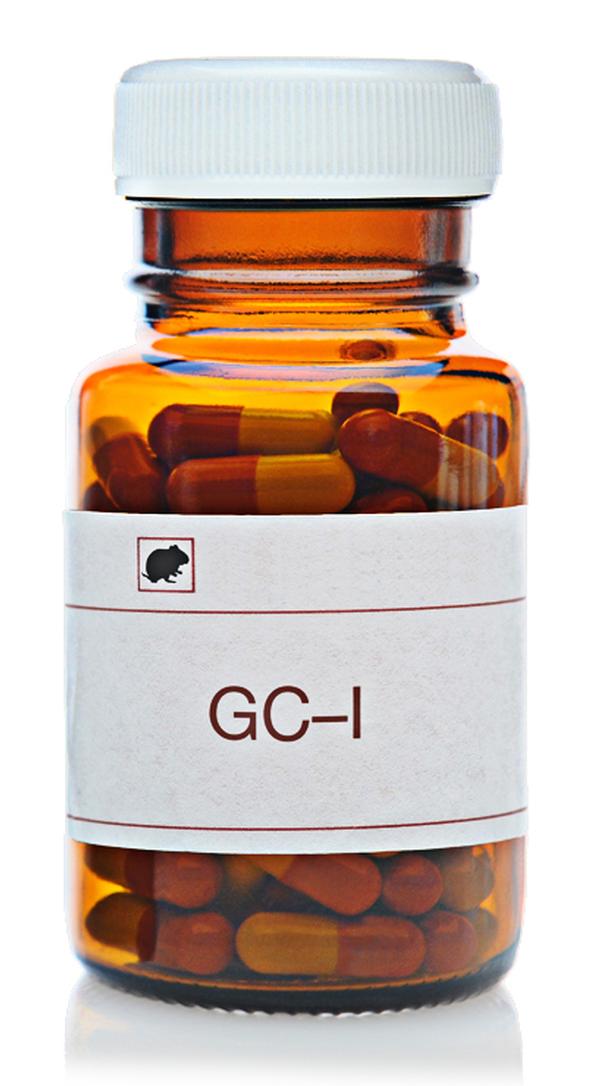
The drug is as yet untested for human weight loss

Berry good

In 2015, scientists at Washington State University found that berries, grapes and other fruits can convert excess white fat into calorie-burning ‘beige’ fat.

In the study, recently published in the International Journal of Obesity, mice were fed a high-fat diet, but those that also consumed resveratrol – the antioxidant found in fruits – gained about 40 per cent less weight. Based on the resveratrol intake the mice needed, it’s calculated that humans would need just 12 ounces of fruit a day to see the effect – especially blueberries, strawberries, raspberries, grapes and apples.

“Polyphenols in fruit, including resveratrol, increase gene expression that enhances the oxidation of dietary fats so the body won’t be overloaded,” says professor of animal sciences Min Du. “They convert white fat into beige fat which burns lipids off as heat – helping to keep the body in balance and prevent obesity and metabolic dysfunction.”
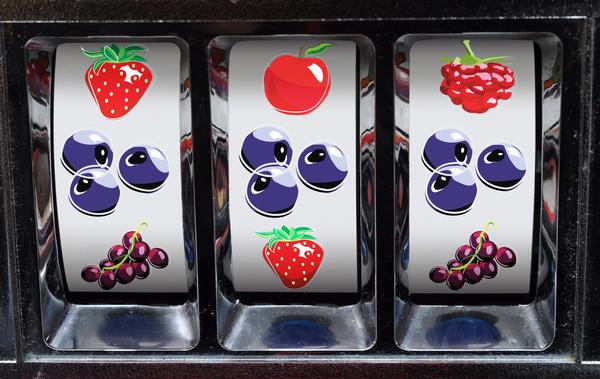
The polyphenols in fruit, including resveratrol, serve to enhance the oxidation of dietary fats

Just chill

In 2015, researchers at the University of California found that exposure to cold temperatures increases levels of a newly discovered protein that’s critical for the formation of brown fat.

With extended exposure to chilly air, the protein – called transcription factor Zfp516 – also helps the more abundant white fat in our bodies become more similar to brown fat in its ability to burn energy.

In the study – which was published in the journal Molecular Cell – mice with boosted levels of the Zfp516 protein gained 30 per cent less weight than control mice when both groups were fed a high-fat diet.

“If you can somehow increase levels of this protein through drugs, you could have more brown fat, and could possibly lose more weight even if eating the same amount of food,” says principal investigator Hei Sook Sul.

The researchers discovered that the Zfp516 protein activates uncoupling protein 1 (UCP1), found only in the mitochondria of brown fat and involved in the generation of heat.
“The amount of UCP1 produced by brown-like fat cells will be lower than that of classical brown fat, but since 90 per cent of the fat in our bodies consists of white fat, finding a way to make that tissue more brown-like could have a significant impact,” adds Sul.

When the researchers disabled the gene for Zfp516 in mouse embryos, the embryos did not develop any brown fat. In another experiment, researchers found that the mice with higher levels of Zfp516 protein were able to convert more white fat tissue into brown-like fat when they were exposed to cold air.

Cold exposure boosts the protein Zfp516, which can make white fat act like brown fat / PHOTO: .shutterstock.com

Stress yourself slim

Published in Cell Metabolism in August 2015, a new study has shown that energy-storing white fat can be turned into energy-burning brown-like fat – but only when the body is exposed to severe and prolonged adrenaline-releasing stress, such as burn trauma.

Adrenaline turns on UCP1, the protein expressed by brown fat cells that makes mitochondria burn calories without making any chemical energy – just heat.

The researchers at the University of Texas Medical Branch enrolled 72 patients that had sustained severe burns over approximately 50 per cent of their bodies; 19 healthy people served as a comparison group.

Samples of white fat were taken from the burned patients at different time points following the injury. The metabolism of the fat samples, the make-up of the fat cells and the patients’ resting metabolic rates were measured.

In patients, there was a gradual shift in molecular and functional characteristics of white fat to a more brown fat phenotype over time, suggesting progressive browning of white fat in response to a burn injury. “Our study provides proof that browning of white fat is possible in humans. The next step is to identify the mechanisms underpinning this effect and then to develop drugs that mimic the burn-induced effect,” says lead author Labros Sidossis.


Sign up here to get HCM's weekly ezine and every issue of HCM magazine free on digital.
Experience some of the world’s most beautiful rides while you work out
https://www.leisureopportunities.co.uk/images/HCM2015_10fat.jpg
White fat makes you fat. Brown fat can actually help you lose weight. We look at the research
Kate Cracknell, Editor, Healthclub Management,Brown fat, obesity, research
HCM magazine
Would you stop selling memberships to prevent your club getting overcrowded? How do you strike the balance between maximising profits and prioritising the member experience? Kath Hudson talks to the experts
HCM magazine
The fitness industry is mourning the passing of Les Mills, a founding father of fitness, as Kath Hudson reports
HCM magazine
The new CEO of UK Active talks to HCM about the gym-curious and why he believes the sector can double in size by the end of the next decade
HCM magazine
Lisa Starr tries the Ammortal Chamber to see whether layering 10 modalities into one experience really delivers more
HCM magazine
New legislation is exposing weakness and potential liabilities in the management of customer data in health clubs, says Andy Chesterman
HCM promotional features
Sponsored
Social fitness the missing link to member engagement, according to a new Myzone report
HCM promotional features
Sponsored
Find out how your gym can tap into the corporate wellness boom
HCM promotional features
Sponsored
Starpool supports Olympic champion Marcell Jacobs, says Riccardo Turri
HCM promotional features
Sponsored
SnowDome Fitness has added 50 per cent more space with cutting-edge Technogym solutions
HCM promotional features
Sponsored
David Lloyd is stepping up its commitment to women’s health as it continues to explore what fit-for-purpose looks like for the female population
HCM promotional features
Sponsored
Greg Bradley looks at the shift towards strength training in gyms and advises on how operators can create the ultimate training environment
HCM promotional features
Sponsored
Third Space partnered with IndigoFitness to deliver a bespoke training space for its new club at The Whiteley
HCM promotional features
Sponsored
EGYM has opened a new HQ in Paternoster Square, London and revealed a range of new launches
HCM promotional features
Latest News
The inaugural HCM Invest event has opened applications for pitching slots ahead of its launch ...
Latest News
Girls in the UK are missing out on 280 million hours of sport every year ...
Latest News
According to research which tracked more than 147,000 people for 30 years, 90-120 minutes of ...

Latest News
Everlast Gyms expands its footprint outside of the UK this month with the imminent launch ...
Latest News
The UK's four Chief Medical Officers have published a refreshed edition of  Physical activity guidelines: ...
Latest News
Places Leisure has exchanged contracts to build and operate a flagship £60m water and wellness ...
Latest News
The Republic of Ireland will become the latest market in PureGym’s expanding international portfolio, with ...
Latest News
Sophie Lawler, CEO of Total Fitness, has launched a leadership coaching business aimed at helping ...
Opinion
promotion
Strength training has moved from the margins to the mainstream.
Opinion: Building smarter strength spaces for today’s operators
Featured supplier news
Featured supplier news: Introducing a new era of Nautilus Leverage
Strength training has never been more important for member retention, facility differentiation and long-term commercial success.
Featured supplier news
Featured supplier news: Cornerstone Connect helps Active Blackpool tackle health inequalities
Active Blackpool is deploying Cornerstone Connect, a new digital interface allowing disparate information from multiple systems to be aggregated into one dataset, to support its focus on reducing health inequalities and improving healthy life expectancy.
Company profiles
Company profile: Absolute Performance
Absolute Performance is one of the UK’s leading gym design and installation companies. We install ...
Company profiles
Company profile: Output Sports
Output Sports provides performance technology for modern training facilities. Our integrated platform combines testing, monitoring ...
Supplier Showcases
Supplier Showcase - From nightclub to health club
Supplier Showcases
Supplier Showcase - Future-proofing
Catalogue Gallery
Click on a catalogue to view it online
Featured press releases
Fitbench press release: Fitbench unlocks the power of every square metre with Fitrack
Fitbench, the commercial fitness equipment company known for simplifying training spaces and removing barriers to exercise, today announces the launch of Fitrack, a multi-person, multifunctional training system that transforms underutilised gym space into a complete small group training destination.
Featured press releases
Precor Fitness Ltd press release: BH Live partners with Precor, transforming the Mountbatten Leisure Centre Gym
Alongside Precor, BH Live, the registered charity and social enterprise operating sport and leisure facilities across southern England, has completed a major refurbishment of the gym at Mountbatten Leisure Centre in Portsmouth as a part of a £750,000 inve
Directory
Spa and beauty equipment
Oakworks Inc: Spa and beauty equipment
Lockers
Crown Sports Lockers: Lockers
Hot tubs
MSpa International Ltd: Hot tubs
Industrial washing machines
Miele Company Limited: Industrial washing machines
Water experiences and hydrotherapy solutions
Aquaform s.r.l.: Water experiences and hydrotherapy solutions
Fitness tracking platform
SpiviTech: Fitness tracking platform
Property & Tenders
Stratford, East London.
Lee Valley Regional Park Authority
Property & Tenders
Y Felinheli, LL56 4QN
Newmark
Property & Tenders
Diary dates
21-24 Sep 2026
The Langham Huntington Pasadena , Pasadena, United States
Diary dates
06-08 Oct 2026
Messe Stuttgart, Stuttgart, Germany
Diary dates
22-22 Oct 2026
QEII Conference Centre, London,
Diary dates
26-29 Oct 2027
Koelnmesse Exhibition Centre, Cologne, Germany
Diary dates

features

Nutrition & obesity: Good fat

Could brown fat offer a lifeline in battling obesity – and if so, how do we activate it in our bodies? Kate Cracknell offers a summary of the latest research

By Kate Cracknell | Published in Health Club Management 2015 issue 10
Some people have a different kind of fat in their bodies, helping them burn calories rather than storing them

White or brown, bad or good? We’re not talking about the nutritional value of sliced bread here – we’re talking fat, with a raft of research emerging over the last few years that challenges all our preconceptions.

Up until just a few years ago, it was thought that adults only ever had ‘bad’ fat – the normal white fat that stores calories, meaning you’ll put on weight if you have too much of it.

However, over the last few years we’ve begun to understand that some people have a different kind of fat in their bodies – a fat that might actually help them lose weight by burning calories rather than storing them.

Step forward brown fat. Until recently this was thought to be present only in children, but in 2009 it was discovered that, although it dwindles with age, brown fat is still active in up to 7.5 per cent of adults. While white fat primarily stores energy as triglycerides, brown fat dissipates chemical energy as heat; the more brown fat you have, the more weight you can lose, the faster your metabolism will be and the better your insulin sensitivity, leading to lower risk of type 2 diabetes.

Even better, it’s been shown that energy-storing white fat has the capacity to transform into energy-burning brown-like fat – cue rising numbers of research studies as scientists strive to find more ways to turn white fat into brown fat.

But it may not prove to be a magic bullet to treat obesity, warns Jan Nedergaard, a physiologist at Stockholm University in Sweden. He believes stimulating brown fat is more likely to help keep healthy people from becoming fat, rather than making obese people skinny: “Everybody would like to take a fat person and make him slim, but that demands a high-burning capacity that brown fat probably doesn’t have.”

Nevertheless, with the mindset that prevention is in any case better than cure, we take a look at some of the studies that are starting to shed light on this fascinating topic.

Beige is the new brown

It’s not quite brown fat, but in July 2012, a Harvard Medical School study published in the journal Cell reported the discovery of beige fat – another type of fat that’s present in “most or all human beings”, which has the ability to both store and burn calories.

The scientists discovered that beige fat is similar to brown fat in some ways. Both contain iron, which gives them their distinctive colour, and both have an abundance of mitochondria – a part of the cell that is able to produce heat and burn calories.

However, there were also some significant differences. Brown fat cells give off high levels of UCP1 – a protein that mitochondria need to produce heat and burn calories. In comparison, beige fat cells usually express low levels of UCP1.

But this is where physical activity comes in, because it was also discovered that beige fat could be stimulated to produce a lot of UCPI when exposed to irisin – a hormone released by muscles during exercise or when muscles shiver due to exposure to cold temperatures.

It was also found that the cells differ from each other genetically. Brown fat cells originate from muscle stem cells. In comparison, beige fat cells emerge from white fat cells – making it possible for them to store fat when levels of UCP1 are low, but burn it when muscles release irisin through exercise.

Exercise can cause white fat cells to turn beige and burn calories / PHOTO: .shutterstock.com

Hot & cold

Exposure to cold and consumption of chemicals found in chilies seem to increase the number and activity of brown fat cells, according to a 2013 Japanese study published in the Journal of Clinical Investigation. Subjects who were exposed to cold also had fewer white fat cells at the end of the study.

Researchers exposed eight people with little or no brown fat cells to moderately low temperatures (17 degrees Celsius) for two hours each day over the course of six weeks. Compared with the control subjects who went about their normal lives, the cold-exposed people had about 5 per cent less body fat at the end of the study, and they also burned more energy when exposed to cold.

The researchers also looked at people who ate capsinoids, normally found in chili peppers, for six weeks. They burned more energy than the control group when exposed to cold, but didn’t lose any more white fat than the control group.

However, a previous 12-week study found this longer period of capsinoid ingestion led to significant body fat decreases in mildly obese people. Capsinoids appear to induce brown fat in the same way as the cold, by ‘capturing’ the same cellular system that the body’s nervous system uses to increase heat production, according to lead researcher Takeshi Yoneshiro.

Hot & cold / PHOTO: .shutterstock.com

How the brain is able to ‘brown’ fat

A 2014 Yale School of Medicine study, published in the journal Cell, uncovered a molecular process in the brain known to control eating that transforms white fat into brown fat. Researchers demonstrated that neurons controlling hunger and appetite in the brain control the ‘browning’ of white fat.

Working on mice, the team stimulated this browning process from the brain and found it protected the animals from becoming obese on a high-fat diet. The team then studied the molecular changes in hunger-promoting neurons in the hypothalamus and found the attachment of a unique sugar – called O-GlcNAc – to potassium ion channels acts as a switch to control brain activity to burn fat.

“Our studies reveal white fat ‘browning’ as a highly dynamic physiological process that the brain controls,” said lead author Xiaoyong Yang. “We observed that food deprivation dominates over cold exposure in neural control of white fat browning. This regulatory system may be evolutionarily important, as it can reduce heat production to maintain energy balance when we’re hungry. Modulating this brain-to-fat connection represents a potential novel strategy to combat obesity and associated illnesses.”

Stimulating the fat browning process from brain could help prevent obesity – even among those on a high-fat diet / PHOTOS: .shutterstock.com

Brown fat ‘talks back’ to the brain

Brown fat tissue serves as an organ that communicates with the brain through sensory nerves, to inform how much fat we have and how much we’ve lost while the brown fat is generating heat, according to a 2015 Georgia State University study recently published in The Journal of Neuroscience.

Researchers found that brown fat tissue ‘talks back’ to the brain by activating sensory nerves – nerves that increased their activity in response to chemical activation and heat generation.

“Brown fat is an active organ that’s relatively important for metabolism – and we’ve found a new pathway of its communication,” says the study author Johnny Garretson.

“As brown fat gets hotter and starts to generate heat – doing good things for our body – it increases our metabolism and helps us burn white fat. As it’s getting hotter, the lab found that it tells the brain it’s getting hotter. We think this is some type of feedback, like a thermostat, and as it gets hotter it probably controls how the brain is talking back to it.”

This signals the existence of a feedback loop between brown fat tissue and the brain via the nervous system, which could become a tool in the fight against obesity.

A possible new drug

An experimental drug has been found to speed up metabolism and burn off fat cells, according to a 2015 study conducted on hundreds of mice by the Houston Methodist Research Institute.

Dubbed ‘GC-1’, the drug works by activating the receptors for the thyroid hormone, which play a role in regulating the metabolism – the body’s conversion of food into energy.

“CG-1 dramatically increases the metabolic rate, essentially converting white fat into a fat like calorie-burning brown fat,” says the study’s author Kevin Phillips PhD.
In the study, both genetically obese mice and those with diet-induced obesity received GC-1 treatment daily. The genetically obese mice lost weight and more than 50 per cent of their fat mass in approximately two weeks. They also showed anti-diabetic markers, such as a six-fold improvement in insulin sensitivity – how well the body clears glucose from the bloodstream. Mice with diet-induced obesity experienced similar improvements.

“Our data demonstrate that GC-1 is a novel fat-browning agent that may have a use in the treatment of obesity and metabolic disease,” adds Phillips. The drug has not yet undergone testing for weight loss in humans, but is being tested in clinical trials for lowering cholesterol under the name sobetirome, albeit in much smaller doses than would be required for weight loss.

The drug is as yet untested for human weight loss

Berry good

In 2015, scientists at Washington State University found that berries, grapes and other fruits can convert excess white fat into calorie-burning ‘beige’ fat.

In the study, recently published in the International Journal of Obesity, mice were fed a high-fat diet, but those that also consumed resveratrol – the antioxidant found in fruits – gained about 40 per cent less weight. Based on the resveratrol intake the mice needed, it’s calculated that humans would need just 12 ounces of fruit a day to see the effect – especially blueberries, strawberries, raspberries, grapes and apples.

“Polyphenols in fruit, including resveratrol, increase gene expression that enhances the oxidation of dietary fats so the body won’t be overloaded,” says professor of animal sciences Min Du. “They convert white fat into beige fat which burns lipids off as heat – helping to keep the body in balance and prevent obesity and metabolic dysfunction.”

The polyphenols in fruit, including resveratrol, serve to enhance the oxidation of dietary fats

Just chill

In 2015, researchers at the University of California found that exposure to cold temperatures increases levels of a newly discovered protein that’s critical for the formation of brown fat.

With extended exposure to chilly air, the protein – called transcription factor Zfp516 – also helps the more abundant white fat in our bodies become more similar to brown fat in its ability to burn energy.

In the study – which was published in the journal Molecular Cell – mice with boosted levels of the Zfp516 protein gained 30 per cent less weight than control mice when both groups were fed a high-fat diet.

“If you can somehow increase levels of this protein through drugs, you could have more brown fat, and could possibly lose more weight even if eating the same amount of food,” says principal investigator Hei Sook Sul.

The researchers discovered that the Zfp516 protein activates uncoupling protein 1 (UCP1), found only in the mitochondria of brown fat and involved in the generation of heat.
“The amount of UCP1 produced by brown-like fat cells will be lower than that of classical brown fat, but since 90 per cent of the fat in our bodies consists of white fat, finding a way to make that tissue more brown-like could have a significant impact,” adds Sul.

When the researchers disabled the gene for Zfp516 in mouse embryos, the embryos did not develop any brown fat. In another experiment, researchers found that the mice with higher levels of Zfp516 protein were able to convert more white fat tissue into brown-like fat when they were exposed to cold air.

Cold exposure boosts the protein Zfp516, which can make white fat act like brown fat / PHOTO: .shutterstock.com

Stress yourself slim

Published in Cell Metabolism in August 2015, a new study has shown that energy-storing white fat can be turned into energy-burning brown-like fat – but only when the body is exposed to severe and prolonged adrenaline-releasing stress, such as burn trauma.

Adrenaline turns on UCP1, the protein expressed by brown fat cells that makes mitochondria burn calories without making any chemical energy – just heat.

The researchers at the University of Texas Medical Branch enrolled 72 patients that had sustained severe burns over approximately 50 per cent of their bodies; 19 healthy people served as a comparison group.

Samples of white fat were taken from the burned patients at different time points following the injury. The metabolism of the fat samples, the make-up of the fat cells and the patients’ resting metabolic rates were measured.

In patients, there was a gradual shift in molecular and functional characteristics of white fat to a more brown fat phenotype over time, suggesting progressive browning of white fat in response to a burn injury. “Our study provides proof that browning of white fat is possible in humans. The next step is to identify the mechanisms underpinning this effect and then to develop drugs that mimic the burn-induced effect,” says lead author Labros Sidossis.

Sign up here to get HCM's weekly ezine and every issue of HCM magazine free on digital.
Experience some of the world’s most beautiful rides while you work out
https://www.leisureopportunities.co.uk/images/HCM2015_10fat.jpg
White fat makes you fat. Brown fat can actually help you lose weight. We look at the research
Kate Cracknell, Editor, Healthclub Management,Brown fat, obesity, research
Latest News
The inaugural HCM Invest event has opened applications for pitching slots ahead of its launch ...
Latest News
Girls in the UK are missing out on 280 million hours of sport every year ...
Latest News
According to research which tracked more than 147,000 people for 30 years, 90-120 minutes of ...

Latest News
Everlast Gyms expands its footprint outside of the UK this month with the imminent launch ...
Latest News
The UK's four Chief Medical Officers have published a refreshed edition of  Physical activity guidelines: ...

Latest News
Places Leisure has exchanged contracts to build and operate a flagship £60m water and wellness ...

Latest News
The Republic of Ireland will become the latest market in PureGym’s expanding international portfolio, with ...
Latest News
Sophie Lawler, CEO of Total Fitness, has launched a leadership coaching business aimed at helping ...
Latest News
Anytime Fitness reaches a milestone this week with the launch of its 6000th site. The ...
Latest News
The £33.9 million Leighton Leisure and Community Centre has opened in Leighton Buzzard, UK, creating ...
Latest News
YogaSix, the yoga brand owned by Xponential Fitness, has launched a heated, Pilates-inspired class called ...
Opinion
promotion
Strength training has moved from the margins to the mainstream.
Opinion: Building smarter strength spaces for today’s operators
Featured supplier news
Featured supplier news: Introducing a new era of Nautilus Leverage
Strength training has never been more important for member retention, facility differentiation and long-term commercial success.
Featured supplier news
Featured supplier news: Cornerstone Connect helps Active Blackpool tackle health inequalities
Active Blackpool is deploying Cornerstone Connect, a new digital interface allowing disparate information from multiple systems to be aggregated into one dataset, to support its focus on reducing health inequalities and improving healthy life expectancy.
Company profiles
Company profile: Absolute Performance
Absolute Performance is one of the UK’s leading gym design and installation companies. We install ...
Company profiles
Company profile: Output Sports
Output Sports provides performance technology for modern training facilities. Our integrated platform combines testing, monitoring ...
Supplier Showcases
Supplier Showcase - From nightclub to health club
Supplier Showcases
Supplier Showcase - Future-proofing
Catalogue Gallery
Click on a catalogue to view it online
Featured press releases
Fitbench press release: Fitbench unlocks the power of every square metre with Fitrack
Fitbench, the commercial fitness equipment company known for simplifying training spaces and removing barriers to exercise, today announces the launch of Fitrack, a multi-person, multifunctional training system that transforms underutilised gym space into a complete small group training destination.
Featured press releases
Precor Fitness Ltd press release: BH Live partners with Precor, transforming the Mountbatten Leisure Centre Gym
Alongside Precor, BH Live, the registered charity and social enterprise operating sport and leisure facilities across southern England, has completed a major refurbishment of the gym at Mountbatten Leisure Centre in Portsmouth as a part of a £750,000 inve
Directory
Spa and beauty equipment
Oakworks Inc: Spa and beauty equipment
Lockers
Crown Sports Lockers: Lockers
Hot tubs
MSpa International Ltd: Hot tubs
Industrial washing machines
Miele Company Limited: Industrial washing machines
Water experiences and hydrotherapy solutions
Aquaform s.r.l.: Water experiences and hydrotherapy solutions
Fitness tracking platform
SpiviTech: Fitness tracking platform
Property & Tenders
Stratford, East London.
Lee Valley Regional Park Authority
Property & Tenders
Y Felinheli, LL56 4QN
Newmark
Property & Tenders
Diary dates
21-24 Sep 2026
The Langham Huntington Pasadena , Pasadena, United States
Diary dates
06-08 Oct 2026
Messe Stuttgart, Stuttgart, Germany
Diary dates
22-22 Oct 2026
QEII Conference Centre, London,
Diary dates
26-29 Oct 2027
Koelnmesse Exhibition Centre, Cologne, Germany
Diary dates
Search news, features & products:
Find a supplier:
Partner sites