













Follow Health Club Management on Twitter Like Health Club Management on Facebook Join the discussion with Health Club Management on LinkedIn
FITNESS, HEALTH, WELLNESS

features

Mental health: The feelgood factor

Sam Murphy reports on the impact of physical activity on mental health

Published in Health Club Management 2014 issue 6
There’s a clear and strong association between mental health and physical activity, including a positive effect on depression, stress, low self-esteem and cognitive function

If you were asked to list the most compelling reasons to exercise, you’d likely come up with factors like weight loss, improved cardiovascular fitness, lower blood pressure and cholesterol, and better muscle tone. And rightly so: all of these factors are proven benefits of regular physical activity.

However, with one in four people in the UK experiencing some kind of mental health issue, and a substantive body of evidence showing a link between physical and mental health (see HCM March 11, p36), many experts would like to see more emphasis on the value of exercise for mental wellbeing.

“There’s a clear and strong association between mental health and physical activity, including a positive effect on depression, stress, low self-esteem and even cognitive function,” says professor Stuart Biddle, an exercise psychologist at Loughborough University in the UK. ??

Debbie Lawrence, a qualification development manager for Active IQ and author of The Complete Guide to Physical Activity and Mental Health (Bloomsbury), agrees: “Two things are clear from the research,” she says. “Firstly, that people with mental health issues tend to have poorer physical health. And secondly, that exercise can help to prevent or alleviate many mental health symptoms.”

Physical activity, then, could be an important part of the jigsaw when it comes to prevention and treatment. But statistics suggest it’s still undervalued: 50 million prescriptions for anti-depressants were issued in 2012 – the highest number ever – while a report in 2013 from healthcare charity Nuffield Health found that GPs were 46 times more likely to prescribe medication than explore evidence-based alternatives like exercise. The charity calculated that, if we each did just 12 additional minutes of daily activity, we could save £6.3bn in costs to the NHS, welfare, and loss of earnings related to mental health issues.

Dr Davina Deniszczyc, wellbeing medical director at Nuffield Health, comments: “We encourage all GPs to prescribe exercise, refer patients to support services that can help them exercise and ensure exercise, where applicable, is a central part of the treatment a patient receives.”

Addressing the stigma
But what role could fitness operators play in promoting exercise for mental health? Lawrence believes the industry should shift its message. “The emphasis should be on exercise to feel good, rather than to not feel bad,” she says.

Harriet Heal, a clinical psychologist with an interest in the interaction between physical and mental health, agrees: “Gyms and health clubs tend to focus too much on the physical pay-offs: lose weight, tone up, get fit,” she says. “There needs to be more attention given to the mental benefits. Think of it this way: one in four of the people who walk through the door of your health club or leisure centre has, or has had, a mental health condition.”

It’s hardly a minority group, then. Yet while gyms and health clubs routinely offer classes for pregnant women or for the over-50s, it’s rare to find sessions aimed specifically at those with mental health problems.

“There’s still a long way to go in breaking down the stigma surrounding mental ill health,” says Mark Owen, who led the pioneering Bristol Active Life Project (BALP – see briefing, p58) in his role as physical activity development officer for mental health at Bristol City Council. “Many people aren’t comfortable being ‘labelled’ in public.”

Heal, who co-founded Up and Running – a running group for women in Kent with mental health issues (see briefing, p60) – agrees: “Our poster says ‘Do you suffer from anxiety or depression?’ But I sometimes worry that it puts off as many people as it attracts. I don’t want to avoid terms like ‘depression’ or ‘mental health’, but I also want don’t want to alienate people. We’ve had people enquiring about the group who say: ‘I don’t know if I’m ‘bad enough’ to join...”

When Up and Running launched in 2010, the Sevenoaks Chronicle, in which Heal had placed an ad, published a mocking piece describing the prospect of an exercise and mutual support group for depression and anxiety as “a barrel of laughs”. While the newspaper later issued a written apology, it shows just the sort of negative reaction that might hold people back from seeking support.

A warm welcome
Projects like BALP and Up and Running demonstrate that specifically targeting a mental health market can be successful. But it’s not the only way. “The right approach and attitude can make any exercise environment more welcoming and inclusive,” says Heal.

In 2000, a study conducted by the YMCA in the US set out to identify what kept people coming back to their gyms. After analysing more than 150,000 member satisfaction surveys, they concluded that it wasn’t fancy machines or yoga studios but the human factor: staff knowing members’ names and greeting them with a friendly smile. The research didn’t specifically address a mental health population, but as Heal points out, this positive social interaction would be even more crucial for someone feeling anxious or depressed, or lacking self-esteem.

Owen believes there needs to be more commitment from operators to train staff on mental health: “When we were running BALP, none of the local clubs or leisure centres came to ask us for training – it was always us going to them to offer it,” he says. “Better mental health awareness and education give staff more confidence. And it’s not just the instructors and coaches – it’s all staff. If someone’s been brave enough to take a step through the door, every staff member they encounter could make or break whether they come back.”

Dr Kitrina Douglas, a researcher in exercise, health and sport at the University of Bristol, was involved in evaluating BALP, interviewing participants and staff. “Education is really important,” she agrees. “For many of those we interviewed, medication made morning classes difficult – just getting up and out was a much bigger deal than it is for most of us. Staff didn’t always understand what a big effort it could be even to get to the venue.”

Many of the instructors connected to BALP took the exercise referral course Physical Activity for Persons with Mental Health Conditions, which looks in depth at specific conditions such as bipolar disorder, schizophrenia and post-traumatic stress disorder. “The education we delivered helped practitioners understand what life is like living with long-term mental illnesses,” says Douglas.

So how might a fitness session for a mental health population differ from other sessions? “It’s not so much the format or structure as the atmosphere and approach,” says Owen. Heal agrees: “You might need to take more time over things and focus on the process, rather than the outcome. You don’t want exercise to become another stress for someone.”

Those involved with delivering BALP sessions were taught the importance of creating a safe, supportive environment. “As an instructor or coach, it’s less about knowing all the answers regarding any given mental health condition and more about focusing on the individual’s needs at that time,” says Owen.

Universal benefits
Heal wonders whether gyms would benefit from a resident or attached mental health expert: “You’d expect there to be professionals in physical health – why not in mental health?” she asks. “They could be there to advise the health club users, but also be a point of contact for other staff at the facility.”

Douglas believes the real solution lies in being able to break down the barriers and stigma surrounding mental health issues. “Even the terms we use – ‘people with mental health problems’ – create a rift that makes it seem ‘they’ aren’t normal, and ‘we’ are, when of course all of us, regardless of our mental health status, want to have fun, enjoy social activities and have access to exercise and work opportunities,” she says.

Heal agrees. “We tend to medicalise mental illness, but the truth is that many people slide in and out of depression and anxiety disorders,” she says. “Physical activity has the same benefits for everyone – and while many of these are long-term, perhaps what’s more useful in terms of mental health is to focus on the immediate payoffs. ‘Feel better this afternoon than you did this morning’ is a very powerful message for health clubs to get across.”

See p30 for a discussion on whether the fitness sector is geared up to deal with mental health issues.

Case study:

Healthy Kickers

Every Thursday lunchtime, men and women of all ages and abilities with mental health issues gather at the Westway Sports Centre in London to play football. Each session begins with a warm-up and skills practice, followed by a number of seven-a-side football matches.

The Healthy Kickers project is a joint initiative by SMART and London Cyrenians Housing – charities that provide support to people with mental health problems through physical activity – and there are staff on-hand to offer motivation and advice, and to ensure participants develop the confidence to engage fully with the sessions. Coaching is provided by Queens Park Rangers Football Club and sessions are adapted to meet the fitness and support needs of everyone who attends.

Healthy Kickers is open to anyone with a mental health diagnosis who is referred by an approved organisation or charity within the London tri-borough area of Kensington and Chelsea, Westminster and Hammersmith and Fulham.

Details: www.smartlondon.org.uk
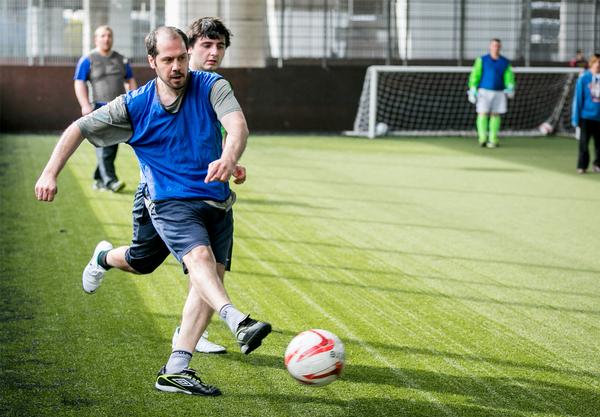
The Healthy Kickers scheme is open to anyone with a mental health diagnosis

Case study:

The Bristol Active Life Project

The Bristol Active Life Project (BALP) was set up in 2005 to bring the benefits of physical activity to those with severe and enduring mental health problems. The idea was sparked when mental health staff within a Bristol hospital began providing gym sessions for people hospitalised with conditions such as bipolar disorder and schizophrenia.

“Originally, it was more about occupying time than any perceived health benefits,” says Mark Owen, former physical activity development officer for mental health at Bristol City Council. “But when reductions in BMI, increases in lean body mass and a reduction in medication were noted, it was clear that extending its provision would be worthwhile.”
The project received local authority support and funding from the Football Foundation to provide facilities and coaches, and train those involved in delivering the exercise sessions. In the three years between 2009 and 2012, more than 900 referrals were made and BALP was running 20 sessions a week, from five-a-side football to martial arts, gym classes and badminton. The project’s funding ceased in 2013, but many of the classes it spawned now run independently. There’s still a referral process – not anyone can turn up at one of the sessions – but the ‘net’ of referrals is much wider, including GPs and mental health support workers.

“We succeeded in getting people out of their homes and into the sessions,” says Owen. “When you think of the barriers that exist for people with mental health issues – poor self-esteem, bad experiences of sport/exercise in the past, lack of energy – it demonstrates the impact of what we provided.”

Details: www.bristol.gov.uk/page/health-and-adult-care/bristol-active-life-project-balp

Case study:

Up and Running

In 2010, clinical psychologist Harriet Heal and running coach Shona Campbell founded Up and Running, a 10-week running programme specifically geared towards women suffering mental health problems.

Through her own experience of depression, Campbell had seen first-hand the difference lacing up her trainers could make, and Heal needed little convincing: “I don’t know any runner who doesn’t believe it helps their mental health,” she says.

But Up and Running isn’t just about getting the miles in. “Many of the benefits come from the social and mutually supportive aspect of being with people who have experienced similar problems,” says Heal. “People don’t have to discuss their mental health if they don’t want to, but know they’re in a safe, non-judgmental place to do so.”

Participant feedback thus far shows that 90 per cent of women believe it has had a positive impact on their mood and mental health; 100 per cent would recommend it to others. “There are former Up and Running course participants who still meet up once a week to have a walk and a coffee together,” says Heal. She and Campbell have been approached by other groups and individuals interested in setting up similar schemes.

Watch this space...

Details: www.upandrunninginsevenoaks.org.uk
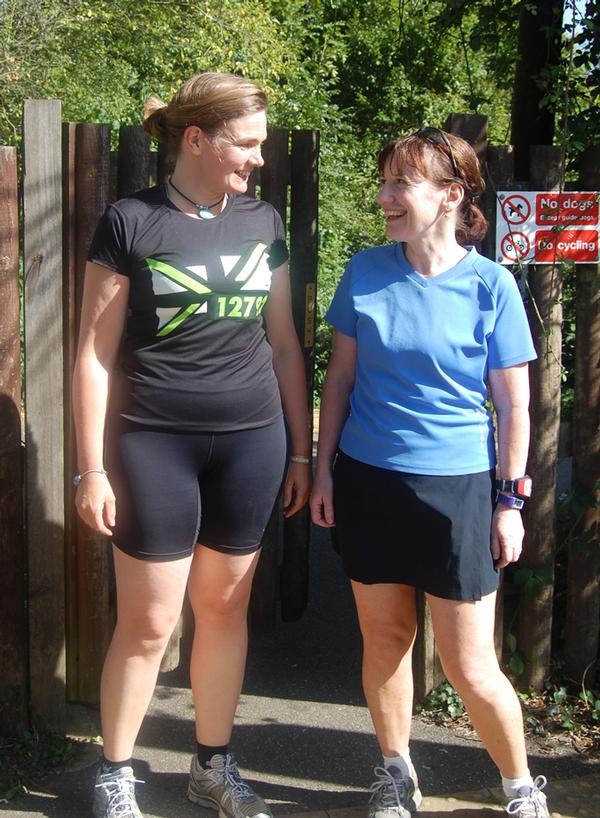
 clinical psychologist Harriet Heal and running coach Shona Campbell
clinical psychologist Harriet Heal and running coach Shona Campbell
The Up and Running programme benefits women with mental health issues
Sign up here to get HCM's weekly ezine and every issue of HCM magazine free on digital.
A record number of anti-depressants were issued in 2012. Is exercise a better drug? / photo: shutterstock.com
One in four people has, or has had, a mental health condition – yet gyms don’t address this / photo: shutterstock.com
https://www.leisureopportunities.co.uk/images/HCM2014_6feelgood.jpg
Sam Murphy reports on the impact physical activity can have on mental wellbeing, and looks at how health and fitness clubs can assist members with mental health issues
Sam Murphy,Mental health, mental wellbeing, Healthy Kickers, Bristol Active Life Project, BALP, Up and Running, depression
HCM magazine
Raphael Cuomo explores the powerful link between addiction, health and behaviour change
HCM magazine
If the health service is to survive, we must recognise that it is a disease service – and that wellbeing rests with us, says the activity advocate and healthy ageing champion. He talks to Kate Cracknell
HCM magazine
As the entrepreneur who started Wexer, Fresh Fitness, Fitness DK and Repeat, as well as being a former elite athlete, Rasmus Ingerslev’s life looked perfect from the outside, but onthe inside it was a different story. He talks to Kath Hudson about healing old wounds
HCM magazine
Strength training is evolving, driven by changing consumer preferences. Julie Cramer talks to innovators about how their products are meeting this demand
HCM magazine
I experienced a blissful feeling of joy I hadn’t felt since I was a kid
HCM promotional features
Sponsored
Starpool supports Olympic champion Marcell Jacobs, says Riccardo Turri
HCM promotional features
Sponsored
Find out how your gym can tap into the corporate wellness boom
HCM promotional features
Sponsored
SnowDome Fitness has added 50 per cent more space with cutting-edge Technogym solutions
HCM promotional features
Sponsored
David Lloyd is stepping up its commitment to women’s health as it continues to explore what fit-for-purpose looks like for the female population
HCM promotional features
Sponsored
Greg Bradley looks at the shift towards strength training in gyms and advises on how operators can create the ultimate training environment
HCM promotional features
Sponsored
Third Space partnered with IndigoFitness to deliver a bespoke training space for its new club at The Whiteley
HCM promotional features
Sponsored
EGYM has opened a new HQ in Paternoster Square, London and revealed a range of new launches
HCM promotional features
Promotion
Performance Health Systems, manufacturer of Power Plate, has a new CEO, with an ambitious vision for the company
HCM promotional features
Sponsored
Active IQ is calling for greater accountability in online fitness advice with the launch of a new trustmark
HCM promotional features
Latest News
Preventive healthcare company Neko Health has added body composition analysis to its full-body health scan ...
Latest News
Chequan Lewis is the new CEO of Crunch Fitness, taking over from Jim Rowley, who ...
Latest News
Sea Lanes Canary Wharf has officially opened. The 50-metre, six-lane pool, which uses the natural ...
Latest News
London-based high-performance fitness club, ONE LDN, is raising funds for a multi-site expansion across London, ...
Latest News
A new brain clinic has opened in London, which uses non-invasive brain stimulation to treat ...
Latest News
Good Boost’s digital exercise programmes are helping adults with MSK at a lower cost than ...
Latest News
With Prime Minister, Keir Starmer, announcing his resignation this morning and Andy Burnham as a ...
Latest News
Koru Health Club launched recently within Luxembourg’s multi-experience destination, GRID X, which combines culture, retail ...
Opinion
promotion
Strength training has moved from the margins to the mainstream.
Opinion: Building smarter strength spaces for today’s operators
Featured supplier news
Featured supplier news: CoverMe extends matching service to personal training, rewriting how members and personal trainers connect
CoverMe, the global leader in fitness workforce management, today launches CoverMe PT, an on-demand personal training platform that connects the right personal trainer to the right client in under 10 seconds.
Featured supplier news
Featured supplier news: Cornerstone Connect helps Active Blackpool tackle health inequalities
Active Blackpool is deploying Cornerstone Connect, a new digital interface allowing disparate information from multiple systems to be aggregated into one dataset, to support its focus on reducing health inequalities and improving healthy life expectancy.
Company profiles
Company profile: Parkwood Leisure
Parkwood Leisure provides bespoke management and professional support services for leisure, cultural, and health and ...
Company profiles
Company profile: Vor Technologies Ltd
Vor is the world’s most powerful workout generation tool, transforming how fitness businesses deliver personalised ...
Supplier Showcases
Supplier Showcase - From nightclub to health club
Supplier Showcases
Supplier Showcase - Future-proofing
Catalogue Gallery
Click on a catalogue to view it online
Featured press releases
BLK BOX press release: Inside the build: Salt 
To bring their concept to life, Salt partnered with BLK BOX to design and equip a facility that would deliver a premium training experience while supporting the needs of a diverse and growing community.
Featured press releases
Swimming Teachers' Association (STA) press release: The Ripple Effect delivers first success as learners qualify and secure employment
STA's The Ripple Effect initiative has reached an important milestone after learners completed the charity's first fully funded swimming teacher training programme, resulting in seven newly qualified swimming teachers.
Directory
Fitness tracking platform
SpiviTech: Fitness tracking platform
Spa and beauty equipment
Living Earth Crafts: Spa and beauty equipment
Hot tubs
MSpa International Ltd: Hot tubs
Industrial washing machines
Miele Company Limited: Industrial washing machines
Water experiences and hydrotherapy solutions
Aquaform s.r.l.: Water experiences and hydrotherapy solutions
Lockers
Crown Sports Lockers: Lockers
Property & Tenders
Stratford, East London.
Lee Valley Regional Park Authority
Property & Tenders
Y Felinheli, LL56 4QN
Newmark
Property & Tenders
Diary dates
21-24 Sep 2026
The Langham Huntington Pasadena , Pasadena, United States
Diary dates
06-08 Oct 2026
Messe Stuttgart, Stuttgart, Germany
Diary dates
22-22 Oct 2026
QEII Conference Centre, London,
Diary dates
26-29 Oct 2027
Koelnmesse Exhibition Centre, Cologne, Germany
Diary dates

features

Mental health: The feelgood factor

Sam Murphy reports on the impact of physical activity on mental health

Published in Health Club Management 2014 issue 6
There’s a clear and strong association between mental health and physical activity, including a positive effect on depression, stress, low self-esteem and cognitive function

If you were asked to list the most compelling reasons to exercise, you’d likely come up with factors like weight loss, improved cardiovascular fitness, lower blood pressure and cholesterol, and better muscle tone. And rightly so: all of these factors are proven benefits of regular physical activity.

However, with one in four people in the UK experiencing some kind of mental health issue, and a substantive body of evidence showing a link between physical and mental health (see HCM March 11, p36), many experts would like to see more emphasis on the value of exercise for mental wellbeing.

“There’s a clear and strong association between mental health and physical activity, including a positive effect on depression, stress, low self-esteem and even cognitive function,” says professor Stuart Biddle, an exercise psychologist at Loughborough University in the UK. ??

Debbie Lawrence, a qualification development manager for Active IQ and author of The Complete Guide to Physical Activity and Mental Health (Bloomsbury), agrees: “Two things are clear from the research,” she says. “Firstly, that people with mental health issues tend to have poorer physical health. And secondly, that exercise can help to prevent or alleviate many mental health symptoms.”

Physical activity, then, could be an important part of the jigsaw when it comes to prevention and treatment. But statistics suggest it’s still undervalued: 50 million prescriptions for anti-depressants were issued in 2012 – the highest number ever – while a report in 2013 from healthcare charity Nuffield Health found that GPs were 46 times more likely to prescribe medication than explore evidence-based alternatives like exercise. The charity calculated that, if we each did just 12 additional minutes of daily activity, we could save £6.3bn in costs to the NHS, welfare, and loss of earnings related to mental health issues.

Dr Davina Deniszczyc, wellbeing medical director at Nuffield Health, comments: “We encourage all GPs to prescribe exercise, refer patients to support services that can help them exercise and ensure exercise, where applicable, is a central part of the treatment a patient receives.”

Addressing the stigma
But what role could fitness operators play in promoting exercise for mental health? Lawrence believes the industry should shift its message. “The emphasis should be on exercise to feel good, rather than to not feel bad,” she says.

Harriet Heal, a clinical psychologist with an interest in the interaction between physical and mental health, agrees: “Gyms and health clubs tend to focus too much on the physical pay-offs: lose weight, tone up, get fit,” she says. “There needs to be more attention given to the mental benefits. Think of it this way: one in four of the people who walk through the door of your health club or leisure centre has, or has had, a mental health condition.”

It’s hardly a minority group, then. Yet while gyms and health clubs routinely offer classes for pregnant women or for the over-50s, it’s rare to find sessions aimed specifically at those with mental health problems.

“There’s still a long way to go in breaking down the stigma surrounding mental ill health,” says Mark Owen, who led the pioneering Bristol Active Life Project (BALP – see briefing, p58) in his role as physical activity development officer for mental health at Bristol City Council. “Many people aren’t comfortable being ‘labelled’ in public.”

Heal, who co-founded Up and Running – a running group for women in Kent with mental health issues (see briefing, p60) – agrees: “Our poster says ‘Do you suffer from anxiety or depression?’ But I sometimes worry that it puts off as many people as it attracts. I don’t want to avoid terms like ‘depression’ or ‘mental health’, but I also want don’t want to alienate people. We’ve had people enquiring about the group who say: ‘I don’t know if I’m ‘bad enough’ to join...”

When Up and Running launched in 2010, the Sevenoaks Chronicle, in which Heal had placed an ad, published a mocking piece describing the prospect of an exercise and mutual support group for depression and anxiety as “a barrel of laughs”. While the newspaper later issued a written apology, it shows just the sort of negative reaction that might hold people back from seeking support.

A warm welcome
Projects like BALP and Up and Running demonstrate that specifically targeting a mental health market can be successful. But it’s not the only way. “The right approach and attitude can make any exercise environment more welcoming and inclusive,” says Heal.

In 2000, a study conducted by the YMCA in the US set out to identify what kept people coming back to their gyms. After analysing more than 150,000 member satisfaction surveys, they concluded that it wasn’t fancy machines or yoga studios but the human factor: staff knowing members’ names and greeting them with a friendly smile. The research didn’t specifically address a mental health population, but as Heal points out, this positive social interaction would be even more crucial for someone feeling anxious or depressed, or lacking self-esteem.

Owen believes there needs to be more commitment from operators to train staff on mental health: “When we were running BALP, none of the local clubs or leisure centres came to ask us for training – it was always us going to them to offer it,” he says. “Better mental health awareness and education give staff more confidence. And it’s not just the instructors and coaches – it’s all staff. If someone’s been brave enough to take a step through the door, every staff member they encounter could make or break whether they come back.”

Dr Kitrina Douglas, a researcher in exercise, health and sport at the University of Bristol, was involved in evaluating BALP, interviewing participants and staff. “Education is really important,” she agrees. “For many of those we interviewed, medication made morning classes difficult – just getting up and out was a much bigger deal than it is for most of us. Staff didn’t always understand what a big effort it could be even to get to the venue.”

Many of the instructors connected to BALP took the exercise referral course Physical Activity for Persons with Mental Health Conditions, which looks in depth at specific conditions such as bipolar disorder, schizophrenia and post-traumatic stress disorder. “The education we delivered helped practitioners understand what life is like living with long-term mental illnesses,” says Douglas.

So how might a fitness session for a mental health population differ from other sessions? “It’s not so much the format or structure as the atmosphere and approach,” says Owen. Heal agrees: “You might need to take more time over things and focus on the process, rather than the outcome. You don’t want exercise to become another stress for someone.”

Those involved with delivering BALP sessions were taught the importance of creating a safe, supportive environment. “As an instructor or coach, it’s less about knowing all the answers regarding any given mental health condition and more about focusing on the individual’s needs at that time,” says Owen.

Universal benefits
Heal wonders whether gyms would benefit from a resident or attached mental health expert: “You’d expect there to be professionals in physical health – why not in mental health?” she asks. “They could be there to advise the health club users, but also be a point of contact for other staff at the facility.”

Douglas believes the real solution lies in being able to break down the barriers and stigma surrounding mental health issues. “Even the terms we use – ‘people with mental health problems’ – create a rift that makes it seem ‘they’ aren’t normal, and ‘we’ are, when of course all of us, regardless of our mental health status, want to have fun, enjoy social activities and have access to exercise and work opportunities,” she says.

Heal agrees. “We tend to medicalise mental illness, but the truth is that many people slide in and out of depression and anxiety disorders,” she says. “Physical activity has the same benefits for everyone – and while many of these are long-term, perhaps what’s more useful in terms of mental health is to focus on the immediate payoffs. ‘Feel better this afternoon than you did this morning’ is a very powerful message for health clubs to get across.”

See p30 for a discussion on whether the fitness sector is geared up to deal with mental health issues.

Case study:

Healthy Kickers

Every Thursday lunchtime, men and women of all ages and abilities with mental health issues gather at the Westway Sports Centre in London to play football. Each session begins with a warm-up and skills practice, followed by a number of seven-a-side football matches.

The Healthy Kickers project is a joint initiative by SMART and London Cyrenians Housing – charities that provide support to people with mental health problems through physical activity – and there are staff on-hand to offer motivation and advice, and to ensure participants develop the confidence to engage fully with the sessions. Coaching is provided by Queens Park Rangers Football Club and sessions are adapted to meet the fitness and support needs of everyone who attends.

Healthy Kickers is open to anyone with a mental health diagnosis who is referred by an approved organisation or charity within the London tri-borough area of Kensington and Chelsea, Westminster and Hammersmith and Fulham.

Details: www.smartlondon.org.uk

The Healthy Kickers scheme is open to anyone with a mental health diagnosis

Case study:

The Bristol Active Life Project

The Bristol Active Life Project (BALP) was set up in 2005 to bring the benefits of physical activity to those with severe and enduring mental health problems. The idea was sparked when mental health staff within a Bristol hospital began providing gym sessions for people hospitalised with conditions such as bipolar disorder and schizophrenia.

“Originally, it was more about occupying time than any perceived health benefits,” says Mark Owen, former physical activity development officer for mental health at Bristol City Council. “But when reductions in BMI, increases in lean body mass and a reduction in medication were noted, it was clear that extending its provision would be worthwhile.”
The project received local authority support and funding from the Football Foundation to provide facilities and coaches, and train those involved in delivering the exercise sessions. In the three years between 2009 and 2012, more than 900 referrals were made and BALP was running 20 sessions a week, from five-a-side football to martial arts, gym classes and badminton. The project’s funding ceased in 2013, but many of the classes it spawned now run independently. There’s still a referral process – not anyone can turn up at one of the sessions – but the ‘net’ of referrals is much wider, including GPs and mental health support workers.

“We succeeded in getting people out of their homes and into the sessions,” says Owen. “When you think of the barriers that exist for people with mental health issues – poor self-esteem, bad experiences of sport/exercise in the past, lack of energy – it demonstrates the impact of what we provided.”

Details: www.bristol.gov.uk/page/health-and-adult-care/bristol-active-life-project-balp

Case study:

Up and Running

In 2010, clinical psychologist Harriet Heal and running coach Shona Campbell founded Up and Running, a 10-week running programme specifically geared towards women suffering mental health problems.

Through her own experience of depression, Campbell had seen first-hand the difference lacing up her trainers could make, and Heal needed little convincing: “I don’t know any runner who doesn’t believe it helps their mental health,” she says.

But Up and Running isn’t just about getting the miles in. “Many of the benefits come from the social and mutually supportive aspect of being with people who have experienced similar problems,” says Heal. “People don’t have to discuss their mental health if they don’t want to, but know they’re in a safe, non-judgmental place to do so.”

Participant feedback thus far shows that 90 per cent of women believe it has had a positive impact on their mood and mental health; 100 per cent would recommend it to others. “There are former Up and Running course participants who still meet up once a week to have a walk and a coffee together,” says Heal. She and Campbell have been approached by other groups and individuals interested in setting up similar schemes.

Watch this space...

Details: www.upandrunninginsevenoaks.org.uk
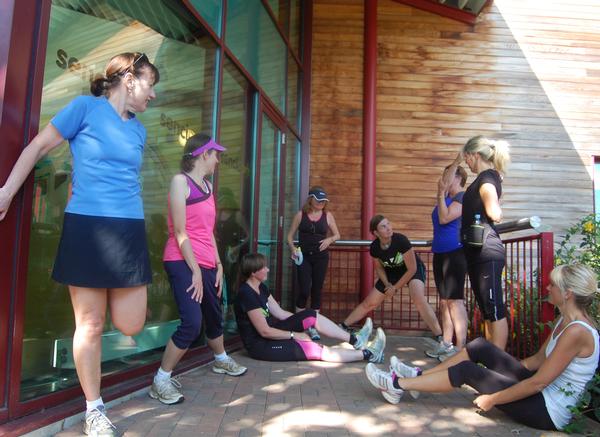
 clinical psychologist Harriet Heal and running coach Shona Campbell
clinical psychologist Harriet Heal and running coach Shona Campbell
The Up and Running programme benefits women with mental health issues
Sign up here to get HCM's weekly ezine and every issue of HCM magazine free on digital.
A record number of anti-depressants were issued in 2012. Is exercise a better drug? / photo: shutterstock.com
One in four people has, or has had, a mental health condition – yet gyms don’t address this / photo: shutterstock.com
https://www.leisureopportunities.co.uk/images/HCM2014_6feelgood.jpg
Sam Murphy reports on the impact physical activity can have on mental wellbeing, and looks at how health and fitness clubs can assist members with mental health issues
Sam Murphy,Mental health, mental wellbeing, Healthy Kickers, Bristol Active Life Project, BALP, Up and Running, depression
Latest News
Preventive healthcare company Neko Health has added body composition analysis to its full-body health scan ...
Latest News
Chequan Lewis is the new CEO of Crunch Fitness, taking over from Jim Rowley, who ...

Latest News
Sea Lanes Canary Wharf has officially opened. The 50-metre, six-lane pool, which uses the natural ...

Latest News
London-based high-performance fitness club, ONE LDN, is raising funds for a multi-site expansion across London, ...
Latest News
A new brain clinic has opened in London, which uses non-invasive brain stimulation to treat ...
Latest News
Good Boost’s digital exercise programmes are helping adults with MSK at a lower cost than ...
Latest News
With Prime Minister, Keir Starmer, announcing his resignation this morning and Andy Burnham as a ...
Latest News
Koru Health Club launched recently within Luxembourg’s multi-experience destination, GRID X, which combines culture, retail ...
Latest News
Celebrating its 10th anniversary, Elevate has had its busiest show to date, with almost 200 ...
Latest News
A new report from Your Personal Training (YPT) suggests UK gym operators could be missing ...
Latest News
Eighty-four per cent of consumers now say wellness is a top priority in their lives, ...
Opinion
promotion
Strength training has moved from the margins to the mainstream.
Opinion: Building smarter strength spaces for today’s operators
Featured supplier news
Featured supplier news: CoverMe extends matching service to personal training, rewriting how members and personal trainers connect
CoverMe, the global leader in fitness workforce management, today launches CoverMe PT, an on-demand personal training platform that connects the right personal trainer to the right client in under 10 seconds.
Featured supplier news
Featured supplier news: Cornerstone Connect helps Active Blackpool tackle health inequalities
Active Blackpool is deploying Cornerstone Connect, a new digital interface allowing disparate information from multiple systems to be aggregated into one dataset, to support its focus on reducing health inequalities and improving healthy life expectancy.
Company profiles
Company profile: Parkwood Leisure
Parkwood Leisure provides bespoke management and professional support services for leisure, cultural, and health and ...
Company profiles
Company profile: Vor Technologies Ltd
Vor is the world’s most powerful workout generation tool, transforming how fitness businesses deliver personalised ...
Supplier Showcases
Supplier Showcase - From nightclub to health club
Supplier Showcases
Supplier Showcase - Future-proofing
Catalogue Gallery
Click on a catalogue to view it online
Featured press releases
BLK BOX press release: Inside the build: Salt 
To bring their concept to life, Salt partnered with BLK BOX to design and equip a facility that would deliver a premium training experience while supporting the needs of a diverse and growing community.
Featured press releases
Swimming Teachers' Association (STA) press release: The Ripple Effect delivers first success as learners qualify and secure employment
STA's The Ripple Effect initiative has reached an important milestone after learners completed the charity's first fully funded swimming teacher training programme, resulting in seven newly qualified swimming teachers.
Directory
Fitness tracking platform
SpiviTech: Fitness tracking platform
Spa and beauty equipment
Living Earth Crafts: Spa and beauty equipment
Hot tubs
MSpa International Ltd: Hot tubs
Industrial washing machines
Miele Company Limited: Industrial washing machines
Water experiences and hydrotherapy solutions
Aquaform s.r.l.: Water experiences and hydrotherapy solutions
Lockers
Crown Sports Lockers: Lockers
Property & Tenders
Stratford, East London.
Lee Valley Regional Park Authority
Property & Tenders
Y Felinheli, LL56 4QN
Newmark
Property & Tenders
Diary dates
21-24 Sep 2026
The Langham Huntington Pasadena , Pasadena, United States
Diary dates
06-08 Oct 2026
Messe Stuttgart, Stuttgart, Germany
Diary dates
22-22 Oct 2026
QEII Conference Centre, London,
Diary dates
26-29 Oct 2027
Koelnmesse Exhibition Centre, Cologne, Germany
Diary dates
Search news, features & products:
Find a supplier:
Partner sites