
























features
Insight: Valuing recovery
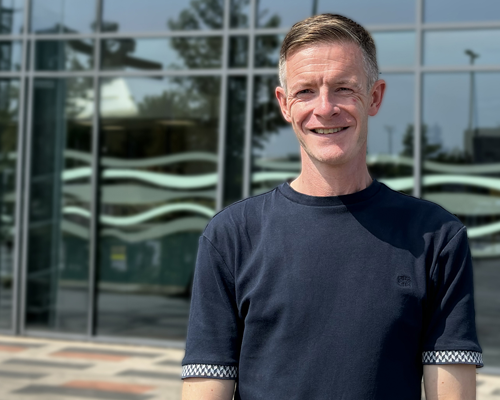
As BFT launches a concept called Recovery 10X, co-founder Cameron Falloon talks about the power of getting it right



Whatever the motivation for working out, integrating enough time for recovery into a fitness regime is essential to feeling fitter, stronger and healthier – not just physically, but also mentally.
Taking time to recover is an essential part of reaching fitness goals. Resting the body keeps it strong, healthy and mentally ready to take on the next workout.
Why is if often overlooked?
Recovery is frequently undervalued in fitness routines, meaning people can miss out on essential rest periods – not realising that recovery is critical for muscle repair, injury prevention and long-term improvements in performance.
Another reason is the fear of falling behind – some people worry they’ll lose their progress if they slow down, but this can create a cycle that leads to overtraining and burnout. Ironically, this mindset is more likely to lead to setbacks such as injuries or chronic fatigue, ultimately hindering progress rather than speeding it up.
Modern technology also plays a role. With our phones and devices constantly within reach, it can feel hard to disconnect, blurring boundaries between work, personal life and rest. But perhaps the most common reason recovery is overlooked is that the benefits aren’t immediately visible. A fitness journey takes time, and in an environment that often values instant results, scheduling rest days can feel counterintuitive.
By understanding these common barriers, we can start to reframe recovery.
Recovery accelerates muscle repair, reduces the risk of injury, optimises performance and aids with stress relief and relaxation.
Consistency is king and people need to trust in the process – recovery being a key component – to deliver short-term relief and long-term rewards.
At BFT, recovery is as important to us as the workouts. We encourage all members to add recovery to their training programmes.
Launching a new BFT recovery concept
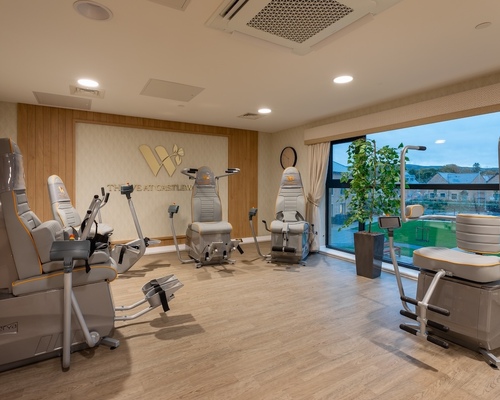
Educating our member on recovery’s is vital and to amplify this, we’re introducing a new programme at participating studios called Recovery 10X. This gives our members access to a host of resources that will aid their recovery, including infrared saunas, ice baths and Normatec compression boots.
The programme will launch in our Australian clubs, but the intention is to make it more widely available to franchisees.
Recovery is vital and essential for members to achieve lasting progress. A fitness journey is a marathon, not a sprint and embracing recovery will help people become stronger, more motivated and on track towards goals.
✻ Cool down – cooling down aids recovery by gradually lowering the heart rate, improving blood flow to reduce soreness, keeping the muscles ready for the next workout.
✻ Sleep – members need to aim for 7-9 hours of quality sleep to promote recovery and support hormone regulation.
✻ Hydration – rehydration is important to replace fluids lost through sweat. Drinking lots of water also helps with nutrient transportation.
✻ Nutrition – recovering properly requires the correct fuel. A balanced diet with adequate protein, carbohydrates and fats is essential to support muscle repair and energy restoration.
✻ Active recovery – low-intensity activities such as walking or yoga can help with circulation and overall recovery without additional strain.
✻ Stretching is another low-intensity activity that reduces muscle tension, prevents stiffness and promotes blood flow.
Source, Cameron Falloon, Body Fit Training
✻ Muscle repair and growth – exercise creates tiny tears in muscle fibres that need time to heal, making muscles stronger. Without sufficient rest, muscles don’t have the chance to repair, hindering growth and making injuries more likely.
✻ Reducing soreness – recovery alleviates Delayed Onset Muscle Soreness (DOMS), which peaks 24-72 hours after exercise. Recovery allows the muscles to heal properly.
✻ Energy replenishment – exercise burns energy and intense workouts deplete your glycogen stores – a key energy source. Recovery allows these to rebuild.
✻ Preventing injury and overtraining – rest prevents chronic fatigue, reducing the risk of injury, and improves performance in the long run.
✻ Immune system health – intense exercise can supress your immune system, making you more susceptible to infections. Rest is essential to avoid this, as it allows your immune system to return to normal.
✻ Mental resilience – rest, including sleep and low-stress activities, keeps you mentally fresh and motivated to continue with your workout regime.
✻ Enhanced performance – with proper recovery, you’re better prepared to push yourself further in your next session and each session thereafter.
Source, Cameron Falloon, Body Fit Training